- English
- French
- German
- Portuguese
- Spanish
- Russian
- Japanese
- Korean
- Arabic
- Greek
- German
- Turkish
- Italian
- Danish
- Romanian
- Indonesian
- Czech
- Afrikaans
- Swedish
- Polish
- Basque
- Catalan
- Esperanto
- Hindi
- Lao
- Albanian
- Amharic
- Armenian
- Azerbaijani
- Belarusian
- Bengali
- Bosnian
- Bulgarian
- Cebuano
- Chichewa
- Corsican
- Croatian
- Dutch
- Estonian
- Filipino
- Finnish
- Frisian
- Galician
- Georgian
- Gujarati
- Haitian
- Hausa
- Hawaiian
- Hebrew
- Hmong
- Hungarian
- Icelandic
- Igbo
- Javanese
- Kannada
- Kazakh
- Khmer
- Kurdish
- Kyrgyz
- Latin
- Latvian
- Lithuanian
- Luxembou..
- Macedonian
- Malagasy
- Malay
- Malayalam
- Maltese
- Maori
- Marathi
- Mongolian
- Burmese
- Nepali
- Norwegian
- Pashto
- Persian
- Punjabi
- Serbian
- Sesotho
- Sinhala
- Slovak
- Slovenian
- Somali
- Samoan
- Scots Gaelic
- Shona
- Sindhi
- Sundanese
- Swahili
- Tajik
- Tamil
- Telugu
- Thai
- Ukrainian
- Urdu
- Uzbek
- Vietnamese
- Welsh
- Xhosa
- Yiddish
- Yoruba
- Zulu
nox sensor car
Sealed waterproof design
High reliability, stable signal output
Fast response time
Startup time is much shorter than the industry's 165s
Various software and 300+ communication protocols
Long service life up to 6000H,high than industry standard
Strong resistance to lead and sulfide poisoning
Appearance and customer interface can be compatible with mainstream OEM products
Nox Sensor Car Solution: Diesel NOx Sensor with 6000 h Service Life
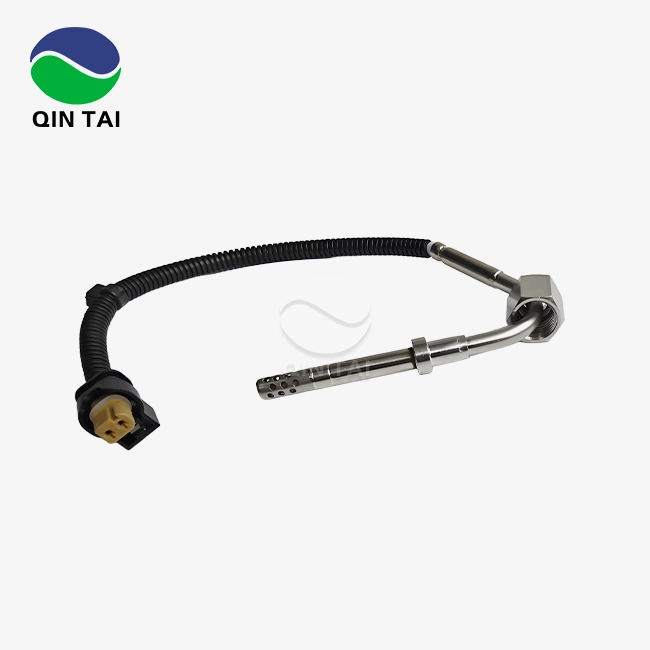
Diesel NOx sensors for SCR systems come from Xi'an Qintai Automotive Emission Technology Co., Ltd. Among them is a nox sensor car solution built for diesel engines and vehicles. Each sensor runs for up to 6000 hours. More than 300 communication protocols are supported. Wet, dirty exhaust is no problem, because the body is sealed and waterproof. Lead and sulfide poisoning do not damage it. Startup takes less than the 165 s industry reference. Cable lengths and connectors are customizable. Appearance and interface can also be made to match mainstream OEM products, which makes replacement and project integration easier.
Key Features of the Diesel NOx Sensor
- Sealed and waterproof, so wet and dirty exhaust is handled
- Signal output stays stable, and response is fast enough for urea dosing control
- A startup time that beats the 165 s industry reference
- Service life of up to 6000 h
- It also stands up to lead and sulfide poisoning
- Connectors and cable lengths can be customized
- Over 300 communication protocols. Several software options as well.
Product Specifications
| Item | Specification |
|---|---|
| Product type | Diesel nitrogen oxide (NOx) sensor |
| Startup time | Shorter than the industry's 165 s; exact value not provided |
| Service life | Up to 6000 h |
| Communication | 300+ protocols; various software options |
| Signal output | Stable, with fast response time |
| Protection | Sealed waterproof design |
| Poisoning resistance | Resistant to lead and sulfide |
| Connector | Customizable |
| Cable length | Customizable |
| Appearance and interface | Can match mainstream OEM products |
The source data gives no measuring range. Supply voltage is missing too, and so are the operating temperature, the dimensions and the part numbers. That is why none of them show up here. Tell us what you need and we will check the details with you.
What a Typical NOx Sensor Contains
Most NOx sensors put a few parts together inside one unit. The sensing element is normally a zirconia ceramic cell. A heater element holds the sensor at its working temperature. Then comes a signal conditioning circuit, which gets the measured signal ready. An integrated control module handles the link to the ECU. A connector and a wiring harness tie the sensor to the vehicle. All of this describes how NOx sensors are built in general. It is not a spec sheet for this product.
How the Sensor Supports Your SCR System
On a car with SCR, the two nox sensors normally work as a pair. The upstream one reads how much NOx goes into the SCR catalyst. From that reading the ECU works out how much urea (AdBlue) to inject so NOx turns into N₂ and H₂O. The downstream sensor then checks if NOx has dropped far enough. When it has not, the ECU changes the dosing rate or logs a fault code.
Output Signal and Diagnostics
Exhaust NOx levels get measured all the time by the sensor, and the readings go to the ECU or the SCR control module. Digital CAN bus communication is what most NOx sensors use. A few older models instead put out a voltage or current signal that rises with NOx concentration. Temperature and diagnostic status get reported by the sensor as well.
With this data, the control system can:
- Monitor and adjust urea (AdBlue) dosing
- Check how well the SCR catalyst cuts emissions
- Spot faults in the sensor or the catalyst, then set diagnostic trouble codes (DTCs)
- Keep onboard diagnostics and emission control working to standards like Euro VI and EPA
Applications and OEM Compatibility
Our nox sensor car solution suits diesel engines and vehicles with SCR aftertreatment. Its appearance and customer interface can match mainstream OEM products, so replacement and project integration stay simple.
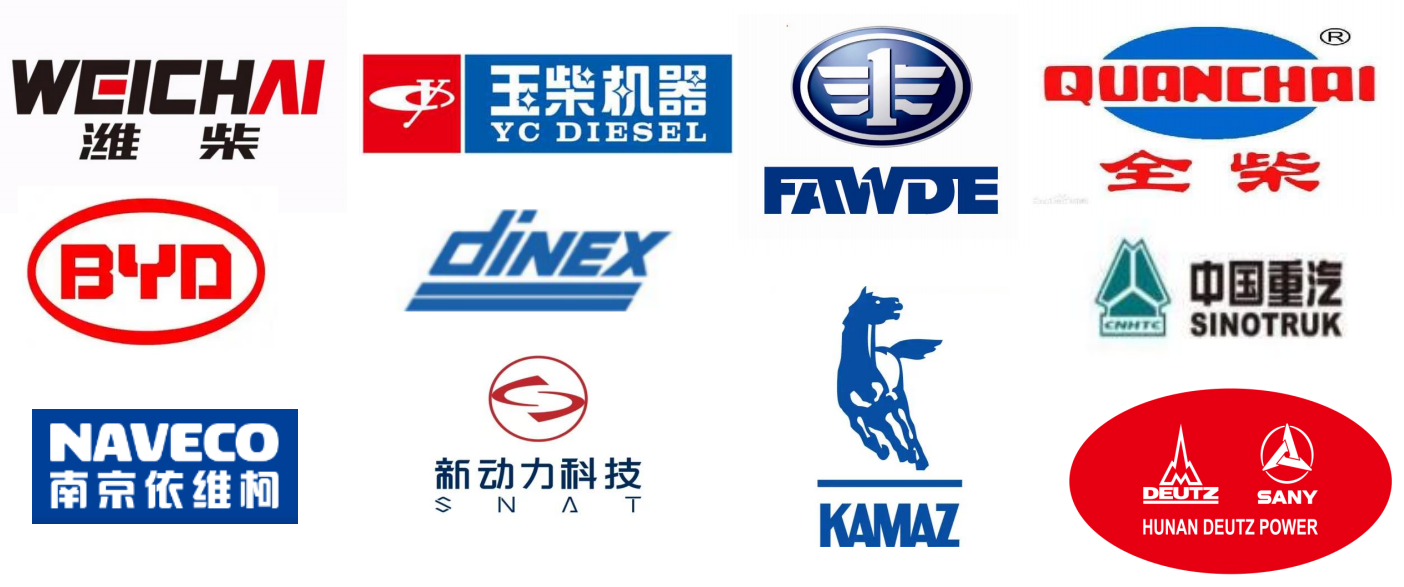
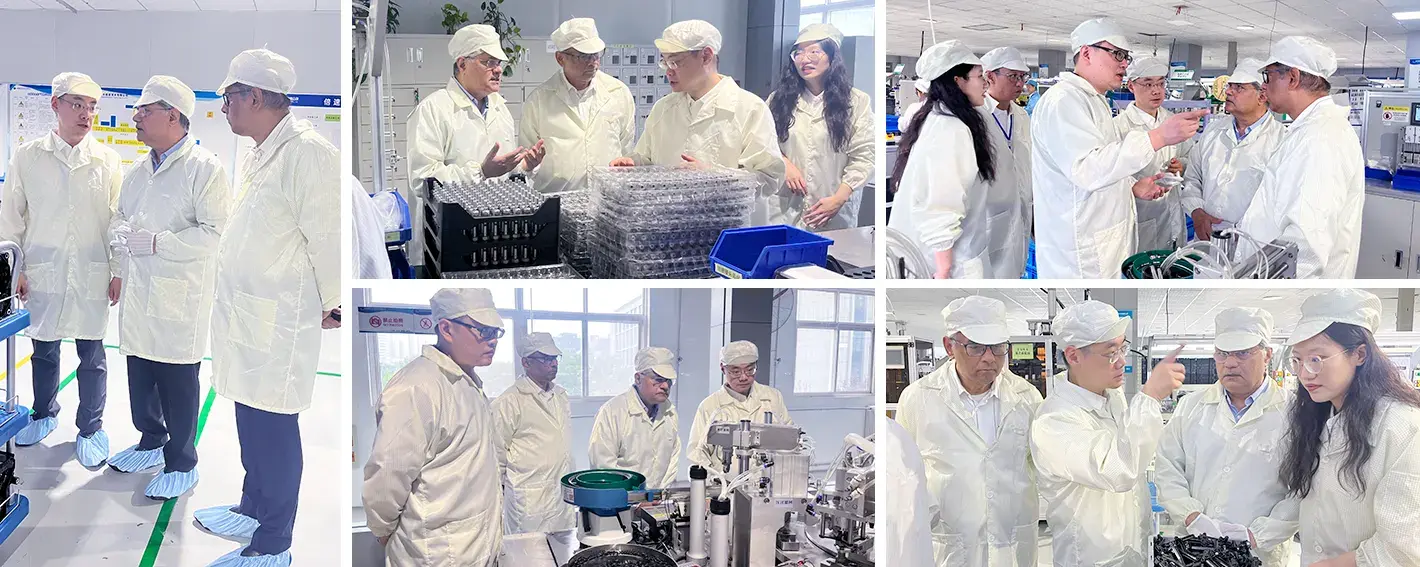
Qintai supplies engine makers such as Weichai Power, Yuchai Power, and Quanchai Power. We also work with BYD, DINEX, FAWDE, KAMAZ, NAVECO, DEUTZ, SANY, and SINOTRUK. China Yuchai Power has recognized our work with an R&D Collaboration Award.
OEM and ODM Customization
We handle OEM and ODM projects from product design to mass production. For This product project, you can specify connector type, cable length, and application requirements, and our R&D team provides technical support and joint development.
Selected in-stock products ship within one week. Typical production lead time is 1–2 weeks.
About Qintai for nox sensor car
Qintai has operated since 2001 and employs 420 people, including 86 R&D technicians. The company holds 58 invention patent applications, and its products reach OEM customers and partners in more than 60 countries.
Manufacturing, Testing and Quality Control
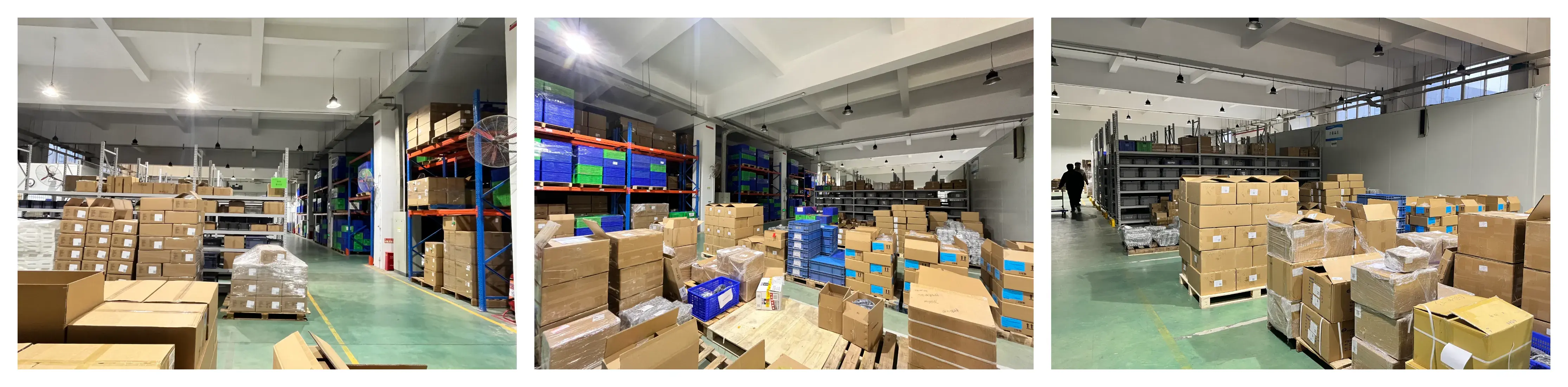
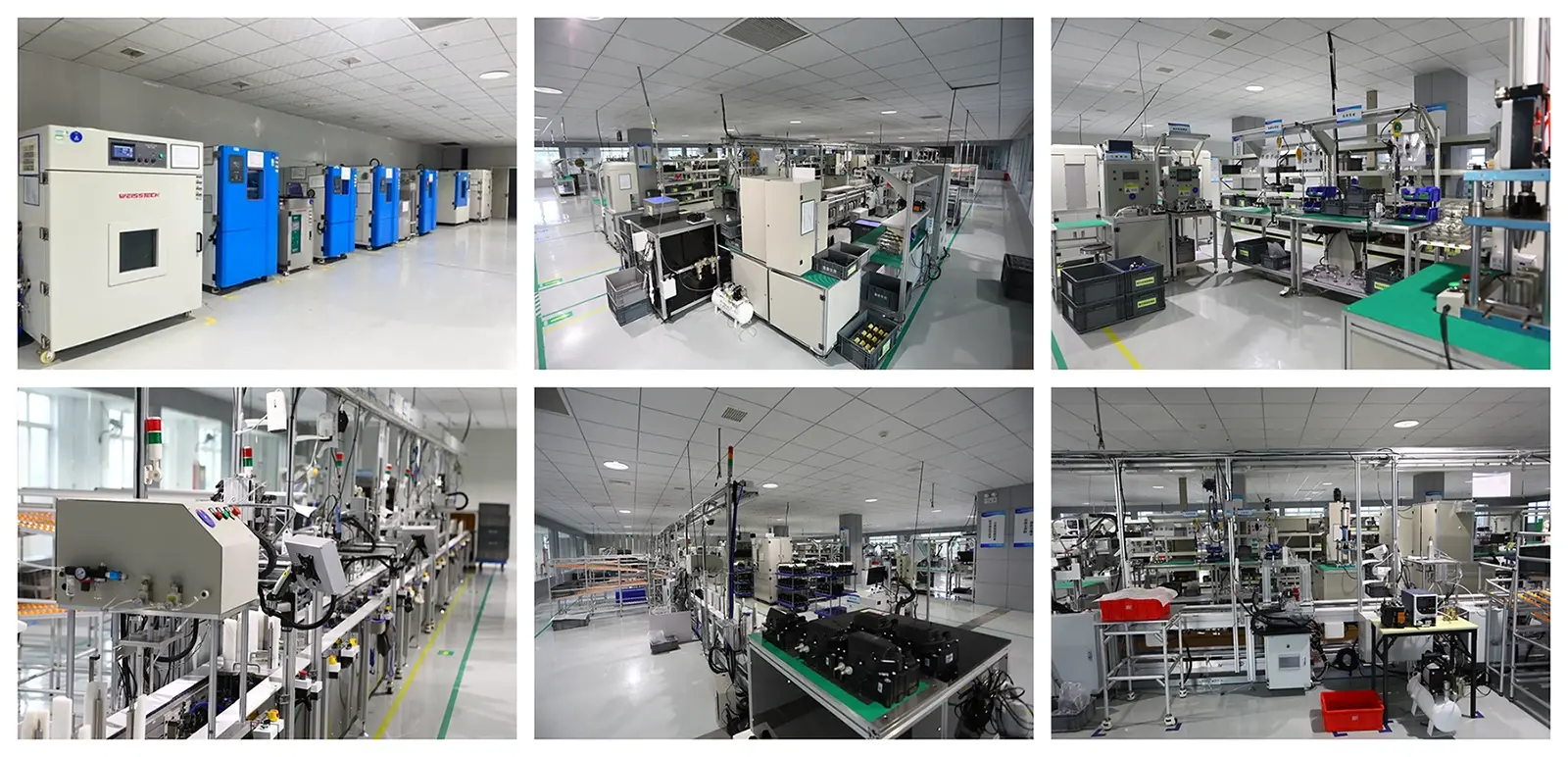
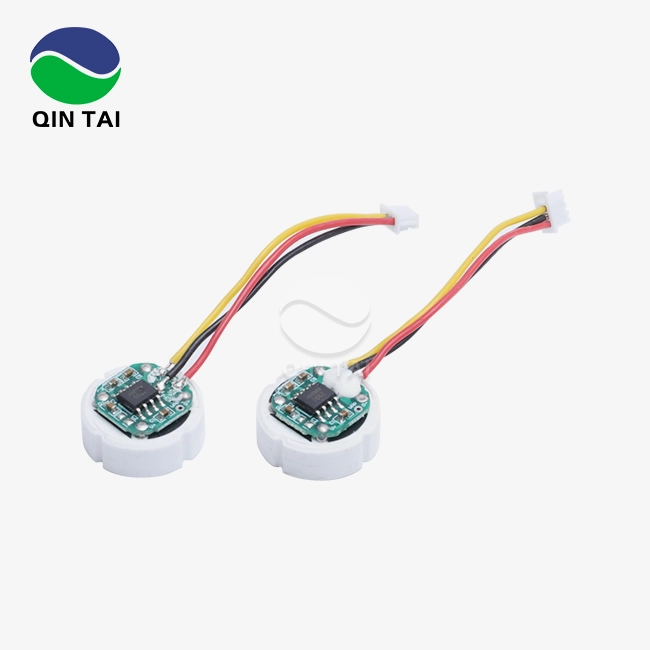
Qintai runs two sensor production lines and two dust-free urea pump assembly lines. We make sensor cores and run thick-film printing in-house. Company annual capacity reaches 1.5 million urea quality sensors, 2 million pressure sensors, and 1 million urea metering pumps.
Our 400 m² testing center holds more than 100 inspection devices, including over 20 specialized instruments. Tests cover microscopic inspection, dimensional measurement, physical and chemical properties, and environmental, mechanical, and electrical loads. We run DPV testing in-house, except EMC-related tests.
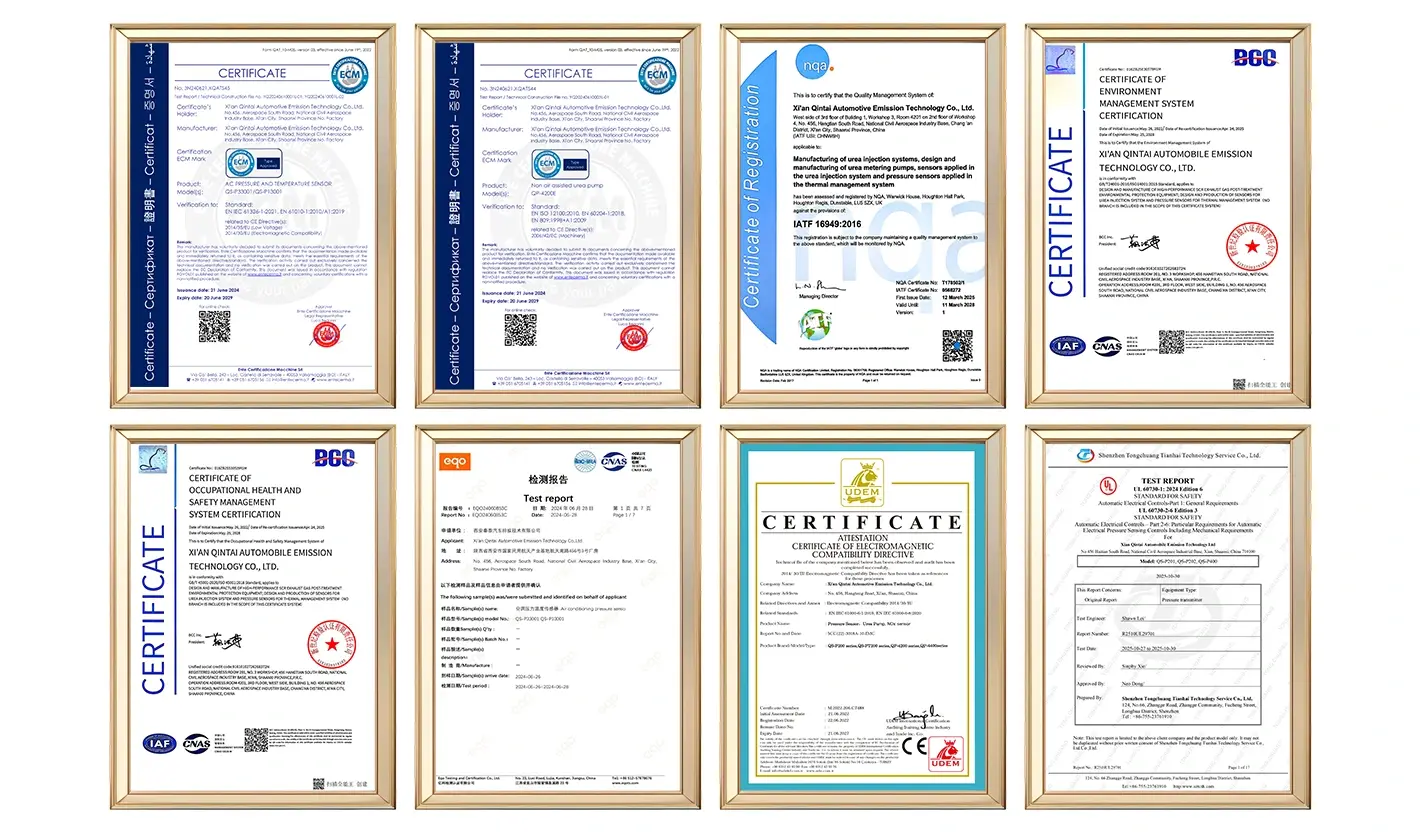
ISO 9001 and IATF 16949 are part of our quality system. CMC, Ex, UL, CE, REACH, and RoHS also appear on the company certification list. Those certificates belong to the company. They are not product specifications.
Global Experience and Exhibitions
We sell our products in Europe, the Middle East, South America, and other markets. AAPEX 2024 in Las Vegas is on our exhibition list. Hannover Messe 2025 in Germany is there too. Manufacturing World 2025 in Osaka made the list as well. We plan to attend Automechanika Istanbul 2026. SENSOR+TEST 2026 in Nuremberg is on our plan too.

Packaging and Delivery
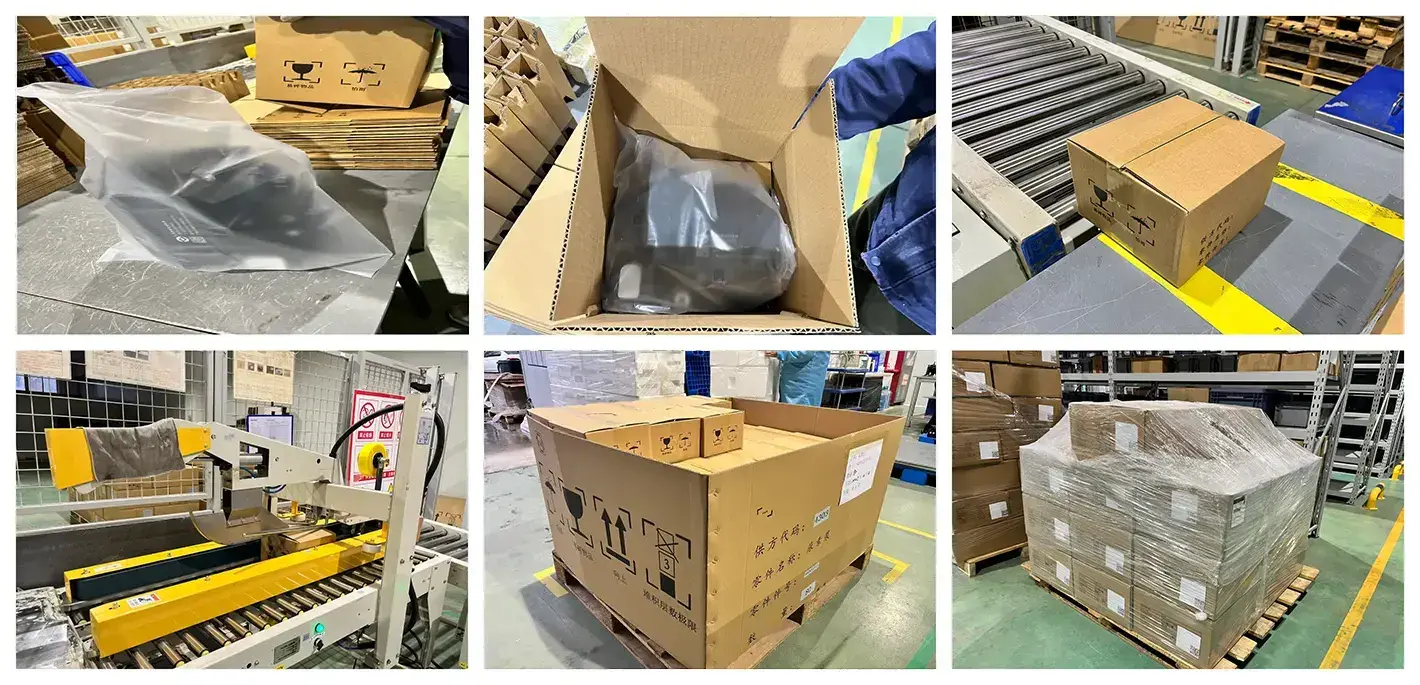
We use protective foam when we pack products. Anti-static nox sensor car materials go in as well. Reinforced cartons add protection. Customized packaging is available. Before shipment, we check barcodes, quantities, and appearance. Packaging integrity gets a check too. Our storage and inventory work follows standard traceability procedures. Air freight is one choice. Sea freight works too. Express delivery rounds out the options.
FAQ
Q: What does a NOx sensor do in a car?
A: Its job is to measure exhaust NOx. Readings go straight to the ECU. From there the ECU works out how much urea to dose. It also checks how well the catalyst is working. When a fault shows up, the ECU sets a DTC.
Q: What signal does a NOx sensor put out?
A: On most NOx sensors the link is digital, over CAN bus. A few older units send a voltage or a current that rises with NOx concentration. Temperature data and diagnostic status get sent too.
Q: Which communication options does this sensor support?
A: It supports 300+ communication protocols and various software options.
Q: Can I customize connectors and cable lengths for This product application?
A: Yes. Connectors and cable lengths can be customized for your application. Production usually takes 1–2 weeks.
Q: Which engines is this sensor designed for?
A: It is designed for diesel engines and vehicles with SCR aftertreatment.
Contact Us
Send your vehicle or engine requirements to info@qt-sensor.com. Our team will review your nox sensor car application and reply with suitable options.

Our customers’ satisfaction speaks for our quality — contact us to experience the same reliable service.