- English
- French
- German
- Portuguese
- Spanish
- Russian
- Japanese
- Korean
- Arabic
- Greek
- German
- Turkish
- Italian
- Danish
- Romanian
- Indonesian
- Czech
- Afrikaans
- Swedish
- Polish
- Basque
- Catalan
- Esperanto
- Hindi
- Lao
- Albanian
- Amharic
- Armenian
- Azerbaijani
- Belarusian
- Bengali
- Bosnian
- Bulgarian
- Cebuano
- Chichewa
- Corsican
- Croatian
- Dutch
- Estonian
- Filipino
- Finnish
- Frisian
- Galician
- Georgian
- Gujarati
- Haitian
- Hausa
- Hawaiian
- Hebrew
- Hmong
- Hungarian
- Icelandic
- Igbo
- Javanese
- Kannada
- Kazakh
- Khmer
- Kurdish
- Kyrgyz
- Latin
- Latvian
- Lithuanian
- Luxembou..
- Macedonian
- Malagasy
- Malay
- Malayalam
- Maltese
- Maori
- Marathi
- Mongolian
- Burmese
- Nepali
- Norwegian
- Pashto
- Persian
- Punjabi
- Serbian
- Sesotho
- Sinhala
- Slovak
- Slovenian
- Somali
- Samoan
- Scots Gaelic
- Shona
- Sindhi
- Sundanese
- Swahili
- Tajik
- Tamil
- Telugu
- Thai
- Ukrainian
- Urdu
- Uzbek
- Vietnamese
- Welsh
- Xhosa
- Yiddish
- Yoruba
- Zulu
urea dosing pump
2. Extra pre-filter to avoid blocking
3. Connector made of aluminium-magnesium alloy
4. Dosing flow is 12kg/hour
5. Pressure build is 9 bar
6. Withdrawal pump to avoid liquid freezing
Urea Dosing Pump for Diesel SCR Systems: 12 kg/h Flow, 9 bar Pressure, Bosch SCR Strategy Support
Xi'an Qintai Automotive Emission Technology Co., Ltd. has made diesel SCR aftertreatment parts since 2001. AdBlue runs through its urea dosing pump at 12 kg/h. The unit builds 9 bar of pressure. Bosch SCR control strategies are matched by the design. The company sells to engine builders. Weichai Power is one customer. Yuchai Power and Quanchai Power also buy from it. Pressure sensors and urea quality sensors come from the same plant. This page explains how the pump works. The specifications are listed here. Testing details sit here too. Customisation and delivery information appear as well, so you can check fit before you send an inquiry.
How the urea dosing pump moves AdBlue through the SCR system
The pump pulls DEF from the tank. Working pressure comes next. After that, the fluid passes through the filter to the dosing module. Flow is rated at 12 kg/h at 9 bar. The engine ECU decides how much gets injected. It uses load and exhaust mass flow. NOx feedback plays a part too. The pump output then follows that request.
When the key goes off, fluid is pulled back out of the pressure line by the withdrawal pump. The module purges at the same time. That way no liquid sits in passages where it could freeze. A heater is built into the housing as well, to help with cold starts.
Design Details That Affect Service Life
- Pre-filter: One more pre-filter sits upstream of the dosing chamber. Grit and crystallised urea get trapped there. Neither reaches the metering element.
- Connector material: The connector gets cast from an aluminium-magnesium alloy. Picking that metal keeps the weight low.
- Freeze protection: The withdrawal pump empties the line when the unit shuts down. On a sub-zero morning, no frozen fluid is left inside the module.
- Integrated housing: The pump, the filter and the heater all sit in one housing. That keeps the hydraulic path short, and mounting takes less space.
Product Specifications
The figures below describe the standard build. Check connector orientation and mounting points against your engine drawing before you place an order.
| Parameter | Specification |
|---|---|
| Dosing flow | 12 kg/h |
| Build pressure | 9 bar |
| ECU compatibility | Bosch SCR control strategies |
| Connector material | Aluminium-magnesium alloy |
| Filtration | Extra pre-filter upstream of the dosing chamber |
| Freeze protection | Withdrawal pump drains the line at shutdown |
| Housing | Integrated pump, filter and heater |
| Media | AdBlue / DEF urea solution |
Electrical ratings are missing from this page. So are noise level and dimensions. Weight is not listed either, and neither is the operating temperature range. Ingress protection is left out too. Ask us for the drawing or the datasheet. Check those values before you order.
Dosing Control and Bosch SCR Strategy Support
Whatever controller commands a urea dosing pump has to work with it. Qintai built this unit to follow Bosch SCR control strategies. So the dosing maps, the purge routines and the fault responses all sit around the logic your calibration already uses. Your Engine Control Unit sends the quantity request. Back comes operating feedback from the pump, and the controller uses it to adjust the next pulse. The same plant also builds pressure sensors and urea quality sensors. That means pump and sensor behaviour can be checked side by side before shipment.
Engine and Vehicle Applications
Trucks run this pump. Buses take it too, and so does construction machinery. Any other diesel-powered equipment can use the same unit. Qintai products go to more than 60 countries across Europe, the Middle East and South America. Weichai Power buys from the company. Yuchai Power and Quanchai Power do as well. There is also work with FAWDE, SINOTRUK, SANY, DEUTZ, KAMAZ, NAVECO, BYD and DINEX.
Aftermarket distributors get the same build as the OEM lines. Spare-part numbering stays consistent that way. If you run a mixed fleet, send the engine models. The team will then confirm which references interchange.
Manufacturing, Testing and Quality Control
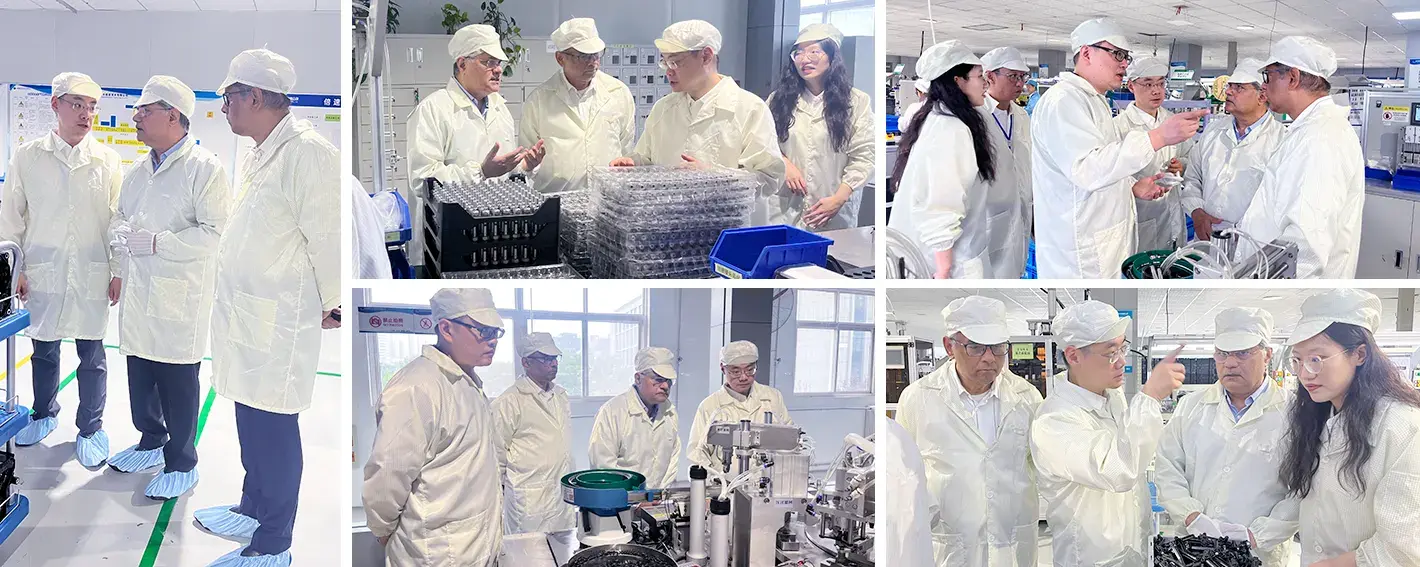
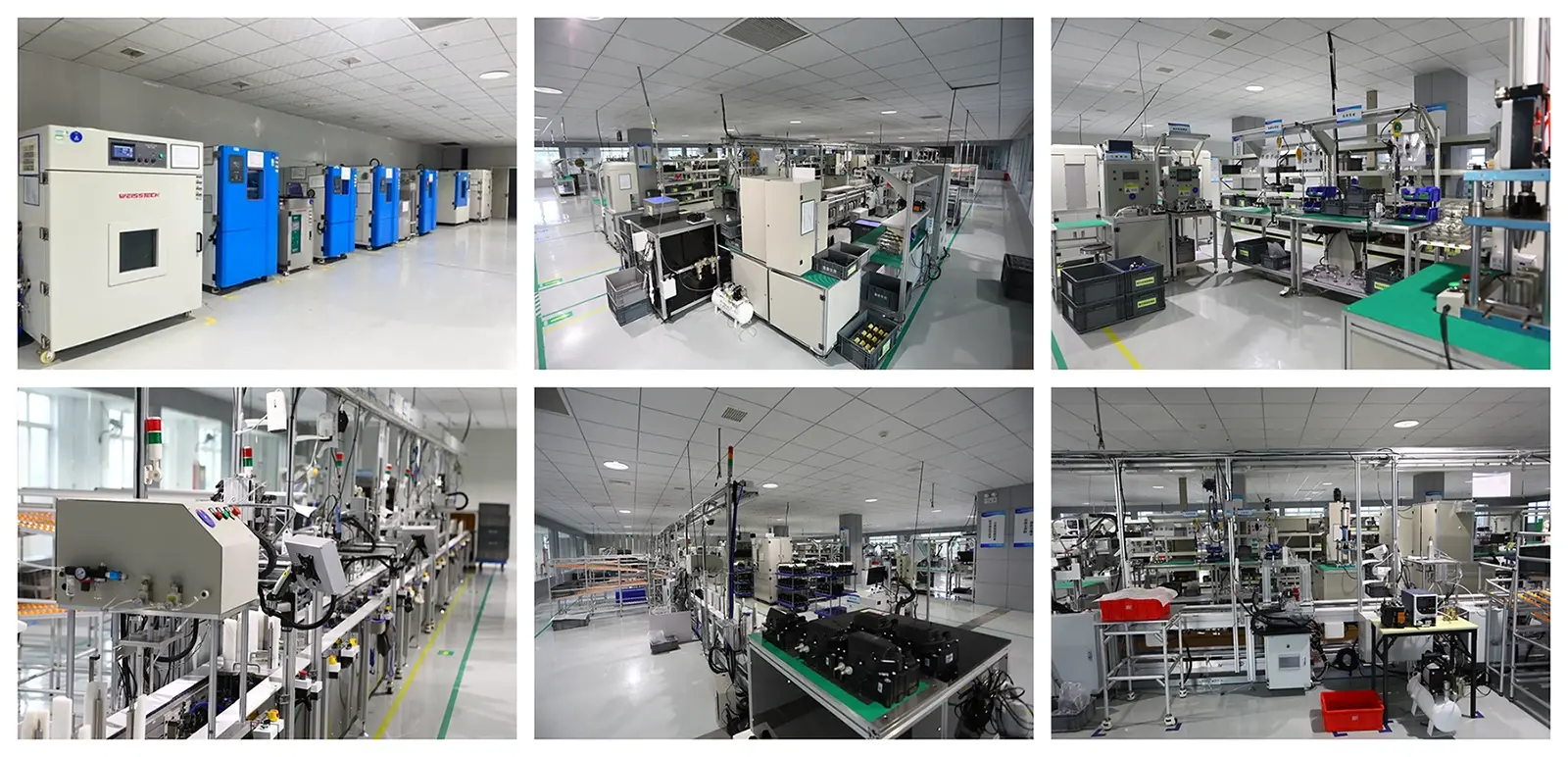
Two dust-free assembly lines turn out 1 million urea metering pumps every year. Beside them sits a 400 m² test centre. More than 100 inspection devices are installed inside it. Microscopic inspection and dimensional measurement are part of the checks. Physical properties get tested as well. So do chemical ones. Then come environmental load, mechanical load and electrical load. Over 20 of the instruments handle specialised checks. DPV testing stays in-house. EMC work goes out to an external lab. The company has 420 employees.
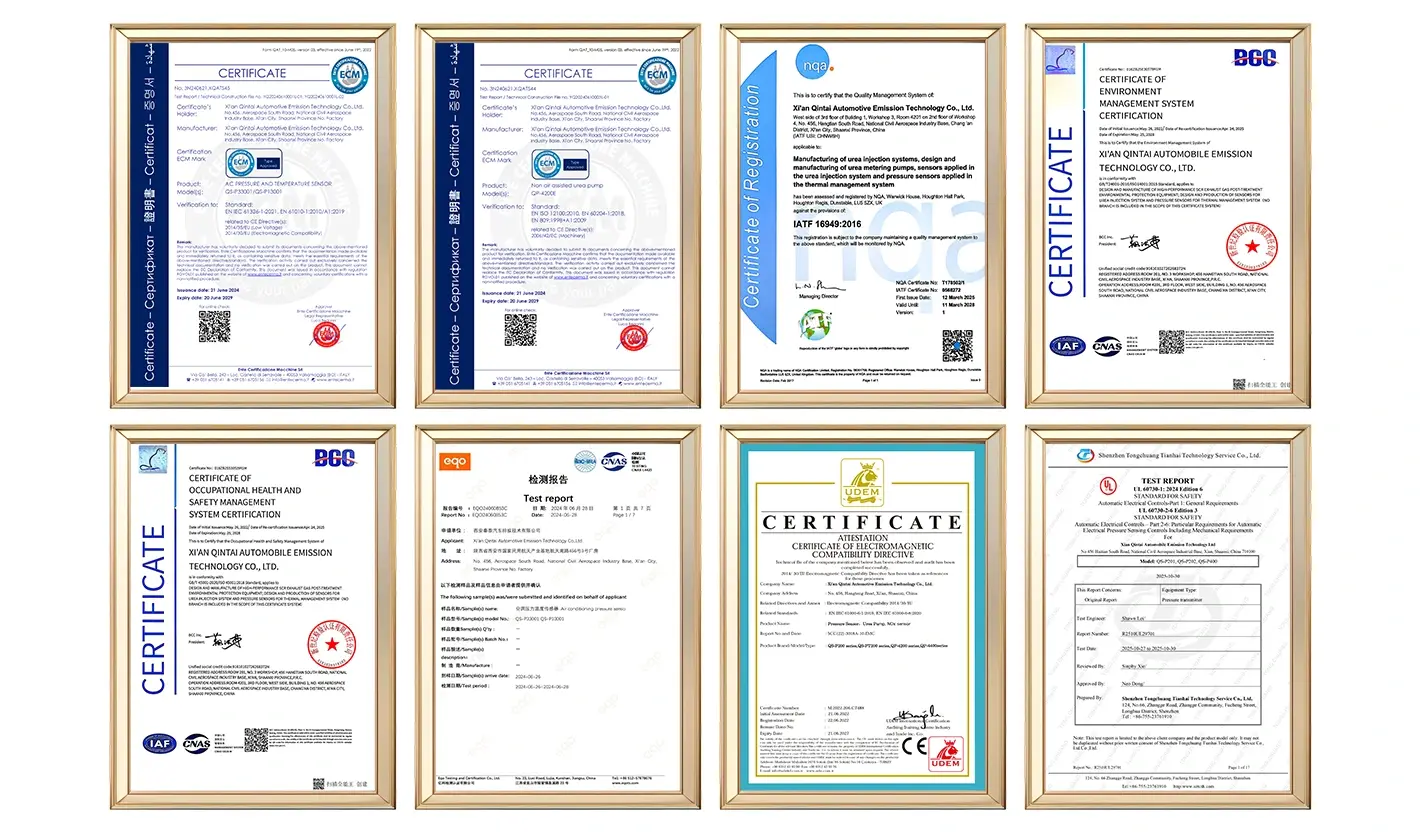
Our quality management rules come from ISO 9001 and IATF 16949. Product documents such as CMC, Ex, UL, CE, REACH and RoHS are prepared when your application calls for them. Tell us your market. Then confirm which ones you need. Every unit carries a serial number, so traceability is covered.
Choosing the Right Configuration
Diaphragm, peristaltic and gear pump types all appear on the Qintai list. Figures shown on this page are for the standard build. Ask us which type applies to your reference.
Work through four points before you order This product:
- Flow rate: How much does your engine need? Check it against the 12 kg/h rating.
- Pressure: Your dosing module has a rating. The 9 bar build pressure must line up with it.
- Material compatibility: Make sure the aluminium-magnesium connector works with your fluid and how it is mounted.
- Control and service access: Check the ECU interface. Then think about how easily you can reach the filter once it sits in the frame.
Give us the engine model and the duty cycle. Engineers at Qintai will then pick a reference unit that matches it.
OEM, ODM and Custom Development
OEM and ODM projects run through Qintai, from design to mass production. Brackets and connector types are made to order for each SCR strategy. The 86-person R&D team matches them to the job. Flow settings and control behaviour sit with that same group. On patents, 58 applications have been filed for inventions. Sensing-side changes can be made in the plant itself. Sensor cores are produced in-house, and thick-film printing happens on site. China Yuchai Power has handed the company an R&D collaboration award. Design review opens every new programme. Samples come next, then the volume build.
Packaging, Warehousing and Delivery
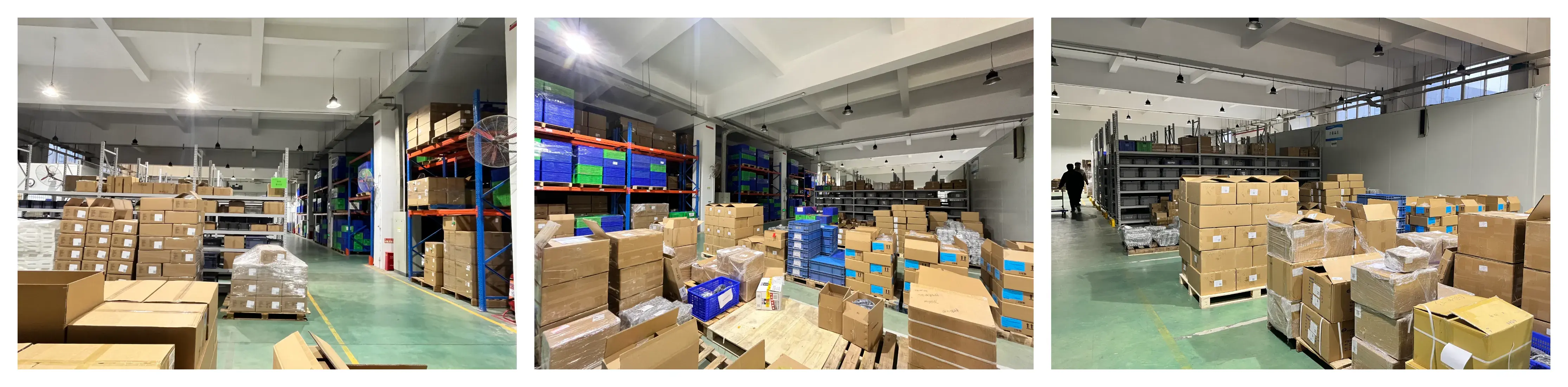
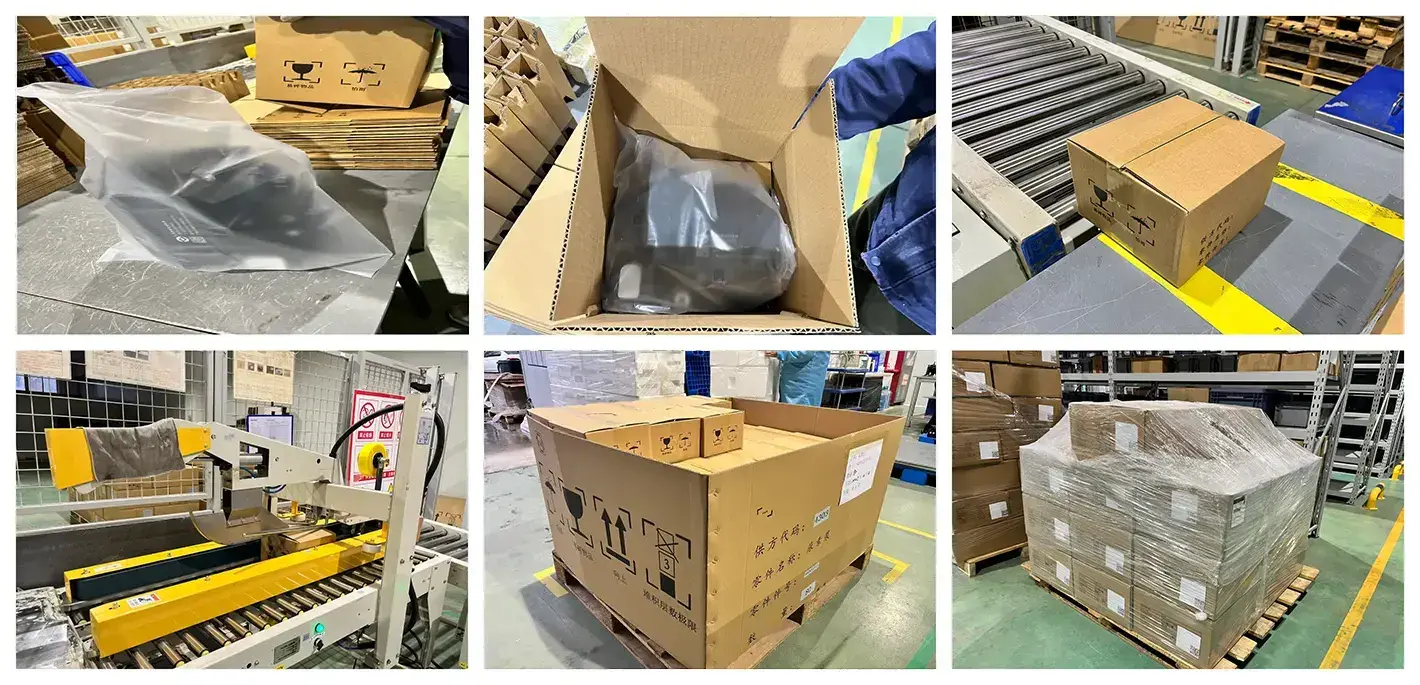
Foam protects the pumps in transit. Anti-static wrap goes around each unit. Reinforced cartons then carry it out. Distributors who want retail-ready boxes can ask for custom packaging. Before dispatch, every urea dosing pump gets a barcode check. Staff also count the units and give each one a visual check. A final check on the packaging wraps things up.
Stocked references leave the warehouse within one week. Made-to-order units need 1–2 weeks in production. Air freight is an option. Sea freight and express couriers work too. Repeat orders are easier to match to the last one. Standardised storage and traceability procedures make that easier.

FAQ
Q: What does the pump do in an SCR system?
A: On this line, AdBlue goes from the tank to the dosing module. The flow rating is 12 kg/h at 9 bar. The module then sends the amount the ECU asks for to the injector.
Q: Does the pump work with Bosch ECUs?
A: Dosing maps, purge routines and fault handling all follow Bosch SCR control strategies. That is how it was built. Send your calibration details. The team will then confirm the match.
Q: How is the pump controlled?
A: The Engine Control Unit sends the dosing commands. Engine load, exhaust flow and NOx sensor feedback all feed into that command. Pump output then follows the request.
Q: How do I choose the right pump for my engine?
A: Your duty cycle decides what suits you: flow rate, pressure and connector material. Send us your engine model and duty cycle. We will then match This product reference to it.
Q: Which markets do you serve, and how fast is delivery?
A: Products reach more than 60 countries. Stock items ship within one week, and made-to-order units take 1–2 weeks in production. Shipping is by air, sea or express courier.
Contact Us
Email info@qt-sensor.com and tell us your engine model. Let us know the urea dosing pump flow and pressure you need, and how many units you plan to order.


Our customers’ satisfaction speaks for our quality — contact us to experience the same reliable service.