- English
- French
- German
- Portuguese
- Spanish
- Russian
- Japanese
- Korean
- Arabic
- Greek
- German
- Turkish
- Italian
- Danish
- Romanian
- Indonesian
- Czech
- Afrikaans
- Swedish
- Polish
- Basque
- Catalan
- Esperanto
- Hindi
- Lao
- Albanian
- Amharic
- Armenian
- Azerbaijani
- Belarusian
- Bengali
- Bosnian
- Bulgarian
- Cebuano
- Chichewa
- Corsican
- Croatian
- Dutch
- Estonian
- Filipino
- Finnish
- Frisian
- Galician
- Georgian
- Gujarati
- Haitian
- Hausa
- Hawaiian
- Hebrew
- Hmong
- Hungarian
- Icelandic
- Igbo
- Javanese
- Kannada
- Kazakh
- Khmer
- Kurdish
- Kyrgyz
- Latin
- Latvian
- Lithuanian
- Luxembou..
- Macedonian
- Malagasy
- Malay
- Malayalam
- Maltese
- Maori
- Marathi
- Mongolian
- Burmese
- Nepali
- Norwegian
- Pashto
- Persian
- Punjabi
- Serbian
- Sesotho
- Sinhala
- Slovak
- Slovenian
- Somali
- Samoan
- Scots Gaelic
- Shona
- Sindhi
- Sundanese
- Swahili
- Tajik
- Tamil
- Telugu
- Thai
- Ukrainian
- Urdu
- Uzbek
- Vietnamese
- Welsh
- Xhosa
- Yiddish
- Yoruba
- Zulu
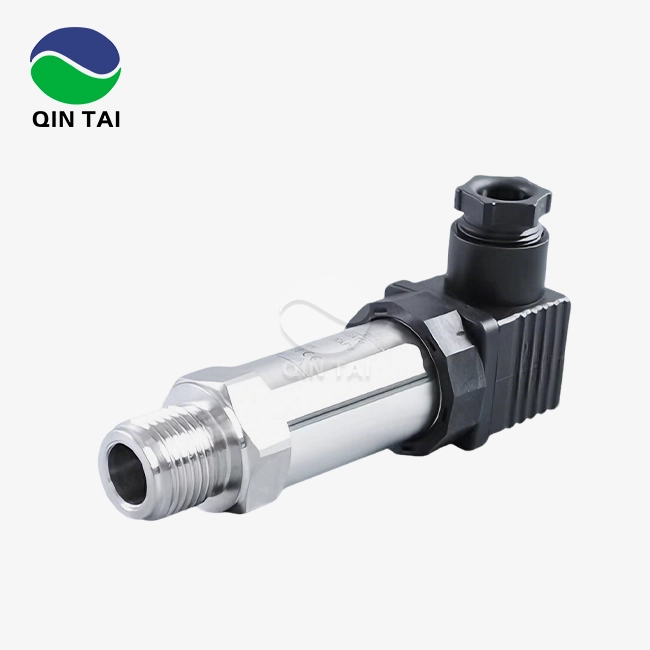
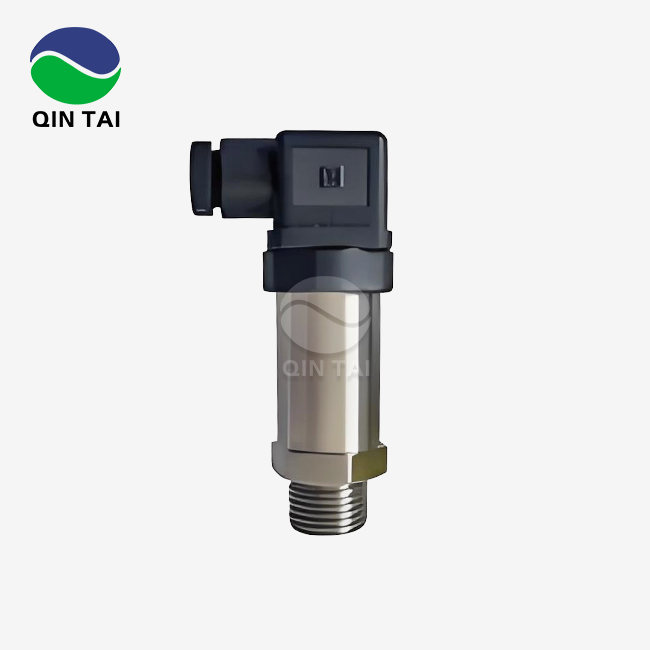
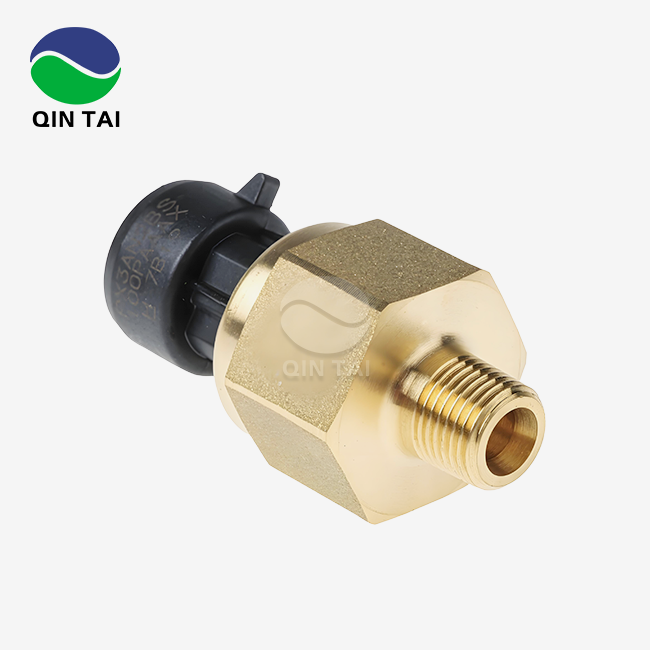
Urea Level and Quality Sensor
Highprecision, good reliability, strong earthquake resistance, high defrost efficiency, and simple installation.
Widely applicable in road andnon-road SCR systems and light, medium, and heavy truck fuel systems
Urea Level and Quality Sensor with Heating for Road and Non-Road SCR Systems
Xi'an Qintai Automotive Emission Technology Co., Ltd. has served customers in diesel SCR aftertreatment since 2001. Liquid level checks, quality detection, and heating all sit in one unit in its Urea Level and Quality Sensor. Road and non-road SCR systems can use the sensor. Its functions can be changed to fit a project. Design and testing happen in-house at Qintai. The company also makes the sensors there, with its own sensor cores. Thick-film printing runs on lines set aside for that work. This page gives a short overview of how the sensor works and where people use it. It also covers what product data is available. You will also see what to prepare when you contact us about your project.
Product Specifications
| Item | Details |
|---|---|
| Functions | Liquid level, quality, heating (customizable) |
| Performance features | High precision, good reliability, strong earthquake resistance, high defrost efficiency, simple installation |
| Applications | Road and non-road SCR systems; light, medium, and heavy truck fuel systems |
| Typical service life reference | 100,000–150,000 km (60,000–90,000 miles), depending on driving conditions and AdBlue quality |
The product data we can share does not give a measurement range. Accuracy is not listed. Supply voltage is missing too. Output signal is absent. You will not find operating temperature there. Dimensions are absent. Materials are not listed. The ingress protection rating is not given either. No numerical test values appear for the performance features above. Please confirm these details with our team for your specific model before design-in.
Three Functions in One Unit
Level readings show how much urea solution is left in the tank. Quality readings help here. They show whether the solution is within spec. The heating function is listed with high defrost efficiency. It supports system operation when temperatures fall. The function set can be changed to match your project.
How the Sensor Works
Most SCR setups run This product through the same basic order of steps. The sensing itself varies. It comes down to the sensor type and the model.
- Detection start: The unit sits in the urea tank, or else in the pipeline. Once in place, it calibrates to what surrounds it. Temperature and pressure shifts are allowed for as well.
- Signal emission: Out goes light, sound, or an electric field from the sensing element. The technology decides which of the three gets used.
- Data collection: Reflected light gets picked up here. So do sound waves, along with dielectric shifts that point to urea being there and to how good it is.
- Data processing: Algorithms built into the unit strip out noise. They also make up for what the surroundings do to the reading.
- Communication: Through its communication interface, the sensor passes data on to the control system.
- Alert and adjustment: Thresholds you set in advance fire off an alert. The system can also make a correction, dosing for example, where the setup allows it.
Core Components and Sensing Options
A unit like this holds three parts. One senses. Another handles the signal. A third talks to the outside world. On optical units, concentration is judged by how much light gets absorbed or reflected. Capacitive units watch for dielectric changes. Sound waves that bounce back get read by ultrasonic units. Corrections for temperature and pressure come from software on board.
Every sensor core is made in Qintai's own production. Lines built for thick-film printing handle that step. Picking the right part comes down to measurement range, accuracy, operating environment, and integration needs. Help with matching them up is available from our engineers.
Where You Can Use It
The Urea Level and Quality Sensor works in SCR systems on road vehicles and off-road machines too. Light, medium, and heavy trucks all count, along with their fuel systems. Usual places you find it:
- Heavy-duty commercial transport: Buses and long-haul trucks deal with constant vibration. Temperatures move around as well. You have to keep an eye on the urea level and on its quality.
- Off-road construction and mining machinery: Excavators and haul trucks work in dust every day. Heavy impacts come with the job. Contaminated urea is a genuine risk in that setting.
- Marine and power generation: Big SCR systems are used on ships and on stationary generators. A large volume of fluid sits in their DEF tanks. Here, both the amount of urea on hand and its quality matter.
Please confirm suitability for your system and operating conditions with our team.
Signs of Low-Quality AdBlue
Poor urea quality can affect SCR performance. Possible symptoms include:
- Weak NOx reduction
- Higher vehicle emissions
- Warning lights or fault codes tied to urea quality
- Nozzles, dosing valves, or catalysts may get damaged
Urea Level and Quality Sensor Manufacturing and Testing
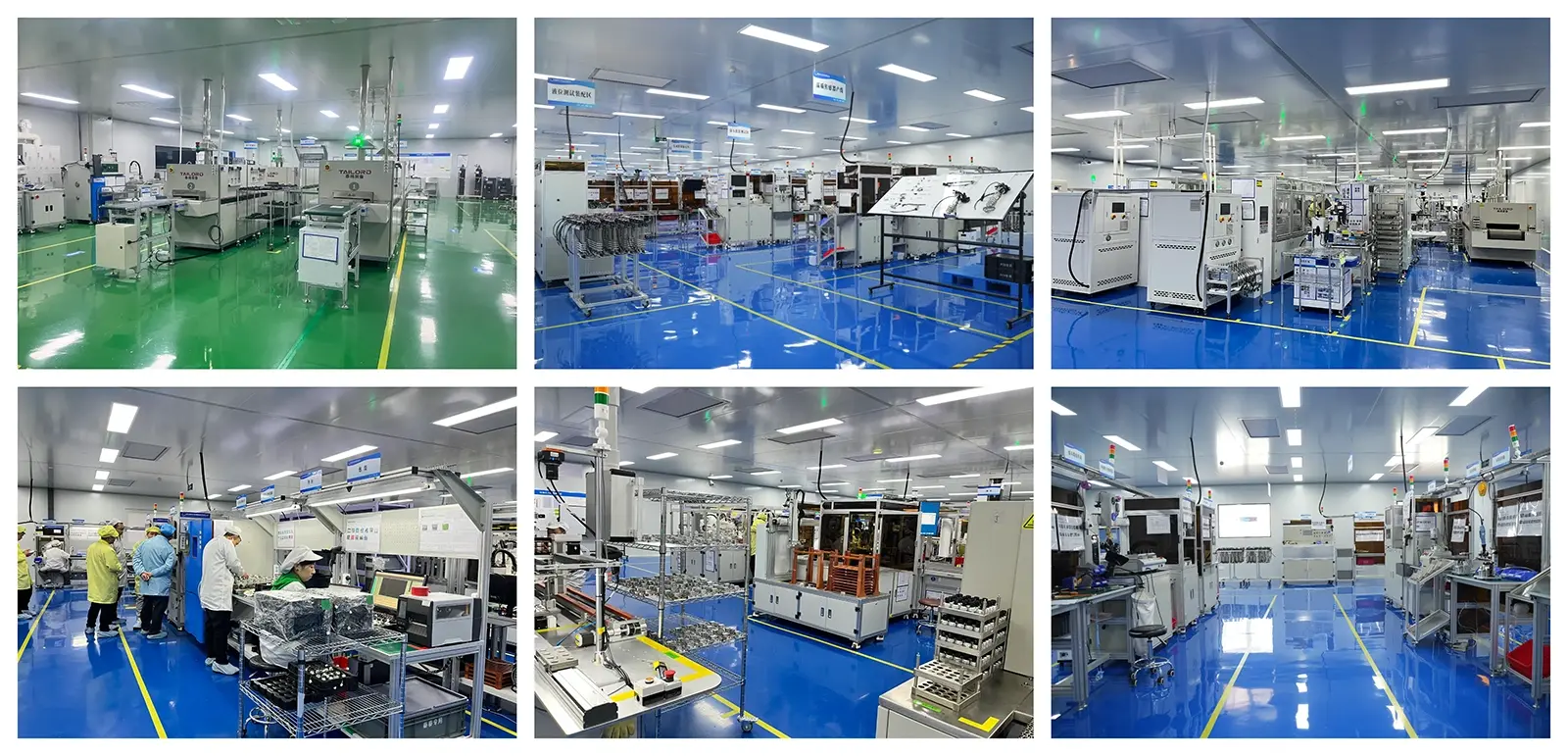
Qintai employs 420 people. Among them, 86 are R&D technicians. The company also holds 58 invention patent applications. Two dust-free urea pump assembly lines run at the plant, and so do two sensor production lines. Yearly capacity goes up to 1 million urea metering pumps. Urea quality sensors reach 1.5 million, and pressure sensors hit 2 million.
There are 400 m² of floor space in our testing center. More than 100 devices sit inside it. Specialized instruments make up over 20 of them. Microscopic inspection happens there, and so does dimensional measurement. Checks also cover physical and chemical properties. Environmental loads get tested too. The same goes for mechanical and electrical loads. Apart from EMC-related tests, DPV testing is handled in-house.
OEM and ODM Customization
We support projects from product design to mass production. You can request changes to the functions, specifications, and application fit of the Urea Level and Quality Sensor.
Our 86 R&D technicians provide technical support and joint development. China Yuchai Power has recognized this collaboration with an R&D collaboration award.
Partners, Exhibitions and Certifications
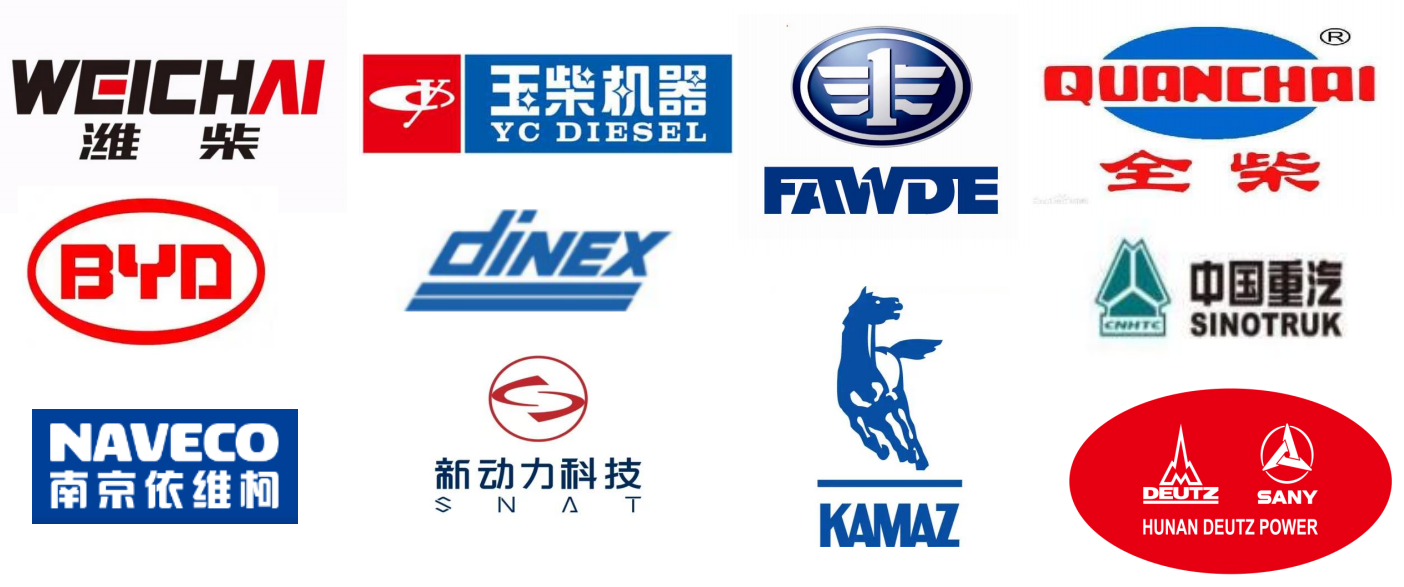
Weichai Power, Yuchai Power and Quanchai Power all buy from Qintai. BYD is a partner too, and so are DINEX, FAWDE, KAMAZ, NAVECO, DEUTZ, SANY and SINOTRUK. Products reach OEM customers and partners in over 60 countries. Europe is one of those markets. The Middle East and South America are others.
Las Vegas hosts AAPEX 2024, and our team will be there. Hannover Messe 2025 is on our list as well. So is Manufacturing World 2025 in Osaka. Two further shows are planned. Those are Automechanika Istanbul 2026 and SENSOR+TEST 2026 in Nuremberg.
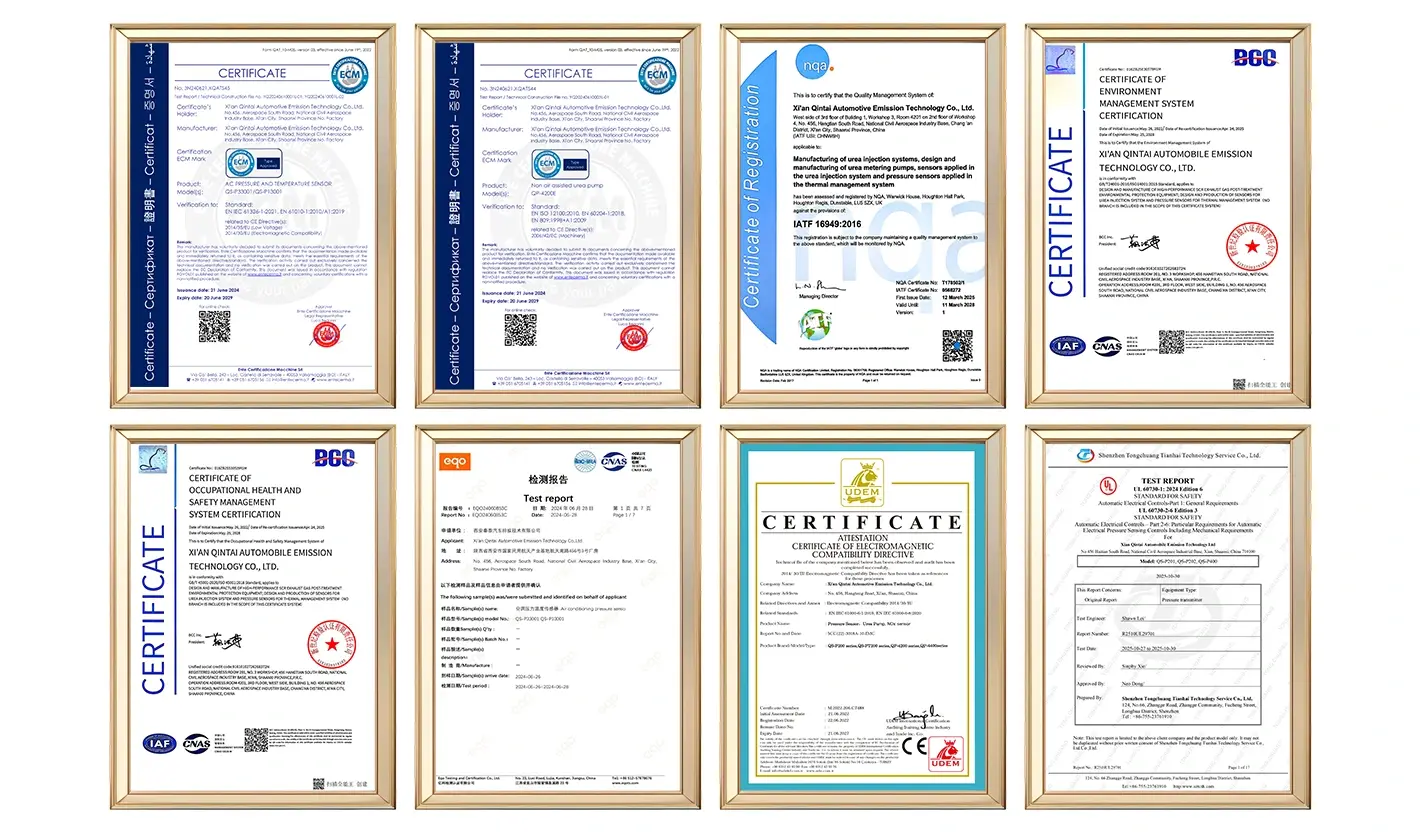
ISO 9001 and IATF 16949 certificates sit with us. CMC and Ex are on that list too. UL, CE, REACH and RoHS count as well. Tell us your model and we will confirm which papers cover it.
Packaging and Delivery
A few models are in stock and leave within a week. Normal production time runs 1–2 weeks. Send us your quantity and your configuration. We will then confirm the timing.
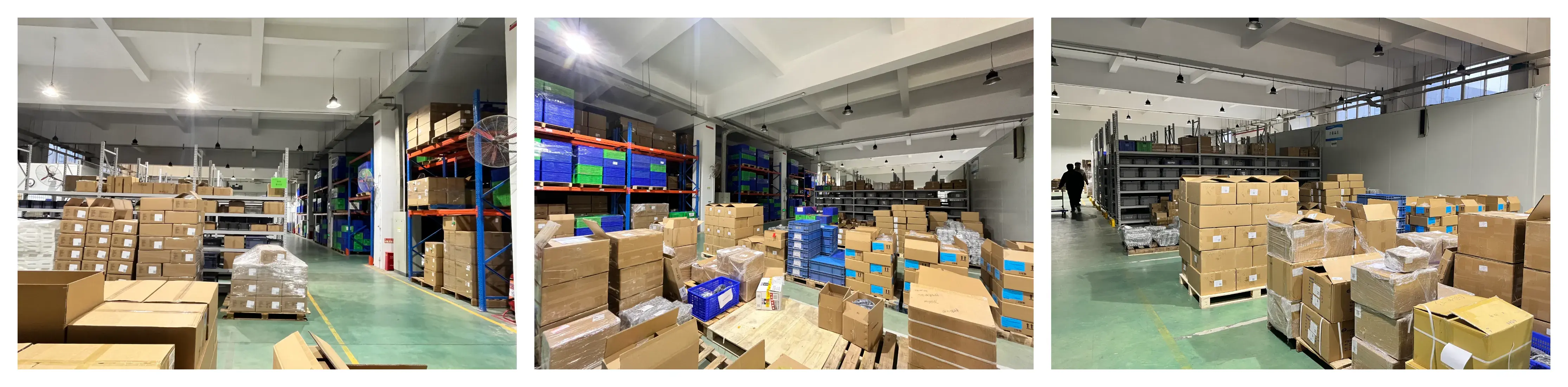
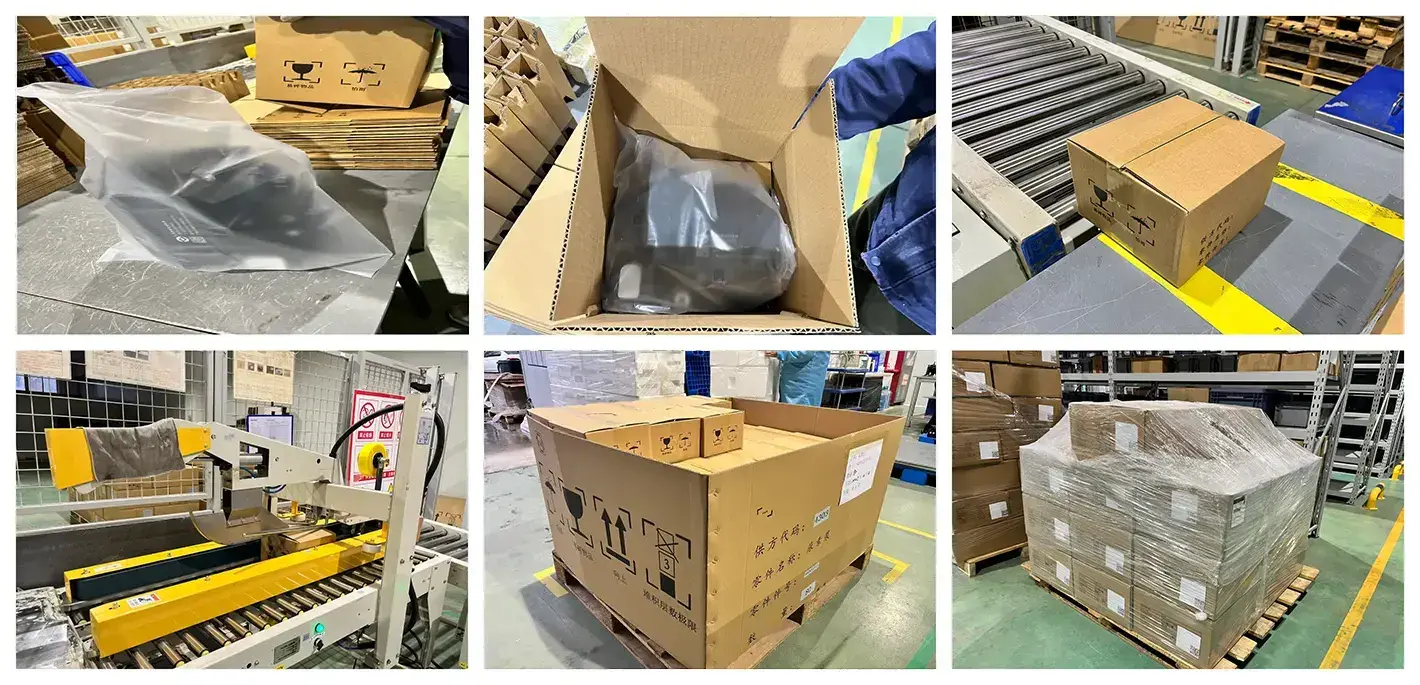
Protective foam goes in first. After that come anti-static material and reinforced cartons. Custom packaging is fine with us. Barcodes get scanned and every unit gets counted before shipment. We look at appearance too, and at the state of the packaging. Goods can move by air, by sea, or by express.

FAQ
Q: How long do the sensors last?
A: Life span for most units sits at roughly 100,000–150,000 km (60,000–90,000 miles). How the vehicle gets driven matters. AdBlue quality counts too. Look over the sensors every so often. Any sensor that shows damage or quits working should be swapped out.
Q: Can I customize the sensor?
A: Yes. The functions of This product can be customized, and OEM and ODM services are available. Production usually takes 1–2 weeks.
Q: Which certifications apply?
A: ISO 9001 and IATF 16949 are both held by the company. CMC, Ex, UL, CE, REACH, and RoHS appear on the list as well. Ask about your model and we can confirm the documents.
Q: What should I send for a project inquiry?
A: Send your drawings, quantity, and application details so our team can review your requirements.
Contact Us
Email your drawings to info@qt-sensor.com. Along with them, send the quantity you need and a note on how the Urea Level and Quality Sensor part gets used.


Our customers’ satisfaction speaks for our quality — contact us to experience the same reliable service.