- English
- French
- German
- Portuguese
- Spanish
- Russian
- Japanese
- Korean
- Arabic
- Greek
- German
- Turkish
- Italian
- Danish
- Romanian
- Indonesian
- Czech
- Afrikaans
- Swedish
- Polish
- Basque
- Catalan
- Esperanto
- Hindi
- Lao
- Albanian
- Amharic
- Armenian
- Azerbaijani
- Belarusian
- Bengali
- Bosnian
- Bulgarian
- Cebuano
- Chichewa
- Corsican
- Croatian
- Dutch
- Estonian
- Filipino
- Finnish
- Frisian
- Galician
- Georgian
- Gujarati
- Haitian
- Hausa
- Hawaiian
- Hebrew
- Hmong
- Hungarian
- Icelandic
- Igbo
- Javanese
- Kannada
- Kazakh
- Khmer
- Kurdish
- Kyrgyz
- Latin
- Latvian
- Lithuanian
- Luxembou..
- Macedonian
- Malagasy
- Malay
- Malayalam
- Maltese
- Maori
- Marathi
- Mongolian
- Burmese
- Nepali
- Norwegian
- Pashto
- Persian
- Punjabi
- Serbian
- Sesotho
- Sinhala
- Slovak
- Slovenian
- Somali
- Samoan
- Scots Gaelic
- Shona
- Sindhi
- Sundanese
- Swahili
- Tajik
- Tamil
- Telugu
- Thai
- Ukrainian
- Urdu
- Uzbek
- Vietnamese
- Welsh
- Xhosa
- Yiddish
- Yoruba
- Zulu
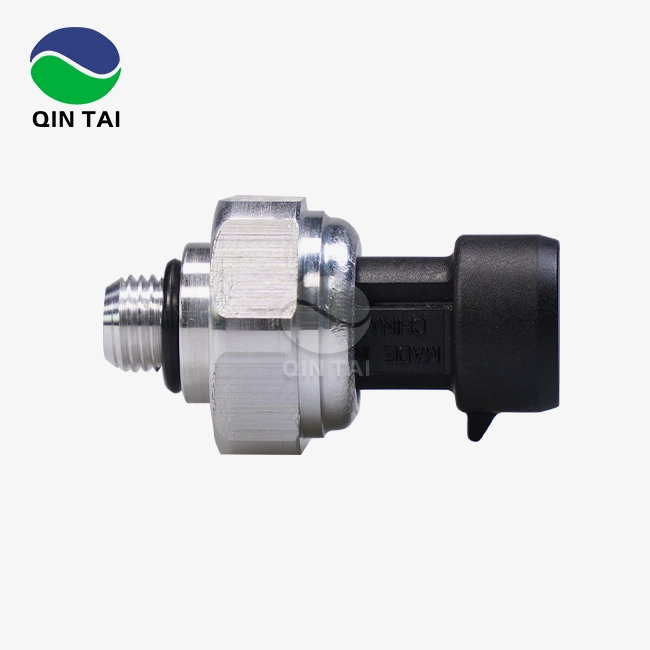
High frequency pressure transducer
• Various industrial standard signal output
• Various electrical connector available
• Certain stock for shortening delivery time
• High accuracy measuring
• compact dimension design
• pulse-snubber against cavitations and liquid hammer
High Frequency Pressure Transducer QS-P202 for Industrial and Automotive Use with Pulse-Snubber Protection
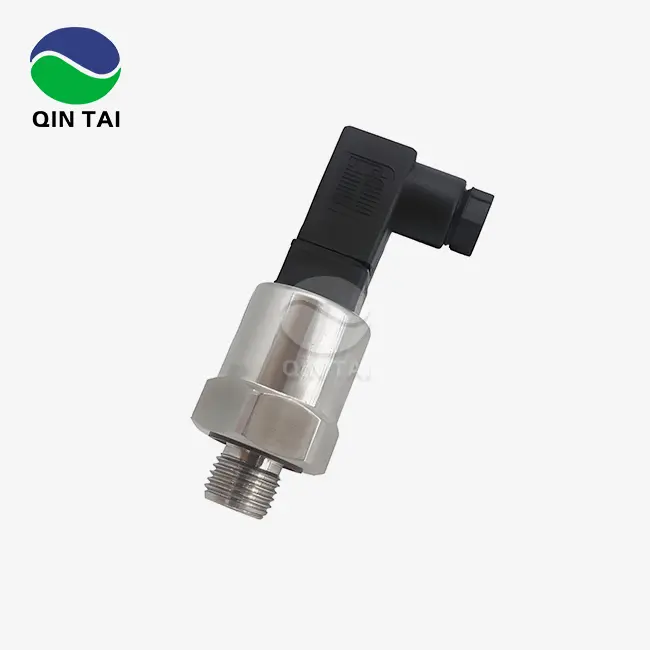
Slow sensors can miss fast pressure events. Fuel injection pulses are one example. The QS-P202 is a High frequency pressure transducer made by Xi'an Qintai Automotive Emission Technology Co., Ltd. It fits industrial and automotive projects. The body is compact. Signal outputs follow industrial standards. Several electrical connectors are available. A pulse snubber guards against cavitation and liquid hammer. Qintai makes sensor cores itself and does thick-film printing in house. That puts its engineers closer to the sensing element. Before you order, check outputs, connectors, and stock status with the engineering team.
What Is a ?
This product picks up quick, short-lived pressure changes. Static sensors watch steady pressure. For high-speed models, rise time and natural frequency are the measures that matter. Mechanical lag and signal distortion tend to stay lower when the natural frequency sits well above the event frequency. That helps when you track combustion events, hydraulic surges, or shock waves.
QS-P202 Key Features
- Industrial standard signal outputs, with several options available
- Several electrical connector options
- Compact body for tight installation spaces
- Accurate pressure measurement (ask for the accuracy specification for your configuration)
- Pulse-snubber against cavitation and liquid hammer
- Stock support to shorten delivery time, subject to availability
The pulse-snubber is intended to protect the sensing element in pulsating liquid lines.
Product Specifications
| Parameter | QS-P202 Data |
|---|---|
| Output and connector | Various industrial signals and connectors |
| Protection | Pulse-snubber against cavitation and liquid hammer |
| Pressure range | Not provided. Please confirm with Qintai |
| Natural frequency | Not provided. Please confirm with Qintai |
| Rise time | Not provided. Please confirm with Qintai |
| Accuracy | Not provided. Please confirm with Qintai |
| Housing material | Not provided. Please confirm with Qintai |
| Operating temperature range | Not provided. Please confirm with Qintai |
| Product certifications | Not provided. Please confirm with Qintai |
Values marked above are missing from the QS-P202 data supplied here. Ask for the datasheet, or send your requirements before ordering.
Design Notes for Fast Pressure Measurement
The notes below are general engineering guidance, not confirmed QS-P202 specifications.
Many designers aim for a natural frequency 5–10 times above the frequency they need to measure. That headroom keeps the response linear. With a flush-diaphragm design there is no dead volume left over. Cavity resonance drops as a result. So does turbulence, and phase lag in fast fluid systems falls too. Shopping for This product? Check that the diaphragm layout and the pulse protection match your fluid line.
Pressure peaks that reach the sensing element can be cut down with a snubber. Need a very fast response? Then talk to the engineering team about the dynamic performance your application requires. The configuration also decides the housing material and the temperature range. Confirm both of them before you order.
Applications
The QS-P202 is built for industrial and automotive work. Typical projects include:
- Automotive R&D: engine knock analysis, plus monitoring of high-pressure fuel injection pulses. Peak pressures there climb and drop in a flash.
- Hydraulic and liquid lines: pulsating flow, liquid hammer, and lines that tend to cavitate. On those lines the pulse snubber helps shield the sensing element.
- Industrial test rigs: transient pressure checks carried out while a design is being developed and validated.
All of these cases suit an industrial or automotive team that uses a high frequency pressure transducer, as long as the confirmed specifications fit the test. Next, connect the sensor to a data acquisition (DAQ) system. One more thing to watch: sampling rate. A common rule is a rate of at least 10 times the transducer's frequency response.
Quality Control and Testing
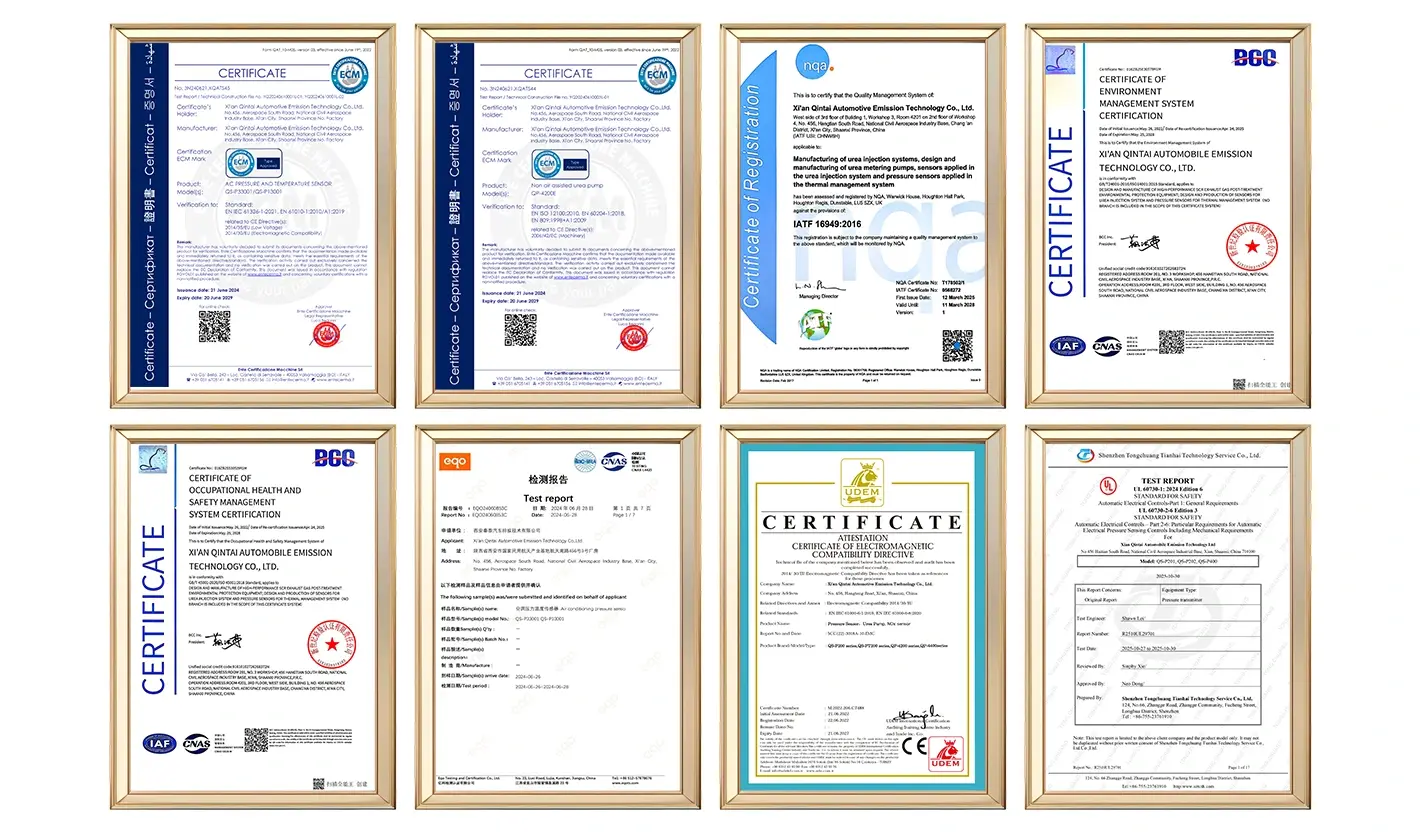
The Qintai testing center covers 400 m². It holds more than 100 testing and inspection devices. Over 20 of those are specialized instruments. Microscopic inspection and dimensional measurement are both on the test list. So are physical and chemical properties, plus environmental, mechanical and electrical loads. DPV testing happens in house. EMC-related tests are the exception.
ISO 9001 and IATF 16949 certifications sit under the quality system. The company also holds CMC, Ex, UL, CE, REACH and RoHS. All of these are company-level certifications. Ask Qintai to confirm which ones apply to your QS-P202 configuration.
For fast pressure sensors in general, useful items to request include calibration data, frequency response checks, temperature shift tests, and leak testing.
High frequency pressure transducer R&D, OEM, and ODM Support
Qintai has 86 R&D technicians behind product development and engineering improvements. OEM and ODM services stretch from product design all the way to mass production. Custom outputs are available on request. So are different connectors and specs for your project. An R&D Collaboration Award came to Qintai from China Yuchai Power.
Production Capacity and Customers
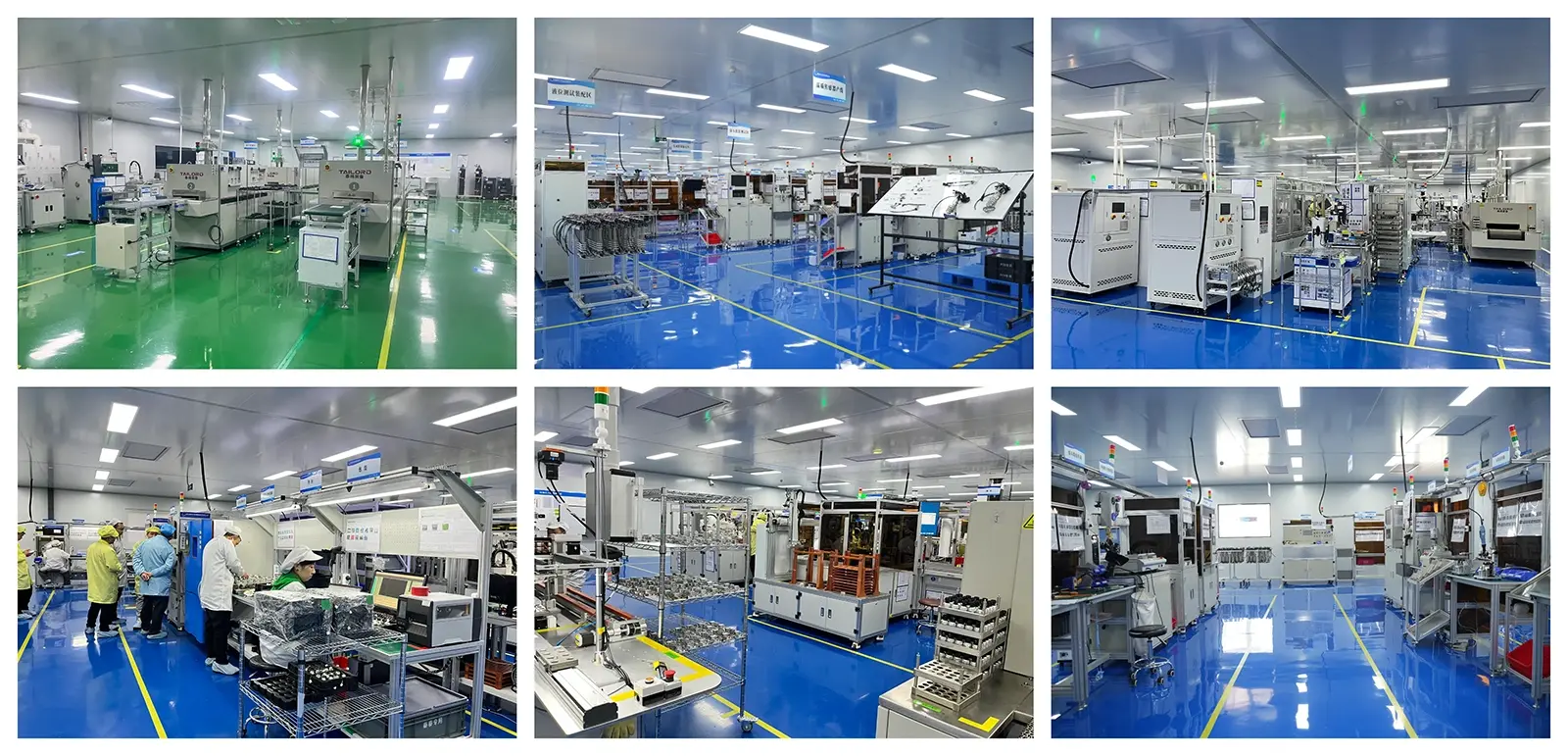
Two sensor production lines and two dust-free urea pump assembly lines operate in house. Annual capacity reaches 2 million pressure sensors, 1.5 million urea quality sensors, and 1 million urea metering pumps.
Products reach customers in more than 60 countries and regions. Weichai Power, Yuchai Power, and Quanchai Power are among Qintai's long-term engine customers. Other partners include BYD, DINEX, FAWDE, KAMAZ, NAVECO, DEUTZ, SANY, and SINOTRUK.
Delivery, Packaging, and Shipment
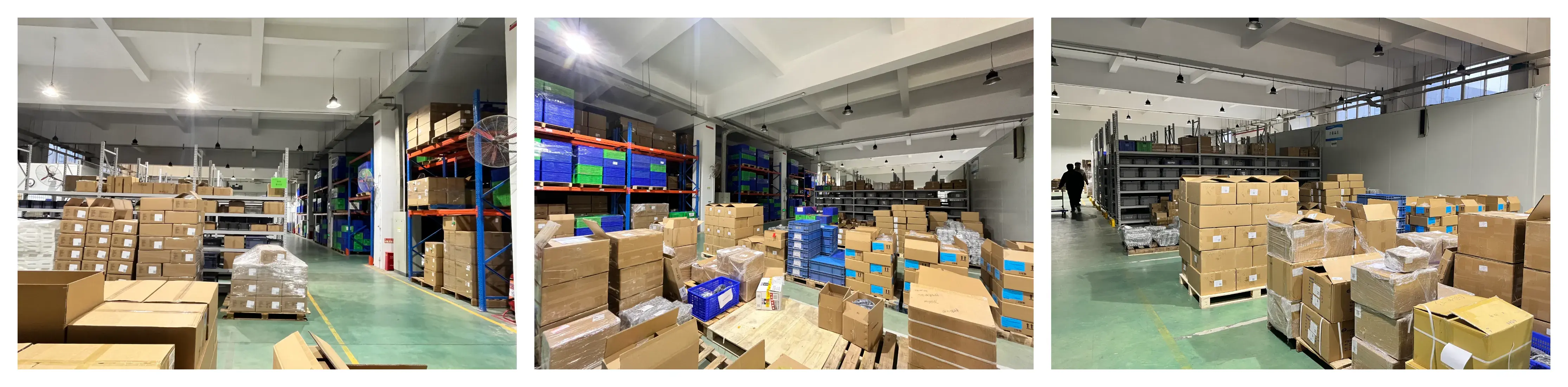
Products that are selected and in stock ship within one week. Most production runs take 1–2 weeks. When you send your inquiry for the QS-P202, confirm stock and lead time with us first.
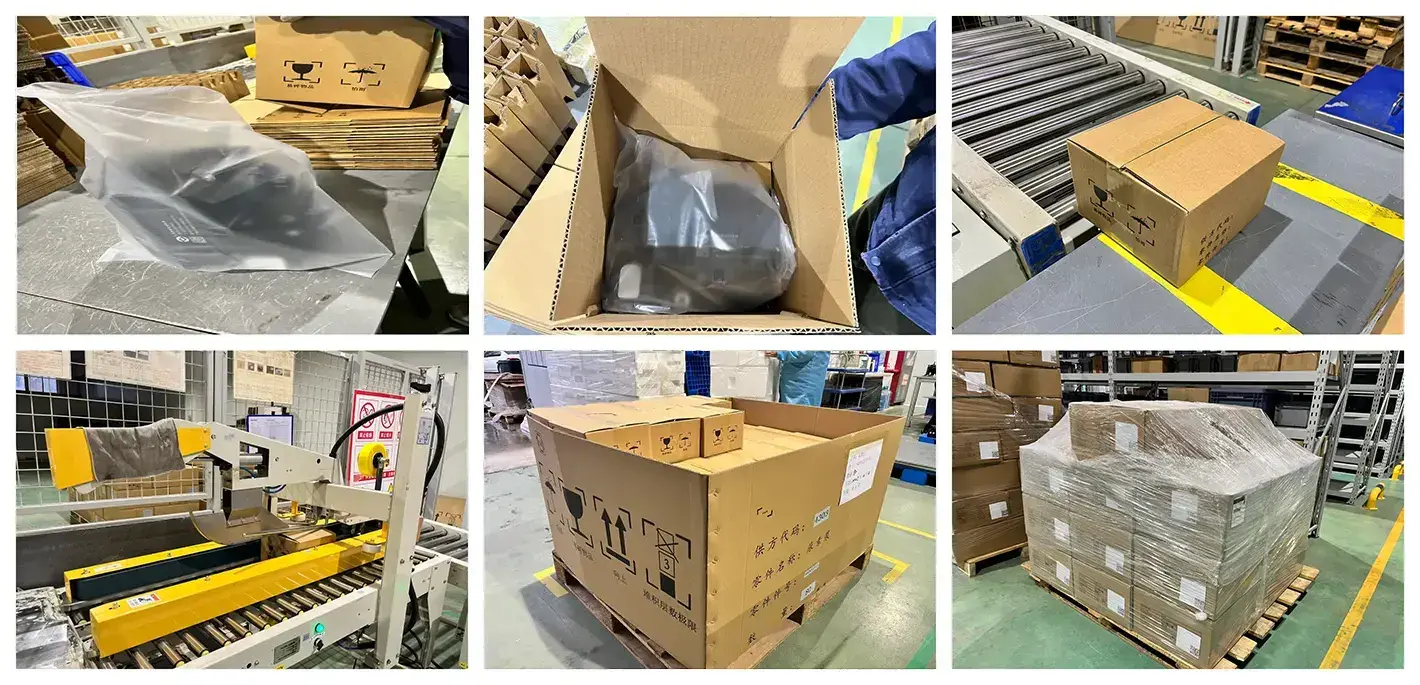
Protective foam and anti-static materials go in first. Reinforced cartons wrap the outside. Custom packaging is possible as well. Checks before shipment cover barcode verification and quantity. Appearance gets a look too, along with packaging integrity. Air freight, sea freight and express delivery all handle international orders.

FAQ
Q: What is the difference between static and dynamic pressure transducers?
A: Steady-state pressure is what static sensors read. For transient events, high-speed transducers are the tool. On those, rise time and natural frequency count for more than DC stability over the long run.
Q: Why is ringing a problem in high-speed measurements?
A: Ringing shows up when a pressure pulse hits the natural frequency of a high frequency pressure transducer and drives it. So pick a sensor with a natural frequency far above the frequency of the event you plan to measure.
Q: Do I need a specific data acquisition system?
A: One rule of thumb: sample at no less than 10 times the frequency response of the transducer. That way you lose less data.
Q: What temperature range and accuracy does the QS-P202 offer?
A: You will not find these values in the supplied data. Send us your operating conditions and the accuracy you need at info@qt-sensor.com and we will confirm them.
Q: How can I confirm QS-P202 details or request customization?
A: Write to info@qt-sensor.com and tell us what output, connector, and application you need. Our R&D team will go through it and get back to you.
Contact Us
Send your application, output, connector, and quantity requirements for the QS-P202 high frequency pressure transducer to info@qt-sensor.com. Our team will reply with specifications, stock status, and customization options.

Our customers’ satisfaction speaks for our quality — contact us to experience the same reliable service.