- English
- French
- German
- Portuguese
- Spanish
- Russian
- Japanese
- Korean
- Arabic
- Greek
- German
- Turkish
- Italian
- Danish
- Romanian
- Indonesian
- Czech
- Afrikaans
- Swedish
- Polish
- Basque
- Catalan
- Esperanto
- Hindi
- Lao
- Albanian
- Amharic
- Armenian
- Azerbaijani
- Belarusian
- Bengali
- Bosnian
- Bulgarian
- Cebuano
- Chichewa
- Corsican
- Croatian
- Dutch
- Estonian
- Filipino
- Finnish
- Frisian
- Galician
- Georgian
- Gujarati
- Haitian
- Hausa
- Hawaiian
- Hebrew
- Hmong
- Hungarian
- Icelandic
- Igbo
- Javanese
- Kannada
- Kazakh
- Khmer
- Kurdish
- Kyrgyz
- Latin
- Latvian
- Lithuanian
- Luxembou..
- Macedonian
- Malagasy
- Malay
- Malayalam
- Maltese
- Maori
- Marathi
- Mongolian
- Burmese
- Nepali
- Norwegian
- Pashto
- Persian
- Punjabi
- Serbian
- Sesotho
- Sinhala
- Slovak
- Slovenian
- Somali
- Samoan
- Scots Gaelic
- Shona
- Sindhi
- Sundanese
- Swahili
- Tajik
- Tamil
- Telugu
- Thai
- Ukrainian
- Urdu
- Uzbek
- Vietnamese
- Welsh
- Xhosa
- Yiddish
- Yoruba
- Zulu
HVAC transmitters
Rugged seal ideal for outdoor environments
Industry leading accuracy over broad temperature range
Electrical isolation helps protect against electrical shocks or equipment damage
Media isolation prevents abnormal operation during thermal shock
Media and electrical isolation protects against thermal and electrical shock
Outstanding EMC/ESD performance
Low cost design for OEM applications
MEMS sensing technology
Integrated connector or flying leads
Flexible threaded fitting or braze tube pressure connection and mounting options
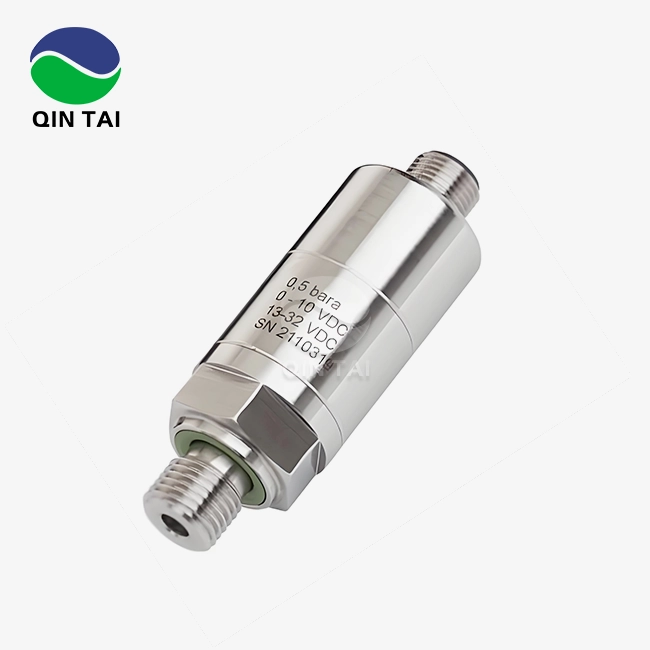
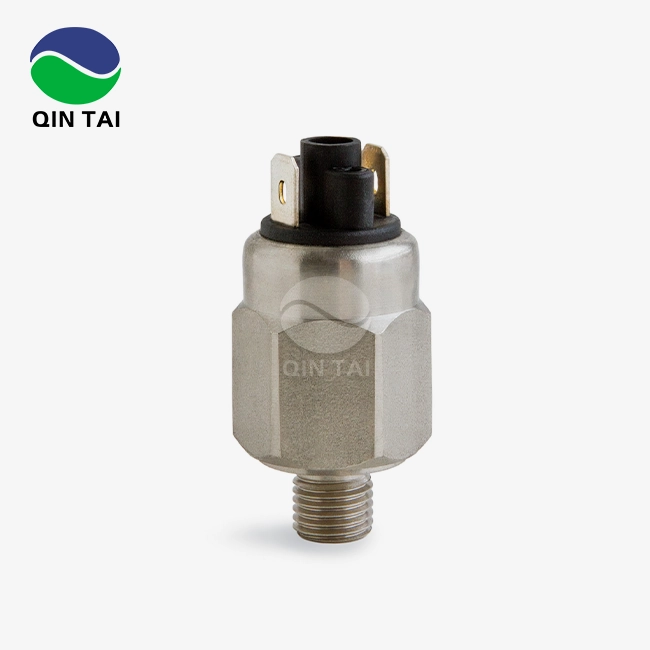
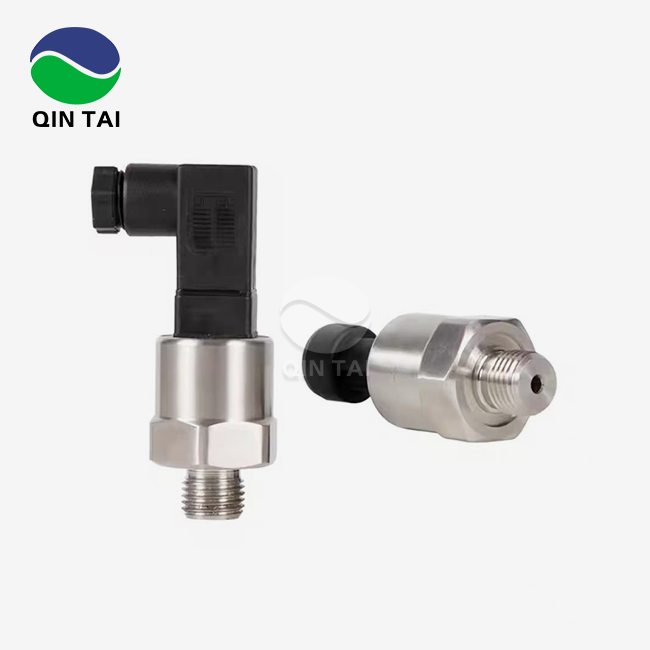
HVAC Transmitters QS-P201 Series: Pressure Transmitters for Duct, Room and Outdoor Air Monitoring with Isolated Output
Xi'an Qintai Automotive Emission Technology Co., Ltd. has been making pressure sensors since 2001. Duct, room and filter pressure measurement falls to the QS-P201 series. HVAC transmitters belong to that family. Output comes as 4–20 mA or 0–10 V. Supply and housing are both isolated from that signal, so a Building Management System can read it. Media and electronics never touch, thanks to a MEMS sensing element and a sealed diaphragm. For the hookup, pick a threaded fitting or a braze tube. An integrated connector or flying leads can come with it. Pressure range gets fixed when you order. So do the thread and the cable length.
Sensor Core and Signal Path
Inside the QS-P201 sits a MEMS pressure die bonded to a substrate printed in thick film. Qintai makes both parts on its own sensor lines. So the die, the substrate and the housing all sit under one quality system.
Two million pressure sensors come off Qintai's product lines each year. A small board takes the bridge signal and turns it into a two-wire 4–20 mA loop or a three-wire 0–10 V output. Before packing, every unit gets checked against a traceable reference on the range that was ordered.
Product Specifications
| Parameter | QS-P201 Specification |
|---|---|
| Sensing element | MEMS pressure die, in-house core production |
| Pressure accuracy | ±1 % FS typical |
| Long-term stability | <0.5 % per year typical |
| Output signal | 4–20 mA (two-wire) or 0–10 V (three-wire) |
| Electrical isolation | Output isolated from supply and housing |
| Media isolation | Sealed diaphragm separates media from electronics |
| EMC / ESD | Protected input and output; EMC test data on request |
| Process connection | Threaded fitting or braze tube |
| Electrical connection | Integrated connector or flying leads |
| Housing | Flame-retardant ABS or polycarbonate |
| Ingress protection | IP65 / IP67 options |
| Operating temperature | Wide compensated range; outdoor versions to −40 °C |
| Calibration | Verified against a traceable reference before shipment |
The pressure range is not listed here. Supply voltage, response time, dimensions, weight, and the numeric temperature range are missing too. Send the pressure range you need. Include the connector type. The factory will confirm a drawing before production starts.
Electrical and Media Isolation
Mechanical rooms carry plenty of electrical noise. Air temperature there swings too. On the QS-P201, the output stays apart from the supply. So does the housing. A sealed diaphragm blocks the media from the electronics.
The design already includes isolation. Good grounding and wiring still count, and isolation will not cover for them. Units that sit near chillers need a closer look. Fans and variable speed drives nearby call for the same. Watch where the cable runs. The isolation deserves a check too. Local electrical codes apply.
Mounting, Connections and Wiring
You get two connection styles. A threaded fitting screws into a duct tap or a pipe tee. For a permanent joint on a manifold or an air handling unit, a braze tube does the job. Either one is built to the thread and tube size shown on your drawing.
Two options exist for electrical termination, an integrated connector or flying leads. Go with the connector if the unit comes unplugged for service. Where the cable must pass through a sealed gland, use flying leads. Route the cable clear of drive output wiring. Follow the controller maker's advice on how to terminate the shield. Most times that means the controller end only.
Typical Applications
Duct static pressure is one of the three readings this series takes. Room pressure and filter pressure are the other two. Pharmaceutical cleanrooms are a common place to find HVAC transmitters for them. Hospital isolation rooms rely on them too. So do data centers and commercial buildings. The Building Management System usually needs a value from them. That value can drive fan speed, filter status or pressure direction.
Picking the right unit gets hard when pressure gaps are small. Compare the accuracy figure with the range you actually need. Take a 100 Pa range rated at ±1 % FS. That works out to ±1 Pa. Data sheets list long-term stability at <0.5 % per year typical. Check the pressure range with the factory before you order.
Testing and Quality Control
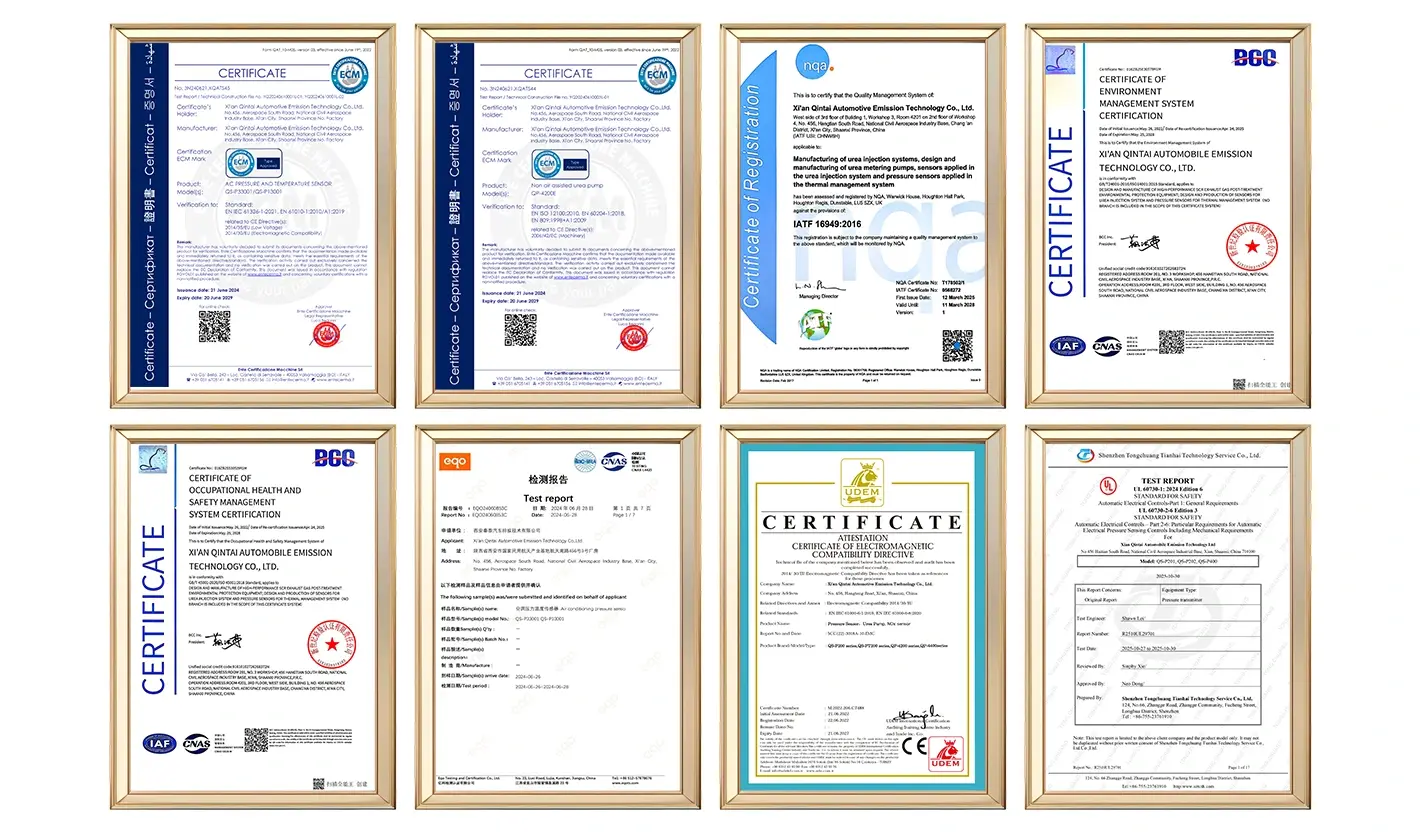
The Qintai testing center covers 400 m². It is equipped with more than 100 inspection devices. Over 20 of them are specialized instruments. Testing there includes microscopic inspection and dimensional measurement. Physical and chemical properties get checked too. So do environmental loads, mechanical loads, and electrical loads.
| Inspection Stage | What Is Checked |
|---|---|
| In-process | Die, substrate and housing under microscopic and dimensional inspection |
| Calibration | Verified against a traceable reference before shipment |
| EMC | Test data available on request |
OEM and ODM Support, Lead Times and Supply for HVAC transmitters
86 R&D technicians work at Qintai. The company has filed 58 invention patent applications. Buyers of these this product can request changes to the output range, connector type, thread, and cable length. Label and packaging can be customized as well. Modified units come off the same in-house lines that build the standard part.
Stock items usually go out within a week. For units built to order, plan on one to two weeks before they leave the factory. More than 60 countries and regions receive our products.
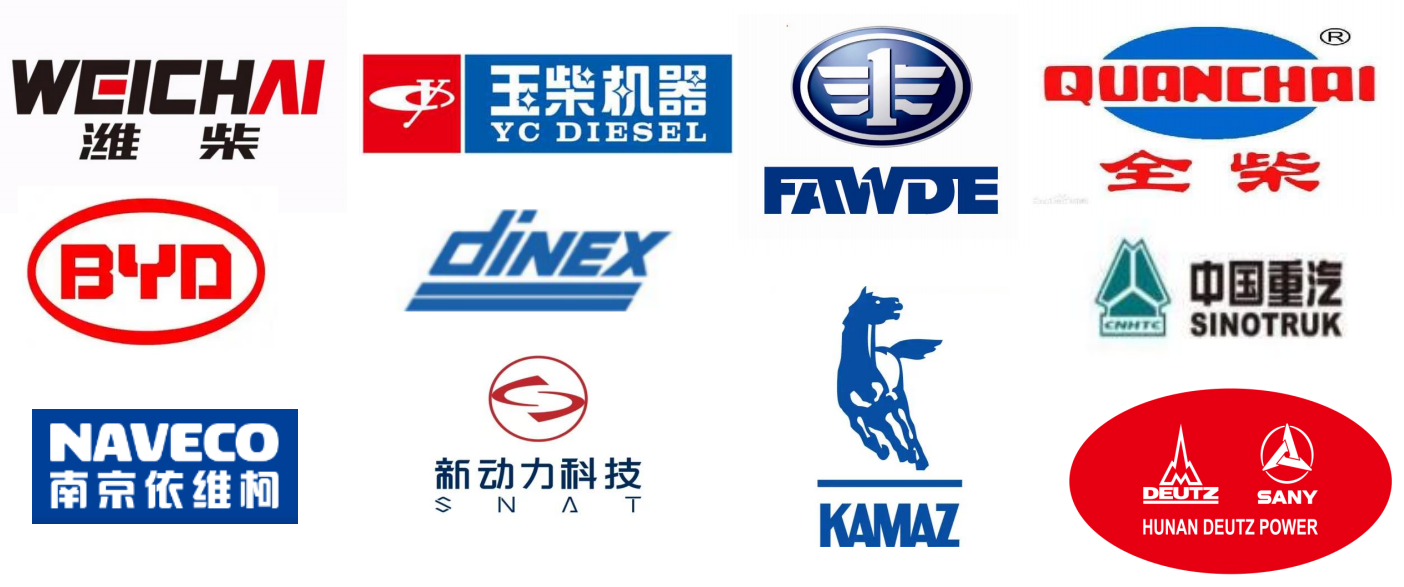
Qintai supplies Weichai Power, Yuchai Power and Quanchai Power. BYD, DINEX, FAWDE, KAMAZ, NAVECO, DEUTZ, SANY and SINOTRUK are also customers. Yuchai Power gave the team its Strong R&D Collaboration Award. All of these references come from engine and vehicle programs. Ask for building-services references if your project needs them.
Certifications and Documentation
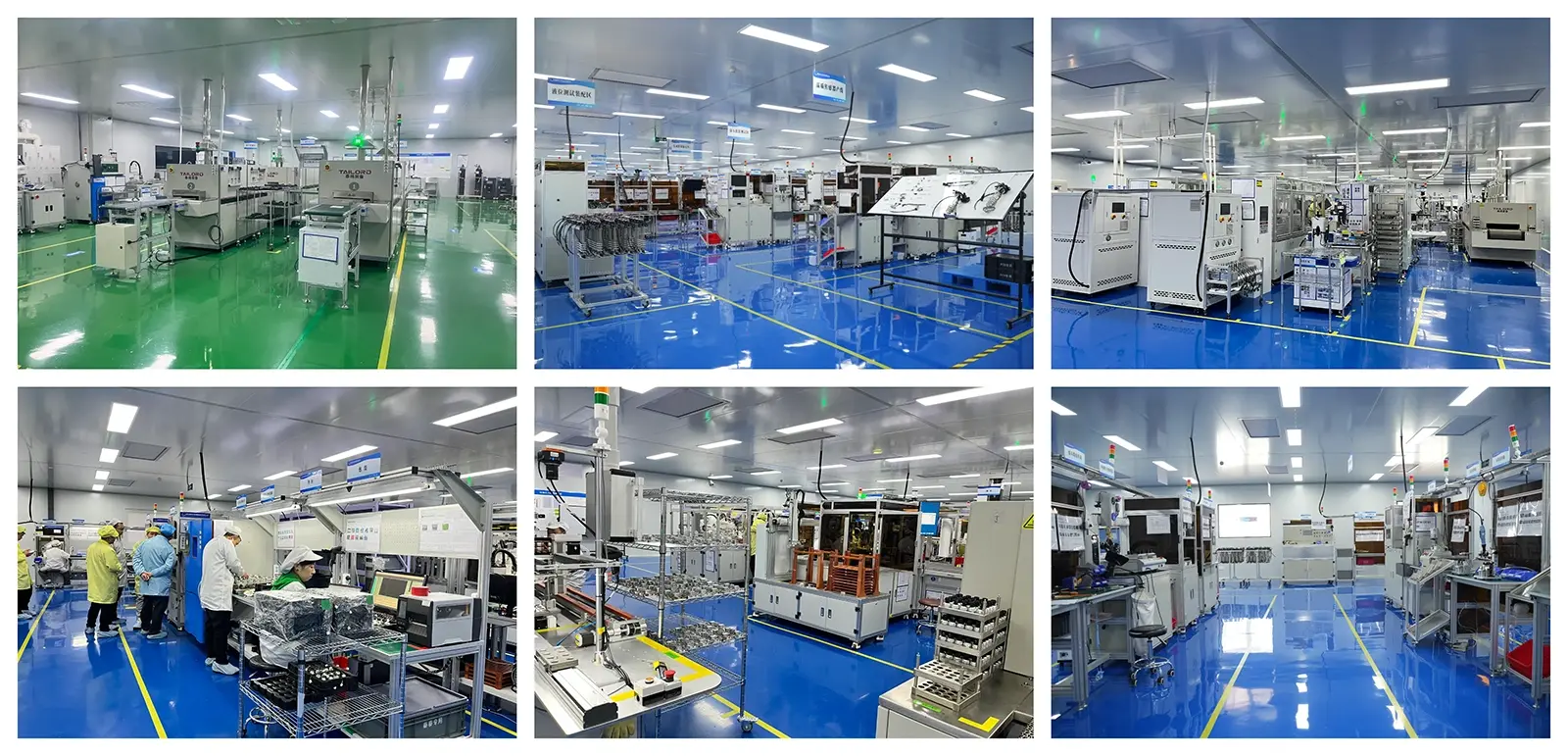
Qintai's quality system is covered by ISO 9001 and IATF 16949. CE and RoHS certificates are held across the product range. So are REACH, UL, Ex and CMC. For the QS-P201 model number you plan to order, check which documents apply. Ask for them with the quotation. That keeps the file complete before installation.
Packaging, Warehousing and Shipment
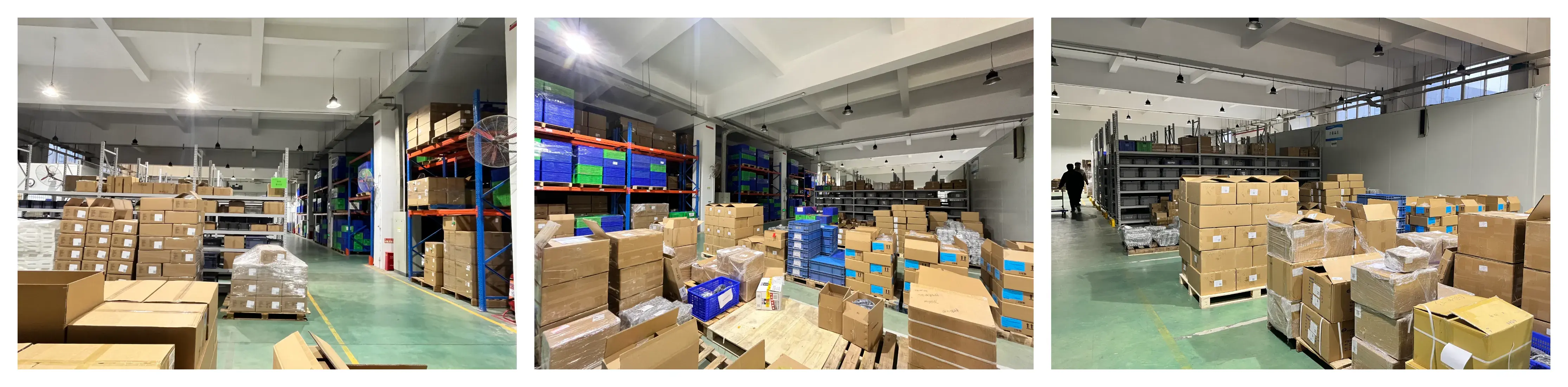
Each unit leaves in a reinforced carton. Anti-static material and protective foam hold it steady inside. Made-to-order packaging is an option, with OEM labels and shelf-ready boxes. Before dispatch, staff look over the barcode. They count the quantity. The appearance and carton condition get checked too. Warehouse records keep every batch traceable. A replacement can be matched later because of that. Air freight, sea freight or express: HVAC transmitters can go any of these ways. The method depends on volume and destination.


FAQ
Q: How often must the unit be recalibrated?
A: No fixed interval applies to this series. Set the schedule by your site procedure and by the accuracy your application needs. You can also get in touch, and we will advise.
Q: Why choose 4–20 mA over 0–10 V?
A: Most of the time, a current loop shrugs off electrical noise and cable voltage drop better. Longer cable runs are where it usually gets picked for that reason. Got voltage inputs on your controller? Then 0–10 V fits well. Match the output to whatever input your controller has.
Q: Can it work outdoors in sub-zero conditions?
A: Ratings on the outdoor versions go down to −40 °C. Tell us the conditions at your site and where it will be mounted. With that, the factory can confirm which version is right.
Q: Is the accuracy affected by the mounting spot?
A: It can be, yes. With duct units, stay away from fans and bends. Readings get thrown off by the turbulence in those spots. Put wall units where the sun won't hit them directly. Watch out for heat sources too.
Q: How long does a custom order take?
A: Stock items typically ship in about one week. Built-to-order units usually take one to two weeks.
Contact Us
Email info@qt-sensor.com with your pressure range, output type, connection type and thread size for HVAC transmitters. We will reply with a drawing and quotation.

Our customers’ satisfaction speaks for our quality — contact us to experience the same reliable service.