- English
- French
- German
- Portuguese
- Spanish
- Russian
- Japanese
- Korean
- Arabic
- Greek
- German
- Turkish
- Italian
- Danish
- Romanian
- Indonesian
- Czech
- Afrikaans
- Swedish
- Polish
- Basque
- Catalan
- Esperanto
- Hindi
- Lao
- Albanian
- Amharic
- Armenian
- Azerbaijani
- Belarusian
- Bengali
- Bosnian
- Bulgarian
- Cebuano
- Chichewa
- Corsican
- Croatian
- Dutch
- Estonian
- Filipino
- Finnish
- Frisian
- Galician
- Georgian
- Gujarati
- Haitian
- Hausa
- Hawaiian
- Hebrew
- Hmong
- Hungarian
- Icelandic
- Igbo
- Javanese
- Kannada
- Kazakh
- Khmer
- Kurdish
- Kyrgyz
- Latin
- Latvian
- Lithuanian
- Luxembou..
- Macedonian
- Malagasy
- Malay
- Malayalam
- Maltese
- Maori
- Marathi
- Mongolian
- Burmese
- Nepali
- Norwegian
- Pashto
- Persian
- Punjabi
- Serbian
- Sesotho
- Sinhala
- Slovak
- Slovenian
- Somali
- Samoan
- Scots Gaelic
- Shona
- Sindhi
- Sundanese
- Swahili
- Tajik
- Tamil
- Telugu
- Thai
- Ukrainian
- Urdu
- Uzbek
- Vietnamese
- Welsh
- Xhosa
- Yiddish
- Yoruba
- Zulu
NOx Sensors
Sealed waterproof design
High reliability, stable signal output
Fast response time
Startup time is much shorter than the industry's 165s
Various software and 300+ communication protocols
Long service life up to 6000H,high than industry standard
Strong resistance to lead and sulfide poisoning
Appearance and customer interface can be compatible with mainstream OEM products
NOx Sensors for Diesel SCR Systems — Long Service Life and Stable Emission Control
Since 2001, Xi'an Qintai Automotive Emission Technology Co., Ltd. has built emission control parts. Our NOx Sensors are made for diesel engine SCR aftertreatment systems. Each unit is rated for up to 6,000 hours of service. The housing is sealed and waterproof. Startup is fast. They work with 300+ communication protocols. Mainstream OEM interfaces are supported. Customers in more than 60 countries use them, from Europe and the Middle East to South America and other regions.
What Is This Product and How Does It Work?
This product takes constant readings of the nitrogen oxide levels in diesel exhaust. That live data is then passed on to the Engine Control Unit (ECU), or to the SCR control module.
Core functions include:
- It watches and adjusts how much urea (AdBlue) the SCR system doses
- It checks how well the catalytic converter cuts emissions
- It helps the vehicle pass emission rules such as Euro VI and EPA
- Catching faults and triggering Diagnostic Trouble Codes (DTCs)
Accurate NOx measurement matters. Get it wrong and the SCR system cannot dose urea the right way. Emissions go up, and inspections can fail. Vehicles may then sit idle when you least expect it.
Product Specifications
| Parameter | Specification |
|---|---|
| NOx Measuring Range | 0~2500ppm |
| O2 Measuring Range | 0% ~ 21% |
| NOx Accuracy (0~100ppm) | ±10ppm |
| NOx Accuracy (100~500ppm) | ±10% |
| NOx Accuracy (500~1500ppm) | ±15% |
| NOx Accuracy (1500~2500ppm) | ±30% |
| O2 Accuracy (0%~5%) | ± 0.2% |
| O2 Accuracy (5%~21%) | ± 4% |
| Response Time | <1400ms (33% to 66% final value) |
| Supply Voltage | 9~32V |
| Light-off Time | <165s |
| Operating Temperature (NOx) | 100°C to 800°C |
| Emission Gas Temperature | -40°~800°C |
| Cable Temperature Range | -40~200°C |
| Sensor Mounting Thread | M20X1.5 |
Key Product Features
Rated Service Life of Up to 6,000 Hours
The 6,000-hour service life rating comes from selecting materials that resist poisoning and hold a stable signal over time. A sensor with a longer life needs fewer replacement cycles. Maintenance cost is lower over the vehicle's operating period.
Fast Startup Time
By the time the industry reference point of 165 seconds is reached, the sensor is already at working temperature. Because the sensor is ready earlier, the SCR system starts controlling emissions sooner after engine startup. Cold-start emission spikes go down as a result.
It Resists Lead and Sulfide Poisoning
Trace lead compounds and sulfur both turn up in diesel exhaust. Over time they can wear down sensor accuracy. Materials inside these sensors were picked to stand up to those contaminants. Readings then stay accurate through long service periods.
Sealed Waterproof Construction
The sealed body is what keeps water out of the sensor. Electronics inside stay dry, and moisture has no way in. Wet climates are where this counts. Humid sites need it too, and so does off-road work.
Stable NOx Sensors Signal Output
Accurate AdBlue dosing by the SCR controller depends on a steady signal output. Dosing goes wrong when the signal drifts or turns unstable. Fluid consumption suffers then, and so does emission control performance. Varying exhaust conditions will not throw these sensors off, because they are built to hold a stable output.
300+ Communication Protocols
Most ECU platforms in use today will connect, since the protocol library covers a wide spread. For the majority of applications that means less extra software configuration.
Applications for NOx Sensors
These sensors are suited for use in:
- Heavy-duty diesel trucks: long-haul freight vehicles with SCR aftertreatment systems
- Construction and mining equipment: diesel-powered machines subject to emission regulations
- Agricultural machinery: tractors and harvesters with Tier 4 / Stage V compliant engines
- Buses and coaches: fleet vehicles requiring consistent Euro VI compliance
- Industrial diesel engines: stationary and mobile power generation equipment
You can mount the sensor at the inlet or the outlet. At the inlet, the sensor reads raw NOx levels as they enter the SCR system. Downstream, the outlet sensor checks how well the system converts those levels.
Why Sensor Durability Matters in SCR Systems
Heat builds up fast in exhaust aftertreatment systems. Corrosive gases move through them. Thermal cycling keeps wearing them down for as long as the vehicle runs. Sensors fitted in that spot take a real beating. When a sensor drifts, recovers slowly, or fails early, the SCR system loses its ability to control emissions with any accuracy.
There are signs to watch for when a sensor starts to degrade. Codes such as "circuit high" or "circuit open" are one of them. Another is DEF consumption that jumps abnormally high. A failed emission test counts too. Choose sensors with a verified service life rating, and look for solid construction. Unplanned downtime drops as a result.
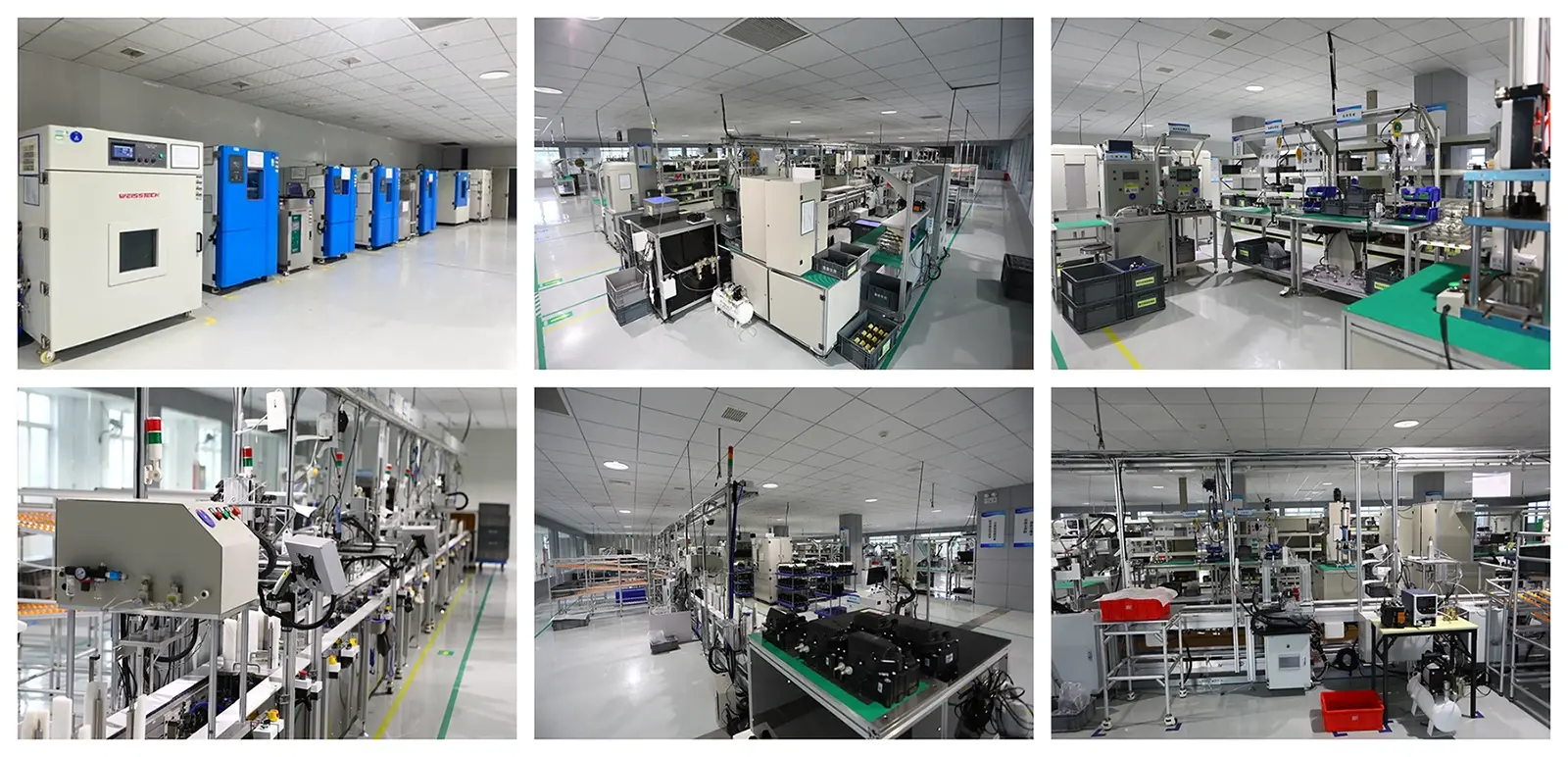
Qintai does its manufacturing and testing in a 400 m² plant. That plant holds over 100 testing and inspection devices. Checks include dimensional measurement. So do physical and chemical properties, environmental loads, mechanical loads, and electrical load conditions.

OEM and ODM Customization
Connector types and cable lengths can be made to fit the layout of a given vehicle or piece of equipment. Sensor appearance and interface setup can be changed as well, so they line up with the product designs mainstream OEMs use.
Qintai supports full OEM and ODM development from initial design specifications through to mass production. The company's 86 R&D technicians and 58 invention patent applications reflect its capability to develop application-specific sensor solutions.
Quality and Certifications
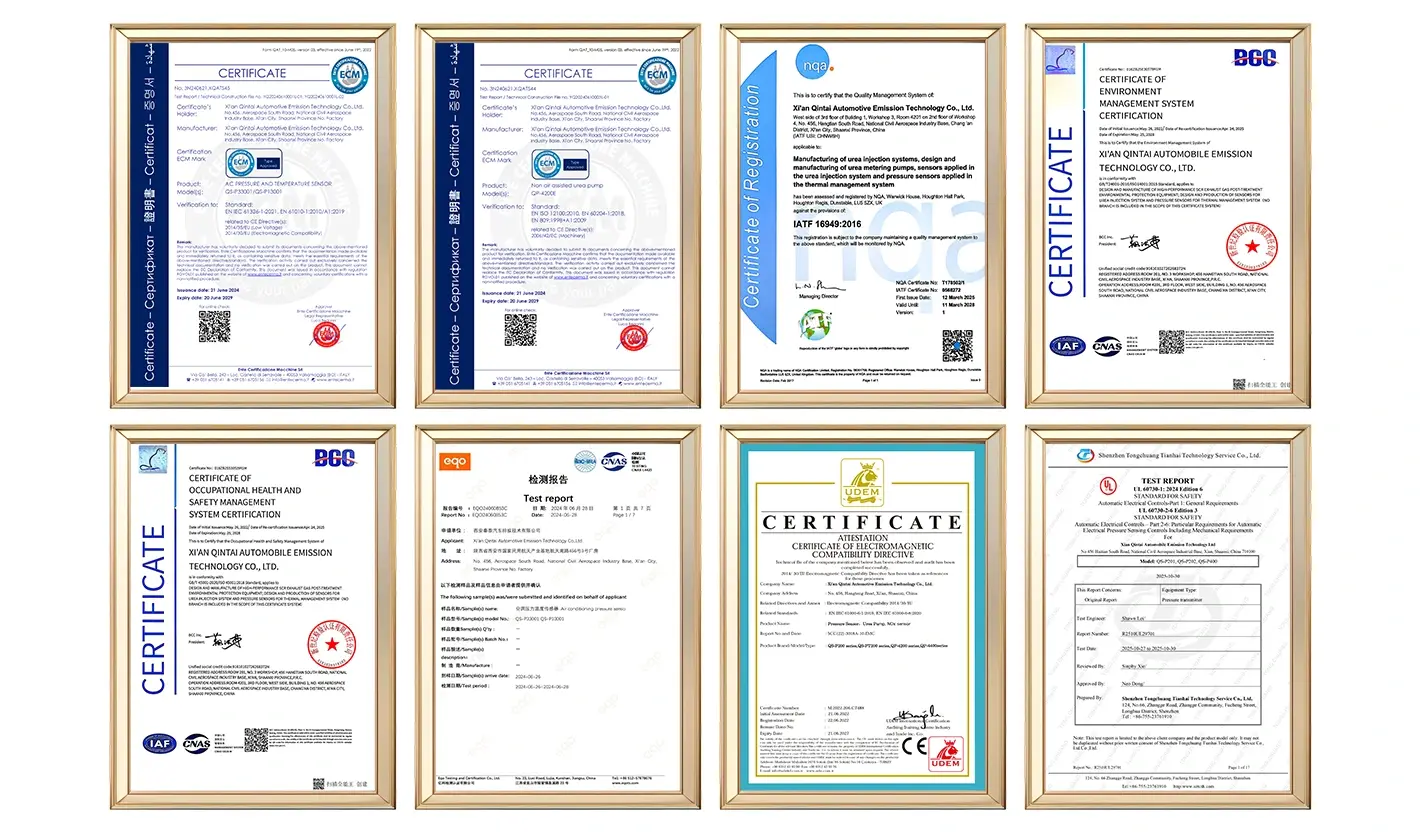
Several certifications back the quality work and the way the NOx Sensors parts are made:
- ISO 9001: Quality management system
- IATF 16949: Automotive industry quality standard
- CE, RoHS, REACH: Product safety and environmental compliance
- CMC, UL, Ex: Additional applicable certifications
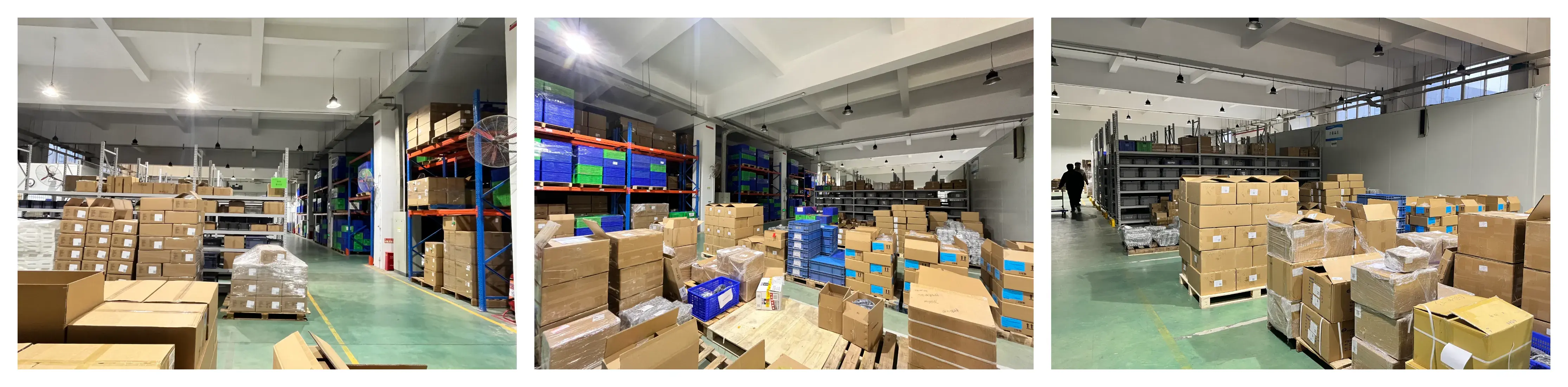
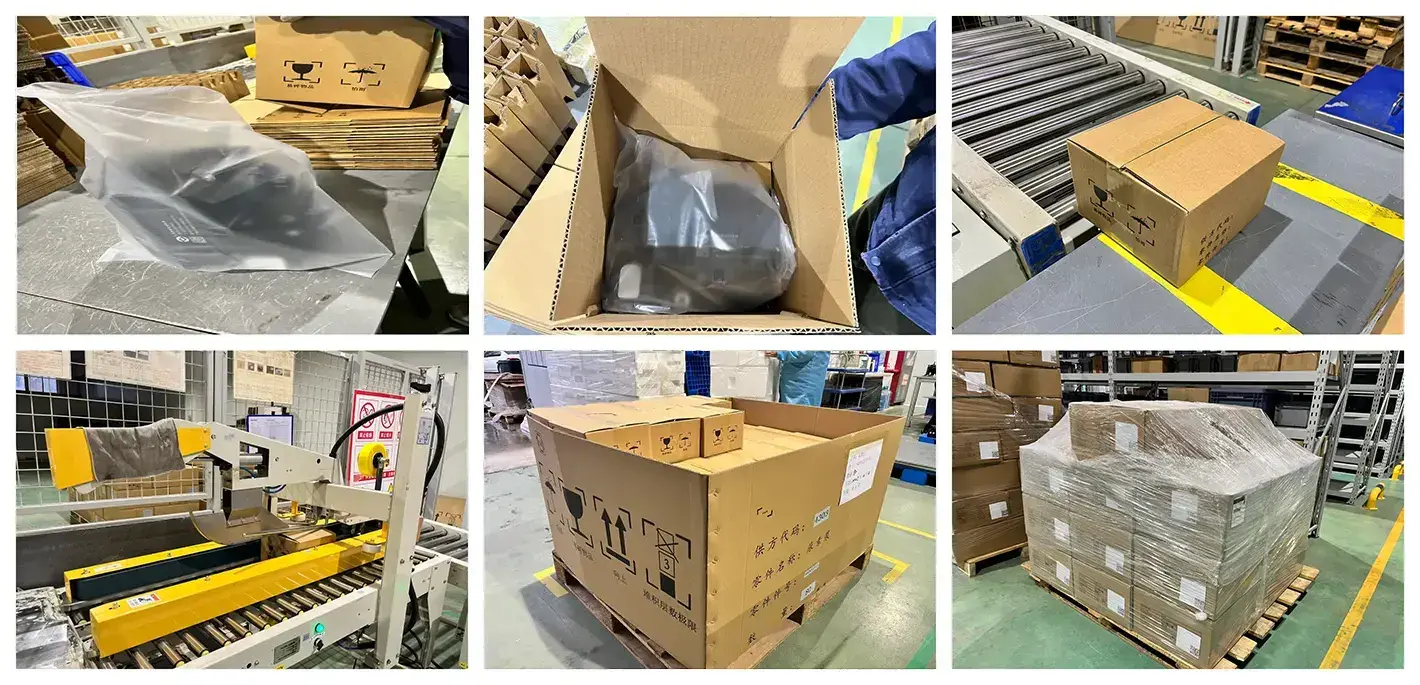
Every batch is checked before it ships. We verify the barcodes. Quantities get confirmed too. Then the appearance is inspected. The packaging has to be intact as well.

Frequently Asked Questions
Q: How long do your this product last?
A: These sensors are rated for up to 6,000 hours of use. The materials picked for the job help them resist lead and sulfide poisoning. Signal stability over time comes from those same choices.
Q: How do I identify which sensor position needs replacing?
A: Read the fault codes on your vehicle first. When a code shows "circuit high" or "circuit open", it usually points to the inlet or outlet sensor position. That helps you order the right replacement.
Q: Can a custom connector and cable length be supplied?
A: Yes. Both connector type and cable length are customizable. The sensor interface can also be configured to match mainstream OEM product layouts.
Q: Are these sensors compatible with Euro VI engines?
A: Yes. Our sensors work with SCR systems built to meet Euro VI and EPA emission standards. That covers inlet NOx monitoring and also the check on outlet conversion efficiency.
Q: What usually makes This product go bad on a diesel truck?
A: Several things can kill one. Lead and sulfide poisoning come from exhaust gases. Moisture can get inside. Physical damage and thermal stress also cause failures. These sensors have a sealed waterproof build. The materials chosen are meant to handle those failure modes.
Q: How long is the lead time, and which shipping options are available to me?
A: Items we have in stock normally go out within a week. Standard production takes 1–2 weeks. For buyers outside the country, you can pick air freight, sea freight, or express delivery.
Contact Us
Questions about NOx Sensors or custom requirements? Reach our team at info@qt-sensor.com: we respond to all technical and commercial enquiries.

Our customers’ satisfaction speaks for our quality — contact us to experience the same reliable service.