- English
- French
- German
- Portuguese
- Spanish
- Russian
- Japanese
- Korean
- Arabic
- Greek
- German
- Turkish
- Italian
- Danish
- Romanian
- Indonesian
- Czech
- Afrikaans
- Swedish
- Polish
- Basque
- Catalan
- Esperanto
- Hindi
- Lao
- Albanian
- Amharic
- Armenian
- Azerbaijani
- Belarusian
- Bengali
- Bosnian
- Bulgarian
- Cebuano
- Chichewa
- Corsican
- Croatian
- Dutch
- Estonian
- Filipino
- Finnish
- Frisian
- Galician
- Georgian
- Gujarati
- Haitian
- Hausa
- Hawaiian
- Hebrew
- Hmong
- Hungarian
- Icelandic
- Igbo
- Javanese
- Kannada
- Kazakh
- Khmer
- Kurdish
- Kyrgyz
- Latin
- Latvian
- Lithuanian
- Luxembou..
- Macedonian
- Malagasy
- Malay
- Malayalam
- Maltese
- Maori
- Marathi
- Mongolian
- Burmese
- Nepali
- Norwegian
- Pashto
- Persian
- Punjabi
- Serbian
- Sesotho
- Sinhala
- Slovak
- Slovenian
- Somali
- Samoan
- Scots Gaelic
- Shona
- Sindhi
- Sundanese
- Swahili
- Tajik
- Tamil
- Telugu
- Thai
- Ukrainian
- Urdu
- Uzbek
- Vietnamese
- Welsh
- Xhosa
- Yiddish
- Yoruba
- Zulu
ceramic capacitive pressure sensor
Excellent resistance to corrosion and abrasion
Optimized for high pressure applications
Easy mounting
Customizable
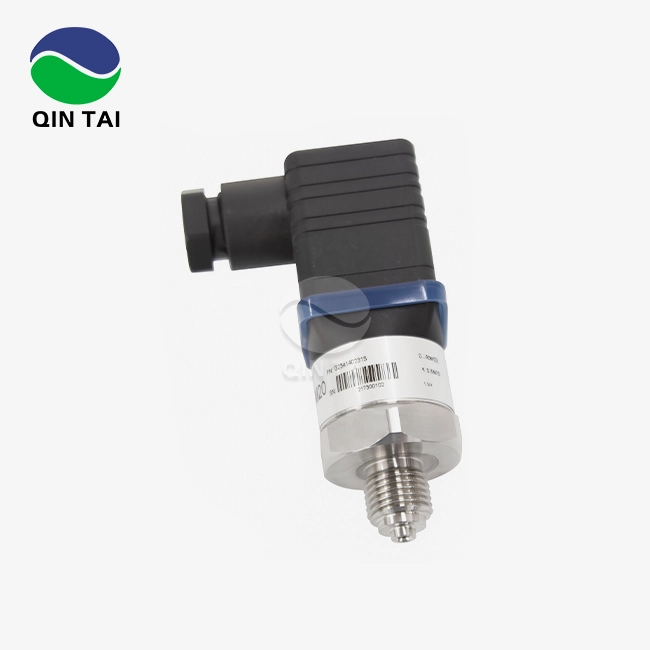
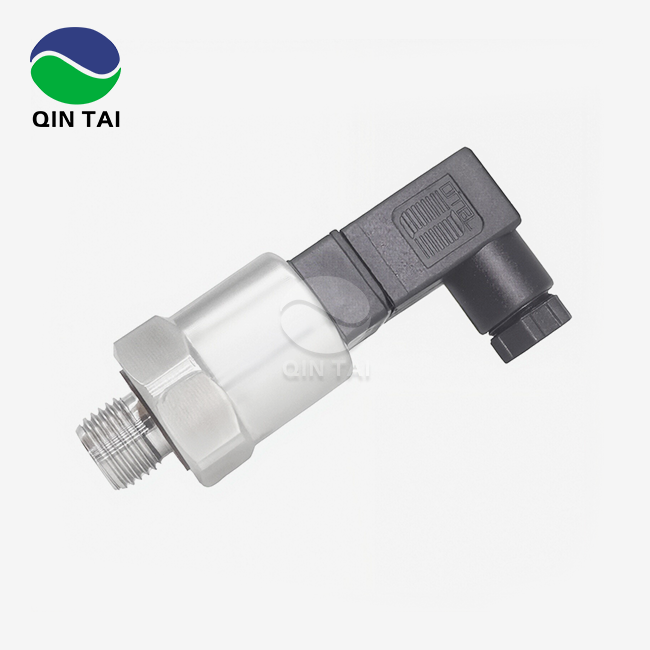
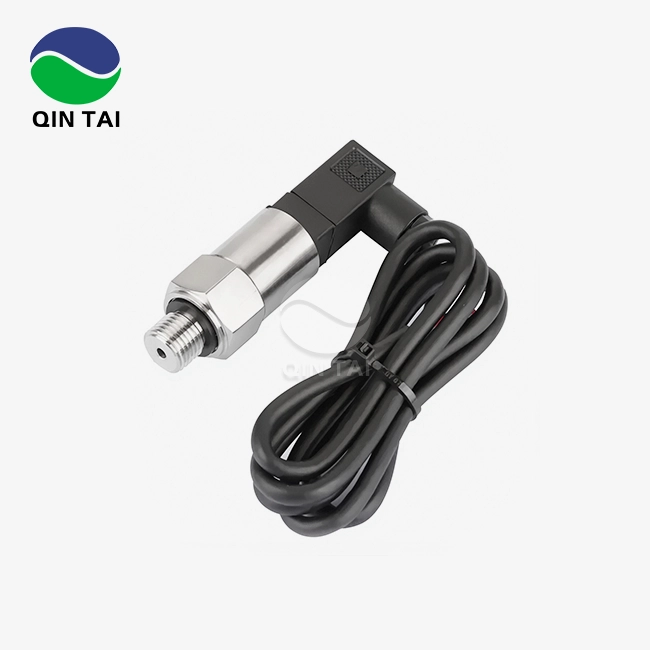
Ceramic Capacitive Pressure Sensor QS-P105 for High-Pressure, Corrosive Media – Customizable OEM Solution
The QS-P105 is designed by Xi'an Qintai Automotive Emission Technology Co., Ltd., and the company builds it too. An OEM-ready ceramic capacitive pressure sensor is what comes out. High-pressure systems are where it goes to work. Ordinary sensors wear down fast once corrosive or abrasive media turn up in those systems. Slam it with 40 times the rated pressure and the Al2O3 ceramic diaphragm still comes through unharmed. Operating temperature is listed at -40°C to +135°C. Want 4-20 mA on the output? That is one option. 0-10 V works as well, and so do I2C and SENT. National high-tech enterprise status is held by Qintai. Custom orders get accepted. Pressure range and media can be customized. So can the temperature range, the output signal and the mounting needs.
Core Features of the QS-P105
Inside the QS-P105 there is an Al2O3 ceramic diaphragm. Its elasticity modulus measures about 310 GPa. Acids, alkalis and organic solvents all sit on the listed media resistance. Those fluids are the ones this this product was built to handle.
- Pressure spikes do not hurt the diaphragm. Overpressure resistance goes as high as 40 times the rated pressure.
- The datasheet describes hysteresis as minimal. Readings stay repeatable over pressure cycles because of it.
- The grade listed for sealing is IP67/IP68.
Product Specifications
| Parameter | Typical Value |
|---|---|
| Sensing element | Al2O3 ceramic diaphragm, capacitive |
| Elasticity modulus | Approx. 310 GPa |
| Operating temperature | -40°C to +135°C |
| Accuracy class | 0.1% to 0.5% FS |
| Overpressure resistance | Up to 40 times rated pressure |
| Long-term stability | <0.1% FS/year |
| Hysteresis | Minimal |
| Output options | 4-20 mA, 0-10 V, I2C, SENT |
| Sealing grade | IP67/IP68 |
| Service life | 10 million+ cycles; 10–15 years in many uses |
| Media resistance | Acids, alkalis, organic solvents |
Numbers of this kind are common with ceramic capacitive technology. Need the exact figures for your QS-P105 build? Email info@qt-sensor.com. Some details are not in the data we hold. We do not list pressure range, process connection, dimensions, supply voltage, or response time here. Just ask, and we can confirm them on request.
Output Signals and Compensation
A capacitive element puts out picofarads. That signal is raw. An integrated ASIC converts it into 4-20 mA, 0-10 V, or digital I2C and SENT signals. Your controller probably already reads one of those. The output can be made to match it.
Digital temperature compensation comes on some modules. In setups that are not sealed, capacitance shifts from moisture can appear. Those shifts can be held back by hydrophobic coatings or by ASIC compensation. Before you ask for a quote, check which compensation approach fits your configuration.
Typical Applications
Harsh media and pressure meet in some systems. There the QS-P105 ceramic capacitive pressure sensor is built to go:
- Acids flow through these lines. Alkalis and solvents do too.
- Hydrogen fuel cell systems
- Vacuum measurement, absolute or gauge
- High-vibration equipment
- Automotive fluid and oil monitoring
Your media decides what fits the job. Pressure range matters. So does temperature. Send us your operating conditions. We will go through them. Qintai's lineup also includes diesel SCR aftertreatment systems and urea dosing pumps. From that work, the team has learned a lot about pressure sensing in engine emissions.
Service Life and Long-Term Stability
Service life: 10 million+ cycles. That is what the spec table says. Many uses turn that into 10 to 15 years. Long-term stability sits under 0.1% FS per year. Actual lifespan is not fixed. Humidity and temperature both have an effect. Chemical exposure matters, and pressure cycling does as well. Shock counts. Installation quality counts as well.
In-House Sensor Manufacturing
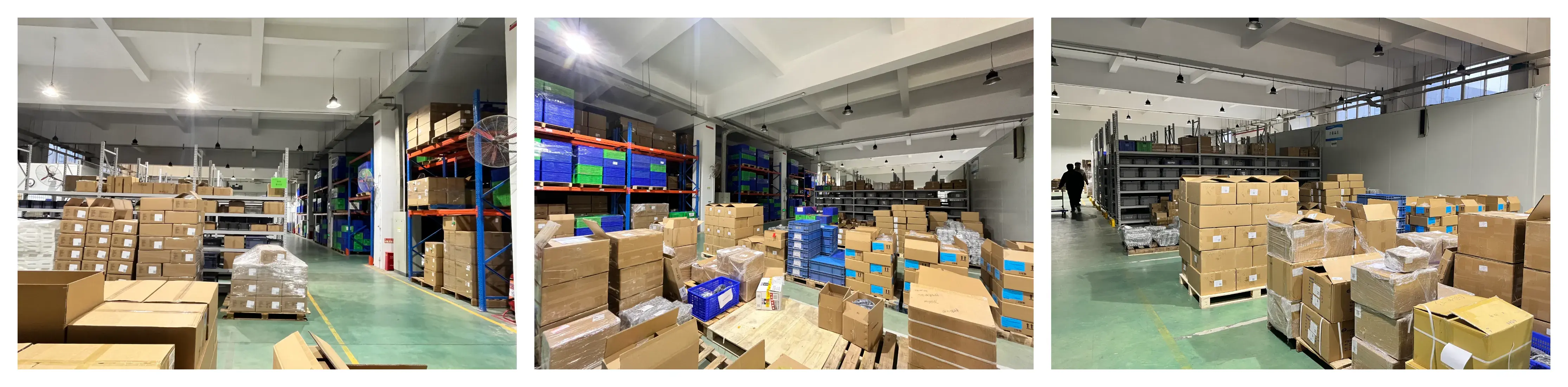
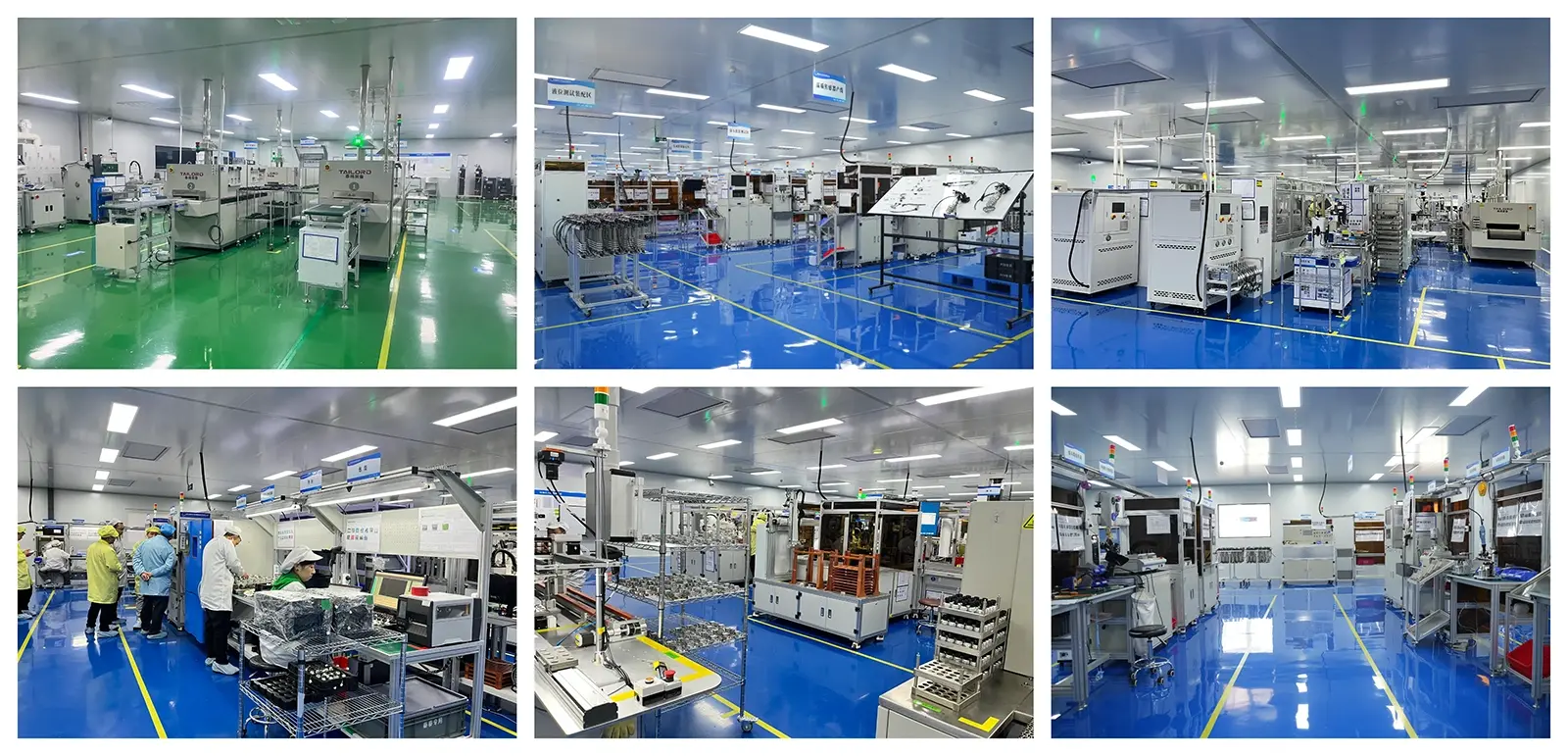
Qintai makes the sensor core and runs thick-film printing in its own plant. Two sensor production lines operate alongside two dust-free urea pump assembly lines. Annual capacity for pressure sensors is 2 million units, which supports OEM batch orders.
Testing and Quality Control
Qintai's testing center covers 400 m². Inside it sit over 100 testing and inspection devices. More than 20 of those are specialized instruments. Checks include microscopic inspection. Dimensional measurement gets done as well. Physical and chemical properties are tested too, along with environmental, mechanical, and electrical loads. Apart from EMC-related tests, DPV testing stays in-house. Quality management follows ISO 9001 and IATF 16949.
Certifications and Compliance
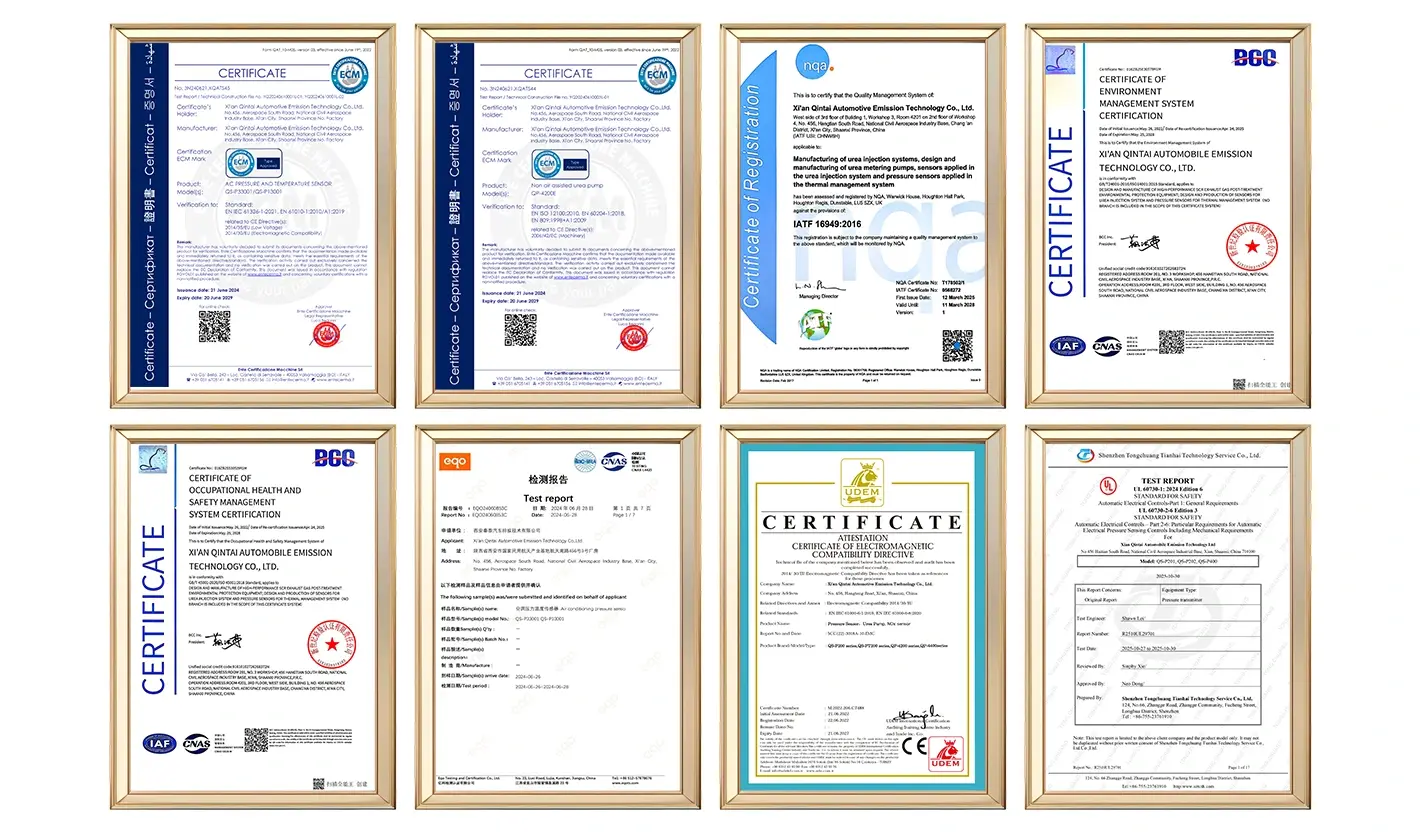
Company certifications at Qintai include ISO 9001, IATF 16949, CMC, Ex, UL, CE, REACH and RoHS. Which documents does your QS-P105 order need? Let us know. We will confirm them in your quotation.

OEM and ODM Customization for ceramic capacitive pressure sensor
You can customize the QS-P105. OEM and ODM service from Qintai covers product design through mass production. It follows your specifications and what the project needs. International orders get flexible production arrangements as well.
To quote this product, send your pressure range, media, temperature range, output signal, and mounting type. The in-house R&D team supports technical collaboration from the first drawing.
R&D Strength and Industry Partners
Qintai has operated since 2001 and now has 420 employees, including 86 R&D technicians, and holds 58 invention patent applications. China Yuchai Power recognized the company with an R&D collaboration award.
Qintai supplies Weichai Power, Yuchai Power, and Quanchai Power, and works with BYD, DINEX, FAWDE, KAMAZ, NAVECO, DEUTZ, SANY, and SINOTRUK. Its products reach more than 60 countries across Europe, the Middle East, South America, and other markets. The company has attended AAPEX 2024 in Las Vegas, Hannover Messe 2025 in Germany, and Manufacturing World 2025 in Osaka.
Lead Time, Packaging, and Delivery
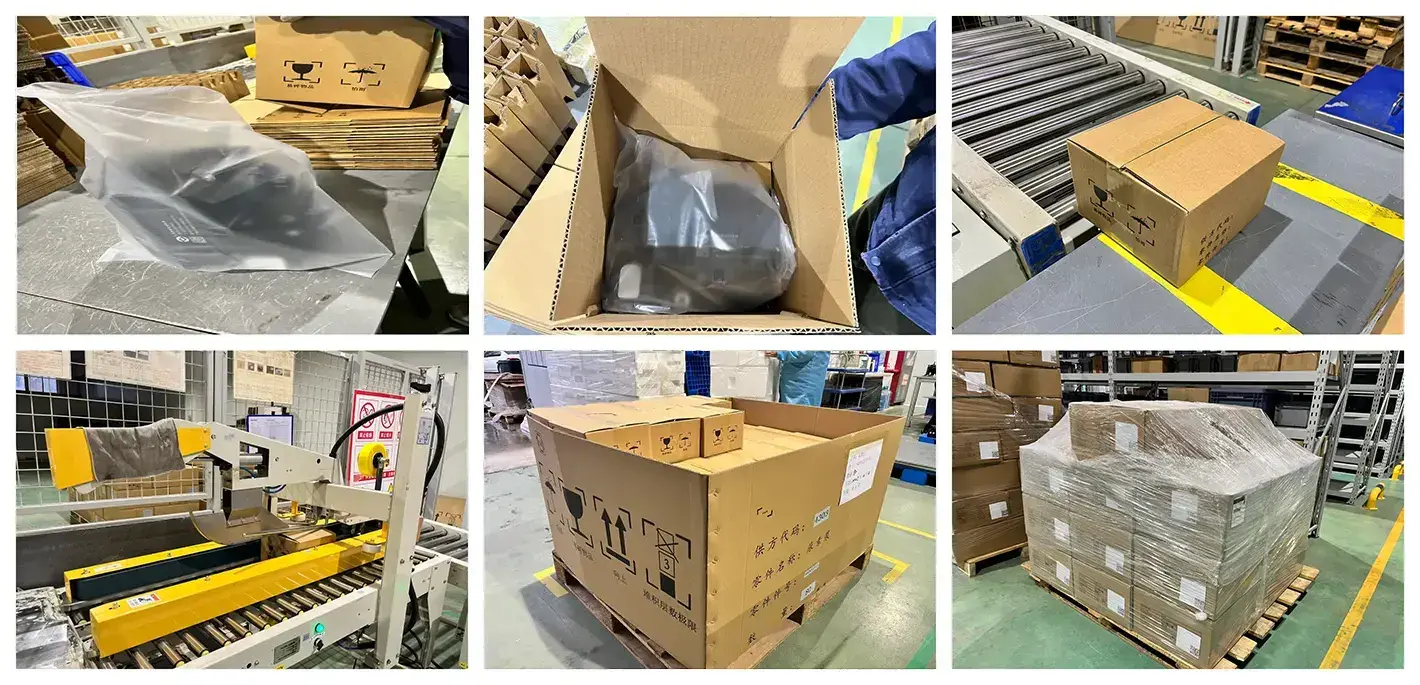
Stock is ready for selected products. Those items can ship within one week. Usually, production takes 1–2 weeks. Air freight is one choice. Sea freight gives another route. Express delivery is also on the table. Warehouse procedures cover storage. Inventory management falls under them too. Product traceability is part of the setup.
Packaging can use protective foam. Anti-static materials are an option too. Reinforced cartons are available. Customized ceramic capacitive pressure sensor packaging is a choice as well. Before shipment, Qintai checks barcodes. Quantity gets checked too. They also look at appearance. Packaging integrity is part of the check.
Frequently Asked Questions
Q: Which media does the QS-P105 handle?
A: Media resistance is covered in the specification table. Acids and alkalis are named there. Organic solvents show up too. Send the exact media and operating conditions you use. Qintai will review compatibility before you order.
Q: Which output signals are available?
A: The QS-P105 offers 4-20 mA, 0-10 V, I2C, and SENT. The raw capacitive output is in pF and is converted by an integrated ASIC.
Q: Can the sensor be used for vacuum measurement?
A: The target applications list both absolute and gauge vacuum measurement. Tell us your vacuum range. We will then confirm the right configuration for you.
Q: What happens with humidity when the application is not sealed?
A: Moisture can make capacitance shift. Hydrophobic coatings and ASIC compensation keep that shift small. Sealing is rated IP67/IP68.
Q: What is the typical service life?
A: The spec table lists 10 million+ cycles. It also gives 10–15 years for many uses. Real life depends on several things. Heat and humidity are two of them. Chemical exposure counts as well. So do pressure cycling and shock. How well the unit was installed matters too.
Q: Can the QS-P105 be customized?
A: Yes. Qintai offers OEM and ODM service for the QS-P105 this product, from design to mass production.
Contact Us
Email info@qt-sensor.com with your pressure range, media, temperature range, output signal, and mounting type to request a quote for the ceramic capacitive pressure sensor QS-P105.

Our customers’ satisfaction speaks for our quality — contact us to experience the same reliable service.