- English
- French
- German
- Portuguese
- Spanish
- Russian
- Japanese
- Korean
- Arabic
- Greek
- German
- Turkish
- Italian
- Danish
- Romanian
- Indonesian
- Czech
- Afrikaans
- Swedish
- Polish
- Basque
- Catalan
- Esperanto
- Hindi
- Lao
- Albanian
- Amharic
- Armenian
- Azerbaijani
- Belarusian
- Bengali
- Bosnian
- Bulgarian
- Cebuano
- Chichewa
- Corsican
- Croatian
- Dutch
- Estonian
- Filipino
- Finnish
- Frisian
- Galician
- Georgian
- Gujarati
- Haitian
- Hausa
- Hawaiian
- Hebrew
- Hmong
- Hungarian
- Icelandic
- Igbo
- Javanese
- Kannada
- Kazakh
- Khmer
- Kurdish
- Kyrgyz
- Latin
- Latvian
- Lithuanian
- Luxembou..
- Macedonian
- Malagasy
- Malay
- Malayalam
- Maltese
- Maori
- Marathi
- Mongolian
- Burmese
- Nepali
- Norwegian
- Pashto
- Persian
- Punjabi
- Serbian
- Sesotho
- Sinhala
- Slovak
- Slovenian
- Somali
- Samoan
- Scots Gaelic
- Shona
- Sindhi
- Sundanese
- Swahili
- Tajik
- Tamil
- Telugu
- Thai
- Ukrainian
- Urdu
- Uzbek
- Vietnamese
- Welsh
- Xhosa
- Yiddish
- Yoruba
- Zulu
oil pressure switch
High quality,long-life diaphragm
• Factory set from 0. 1-50bar
• Easy installation, low cost
• High cycle life-Proven reliability
• Applications: Comperssors & Pumps,Hydraulics,Pneumatics,Engine
Controls,Construction Equipment.Agricultural Equipment
QS-P220 Oil Pressure Switch for Compressors, Pumps and Engine Controls with Long-Life Diaphragm
The QS-P220 comes from Xi'an Qintai Automotive Emission Technology Co., Ltd. It is a long-life diaphragm-type oil pressure switch, set at the factory anywhere from 0.1 to 50 bar. Qintai has been building these since 2001. Compressors, pumps, hydraulics, pneumatics, engine controls, construction equipment and agricultural equipment all use it. On this page you get the confirmed model data. We also explain how a pressure switch works and how to test one. Production, testing, OEM and ODM support are covered too. Read it, and you'll know what to confirm with the supplier before you ask for a quote.
Product Specifications
The table below lists only the data supplied for the QS-P220 this product.
| Item | Detail |
|---|---|
| Model | QS-P220 |
| Sensing element | Long-life diaphragm |
| Factory set range | 0.1–50 bar |
No model-specific data came in, so this model page has no thread type and no electrical rating. Materials and ingress protection are missing too. The same goes for cycle-life figures and certifications. Send your application details if you need them confirmed.
Long-Life Diaphragm Design
The diaphragm shifts with every pressure change, and that movement works the switch. A long-life diaphragm matters most where a switch cycles a lot. Think of equipment that starts and stops all day.
At the factory the trigger point is set somewhere in the 0.1–50 bar range. Need a specific set point? Send your target value and the operating conditions. The R&D team will go over them. Nothing is said about cycle life for this model. So if your duty cycle is a demanding one, ask.
How a Pressure Switch Works in Your System
Pressure changes are what a pressure switch reacts to. Guarding and controlling a system is its job. Pumps and compressors can be started or stopped by it with no one at the controls. Once pressure crosses a safe limit, it can set off an alarm. It also helps hold pressure steady in hydraulic and pneumatic circuits.
On a compressor, the motor gets started and stopped at the pressures you set. Pressure climbing past a safe limit on a hydraulic power unit? The switch can fire an alarm. This product in an engine warns you when lubrication system pressure drops too low.
The QS-P220 may or may not fit a given circuit. The medium matters here. So do the connection and the electrical needs. Send us your details before you order.
How to Test a Switch Before Replacing It
Check the basics first. Don't blame the part yet. Testing an oil pressure switch? Check the oil level first. Low oil can turn on the warning light. The gauge comes next. During normal running, low or moving readings point to a switch or sensor problem. Oil leaks around the switch are another clue. So are weak engine performance and strange noise. Never ignore a warning. Very low oil pressure can damage an engine.
Next, use a multimeter. With the engine off, a normally closed switch shows continuity. Once the engine runs and pressure rises, it opens. A normally open type does the opposite. Check the datasheet before you test. If the circuit state does not change, the switch is probably faulty. Test method by pin count:
- One pin: Run one lead to the pin. The other lead goes to the switch body. That body is grounded to the engine block.
- Two pins: Hook up to both pins. Now check the state with the engine off, then with it running. It should change.
- Three pins: Find the ground pin first. Next, sort out the open pin and the closed pin. Test the open and closed pins after that.
Company Background and Capacity
Qintai is a national high-tech enterprise with 420 employees, including 86 R&D technicians, and holds 58 invention patent applications. Its sensor core and thick-film printing lines, together with two sensor production lines, support an annual capacity of 2 million pressure sensors.
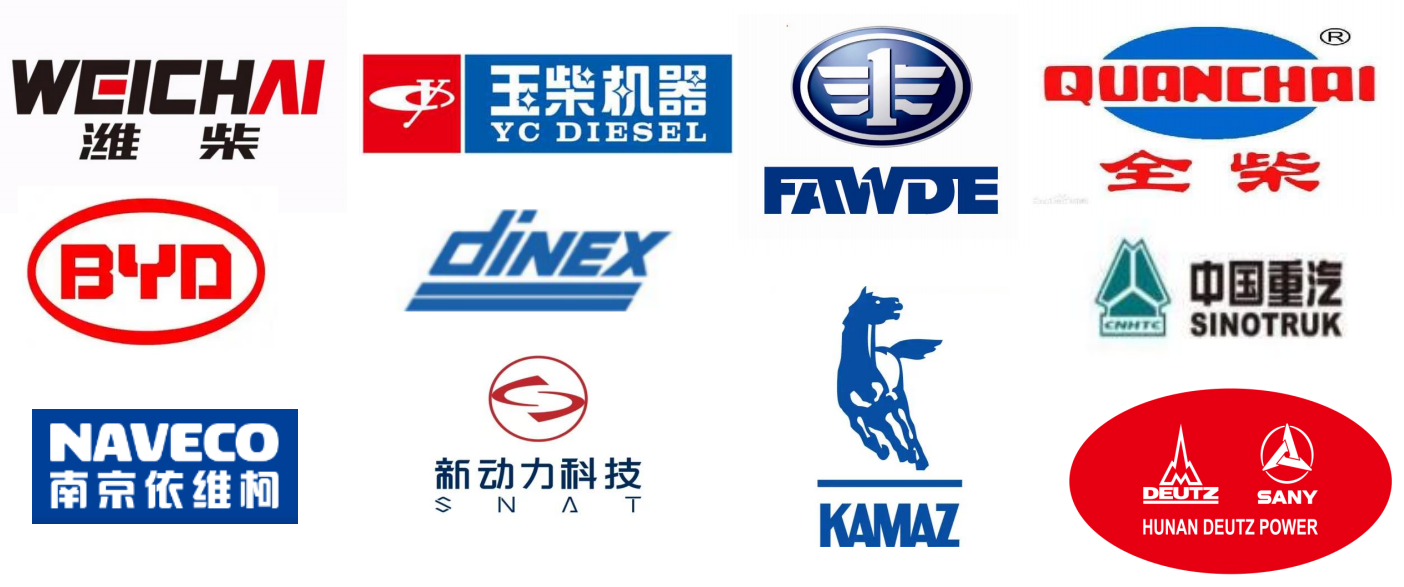
Buyers include OEM customers, trading agents and partners across more than 60 countries. Weichai Power, Yuchai Power and Quanchai Power all get supplied by the company. Those numbers describe the business itself. They do not cover the QS-P220 specifications.
Testing and Quality Control for the oil pressure switch
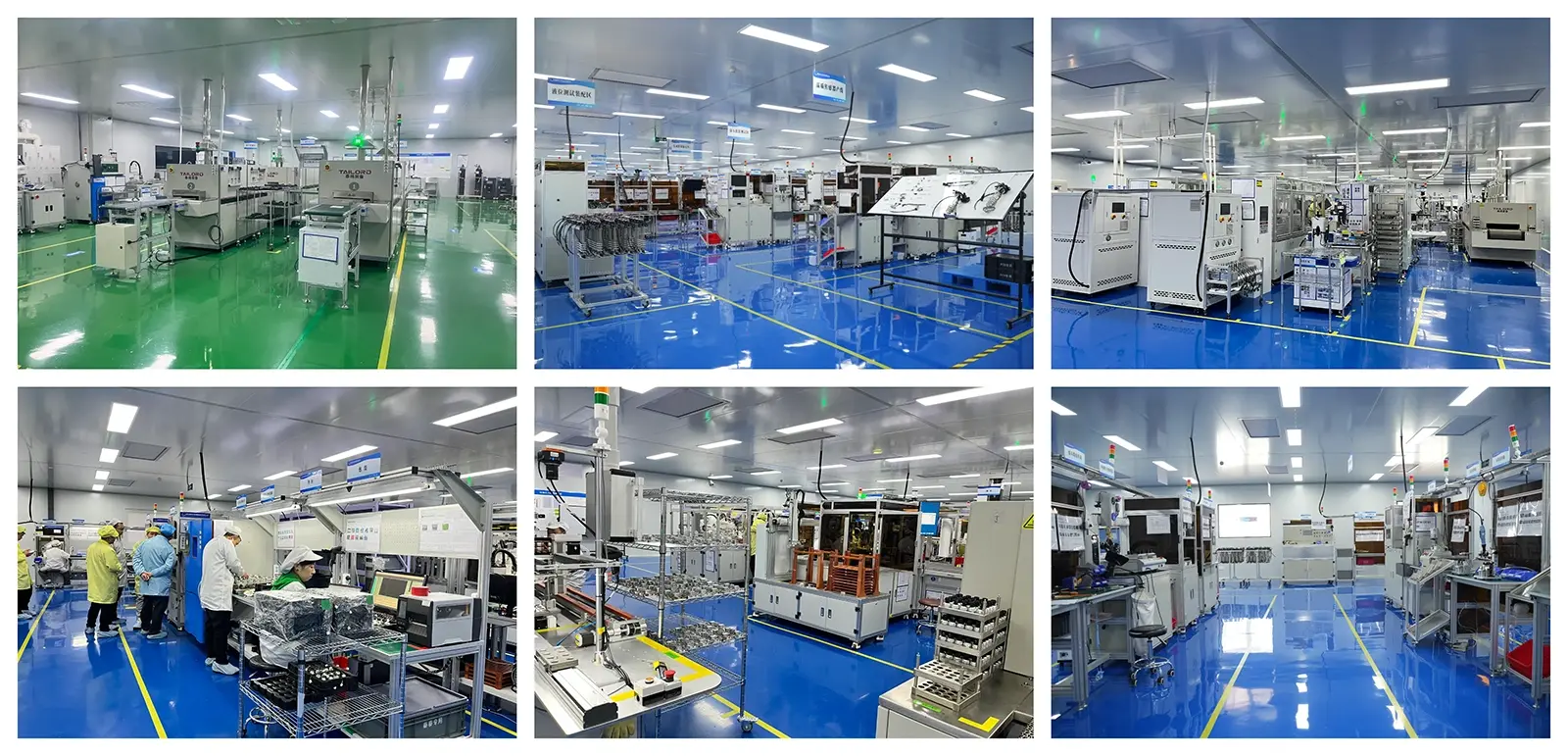
The testing center covers 400 m². It holds over 100 testing and inspection devices, and more than 20 of these are specialized instruments. Microscopic inspection and dimensional measurement are both part of the work. Physical and chemical properties get checked too. Environmental, mechanical and electrical loads are tested as well. DPV testing runs in-house. EMC-related tests are the exception.
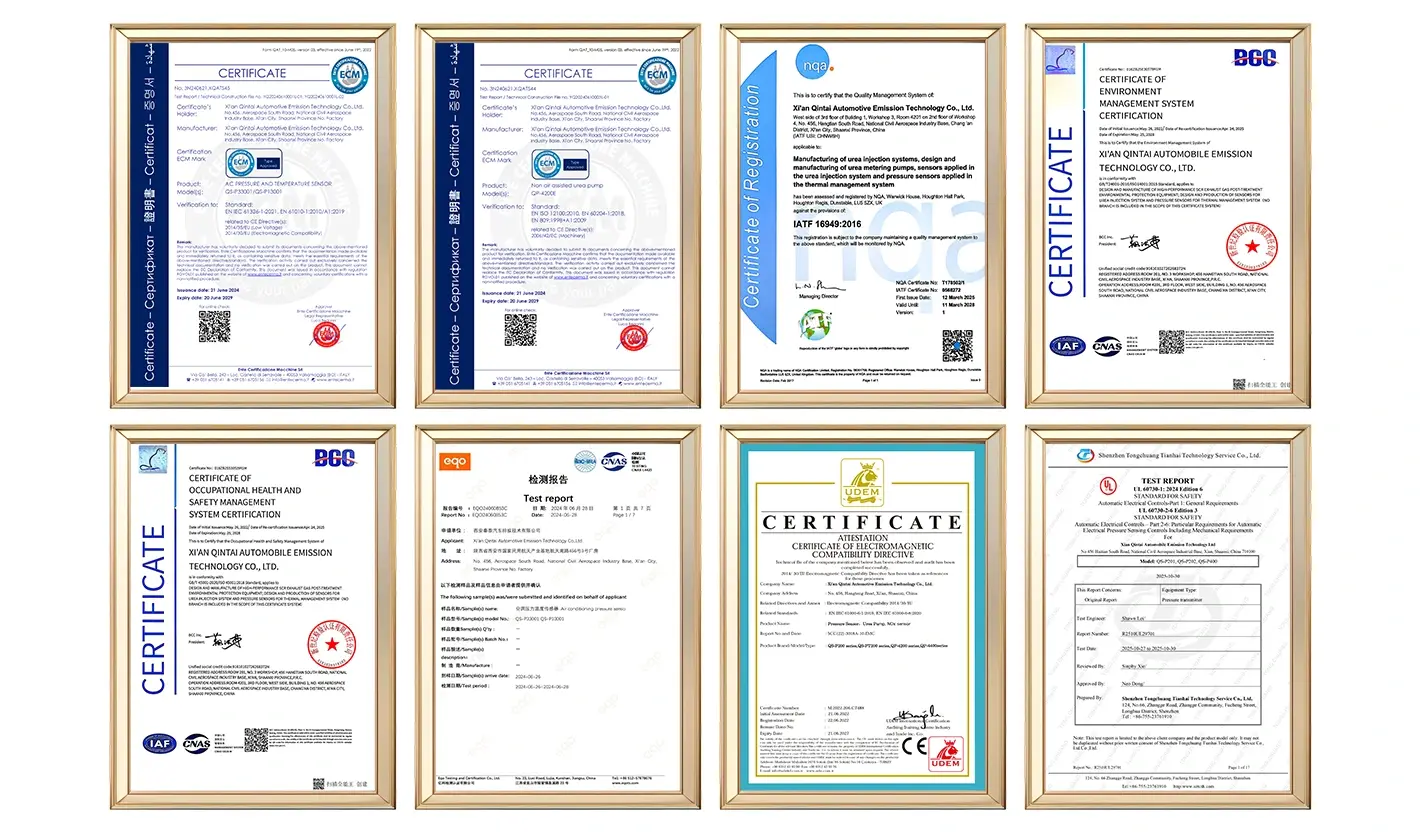
Quality management follows ISO 9001 and IATF 16949. The company's compliance list also includes CMC, Ex, UL, CE, REACH and RoHS. Ask which documents apply to the QS-P220.
OEM and ODM Support
Qintai provides OEM and ODM services from product design to mass production. The 86 R&D technicians adapt products to your specifications, application and project needs, and China Yuchai Power has recognized the team with an R&D collaboration award. Distributors, trading agents and OEM customers can arrange flexible production and international orders.
Packaging, Lead Time and Shipping
Selected in-stock products ship within one week, and typical production lead time is 1–2 weeks. Confirm the lead time for the QS-P220 when you request a quote. Air freight, sea freight and express delivery are available.
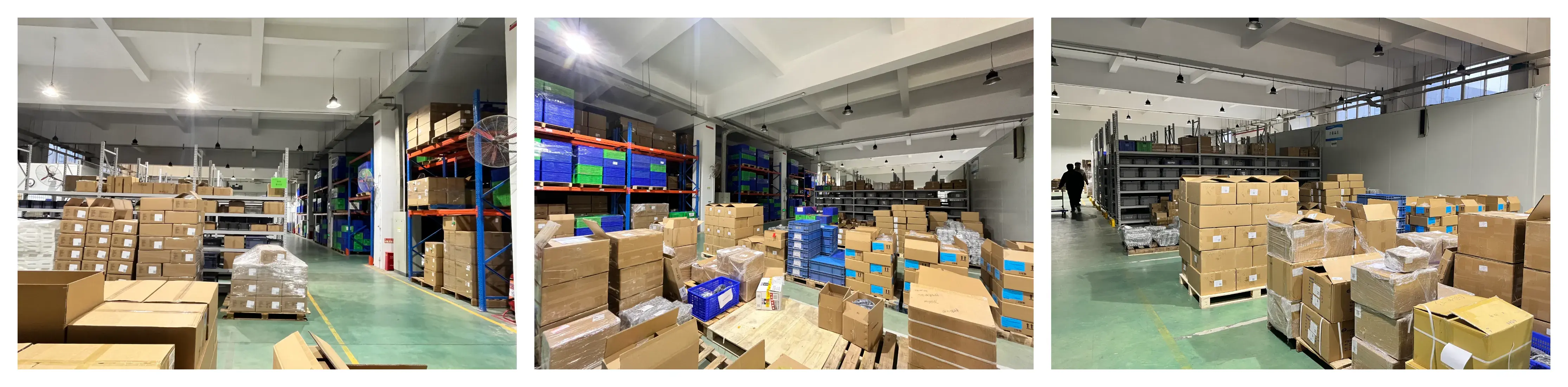
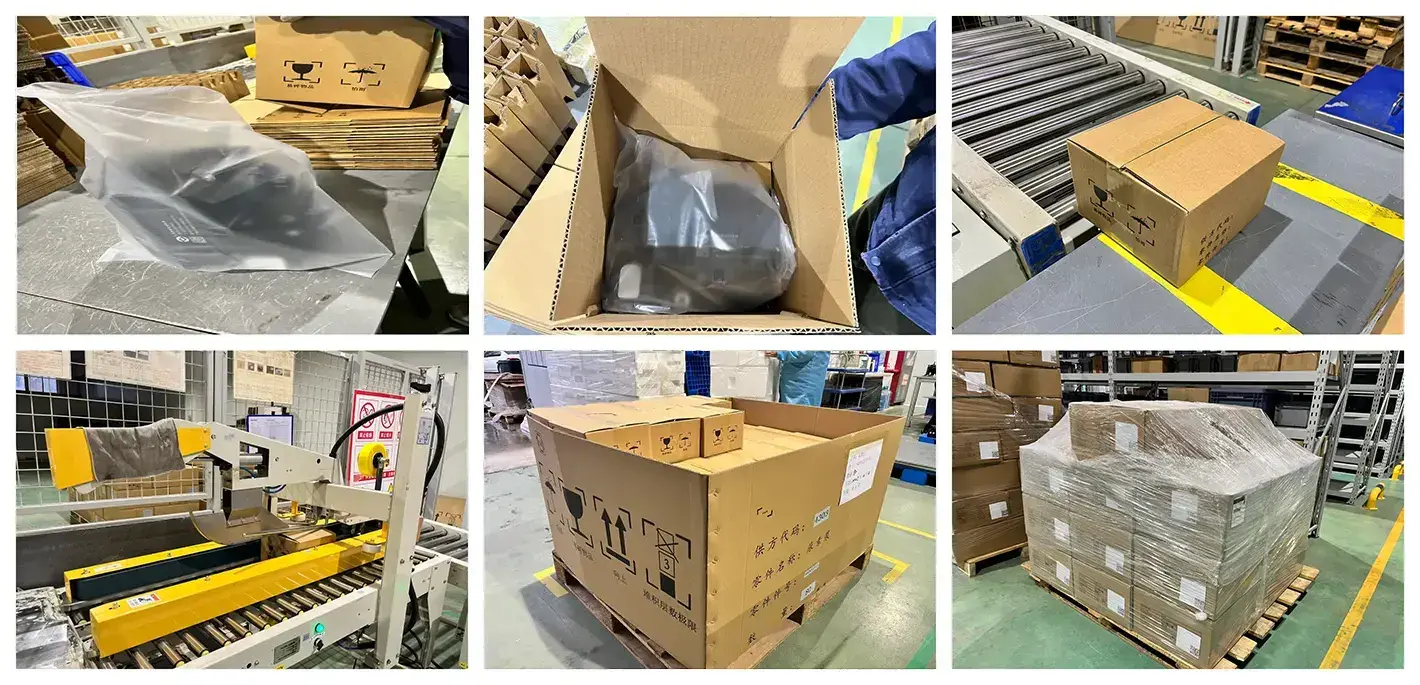
Protective foam is one packaging option. Anti-static materials and reinforced cartons are others. Customized packaging is available too. Before shipment, staff verify barcodes and check the oil pressure switch quantity. They look at appearance and packaging integrity as well. Storage follows standard inventory and traceability procedures.

FAQ
Q: What are the common signs of a failing switch?
A: Oil level can be fine and the warning light still comes on. It can also stay off while pressure drops. Other clues are leaks around the switch and noise from the engine.
Q: Where is the switch located in a vehicle?
A: On lots of vehicles, it threads into the engine block or the cylinder head. You will find it near the oil filter or the oil pump. That spot lets it read pressure right at the source.
Q: What is the difference between a switch and a sensor?
A: A switch only turns on or off. Once pressure falls under a set point, it turns on the warning light. A sensor is different: it sends a steady stream of readings to the computer or the gauge.
Q: How do I test the switch?
A: Hook up a multimeter. Take a reading with the engine off, then take another with it running, and compare the two. Which method you use comes down to the switch's pin count: one, two or three.
Q: What pressure range does the QS-P220 cover?
A: On the QS-P220 this product, the factory setting runs from 0.1 to 50 bar. Need a specific value? Send us the details of your application.
Contact Us
Send your application details and required set pressure to info@qt-sensor.com. We will review them and reply with a quote for the QS-P220 oil pressure switch.


Our customers’ satisfaction speaks for our quality — contact us to experience the same reliable service.