- English
- French
- German
- Portuguese
- Spanish
- Russian
- Japanese
- Korean
- Arabic
- Greek
- German
- Turkish
- Italian
- Danish
- Romanian
- Indonesian
- Czech
- Afrikaans
- Swedish
- Polish
- Basque
- Catalan
- Esperanto
- Hindi
- Lao
- Albanian
- Amharic
- Armenian
- Azerbaijani
- Belarusian
- Bengali
- Bosnian
- Bulgarian
- Cebuano
- Chichewa
- Corsican
- Croatian
- Dutch
- Estonian
- Filipino
- Finnish
- Frisian
- Galician
- Georgian
- Gujarati
- Haitian
- Hausa
- Hawaiian
- Hebrew
- Hmong
- Hungarian
- Icelandic
- Igbo
- Javanese
- Kannada
- Kazakh
- Khmer
- Kurdish
- Kyrgyz
- Latin
- Latvian
- Lithuanian
- Luxembou..
- Macedonian
- Malagasy
- Malay
- Malayalam
- Maltese
- Maori
- Marathi
- Mongolian
- Burmese
- Nepali
- Norwegian
- Pashto
- Persian
- Punjabi
- Serbian
- Sesotho
- Sinhala
- Slovak
- Slovenian
- Somali
- Samoan
- Scots Gaelic
- Shona
- Sindhi
- Sundanese
- Swahili
- Tajik
- Tamil
- Telugu
- Thai
- Ukrainian
- Urdu
- Uzbek
- Vietnamese
- Welsh
- Xhosa
- Yiddish
- Yoruba
- Zulu
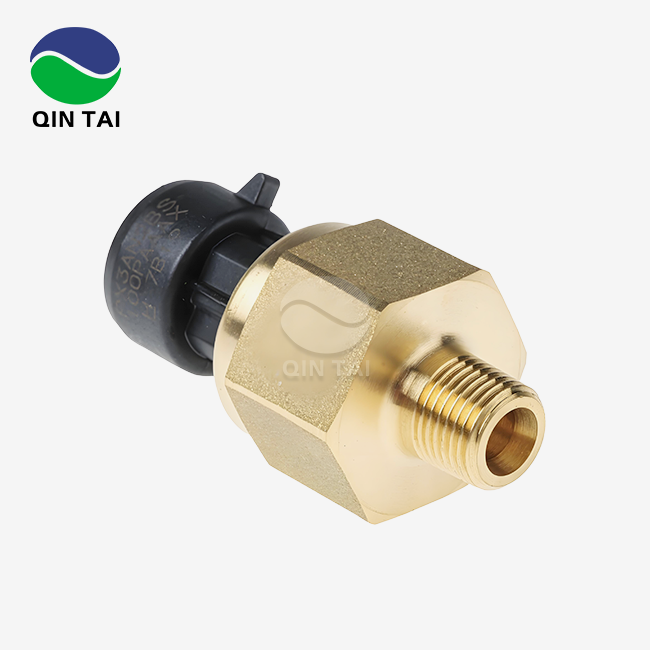
Urea pressure sensor
Self-developed and production of sensor core
Urea Pressure Sensor for SCR Systems | QS-P226 DEF Dosing Control
Accurate fluid pressure monitoring is what lets a diesel SCR system control AdBlue injection and hit its emission targets. Xi'an Qintai Automotive Emission Technology Co., Ltd. develops and builds the urea pressure sensor QS-P226. This part watches DEF hydraulic pressure the whole time and sends an analog voltage signal to the DCU or ECU. Its working range is 0–10 bar. Output spans 0.5 V to 4.5 V, and it runs on a 5 V DC supply. SCR aftertreatment systems built to Euro VI and EPA Tier 4 Final can use it.
What Is a and Why Does It Matter?
Some people call it an AdBlue pressure sensor, others a DEF pressure sensor. The part sits inside the SCR dosing module and tracks fluid pressure all through the dosing circuit. Pressure gets turned into an electrical signal. From that signal the ECU works out how much DEF to inject into the exhaust stream, and then controls it.
No pressure feedback, or feedback that is off, and the SCR system cannot control NOx reduction the way it should. Emissions then fail to comply. Diagnostic trouble codes get stored. In many cases the vehicle drops into limp mode with reduced engine power.
How the QS-P226 Works Inside the SCR System
Wiring runs straight to the urea dosing pump circuit. Pressure builds in the urea line, and the diaphragm inside the sensor bends. How far it bends follows the pressure applied. An analog voltage from 0.5 V to 4.5 V comes out of that movement. The ECU reads that signal without a break.
Pressure that drifts outside the calibrated operating range gets caught by the ECU. It then logs a DTC. From there it either adjusts injection or stops it, which keeps parts downstream safe.
Sensor cores in the QS-P226 come off Qintai's own lines, where they are made with thick-film printing. Qintai keeps core quality in its own hands this way. No third-party supply sits in that step.
Key Technical Specifications
| Parameter | Specification |
|---|---|
| Model | QS-P226 |
| Pressure Range | 0–10 bar |
| Output Signal | Analog 0.5 V–4.5 V |
| Power Supply | 5 V DC |
| Communication Option | LIN / CAN (system-dependent) |
| Sensor Core | Self-developed, in-house manufactured |
| Technology | Thick-film printing |
| Annual Production Capacity | 2,000,000 units |
| Applicable Standard | Euro VI, EPA Tier 4 Final |
| Thread Options | M10×1, M12×1.5 (application-specific) |
Addressing Common SCR Failure Points
Urea crystallization inside the sensing chamber is one of the more frequent causes of dosing system faults. The QS-P226 uses a dead-volume minimization design with smooth internal flow paths to reduce stagnant DEF contact with the diaphragm surface, limiting crystallization buildup over time.
The sensor also includes a flexible internal buffering structure. This accommodates the volume expansion that occurs when AdBlue freezes in cold operating environments, protecting the sensing element from cracking or signal drift.
Connector terminals are gold-plated to resist oxidation and reduce signal degradation at the pin interface — a common contributor to P204B fault codes in aging SCR systems.
Typical Applications
The QS-P226 fits diesel applications that run under Euro VI or a matching emissions framework:
- Heavy-duty trucks and commercial vehicles: long runs that call for steady NOx control across high-mileage cycles
- Construction and agricultural machinery: equipment that must meet EPA Tier 4 Final requirements
- Diesel buses and coaches: urban fleet vehicles with strict emission compliance requirements
- Industrial diesel engines: power units that stay in one place or move around, built with SCR aftertreatment
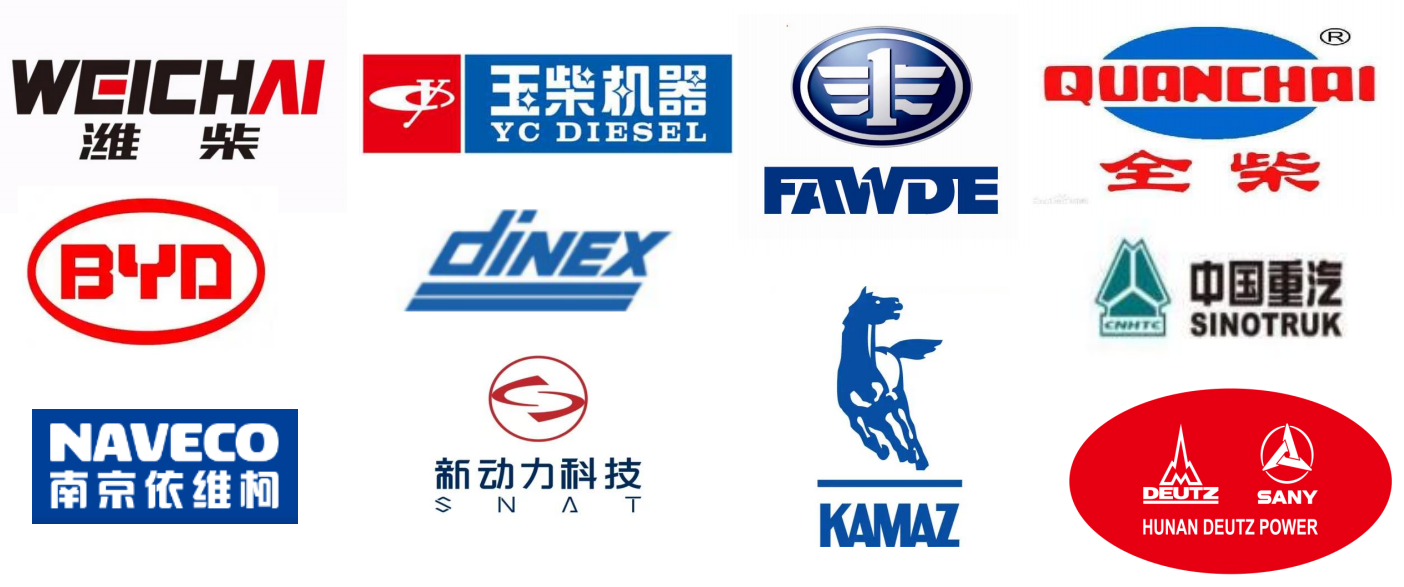
Weichai Power, Yuchai Power, Quanchai Power, SANY, and SINOTRUK all buy SCR system parts from Qintai. So do other diesel powertrain makers.
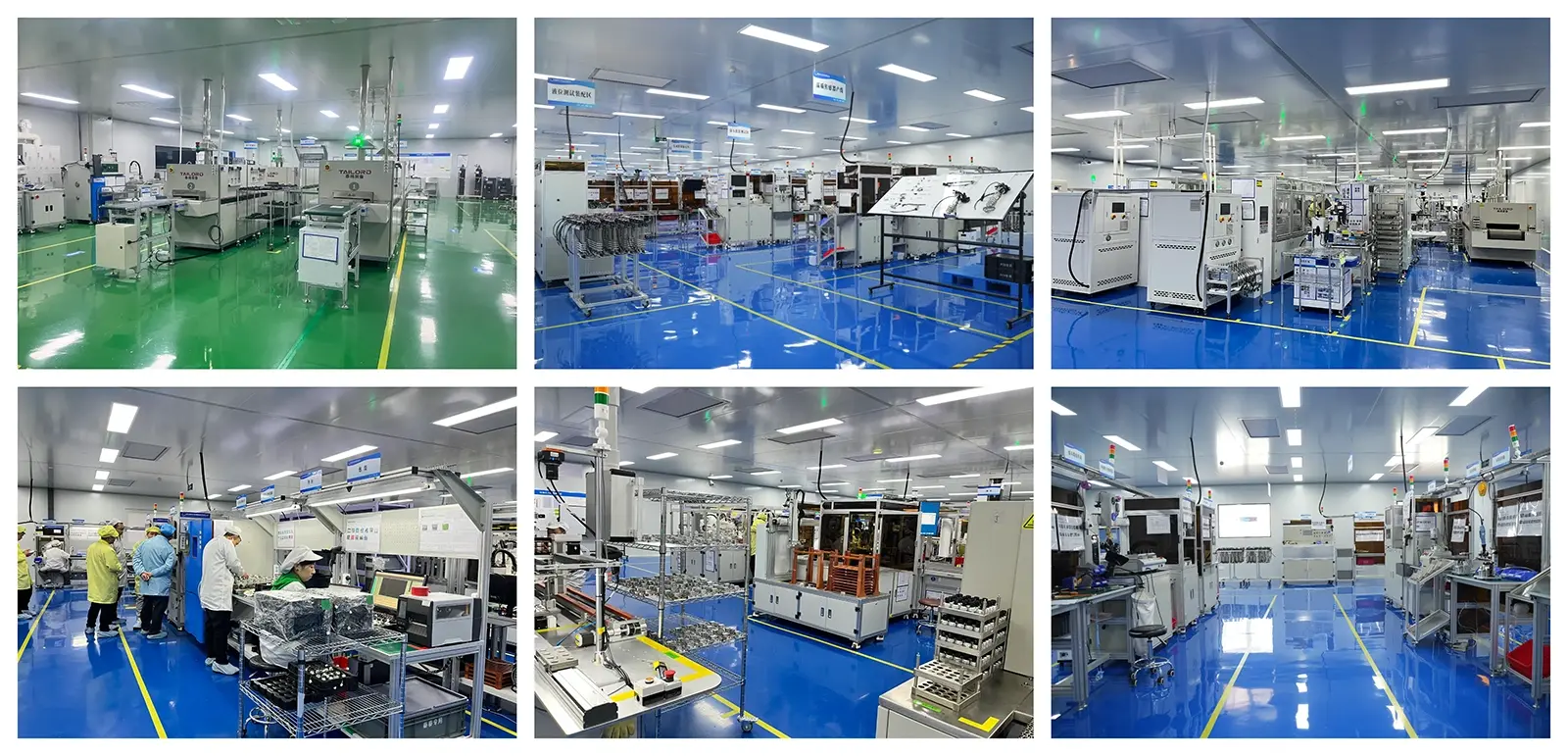
Urea pressure sensor testing and quality process
Each urea pressure sensor is tested in Qintai's in-house facility before shipment. The testing center operates more than 100 inspection devices, including over 20 specialized instruments.
Testing categories include:
- Dimensional and microscopic inspection: checks on sensor core geometry and diaphragm integrity
- Environmental load testing: temperature cycling and humidity exposure, then freeze-thaw simulation
- Mechanical load testing: burst pressure checks, plus vibration resistance
- Electrical load testing: insulation resistance, plus how stable the signal stays and how linear the output is
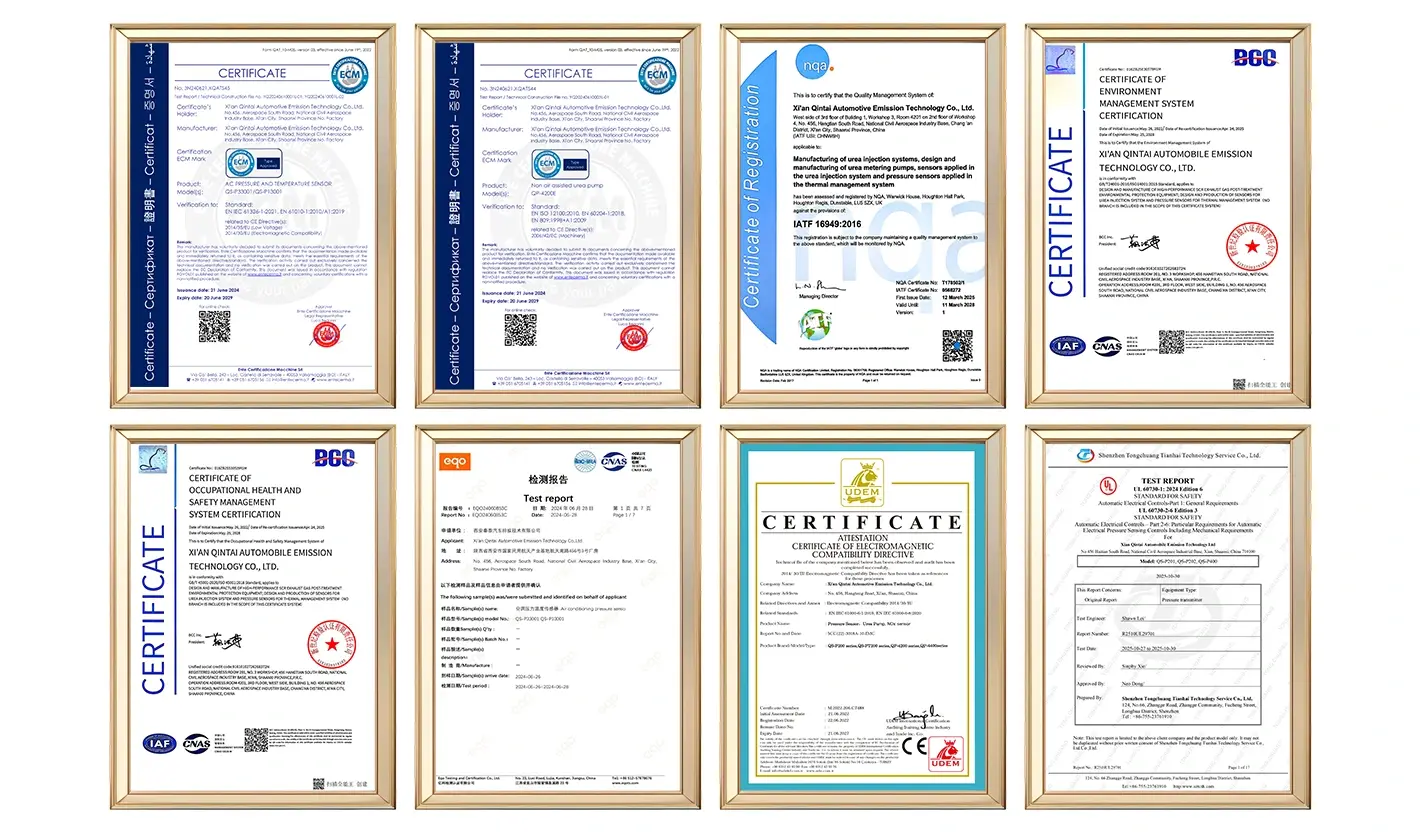
In-house teams run DV testing for most categories. EMC testing goes to an outside lab. ISO 9001 and IATF 16949 certify the quality management system.
OEM and Custom Supply Options
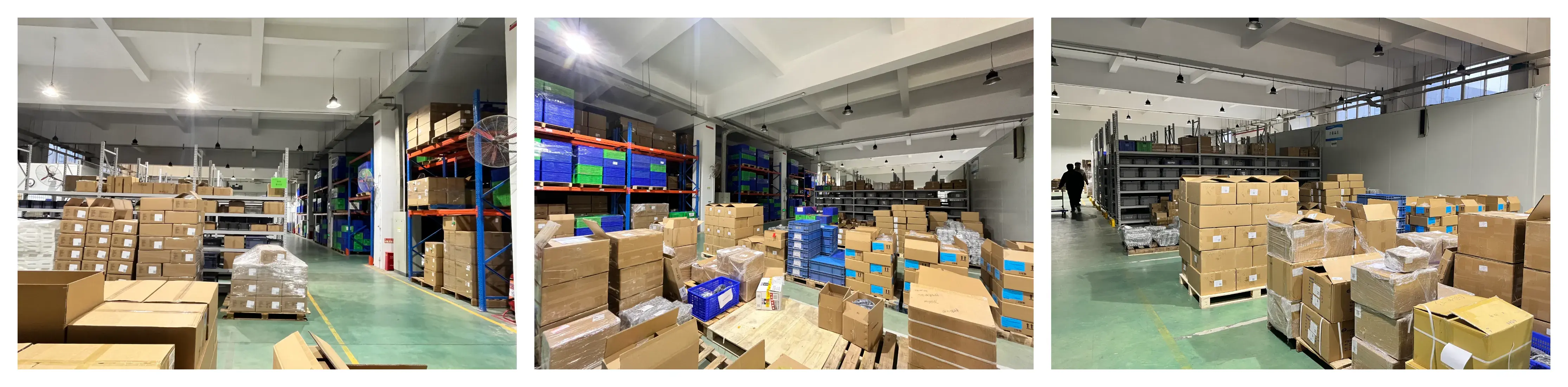
Qintai offers OEM and ODM services for the urea dosing pressure sensor line. Thread size, connector type, output signal format, and pressure range can be specified to match your ECU calibration requirements.
Stock covers standard configurations. Dispatch happens within one week. One to two weeks is the usual production time for custom or volume orders.
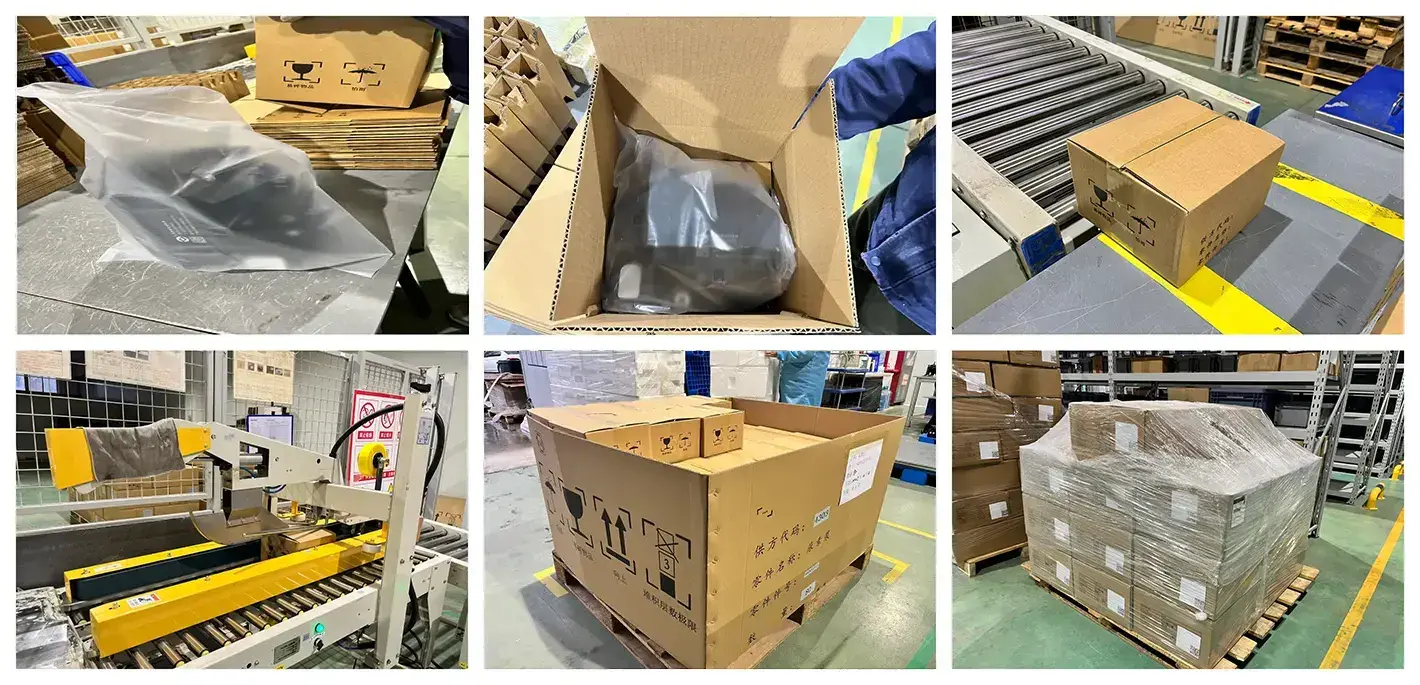
International shipping can go by air freight, sea freight, and express delivery. Before shipment, barcodes get verified. Quantity is confirmed. Appearance and packaging integrity are checked with a Urea pressure sensor too.

FAQ
Q: What if This product stops working?
A: Pressure feedback is gone, so the ECU has no way to keep AdBlue dosing on target. SCR operation breaks down. DTCs get stored and emissions go up. The vehicle may also drop into limp mode, with less engine power.
Q: What type of output signal does the QS-P226 give?
A: The standard output is an analog voltage. At the lowest pressure it sits at 0.5 V. At the top end it reaches 4.5 V. Supply voltage is 5 V DC. On some configurations you also get LIN or CAN digital communication. That depends on the system.
Q: What does the sensor do about urea crystallization?
A: The sensing chamber is shaped by a dead-volume minimization design. Smooth internal flow paths leave less DEF sitting still against the diaphragm. Crystallization has a harder time building up.
Q: What sets off a P204B fault code, and what does the QS-P226 do about it?
A: Signal drift causes most P204B faults. Two causes turn up often: sensors that have aged, or dirty pins in the connector. The terminals on the QS-P226 are gold plated. Oxidation slows down, so the pin contact stays stable.
Q: Is it safe to run the sensor in freezing conditions?
A: Yes. When AdBlue freezes it expands. That expansion gets absorbed by the buffering structure inside. Mechanical damage cannot reach the sensing element.
Q: Can the sensor be adapted to fit other thread sizes or connector types?
A: Yes. Thread size is one of the options we set per application. Connector type works the same way, and so does output format. Send us your system requirements. We will then check whether it fits.
Contact Us
For product inquiries, technical questions, or a custom quote on the QS-P226, email us at info@qt-sensor.com. We respond to all Urea pressure sensor technical and commercial inquiries directly.

Our customers’ satisfaction speaks for our quality — contact us to experience the same reliable service.