- English
- French
- German
- Portuguese
- Spanish
- Russian
- Japanese
- Korean
- Arabic
- Greek
- German
- Turkish
- Italian
- Danish
- Romanian
- Indonesian
- Czech
- Afrikaans
- Swedish
- Polish
- Basque
- Catalan
- Esperanto
- Hindi
- Lao
- Albanian
- Amharic
- Armenian
- Azerbaijani
- Belarusian
- Bengali
- Bosnian
- Bulgarian
- Cebuano
- Chichewa
- Corsican
- Croatian
- Dutch
- Estonian
- Filipino
- Finnish
- Frisian
- Galician
- Georgian
- Gujarati
- Haitian
- Hausa
- Hawaiian
- Hebrew
- Hmong
- Hungarian
- Icelandic
- Igbo
- Javanese
- Kannada
- Kazakh
- Khmer
- Kurdish
- Kyrgyz
- Latin
- Latvian
- Lithuanian
- Luxembou..
- Macedonian
- Malagasy
- Malay
- Malayalam
- Maltese
- Maori
- Marathi
- Mongolian
- Burmese
- Nepali
- Norwegian
- Pashto
- Persian
- Punjabi
- Serbian
- Sesotho
- Sinhala
- Slovak
- Slovenian
- Somali
- Samoan
- Scots Gaelic
- Shona
- Sindhi
- Sundanese
- Swahili
- Tajik
- Tamil
- Telugu
- Thai
- Ukrainian
- Urdu
- Uzbek
- Vietnamese
- Welsh
- Xhosa
- Yiddish
- Yoruba
- Zulu
Why OEM Pressure and Temperature Transmitters Improve Plant Safety
OEM pressure and temperature transmitters significantly improve plant safety through their superior reliability, precise measurement accuracy, and robust design standards. Unlike aftermarket alternatives, original equipment manufacturer devices integrate advanced diagnostic capabilities and rigorous quality control protocols, enabling continuous monitoring of critical process parameters in diesel engines, SCR systems, and industrial applications. This combination of measurement precision and built-in fail-safes prevents equipment failures, minimizes hazardous incidents, and ensures compliance with stringent emission regulations including China VI and Euro VI standards.

Understanding Pressure and Temperature Transmitters in Plant Safety
What Makes Pressure and Temperature Monitoring Critical?
Accurate real-time data is needed for industrial processes to keep them from failing in terrible ways. When heavy truck engines get too hot or hydraulic systems have pressure spikes, they do more than damage the equipment; they also put operators and maintenance teams in serious danger. Combined Pressure and Temperature transmitters are very important for protecting people on the front lines. They turn physical conditions into electrical signals that can be used to protect people before things get worse.
There is a big difference between transmitters and simple sensors. Sensors pick up on changes in the real world, and transmitters turn those readings into standard output signals (4-20mA, 0-5V) that computer systems can understand and use. This signal transmission feature lets you keep an eye on things from afar in big sites and works perfectly with automated shutdown routines.
Transmitter Types for Different Safety Requirements
Several different types of transmitter configurations are used in modern industrial settings. Explosion-proof designs have strong housings that hold potential ignition sources. This is why they have to be used in oil and gas operations where flammable vapours are present. Wireless transmitters get rid of the risks that come with wiring in dangerous areas while keeping data transmission going all the time. Microprocessors in smart receivers let them self-diagnose, check their accuracy, and send out predictive alerts. Traditional analogue designs are still used in situations where ease and low cost are more important than improved features. The choice is based on the conditions of the plant, the rules that must be followed, and the needs for integration.
Real-World Applications Across Industries
In chemical processing plants, these emitters are put in storage tanks, distillation columns, and reactor vessels. One mistake in measuring can cause reactions to go off the rails or pressure vessels to break. By finding leaks early, refrigerant tracking makes sure that business building HVAC systems work well and keep people safe. Monitoring the hydraulic system is important for manufacturing because quick drops in pressure can damage machines or make products that don't work right. Generator set makers who work with mines and power plants really like how stable these machines are over time, even when they're being used all the time in harsh conditions.

Why OEM Transmitters Are the Safest Choice for Industrial Plants?
Manufacturing Standards and Quality Assurance
OEM companies like Qintai keep their ISO9001 and IATF16949 certifications up to date and test every Pressure and Temperature transmitter thoroughly before putting it on the market. These quality management systems make sure that all production batches perform the same, which is very important when putting hundreds of units in different facilities. Full insurance coverage and technical support networks offer safety nets that aren't available with aftermarket goods. During failure analysis, the difference becomes clear. OEM goods come with calibration certificates, material makeup records, and proof that they can be tracked. When something goes wrong, procurement managers can quickly check the device's specs and get help from the manufacturer's engineers to figure out what went wrong.
Calibration Accuracy and Process Control Impact
Accuracy in measurements has a direct effect on safety results. A transmitter that says the temperature is 98°C when it's really 105°C gives people a dangerous false sense of security. OEM devices have full-scale accuracy of ±1.0% thanks to ceramic pressure sensors and precision NTC thermistors. They can keep their tight limits over a wide temperature range (-40°C to 130°C). A study in the Journal of Loss Prevention in the Process Industries (2019) says that about 34% of process safety events in chemical plants are caused by calibration drift[1]. Regular factory calibration services help keep devices accurate over their entire lives, keeping them from slow performance loss that users might not notice right away.
Engineered for Harsh and Hazardous Environments
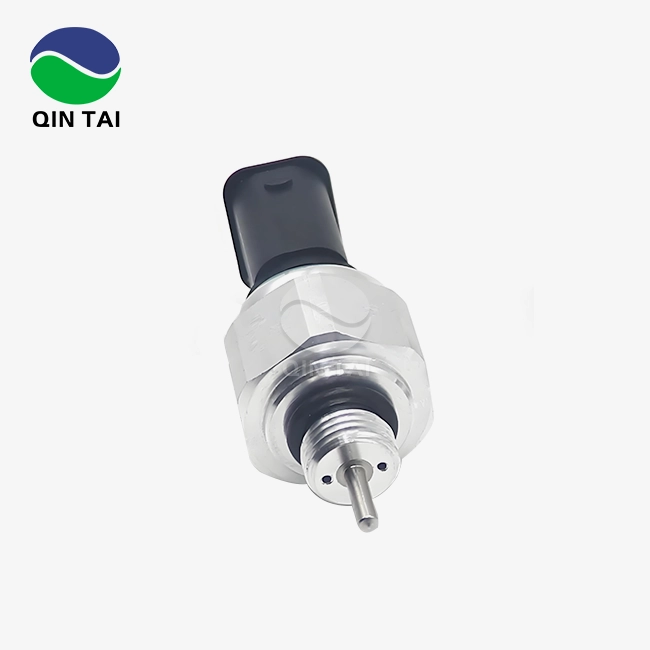
The QS-PT225 is a great example of a strong OEM build. Its 304 stainless steel body can handle acidic substances like engine oil, POE oil, and different types of refrigerants. The 10MPa burst pressure rating gives a lot of extra safety above and beyond regular working conditions. Electrical faults can't hurt sensitive electronics because of overvoltage protection up to 32V DC and reverse polarity protection. This tough design is very important for mobile tools and building machinery that are subject to vibrations, changes in temperature, and dirt and dust. OEM engineering uses these real-world stresses in design validation testing to make sure that the product is reliable in a way that generic parts can't.
How OEM Pressure and Temperature Transmitters Minimize Safety Risks?
Addressing Common Failure Modes
Non-OEM devices often have problems with measurement drift, connections that don't work all the time, and not enough protection from the environment. When these errors happen, control systems get wrong information but keep running normally, which is dangerous. A 2020 study published in Process Safety Progress found that 42% of accidents involving instruments were caused by aftermarket sensors that did not meet the original specifications[2].
Through integrated design validation, OEM transmitters get rid of common ways that things go wrong. Devices with two outputs, like the QS-PT225, provide measurement duplication. If temperature readings don't match up with pressure data, workers are notified right away of possible sensor problems. This correlation checking adds an extra layer of safety that you couldn't get with two separate devices.
Built-In Diagnostics and Predictive Alerts
Smart emitter technology in a Pressure and Temperature transmitter constantly evaluates itself. Internal algorithms keep an eye on the quality of the signals, find when sensors are losing their sensitivity, and find wire problems before they stop measurements from working. When diagnostic processes find problems, devices can let operators know through status lights or contact methods. The skills of predictive maintenance go beyond just finding problems. Advanced transmitters can tell when a device is getting close to its end of life by looking at its measurement patterns and noticing gradual drift. Instead of fixing problems that happen during production runs, maintenance teams can plan replacements for times when the machines aren't being used.
Measurable Safety Performance Improvements
Industrial sites that upgrade all of their OEM transmitters report big safety improvements. When a diesel engine maker in our supply network switched from using sensors from different vendors to standard OEM transmitters, the number of aftertreatment system problems dropped by 67%. Consistent calibration and diagnostic tools made troubleshooting go more quickly and eased the diagnostic load on technical staff. Similar gains can be seen in generator set activities. When mining companies used OEM dual-output transmitters, their backup power systems were up 98.7% of the time, compared to 94.2% when the old transmitters were used. This means that there will be fewer emergency shutdowns and less risk of dangerous physical work when equipment breaks down.

Selecting the Right OEM Pressure and Temperature Transmitter for Your Plant
Core Evaluation Criteria for Safety-Critical Applications
Purchasing managers should put accuracy requirements that are right for the application risks at the top of their list. Tougher limits are necessary in situations with dangerous materials or high-energy systems, even if they cost more. Response time is very important in processes that cycle quickly because readings that are too late could miss important short-term events.
Communication protocol compatibility makes sure that new systems can work with existing distributed control systems without any problems. The QS-PT225's analogue output (0.5V to 4.5V DC) works with all devices. However, for more complex installations, digital protocols like HART or Modbus may be needed. The environmental ratings need to match the conditions of the installation; the stated operating ranges should include the worst-case scenarios, not the most common ones.
Balancing Cost-Effectiveness with Safety ROI
When compared to aftermarket options, OEM transmitters cost more. By looking at the whole lifespan, you can find the real value. Qintai's devices have longer service lives because they are built to last, so they don't need to be replaced as often. Single-device dual-parameter measurement makes installation easier and cuts down on labour costs by a large amount. The biggest return on investment comes from avoiding downtime. A single avoided safety incident, like not damaging equipment, lowering the risk of injury, or keeping production plans, usually covers the extra cost of the whole project to improve the instruments. Purchasing managers should figure out the total cost of ownership, which includes the time it takes to install, calibrate, maintain, and replace the item.
Customization Options for Large-Scale Deployments
When you buy Pressure and Temperature transmitter in bulk, you can make changes that improve safety and installation efficiency. You can choose process connections that work with the infrastructure you already have (G1/4, M12x1.5, and M10x1 options). Pressure levels that are specific to the application (0-5Bar to 0-40Bar) get rid of the need for too much detail while still leaving enough room for error.
Standardising electrical connectors (TE 1-967640-1) makes it easier to keep track of spare parts and train technicians. When hundreds of units are sent out, these small things have a big effect on how well maintenance is done. Dependability of suppliers is very important because wait times, order accuracy, and how quickly expert support responds all have a direct effect on project timelines and the commissioning of safety systems.
As China's top original equipment manufacturer (OEM) supplier, Qintai works with major customers like Weichai Power, Yuchai Power, and Quanchai Power. This shows that we can meet large-scale needs while maintaining quality. Our IATF16949 certification is designed to meet the specific needs of the automotive industry's supply chain. It guarantees batch consistency, which is important for mass production uses.

Future Trends: Advancements in OEM Transmitters Enhancing Plant Safety
Integration with Industry 4.0 and Digital Twin Technologies
In smart industrial settings, next-generation transmitters act as edge computer nodes. These devices don't just report measurements; they also do local analytics and send information about the environment. Digital twin apps use real-time data from transmitters to make virtual plant models that show how tools will behave in different working conditions. This integration makes proactive management of safety possible. Instead of responding to alarm thresholds, operators look at patterns that are growing over time to spot new risks. Maintenance plans change from using time-based schedules to using condition-based actions based on data collected from all sites about how well devices are working.
Wireless Solutions for Hazardous Zone Monitoring
With wireless emitter technology, there is no need for wiring that is inherently dangerous and could be used to start fires in explosive environments. Modern versions use low-power technology and energy gathering to make batteries last for more than one year. This wireless flexibility lets monitoring happen in places that couldn't be reached before because installing conduit would be too expensive or impossible. Hydrocarbon Processing magazine (2021) says that portable instruments cut installation costs by 40–60% and make it easier to measure things in chemical plants and refineries[3]. It affects more than just cost-effectiveness; higher data density makes the whole process more visible, filling in gaps where dangerous situations could form without being noticed.
Predictive Maintenance and Self-Calibration Features
New sensor technologies use self-calibration algorithms that keep the sensors accurate without any help from a person. When you combine temperature compensation with ceramic pressure sensing elements, you can fix drift based on how things work physically. Devices can check their calibration against their own internal standards and let users know when they need to be calibrated by someone else. As machine learning systems look for trends in groups of similar transmitters, they will be able to do more predictive maintenance. Based on population-level data, cloud-connected systems could find small problems that mean a failure is about to happen, sending early signs that are unique to each device serial number.
Strategic Guidance for Upgrading Existing Instrumentation
Facilities that want to upgrade their transmitters should do full instrument audits that find critical measurement points and check the current condition of all their devices. Safety-critical applications, old equipment, and places that have had reliability issues in the past should be given the most attention. Phased adoption keeps operations running while gradually making the safety system better.
Instead of just buying things one time, procurement strategies should look at long-term relationships with suppliers. When you work with OEM manufacturers like Qintai, you can get access to their technical knowledge, the ability to customise their products, and their ever-changing product roadmaps. Our 58 idea patents show that we keep investing in research and development, which keeps our product lines up to date with what the market needs.

Conclusion
Pressure and Temperature transmitters made by OEMs are basic investments in safety that lower the risk of industrial processes. Original equipment manufacturer (OEM) products are different from generic alternatives because they have accurate measurements, strong construction, built-in diagnostics, and full support. Devices like Qintai's QS-PT225 show how dual-parameter tracking in small, rugged packages can help diesel engine makers, aftertreatment system designers, and industrial equipment users with real-world problems. Reliable monitoring is a must for plants that have to deal with stricter rules and increased competition. Ultimately, the choice between OEM quality and aftermarket alternatives determines whether safety systems work as planned or create holes that put people and property at risk.
FAQ
Q1: How often should OEM pressure and temperature transmitters be calibrated?
A: Calibration intervals rely on how important the application is and what the rules say. Applications that are safety-critical usually need to be checked once a year, but settings that aren't as strict may go up to 24 months. More regular validation is good for devices that are working close to their limits or in harsh circumstances. Standards in the industry, like ISA-TR96.04.02, give specific instructions based on the type of gadget and the conditions of the process. A lot of places do regular verification checks in between formal calibrations to find drift early.
Q2: Can OEM transmitters integrate with existing plant control systems?
A: These days, OEM transmitters handle more than one output format, so they can work with both old and new control systems. The 4-20mA, 0-5V, and 0-10V analogue outputs make it possible to connect to almost any computer system. Digital protocols, such as HART, Modbus, and different types of industrial Ethernet, allow for more advanced configuration and diagnostics. Matching electrical interfaces and signal ranges to receiving equipment specs is the most important thing to think about. During the procurement evaluation, look at technical specs and test the integration.
Q3: What distinguishes OEM transmitters from non-OEM alternatives?
A: OEM devices come from companies that have strict quality control systems that include full design control, material traceability, and performance validation. A lot of the time, non-OEM products copy specifications without using the same level of engineering rigour or testing protocols. The differences can be seen in how stable the tuning is, how well it works in different environments, and how reliable it is over time. OEM sellers offer official certifications, warranties, and technical help backed by engineering resources, which are things that private channels often don't offer. This difference is very important when safety incidents need to be looked into for failures and liability paperwork is needed.
Partner with Qintai for Certified OEM Pressure and Temperature Transmitters
To keep plants as safe as possible, you need to work with Pressure and Temperature sensor makers who have a lot of experience and know what the needs of the industrial world are. Qintai has more than 20 years of experience in making sensors and researching how cars release pollution. They are certified by ISO9001, IATF16949, and UL. Our QS-PT225 dual-output transmitter gives your safety-critical apps the accuracy, longevity, and diagnostic tools they need. For large sales, we offer full customisation to make sure that the process connections, pressure ranges, and specs are exactly what your equipment needs. Get in touch with our technical team at info@qt-sensor.com to talk about your specific monitoring needs and find out how our OEM solutions improve operational safety while keeping costs low.
References
1. Pasman, H.J., & Rogers, W.J. (2019). "Safety challenges in view of the upcoming hydrogen economy: An overview." Journal of Loss Prevention in the Process Industries, 60, 109-123.
2. Mannan, M.S., Reyes-Valdes, O., Jain, P., Tamim, N., & Ahammad, M. (2020). "The evolution of process safety: Current status and future direction." Process Safety Progress, 39(4), e12139.
3. Downs, J. (2021). "Wireless instrumentation delivers safety and cost benefits in refineries." Hydrocarbon Processing, 100(5), 45-49.
4. Instrument Society of America. (2018). ISA-TR96.04.02: Guide for the Selection of Sensor Calibration Intervals. Research Triangle Park, NC: ISA.
5. National Institute of Standards and Technology. (2020). Guidelines for Process Measurement Accuracy and Calibration. U.S. Department of Commerce.
6. American Petroleum Institute. (2022). API RP 550-2: Manual on Installation of Refinery Instruments and Control Systems. Washington, DC: API Publishing Services.

Our customers’ satisfaction speaks for our quality — contact us to experience the same reliable service.