- English
- French
- German
- Portuguese
- Spanish
- Russian
- Japanese
- Korean
- Arabic
- Greek
- German
- Turkish
- Italian
- Danish
- Romanian
- Indonesian
- Czech
- Afrikaans
- Swedish
- Polish
- Basque
- Catalan
- Esperanto
- Hindi
- Lao
- Albanian
- Amharic
- Armenian
- Azerbaijani
- Belarusian
- Bengali
- Bosnian
- Bulgarian
- Cebuano
- Chichewa
- Corsican
- Croatian
- Dutch
- Estonian
- Filipino
- Finnish
- Frisian
- Galician
- Georgian
- Gujarati
- Haitian
- Hausa
- Hawaiian
- Hebrew
- Hmong
- Hungarian
- Icelandic
- Igbo
- Javanese
- Kannada
- Kazakh
- Khmer
- Kurdish
- Kyrgyz
- Latin
- Latvian
- Lithuanian
- Luxembou..
- Macedonian
- Malagasy
- Malay
- Malayalam
- Maltese
- Maori
- Marathi
- Mongolian
- Burmese
- Nepali
- Norwegian
- Pashto
- Persian
- Punjabi
- Serbian
- Sesotho
- Sinhala
- Slovak
- Slovenian
- Somali
- Samoan
- Scots Gaelic
- Shona
- Sindhi
- Sundanese
- Swahili
- Tajik
- Tamil
- Telugu
- Thai
- Ukrainian
- Urdu
- Uzbek
- Vietnamese
- Welsh
- Xhosa
- Yiddish
- Yoruba
- Zulu
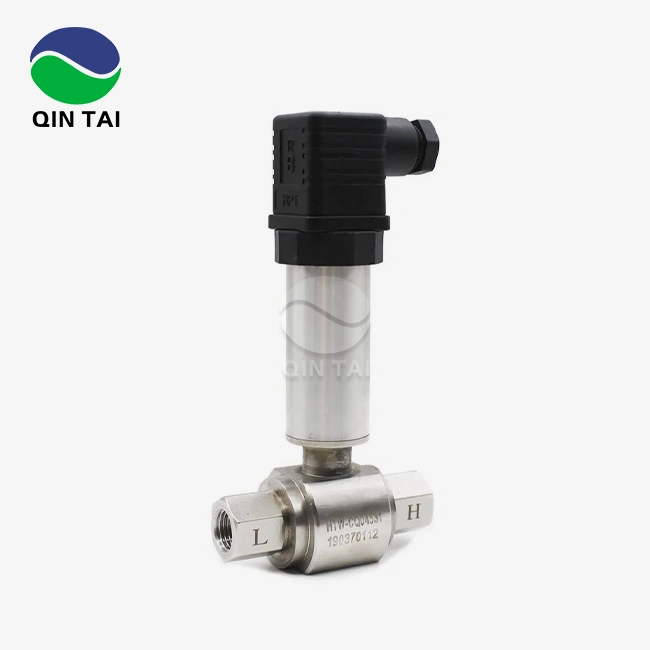
Automotive Pressure Transducer
• Measuring range from 0-10 bar to 0-600 bar (0-145 to 0-8700 psi)
• High accuracy
• Wide range of ports, connectors, and electrical outputs
• Stainless steel design with hermetic port
• Storage and operating media temperature -40-125°C; Operating ambient temp. range -40-100°C
• Snubber option for dampening of pressure spikes due to hammer and
cavitation
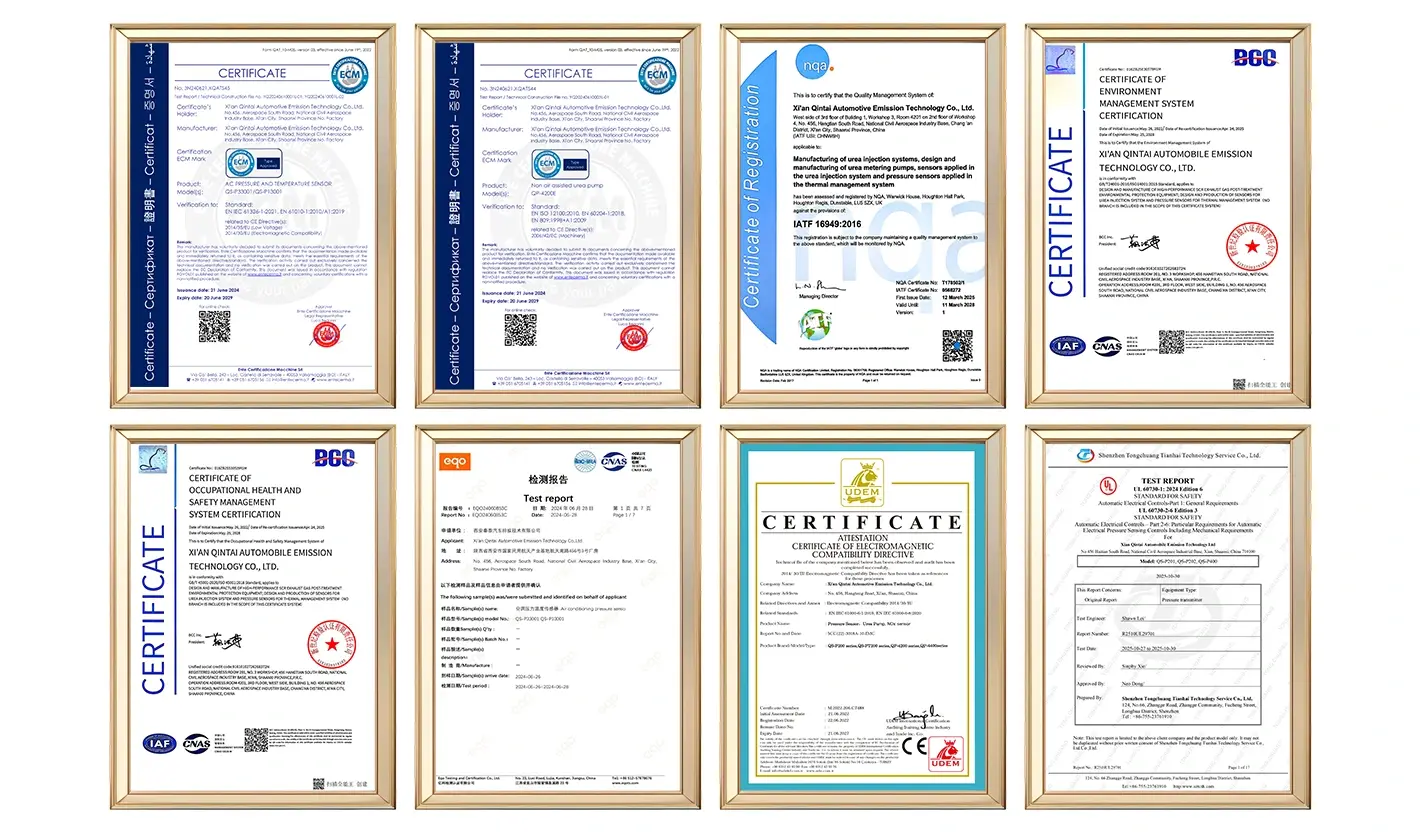
• REACH/RoHS/CE/UKCA compliant
Automotive Pressure Transducer QS-P210 for Engine and Fluid Systems: 0–600 Bar Range, Stainless Steel Hermetic Port
The QS-P210 comes from Xi'an Qintai Automotive Emission Technology Co., Ltd. It is built for engine and fluid systems. This Automotive Pressure Transducer covers ranges from 0–10 bar to 0–600 bar (0–145 to 0–8700 psi). Its body is stainless steel and the port is hermetic. Media temperatures run from -40 to 125°C. Add the snubber option if pressure spikes are a worry. Qintai has been in business since 2001. The QS-P210 is compliant with REACH, RoHS, CE, and UKCA. Talk to our team to confirm the port and connector for your project, and the output you need.
Automotive Pressure Transducer Product Specifications
| Parameter | QS-P210 |
|---|---|
| Measuring range | 0–10 bar to 0–600 bar (0–145 to 0–8700 psi) |
| Accuracy | Not specified |
| Housing | Stainless steel design with hermetic port |
| Ports, connectors, electrical outputs | Not specified |
| Storage and operating media temperature | -40 to 125°C |
| Operating ambient temperature | -40 to 100°C |
| Pressure spike protection | Snubber option for hammer and cavitation |
| Compliance | REACH, RoHS, CE, UKCA |
Items marked "Not specified" have no value in the available specification data. Please confirm them with our team before ordering.
How Pressure Transducers Work in a Vehicle
Liquid or gas pressure gets turned into an electrical signal by This product. A control unit reads that signal. Output depends on the design. It can be voltage, current, or digital bus data such as SENT, LIN, or CAN. Ask our team which output options the QS-P210 comes with.
Sensors mounted in engine bays and fluid lines face temperature swings and vibration. Electromagnetic interference is a second risk. Fluids such as engine oil, brake fluid, and AdBlue add to it. Before you choose a sensor, check media compatibility and the operating limits.
Design Features for Fluid Systems
The QS-P210 this product has a stainless steel body and a hermetic port. Media temperature spans -40 to 125°C. Ambient operating temperature runs from -40 to 100°C.
Sharp pressure spikes may start with water hammer or cavitation. A snubber option is there to dampen them. It may be a good fit for lines that see sudden surges.
Qintai produces sensor cores and runs thick-film printing in house.
Typical Applications
The systems below often use This product. Whether one fits depends on pressure range, media, and connection. Check all three against your application.
- Engine oil: keeps an eye on lubrication pressure. An engine can take damage when that pressure drops too low.
- Fuel: lets fuel delivery and combustion do their job.
- Brake fluid: it helps the brakes do their job. ABS and ESC are two systems that depend on it.
- Transmission: you can keep an eye on the transmission with it. Gear shifting works through it too.
- Turbo boost: boost pressure in turbocharged engines can be tracked with this.
- Coolant: it lets you keep an eye on the pressure in the cooling system.
Selection Tips for Buyers
Picking an Automotive Pressure Transducer? Run your system specs past the points below:
- Range: with spikes included, note your peak pressure. Compare that figure with the 0–10 bar to 0–600 bar choices.
- Pressure spikes: pick the snubber version if water hammer or cavitation turns up in your line.
- Media: check that the stainless steel housing suits your fluid. Got an unusual medium, hydrogen say? Then have us confirm the material grade first, before anything else.
- Connections and output: tell us the port and the connector your project uses. The electrical output counts too, so name it. We will then confirm what we can supply.
- Accuracy: send your accuracy requirement. No accuracy value is listed here, so we will confirm it with you.
Manufacturing and Testing
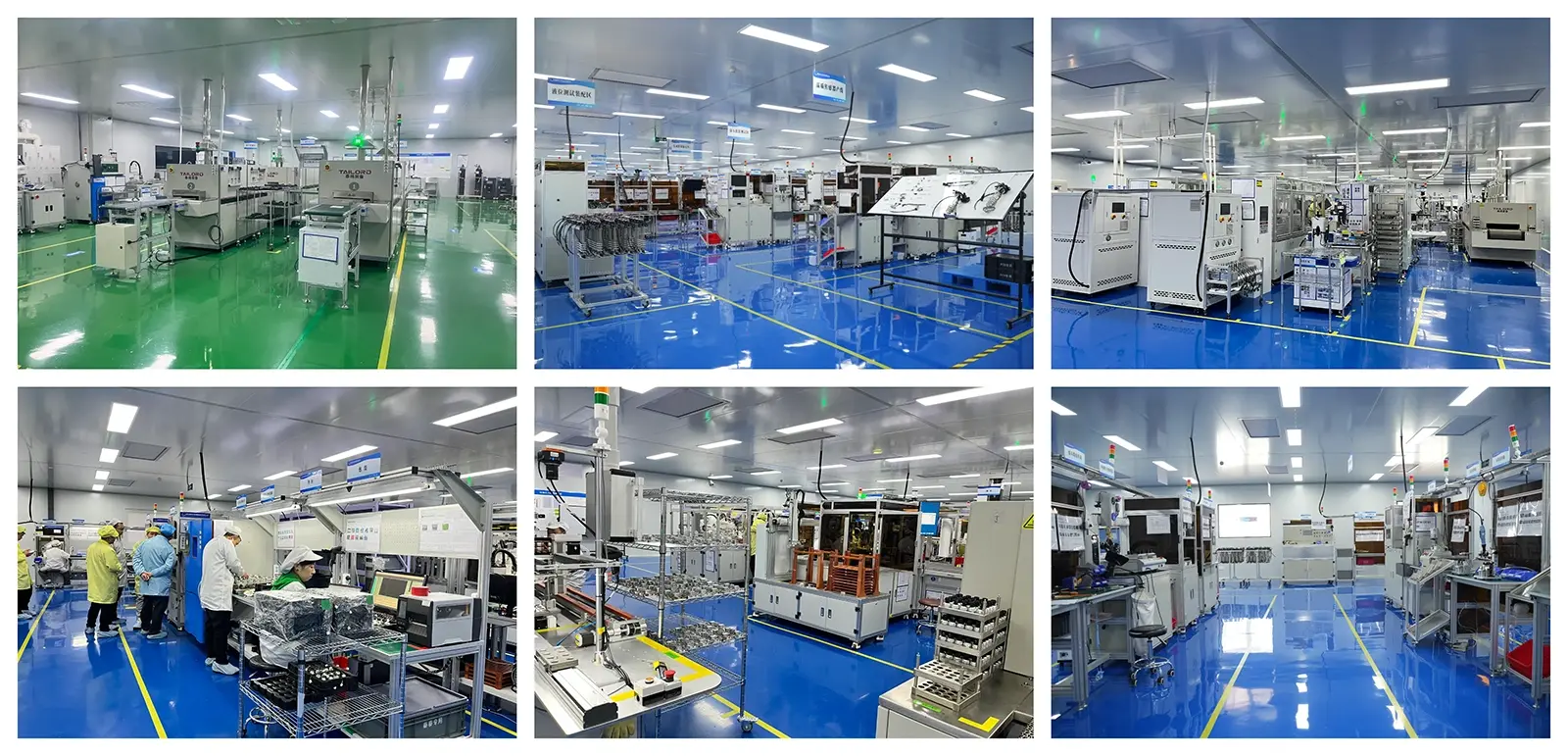
Qintai has run as a national high-tech enterprise since 2001. Out of 420 employees, 86 work as R&D technicians. There are 58 invention patent applications on file. Quality management at the company holds ISO 9001 and IATF 16949 certification.
Two production lines turn out 2 million pressure sensors every year. The testing center covers 400 m² and holds more than 100 inspection devices. Over 20 of those are specialized instruments. So what gets checked? Microscopic inspection is one item. Dimensional measurement is another. Physical and chemical properties get looked at too. Environmental loads are tested, along with mechanical and electrical ones. DPV testing runs in house. EMC tests are the exception.
OEM and ODM Support
OEM and ODM projects run from product design through to mass production. Customization follows your specifications, application, and project needs. Technical support and joint development come from the in-house R&D team.
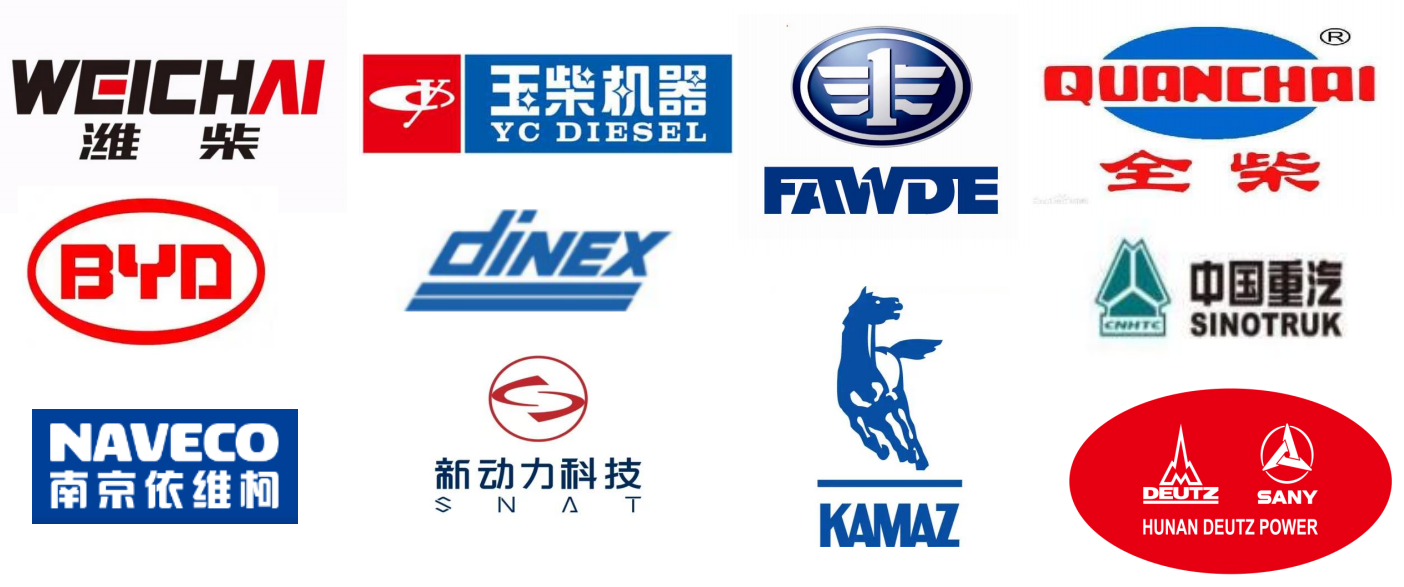
The partner list includes Weichai Power, Yuchai Power, Quanchai Power, BYD, DINEX, FAWDE, KAMAZ, NAVECO, DEUTZ, SANY, and SINOTRUK. China Yuchai Power gave Qintai recognition for R&D collaboration. SCR aftertreatment systems, urea dosing pumps, and urea quality sensors round out the Qintai range.
Global Supply and Exhibitions
Qintai ships to more than 60 countries and regions. Europe is one of those markets. The Middle East and South America are others. OEM customers are welcome to work with the company. Distributors and trading agents can cooperate too.
Trade fairs are part of the plan. The company has been to AAPEX 2024 in Las Vegas. Hannover Messe 2025 in Germany came next, and so did Manufacturing World 2025 in Osaka. Automechanika Istanbul 2026 is on the calendar. SENSOR+TEST 2026 in Nuremberg is planned as well.
Packaging and Delivery
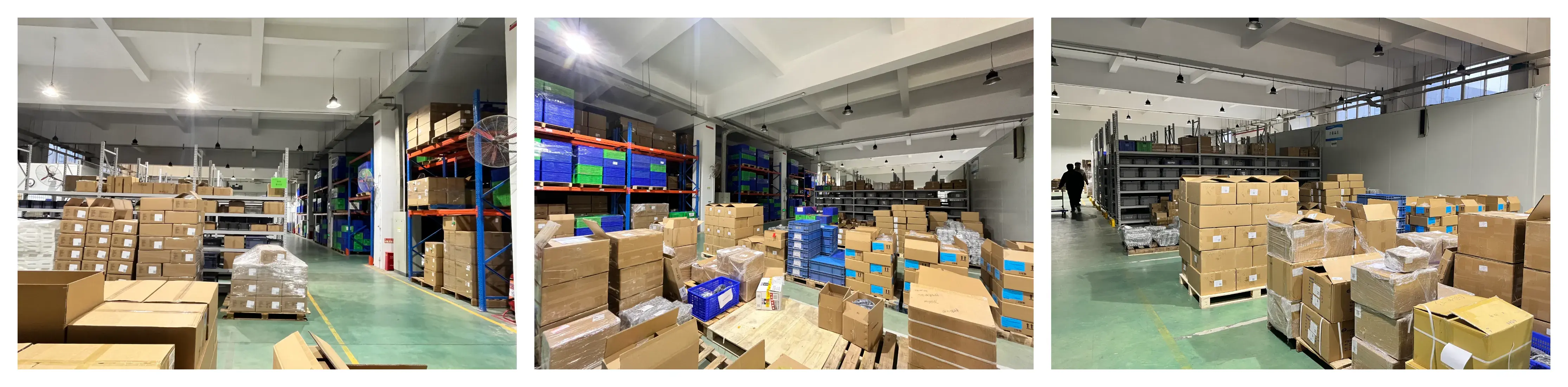
Goods are packed in reinforced cartons. Inside, they sit in protective foam with anti-static material. Custom packaging can be arranged on request. Staff run several checks before shipment. Barcodes get scanned, and quantities are counted. Appearance and packaging integrity are inspected too. Storage runs on standard inventory and traceability procedures.
In-stock items we pick from the shelf go out in under a week. Most production runs for Automotive Pressure Transducer take 1–2 weeks. You can choose air freight, sea freight, or express delivery. Lead time for your own order is best confirmed with us first.


FAQ
Q: What separates a pressure sensor from a transducer?
A: Every supplier draws the line between these two terms a bit differently. Signal conditioning normally comes built into a transducer, which means the output arrives calibrated. From a basic sensor you often get a raw millivolt signal and nothing else.
Q: Which temperature limits does the QS-P210 list?
A: The media temperature for storage and operation goes from -40 to 125°C. For ambient operation, the range is -40 to 100°C.
Q: Is pressure spike protection available?
A: Yes. A snubber option is available for water hammer and cavitation.
Q: What should I include in an inquiry?
A: Let us know your pressure range and media. Include the expected temperature, port, and connector. Also add the electrical output you need.
Q: What are the lead times?
A: Selected in-stock products ship within one week. Production usually takes 1–2 weeks.
Contact Us
Tell us the pressure range you need. We also need the media, the port, Which Automotive Pressure Transducer output do you want? Send all of this to info@qt-sensor.com.

Our customers’ satisfaction speaks for our quality — contact us to experience the same reliable service.