- English
- French
- German
- Portuguese
- Spanish
- Russian
- Japanese
- Korean
- Arabic
- Greek
- German
- Turkish
- Italian
- Danish
- Romanian
- Indonesian
- Czech
- Afrikaans
- Swedish
- Polish
- Basque
- Catalan
- Esperanto
- Hindi
- Lao
- Albanian
- Amharic
- Armenian
- Azerbaijani
- Belarusian
- Bengali
- Bosnian
- Bulgarian
- Cebuano
- Chichewa
- Corsican
- Croatian
- Dutch
- Estonian
- Filipino
- Finnish
- Frisian
- Galician
- Georgian
- Gujarati
- Haitian
- Hausa
- Hawaiian
- Hebrew
- Hmong
- Hungarian
- Icelandic
- Igbo
- Javanese
- Kannada
- Kazakh
- Khmer
- Kurdish
- Kyrgyz
- Latin
- Latvian
- Lithuanian
- Luxembou..
- Macedonian
- Malagasy
- Malay
- Malayalam
- Maltese
- Maori
- Marathi
- Mongolian
- Burmese
- Nepali
- Norwegian
- Pashto
- Persian
- Punjabi
- Serbian
- Sesotho
- Sinhala
- Slovak
- Slovenian
- Somali
- Samoan
- Scots Gaelic
- Shona
- Sindhi
- Sundanese
- Swahili
- Tajik
- Tamil
- Telugu
- Thai
- Ukrainian
- Urdu
- Uzbek
- Vietnamese
- Welsh
- Xhosa
- Yiddish
- Yoruba
- Zulu
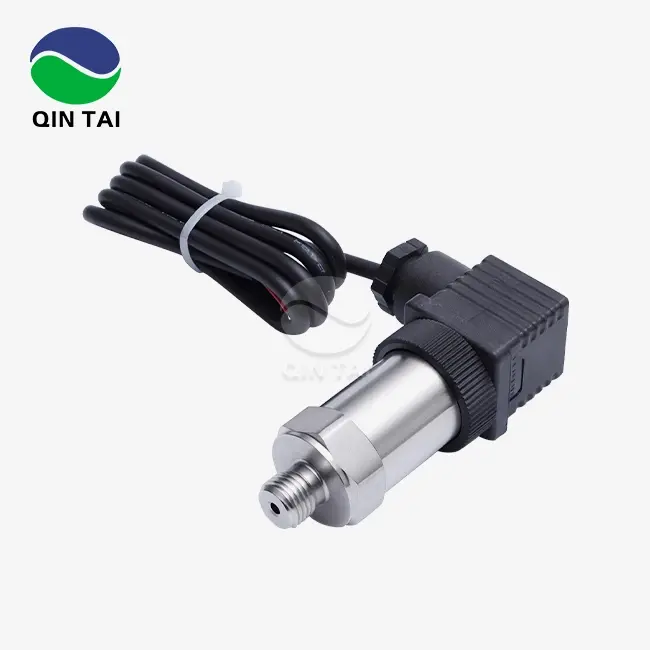
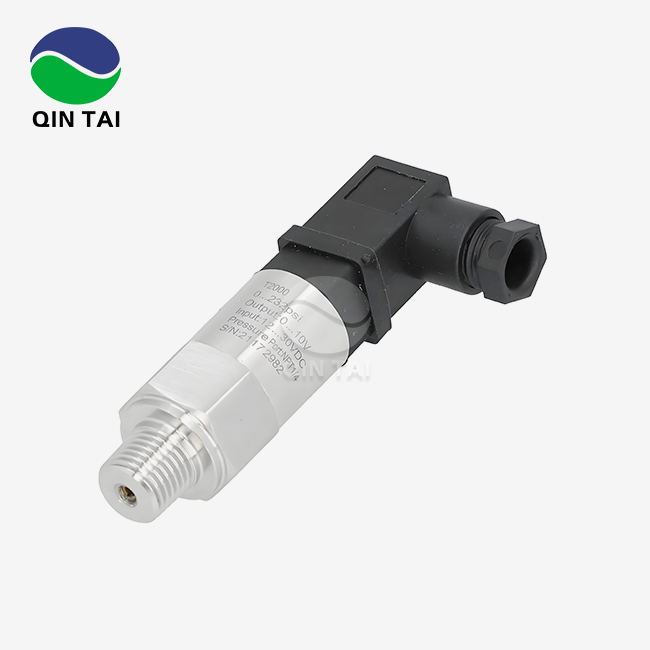
HVAC pressure transducer
Rugged seal ideal for outdoor environments
Industry leading accuracy over broad temperature range
Electrical isolation helps protect against electrical shocks or equipment damage
Media isolation prevents abnormal operation during thermal shock
Media and electrical isolation protects against thermal and electrical shock
Outstanding EMC/ESD performance
Low cost design for OEM applications
MEMS sensing technology
Integrated connector or flying leads
Flexible threaded fitting or braze tube pressure connection and mounting options
Dual output: pressure + temperature
Digital communication (RS485 / CAN Bus)
Display pressure transmitter version with 330° adjustable screen
Explosion-proof / hermetic design for CO₂ or flammable refrigerants
OEM customization (connector type, logo, output range, and units)
Wireless version (LoRa / Bluetooth) for remote HVAC monitoring
HVAC Pressure Transducer QS-P201: MEMS Pressure Sensor for Air Conditioning and Refrigeration with Dual Output and OEM Customization
Since 2001, Xi'an Qintai Automotive Emission Technology Co., Ltd. has been making sensors. One of them is the QS-P201, an HVAC pressure transducer. It uses MEMS sensing with media isolation and electrical isolation. Pressure and temperature come out as dual output. Communication runs over RS485 or CAN Bus. There is also a display version with a 330° adjustable screen, plus explosion-proof models and wireless LoRa or Bluetooth versions. OEM projects can pick the connector type, logo, output range, and units. Below you will find the specifications, the application areas, and details on quality and delivery. Read them before you ask for a quote.
Key Features of the QS-P201
Air conditioning and refrigeration systems use the QS-P201 as This product. One device reports both pressure and temperature. The main options are:
- Dual output: pressure and temperature.
- Digital communication: RS485 or CAN Bus.
- Display version: a pressure transmitter whose screen turns through 330°.
- Electrical connection: flying leads, or a connector built in.
- Pressure connection: a braze tube or a threaded fitting.
- Special design: a sealed or explosion-proof version can be used with CO₂ or flammable refrigerants.
- Wireless version: LoRa or Bluetooth.
Product Specifications
| Parameter | Details |
|---|---|
| Model | QS-P201 |
| Sensing technology | MEMS |
| Output | Dual: pressure + temperature |
| Digital communication | RS485 / CAN Bus |
| Display version | Pressure transmitter with 330° adjustable screen |
| Isolation | Media isolation and electrical isolation |
| Electrical connection | Integrated connector or flying leads |
| Pressure connection | Threaded fitting or braze tube |
| Special design | Explosion-proof / hermetic for CO₂ or flammable refrigerants |
| Wireless version | LoRa / Bluetooth |
| Customization | Connector type, logo, output range, units |
Pressure range, accuracy, supply voltage, output signal range, operating temperature, ingress protection and wetted materials are not included in the specification data supplied for this page. Please request the datasheet for confirmed values.
Typical HVAC Applications
The measurement point is the first thing to settle when you pick This product. These points show up often in air conditioning and refrigeration systems:
- Duct pressure: used to control airflow and check filters.
- Refrigerant lines: pressure on the high side and on the low side.
- Filter differential pressure: the pressure drop across a filter shows when it needs replacement.
- Chilled water loops: watching the pressure in cooling circuits.
- Hydronic heating: pressure in the pump and the piping.
A second reading comes from the same device: the temperature output.
Pressure Types
Differential models measure the difference between two pressures, for example across a filter. Gauge models read against ambient atmosphere. Absolute models read against a perfect vacuum. The specification data supplied for the QS-P201 does not state its pressure type, so tell us your measurement point and we will confirm the matching configuration.
Explosion-Proof Version and Operating Conditions
For systems using CO₂ or flammable refrigerants, an explosion-proof / hermetic design is offered. Operating temperature and media compatibility are not listed in the supplied data, so please confirm your temperature range and media with us before ordering.
Output, Display and Wireless Options
One device gives you two readings: pressure and temperature. Data goes to your controller as digital signals over RS485 or CAN Bus. On the display version the screen turns 330°, so you can set the viewing angle after the unit is installed. Remote monitoring works with the LoRa or Bluetooth wireless version.
OEM and ODM Support
The connector type is up to you. So are the logo, the output range and the units. Send your specification over and the team will build an HVAC pressure transducer configuration around it.
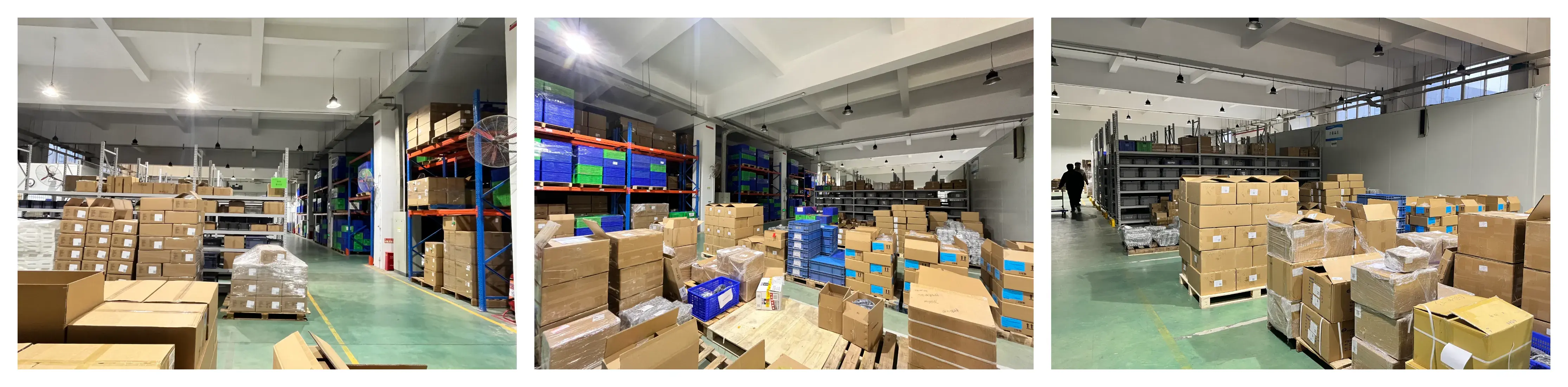
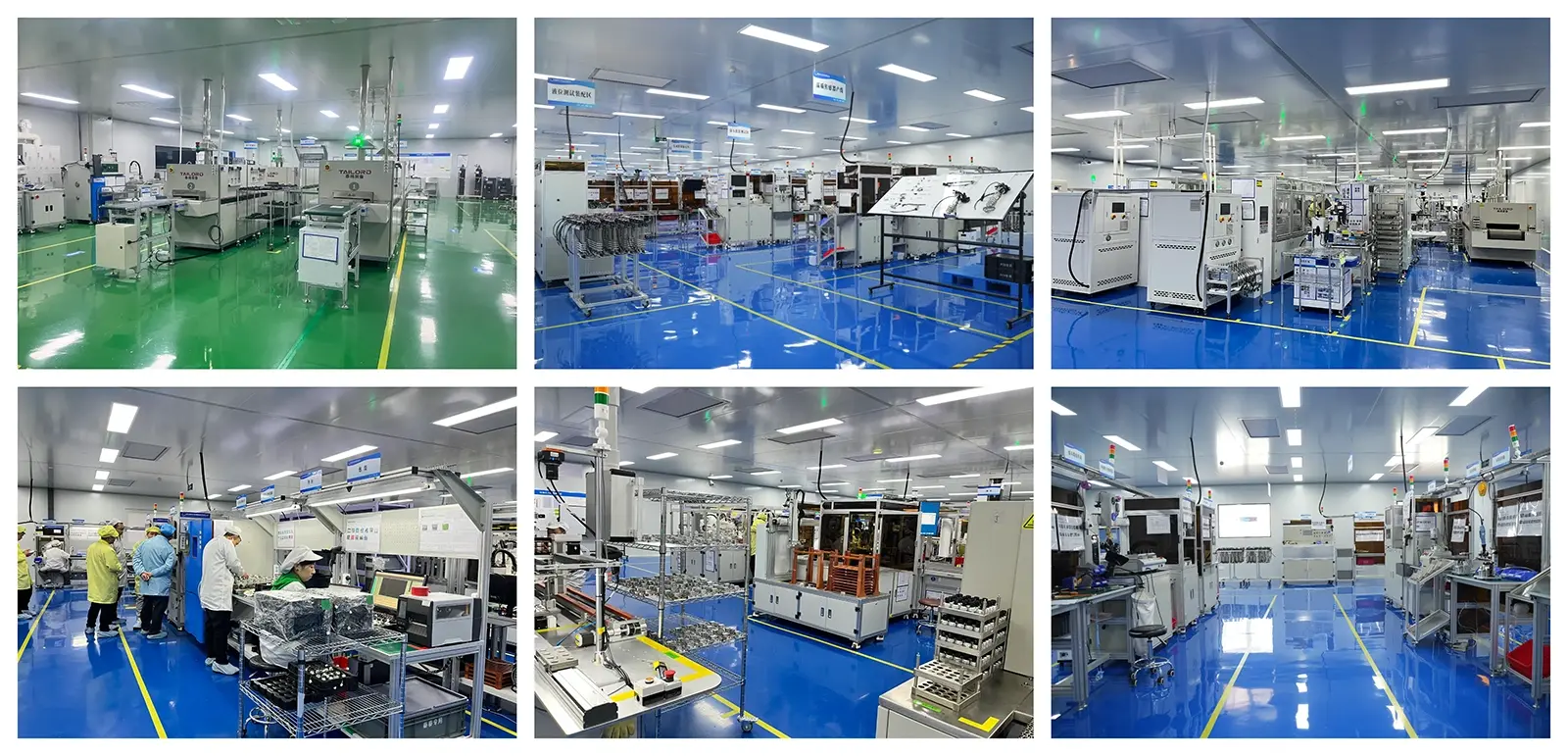
Sensor cores and thick-film printing are both made in-house at Qintai. OEM and ODM work runs from product design through to mass production. On staff there are 420 employees, 86 of them R&D technicians. The company holds 58 invention patent applications. Customers in more than 60 countries and regions use its products.
The company supplies Weichai Power, Yuchai Power and Quanchai Power, and also works with BYD, DINEX, FAWDE, KAMAZ, NAVECO, DEUTZ, SANY and SINOTRUK. China Yuchai Power recognized the team with an R&D collaboration award.
Qintai showed up at AAPEX 2024, Hannover Messe 2025 and Manufacturing World 2025. Next on the list are Automechanika Istanbul 2026 and SENSOR+TEST 2026.

HVAC pressure transducer testing and quality control
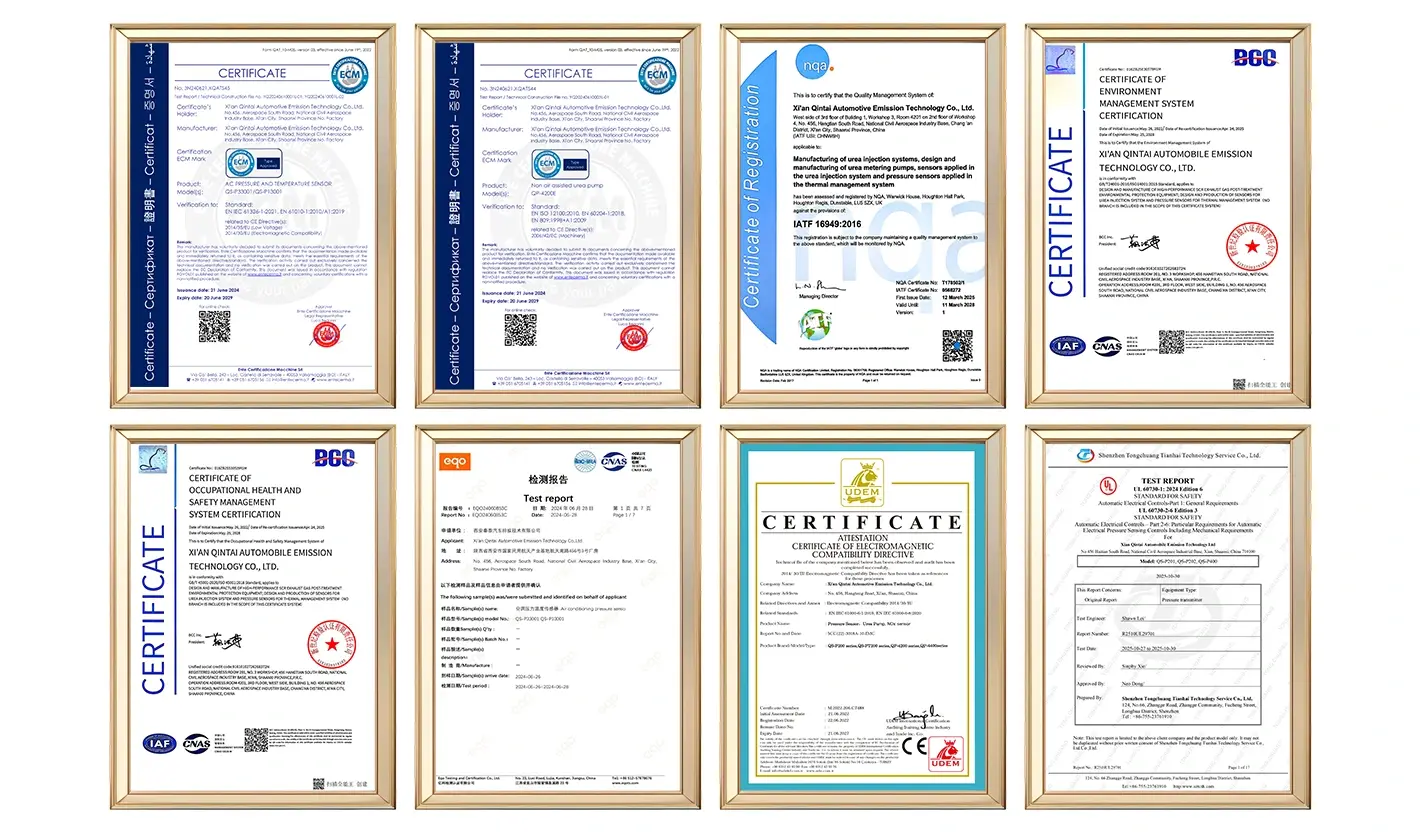
Inside a 400 m² testing center sit more than 100 inspection devices. Over 20 of these are specialized instruments. Checks cover microscopic inspection and dimensions. Physical and chemical properties get tested as well. So do environmental, mechanical and electrical loads. DPV testing is handled in-house. EMC-related tests are the one exception.
Quality management runs on ISO 9001 and IATF 16949. CMC, Ex, UL, CE, REACH and RoHS also sit on the company's certification and compliance list. Before you order, ask us which documents apply to the QS-P201.
Production, Packaging and Shipment
Two sensor production lines and dust-free assembly give an annual capacity of 2 million pressure sensors. Selected items held in stock ship within one week. Normal production lead time runs 1–2 weeks. When you request a quote, confirm the lead time for your configuration.
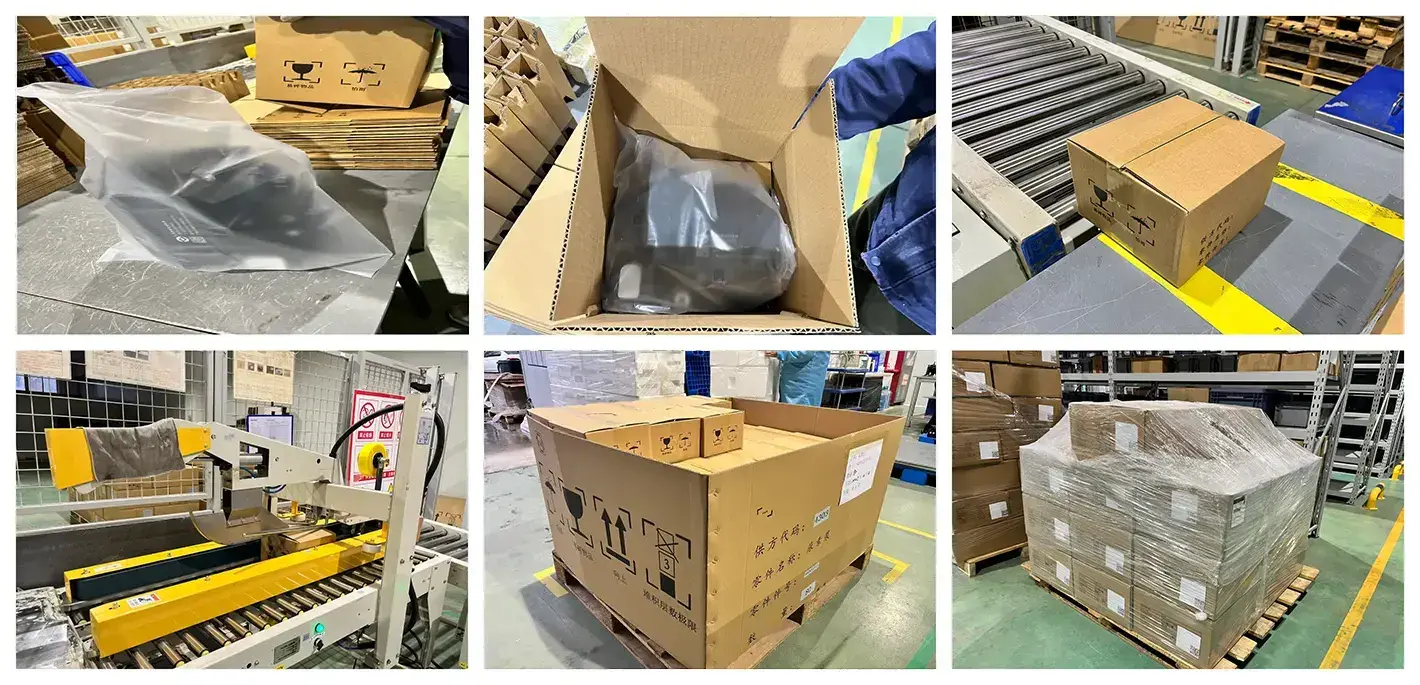
Foam goes in for protection, along with anti-static materials and stronger cartons. Custom packaging can be arranged too. Staff run HVAC pressure transducer checks before shipment: barcodes, quantity, appearance, and whether the packaging holds up. Goods can ship by air, by sea or by express.

FAQ
Q: What outputs does the QS-P201 offer?
A: You get two outputs, one for pressure and one for temperature. Digital communication runs on RS485 or CAN Bus. There is also a display version, plus a wireless version using LoRa or Bluetooth.
Q: Which applications is it used for?
A: Typical uses are duct pressure, refrigerant lines, filter differential pressure, chilled water loops and hydronic heating systems.
Q: Does a model for flammable refrigerants exist?
A: An explosion-proof / hermetic design is offered for CO₂ or flammable refrigerants. Confirm your temperature and media with us before ordering.
Q: What is the accuracy of the QS-P201?
A: No accuracy number appears in the spec data for this page. The pressure range and calibration affect accuracy. Ask for the datasheet to get confirmed values.
Q: Is customization available for the QS-P201 this product?
A: Yes. Connector type, logo, output range and units can all be changed. Send your request to info@qt-sensor.com.
Contact Us
Tell us the pressure range you need, the output type and the connector. Write to info@qt-sensor.com. Back comes a suitable HVAC pressure transducer configuration plus the datasheet.

Our customers’ satisfaction speaks for our quality — contact us to experience the same reliable service.