- English
- French
- German
- Portuguese
- Spanish
- Russian
- Japanese
- Korean
- Arabic
- Greek
- German
- Turkish
- Italian
- Danish
- Romanian
- Indonesian
- Czech
- Afrikaans
- Swedish
- Polish
- Basque
- Catalan
- Esperanto
- Hindi
- Lao
- Albanian
- Amharic
- Armenian
- Azerbaijani
- Belarusian
- Bengali
- Bosnian
- Bulgarian
- Cebuano
- Chichewa
- Corsican
- Croatian
- Dutch
- Estonian
- Filipino
- Finnish
- Frisian
- Galician
- Georgian
- Gujarati
- Haitian
- Hausa
- Hawaiian
- Hebrew
- Hmong
- Hungarian
- Icelandic
- Igbo
- Javanese
- Kannada
- Kazakh
- Khmer
- Kurdish
- Kyrgyz
- Latin
- Latvian
- Lithuanian
- Luxembou..
- Macedonian
- Malagasy
- Malay
- Malayalam
- Maltese
- Maori
- Marathi
- Mongolian
- Burmese
- Nepali
- Norwegian
- Pashto
- Persian
- Punjabi
- Serbian
- Sesotho
- Sinhala
- Slovak
- Slovenian
- Somali
- Samoan
- Scots Gaelic
- Shona
- Sindhi
- Sundanese
- Swahili
- Tajik
- Tamil
- Telugu
- Thai
- Ukrainian
- Urdu
- Uzbek
- Vietnamese
- Welsh
- Xhosa
- Yiddish
- Yoruba
- Zulu
hvac pressure transmitter
Rugged seal ideal for outdoor environments
Industry leading accuracy over broad temperature range
Electrical isolation helps protect against electrical shocks or equipment damage
Media isolation prevents abnormal operation during thermal shock
Media and electrical isolation protects against thermal and electrical shock
Outstanding EMC/ESD performance
Low cost design for OEM applications
MEMS sensing technology
Integrated connector or flying leads
Flexible threaded fitting or braze tube pressure connection and mounting options
QS-P201 HVAC Pressure Transmitter for AHU, VAV and Cleanroom Monitoring
Differential pressure across ducts, filters and rooms is what the QS-P201 series measures. Fitted as an hvac pressure transmitter, the unit passes a 4-20mA, 0-10V or Modbus/BACnet signal on to a building automation system. Air handling units, VAV systems and cleanroom pressure control are the usual places it goes. In hospitals, plant rooms and factories, airflow and room pressure have to be watched without a break. Range, output signal and connection get picked when you order. Specifications, application notes, testing information and ordering details sit in the sections below. Check the fit there first, then ask for a drawing and a quote.
Key Features
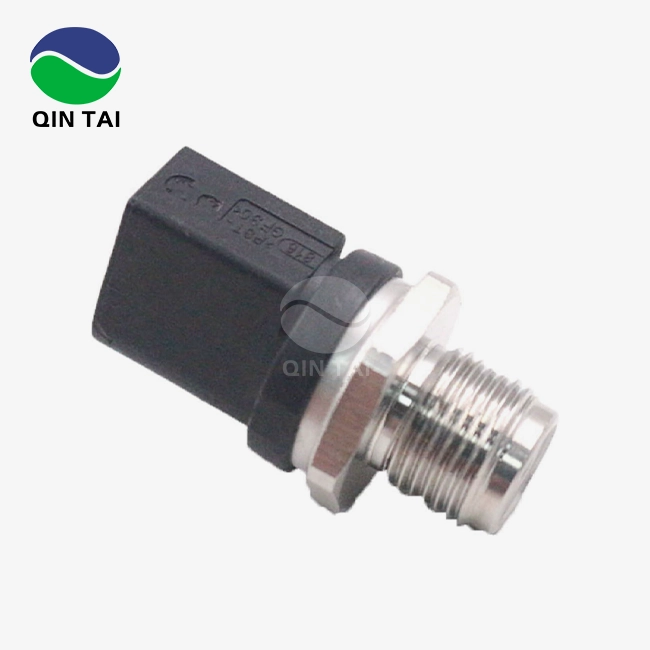
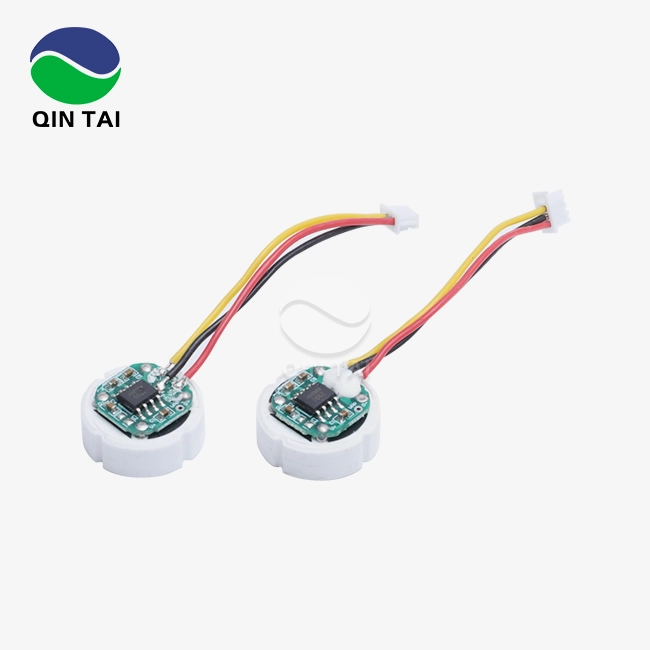
Sensing inside the QS-P201 this product is MEMS silicon piezoresistive. Xi'an Qintai has built pressure sensors since 2001. Both the sensor core and the thick-film printed substrate come out of its own plant.
- Over -20°C to +85°C, accuracy lands between ±0.25% and ±1% of full scale
- Output comes in three versions: 4-20mA, 0-10V or Modbus/BACnet
- The ABS housing is flame-retardant and rated IP65 or IP67
- Electrical isolation and media isolation in the design
- Integrated connector or flying leads, with a threaded fitting or braze tube
Sensing Element and Connections
Pressure gets to a silicon piezoresistive MEMS die. It travels through a threaded fitting or a braze tube. The die rests on a thick-film printed ceramic substrate. That substrate is made on the same site.
The signal circuit sits apart from the housing, and electrical isolation does that job. Thermal shock can hit the sensor when hot or cold air reaches the port. Media isolation helps it handle that.
Pick an integrated connector or flying leads when you order. Cable length, connector type and fitting thread get fixed at that point. That way the unit fits the cabinet you already have.
Product Specifications
Range, output signal and connection options are selected at order. The table lists only the values given in the product specification data.
| Parameter | QS-P201 |
|---|---|
| Sensing technology | MEMS silicon piezoresistive die |
| Pressure type | Differential, gauge |
| Pressure range | 0–25 Pa to 10,000 Pa |
| Accuracy | ±0.25% to ±1% of full scale |
| Output signal | 4-20mA, 0-10V, Modbus/BACnet |
| Operating temperature | -20°C to +85°C |
| Media | Air, steam, liquids |
| Electrical connection | Integrated connector or flying leads |
| Pressure connection | Threaded fitting or braze tube |
| Enclosure | Flame-retardant ABS, IP65/IP67 |
A few values are missing from the spec data, so you will not see them here. Supply voltage is one. Response time is another, along with overpressure and burst pressure. Long-term stability is not listed either. Dimensions and weight are also absent, and so are product-level approvals. Check these figures before you order. Your medium and its temperature should suit the sensor too.
Applications in Cleanrooms, AHUs and Filter Banks
Cleanroom and lab rooms have to hold slightly different pressures from each other. This keeps air moving from cleaner areas to dirtier ones. A pressure signal comes from the transmitter. The controller takes that signal and holds the pressure differences steady.
In commercial buildings, duct static pressure readings can control VAV boxes. The same readings set how fast VFD fans spin. When demand drops, the controller can slow the fan and cut the power it draws. An hvac pressure transmitter feeds pressure to that control loop.
Industrial ventilation depends on filter monitoring. The unit reads the pressure drop across a bank of filters. A maintenance alert can go out after that value climbs. Then the fan avoids running against a clogged filter.
Accuracy, Damping and Zero Drift
Accuracy on the list runs from ±0.25% to ±1% of full scale. When you place the order, confirm the accuracy grade for your pressure range.
A fast signal can make a VFD control loop hunt when the airflow is turbulent. Damping inside the controller can steady the loop. Where the transmitter offers damping, that works too. Tune it on site.
Zero drift usually comes from mounting orientation or a temperature shift. Put the unit in a stable position, away from heat sources. Check zero once it is installed.
Follow your own site procedure when you set the verification interval. Plenty of commercial buildings check once a year. Labs and healthcare spaces might check more often.
Materials and Environmental Protection for hvac pressure transmitter
The enclosure is made of flame-retardant ABS. It comes with an IP65 or IP67 rating. Outdoor cabinets are a good fit. Humid plant rooms are fine too.
Match the diaphragm to the medium. Dry air and gas work with the standard silicon sensor. If you run liquids, water or glycol loops for example, you need a wet-wet differential unit. Its diaphragms are 316L stainless steel.
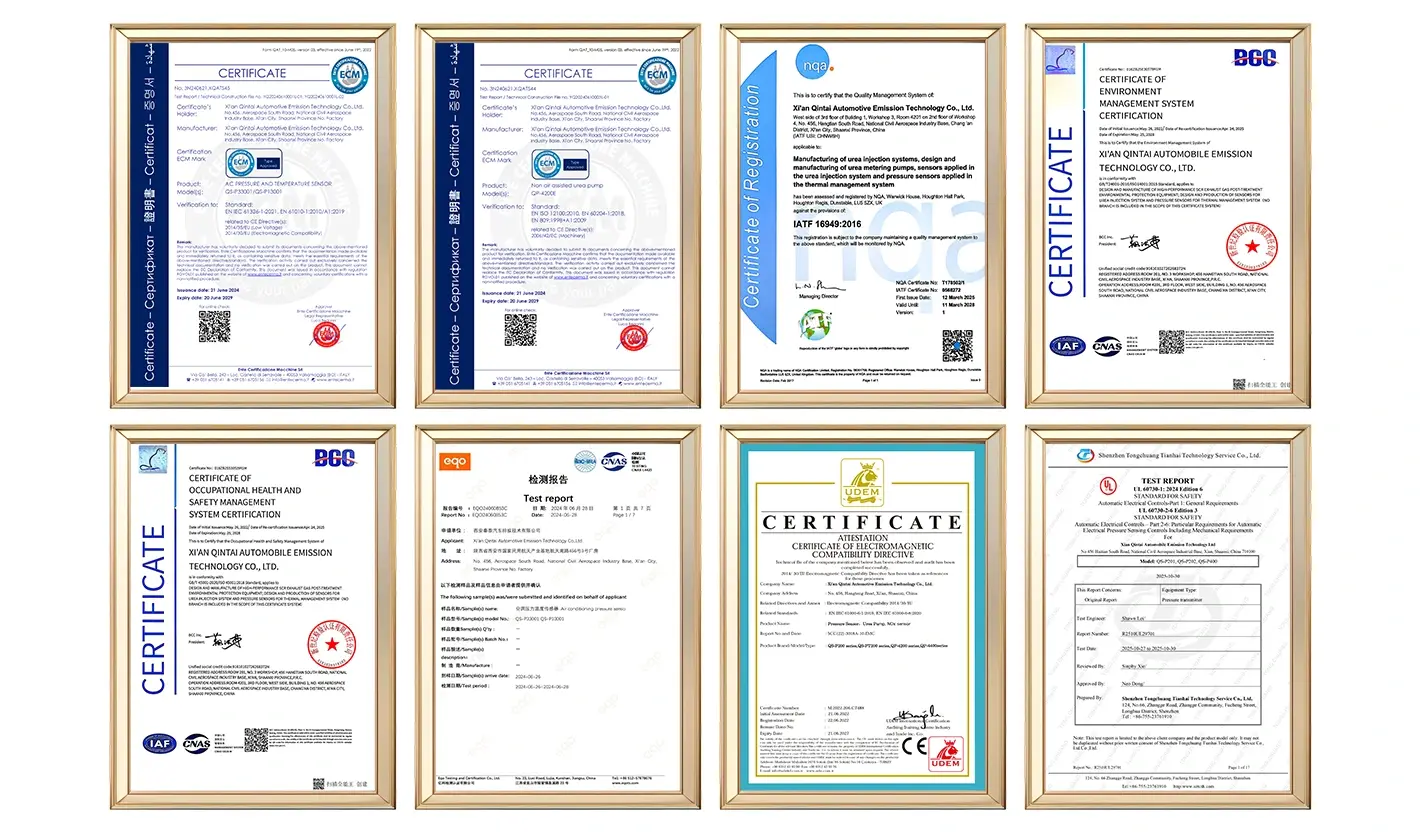
Ask for the certification documents for the model you picked when you place your order.
OEM Customization, Testing and Supply
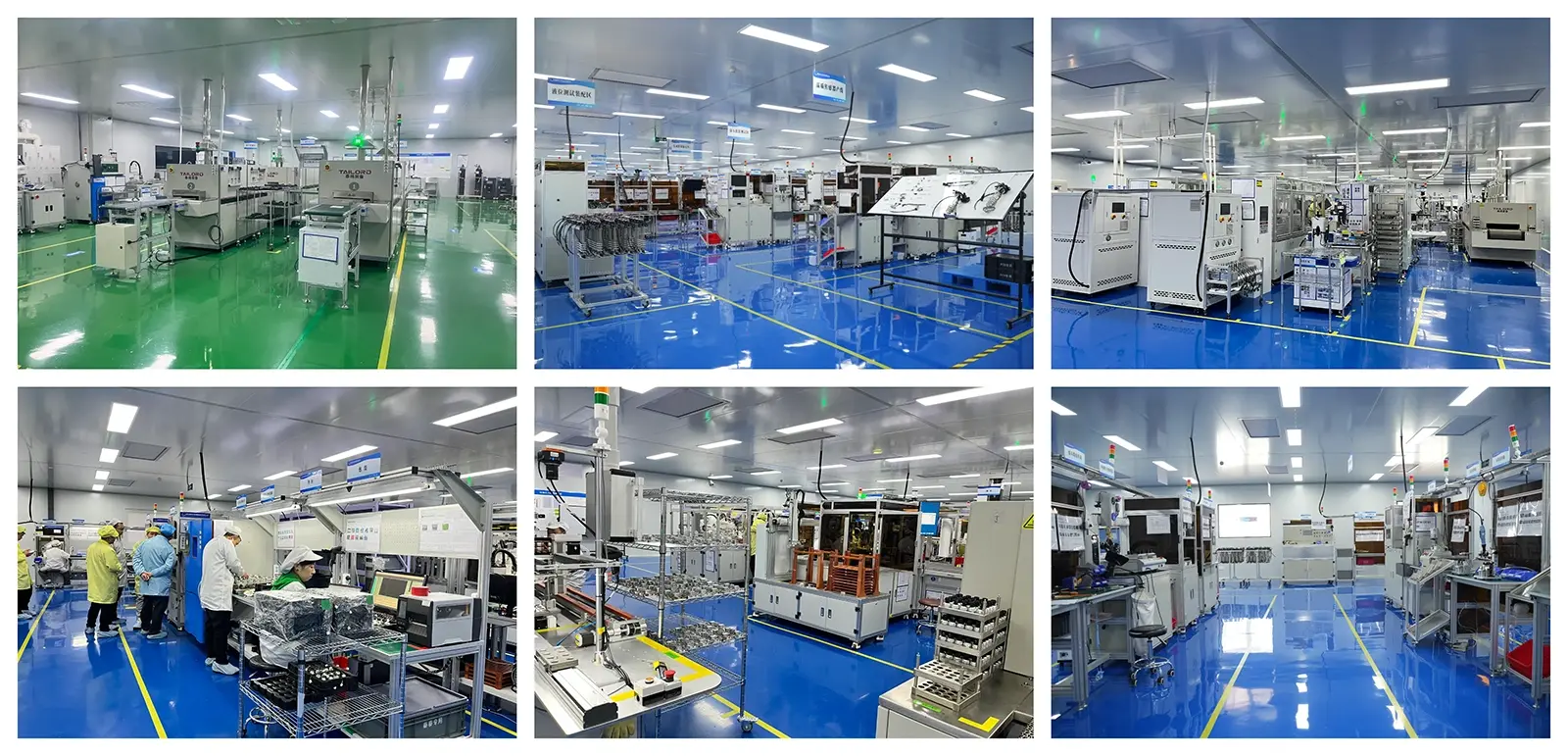
Custom ranges, fittings, cable lengths and connector types are available for OEM and ODM hvac pressure transmitter projects. Drawings and samples go through the in-house R&D team before tooling starts.
More than 100 inspection devices sit in the company's 400 m² testing center. Over 20 of them are specialized instruments. Checks on offer include microscopic inspection, dimensions, physical and chemical properties, plus environmental, mechanical and electrical loads. EMC tests run at an outside lab.
ISO 9001 and IATF 16949 certification back the quality system. Stock items go out within one week. Standard production takes 1 to 2 weeks.

Packing, Storage and Delivery
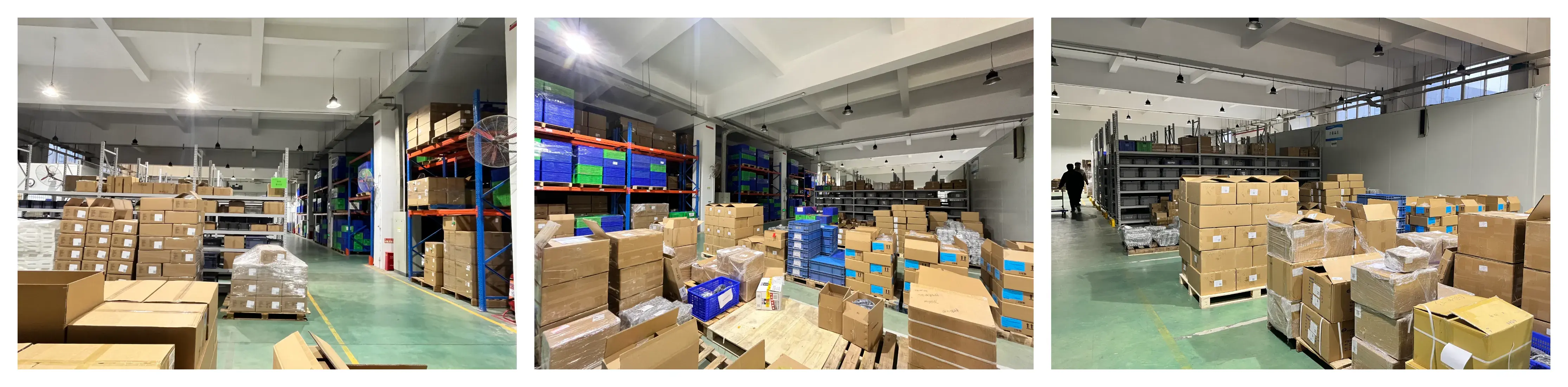
Foam padding sits inside every box. Anti-static bags go in too. On top of that, the cartons are reinforced, and all of it comes as standard. Want OEM branding? Custom packaging can be arranged.
A check happens before anything ships. Staff scan the barcodes and count the quantities. They look over the goods and test whether the packaging holds up. Batch traceability stays on file in the warehouse records. For international orders, buyers can pick air freight, sea freight or express delivery.


FAQ
Q: What is the difference between gauge and differential pressure in HVAC work?
A: Gauge pressure is read against the atmosphere. Differential pressure works another way. It compares two points, like each side of a filter. That second reading is what most duct and cleanroom jobs need.
Q: Why is my transmitter showing zero drift?
A: Two things usually set this off: mounting orientation and temperature shifts. Put the unit in a spot where it stays stable. Keep it away from heat sources. Once it is installed, check the zero point.
Q: Can an air transmitter be used for water?
A: Liquid lines call for a wet-wet differential transmitter. Its diaphragms must be 316L stainless steel. At the time of ordering, tell us which medium you measure.
Q: How does response time affect system performance?
A: A fast signal plus turbulent airflow may send the VFD hunting. Damping brings the control loop back to a steady state. You can apply it in the controller. The transmitter can also do it, if that feature is built in.
Q: How often should the unit be recalibrated?
A: Plenty of sites check This product just once a year. Labs and healthcare spaces might do it more frequently. Go by your site procedure and the audit rules you have.
Q: How do I order a custom range or fitting?
A: Send the range, medium, output signal, connection type and cable length through the Contact Us details below. The team confirms the drawing, price and lead time.
Contact Us
Send your pressure range, medium, hvac pressure transmitter, output signal, connection type and cable length to info@qt-sensor.com. We will confirm the drawing, price and lead time.

Our customers’ satisfaction speaks for our quality — contact us to experience the same reliable service.