- English
- French
- German
- Portuguese
- Spanish
- Russian
- Japanese
- Korean
- Arabic
- Greek
- German
- Turkish
- Italian
- Danish
- Romanian
- Indonesian
- Czech
- Afrikaans
- Swedish
- Polish
- Basque
- Catalan
- Esperanto
- Hindi
- Lao
- Albanian
- Amharic
- Armenian
- Azerbaijani
- Belarusian
- Bengali
- Bosnian
- Bulgarian
- Cebuano
- Chichewa
- Corsican
- Croatian
- Dutch
- Estonian
- Filipino
- Finnish
- Frisian
- Galician
- Georgian
- Gujarati
- Haitian
- Hausa
- Hawaiian
- Hebrew
- Hmong
- Hungarian
- Icelandic
- Igbo
- Javanese
- Kannada
- Kazakh
- Khmer
- Kurdish
- Kyrgyz
- Latin
- Latvian
- Lithuanian
- Luxembou..
- Macedonian
- Malagasy
- Malay
- Malayalam
- Maltese
- Maori
- Marathi
- Mongolian
- Burmese
- Nepali
- Norwegian
- Pashto
- Persian
- Punjabi
- Serbian
- Sesotho
- Sinhala
- Slovak
- Slovenian
- Somali
- Samoan
- Scots Gaelic
- Shona
- Sindhi
- Sundanese
- Swahili
- Tajik
- Tamil
- Telugu
- Thai
- Ukrainian
- Urdu
- Uzbek
- Vietnamese
- Welsh
- Xhosa
- Yiddish
- Yoruba
- Zulu
Best Urea Injection System Uses in Trucks, Buses, and Machinery
The Urea Injection System stands as one of the most effective emission control technologies available today, delivering measurable reductions in harmful nitrogen oxide (NOx) emissions across heavy-duty diesel applications. When integrated into trucks, buses, construction machinery, and generator sets, these systems enable fleet operators to meet stringent EPA Tier 4 Final and Euro VI emission standards while maintaining fuel efficiency and engine longevity. Understanding the optimal applications and selection criteria for these systems empowers procurement managers and R&D engineers to make informed decisions that balance regulatory compliance with operational performance.
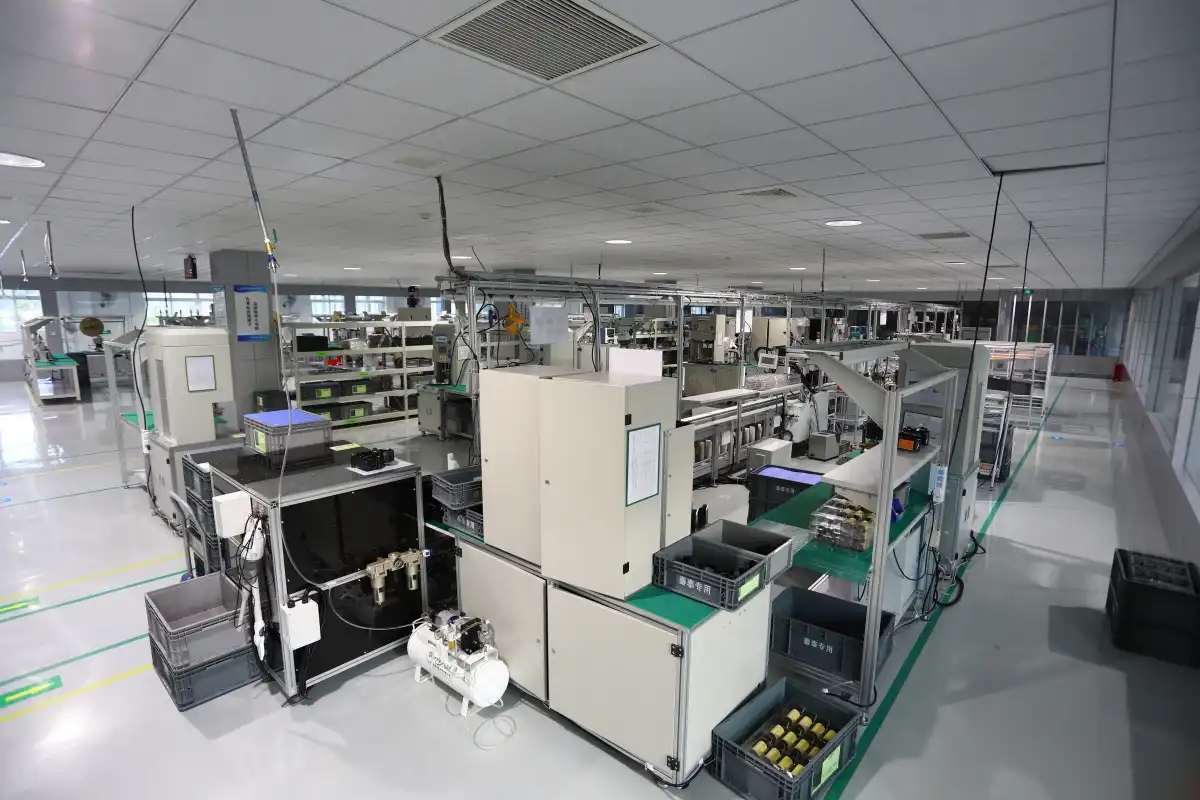
Understanding Urea Injection Systems and Their Role in Emission Reduction
There is more and more pressure on modern diesel engines to leave less of an impact on the earth without losing power or dependability. Because of this problem, Selective Catalytic Reduction (SCR) technology is now at the top of methods used all over the world to control emissions.
How SCR Technology Transforms NOx Emissions
A chemical reaction that is carefully controlled is at the heart of SCR systems. Diesel Exhaust Fluid (DEF) with 32.5% urea (AUS32 according to ISO22241 standard) enters the exhaust stream through precise valves. The high temperature sets off hydrolysis.
Urea is broken down in this process into ammonia (NH3), which then reacts with NOx molecules in the catalytic converter. This is how the chemical change happens: CO(NH2)2 + H2O → 2NH3 + CO2; then, 4NO + 4NH3 + O2 → 4N2 + 6H2O. The process makes nitrogen gas and water vapor, which are safe, and lowers NOx levels by up to 90% compared to pollution that hasn't been cleaned.
Critical Components That Ensure System Performance
A good SCR system needs a lot of different parts that all work together perfectly. The Urea Injection System nozzle is the most important part of this process. It is a high-precision electromagnetic measuring device that breaks up DEF at pressures of 5 to 9 bar. This atomization has to happen in milliseconds or less to make sure that the exhaust gases, which are moving quickly and are over 250°C, are fully mixed.
The dosing control unit uses real-time data from NOx sensors, exhaust temperature monitors, and mass flow meters to figure out the exact amount of DEF that is needed. When it's cold outside, DEF freezes below -11°C, but storage tanks with built-in heaters keep the fuel from crystallizing. Quality sensors keep an eye on the system's performance all the time and find problems like urea slip (releasing too much ammonia) or crystallization at the exhaust port before they make it illegal to meet emission standards.
Measurable Benefits for Commercial Fleet Operations
In addition to meeting legal requirements, SCR technology provides real benefits for operations. Diesel engines with properly adjusted systems get 3–5% better gas mileage than models made before SCR. This is because engineers can tweak the combustion settings without having to pay extra for emissions. Urea Injection System plays a key role in this process, as it ensures the precise delivery of the reducing agent needed for the SCR reaction to work efficiently under varying load conditions.
Because cleaner combustion keeps carbon from building up on valves and pistons, maintenance intervals get longer. When NOx-related corrosion and deposits are kept to a minimum, engines last about 15 to 20 percent longer. These advantages directly lead to lower total costs of ownership over multiple years of fleet operations. This means that SCR systems are a good investment rather than just a legal requirement.
Key Considerations When Choosing the Best Urea Injection System for Your Fleet
To choose the right SCR parts, you need to carefully look at the technical specs, the supplier's skills, and the system for long-term support.
Technical Parameters That Define System Suitability
The main thing that sets entry-level systems apart from industrial-grade ones is how precise the injections are. Atomization particles smaller than 50 microns are made by high-performance nozzles. This makes sure that all the liquid evaporates before it reaches the catalyst. This very fine atomization keeps the crystallization problems that happen with lower-quality options at bay. When it comes to systems, the temperature response range is very important.
They have to keep working from -40°C to 550°C exhaust temperatures. Flow rate capacity should match engine displacement and load factors. Systems that are too small fail to comply when power needs are at their highest, while units that are too big waste DEF and work less efficiently. When integrating with current engine control systems, sensor compatibility is very important. This is especially true for aftermarket upgrades, where CAN bus methods range from manufacturer to manufacturer.
Evaluating Supplier Credentials and Certification Standards
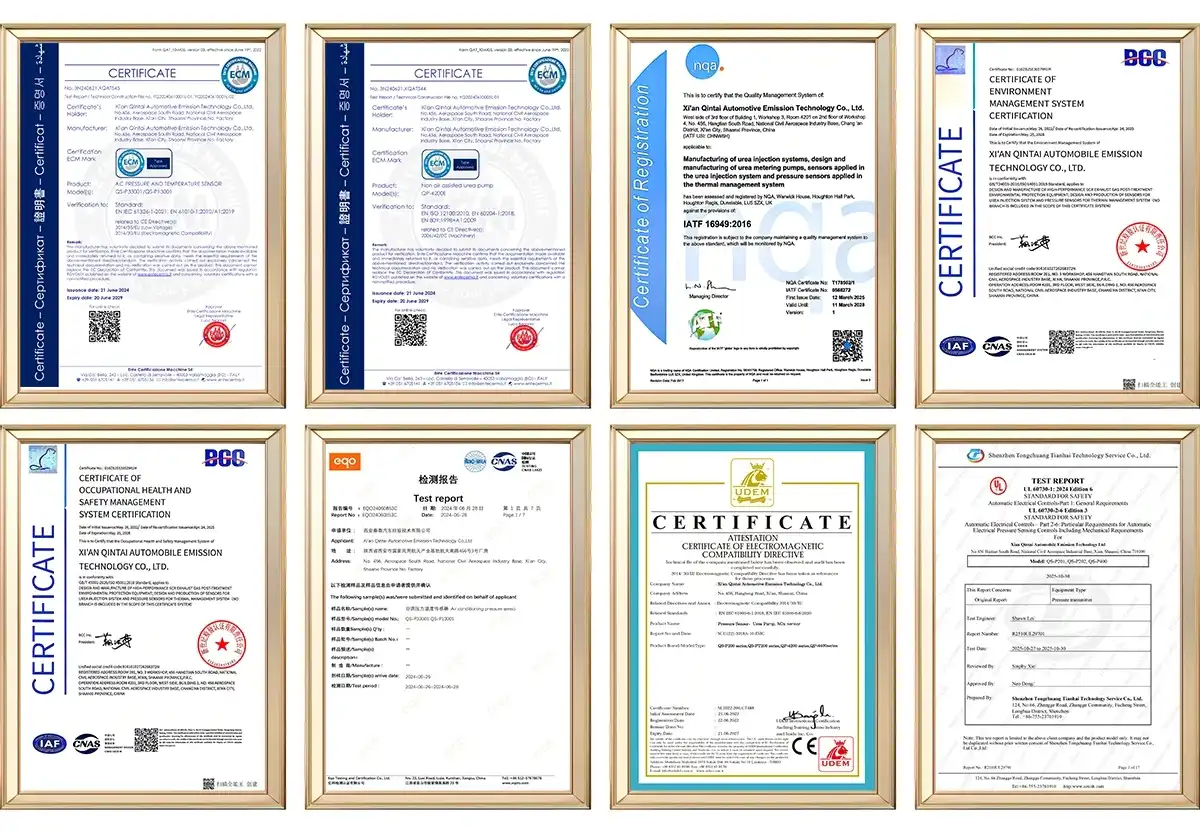
Quality standards tell us a lot about how consistent and reliable a factory is. ISO9001 is a general standard for quality control, and IATF16949 certification is specific to the needs of the car supply chain, covering things like defect prevention and tracking.
Products with the UL and CE marks show that they meet safety standards in North America and Europe, respectively. When used in explosive environments, like mines, Ex certification proves that the system is safe even when it's in a dangerous situation. Suppliers who follow REACH and RoHS make sure that chemicals are safe and that companies are environmentally friendly throughout the span of a product.
Total Cost of Ownership Analysis
Lifecycle costs include more than just the purchase price. Unplanned downtime is directly affected by how reliable a system is. For example, if a pollution system fails, equipment may not be able to work for days while new parts are ordered. In addition to covering basic defects, warranties should also guarantee performance under certain operating conditions. Having access to technical support is very important during troubleshooting.
Suppliers that offer 24-hour engineering help keep diagnostic periods from going on for too long. Different system designs have DEF usage rates that range from 5 to 15 percent. This makes big differences in annual costs for large teams. Having replacement parts available through approved distribution networks cuts down on the time and money needed to buy them in a situation.

Installation, Maintenance, and Troubleshooting Best Practices
Whether SCR systems work as well as they could or cause problems and compliance risks depends on how well they are set up and maintained.
Professional Installation Requirements
Most of the problems we see in the field can be avoided with certified installation. The way the tip is mounted affects its spray patterns and how it drains; if the angles are wrong, DEF can pool and crystallize. Urea Injection System integrity also depends on proper mounting and sealing, as to be able to handle being washed, vibrated, and heated and cooled, electrical connections must meet IP67 sealing standards.
Positioning the exhaust requires careful math, because nozzles that are too close to the turbochargers can get damaged by heat, and nozzles that are too far away from the turbochargers can't mix properly. As part of the calibration process, dosing formulas are programmed that are specific to the engine's size, working profile, and altitude. When people try to fix something without the right training or tools, emission tests often fail, which means they have to do expensive repairs.
Preventive Maintenance Protocols
We suggest that inspections happen at regular times that are in line with engine repair plans. For heavy-duty applications, this is usually every 500 hours of operation. Crystallization buildup on the nozzle tip can be seen before it changes the spray patterns, and special cleaning tools can get rid of the deposits without hurting the precision orifices. Many modern systems have automated purging cycles that flush nozzles with heated fluid while the system is shut down.
This makes cleaning much less frequent. Filters need to be changed so that contamination doesn't get to the injectors. Even tiny particles can wear down metering valves that are working at high pressures. Using refractometers to check the quality of DEF makes sure that it has the right concentration. Diluted solutions make NOx conversion less effective, and contaminated fluid hurts pumps and seals.
Common Issues and Resolution Strategies
The most common issue is still crystalline buildup at the exhaust port. This happens when the engine's temperature drops below the point where full evaporation can happen, which usually happens when the engine is idling for a long time or going on short trips. Changes to dose plans, better protection, or new heating elements are some solutions. Over time, sensor drift leads to wrong dosing calculations; replacing sensors at the manufacturer-recommended intervals stops compliance from slowly going downhill.
Unreliable injection patterns are caused by air getting into supply lines. Most of the time, proper bleeding processes and link integrity checks can fix this problem. When starting up in the winter, frozen DEF tanks need to be heated with a block heater or stored in a warm shed. Working with authorized service centers gives you access to diagnostic software that finds the causes of problems instead of just fixing the symptoms.
Comparative Overview of Leading Urea Injection System Brands
There are a number of well-known companies in the global SCR component market. Each one uses different technologies and focuses on different areas of the market. Bosch is known for its precise engineering and ability to work well with engine management systems. Their high-pressure dosing units work great in situations where you need to react quickly to changes in load, which is why European heavy truck makers like them. The systems have advanced monitoring tools that quickly find failure modes and cut down on the time needed to fix problems.
Denso brings the strict Japanese production standards to SCR technology, and they are especially good at making small designs that can be used in places with limited room. Their parts are very resistant to changes in temperature and work reliably in both cold and dry conditions. With their flexible mounting options and uniform sensor connections, Delphi systems make it easy to add them to existing systems. Continental has put a lot of money into smart dosing algorithms that make the best use of DEF without lowering emission performance.
This makes them appealing to fleet operators who want to save money. Cummins offers vertically integrated solutions that are made to work with their engine platforms. This makes sure that everything works together perfectly but limits the number of combinations that can be made. Urea Injection System compatibility, for instance, is tightly controlled within these integrated packages to ensure optimal emissions performance. Authorized distributor networks give procurement teams big advantages when they need to get parts.
These sites make sure that you get real parts instead of the fake ones that are common on dark markets.Warranty protections are only still good if the repair is done according to the manufacturer's instructions and uses allowed parts. Access to technical support often depends on having the right paperwork for the supply chain, since manufacturers only give engineering resources to real customers. OEM partnerships let you see updated designs and information about compatibility before they're made available to the public.
Procurement and Cost Insights for Urea Injection Systems
To do strategic buying, you need to know what makes prices change and find sellers who offer value beyond the initial purchase price. Costs vary a lot depending on how complicated the system is and how advanced the technology is. Beginner nozzles that work well in steady-state machines like generator sets may cost between $180 and $350 each. More advanced injectors with flexible spray patterns for machines that work with changing loads cost between $450 and $800 each.
Dosing kits with pumps, control units, and sensors can cost anywhere from $1,200 to $3,500, based on the flow rate and diagnostic features. When compared to buying on the spot, high-volume purchase deals usually offer savings of 15 to 25 percent. This makes supplier consolidation a good financial option for big fleets. The safest ways to buy are through established B2B platforms and direct relationships with manufacturers. Working directly with sources like Qintai lets you have detailed conversations while the specifications are being made, which makes sure that the parts exactly meet the needs of the application.
This conversation stops costly mistakes from being found during installation or testing. It's important to carefully read the warranty terms. Full coverage should include not only replacing parts, but also labor costs and damage caused by system failures. By avoiding unplanned downtime, service agreements that offer preventive maintenance and priority technical support lower the total cost of ownership. Post-purchase support is what sets truly reliable suppliers apart from those that offer good prices but don't back up their work.
Conclusion
To choose the best SCR option, you need to carefully look at the technical specs, the reliability of the provider, and the total costs over the whole lifecycle. When properly defined and kept, high-performing systems meet emission standards, improve fuel economy, and make tools last longer. The best procurement strategies find a balance between upfront cost and long-term dependability, making sure that parts come from manufacturers with a history of good engineering and a strong support network.
Urea Injection System performance is a critical subset of this reliability, as its precise dosing and maintenance directly affect catalyst efficiency and durability. As emission rules get stricter around the world, working with suppliers who are committed to constant innovation will help you keep your fleet compliant while keeping your operating costs low.
FAQ
How Often Should Urea Injection Systems Be Serviced?
How often maintenance needs to be done depends on how the equipment is used and how often it is used. Heavy-duty applications that run at high loads all the time usually need to be inspected every 500 to 750 hours. This includes checking the nozzle, replacing the filter, and making sure the sensor calibration is correct. Light-duty tools may be able to go up to 1,000 hours between checks. No matter how many hours the business is open, it should still get service once a year to fix problems with the seals and connections that come with age.
Can SCR Systems Be Retrofitted to Older Diesel Engines?
How possible a retrofit is depends on how the exhaust system is set up and how much mounting room is available. For engines made after 2007, adding an SCR usually only requires minor modifications. However, custom exhaust routing may be needed. Older versions that don't have computer engine management need extra sensors and control units, which makes them more complicated and costs more. The viability of a retrofit and the return on investment are based on a professional evaluation of the specific equipment.
What Symptoms Indicate Urea Injection System Malfunction?
Dashboard pollution alerts, white deposits around exhaust ports that can be seen, an ammonia smell from the exhaust, higher DEF use without matching load changes, and power loss during operation are all warning signs. If you see diagnostic fault codes that say there are problems with the NOx sensor or the dosing circuit, you need to fix them right away to avoid breaking the rules and putting the engine into protection mode, which lowers its performance.
Partner with Qintai for Superior Urea Injection System Solutions
Since 2001, Xi'an Qintai Automotive Emission Technology has been a leader in China in providing SCR aftertreatment systems to Weichai Power, Yuchai Power, and Quanchai Power. Our factories are ISO9001, IATF16949, and UL approved, and they make precision Urea Injection System nozzles, dosing modules, and sensor solutions with built-in electronics that meet EPA and Euro VI standards. We offer OEM and ODM services for trucks, buses, building equipment, and fixed power applications.
We have 58 invention rights and our own research and development department. Through well-established networks, our goods get to more than 60 countries in Europe, the Middle East, and South America. Get in touch with our engineering team at info@qt-sensor.com to talk about your needs with a reliable Urea Injection System manufacturer. We offer technical advice, sample assessment, and the ability to produce large quantities. We also offer full help after the sale.
References
1. Johnson, M. R. (2021). Selective Catalytic Reduction Technology in Heavy-Duty Diesel Applications. SAE International Journal of Engines, Vol. 14, Issue 3.
2. Environmental Protection Agency (2022). Diesel Engine Emission Control: Technical Standards and Implementation Guidelines. EPA Office of Transportation and Air Quality.
3. Zhang, H. & Schmidt, K. (2020). Advances in Urea Dosing Systems for Mobile SCR Applications. International Journal of Automotive Engineering, Vol. 11, No. 2.
4. European Automobile Manufacturers Association (2023). Commercial Vehicle Emission Control Systems: Market Analysis and Technology Trends. ACEA Technical Report Series.
5. Williams, P. T. (2021). Maintenance Best Practices for SCR Systems in Fleet Operations. Fleet Maintenance Magazine, Professional Technician Series.
6. International Organization for Standardization (2019). ISO 22241: Diesel Engines - NOx Reduction Agent AUS 32 - Quality Requirements. ISO Technical Committee 22.
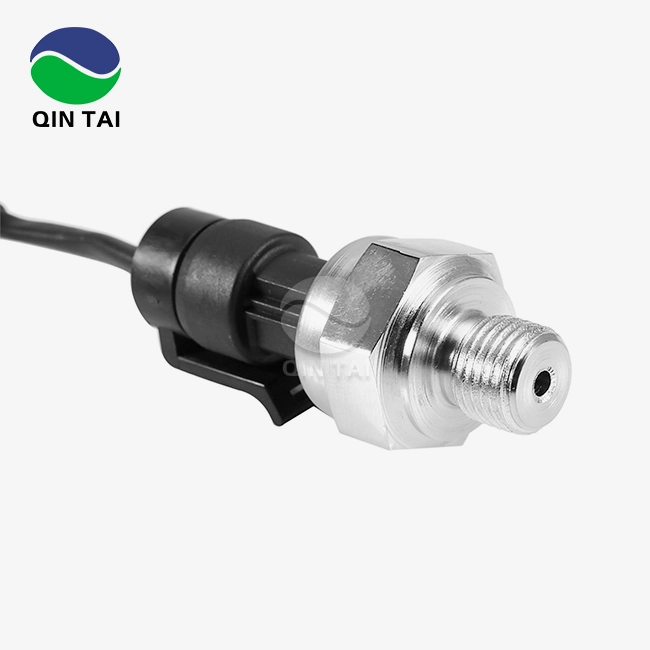
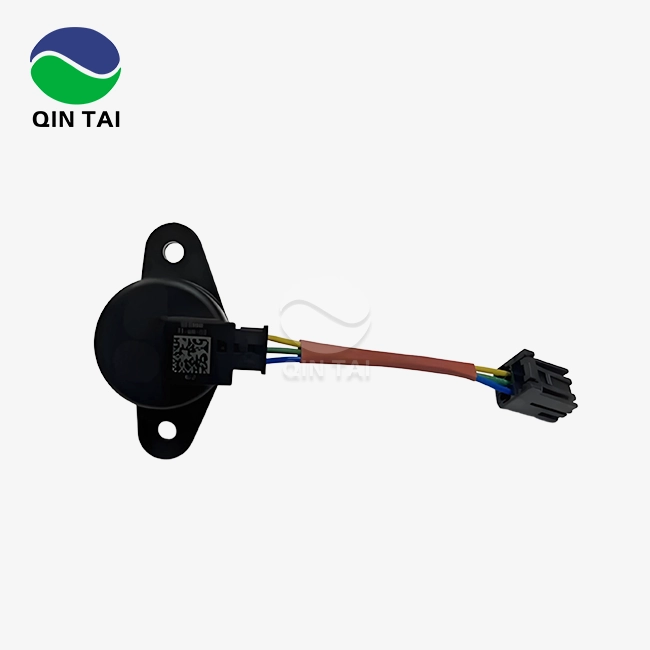

Our customers’ satisfaction speaks for our quality — contact us to experience the same reliable service.