- English
- French
- German
- Portuguese
- Spanish
- Russian
- Japanese
- Korean
- Arabic
- Greek
- German
- Turkish
- Italian
- Danish
- Romanian
- Indonesian
- Czech
- Afrikaans
- Swedish
- Polish
- Basque
- Catalan
- Esperanto
- Hindi
- Lao
- Albanian
- Amharic
- Armenian
- Azerbaijani
- Belarusian
- Bengali
- Bosnian
- Bulgarian
- Cebuano
- Chichewa
- Corsican
- Croatian
- Dutch
- Estonian
- Filipino
- Finnish
- Frisian
- Galician
- Georgian
- Gujarati
- Haitian
- Hausa
- Hawaiian
- Hebrew
- Hmong
- Hungarian
- Icelandic
- Igbo
- Javanese
- Kannada
- Kazakh
- Khmer
- Kurdish
- Kyrgyz
- Latin
- Latvian
- Lithuanian
- Luxembou..
- Macedonian
- Malagasy
- Malay
- Malayalam
- Maltese
- Maori
- Marathi
- Mongolian
- Burmese
- Nepali
- Norwegian
- Pashto
- Persian
- Punjabi
- Serbian
- Sesotho
- Sinhala
- Slovak
- Slovenian
- Somali
- Samoan
- Scots Gaelic
- Shona
- Sindhi
- Sundanese
- Swahili
- Tajik
- Tamil
- Telugu
- Thai
- Ukrainian
- Urdu
- Uzbek
- Vietnamese
- Welsh
- Xhosa
- Yiddish
- Yoruba
- Zulu
OEM SCR Dosing Pump Benefits for Global Diesel Equipment Makers
When discussing emission control technologies, the SCR Dosing Pump stands at the heart of modern diesel engine aftertreatment systems. As global diesel equipment manufacturers face increasingly stringent emission standards like China VI and Euro VI, these precision-engineered pumps deliver AdBlue (DEF) to catalytic converters with exceptional accuracy, transforming harmful nitrogen oxides into harmless nitrogen and water. The strategic advantages of partnering with OEM suppliers extend beyond regulatory compliance—they encompass customization capabilities, long-term reliability, and comprehensive technical support that directly impact production efficiency and total cost of ownership.
Introduction
A lot has changed in the last ten years in the diesel machine making industry. Companies that make heavy trucks, construction equipment, farm equipment, and generator sets are now under more regulatory pressure than ever before. Around the world, emission standards are getting stricter, which means that advanced aftertreatment solutions are needed to keep engines running well while greatly lowering the amount of pollution they put out.
The SCR Dosing Pump is an important part of Selective Catalytic Reduction technology that determines how well the system works. This specialized machine controls the exact injection of diesel exhaust fluid into hot exhaust streams. This sets off chemical reactions that turn nitrogen oxides into harmless substances. Manufacturers of equipment that understand the technical details and purchasing benefits of OEM solutions can gain a competitive edge in markets that demand both operational excellence and environmental responsibility.
When engineers are designing the next generation of diesel platforms, they have to make hard choices about which parts to use. Purchasing managers weigh the costs of goods with the quality of the goods and the dependability of the suppliers. This detailed guide handles these professional issues by looking at how OEM urea delivery systems deal with real-life issues and giving the technical information needed to make smart purchasing choices.
Understanding SCR Dosing Pumps and Their Operating Principles
Core Function and Chemical Process
At exactly set pressures and flow rates, the SCR Dosing Pump moves AdBlue from holding tanks to dosing units. This part makes sure that the right amount of nitrogen oxide is reduced in SCR catalysts and that the right conditions are kept for chemical conversion to work well. The system is always talking to the Engine Control Units to change the amount of dosing based on the load on the engine, the way the exhaust flows, and feedback from the nitrogen oxide sensors.
Technical Specifications Critical for OEM Applications
How well pumps react to changing engine conditions depends on their flow rate ability. Heavy-duty uses in building equipment need pumps that can deliver 10 to 15 liters of water per hour at peak loads. Agricultural equipment, on the other hand, needs pumps that can deliver 5 to 8 liters of water per hour. Pressure capacity specifications are usually between 5 and 9 bar, which makes sure that there is enough atomization for complete chemical reactions no matter what the exhaust backpressure is.
Another important thing to think about is material suitability. Due to its corrosive nature, AdBlue needs pump housings made of special stainless steel metals or industrial plastics that don't break down over time. Seal materials have to be able to handle changes in temperature from -40°C to 80°C and still stay strong after thousands of heat cycles.
Advantages of OEM Integration
Original equipment manufacturers make dosing systems that are designed to meet the needs of diesel platforms. Some of the customization options are built-in heaters for use in cold climates, unique mounting arrangements that work with limited space, and communication protocols that work with specific engine management systems. This customized approach gets rid of compatibility problems that happen with aftermarket solutions. This cuts down on validation time and speeds up production schedules.
Another benefit of OEMs is that they can offer longer support systems. Manufacturers get ongoing technical support during the integration phases, calibration protocols that are tailored to their applications, and priority access to engineering resources when they need to fix problems with how complex system interactions work. These connections help people work together to solve problems, which raises the quality of the final result.

Challenges in Diesel Equipment Emission Control and How OEM SCR Dosing Pumps Solve Them
Dosing Accuracy Under Variable Conditions
During normal running, diesel engines have big changes in the amount they are carrying. Construction machines go from not working to full power in a matter of seconds. Agricultural machines keep their power steady while digging but stop moving for a long time when shifting. Because of the way these systems work, they need SCR Dosing Pumps that can respond instantly across a wide range of flow rates and keep an accuracy of ±3%.
Environmental factors compound these challenges. Extreme temperatures change the viscosity of the fluid and the mechanical properties of the pump. Changes in altitude change the way smoke behaves. In off-highway applications, vibrations put stress on mechanical parts. These factors are taken into account in OEM pump designs thru advanced control algorithms, temperature compensation circuits, and tough building standards that have been proven thru thorough durability testing.
Freeze Protection and Cold-Start Functionality
AdBlue freezes at -11°C, which makes it hard to use in cold places. OEM solutions have heating elements built in and smart freeze protection logic to make sure the fluid thaws before delivery attempts. The design of the system constantly checks the temperature of the solution and only starts dosing processes when conditions allow them to work reliably. This stops crystallization damage, which kills aftermarket pumps that don't have good thermal control.
Chemical Compatibility and Longevity
Poor material choice causes low-quality pumps to break down early. Seal decay leads to leaks on the outside that pollute engine rooms. Particulate contamination from internal corrosion clogs injector nozzles. OEM makers only use materials that have been tested and proven to last thru accelerated aging tests that mimic five years of exposure. This makes sure that parts keep working well during their expected service times.
A European company that makes building equipment cut its warranty costs by 23% when it switched from generic aftermarket pumps to OEM options. Failure research showed that custom sealants were not compatible with AdBlue additives, which led to the vehicle breaking down too soon. OEM pumps had chemically resistant fluoroelastomer seals that stayed in place for 8,000 hours of validation cycles.
Comparing OEM SCR Dosing Pumps with Alternatives in Industrial Applications
Performance Metrics: Precision Versus Generic Solutions
Accurate dosing has a direct effect on how well emission control works and how much fluid is used. OEM SCR Dosing Pump delivery systems are accurate to within ±2% across all operating ranges thanks to closed-loop control algorithms that account for changes in temperature and pressure. Generic diaphragm pumps made for moving chemicals in factories don't have this level of sophistication; they have ±8% accuracy differences that make it less efficient to convert nitrogen oxide.
Energy efficiency considerations impact overall system parasitic loads. Modern OEM pumps use 35 to 45 watts of power during active dosing cycles because they use brushless motors that deliver torque more efficiently. Alternative chemical metering pumps use 60–80 watts of power because their motors aren't very efficient. This makes the electrical system work harder and uses more fuel.
Operational reliability metrics favor OEM solutions that were designed to work with car duty cycles. When used in heavy-duty situations, the average time between failures for good OEM pumps is more than 15,000 hours. When put thru the constant vibration, temperature cycling, and contamination that happen in diesel equipment environments, the failure rate for generic industrial pumps is three times higher.
Comprehensive Support Ecosystems
When you work with an OEM, you can get technical documents, help from application engineers, and calibration methods that were made thru a lot of evaluation programs. Manufacturers get system integration instructions that explain how to place components, how to connect them electrically, and how to send diagnostic data. Compared to reverse-engineering aftermarket options, this support infrastructure speeds up development times and lowers validation costs.
Warranty coverage reflects manufacturer confidence in product durability. Leading OEM providers offer guarantees that cover both flaws in the materials and problems with the work for 24 to 36 months. Suppliers of generic pumps usually only cover them for 12 months and have strict rules that don't cover environmental damage. This is a big problem because of how rough the working conditions are in building and agriculture.
Selection Criteria for Procurement Professionals
The accuracy needed for calibration depends on the emission margins for the application. When making equipment for strict regulatory markets, it needs to be able to dosing with ±2% accuracy and stay compliant across component tolerance stackups. For less important tasks, ±5% accuracy is fine, which lowers costs.
The requirements for chemical resistance must fit the quality standards for AdBlue in the area. The European ISO 22241 and North American ISO 22241-1 guidelines spell out the requirements for purity. However, in developing countries, contamination from low-quality fluids is still a problem. OEM pumps have filtration stages and material choices that can handle moderate levels of contamination without breaking down right away.
Temperature range capabilities determine market applicability. For equipment to be sold in Scandinavia or Canada, it needs to be able to start up from -40°C and have built-in warmth that uses very little electricity. In tropical settings, high-temperature stability is important for keeping the seal's integrity at 75°C all the time.
Maintenance, Calibration, and Troubleshooting of OEM SCR Dosing Pumps
Preventive Maintenance Protocols
For heavy-duty applications, routine inspections should happen every 1,000 hours of use. Technicians check electrical connections for corrosion, make sure that mounting hardware torque specs are met, and look for damage in fluid lines. Filter elements need to be replaced every 2,000 hours to keep particles from building up and blocking flow and making the SCR Dosing Pump work harder.
Spare parts management ensures minimal downtime during service events. Seal parts, filter cartridges, and electrical plugs are all important items to keep on hand. OEM sellers provide paperwork on how compatible parts are with each other. This keeps people from replacing the wrong parts, which can void warranties and pose safety risks.
Calibration Procedures for Dosing Precision
Every year, the flow rate should be checked using high-precision measuring tools that can be traced back to national standards. Technicians connect flow meters to dosing circuits and use diagnostic connections to set specific output rates. They then compare real delivery to what was agreed upon. Deviations greater than ±3% mean that a part is worn out and needs to be replaced or re-calibrated.
Pressure sensor verification confirms system feedback accuracy. Technicians use deadweight tools to apply known pressure inputs while keeping an eye on the ECU results. Sensor drift above ±0.2 bar makes closed-loop control less effective, so they need to be replaced to keep emission standards.
Common Issues and Resolution Strategies
Flow problems are usually caused by air getting in thru broken supply line connections or low tank levels. Technicians use pressure decay testing to look for leaks in the plumbing on the suction side. Bleeding procedures get rid of trapped air, which makes the hydraulic system work properly again.
Control faults show up as diagnostic trouble codes that show problems with how the pumps and engine controllers talk to each other. When the wiring harness is inspected, it is found that the wires are broken from being rubbed against engine parts. Recurrence can be avoided by using the right route and protected sleeves.
Crystallization blocks happen when pumps work with AdBlue that is only partly frozen. To get rid of deposits, the system must be completely drained and then flushed with warm demineralized water. Root cause analysis looks at how well the heater works and how much insulation is needed to stop similar problems from happening again.
OEM Support Advantages
When manufacturers work with reputable OEM suppliers, they get access to technical support teams that are experts in their own product architectures. 70% of problems in the field can be fixed over the phone without having to replace parts. This cuts down on downtime and warranty costs. Field service representatives help with diagnostic problems that are too complicated for the dealer to handle.
Genuine parts are available thru well-established distribution networks, so vital parts will be delivered within 24 to 48 hours. Original Equipment Manufacturer (OEM) supply lines keep things real with serialized parts and networks of approved distributors.
Procurement Insights: Buying the Right OEM SCR Dosing Pump for Your Diesel Equipment
Supplier Evaluation Criteria
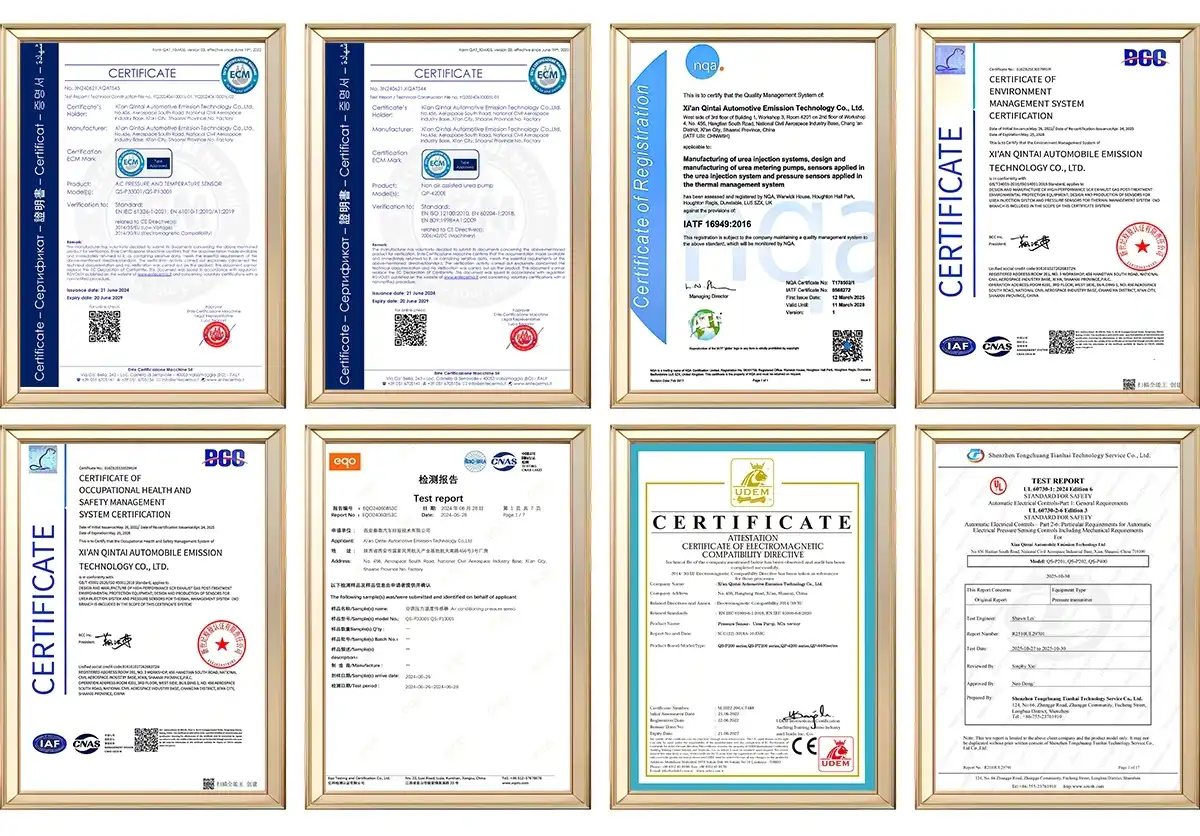
Identifying trustworthy SCR Dosing Pump manufacturers requires examining certification portfolios. Getting ISO 9001 certification for quality management sets up basic controls for the process. IATF 16949 standards for the automotive industry show that a company can meet the quality standards of the industry. Product certifications, such as REACH and RoHS compliance, make sure that regulations are in line so that products can be sold all over the world.
Site audits check the infrastructure for manufacturing, the level of automation, and the inventory management systems that help ensure consistent delivery performance. Suppliers should show that they can increase output by 30–40% above what was expected to account for changes in the market.
Technical capability evaluation looks at how much money is spent on research and development and how many patents are held. Suppliers with invention patents show that they can come up with new ways to meet new regulatory requirements. Independent R&D teams that can make changes make sure that the partnership will work in the long term as platform needs change.
Cost Structure Understanding
The price of a component takes into account more than just the base cost of making it. Customization engineering includes buying tools, testing to make sure they work, and getting them certified for use in particular customer uses. Quality assurance programs include checking new materials, making sure things are being made correctly, and making sure there are no problems before they are delivered.
Infrastructure for after-sales support requires a lot of money from suppliers. Technical helplines, field service teams, and methods for managing warranties all need ongoing support. Instead of just looking at the purchase price, people who work in procurement should look at the total cost of ownership, which includes things like failure rates, warranty covering terms, and how quickly expert support can help.
Custom Versus Standard Solutions
Catalog products that are standard fit applications with standard electrical interfaces, standard space envelopes, and standard performance needs. These are better because economies of scale lower the cost per unit and cut down on lead times. Standardized parts help equipment makers get the most value out of their large quantities of similar configurations.
Custom-engineered solutions are made to work with specific platform issues, like mounting angles that aren't normal, special communication methods, or harsh weather conditions. The costs of development are spread out over the expected number of units that will be made. This is affordable for systems that make more than 5,000 units a year, but too expensive for niche uses.
Modular architectures let you find a middle ground. Electrical links, mounting brackets, and filter setups can be switched out on base pump designs. This adaptability lets platform-specific changes happen while keeping core component similarities. This makes it easier for suppliers to keep track of inventory and shorterens lead times for customers.
Spare Parts and After-Sales Agreements
Comprehensive service agreements spell out promises about when parts will be available, how long technical support will take to respond, and how warranty claims will be handled. Bronze-level deals offer email help with answer times of 48 hours, which is fine for non-essential uses. Gold-level programs offer specialized account managers, phone help 24 hours a day, and faster shipping of parts to keep production running smoothly.
Parts obsolescence management keeps things working for a long time. Reliable providers promise that extra parts will be available for 10 to 15 years after the end of production. This lets equipment makers meet their aftermarket responsibilities. Contractual language should include notice periods before a part is taken off the market, which would allow for last-time-buy opportunities.
Conclusion
Strategic SCR Dosing Pump partnerships help global diesel equipment manufacturers a lot when they have to deal with complicated emission rules and tough competition in the market. These partnerships provide technology solutions that are perfectly matched to the needs of the application. They also offer support communities that lower development risks and speed up time-to-market.
Quality OEM parts make sure that regulations are followed, keep warranty claims to a minimum, and improve the reputation of equipment by making it work reliably in the field. When purchasing workers look at different providers, they should focus on technical skills, certifications, and full support systems rather than just cost. Using modern urea delivery systems isn't just about following the rules; it also gives you a competitive edge by giving you better performance and longevity.
FAQ
How often should SCR dosing pumps undergo calibration?
The time between calibrations for SCR Dosing Pumps depends on the duty cycle of the application and the rules that must be followed. Heavy-duty commercial vehicles that are subject to strict emission monitoring should have flow verification testing once a year. Calibration can be done every 18 to 24 months on off-road tools used in building or farming. During production confirmation, manufacturers should take baseline measures and compare them to the original specs to make maintenance plans that are specific to each application.
What distinguishes OEM pumps from aftermarket alternatives?
OEM solutions have engineering that is tailored to the application, such as custom mounting holes, electrical interfaces that work with proprietary communication protocols, and materials that have been proven to last thru rigorous durability tests. Aftermarket products often have generic designs that need to be changed when they are installed, and they often don't have thermal management features that are needed for use in cold climates. OEM makers offer ongoing technical support, full guarantees, and guarantyd parts availability, all of which help keep equipment working for a long time.
Can dosing pumps be customized for specific diesel engine configurations?
These days, OEM makers let you change a lot of things to fit the needs of each platform. Engineers can choose from different types of electrical connectors, mounting bracket designs, combined heating power levels, and communication protocol variations. Flow rate ranges change to match the size of the engine and the way it controls emissions. Customization is possible if the production volume is high enough—platforms that make more than 3,000 units a year usually justify investing in specialized tools, while lower volumes use mixes of modular parts.
Partner with Qintai for Reliable SCR Dosing Pump Solutions
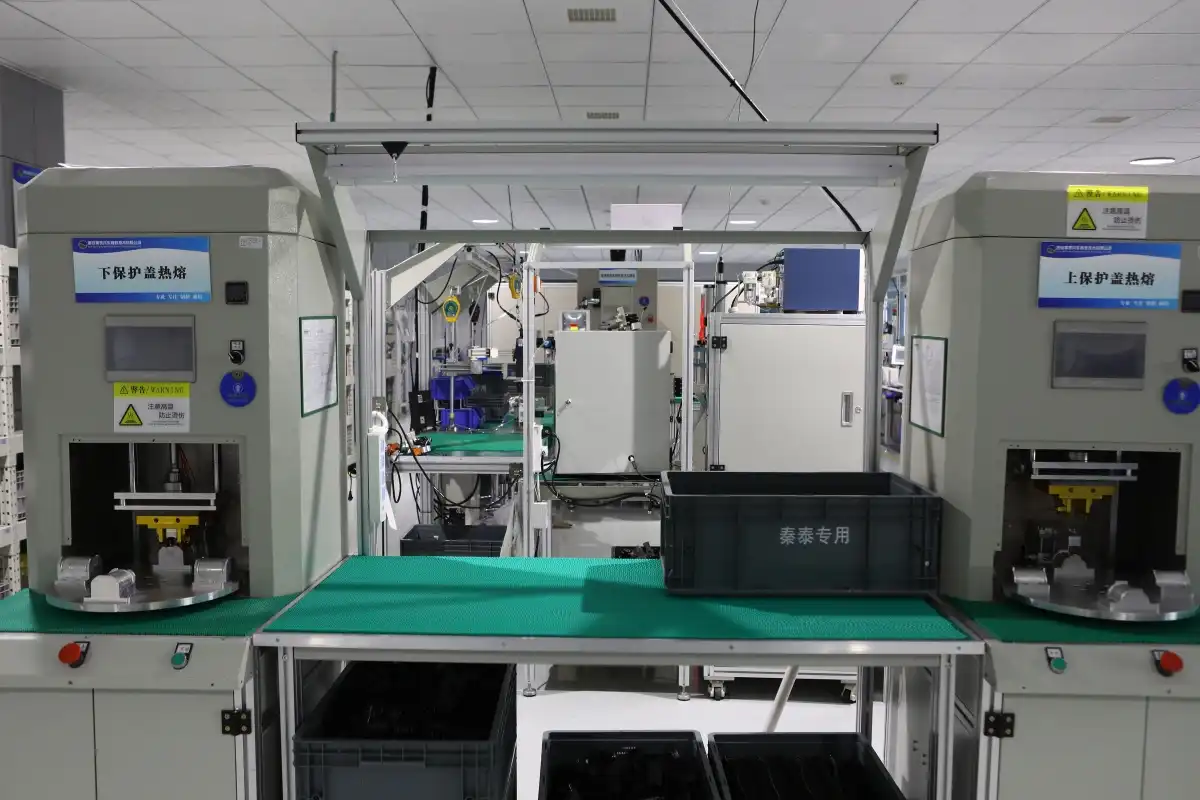
Qintai Automotive Emission Technology Co., Ltd. is the best OEM SCR Dosing Pump seller in China's tough market thanks to its more than 20 years of experience in diesel engine aftertreatment systems. Our independent research and development team has come up with 58 invention patents that solve real-world problems in emission control. Our IATF 16949-certified factories make sure that the quality is always up to par with international standards. We know that purchasing managers want suppliers who can show they have both technical know-how and the ability to make a lot of products.
Our partnerships with Weichai Power, Yuchai Power, and Quanchai Power prove that we can meet the needs of high-volume manufacturers. Full OEM and ODM services meet your unique application needs, from the first design consultation to mass production and help after the sale. Email our technical team at info@qt-sensor.com to talk about how to reduce the emissions from your diesel equipment, get more information, or set up a product trial. You can look at our full line of SCR system components and sensor technologies designed for tough industrial uses at qt-sensor.com.
References
1. Johnson, M., & Peterson, R. (2023). Advanced Diesel Emission Control Technologies: SCR System Design and Optimization. Society of Automotive Engineers International.
2. European Commission Directorate-General for Environment. (2022). Euro VI Heavy-Duty Vehicle Emission Standards: Technical Implementation Guidelines. Publications Office of the European Union.
3. Zhang, L., Kumar, A., & Williams, T. (2023). "Performance Analysis of Urea Dosing Systems in Heavy-Duty Diesel Applications." International Journal of Automotive Technology, 24(3), 687-702.
4. National Standard of the People's Republic of China. (2021). GB 17691-2018: Limits and Measurement Methods for Emissions from Diesel Fueled Heavy-Duty Vehicles (China VI). Standards Press of China.
5. Miller, K.D. (2024). Industrial Fluid Handling Systems: Pump Selection and Maintenance Strategies for Chemical Processing. McGraw-Hill Professional.
6. International Organization for Standardization. (2023). ISO 22241: Diesel Engines - NOx Reduction Agent AUS 32 - Quality Requirements. ISO Central Secretariat.



Our customers’ satisfaction speaks for our quality — contact us to experience the same reliable service.