- English
- French
- German
- Portuguese
- Spanish
- Russian
- Japanese
- Korean
- Arabic
- Greek
- German
- Turkish
- Italian
- Danish
- Romanian
- Indonesian
- Czech
- Afrikaans
- Swedish
- Polish
- Basque
- Catalan
- Esperanto
- Hindi
- Lao
- Albanian
- Amharic
- Armenian
- Azerbaijani
- Belarusian
- Bengali
- Bosnian
- Bulgarian
- Cebuano
- Chichewa
- Corsican
- Croatian
- Dutch
- Estonian
- Filipino
- Finnish
- Frisian
- Galician
- Georgian
- Gujarati
- Haitian
- Hausa
- Hawaiian
- Hebrew
- Hmong
- Hungarian
- Icelandic
- Igbo
- Javanese
- Kannada
- Kazakh
- Khmer
- Kurdish
- Kyrgyz
- Latin
- Latvian
- Lithuanian
- Luxembou..
- Macedonian
- Malagasy
- Malay
- Malayalam
- Maltese
- Maori
- Marathi
- Mongolian
- Burmese
- Nepali
- Norwegian
- Pashto
- Persian
- Punjabi
- Serbian
- Sesotho
- Sinhala
- Slovak
- Slovenian
- Somali
- Samoan
- Scots Gaelic
- Shona
- Sindhi
- Sundanese
- Swahili
- Tajik
- Tamil
- Telugu
- Thai
- Ukrainian
- Urdu
- Uzbek
- Vietnamese
- Welsh
- Xhosa
- Yiddish
- Yoruba
- Zulu
What Is the Function of a Temperature Transmitter in Automation?
A temperature transmitter serves as the critical bridge between temperature sensors and control systems in industrial automation. This device converts raw signals from thermocouples or resistance temperature detectors (RTDs) into standardized outputs like 4-20mA current signals or digital protocols such as HART. By transforming millivolt-level sensor readings into robust electrical signals, the temperature transmitter ensures accurate, noise-resistant communication with programmable logic controllers (PLCs), distributed control systems (DCS), and supervisory control and data acquisition (SCADA) platforms across demanding industrial environments.
Introduction
Every part of industrial technology needs to be precise, and measuring temperature is a key part of controlling the process, making sure the quality of the product, and keeping everyone safe. Accurate temperature data is needed to make important choices whether you're in charge of heavy-duty diesel engine emission aftertreatment systems, keeping an eye on the recirculation of exhaust gas in farming equipment, or handling generator set operations.
Temperature transmitters have changed over time from simple signal conditioners to smart devices that make measurements more accurate while making installation easier and lowering the cost of upkeep. This in-depth guide looks at how these devices work, which types are best for different uses, and what procurement managers and R&D engineers should think about when choosing suppliers who can meet strict emission compliance standards like China VI and Euro VI regulations.
Understanding Temperature Transmitters and Their Core Function
What Makes Temperature Transmitters Essential
Temperature sensors send out weak electrical signals that can be messed up by electromagnetic noise, voltage drops in long cable runs, and environmental factors. A temperature transmitter gets around these problems by amplifying sensor outputs and changing them into standard forms that current computer systems can use.
When the temperature of a thermocouple changes, it sends a signal that is conditional, uses linearization corrections, and sends out a proportional 4-20mA current that keeps the signal strong over lengths of more than 1,000 meters. This change lets you keep an eye on important factors like the temperatures of selective catalytic reduction (SCR) catalysts, the regeneration processes of diesel particulate filters (DPFs), and the temperatures of exhaust gasses in pollution control systems in real time.
Signal Conditioning and Noise Immunity
Motors, inverters, and high-voltage tools cause a lot of electromagnetic radiation in industrial settings. Temperature transmitters have filtering circuitry and differential input steps that get rid of common-mode noise while keeping the accuracy of the measurements. By using the same conductors for both power source and data transfer, the two-wire 4-20mA configuration gets rid of ground loop problems.
This design works especially well in heavy truck applications where vibration, electrical surges, and rough conditions make it hard for sensors to work reliably. In addition to being a standard current output, the device also has built-in diagnostics. A number below 4mA instantly alerts maintenance teams to sensor failure or wiring issues, so they can fix the problem before it causes damage to the equipment.
Integration with Control Architectures
Modern robotic systems depend on field devices and central computers being able to easily share data with each other. In addition to analog outputs, temperature transmitters can communicate using digital platforms such as HART, FOUNDATION Fieldbus, and Modbus. These protocols allow contact in both directions, so engineers can set up measurement ranges, get diagnostic data, and check the state of calibration without having to physically touch the device.
This feature speeds up commissioning and makes remote troubleshooting possible for aftertreatment system integration. Standardized outputs make system design easier because procurement managers can get transmitters from more than one supplier and still make the system work with the control infrastructure that is already in place.

Types of Temperature Transmitters and Their Applications
Head-Mounted Transmitters
When put directly on sensor connection points, these small units cut down on the amount of wiring that needs to be done and the cost of installation. Head-mounted temperature transmitters are good for tasks that need to convert signals locally because of limited space, like keeping an eye on the temperature in small generator sets or SCR dosing modules. Because they are close to the sensor, the signal doesn't get messed up before it is converted.
This makes them more accurate in places with a lot of vibration, like construction machinery. But these devices have to be able to handle the same wide ranges of temperatures as the sensors, so they need strong housings that can handle industrial conditions. We suggest head-mounted setups when the location of the sensors makes upkeep easy and wire runs to control rooms are kept to a reasonable distance.
DIN Rail Transmitters
Installing DIN rail-mounted temperature transmitters on control panels is helpful because they centralize signal processing in safe enclosures. This method works well for tasks that need to record more than one temperature at the same time, like full monitoring of the exhaust aftertreatment, where the input, catalyst bed, and exit temperatures all need to be recorded at the same time.
Centralized mounting makes servicing easier and lets workers check multiple channels without having to move tools around. Most DIN rail transmitters have more channels and support universal input configurations, which means they can work with both thermocouple and RTD sensors by changing how the software is set up instead of changing the hardware. This adaptability lowers the need for inventory while still allowing different types of sensors to work on different production lines.
Field-Mounted Transmitters
Field-mounted temperature transmitters with better environmental protection are needed for harsh industrial settings like mining equipment, offshore power generation, and farming machinery that works in harsh temperatures. These tough gadgets have entry protection grades of IP67 or IP68, can handle vibrations of more than 5g, and can work in temperatures ranging from -40°C to +85°C.
Certifications that make something explosion-proof, like ATEX or IECEx, let it be used in dangerous places where there may be flammable gasses or dust. Field-mounted temperature transmitters have local screens that let workers check readings without going to control rooms. This makes troubleshooting easier in remote areas. Ruggedized housings are an investment that pays off with lower failure rates and longer service times in tough environments.
Wireless Temperature Transmitters
New wireless technologies solve problems with retrofitting and can be used in places where installing cables would be impractical or too expensive. Wireless temperature transmitters that use protocols like WirelessHART or ISA100 get rid of the need for conduit runs while still providing the dependability needed for important measurements. Battery-powered units can be used in mobile tools or temporary installations.
However, how well they work for ongoing tracking depends on how much power they use and how often they need to be replaced. We're seeing more and more interest in wireless solutions for aftermarket installations where car owners want better diagnostic tools without having to do a lot of wiring. But before buying these devices for mission-critical tasks, procurement managers should make sure they work with the hardware of the wireless network and look for sources of disruptions.
Key Considerations When Purchasing Temperature Transmitters
Accuracy and Response Time Requirements
Emission control systems work in small temperature ranges where exact measurements are needed to determine how well the catalyst works, when it needs to be regenerated, and how much ammonia to use. Specifications for transmitter accuracy usually range from ±0.1% to ±0.5% of span. However, system performance is determined by the whole measurement chain, which includes sensor tolerance, transmitter accuracy, and effects of ambient temperature.
When conditions change quickly, like when the engine's load changes or when it regenerates, response time is very important because control algorithms have to respond to sudden changes in temperature. Instead of just looking at transmitter specs, buying managers should ask for full accuracy statements that list all the sources of mistake that go into the calculations. This all-around method keeps performance surprises from happening during system setup.
Communication Protocol Compatibility
A lot of older systems use 4-20mA analog signals, but more and more new installs need digital transmission for better diagnosis and more configuration options. The HART system adds digital signals on top of existing 4-20mA wiring. This lets you switch to digital transmission gradually without having to replace your infrastructure. This mixed method helps integrators of aftertreatment systems who need to keep current engine control units compatible while adding more advanced tracking features.
The specifications for the purchase should make it clear which protocols are needed and make sure that the transmitters can work with the specific versions of protocols that are already in use in control systems. Problems with compatibility between HART versions or Modbus implementations can make commissioning take longer and cost more if firmware needs to be updated or hardware needs to be replaced.
Environmental Protection and Certifications
Temperature sensors are exposed to vibration, wetness, chemical exposure, and high temperatures in heavy-duty uses. IP ratings show how well something is protected against dust and water getting in. IP67 is good enough for most uses, while IP68 is needed for submersible or washdown environments. Specifications for vibration resistance should match where the sensors are installed.
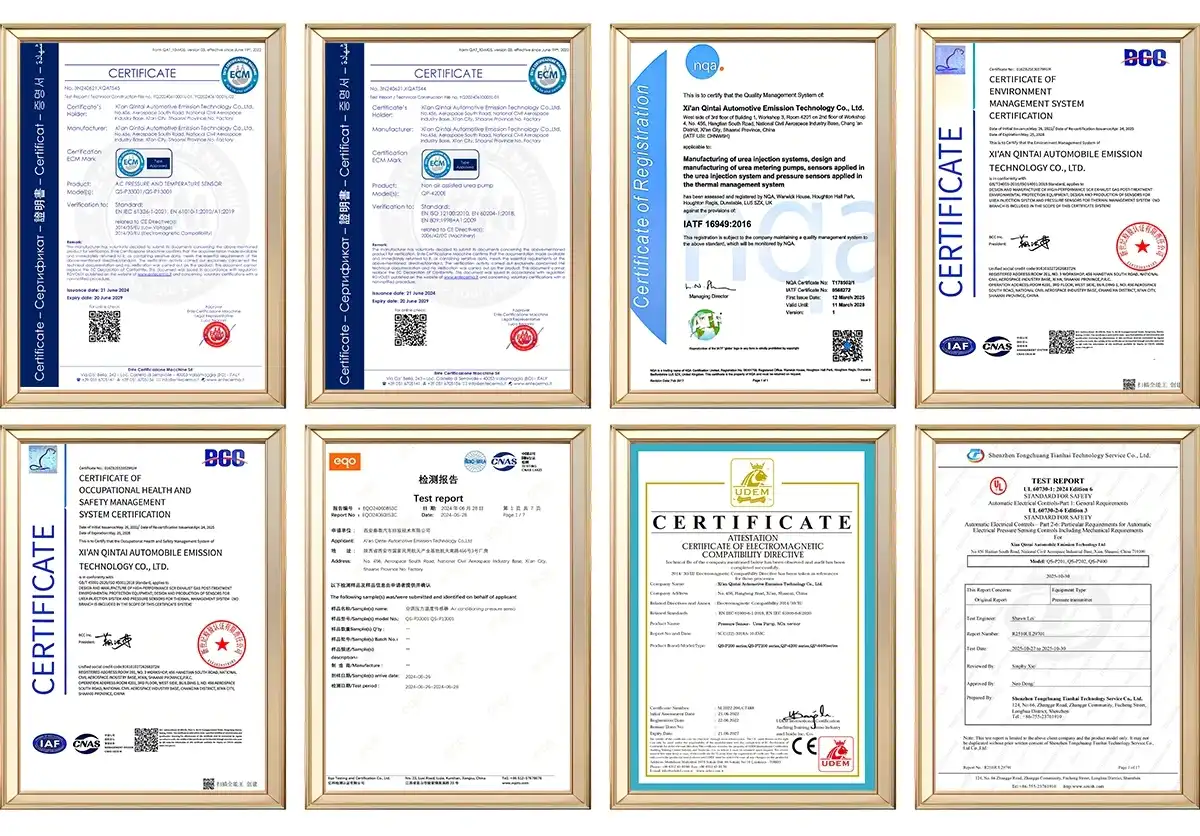
For example, sensors placed on the engine experience much higher amounts of vibration than sensors installed on the exhaust stack. Explosion-proof qualifications are needed for jobs that use natural gas engines, work with chemicals, or are in places where there is flammable dust. We keep a lot of certification paperwork, like ISO9001, IATF16949, and explosion-proof ratings, that helps with getting things bought and making sure temperature transmitters are following the rules.
Supplier Evaluation and Long-Term Partnership
In addition to product specifications, a supplier's ability to customize, provide technical support, and ensure on-time delivery are also important for a successful procurement. OEM makers and aftertreatment system integrators need partners who know how to deal with problems that are unique to each application and can make goods fit those needs. Our independent research and development team at Qintai has come up with 58 invention patents that support custom sensor solutions that solve the problems that come up when trying to control diesel engine emissions.
We are the main OEM supplier to Weichai Power, Yuchai Power, and Quanchai Power, which shows that we can meet high quality standards and handle large production volumes. Before choosing a supplier, purchasing managers should look at the supplier's track record in similar projects, confirm that the supplier has the right certifications for their quality management system, and see how quickly the supplier responds to technical support requests.
Installation, Calibration, and Troubleshooting of Temperature Transmitters
Installation Best Practices
The right place to mount a device has a big effect on how accurate it is and how long it lasts. Temperature transmitters and sensors should be placed so that they measure average process temperatures. They should be kept away from hotspots, cold spots, or flow disturbances that would give inaccurate readings. Mounting orientations are important. For example, head-mounted transmitters with electronics facing downward reduce the amount of heat that moves from the process to sensitive circuits.
When moving cables, they should stay away from power lines and high-frequency noise sources. Shielded cables should be grounded according to the manufacturer's instructions. Secure fixing with vibration-dampening hardware stops connections from coming loose and parts from wearing out too quickly in places where vibration is a problem, like big truck installations. Clear installation instructions and wiring diagrams that come with devices speed up commissioning and lower the risk of installation mistakes.
Calibration Procedures and Intervals
Calibration checks that the temperature transmitter's outputs match known temperature inputs correctly over the given measurement range. In the business world, temperature transmitters are usually calibrated by comparing their outputs to standards that can be tracked back to their original source. This is done at three to five places across the working range. Before they can be put into service, new systems need to be calibrated to look for damage from shipping or problems with the way they were made.
Calibration times rely on how important the application is and what the regulations say. For example, emission compliance systems may need to be checked every year, while less important applications can go two or three years between checks. The process of calibration records the average performance and looks for drift trends that show when breakdowns are about to happen. Because they provide audit trails that support ISO certification and regulatory compliance, calibration certificates are important paperwork for OEM manufacturers who care about quality.
Troubleshooting Common Issues
Signal errors show up as wrong readings, outputs that don't work right, or measurements that don't work at all. Systematic troubleshooting starts with checking the voltage and polarity of the power supply. Solid-state electronics are damaged by not having enough power or having connections that are backward. Resistance readings check that the sensor is still working and find any short or open circuits that could mean the sensor is broken. Readings that come and go are usually caused by loose connections, corroded leads, or wires that have been damaged by chemicals or vibration.
Modern transmitters that use HART transmission allow for remote diagnostics that find issues with sensors, setup mistakes, or internal faults without needing to physically reach the device. Keeping extra transmitters on hand lets you do quick replacement testing that lets you figure out whether the problem is with the sensors or the transmitters, cutting down on the time needed for diagnosis. Our technical support team is quick to respond to problems and helps customers fix problems in the field by using systematic diagnostic procedures that they've learned from years of experience using the products.
Future Trends and Innovations in Temperature Transmitters for Automation
IoT Integration and Predictive Maintenance
Temperature transmitters are being integrated into full monitoring systems that collect, analyze, and act on real-time data as part of Industry 4.0 initiatives. Not only do smart transmitters record process temperatures, they also record internal diagnostic factors such as power source voltage, sensor resistance, and ambient temperature. Advanced analytics algorithms look at this data to find signs of declining performance, guess how long the service will last, and plan maintenance before problems happen.
Generator set makers and construction equipment OEMs are asking for more transmitters that support predictive maintenance strategies. These transmitters cut down on unplanned downtime and make the best use of maintenance resources. These features are in line with digital twin methods, which use virtual models of equipment to compare how it actually works with how it should work, looking for differences that could mean problems are starting to appear.
Wireless Technologies and Computing at the Edge
Edge computing features in next-generation wireless temperature transmitters handle data locally before sending it, which lowers the network's bandwidth needs and allows real-time control replies. As battery technology gets better, the battery can now last for five years or more. This means that wireless solutions can be used for ongoing tracking. Mesh networking protocols make networks that can fix themselves and keep talking even if some nodes fail or get messed up.
However, using wireless in mission-critical situations needs careful network planning, interference analysis, and backup planning. We tell our customers to try out wireless solutions in non-essential areas first before putting them in all of their buildings. This way, they can gain operating knowledge and trust in the technology's dependability.
Enhanced Diagnostics and Self-Verification
Modern transmitters have self-diagnostic features that check the stability of the sensors all the time, look for moisture intrusion, and keep an eye on the health of internal components. Some devices automatically check the resistance of sensors while they are working, letting operators know when sensors are losing their ability to work before they fail completely.
This proactive method works especially well in emission control systems, where broken sensors can lead to de-rating or shutdown, which interrupts operations and costs a lot of money. Self-verification features cut down on the need for manual testing and give clear proof of the health of the measurement system for compliance checks. As rules on emissions get stricter and are enforced more strictly, these diagnostic features become differentiators that help vehicles meet the rules while lowering the costs of verification.
Conclusion
Temperature transmitters are very important in industrial automation because they turn raw sensor data into standard outputs that allow for accurate control, safety tracking, and following the rules. When procurement managers and engineers know about the different types of transmitters, how to choose one, and the best way to put it, they can make decisions that improve system performance and keep prices low. Industrial automation is still changing as smart transmitters with diagnostic tools, digital connection, and help with planned upkeep keep getting better.
Partnering with experienced providers who offer scientific know-how, high-quality products, and quick customer service is the best way to make sure that temperature measurement systems work reliably in a wide range of difficult situations. As rules about emissions get stricter and automation gets smarter, investing in good temperature measurement equipment gives businesses a competitive edge by making them more efficient, lowering downtime, and making sure they follow the rules.
FAQ
What Distinguishes a Transmitter from a Sensor?
Temperature sensors send out electrical signals that are proportional to the temperatures they record, but they can't change the signals in any way. An RTD changes resistance with temperature, while a thermocouple gives off millivolt-level signals. Before they can be used in control systems, these raw data need to be amplified, linearized, and changed to standard forms.
The electronics that do these things are built into temperature transmitters, which send out strong 4-20mA signals or digital communications that work with industrial control systems. This difference is important for buying things because some providers offer sensors that need separate signal conditioning, while others offer integrated solutions that include both sensing and communication in one box.
How Often Should Calibration Occur?
How often you need to calibrate relies on how important the application is, what the rules say, and how things have worked in the past. To meet regulatory verification needs, emission compliance systems usually need to be calibrated once a year. For tracking purposes that aren't important, the time between checks may be extended to 24 or 36 months if stability is proven.
Manufacturers should set calibration schedules after analyzing the risks that include what would happen if something fails, their legal responsibilities, and the drift patterns they have seen. Based on our experience with diesel engine aftertreatment systems, we think that checking them once a year is enough to give us peace of mind without having to pay too much for maintenance.
Can Transmitters Integrate with Existing Control Systems?
Standardized outputs make it possible for almost all industrial control systems to work with the device. Any device that accepts analog inputs can talk to the common 4-20mA current loop, and the HART protocol can be added on top of existing wires to allow digital communication without changing the infrastructure.
Managers in charge of buying things should make sure that the output ranges of temperature transmitters match the input needs of the control system and that digital methods can handle the changes that have already been made to installations. We offer thorough documentation on compatibility and expert help to make sure that our solutions work well with the control architectures of our customers.
Partner with Qintai for Reliable Temperature Transmitter Solutions
Choosing the right temperature transmitter supplier affects how reliable the product is, how well it meets regulations, and how well it runs in the long term. Qintai has been a main seller of sensors to China's top engine makers for over 20 years, so they know a lot about controlling the emissions from diesel engines. Our manufacturing methods are approved by ISO 9001 and IATF 16949, so the quality is the same no matter how much we make. We also have a wide range of certifications, such as CMC, Ex, UL, CE, REACH, and RoHS, which helps us reach customers around the world.
Our engineering team can make changes to standard goods to meet the specific needs of each application. These changes can be anything from different mounting options to custom communication methods.As China's top OEM supplier, our dedication to new ideas, high quality, and close customer relationships shows. As procurement managers, we know how hard it is to keep costs down while still meeting quality standards. Our mass production allows us to offer competitive prices without sacrificing reliability.
Technical support goes beyond the initial sale. Throughout the lifecycle of a product, our responsive after-sales team helps with installation, troubleshooting, and application optimization. Qintai is ready to help you succeed whether you're making the next generation of SCR systems, adding sensors to construction equipment, or finding reliable parts for making generator sets.
Get in touch with us at info@qt-sensor.com to talk about your temperature transmitter needs. We offer custom solutions, low prices for large orders, and the technical know-how that turns choosing sensors from a task to be bought into a strategic advantage. You can look at our whole line of sensors at qt-sensor.com and find out why top makers choose Qintai as their temperature transmitter source for tough industrial uses.
References
1. Johnson, R. & Williams, T. (2021). Industrial Temperature Measurement Systems: Design and Application. Technical Publishing International.
2. Chen, L., Zhang, M., & Kumar, S. (2022). "Signal Conditioning Technologies for Industrial Sensors." Journal of Process Control Engineering, 45(3), 178-192.
3. European Commission Directorate-General for Environment (2020). Emission Control Technologies for Heavy-Duty Diesel Engines. Brussels: EU Publications Office.
4. Anderson, P. (2023). Smart Transmitters and Industry 4.0 Integration. Automation Press.
5. International Society of Automation (2022). "Temperature Transmitter Selection and Installation Guidelines." ISA Technical Report TR-103.2.
6. Miller, D. & Rodriguez, A. (2021). "Wireless Sensor Networks in Industrial Automation." IEEE Transactions on Industrial Electronics, 68(12), 12483-12497.

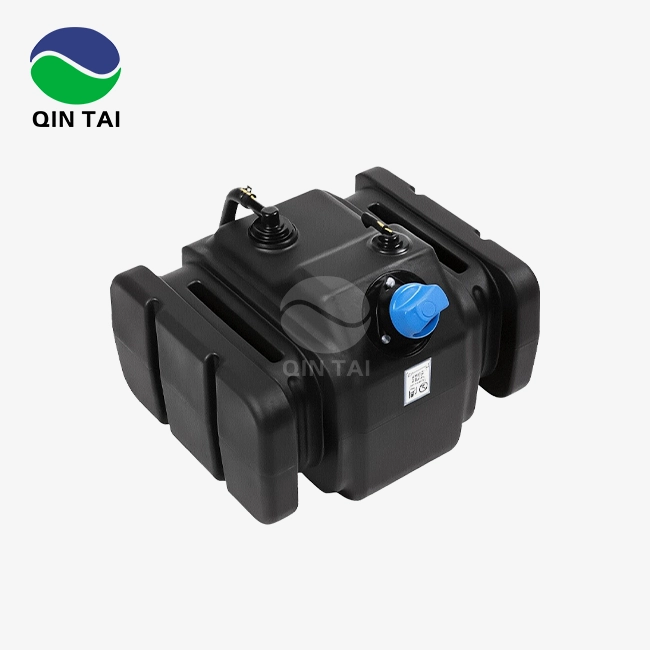

Our customers’ satisfaction speaks for our quality — contact us to experience the same reliable service.