- English
- French
- German
- Portuguese
- Spanish
- Russian
- Japanese
- Korean
- Arabic
- Greek
- German
- Turkish
- Italian
- Danish
- Romanian
- Indonesian
- Czech
- Afrikaans
- Swedish
- Polish
- Basque
- Catalan
- Esperanto
- Hindi
- Lao
- Albanian
- Amharic
- Armenian
- Azerbaijani
- Belarusian
- Bengali
- Bosnian
- Bulgarian
- Cebuano
- Chichewa
- Corsican
- Croatian
- Dutch
- Estonian
- Filipino
- Finnish
- Frisian
- Galician
- Georgian
- Gujarati
- Haitian
- Hausa
- Hawaiian
- Hebrew
- Hmong
- Hungarian
- Icelandic
- Igbo
- Javanese
- Kannada
- Kazakh
- Khmer
- Kurdish
- Kyrgyz
- Latin
- Latvian
- Lithuanian
- Luxembou..
- Macedonian
- Malagasy
- Malay
- Malayalam
- Maltese
- Maori
- Marathi
- Mongolian
- Burmese
- Nepali
- Norwegian
- Pashto
- Persian
- Punjabi
- Serbian
- Sesotho
- Sinhala
- Slovak
- Slovenian
- Somali
- Samoan
- Scots Gaelic
- Shona
- Sindhi
- Sundanese
- Swahili
- Tajik
- Tamil
- Telugu
- Thai
- Ukrainian
- Urdu
- Uzbek
- Vietnamese
- Welsh
- Xhosa
- Yiddish
- Yoruba
- Zulu
Urea Dosing Pump vs. Injector: Which Is Best for Your Fleet?
The correct emission control technology may make or break your diesel fleet compliance strategy and operating effectiveness. In Selective Catalytic Reduction (SCR) systems, urea dosing pumps and injectors compete on dependability, accuracy, and cost. Urea Dosing Pump feeds diesel exhaust fluid (DEF or AdBlue) from the tank to the dosing module at regulated pressure for accurate NOx reduction and catalyst efficiency. Long-term performance, maintenance costs, and regulatory compliance depend on whether technology meets your fleet's needs, whether heavy trucks, construction machinery, agricultural equipment, or generator sets.
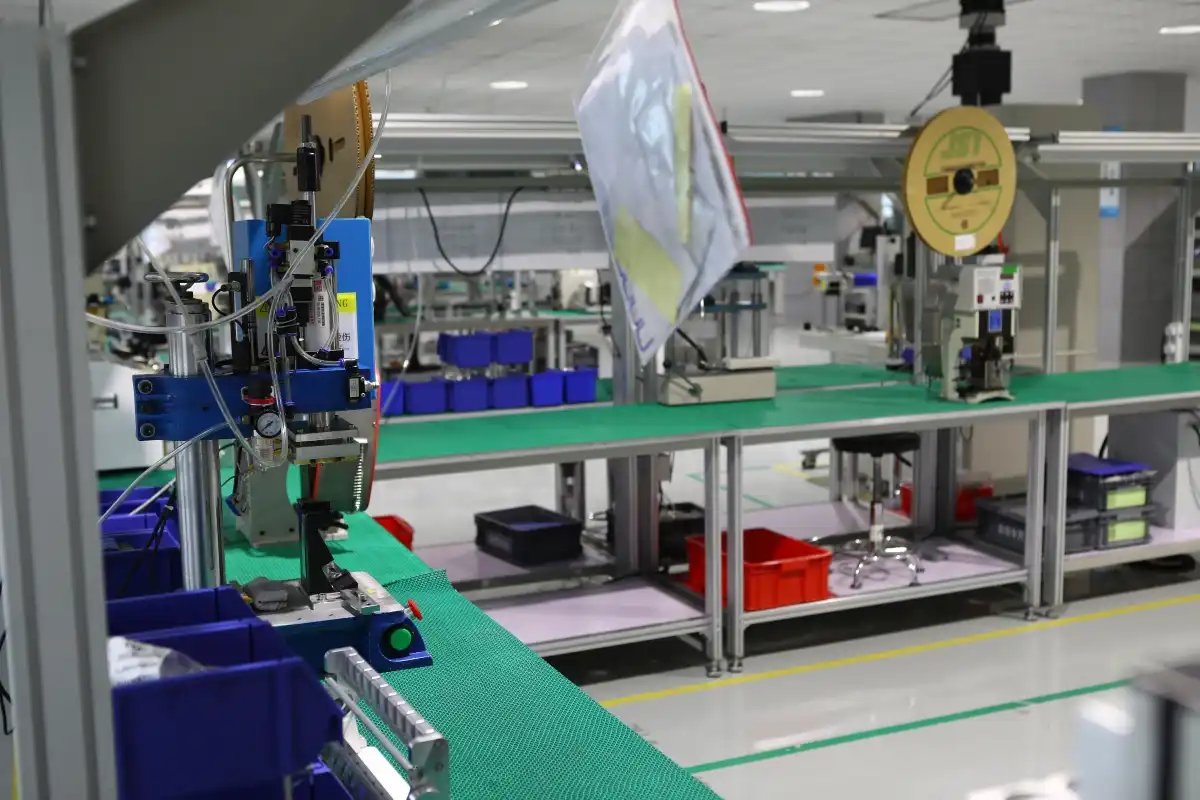
Introduction
SCR systems are important for modern diesel engines to meet strict pollution standards like EPA 2010, Euro VI, and China VI rules. Urea Dosing Pumps and injectors are two very important parts that make these systems work. Both inject AdBlue into the exhaust stream to change harmful nitrogen oxides into harmless nitrogen and water, but they work in very different ways. Procurement managers and R&D engineers have to make a big choice: which technology will work better with current aftertreatment systems, perform better, and cost less over its lifetime?
This comparison looks at performance measures, maintenance needs, cost factors, and benefits related to the program for B2B procurement pros who manage a variety of fleets. Whether you're in charge of heavy-duty trucks going on long-haul routes or fixed generator sets in remote mines, knowing the ins and outs of these technologies is important for making smart decisions that balance initial investment with long-term dependability.
Understanding Urea Dosing Pumps and Injectors
Core Functionality in SCR Systems
The Urea Dosing Pump is the most important part of the DEF delivery system. It takes fluid from the tank and presses it up so that it can be injected precisely into the exhaust stream. Modern pumps have small housings that hold many functions inside. These functions include filters, heaters to keep the fluid from freezing, and purge mechanisms that stop crystallization during shutdown cycles. These pumps talk to the Engine Control Unit (ECU) directly and change the amount of fuel they use based on the load on the engine, the temperature of the exhaust, and feedback from NOx sensors.
While this is going on, injectors break up the pressurized AdBlue solution into tiny droplets, which helps the chemical reaction inside the SCR catalyst work better. The spray pattern, droplet size, and timing of the injector all have a direct effect on how well the conversion works. Modern injectors have many spray holes and pulse-width modulation control, which lets them react quickly to changes in the exhaust.
Design Variations and Mechanisms
Heavy-duty diesel pumps are mostly diaphragm pumps because they can work with different pressures and keep flow rates constant across a wide range of temperatures. These pumps make pressure by moving a floppy sheet back and forth. This keeps the AdBlue away from mechanical parts to reduce the risk of contamination. Their design naturally reduces vibration, which keeps downstream injectors safe from sudden changes in pressure.
Systems with pistons can handle higher pressures, which makes them ideal for big engines that need more DEF flow. Gear pumps can keep the flow going all the time, but they are usually used for lighter-duty tasks where cost and ease of use are more important than precise dosing control. When procurement teams know these differences, they can better match pump technology to different engine platforms and duty cycles.
Performance and Operational Comparison
Dosing Accuracy and Flow Control
In SCR systems, accuracy is very important. Dosing too much wastes expensive AdBlue and increases the chance of ammonia slip, which is when unburned urea passes through the catalyst and causes pollution in a second place. If you don't dose enough, you won't meet your emission goals, which can cause trouble codes and possibly engine derating. Even when tank levels change or the surrounding temperature changes from -40°F to 140°F, modern Urea Dosing Pumps keep steady delivery with an accuracy of within 5% across their working range.
How well an injector works depends a lot on how stable the pressure upstream is. When used with good pumps, injectors produce very fine particles, with most droplets being 50 to 150 microns in size. This fine mist helps the exhaust gases mix quickly and completely break down before they reach the catalyst. The general efficiency of the device depends on how well the Urea Dosing Pump and injector work together. Pressure variations, irregular spray patterns, and premature wear are all caused by parts that don't fit together well.
Maintenance Requirements and Durability
Parts that can handle millions of dosing cycles in harsh operating conditions are needed for heavy-duty applications. Quality Urea Dosing Pumps can work for 300,000 to 500,000 hours before they need major repairs. However, this depends on the type of duty and the quality of the AdBlue. Built-in heating elements stop crystallization in cold weather, and automatic purge functions clean the lines after the system is turned off, keeping it from getting clogged up, which can happen with poorly designed systems.
Injectors have their own problems to deal with. Spray patterns and flow features slowly get worse when they are exposed to hot exhaust gases and thermal cycling. Carbon builds up around injection nozzles, especially when low-quality AdBlue adds impurities or when systems are used often with low loads. Heavy trucks should be inspected every 150,000 to 200,000 miles as a rule. This helps find problems with performance before they become illegal. Accessibility for maintenance is very important; systems that need to be taken apart in large parts to change injectors have a lot more downtime and cost a lot more in work.
Energy Efficiency and Operational Noise
Energy use is a hidden cost that isn't usually brought up in the beginning of a procurement discussion. Electric Urea Dosing Pumps usually use between 60 and 120 watts when they are actively dosing and less than 5 watts when they are not in use. Over thousands of hours of use, efficient pump designs lower parasitic electrical loads. This is especially important for backup power systems that run on batteries or generator sets, where every watt counts toward saving fuel.
A lot of noise can make it hard for big trucks and building equipment drivers to be comfortable. Good pumps work at 45 to 55 decibels, which is barely audible above the noise from the engine. Cheaper alternatives make clicking or whining sounds that can be heard and make operators tired during long shifts. This small thing affects how happy and loyal drivers are, which is something that more and more forward-thinking fleet managers look at when they are choosing component providers.
Choosing the Right Technology for Your Fleet
Matching Technology to Application Requirements
Heavy trucks that drive over 100,000 miles a year need systems that have been tested and proven to work in millions of real-world hours. When construction equipment is used in places with a lot of dust and shaking, it needs to be sealed so that dust and moisture can't get in. Systems that are better at starting up from a cold start and can store things for longer are useful for agricultural equipment that is only used during certain times of the year. Generator sets need parts that can handle continuous duty cycles with little maintenance.
Cost Considerations Beyond Initial Purchase
Upfront component costs are only one part of figuring out the total cost of ownership. A Urea Dosing Pump that costs $800 to $1,500 may seem pricey compared to injectors that cost $300 to $600, but the pump's integrated design means that it doesn't need separate heater modules, filters, or pressure regulators, which are needed by systems that only use injectors. When OEMs and big fleet owners negotiate bulk purchases with well-known suppliers like Qintai, they can get savings of up to 15–25% on sales of more than 100 units. This makes the project economically much more attractive for them.
The rules of each manufacturer's warranty are very different. Premium sellers back their products with 24- to 36-month guarantees that cover problems and loss of performance, as well as expert support teams that are quick to respond. Budget options often only cover you for one year and don't offer much technical help when you run into problems during the integration process.
The quality of after-sales service, such as the availability of spare parts, the depth of technical documentation, and the speed with which field service can respond, has a big effect on lifecycle costs. When parts break down early in remote areas, it costs a lot because of faster shipping, emergency fixes, and vehicle downtime.
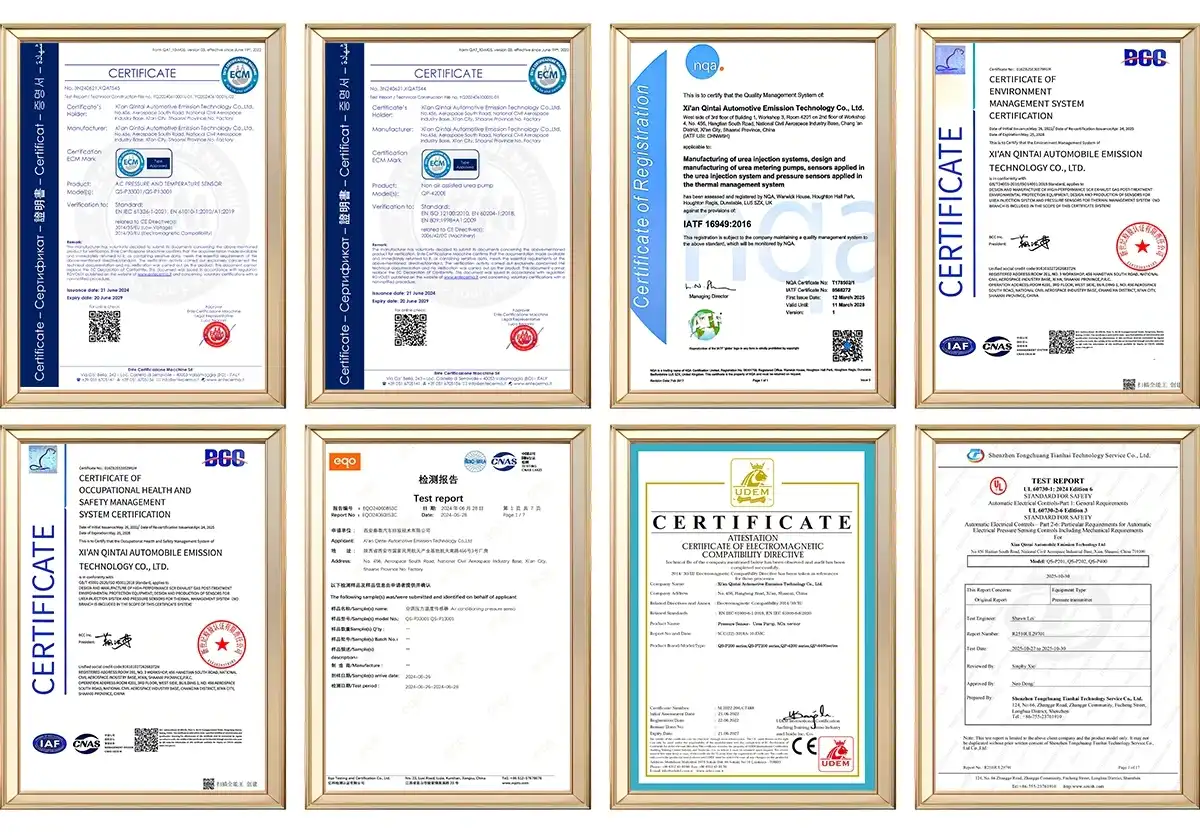
To meet the requirements of EPA Tier 4 Final, Euro VI, and China VI, parts must be certified and meet strict performance and durability criteria. Purchasing managers need to check that suppliers have the right certifications, such as ISO 900 quality systems, IATF 16949 automotive quality standards, and any regional approvals that are needed. Leading manufacturers keep a lot of certifications that show they are compliant with global markets.
This makes it easier to deploy fleets in multiple regions. The size of the fleet has a big effect on the buying plan. Standardizing on tried-and-true platforms that make parts inventory, technician training, and diagnostic procedures easier is good for businesses that are in charge of 50 or more vehicles.
Smaller companies might choose universality over specificity, choosing parts that work with a variety of engine systems to get the most out of their options. The level of difficulty in integrating an SCR system varies. Some OEM installs use special transmission methods that need certain pump-injector combinations, while aftermarket retrofits are more compatible with a wider range of systems.

Case Studies and Industry Best Practices
A heavy-truck fleet in the Midwest with 200 Class 8 tractors recently switched from generic aftermarket injectors to Urea Dosing Pump systems that are fully integrated and communicate with Bosch-compatible ECUs. Over 18 months, the fleet saw a 23% drop in AdBlue use because of more accurate doses, and the number of failed emission tests dropped from 8% to less than 1%.
The time between maintenance visits went from 150,000 to 225,000 miles, which saved a lot of money on labor. The operations manager said that the supplier's technical support, which included on-site commissioning help and diagnostic training, was very important to the implementation going well.
A construction machinery company that made small excavators for the North American market had to deal with a lot of guarantee claims about SCR systems breaking down in dusty places. An engineering study showed that regular injector designs let particles get in, which blocked the nozzles and made the spray patterns less consistent.
Within the first year, warranty claims dropped by 67% after sealed Urea Dosing Pump units with built-in filtering were used instead. The company now uses these strong systems in all of its products because it thinks the small extra cost is worth it to protect against failures in the field and damage to the company's image.
New combination systems take the best parts of both technologies and put them together. High-pressure pumps feed air-assisted injectors in more advanced designs. This makes for better atomization with a lower chance of clogging. It looks like these systems could work well for ultra-low NOx applications and the next generation of emission standards. Even though they are more expensive now, economies of scale and competition are likely to make hybrid technologies commonplace in three to five years.
Final Decision-Making Framework for Procurement Managers
To choose the right technology, you need to carefully look at it from a lot of different angles. Some performance markers are accurate dosing (within ±5% of the goal), a flow rate range that matches the engine's displacement, and stable pressure across all working temperatures, all of which depend heavily on the Urea Dosing Pump. Operational costs include how much energy is used, how well AdBlue works, and how many maintenance hours are needed for every thousand operating hours. For heavy-duty uses, component durability specs should call for a service life of at least 300,000 hours, along with clear documentation of how the part failed.
Conditions specific to the fleet have a big impact on the best technology choices. Long-haul trucks use systems that have been tested in harsh climates and over a lot of miles. Vehicles used for work that have to stop and start a lot need to be able to warm up quickly and have strong cleaning features. Stationary power output needs rates for constant duty and little to no human input. Compliance certification requirements are affected by regional laws. For example, testing methods and paperwork needs for EPA certification are different from those for Euro VI approval.
When evaluating a vendor, you should look at their technical skills, such as their R&D depth, manufacturing quality systems, and the resilience of their global supply chain. Companies like Qintai, which has been around since 2001 and has 58 idea patents and certifications from ISO 9001, IATF 16949, and regional standards, show that they are dedicated to quality and growth all the time.
As China's main OEM supplier to Weichai Power, Yuchai Power, and Quanchai Power, they have shown that they can be trusted on a large scale. When adding parts to current platforms or making next-generation systems with custom interfaces and performance requirements, the ability to customize is very important.
It is recommended that procurement managers ask for detailed technical documentation that includes performance curves, reliability data, and integration guidelines. Before committing to large orders, suppliers can prove their promises through pilot testing with 5–10 units in typical job cycles. Setting up clear lines of communication with the engineering teams of suppliers, along with dedicated technical contacts and clear response time commitments, can help avoid costly delays during the integration phases.
Conclusion
When deciding between Urea Dosing Pumps and injector-based systems, you need to carefully look at how your fleet works, how much money you have, and how well you want it to perform in the long run. Integrated Urea Dosing Pump options are very useful for heavy-duty tasks that need to be very reliable, have easy upkeep, and meet strict emission standards.
Even though they cost more at first, they usually pay for themselves over time because they last longer between repairs, use less AdBlue, and break down less often. Injector-focused systems work best in lighter-duty situations where ease of use and lower initial cost are more important than long-term costs. The best option strikes a balance between technical needs and business realities. Procurement managers who take the time to learn about these details set up their fleets for operational excellence and regulatory confidence.
FAQ
How do I determine the right urea dosing technology for my specific fleet?
Check the details of your normal duty cycle, such as the daily mileage, operating temperature ranges, and engine load profiles. Urea Dosing Pump systems are usually better for heavy-duty applications that go over 50,000 miles a year. On the other hand, easier injector-based methods might be better for lighter-duty applications or projects with limited budgets. Talk to technical experts. They can look at your engine's specs and pollution goals and suggest the best options.
What maintenance practices maximize urea dosing system durability?
To keep things clean, only use AdBlue that is ISO 22241-compliant and comes from a reputable supplier. Set up regular checkup times—every 100,000 miles for cars and once a year for fixed equipment—to look for crystallization, connection leaks, and broken wires. To avoid blockages, you should always run purge processes before long storage times. By teaching workers the right way to do diagnostics, you can cut down on wrong diagnoses and parts replacements that aren't needed.
Are energy-efficient urea dosing pump options available?
Newer designs use brushless DC motors and better control algorithms, which cut power use by 20 to 30 percent compared to older technologies. Look for pumps that say their idle current is less than 100mA and their active draw is less than 100 watts. When applied to large teams, these efficiency gains add up to big savings on fuel and less stress on power systems.
Partner with Qintai for Superior Urea Dosing Pump Solutions
Qintai Automotive Emission Technology Co., Ltd. offers the best DEF urea pump technology, backed by 20 years of top-notch engineering and efficiency in over 60 countries around the world. We are China's top OEM seller and have 58 idea patents and IATF 16949 certification. We offer integrated Urea Dosing Pump systems that are small, have built-in freeze protection, dosing accurately in all temperatures, and work very well with Bosch ECU platforms. Our manufacturing skills allow us to make both large quantities for OEMs and one-of-a-kind solutions for specific uses.
Whether you're developing next-generation heavy trucks, upgrading construction equipment fleets, or sourcing components for aftermarket distribution, our technical team provides comprehensive support from initial specification through production ramp-up and field service.
Reach out to info@qt-sensor.com to discuss your requirements with experienced engineers who understand emission compliance challenges and can recommend optimized urea dosing pump manufacturer solutions. Visit qt-sensor.com to explore our complete product portfolio and request custom quotations tailored to your volume and technical requirements.
References
1. Johnson, M. & Peterson, R. (2022). Advanced SCR Technologies for Heavy-Duty Diesel Engines. Society of Automotive Engineers Technical Paper Series.
2. European Commission Joint Research Centre. (2021). Euro VI Emission Control Systems: Performance and Durability Assessment. Publications Office of the European Union.
3. Chen, L., Wang, Y., & Zhang, H. (2023). Comparative Analysis of Urea Dosing Systems in Commercial Vehicle Applications. International Journal of Automotive Technology, 24(3), 687-702.
4. American Trucking Associations Technology & Maintenance Council. (2022). Best Practices for SCR System Maintenance in Fleet Operations. TMC Recommended Practice Guidelines.
5. Sharma, P. & Kumar, A. (2021). Emission Control Technologies for Off-Highway Diesel Engines. Journal of Industrial Engineering and Management, 15(2), 245-268.
6. National Renewable Energy Laboratory. (2023). Diesel Exhaust Fluid Quality and Its Impact on SCR System Performance. U.S. Department of Energy Technical Report NREL/TP-5400-84321.
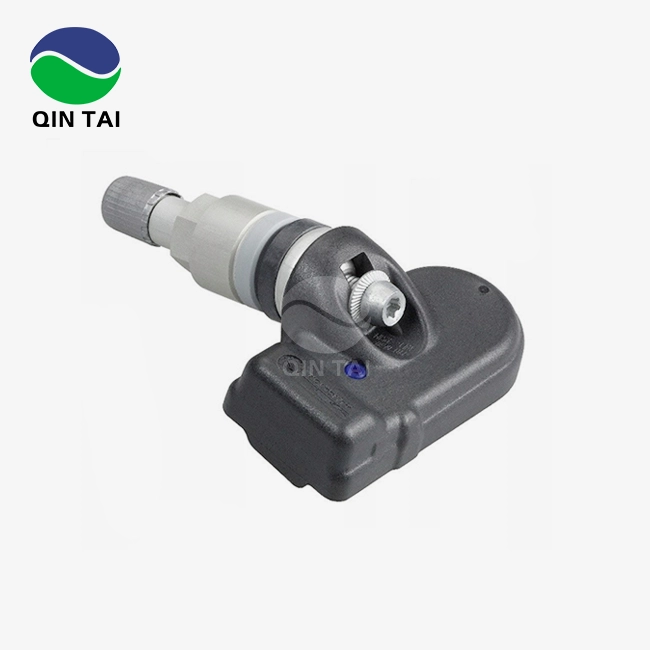
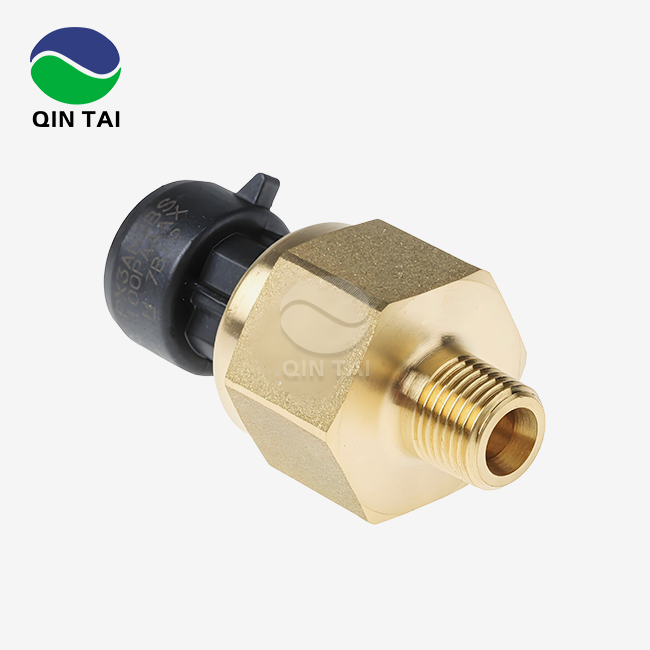

Our customers’ satisfaction speaks for our quality — contact us to experience the same reliable service.