- English
- French
- German
- Portuguese
- Spanish
- Russian
- Japanese
- Korean
- Arabic
- Greek
- German
- Turkish
- Italian
- Danish
- Romanian
- Indonesian
- Czech
- Afrikaans
- Swedish
- Polish
- Basque
- Catalan
- Esperanto
- Hindi
- Lao
- Albanian
- Amharic
- Armenian
- Azerbaijani
- Belarusian
- Bengali
- Bosnian
- Bulgarian
- Cebuano
- Chichewa
- Corsican
- Croatian
- Dutch
- Estonian
- Filipino
- Finnish
- Frisian
- Galician
- Georgian
- Gujarati
- Haitian
- Hausa
- Hawaiian
- Hebrew
- Hmong
- Hungarian
- Icelandic
- Igbo
- Javanese
- Kannada
- Kazakh
- Khmer
- Kurdish
- Kyrgyz
- Latin
- Latvian
- Lithuanian
- Luxembou..
- Macedonian
- Malagasy
- Malay
- Malayalam
- Maltese
- Maori
- Marathi
- Mongolian
- Burmese
- Nepali
- Norwegian
- Pashto
- Persian
- Punjabi
- Serbian
- Sesotho
- Sinhala
- Slovak
- Slovenian
- Somali
- Samoan
- Scots Gaelic
- Shona
- Sindhi
- Sundanese
- Swahili
- Tajik
- Tamil
- Telugu
- Thai
- Ukrainian
- Urdu
- Uzbek
- Vietnamese
- Welsh
- Xhosa
- Yiddish
- Yoruba
- Zulu
What Is the Difference Between RTD and Temperature Transmitters
The core difference lies in their function within industrial temperature measurement systems. An RTD (Resistance Temperature Detector) acts as a sensing element that changes its electrical resistance as temperature fluctuates, providing raw measurement data. A temperature transmitter, meanwhile, is an electronic device that receives signals from sensors like RTDs, conditions and converts them into standardized outputs such as 4-20mA or digital protocols compatible with control systems.
Essentially, the RTD detects temperature changes, while the transmitter processes and communicates this information across industrial networks, enabling precise monitoring and control in demanding applications like diesel engine exhaust systems and SCR aftertreatment environments.
Understanding RTD and Temperature Transmitters: Definitions and Working Principles
To understand industrial temperature measurement, you need to know about two basic parts that work together but do different things. Procurement managers and R&D engineers can make better decisions about system stability and legal compliance when they know how these devices work separately and together.
What Is an RTD Sensor?
An RTD works on a simple physical principle: as the temperature changes, the resistance of some metals changes in a way that can be predicted. Platinum is still the best material because it stays stable and accurate over a wide range of temperatures. Most of the time, Pt100 and Pt1000 sensors are used. At 0°C, their base resistances are 100 ohms and 1000 ohms, respectively. When put in diesel engine exhaust pipes or SCR catalyst beds, these monitors keep an eye on the temperature all the time. The temperature information is carried by the resistance value itself, but this raw signal needs to be handled carefully so that it stays accurate while being sent to control equipment.
What Is a Temperature Transmitter and How Does It Function?
A temperature transmitter is the smart link between the data from sensors and the infrastructure for industrial control. When the temperature transmitter is hooked up to an RTD, it does a number of important things at once. It gives the RTD an excitation current, accurately measures the resistance that is measured, lines up the response curve, accounts for the resistance of the lead wire, and turns the processed data into standard output signals used in the industry.
This makes it possible for digital communication protocols like HART, Profibus, or Modbus to work with PLCs, SCADA systems, and data acquisition platforms without any problems. Modern temperature transmitters can also do diagnostics, which means they can let workers know about problems like sensor drift, wiring issues, or being out of range before they affect process control.
The Measurement Loop: How RTDs and Transmitters Work Together
RTDs and temperature transmitters work together to make a measurement loop that is used in real life in heavy machinery and power generation systems. The RTD element is attached to the measurement point and could be used to check the temperature of waste gas in a generator or the temperature of water in building equipment. The RTD data can be sent to the temperature transmitter through two, three, or four wires. The temperature transmitter can be head-mounted directly on the sensor assembly, field-mounted in a junction box, or DIN-rail mounted in a control cabinet.
There are different trade-offs between accuracy and fitting difficulty for each wire method. The microprocessor in the temperature transmitter uses complex algorithms to turn readings of resistance into temperature values. These values are then scaled to fit the output signal range. This processed signal reliably moves over long distances without losing its quality. It keeps the accuracy of measurements even in electrically noisy industrial settings where electromagnetic interference from motors, drives, and switching equipment could mess up sensor signals that weren't processed.

Core Comparison: RTD vs Temperature Transmitter
When choosing parts for emission control systems, aftertreatment tracking, or any other use where temperature management has a direct effect on compliance and performance, it is important to be able to tell the difference between RTDs and temperature transmitters.
Signal Output Characteristics
The most obvious difference between these devices is the signal they send out. An RTD's resistance value changes with its temperature coefficient, which for Pt100 sensors is about 0.385 ohms per degree Celsius. For measuring this resistance signal, you need special tools that can pick up on small changes, usually through precise bridge circuits or ways that use constant current. If you don't condition the signal, this raw resistance can be affected by electrical noise, voltage drops across cables, and interference from other electrical equipment nearby.
Temperature transmitters take this weak resistance signal and turn it into a strong communication format that can be used in industrial settings. The common 4-20mA current loop is very good at blocking noise because the current stays the same throughout the circuit even if the voltage drops along reasonable cable lengths. When a temperature transmitter sends out 4mA, it means the lower range value, which could be 0°C.
When it sends out 20mA, it means the higher range value, which could be 500°C for exhaust tracking. This standardization makes it possible for any device that receives the information to properly understand it. Digital communication protocols make things even more useful by letting you send more than just temperature values through a single pair of cables. These protocols can send diagnostic data, configuration parameters, and multiple process variables at the same time.
Installation and Integration Considerations
Whether you use standalone RTDs or integrated temperature transmitter solutions, the installation requirements are very different. For a simple RTD installation, you need to pay close attention to the resistance of the lead wires, especially in three-wire setups where error is kept to a minimum with compensation methods. The receiving device needs to have the right amount of excitation current and the right circuitry to accurately measure small changes in resistance. This method works well for uses with short cable runs and equipment that already has input units that are compatible.
Systems with temperature transmitters make integration a lot easier, especially when the distances are long. Near the measurement point, the temperature transmitter does all of the signal filtering and then sends standard signals that any control system can understand. This setup lowers the cost of wires in big buildings, gets rid of worries about lead resistance, and lets you mix tools from different brands without having to deal with compatibility issues. This plug-and-play interoperability speeds up commissioning and lowers engineering costs when adding emission tracking systems across heavy-duty truck platforms or spread generator sets.
Calibration and Accuracy Management
The steps for calibrating different types of devices are very different. When set up correctly for their working conditions, RTD sensors don't tend to drift. Platinum elements stay remarkably stable over many years of use. When calibrating a sensor, the resistance is usually checked at known temperature reference points. If readings deviate too far from what is acceptable, which doesn't happen very often with good sensors, the element is then replaced. The measuring tool that receives the RTD signal is really responsible for calibrating itself.
Temperature transmitters need to be calibrated on a regular basis to keep their accuracy levels at a certain level. This process checks the whole signal chain, which includes triggering of the sensor, measurement of resistance, linearization methods, and production of an output signal. Digital calibration saved in non-volatile memory in high-quality temperature transmitters lets adjustments be made without changing hardware parts. Some more modern units can be calibrated from a distance and can automatically correct for drift using reference standards that are built in. Documentation of calibration traceability to national standards is required when choosing equipment for uses governed by EPA emission standards or Euro VI compliance. This makes temperature transmitters with full diagnostics and calibration records extra valuable.
Choosing Between RTD and Temperature Transmitters for Industrial B2B Procurement
When making purchases, people have to weigh the technical needs against the available funds, the supplier's skills, and the overall costs of running the business in the long term. Knowing when each setup gives the best value makes sure that resources go to solutions that really meet the needs of the application, temperature transmitter being a prime example where precision and durability must be balanced against budget and lifecycle expenses.
Application-Specific Selection Criteria
The environment has a big impact on the choice of components. Standalone RTDs linked to multi-channel input units are a cheap way to measure things in relatively safe places with short wire runs and stable electrical environments. For example, they could be used to check the bearing temperatures of stationary equipment in climate-controlled buildings. When you are monitoring dozens or hundreds of temperature points from one place, the centralized approach to signal conditioning lowers the cost per point.
Different strategies are needed in harsh environments. Diesel engine compartments, building equipment that is open to weather and vibration, farming equipment that works in dusty conditions, and generator sets in remote mines are all situations where temperature transmitter-equipped options are most useful. The temperature transmitter keeps the accuracy of the measurements safe by processing data locally, before they reach dangerous electrical settings. Explosion-proof and intrinsically safe temperature transmitter models meet the certification needs for dangerous locations. IP-rated enclosures can handle water, dust, and mechanical abuse that would damage sensor assemblies that are mounted on cables.
Evaluating Leading Temperature Transmitter Manufacturers
The market for industrial automation has a lot of different temperature transmitters, and each one has its own benefits. Emerson's Rosemount temperature transmitters are known for being reliable in the process industries. They come with both traditional analog outputs and WirelessHART options that get rid of the need for any signal cables. Their ability to measure more than one element makes it possible to keep an eye on both temperature and pressure, which is useful in SCR dose control systems.
Yokogawa temperature transmitters work great with distributed control systems because they have strong versions of FOUNDATION Fieldbus and Profibus, which are popular in power production. Endress+Hauser makes modular temperature transmitter platforms that let users switch between different types of sensors without having to replace the electronics. This is useful for standardizing measurements for a wide range of needs. Siemens temperature transmitters work well with SIMATIC automated systems that are common in European machinery making.
Besides these well-known names, specialized sellers such as Qintai offer appealing alternatives that work especially well in car and mobile equipment settings. Our temperature transmitters are designed to work with diesel engine aftertreatment systems. We have a lot of experience in this area thanks to our partnerships with major Chinese engine manufacturers. For these uses, you need fast responses, great resistance to shaking, and exactness when the temperature changes, which is very different from steady-state process control. When procurement teams look at suppliers, they shouldn't just look at the products they offer; they should also look at their application knowledge, ability to customize, collection of certifications, and expert help after the sale.
Strategic Procurement Considerations for Volume Buyers
Strategies for buying in bulk go beyond negotiating unit prices. Lead times have a big effect on production schedules, especially when making equipment that meets strict emission standards for markets with tight regulatory deadlines. Getting in touch with temperature transmitter suppliers who keep the right amount of stock for your usage patterns will keep production from being held up by lack of parts. Dual-sourcing methods protect against supply disruptions, but you need to make sure that the goods from both sources can work together technically.
As product difference gets stronger, customization help becomes more valuable. Off-the-shelf temperature transmitters work well for many uses, but for the best results, they often need to have their housings changed, their connectors customized, their parameter sets pre-configured, or their software customized to solve specific system interaction problems.
Suppliers that offer both ODM and OEM services can make customized versions that make the production process easier and improve the performance of the final product, especially when the customized design includes a temperature transmitter tailored to your specific thermal sensing needs. These partnerships work best when both parties have a deep technical understanding of measuring temperatures and a practical understanding of the problems your industry faces, such as integrating aftertreatment systems, making sure mobile equipment lasts a long time, or getting regulatory certification.
Maintenance, Troubleshooting, and Optimization
Long-term dependability in measuring industrial temperatures relies on both choosing the right tools and being careful when using it. Setting up structured maintenance protocols will protect your investment and cut down on unplanned downtime.
Scheduled Maintenance and Calibration Best Practices
Instead of being based on random schedules, calibration intervals should be based on real working conditions. Important measurements that affect safety systems or emission compliance should be checked against traceable standards once a year. Less important tracking points may be pushed back to 18- or 24-month rounds if past data shows that performance has been stable. Keeping detailed records of testing is important for regulatory checks and helps find systemic problems before they get worse. Self-diagnostic temperature transmitters make calibration easier because they keep an eye on their own performance and let you know if there are any problems between scheduled checks.
Calibration operations are accompanied by physical inspection. Inspect the terminating boxes for water getting in, corrosion on the terminal blocks, and mechanical stress on the sensor units. Applications that are likely to shake, like sensors that are placed on engines, may need to have the mounting hardware retightened and the integrity of the sensing element checked on a regular basis. Software changes from temperature transmitter makers can fix bugs, make algorithms more accurate, or add improvements to transmission protocols. This is why it's worth reviewing firmware on a regular basis, even if the hardware works fine.
Diagnostic Techniques for Rapid Fault Isolation
When temperature readings don't seem right, systematic troubleshooting quickly finds out if the issue is with the sensor, the temperature transmitter, the wiring, or the receiving system. Advanced diagnostic temperature transmitters make this process a lot easier by reporting specific fault conditions. For example, open circuit detection means that sensor wires are broken, out-of-range resistance means that the sensor isn't working right or is set up wrong, and erratic readings could mean that there is electrical interference or bad grounding.
When working in the field, portable calibrators are very helpful. These tools can fake RTD resistance readings, which lets techs check the function of the temperature transmitter without using the real sensor. It is important to look at the sensor and its wiring if the temperature transmitter works properly with simulated inputs but not with the real sensor. On the other hand, if the temperature transmitter doesn't work right even with fake signals, it needs to be replaced or fixed. This method cuts down on guessing and the average time it takes to fix something. It's especially helpful when fixing systems that are far away or during production breaks.
Optimization Strategies for Extended Service Life
Many early failures can be avoided by using the right installation methods. The depth of immersion affects both response time and mechanical stress on sensors. If the immersion is too low, readings will be slow, and if it's too high, sensors will be exposed to unnecessary thermal shock. Thermowells protect against mechanical damage and let you change sensors without stopping the process, but they make thermal reaction slower. Choosing the right thermowell materials and sizes strikes a mix between safety and responsiveness. Keeping temperature signal cables away from power lines during cable routing cuts down on electromagnetic interference. Also, using the right grounding methods stops ground loops that send noise into measurement circuits.
Protecting the temperature transmitter from the environment makes it last a lot longer. Even models that can withstand bad weather can use sunshades to protect them from direct sunlight when they are installed outside. In mobile equipment settings, vibration isolation plates keep temperature transmitters on the head from wearing out mechanically. In areas around diesel exhaust systems that are prone to corrosion, using the right enclosure materials and protective coatings stops the materials from slowly breaking down, which would eventually compromise the sealing integrity.
Conclusion
To choose the right temperature measurement options, you have to weigh a number of factors that are unique to your business. RTD sensors measure temperature accurately and reliably, but the signals they send need to be handled carefully. Temperature transmitters add intelligence by turning raw sensor data into stable, standardized outputs that can be used with modern control systems, and a well-chosen temperature transmitter further enhances system reliability by providing linearized, noise-resistant signals that interface seamlessly with PLCs and DCS. They also offer diagnostic features that make upkeep and troubleshooting easier.
Working with skilled suppliers has benefits that go beyond the specs of individual parts. Providers who know a lot about how to use their products in your industry can give you information that generic component distributors can't. They know the unique problems diesel engine makers have to deal with when trying to meet emission standards, handle heat in generator sets, and make sure that building and farming equipment lasts for a long time. This knowledge leads to better product suggestions, more effective customization, and quick technical help when problems arise with integration.
FAQ
Can RTD Sensors Operate Without Temperature Transmitters?
When connected to measuring tools that are compatible, RTD sensors can definitely work without their own temperature transmitters. A lot of PLCs, data acquisition systems, and process controls have RTD input units that automatically excite sensors and condition signals. This setup works well for uses with short wire runs, little electrical interference, and a centralized tracking system. The problem shows up in harsh environments, when signals need to be sent over long distances, or when systems need standard analog outputs so that older equipment can be integrated. In these cases, temperature transmitters are needed even though they aren't technically needed.
What Are the Primary Benefits of Combining RTDs with Transmitters?
When RTDs are paired with temperature transmitters, there are many benefits that make the extra cost worth it in difficult situations. Because conditioning happens right at the measurement point, before noise is exposed during transmission, signal quality gets a lot better. Standardized outputs make it possible for all receiving equipment, no matter what brand it is, to work with each other. Diagnostic tools can find problems as they start to form before they become major problems. Since standard signal lines have replaced specialized sensor extension wire, installation options are wider. These benefits are much greater than the extra cost of temperature transmitter-equipped sensor assemblies in situations where dependability and accuracy are important for regulatory reasons, such as in emission tracking systems.
How Often Should Industrial Temperature Transmitters Be Recalibrated?
How often a device needs to be recalibrated relies on how accurate it needs to be, how it is used, and rules set by authorities. Measurements that are important for safety or that affect emissions usually need to be checked against traceable standards once a year. For general process tracking, times can be extended to 18 or 24 months if the system is kept at a reasonable temperature and isn't subjected to vibration, heat shock, or corrosive conditions. Since they let workers know when problems are starting to show up, temperature transmitters with drift detection methods can go longer without needing to be calibrated. Always keep records of the calibration history, as this information helps with planning and shows compliance during audits.
Contact Qintai for Customized Temperature Transmitter Solutions
Choosing the right temperature measurement parts can affect how well your product works, how well it meets regulations, and how competitive it is in the market. Qintai has spent more than 20 years specializing in industrial sensors and systems that treat diesel engines. This has given us a lot of knowledge that directly helps OEM manufacturers and system integrators. Our range of temperature transmitters is designed to meet the needs of both mobile and stationary diesel uses. These designs have been tested and proven to work for millions of hours in heavy trucks, building equipment, farm equipment, and generator sets.
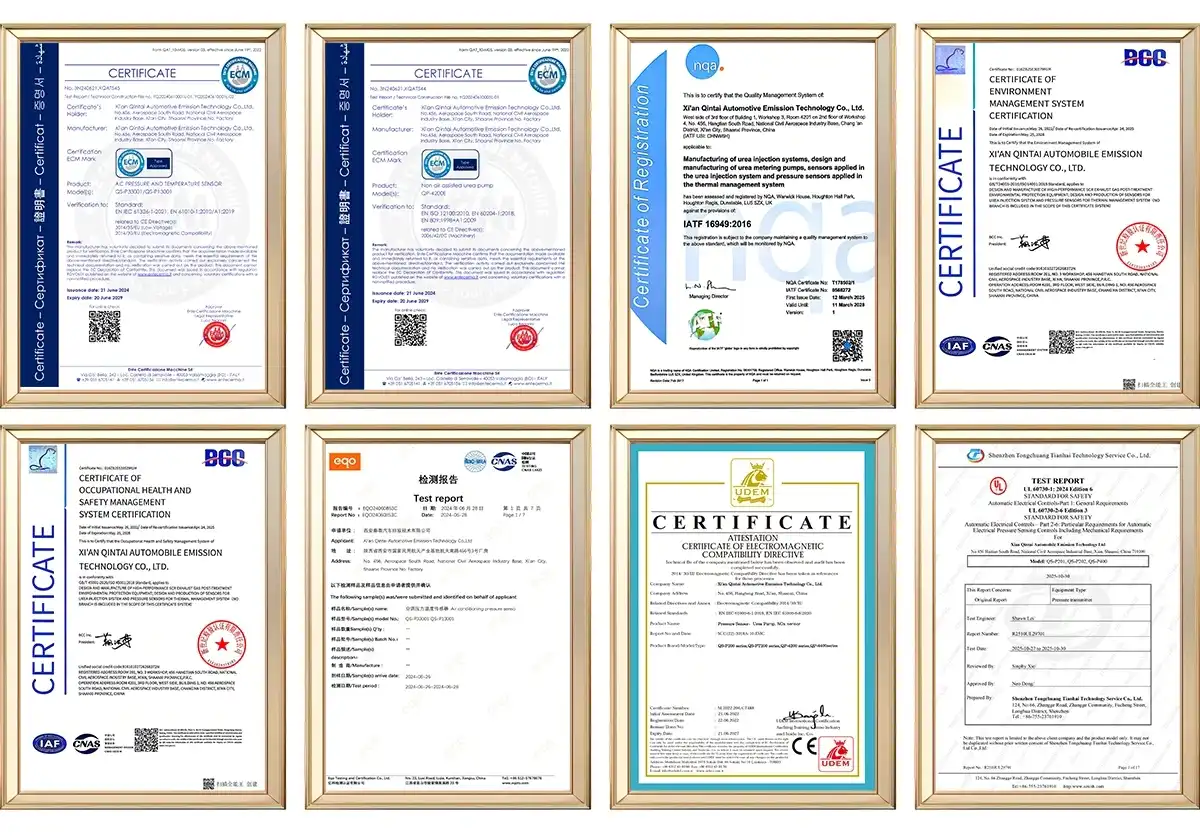
We keep a lot of certifications, like IATF16949 for automotive quality systems, explosion-proof approvals, and international standard compliance, to help you reach your goals in the global market. Our engineering team works with clients from the first design to the ramp-up of production. We offer real OEM and ODM services and are backed by independent R&D and 58 idea patents. We can make solutions that fit your needs, whether you need modified housings for installations with limited room, special output configurations for your own control systems, or high-volume production with consistent quality.
Procurement managers looking for a reliable temperature transmitter manufacturer will find that we have the technical skills, production scale, and quick customer service they need. You are welcome to look through our catalog of approved products and talk to our technical experts about the problems you're having with your unique application. You can email us at info@qt-sensor.com or go to qt-sensor.com to get detailed datasheets, quotes for large orders, or to set up meetings with our applications engineers who know what your industry needs.
References
1. Johnson, R. T. (2021). Industrial Temperature Measurement: Principles and Applications. Technical Publishing International.
2. Martinez, C. & Liu, H. (2020). Sensor Signal Conditioning for Process Control Systems. Journal of Industrial Instrumentation, 45(3), 112-129.
3. Anderson, P. K. (2022). RTD Temperature Sensors: Design, Calibration, and Best Practices. Measurement Science Press.
4. European Automotive Standards Council (2021). Temperature Measurement Requirements for Emission Control Systems Under Euro VI Regulations. EASC Technical Report 2021-08.
5. Williams, D. J. & Thompson, S. A. (2020). Field Transmitter Technologies for Harsh Industrial Environments. Process Automation Quarterly, 18(2), 67-83.
6. Zhang, Y., Kumar, R., & Schmidt, W. (2022). Advances in Smart Temperature Transmitters: Diagnostics and Digital Communication Protocols. Sensors and Transducers Journal, 38(4), 201-218.
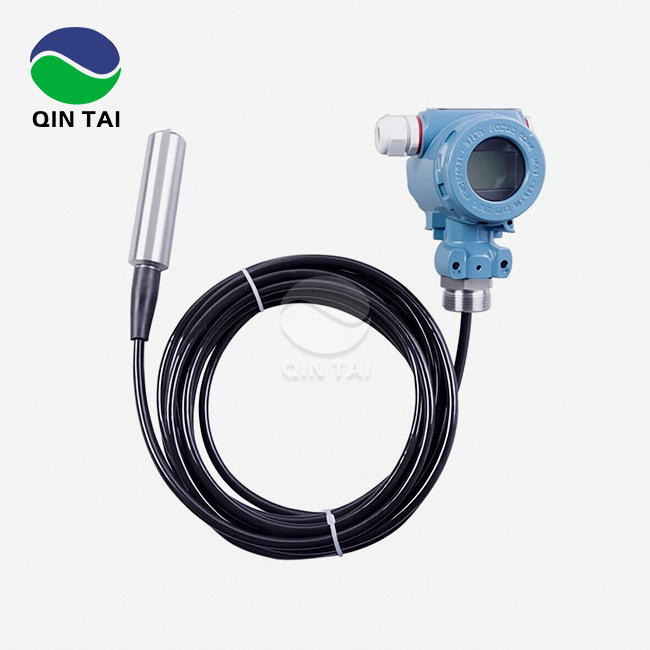
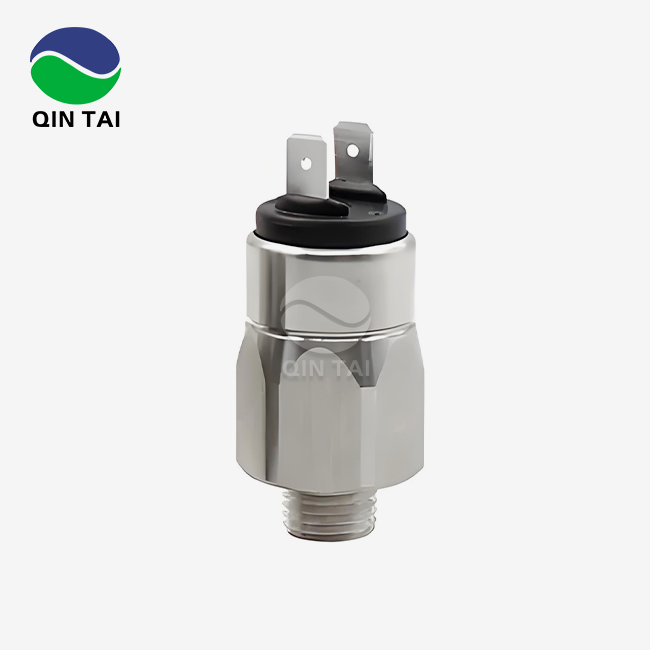
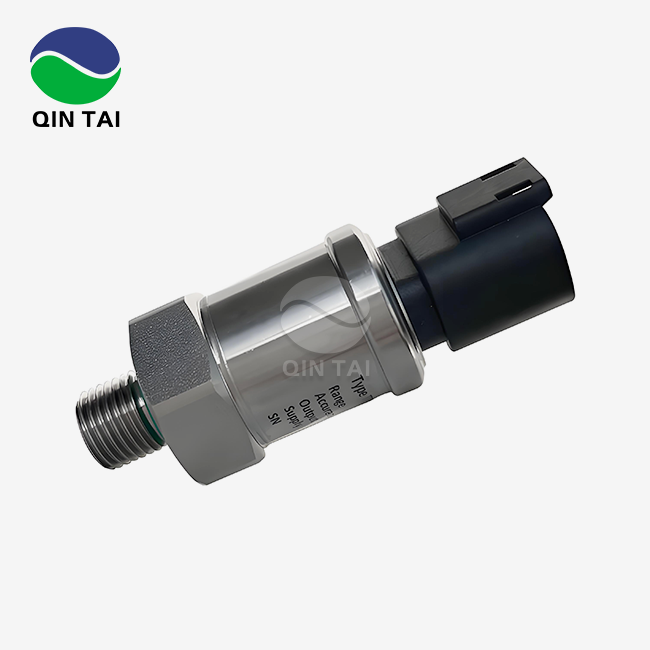

Our customers’ satisfaction speaks for our quality — contact us to experience the same reliable service.