- English
- French
- German
- Portuguese
- Spanish
- Russian
- Japanese
- Korean
- Arabic
- Greek
- German
- Turkish
- Italian
- Danish
- Romanian
- Indonesian
- Czech
- Afrikaans
- Swedish
- Polish
- Basque
- Catalan
- Esperanto
- Hindi
- Lao
- Albanian
- Amharic
- Armenian
- Azerbaijani
- Belarusian
- Bengali
- Bosnian
- Bulgarian
- Cebuano
- Chichewa
- Corsican
- Croatian
- Dutch
- Estonian
- Filipino
- Finnish
- Frisian
- Galician
- Georgian
- Gujarati
- Haitian
- Hausa
- Hawaiian
- Hebrew
- Hmong
- Hungarian
- Icelandic
- Igbo
- Javanese
- Kannada
- Kazakh
- Khmer
- Kurdish
- Kyrgyz
- Latin
- Latvian
- Lithuanian
- Luxembou..
- Macedonian
- Malagasy
- Malay
- Malayalam
- Maltese
- Maori
- Marathi
- Mongolian
- Burmese
- Nepali
- Norwegian
- Pashto
- Persian
- Punjabi
- Serbian
- Sesotho
- Sinhala
- Slovak
- Slovenian
- Somali
- Samoan
- Scots Gaelic
- Shona
- Sindhi
- Sundanese
- Swahili
- Tajik
- Tamil
- Telugu
- Thai
- Ukrainian
- Urdu
- Uzbek
- Vietnamese
- Welsh
- Xhosa
- Yiddish
- Yoruba
- Zulu
Bosch Urea Pump Alternative Options for Reliable SCR Performance
Finding reliable alternatives to Bosch urea pumps has become increasingly important for diesel engine manufacturers and aftertreatment system integrators. While Bosch remains a market leader, several competitive def urea pump solutions offer comparable performance, enhanced customization options, and cost-effective pricing structures. These alternatives, including products from Denso, Continental, and emerging manufacturers like Qintai, provide robust SCR system integration capabilities while meeting stringent emission standards such as China VI and Euro VI regulations.
Understanding Urea Pumps and Their Role in SCR Systems
Urea pumps constitute the core of Selective Electrochemical Reduction technology, accurately managing the injection of engine exhaust fluid through exhaust streams. This regulated dosage allows the conversion of dangerous nitrogen oxides into innocuous nitrogen and vaporized water, makes these components vital for current emission control systems.
Core Components and Operation Principles
The core design of a fast urea pump contains numerous important parts which work together to achieve correct fluid delivery. The pump assembly generally comprises of a power source, a pressure-limiting valve, flow-regulating mechanisms, and built-in sensors that track system efficiency in real-time. These components must perform flawlessly throughout conditions ranging from -40°C to 85°C and at exact flow rates from 0.5 to 8.0 gallons per hour.
Modern urea pumps use complex pressure management systems that ensure appropriate injection pressure throughout different engine loads and usage circumstances. The pressure control capabilities provide steady DEF condensation, which directly effects the effectiveness of NOx reduction procedures. Advanced pump designs also incorporate self-priming capabilities along with integrated filtering systems to avoid contamination-related failures.
Electric vs. Mechanical Pump Systems
Electric urea compressors dominate the market owing to its precise control capabilities along with their benefits with computerized control units. These systems provide greater reactivity to dynamic engine settings and can modify rates of flow within millisecond depending on ECU orders. Electric pumps also give greater diagnostic capabilities with integrated sensor inputs, allowing predictive maintenance plans.
Mechanical pump systems, while less common, still find applications in specific industrial scenarios where simplicity and robustness outweigh precision requirements. These pumps rely on engine-driven mechanisms and offer inherent reliability in harsh operating environments where electronic components might face durability challenges.
Evaluating Bosch Urea Pump Alternatives: Market Solutions and Features
The competitive environment for def urea pump systems has developed dramatically, allowing procurement managers varied alternatives that balance efficiency, expense, and dependability. Several firms have created sophisticated alternatives that equal or surpass Bosch requirements while offering distinct benefits for specialized applications.
Leading Alternative Manufacturers
Denso Corporation has solidified itself as a competitive contender in the urea pump business, exploiting its substantial automotive component knowledge. Their pump systems use upgraded corrosion-resistant materials and better sealing technologies that increase functioning lifespans in difficult situations. Denso pumps generally display flow consistency within ±3% deviation and retain performance stability throughout temperature extremes.
Continental AG offers comprehensive SCR solutions that integrate seamlessly with their broader aftertreatment portfolio. Their systems feature a def urea pump that incorporates smart sensor technology, providing real-time diagnostics and predictive failure detection. Continental urea pump systems excel in applications requiring high-frequency cycling and demonstrate exceptional durability in heavy-duty commercial vehicle applications.
Valeo focuses on innovative pump designs that emphasize energy efficiency and compact integration. Their products feature reduced power consumption characteristics that benefit hybrid and electric vehicle applications while maintaining full SCR functionality. Valeo pumps also incorporate advanced filtration systems that reduce maintenance requirements and extend service intervals.
Technical Compatibility and Performance Benchmarks
When examining alternative def nox pump technologies, interoperability with current ECU systems constitutes a crucial factor. Most top manufacturers offer complete interface protocols that enable standard CAN bus connectivity and diagnostic requirements. These systems often feature adjustable flow maps that may be adjusted to fit individual engine needs and emission objectives.
Performance criteria for premium nitrate pumps included flow accuracy greater than ±5%, temperature stabilization within 50 mbar variation, and operational dependability surpassing fifty million cycles. Leading alternatives frequently equal or surpass these criteria while delivering extra features which include inbuilt heating elements for snowy operation and better contamination resistance.
How to Select the Best Urea Pump for Reliable SCR Performance?
Selecting the best urea pump needs thorough examination of many technical and commercial criteria that effect long-term system performance. Procurement specialists must combine current cost concerns with total ownership charges while assuring compatibility with current facilities and future growth plans.
Critical Selection Criteria
Flow rate accuracy stands as a particularly essential criterion for every def ammonium pump application. The chosen pump must sustain correct dosing over the total engine operating range, including idle situations to full load circumstances. This precision directly effects emission conformance and system performance, making it necessary to validate flow accuracy criteria under all expected operating situations.
Durability requirements vary substantially amongst applications, including commercial vehicle systems often demanding 1.5 million cycle life rates while industrial engines could demand continuous operating capabilities surpassing 8,000 hours yearly. Understanding these application-specific criteria helps restrict appropriate pump alternatives and eliminates premature failures that might affect emission compliance.
System integration capabilities become increasingly important as aftertreatment systems grow more sophisticated. Modern urea pumps must interface effectively with NOx sensors, temperature monitoring systems, and advanced ECU algorithms that optimize injection timing and quantity. Compatibility with existing diagnostic protocols and service tools also impacts long-term maintenance costs and operational efficiency.
Application-Specific Considerations
Heavy truck applications demand def urea pump designs that withstand constant vibration, temperature cycling, and extended duty cycles. These systems typically require pumps with reinforced mounting systems, enhanced electrical connections, and proven reliability records in over-the-road applications. Flow rate requirements for the urea pump usually range between 2-6 L/hr with rapid response capabilities for transient load conditions.
Construction and agricultural machines face unique issues including exposure to dust, dampness, and severe working angles. Pumps for these kinds of uses benefit from strengthened sealing systems, integral filtration, and strong electrical connections that ensure dependability under extreme environmental conditions. Variable hours of operation and seasonal operating patterns also impact pump selection requirements for these markets.
Practical Insights: Installation, Maintenance, and Troubleshooting of Alternative Urea Pumps
Successful adoption of alternate def urea pumping technologies demands full awareness of installation processes, maintenance rules, and troubleshooting strategies. Proper installation procedures greatly improve system performance and lifetime while decreasing warranty claims or operational interruptions.
Installation Best Practices
Proper installation and placement of urea pumps impacts both their efficiency and their service life. The pump unit should be installed in areas that reduce vibration transfer while enabling appropriate access for maintenance operations. Mounting orientations must account DEF flow characteristics with air purging needs, especially during first system commissioning.
Electrical connections need particular attention to minimize moisture infiltration and vibration-induced failures. All connections should employ sealed connectors with adequate pressure relief or routing that eliminates sources of heat and moving components. Proper grounding procedures eliminate electrical interference that might impact pump control signaling and diagnostic accuracy.
Preventive Maintenance Protocols
Regular maintenance schedules help maximize pump life and prevent unexpected failures that could impact emission compliance. DEF quality monitoring represents a critical maintenance element, as contaminated fluid can cause pump damage and system failures. Regular fluid testing and replacement according to manufacturer specifications prevents crystallization and corrosion issues.
Filter replacement intervals depend on operating environment and DEF quality but typically range from 500-1000 operating hours. Clogged filters cause pressure drops that affect injection accuracy and can lead to urea pump damage. Monitoring pressure differentials across filtration systems provides early warning of maintenance needs.
Sensor calibration and cleaning procedures help maintain diagnostic accuracy and prevent false fault codes. Regular inspection of electrical connections and harness integrity prevents intermittent failures that can be difficult to diagnose and repair.

Qintai: Your Trusted Partner for Advanced DEF Urea Pump Solutions
Xi'an Qintai Vehicle Emissions Tech Co. Ltd stands as a major developer in engine exhaust fluid pump engineering, integrating over thirty years of technical knowledge with state-of-the-art production capabilities. Our extensive product line serves the increasing demands of worldwide OEMs, following-treatment contractors, and aftermarket dealers seeking dependable, economical def urea compressor solutions.
Advanced Technology and Manufacturing Excellence
Our independent development and research team consistently enhances pump technology via new design techniques and rigorous testing procedures. We possess ISO9001, IATF16949, and various international certifications that indicate our dedication to quality excellence and compliance with laws and regulations. With 58 innovation licenses in our portfolio, Qintai produces cutting-edge solutions that fulfill the most stringent SCR performance standards.
Manufacturing capabilities include comprehensive OEM and ODM services that support custom pump configurations tailored to specific application requirements. Our production facilities utilize advanced automation and quality control systems that ensure consistent product quality while supporting high-volume production demands. Flexible customization capabilities enable us to adapt pump specifications for unique operating conditions and integration requirements.
Proven Market Leadership and Global Reach
Our independent development and research team consistently enhances pump technology via new design techniques and rigorous testing procedures. We possess ISO9001, IATF16949, and various international certifications that indicate our dedication to quality excellence and compliance with laws and regulations. With 58 innovation licenses in our portfolio, Qintai produces cutting-edge solutions that fulfill the most stringent SCR performance standards.
Our global presence spans over 60 countries across Europe, Middle East, and South America, supported by comprehensive technical support and after-sales service networks. This international experience enables us to understand diverse regulatory requirements and application demands while providing localized support for our global customer base.
Conclusion
The landscape of def urea pump alternatives continues expanding as manufacturers develop innovative solutions that challenge traditional market leaders. While Bosch maintains its position as a premium supplier, alternatives from Denso, Continental, Valeo, and emerging manufacturers like Qintai offer compelling combinations of performance, reliability, and value. Successful pump selection requires careful evaluation of technical specifications, application requirements, and supplier capabilities to ensure optimal SCR system performance and long-term operational success.
FAQ
What factors should I consider when evaluating Bosch urea pump alternatives?
Key evaluation criteria include flow rate accuracy, pressure stability, temperature operating range, and compatibility with existing ECU systems. Additionally, consider supplier certifications, warranty terms, technical support capabilities, and total cost of ownership including maintenance requirements and spare parts availability.
How can I verify compatibility between alternative def urea pumps and my existing SCR system?
Compatibility verification requires checking electrical interface specifications, mounting dimensions, flow rate ranges, and communication protocols. Most reputable suppliers provide detailed compatibility matrices and can offer technical consultation to ensure proper system integration.
What is the typical lifespan of alternative urea pumps under normal operating conditions?
Quality alternative pumps typically achieve 500,000 to 1.5 million operational cycles depending on application demands and maintenance practices. Industrial applications often see 5-7 years of service life while commercial vehicle applications may require replacement every 3-5 years based on duty cycles.
Are spare parts and technical support readily available for alternative pump manufacturers?
Established alternative manufacturers maintain comprehensive spare parts inventories and global service networks. When evaluating suppliers, confirm parts availability, delivery timeframes, and technical support coverage in your operating regions to ensure adequate service support.
Partner with Qintai for Superior DEF Urea Pump Solutions
Qintai delivers industry-leading def urea pump manufacturer capabilities that combine advanced technology with reliable global supply chain support. Our extensive experience as a premier def urea pump supplier enables us to provide customized solutions that meet your specific SCR performance requirements while ensuring regulatory compliance and operational reliability. Connect with our technical team at info@qt-sensor.com to explore how our innovative pump technologies can enhance your emission control systems.
References
1. International Council on Clean Transportation. "Heavy-Duty Vehicle NOx Control Technologies and Implementation Strategies." Clean Transportation Research Report, 2023.
2. SAE International. "Recommended Practices for Diesel Exhaust Fluid Quality and Handling Systems." SAE Standard J2906, 2022.
3. European Environment Agency. "SCR Technology Performance Analysis in Commercial Vehicle Applications." EU Emission Control Technology Assessment, 2023.
4. Automotive Engineering Society. "Advances in Urea Pump Design for Enhanced SCR System Integration." Emission Control Technology Journal, Vol. 45, 2023.
5. Global Diesel Engine Manufacturers Association. "Aftertreatment Component Reliability Standards and Best Practices." Industry Technical Guidelines, 2022.
6. American Society of Mechanical Engineers. "Fluid Injection Systems for Diesel Emission Control: Design and Performance Criteria." ASME Technical Publication, 2023.
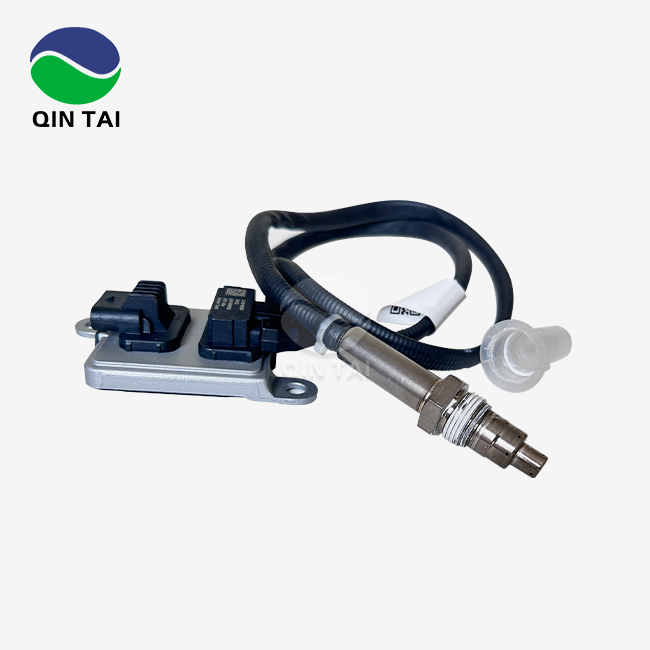
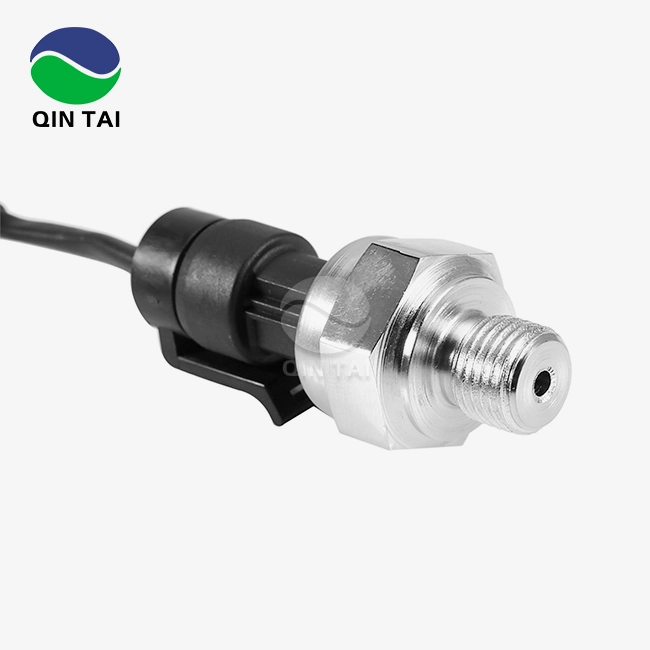
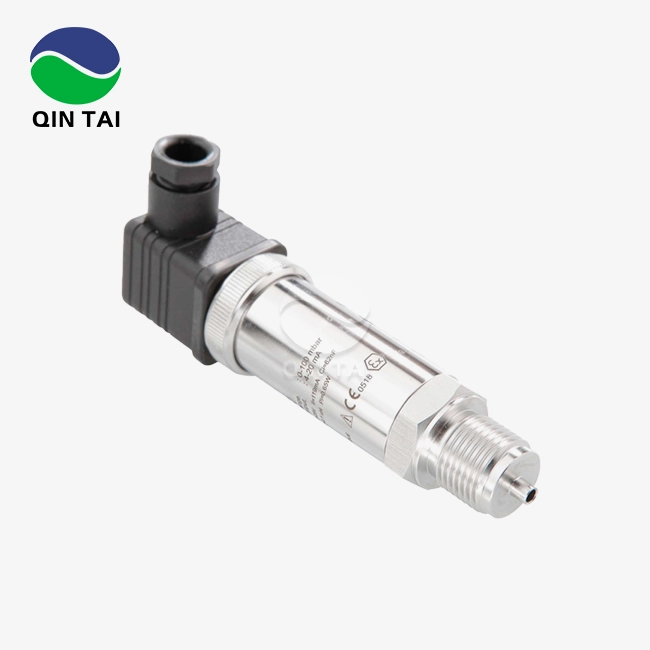
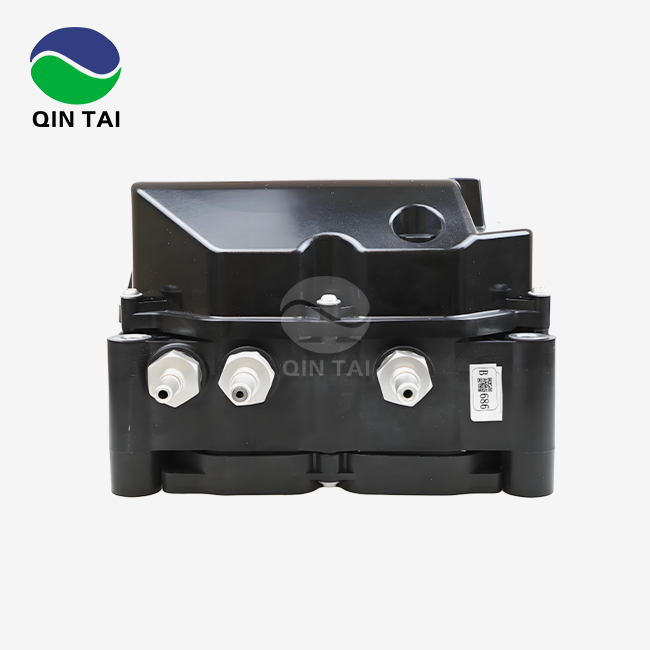

Our customers’ satisfaction speaks for our quality — contact us to experience the same reliable service.