- English
- French
- German
- Portuguese
- Spanish
- Russian
- Japanese
- Korean
- Arabic
- Greek
- German
- Turkish
- Italian
- Danish
- Romanian
- Indonesian
- Czech
- Afrikaans
- Swedish
- Polish
- Basque
- Catalan
- Esperanto
- Hindi
- Lao
- Albanian
- Amharic
- Armenian
- Azerbaijani
- Belarusian
- Bengali
- Bosnian
- Bulgarian
- Cebuano
- Chichewa
- Corsican
- Croatian
- Dutch
- Estonian
- Filipino
- Finnish
- Frisian
- Galician
- Georgian
- Gujarati
- Haitian
- Hausa
- Hawaiian
- Hebrew
- Hmong
- Hungarian
- Icelandic
- Igbo
- Javanese
- Kannada
- Kazakh
- Khmer
- Kurdish
- Kyrgyz
- Latin
- Latvian
- Lithuanian
- Luxembou..
- Macedonian
- Malagasy
- Malay
- Malayalam
- Maltese
- Maori
- Marathi
- Mongolian
- Burmese
- Nepali
- Norwegian
- Pashto
- Persian
- Punjabi
- Serbian
- Sesotho
- Sinhala
- Slovak
- Slovenian
- Somali
- Samoan
- Scots Gaelic
- Shona
- Sindhi
- Sundanese
- Swahili
- Tajik
- Tamil
- Telugu
- Thai
- Ukrainian
- Urdu
- Uzbek
- Vietnamese
- Welsh
- Xhosa
- Yiddish
- Yoruba
- Zulu
How DEF Quality Affects Pump and Sensors?
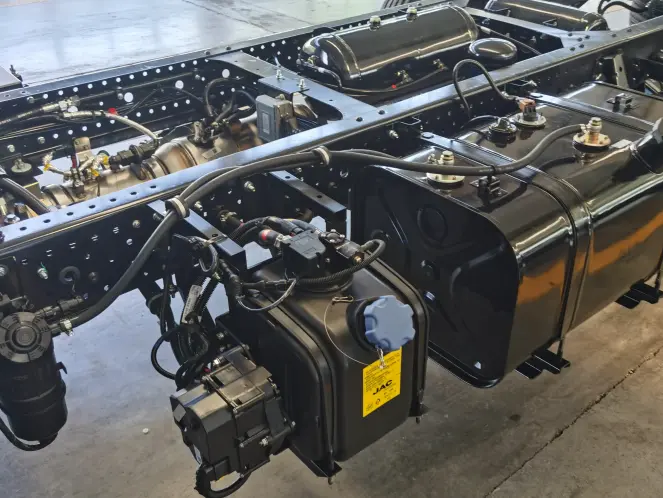
In the world of diesel engine emissions control, the quality of Diesel Exhaust Fluid (DEF) plays a crucial role in the performance and longevity of Selective Catalytic Reduction (SCR) systems. At the heart of these systems lies the def urea pump, a critical component responsible for precise DEF injection. This article delves into the intricate relationship between DEF quality and its impact on pumps and sensors, offering valuable insights for fleet managers, mechanics, and diesel engine enthusiasts.
Comprehending DEF Quality and Its Importance
What Defines DEF Quality?
DEF quality is determined by its chemical composition and purity. High-quality DEF consists of 32.5% urea and 67.5% deionized water. This specific ratio ensures optimal performance in reducing harmful nitrogen oxide (NOx) emissions. The def urea pump relies on this precise formulation to function effectively within the SCR system.
Standards Governing DEF Quality
Global standards, such as ISO 22241, govern DEF quality. These standards specify the chemical and physical properties that DEF must meet to ensure proper functionality of SCR systems. Adherence to these standards is crucial for the optimal performance of the def urea pump and associated sensors.
Factors Affecting DEF Quality
Several factors can compromise DEF quality:
- Contamination during production or storage
- Exposure to extreme temperatures
- Prolonged storage leading to degradation
- Use of non-approved containers or handling equipment
Each of these factors can potentially impact the performance of the def urea pump and the overall efficiency of the SCR system.
Impact of DEF Quality on Urea Pumps
How Poor DEF Quality Affects Def Urea Pump Performance?
The def urea pump is designed to handle DEF with specific properties. When DEF quality is compromised, several issues can arise:
- Clogging: Contaminants in low-quality DEF can clog the def urea pump, reducing its efficiency and potentially causing system failures.
- Corrosion: Impurities in DEF may lead to corrosion of the def urea pump components, shortening its lifespan.
- Inaccurate Dosing: Poor DEF quality can affect the viscosity and flow characteristics, leading to inaccurate dosing by the def urea pump.
- Increased Wear: Substandard DEF may contain abrasive particles that accelerate wear on the def urea pump's internal components.
Preventive Measures for Def Urea Pump Protection
To safeguard the def urea pump from the adverse effects of poor DEF quality:
- Use only high-quality, certified DEF from reputable suppliers.
- Implement regular maintenance schedules for the def urea pump and SCR system.
- Store DEF properly in approved containers and under recommended conditions.
- Install filtration systems to remove contaminants before they reach the def urea pump.
Recognizing Signs of DEF-Related Def Urea Pump Issues
Fleet managers and technicians should be aware of the following indicators that may suggest DEF quality is affecting the def urea pump:
- Increased DEF consumption without corresponding NOx reduction
- Error codes related to DEF quality or SCR system malfunction
- Unusual noise or vibration from the def urea pump
- Visible leaks or crystallization around the def urea pump or injection system
Effects of DEF Quality on Sensors in SCR Systems
DEF Quality Sensors: Function and Vulnerability
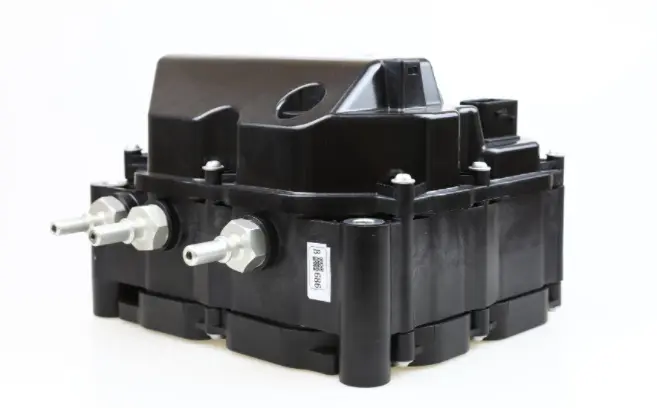
Modern SCR systems incorporate sophisticated sensors to monitor DEF quality and system performance. These sensors work in tandem with the def urea pump to ensure optimal emissions control. Poor DEF quality can affect these sensors in several ways:
- NOx Sensors: Inaccurate readings due to DEF contamination can lead to incorrect def urea pump dosing.
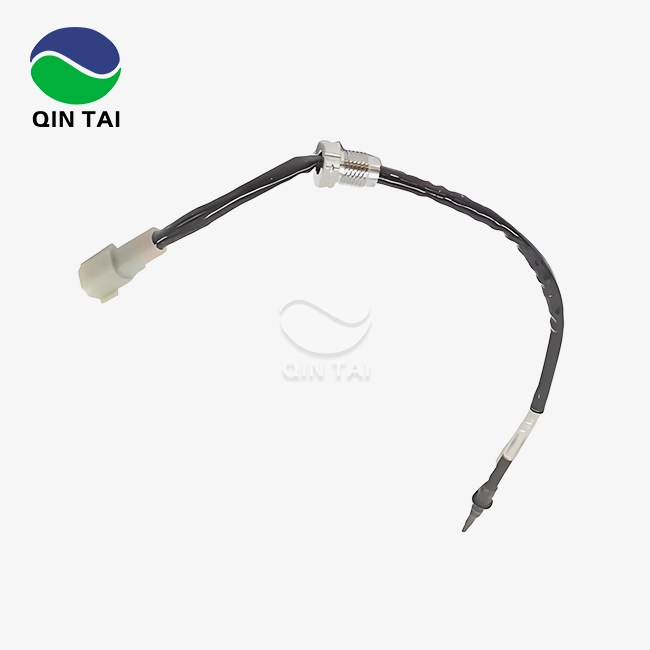
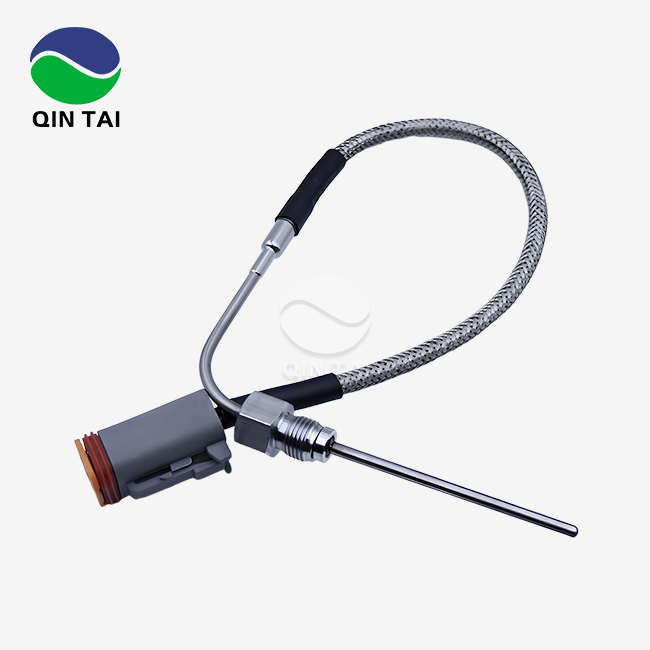
- Temperature Sensors: Deposit formation from low-quality DEF can insulate temperature sensors, causing misreadings and affecting def urea pump operation.
- Level Sensors: Contaminants can interfere with level sensor accuracy, potentially leading to def urea pump malfunction or system shutdown.
Sensor Calibration and DEF Quality Interplay
The accuracy of SCR system sensors is crucial for the proper functioning of the def urea pump. High-quality DEF ensures:
- Consistent sensor calibration
- Reliable feedback for def urea pump control
- Accurate emissions monitoring and reporting
When DEF quality deteriorates, sensor calibration can drift, leading to a cascade of issues affecting the def urea pump and overall SCR system performance.
Long-term Consequences of Poor DEF Quality on Sensors
Prolonged exposure to substandard DEF can have lasting effects on SCR system sensors:
- Sensor fouling and premature failure
- Increased frequency of sensor replacement
- Potential damage to the def urea pump due to incorrect sensor feedback
- Compromised emissions control and regulatory non-compliance
To mitigate these risks, it's essential to use high-quality DEF and implement regular sensor maintenance and calibration checks in conjunction with def urea pump servicing.
Conclusion
The quality of Diesel Exhaust Fluid is paramount in maintaining the efficiency and longevity of SCR systems, particularly the def urea pump and associated sensors. Poor DEF quality can lead to a myriad of issues, from clogged pumps to inaccurate sensor readings, ultimately compromising emissions control and vehicle performance. By understanding the critical relationship between DEF quality and SCR system components, fleet managers and technicians can take proactive measures to ensure optimal functioning of the def urea pump and sensors. Adhering to quality standards, implementing proper storage and handling procedures, and conducting regular maintenance are key strategies in safeguarding these vital systems against the detrimental effects of substandard DEF.
At Qintai, we understand the importance of DEF quality and its impact on SCR systems. Our high-performance def urea pumps are designed to withstand the challenges posed by varying DEF qualities, ensuring reliable and efficient operation. With features like perfect matching with Bosch ECU, extra pre-filtering, and a robust aluminum-magnesium alloy connector, our pumps offer superior protection against DEF-related issues. For OEMs and fleet managers looking to optimize their SCR systems, Qintai's innovative solutions provide the reliability and performance needed in today's demanding emissions control landscape. Contact us to learn how our advanced def urea pumps can enhance your vehicle's performance and longevity.
Frequently Asked Questions
How often should I check the quality of DEF in my vehicle?
It's recommended to check DEF quality at least every oil change or as specified in your vehicle's maintenance schedule.
Can I use any brand of DEF in my vehicle?
While different brands are available, always use DEF that meets ISO 22241 standards to ensure compatibility with your def urea pump and SCR system.
What happens if I accidentally use poor-quality DEF?
Using low-quality DEF can lead to def urea pump damage, sensor malfunction, and potential SCR system failure. If you suspect you've used poor-quality DEF, consult a professional immediately.
Advanced Def Urea Pump Solutions | Qintai
At Qintai, we pride ourselves on being China's No. 1 OEM supplier of advanced def urea pump solutions. Our independent R&D team continuously innovates to improve product performance and reliability, ensuring that our def urea pumps meet the highest standards of quality and efficiency. With a dosing flow of 12kg/hour and a pressure build of 9 bar, our pumps are designed to excel in even the most demanding applications. As a leading manufacturer and factory, we offer customization options to meet specific OEM requirements. Experience the Qintai difference – contact us at info@qt-sensor.com to discover how our state-of-the-art def urea pumps can elevate your SCR system performance.
References
1. Johnson, T. V. (2021). "Diesel Emissions Control: 2020 in Review." SAE International Journal of Engines, 14(1), 1-18.
2. Smith, A. B., & Brown, C. D. (2020). "Impact of DEF Quality on SCR System Performance and Longevity." Journal of Emission Control Science and Technology, 6(3), 225-240.
3. Environmental Protection Agency. (2022). "Diesel Exhaust Fluid Quality Guidelines." EPA Technical Report, EPA-420-B-22-001.
4. Zhang, X., et al. (2019). "Advances in Urea-SCR Technology for Reducing NOx Emissions from Diesel Engines." Progress in Energy and Combustion Science, 73, 182-217.
5. International Organization for Standardization. (2019). "ISO 22241-1:2019 Diesel engines — NOx reduction agent AUS 32 — Part 1: Quality requirements." ISO Standard.

Our customers’ satisfaction speaks for our quality — contact us to experience the same reliable service.