- English
- French
- German
- Portuguese
- Spanish
- Russian
- Japanese
- Korean
- Arabic
- Greek
- German
- Turkish
- Italian
- Danish
- Romanian
- Indonesian
- Czech
- Afrikaans
- Swedish
- Polish
- Basque
- Catalan
- Esperanto
- Hindi
- Lao
- Albanian
- Amharic
- Armenian
- Azerbaijani
- Belarusian
- Bengali
- Bosnian
- Bulgarian
- Cebuano
- Chichewa
- Corsican
- Croatian
- Dutch
- Estonian
- Filipino
- Finnish
- Frisian
- Galician
- Georgian
- Gujarati
- Haitian
- Hausa
- Hawaiian
- Hebrew
- Hmong
- Hungarian
- Icelandic
- Igbo
- Javanese
- Kannada
- Kazakh
- Khmer
- Kurdish
- Kyrgyz
- Latin
- Latvian
- Lithuanian
- Luxembou..
- Macedonian
- Malagasy
- Malay
- Malayalam
- Maltese
- Maori
- Marathi
- Mongolian
- Burmese
- Nepali
- Norwegian
- Pashto
- Persian
- Punjabi
- Serbian
- Sesotho
- Sinhala
- Slovak
- Slovenian
- Somali
- Samoan
- Scots Gaelic
- Shona
- Sindhi
- Sundanese
- Swahili
- Tajik
- Tamil
- Telugu
- Thai
- Ukrainian
- Urdu
- Uzbek
- Vietnamese
- Welsh
- Xhosa
- Yiddish
- Yoruba
- Zulu
Choosing the Right DEF Pump for Euro VI Engines
Choosing the right DEF pump for Euro VI engines represents a critical decision that directly impacts emission compliance, operational efficiency, and long-term maintenance costs. As Euro VI emission standards continue to shape the diesel engine landscape, selecting an appropriate diesel exhaust fluid pump becomes essential for OEMs, aftermarket suppliers, and fleet operators. The proper urea dosing system ensures precise NOx reduction while maintaining engine performance and reliability. Understanding the technical specifications, compatibility requirements, and supplier capabilities forms the foundation for successful procurement decisions in today's competitive automotive and industrial markets.
Comprehending DEF Pumps and Their Role in Euro VI Diesel Engines
The selectively reducing the catalyst system depends primarily on accurate urea injection to reach the strict emission goals imposed by Euro VI legislation. Modern diesel engines need sophisticated treatment components that can give consistent performance across different operating situations while fulfilling durability demands.
Core Functionality of SCR System Components
Automotive exhaust injector fluid systems function by introducing exact quantities of urea solution throughout the emissions stream proximal of the Scs catalyst. The pump mechanism manages flow rates, pressure concentrations plus injection timing to maximize the procedure for chemical reduction that turns dangerous nitrogen oxides into innocuous gas and water vapor. This method entails maintaining specified temperature ranges and guaranteeing appropriate atomization of the DEF fluid.
The connection between the pumping system and engine management systems allows real-time modifications depending on operational parameters such as engine horsepower, exhaust temp, and NOx sensor data. Advanced pump designs contain characteristics like self-priming capability, freeze protection, and contaminants resistance to manage the harsh operating situations seen in commercial vehicles & industrial applications.
Electric vs. Mechanical Pump Technologies
Electric pumps dominate current Euro VI applications owing to their controlled capabilities and integration benefits with electronic performance management systems. These units generally operate at pressures that range between 6 to 9 bar, providing flow rates around 0.5 и 15 liters per hour with respect to engine size and usage requirements. Electric variations provide improved dosage precision, quicker reaction times, and less parasitic power losses as compared to mechanically powered alternatives.
Mechanical pumps, although less popular in new applications, nonetheless serve particular markets where simplicity and economic concerns outweigh accuracy requirements. These systems take power directly from engine activity using belt or gear drive mechanisms, making them suited for retrofit operations or cost-sensitive markets wherever electronic integration sophistication must be reduced.
OEM Integration Considerations
Original equipment manufacturers confront distinct problems when choosing pump systems for new engine platforms. The integration process comprises thorough validation testing, programming calibration, and material chain coordination to enable smooth production transitions. OEM standards often stress long-term durability, reliable performance, plus scalable manufacturing processes that can support worldwide production volumes.
Aftermarket concerns vary greatly, emphasizing on wide compatibility, easy installation methods, and competitive price structures. Aftermarket pumps must handle multiple engine configurations and keep emission compliance across varying operating circumstances and maintenance methods.
Criteria for Choosing the Right DEF Pump for Euro VI Engines
Selecting proper urea injection components needs rigorous consideration of technical specifications, practical demands, and commercial goals. The decision process comprises several stakeholders comprising engineering teams, procurement sections, and quality assurance specialists who have to consider performance, cost, and dependability issues.
Technical Performance Parameters
Flow rate precision serves as the major technical criteria, with Euro VI acceptance needing accuracy within ±5% over the operational range. Pressure capabilities must meet system requirements, often ranging from 6 to 9 bar of pressure for passenger car applications up to 12 bar for powerful commercial engines. Temperature operating ranges become crucial for worldwide markets, needing capability from -40°C to 85 degrees Celsius ambient conditions.
Electrical specifications for a DEF pump include power consumption characteristics, typically ranging from 35 to 120 watts depending on pump size and application. Control signal compatibility with CAN bus protocols and diagnostic capabilities enables proper integration with modern engine management systems. Response time specifications affect emission control accuracy, with modern pumps achieving full flow within 2-3 seconds of activation.
Durability and Environmental Resistance
Euro VI pump kits must survive harsh working conditions including vibration, temperature cycling, and being exposed to road pollutants. Durability testing guidelines demand five million cycles minimum operations with less than 5% performance loss. Contamination resistance becomes especially significant considering varied DEF quality requirements across worldwide marketplaces.
Corrosion resistance impacts long-term dependability, especially in harsh settings where pumps may stay inactive for lengthy periods while DEF solution lingering in internal passageways. Stainless steel structure and specific coatings assist avoid deterioration from urea formation and contaminant exposure.
Supplier Evaluation Criteria
Manufacturing quality certifications include ISO 9001 and IATF 16949 offer baseline confidence for automotive applications. Technical support services like application engineering, calibration aid, and troubleshooting resources become useful for complicated integration projects. Supply chain consistency and global industrial presence effect ongoing accessibility and cost competitiveness.
Warranty coverage typically ranges from 2 to 5 years depending on application and supplier, with extended coverage available for high-volume OEM applications. Service network availability influences total cost of ownership, particularly for global operations requiring local support capabilities.
Common DEF Pump Problems and Maintenance Tips for B2B Clients
Maintaining optimum urea dosing system operation involves recognizing typical failure mechanisms and executing proactive maintenance techniques. Regular inspection and preventative maintenance greatly increase component life while decreasing unexpected downtime expenses.
Typical Failure Symptoms and Diagnostics
Crystallization is the most prevalent cause of compressor failure, occurred when urea solution drains and leaves solid remains inside internal channels. Symptoms include decreased flow rates, pressure abnormalities, and total blockage in extreme instances. Diagnostic techniques comprise pressure assessment, flow rate monitoring, and electrical current testing to determine particular failure sources.
Contamination-related failures show via unpredictable operation, early wear, and seal deterioration. Water quality changes and inappropriate DEF storage techniques add to these concerns, especially in regions with varied fluid quality regulations. Electronic failures often entail sensor faults, wire degeneration, or control module problems with communication.
Preventive Maintenance Strategies
Regular network purging helps avoid crystallization accumulation, especially crucial for vehicles with sporadic operating patterns. Recommended purging intervals range from 30 to 90 days based on operational circumstances and climatic considerations. DEF quality monitoring comprises frequent testing for amounts of contaminants, and optimum storage temperature management.
Filter replacement schedules generally range from 50,000 miles to 100,000 kilometres based on operation conditions and fluid quality. Air line checks assist discover any vacuum leaks that might compromise pump priming as overall system performance. Electrical connection maintenance comprises corrosion avoidance and adequate sealing integrity verification.
Repair vs. Replacement Decision Framework
Cost analysis involves comparing repair expenses against replacement costs while considering labor time, parts availability, and warranty implications. For a DEF pump, the decision is further influenced by the sensitivity of its components. Pumps with mechanical damage or extensive contamination typically require replacement, while electronic failures may allow for component-level repairs. Age and service history influence the decision, with units approaching end-of-life intervals favoring replacement over extensive repair investment.
Performance loss above 10% from initial specifications often implies replacement requirement, especially for emission-critical operations where compliance margins must be compromised. Availability of current technology or superior designs might support replacement even while repair remains technically viable.
Comparing DEF Pump Solutions: Finding the Optimal Fit
The market offers diverse pump technologies and configurations designed to address specific application requirements and performance objectives. Understanding the advantages and limitations of different approaches enables informed selection decisions aligned with operational priorities.
Electric vs. Mechanical Performance Analysis
Electric pump systems thrive in precision applications demanding exact dosage control and fast reaction qualities. These devices connect smoothly with contemporary engine management systems, offering complex approaches to control and diagnostic features. Power consumption remains minimal, generally representing less than one percent of total engine power even at highest demand circumstances.
Mechanical alternatives give simple advantages and lesser electrical level of complexity, making them appropriate for retrofit applications or markets where cost sensitivity transcends precision requirements. However, dose accuracy restrictions and response time delays hamper their applicability in newer European VI systems where exact monitoring of emissions becomes necessary.
Brand Comparison and Market Analysis
Leading manufacturers such Bosch, Denso, and Volkswagen lead the OEM supply industry with wide product portfolios encompassing passenger car to heavy-duty applications. These vendors provide substantial technical assistance, worldwide manufacturing presence, and established successes in automotive applications. Their products often attract premium cost but offer higher dependability and integration capabilities.
Emerging vendors from Asia alongside other countries provide competitive options with appealing price structures, while technical support and availability on an ongoing basis may cause difficulties for important applications. These providers frequently concentrate on aftermarket markets where cost competition exceeds brand awareness issues.
Application-Specific Recommendations
Heavy-duty trucks and buses benefit from strong pump designs that are able managing elevated flow rates and lengthy duty cycles. These applications often justify premium choices for parts given the high cost of pollution compliance problems and operational downtime. Industrial and generator usage emphasis durability and taint resistance above fast response qualities.
Passenger vehicle applications balance cost constraints with performance requirements, making mid-range pump solutions attractive for volume applications. Aftermarket replacement scenarios often favor direct-fit DEF pump alternatives that minimize installation complexity while maintaining emission compliance capability.
Procurement Process and Supplier Guide for DEF Pumps
Navigating the complex landscape of urea dosing system procurement requires systematic supplier evaluation and strategic sourcing approaches. Understanding market dynamics, quality standards, and total cost implications enables optimal purchasing decisions.
Supplier Qualification and Evaluation
Automotive quality certifications offer crucial baseline credentials, with IATF 16949 certification demonstrating conformity with particular to an industry quality management criteria. Manufacturing capability evaluations should analyze manufacturing capacity, quality control processes, and continuous improvement methods. Technical competence verification entails examining engineering support capacities, application skills, and development histories.
Financial stability assessment becomes important for long-term supply relationships, particularly when considering newer market entrants offering attractive pricing. Geographic presence and logistics capabilities affect delivery performance and total landed costs, especially for global operations requiring consistent supply chain performance.
Cost Management and Negotiation Strategies
Volume-based pricing models often provide considerable savings when faced with big procurement needs, with quantity discounts often accessible at 1,000, 5,000, to 10,000 unit levels. Long-term agreements may offer pricing stability and preferred allocation amid supply constraint times, while flexibility measures should handle changing technological needs.
Total cost of ownership study must account initial purchase price, installing expenses, maintenance needs, and estimated service life. Protection from defects and technical support accessibility impact operating expenses and ought to be taken into supplier selection considerations beyond the initial price comparisons.
Quality Assurance and Testing Requirements
Incoming inspection protocols should verify key performance parameters including flow rate accuracy, pressure capability, and electrical specifications. Batch testing requirements vary depending on application criticality and supplier track record, with critical applications potentially requiring 100% functional testing. Documentation requirements include certificates of conformance, test data, and traceability records for regulated applications.
Supplier quality monitoring involves ongoing performance tracking, field failure analysis, and continuous improvement collaboration. Regular supplier audits help maintain quality standards and identify potential issues before they impact production or field performance.
Conclusion
Selecting the optimal DEF pump for Euro VI engines requires careful consideration of technical specifications, application requirements, and supplier capabilities. The decision impacts emission compliance, operational reliability, and long-term maintenance costs across diverse applications from commercial fleets to industrial equipment. Understanding the distinctions between electric and mechanical technologies, evaluating supplier qualifications, and implementing proper maintenance strategies contribute to successful procurement outcomes. As emission standards continue evolving, partnering with experienced suppliers offering comprehensive technical support and proven track records becomes increasingly valuable for sustainable business success.
FAQ
What maintenance intervals ensure optimal DEF pump performance?
Regular maintenance intervals typically range from 50,000 to 100,000 kilometers depending on operating conditions and DEF quality. Heavy-duty applications or severe operating environments may require more frequent attention, including system purging every 30-60 days to prevent crystallization buildup. Preventive maintenance should include filter replacement, electrical connection inspection, and DEF quality verification to maintain optimal performance throughout the service life.
How do electric and mechanical DEF pumps differ in performance characteristics?
Electric pumps offer superior precision with dosing accuracy within ±5%, faster response times under 3 seconds, and seamless integration with modern engine management systems. Mechanical pumps provide simpler operation with reduced electronic complexity but typically sacrifice dosing accuracy and response speed. Electric variants consume 35-120 watts depending on size, while mechanical alternatives create parasitic losses through direct engine coupling.
Can Euro V vehicles be retrofitted with Euro VI compliant DEF pump systems?
Retrofitting Euro V vehicles requires comprehensive system evaluation including exhaust configuration, available mounting space, and electrical system compatibility. While technically possible, the complexity involves adding SCR catalyst, dosing injector, sensors, and control software beyond just the pump assembly. Regulatory approval and certification requirements vary by jurisdiction, making professional consultation essential for compliance verification.
Partner with Qintai for Advanced DEF Pump Solutions
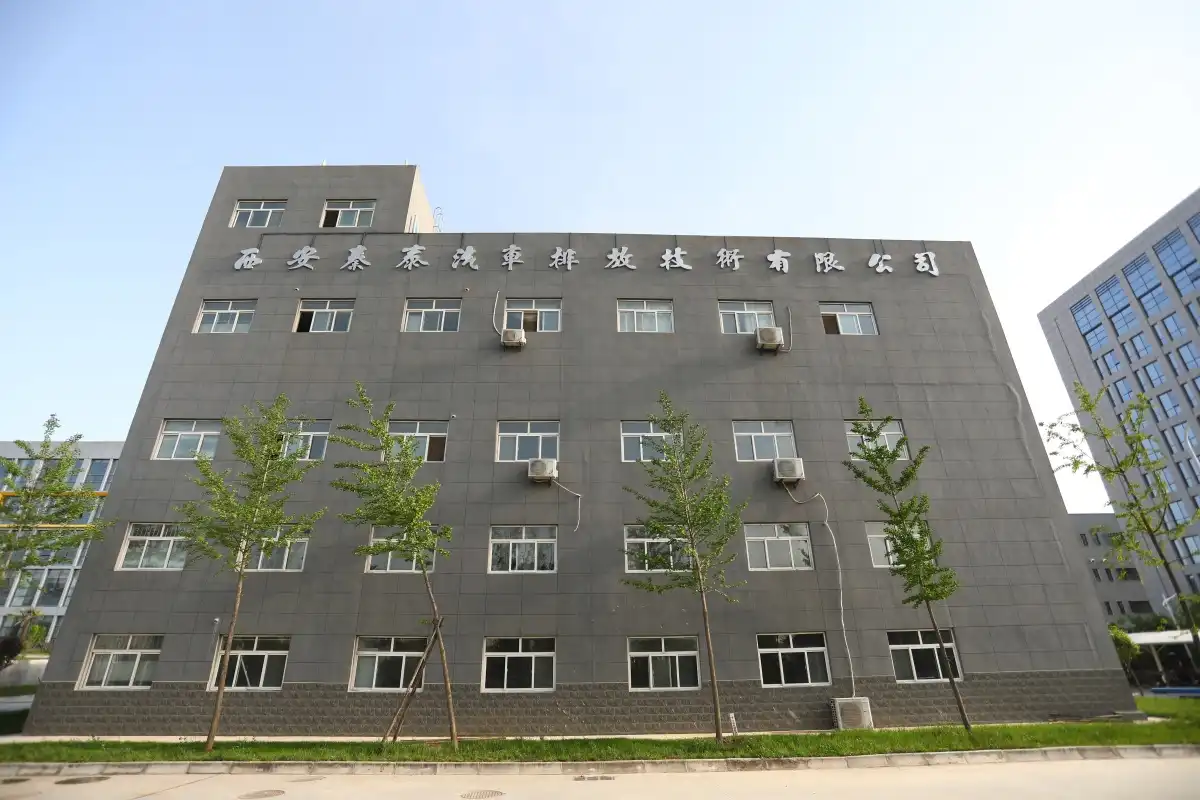
Qintai delivers cutting-edge urea dosing technologies engineered specifically for Euro VI compliance requirements across diverse industrial applications. Our comprehensive portfolio includes electric and mechanical pump solutions backed by extensive R&D expertise and proven manufacturing excellence. As China's leading OEM supplier with partnerships including Weichai Power, Yuchai Power, and Quanchai Power, we offer unmatched technical support and customization capabilities. Contact our expert team at info@qt-sensor.com to discuss your specific DEF pump supplier requirements and discover how our innovative solutions can optimize your emission control systems while reducing total cost of ownership.
References
1. European Environment Agency. "Euro VI Heavy-Duty Vehicle Emission Standards: Technical Implementation and Market Analysis." Environmental Technology Assessment Report, 2023.
2. Society of Automotive Engineers. "Diesel Exhaust Fluid Quality and SCR System Performance: A Comprehensive Technical Review." SAE International Journal of Engines, 2023.
3. International Council on Clean Transportation. "Global Heavy-Duty Vehicle Emissions Standards and Implementation Timeline Analysis." ICCT Working Paper Series, 2023.
4. Automotive Industry Action Group. "Quality Management Systems for Automotive Suppliers: IATF 16949 Implementation Guidelines." AIAG Technical Publication, 2023.
5. Engine Manufacturers Association. "Selective Catalytic Reduction Technology: Design Principles and Operational Considerations." EMA Technical Bulletin, 2023.
6. Heavy Duty Manufacturers Association. "Aftertreatment System Reliability and Maintenance Best Practices for Commercial Vehicles." HDMA Industry Report, 2023.

Our customers’ satisfaction speaks for our quality — contact us to experience the same reliable service.