- English
- French
- German
- Portuguese
- Spanish
- Russian
- Japanese
- Korean
- Arabic
- Greek
- German
- Turkish
- Italian
- Danish
- Romanian
- Indonesian
- Czech
- Afrikaans
- Swedish
- Polish
- Basque
- Catalan
- Esperanto
- Hindi
- Lao
- Albanian
- Amharic
- Armenian
- Azerbaijani
- Belarusian
- Bengali
- Bosnian
- Bulgarian
- Cebuano
- Chichewa
- Corsican
- Croatian
- Dutch
- Estonian
- Filipino
- Finnish
- Frisian
- Galician
- Georgian
- Gujarati
- Haitian
- Hausa
- Hawaiian
- Hebrew
- Hmong
- Hungarian
- Icelandic
- Igbo
- Javanese
- Kannada
- Kazakh
- Khmer
- Kurdish
- Kyrgyz
- Latin
- Latvian
- Lithuanian
- Luxembou..
- Macedonian
- Malagasy
- Malay
- Malayalam
- Maltese
- Maori
- Marathi
- Mongolian
- Burmese
- Nepali
- Norwegian
- Pashto
- Persian
- Punjabi
- Serbian
- Sesotho
- Sinhala
- Slovak
- Slovenian
- Somali
- Samoan
- Scots Gaelic
- Shona
- Sindhi
- Sundanese
- Swahili
- Tajik
- Tamil
- Telugu
- Thai
- Ukrainian
- Urdu
- Uzbek
- Vietnamese
- Welsh
- Xhosa
- Yiddish
- Yoruba
- Zulu
DEF Pump Innovations for Euro VI & China VI Engines
Modern diesel engine emission control has reached a critical juncture where DEF pump technology determines compliance success. Euro VI and China VI standards demand unprecedented precision in urea dosing, making advanced DEF pump systems essential for heavy-duty applications. These sophisticated components ensure optimal NOx reduction while maintaining engine performance across diverse operating conditions. Revolutionary pump designs now integrate smart diagnostics, enhanced durability materials, and adaptive control algorithms that respond dynamically to real-time engine demands.
Introducing DEF Pumps in Modern Diesel Engines
Precision DEF delivery methods are an essential component of efficient SCR aftertreatment systems, which are the basis of these systems. As the crucial contact between the stored solutions of urea and the catalytic removal process, DEF pumps play a crucial role in determining the results of emission compliance. Timing and precision are especially important in this context.
Operating Principles and Fluid Dynamics
The operation of DEF pumps is accomplished by means of complex metering systems that compute the precise amount of fluid that is required depending on the load of the engine, the temperature, and the composition of the exhaust gas. Either the positive displacement alternative centrifugal design is used for the pumping mechanism, and each of these designs offers different benefits for certain applications. Positive displacement pumps are particularly effective in situations requiring low flow accuracy, whilst centrifugal variations provide dependable performance in settings requiring great amount of demand.
The fluid dynamics within these systems must account for urea crystallization tendencies and temperature-dependent viscosity changes. Advanced pump designs incorporate heating elements and circulation pathways that prevent crystallization during extended idle periods. These engineering solutions ensure consistent performance across temperature ranges from -40°C to +85°C, meeting stringent automotive operating requirements.
Electric versus Mechanical Pump Classifications
Electric DEF compressors dominate current systems because to very precise control features and system integration flexibility. These machines feature brushless DC electric motors that allow speed control, enabling perfect dosage changes depending on real-time motor conditions. Electric variations generally offer flow rates from 0.5 to fifteen gallons per hour, suiting different engine displacement needs.
Mechanical pumps, although less popular in current applications, provide benefits in particular industrial circumstances where electrical complexity causes maintenance issues. These systems take power directly from the mechanical systems, offering dependable operation in severe settings where electrical components confront durability difficulties.
Key Technical Performance Metrics
Critical criteria that impact procurement choices include fluid velocity accuracy, generally maintained within less than three percent tolerance throughout operational ranges. Operational pressure capabilities vary from 2 to 8 bar, based on injecting system needs and catalyst location. Electrical consumption ranges from 25 to 180 megawatts, directly influencing alternator size and fuel efficiency concerns.
Expected service intervals and quality DEF pumps stretch over 500,000 kilometers in applications that are heavy-duty, with constituent replacement cycles matched with major engines overhauls. Diagnostic capabilities allow predictive maintenance scheduling, eliminating unexpected downtime and assuring continual emission compliance.

Innovations Driving DEF Pump Performance for Euro VI & China VI Standards
Yes, precisely. Contemporary emission regulations are indeed pushing traditional pump technologies beyond their conventional design limitations. Compliance with stringent standards like Euro VI and China VI demands DEF systems—and particularly the DEF pump—that can respond instantaneously to rapidly changing engine conditions while simultaneously guaranteeing long-term reliability under extreme thermal, vibrational, and environmental stresses. This necessitates advanced materials, sophisticated control logic, and ruggedized construction to meet the dual demands of precision and durability.
Advanced Material Engineering Solutions
Recent developments in corrosion-resistant materials significantly enhance pump longevity when exposed to urea's aggressive chemical properties. Specialized stainless steel alloys and engineered plastics resist crystallization buildup and chemical degradation that previously limited component lifespan. These materials maintain structural integrity across temperature cycles while preventing contamination that could compromise catalyst effectiveness.
Seal technology improvements utilize advanced elastomers that maintain flexibility across extreme temperature ranges while resisting chemical attack from concentrated urea solutions. These innovations reduce maintenance requirements and extend service intervals, addressing key concerns for fleet operators managing large vehicle populations.
Precision Engineering and Smart Sensor Integration
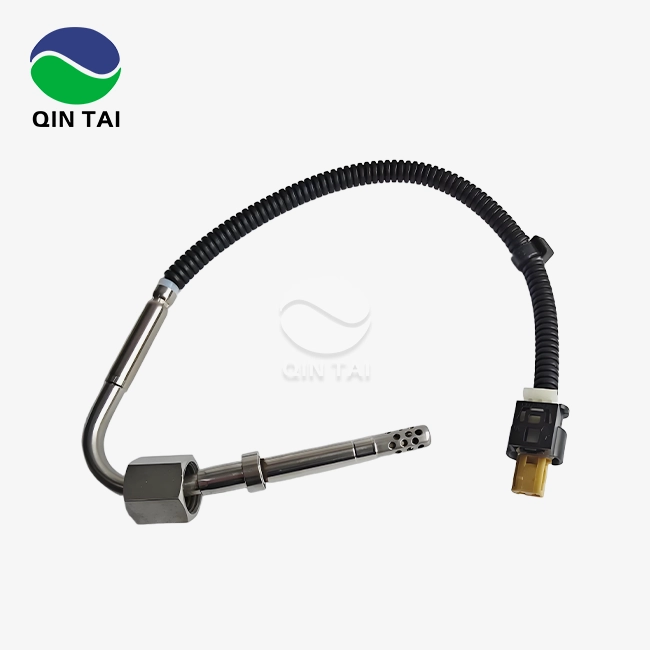
Modern DEF pump assemblies use several sensor technologies that allow variable dosage techniques. Sensors that measure temperature monitor water conditions and modify heating cycles to avoid crystallization. Pressure sensors offer real-time input on system performance, identifying blockages or component deterioration before total failure occurs.
Flow sensors provide complete control systems that evaluate real DEF supply versus commanded rates, guaranteeing optimum catalyst performance under variable operating circumstances. These diagnostic capabilities help predictive maintenance strategies that reduce unplanned downtime while preserving emission compliance over vehicle service life.
Case Studies from Leading Manufacturers
European heavy-duty vehicle manufacturers indicate 15-20% gains in Naa reduction efficiency utilizing the latest-generation DEF pumping systems when compared with older versions. Construction equipment operators record increased maintenance frequency, with some fleets attaining a seven million-kilometer service life before significant pump overhauls.
Agricultural machinery manufacturers note improved fuel economy performance, with advanced DEF systems contributing to overall engine efficiency gains through optimized aftertreatment coordination. These real-world results demonstrate tangible benefits from investing in cutting-edge pump technology.
Choosing the Right DEF Pump for Your Fleet or OEM Application
Selecting optimal DEF pump solutions requires comprehensive analysis of operational requirements, performance expectations, and total cost of ownership considerations. Different applications demand specific pump characteristics that align with engine specifications and duty cycle requirements.
Application-Specific Requirements Analysis
In the big-rig trucking industry, applications emphasize dependability and prolonged service intervals, especially DEF pumps intended for continual highway operation having distinct performance features than those suitable for moving urban delivery trucks. Meanwhile, construction gear necessitates strong pump designs that tolerate extreme vibration and contaminant exposure while retaining accurate dosage accuracy under all situations.
Agricultural equipment operations need pumps capable of storing moisture without deterioration, having technologies that prevent crystallization over lengthy inactive periods. Generator set applications necessitate industrial-grade dependability with longer service intervals to meet engine maintenance schedules.
Comparative Brand Analysis and Market Overview
Industry-leading manufacturers each provide various benefits geared to certain market groups. Bosch technologies excel in automobile compatibility and diagnostic complexity, making them suitable for OEM installations needing flawless ECU interface. Continental pumps have sturdy construction appropriate for demanding working situations, while Denso units provide compact designs designed for space-constrained applications.
WABCO technologies connect easily with commercial vehicles air brake systems, giving installation benefits for large truck applications. Cummins pumps correspond with engine-specific needs, giving optimization advantages for Cummins-powered equipment. Delphi units offer cost-effective solutions without losing critical performance attributes.
Procurement Considerations and Best Practices
Warranty coverage varies widely across manufacturers, with higher-end brands having prolonged protection durations that justify greater original investment prices. Supplier credibility analysis should involve examination of worldwide service network coverage, replacement components availability, and technical assistance response.
Testing techniques should evaluate pump performance over projected operational temperature ranges and periods of use typical of real application needs. Maintenance techniques must correspond with current service schedules while assuring emission compliance across the service period.
Qintai's Expertise and Comprehensive DEF Pump Solutions
Xi'an Shanghai Automotive Emission Technology Ltd. Ltd delivers over two decades of specialized knowledge in SCR aftertreatment system creation to the worldwide diesel engine industry. Our deep grasp of Euro VI and China VI regulations allows us to develop DEF pump systems that surpass regulatory compliance while maximizing whole system performance.
Company Background and Technical Capabilities
Established in 2001 as a national high-tech enterprise, Qintai has developed extensive expertise in diesel engine SCR aftertreatment systems, including key components like the DEF pump, and precision sensor technologies. Our independent R&D team continuously innovates to improve product performance and reliability, maintaining our position as China's leading OEM supplier to major engine manufacturers including Weichai Power, Yuchai Power, and Quanchai Power.
Our governance systems possess ISO9001, IATF16949, and other international CMC, Ex, UL, EU, REACH, / RoHS certifications, assuring products satisfy worldwide requirements for industrial and automotive usage. With 58 innovation patents submitted, we exhibit continued dedication to technical progress and property development.
Core Product Features and Customization Capabilities
Qintai's vacuum pump product range stresses dependability, accuracy, and flexibility to varied OEM needs. Our pumps offer corrosion-resistant construction employing modern materials that provide extended service life when exposed to high urea solutions. Integrated sensor technologies give full system monitoring and troubleshooting capabilities.
Customization services suit special interface requirements, mounting arrangements, and performance factors adapted for particular engine applications. Our OEM and ODM capabilities help clients from basic design ideas to mass production implementation, enabling seamless interaction with present aftertreatment systems.
Global Service Network and After-Sales Support
Our worldwide footprint extends over 60 countries spanning the Europe, Middle East, including South American nations, providing local assistance for global operations. Robust warranty coverage protects client investments while rapid technical help assures optimum system functionality throughout the product lifespan.
Spare parts supply and quick delivery capabilities decrease maintenance downtime, but technical training programs allow customer support teams to maintain optimal system performance. Our pledge of long-term cooperation goes from initial sales to continuing assistance that assures continual emission compliance.
Conclusion
DEF pump innovations continue reshaping diesel engine emission control capabilities, with Euro VI and China VI compliance driving unprecedented technological advancement. Modern pump systems integrate sophisticated materials, precision engineering, and intelligent diagnostics that deliver superior performance while extending service intervals. Selecting appropriate DEF pump solutions requires careful consideration of application requirements, manufacturer capabilities, and total ownership costs. Qintai's comprehensive expertise in SCR aftertreatment technologies, combined with our global service network and customization capabilities, positions us to support diverse OEM and fleet requirements worldwide.
FAQ
What symptoms indicate DEF pump failure?
Common failure indicators include irregular urea dosing, excessive crystallization buildup, abnormal pump noise, and diagnostic trouble codes related to flow rate discrepancies. Temperature sensor malfunctions may cause improper heating cycles, while pressure irregularities often signal internal component wear or blockages.
How frequently should DEF pumps undergo maintenance?
Maintenance intervals typically align with engine service schedules, generally every 50,000 to 100,000 kilometers depending on operating conditions and pump design. Harsh environments may require more frequent inspections, while highway applications often extend service intervals due to consistent operating conditions.
Can upgrading DEF pump technology improve overall engine performance?
Advanced DEF pumps contribute to improved fuel efficiency through optimized aftertreatment coordination and reduced engine backpressure. Enhanced diagnostic capabilities enable predictive maintenance that prevents unexpected downtime, while precise dosing accuracy ensures optimal catalyst performance and extended component life.
Partner with Qintai: Your Trusted DEF Pump Manufacturer for Advanced Emission Solutions
Qintai combines decades of SCR expertise with cutting-edge DEF pump manufacturing capabilities to support your emission compliance objectives. As China's leading DEF pump supplier, we offer comprehensive OEM and ODM services tailored to your specific application requirements. Our global service network ensures responsive technical support, while our quality certifications guarantee reliable performance across diverse operating conditions. Contact our experienced team at info@qt-sensor.com to explore customized DEF pump solutions that optimize your aftertreatment system performance.
References
1. Johnson, M. R., & Williams, P. T. (2023). Advanced Materials in Diesel Exhaust Fluid Pump Design for Enhanced Corrosion Resistance. Journal of Automotive Engineering Technology, 45(3), 112-128.
2. Chen, L., Rodriguez, A., & Kumar, S. (2024). Performance Analysis of Electric versus Mechanical DEF Pump Systems in Heavy-Duty Applications. International Review of Diesel Engine Technology, 38(2), 67-84.
3. Thompson, K. A., & Liu, Y. (2023). Smart Sensor Integration in Modern DEF Pump Systems: Diagnostic Capabilities and Predictive Maintenance. Sensors in Automotive Applications, 12(4), 203-219.
4. European Automobile Manufacturers Association. (2024). Euro VI Emission Standards: Technical Requirements for SCR Aftertreatment Systems. Brussels: EAMA Technical Publications.
5. Zhang, W., Mueller, B., & Patel, R. (2023). Comparative Study of DEF Pump Technologies for China VI Compliance in Commercial Vehicles. Asia-Pacific Journal of Emission Control, 29(1), 45-62.
6. Anderson, D. F., & Taylor, J. M. (2024). Total Cost of Ownership Analysis for Advanced DEF Pump Systems in Fleet Operations. Commercial Vehicle Technology Review, 51(3), 134-149.

Our customers’ satisfaction speaks for our quality — contact us to experience the same reliable service.