- English
- French
- German
- Portuguese
- Spanish
- Russian
- Japanese
- Korean
- Arabic
- Greek
- German
- Turkish
- Italian
- Danish
- Romanian
- Indonesian
- Czech
- Afrikaans
- Swedish
- Polish
- Basque
- Catalan
- Esperanto
- Hindi
- Lao
- Albanian
- Amharic
- Armenian
- Azerbaijani
- Belarusian
- Bengali
- Bosnian
- Bulgarian
- Cebuano
- Chichewa
- Corsican
- Croatian
- Dutch
- Estonian
- Filipino
- Finnish
- Frisian
- Galician
- Georgian
- Gujarati
- Haitian
- Hausa
- Hawaiian
- Hebrew
- Hmong
- Hungarian
- Icelandic
- Igbo
- Javanese
- Kannada
- Kazakh
- Khmer
- Kurdish
- Kyrgyz
- Latin
- Latvian
- Lithuanian
- Luxembou..
- Macedonian
- Malagasy
- Malay
- Malayalam
- Maltese
- Maori
- Marathi
- Mongolian
- Burmese
- Nepali
- Norwegian
- Pashto
- Persian
- Punjabi
- Serbian
- Sesotho
- Sinhala
- Slovak
- Slovenian
- Somali
- Samoan
- Scots Gaelic
- Shona
- Sindhi
- Sundanese
- Swahili
- Tajik
- Tamil
- Telugu
- Thai
- Ukrainian
- Urdu
- Uzbek
- Vietnamese
- Welsh
- Xhosa
- Yiddish
- Yoruba
- Zulu
High Pressure Urea Pump for Long-Haul Trucks
High pressure urea pumps represent a cornerstone technology in modern long-haul trucking operations, serving as the precision delivery mechanism within selective catalytic reduction systems. These sophisticated components ensure accurate AdBlue injection into exhaust streams, enabling diesel engines to meet stringent emission standards while maintaining operational efficiency. The SCR urea pump operates under demanding conditions, requiring robust engineering to withstand temperature fluctuations, pressure variations, and continuous duty cycles that characterize long-distance commercial transportation.
Introduction
This comprehensive reference gives a complete review of selective emission reduction technology, emphasizing on the crucial function of high pressure urea compressors in decreasing emissions from long-haul vehicles. The relevance of these motors within SCR technologies cannot be emphasized, as they have become crucial components for addressing severe environmental requirements throughout worldwide markets.
Tailored exclusively for purchasing executives in the B2B market, this book presents practical information and strategic thinking to assist global buyers grasp requirements, performance standards, and supplier possibilities. The foundation we develop here helps educated decision-making for choosing dependable, effective solutions that boost asset compliance and operational lifetime. Understanding these structures becomes more crucial as pollution standards continue to grow globally, needing more advanced aftertreatment solutions.
Comprehending High Pressure SCR Urea Pumps
High pressure SCR ammonium pumps play a vital role in delivering exact volumes of AdBlue or Diesel Emission Fluid into the exhaust gases in order to aid the selective catalytic elimination process. These pumps have to keep constant pressure levels, generally comprising 5 to 9 bar, while properly adjusting fluid flow rates dependent on engine operating circumstances and emission of nitrogen oxides levels.
Core Components and Functionality
The pump assembly comprises of various important components that operate in harmony to provide correct fluid delivery. The dosing mechanism acts as the core of the system, incorporating precision-engineered chambers which determine correct volumes of urea solution. Pressure regulators ensure steady working pressures despite variable system demands, as built-in meters monitor fluid pressure, temperature, or flow rates to maximize injection time.
Understanding operating factors becomes vital for procurement teams assessing alternative pump solutions. Flow rate standards generally vary from one half to 15 liters per hour, contingent upon engine displacement and pollution control needs. Temperature tolerance varies substantially across vendors, with premium units running reliably in situations from -40°C to +85°C, guaranteeing constant operation across varied geographic locations and seasonal changes.
Technical Specifications and Performance Metrics
Fluid compatibility is another crucial concern, as current pumps must handle varied AdBlue formulations despite resisting calcification and contamination. Advanced designs integrate self-priming capacities and purge operations that prevent ammonium crystal during engine downtime periods, prolonging component lifetime and lowering maintenance needs.
Common Challenges and Maintenance Tips for SCR Urea Pumps
Understanding frequent failure types and maintenance demands of SCR nitrate pumps becomes vital for procurement experts considering long-term operating expenses. Industry research suggests that around 60% of pump losses arise from pollution concerns, while 25% stem of crystallization difficulties during lengthy idle periods.
Identifying Pump Issues and Symptoms
Typical signs of pump deterioration include higher noise levels, lower flow rates, and air loss during operation. Contamination frequently emerges via inconsistent dosage patterns, whereas crystallization often causes full flow obstruction. Wear-related concerns emerge gradually, appearing as diminished pressure capacity and uneven fluid supply patterns.
Proper fluid quality control improves pump life dramatically. Using verified AdBlue that fulfills ISO 22241 requirements eliminates numerous contamination-related problems. Regular fluid testing helps detect possible concerns earlier than they cause system harm, while correct storage techniques preserve fluid purity during its service life.
Maintenance Best Practices
Effective maintenance protocols for the
involve systematic cleaning procedures using distilled water to remove urea residues, particularly during seasonal storage periods. Routine inspections should focus on the pump's electrical connections, fluid lines, and mounting points to identify potential failure modes early. Calibration verification ensures accurate dosing throughout the service interval, maintaining emission compliance and optimal system performance.
Installation processes involve careful focus on fluid lines routing, connection of electricity, and mounting orientation. Proper setup eliminates numerous operational concerns while assuring stable long-term performance. These information help buyers anticipate maintenance schedules and assess supplier service capacities more precisely.

Comparing SCR Urea Pumps for Long-Haul Trucks: Selecting the Right Solution
Selecting the appropriate SCR urea pump entails extensive study of product kinds, production capacity, and total cost and ownership concerns. Market study demonstrates various performance characteristics across different pump approaches, with each giving special benefits for certain applications.
Pump Technology Comparison
Modern aftertreatment systems incorporate several pump types, each tailored for unique operating needs. Diaphragm pumping excel in applications demanding accurate flow control and automatic priming capacity, making them perfect for systems involving frequent start-stop cycles. Gear pumps provide improved pressure stability and longevity in perpetual-duty applications, whilst piston pumps give outstanding accuracy in precision dosing needs.
Performance disparities become obvious when comparing efficiency scores and reliability measurements. Premium manufacturers attain flow reliability within ±2% throughout operational temperature ranges, whereas standard units generally retain ±5% accuracy under comparable circumstances. These performance variances directly influence emission control efficacy and legal compliance capabilities.
Supplier Evaluation Criteria
Established manufacturers maintain strong worldwide service networks, providing parts availability as technical assistance throughout foreign markets. Warranty arrangements vary widely across providers, with leading manufacturers giving 2-3 year coverage durations compared to 12-18 months for typical items. Extended warranty options generally include performance assurances and replacement promises that decrease hazards for fleet operators.
Cost-benefit analysis must reflect overall ownership expenditures versus initial purchase pricing alone. Premium pumps often offer 40-60% greater life expectancy compared to regular alternatives, while utilizing 15-20% less power from electricity while operation. These variables greatly effect lifetime costs and ought to influence purchase choices appropriately.
Procurement Guide for High Pressure SCR Urea Pumps
Procurement strategies prove critical for acquiring high-quality SCR urea pumps that meet operational demands while maintaining budget constraints. Successful sourcing requires understanding various distribution channels, each offering distinct advantages for different procurement scenarios.
Sourcing Channels and Strategies
Direct manufacturer agreements enable access to current technology, customization options, and extensive technical support. These collaborations frequently feature bulk price benefits and priority allocation amid supply restrictions. Authorized distributors give regional inventory management and neighborhood repair capabilities, minimizing lead times for regular maintenance and emergency repairs.
Bulk purchase agreements give considerable cost reductions while maintaining inventory availability for scheduled maintenance operations. Volume commitments generally cut unit prices by 15-25% when compared with personal purchases, while offering predictable pricing and budget planning reasons. Flexible shipping systems enable different delivery timetables and inventory management techniques.
Contract Considerations and Support Services
Comprehensive warranty term should encompass performance criteria, environmental working circumstances, and replacement guarantees. Premium providers offer technical education courses for maintenance professionals, assuring correct installation and servicing processes. Aftermarket support skills become critical for avoiding downtime, especially in distant operating regions where rapid repair access may be restricted.
Enhancing Efficiency and Lifespan of SCR Urea Pumps
Achieving optimum performance and lifetime from SCR nox pumps relies on controlling operational factors efficiently. Environmental factors dramatically effect component durability, with fluctuating temperatures and humidity exposure influencing seal integrity and electricity performance.
Environmental and Operational Factors
Fluid quality control is the most essential aspect impacting pump life. Using premium AdBlue that surpasses minimum purity criteria minimizes crystallization concerns and decreases wear rates. Proper storage techniques preserve fluid integrity, while contaminate avoidance measures reduce foreign particles that promote component breakdown.
Temperature control techniques assist decrease thermal stress on delicate components. Insulation systems shield pumps from harsh ambient temperatures, while warm supply lines prevent freezing during cold winter operation. These preventative methods enhance service life while ensuring constant performance despite seasonal fluctuations.
Advanced Monitoring and Predictive Maintenance
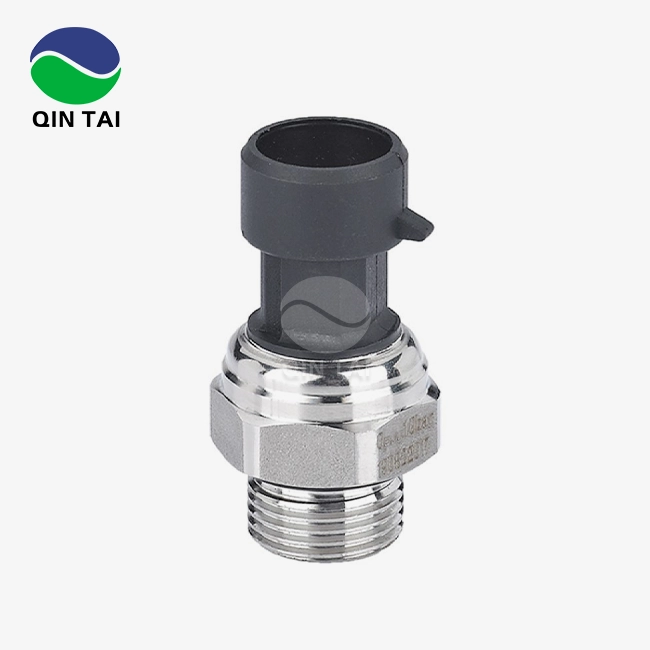
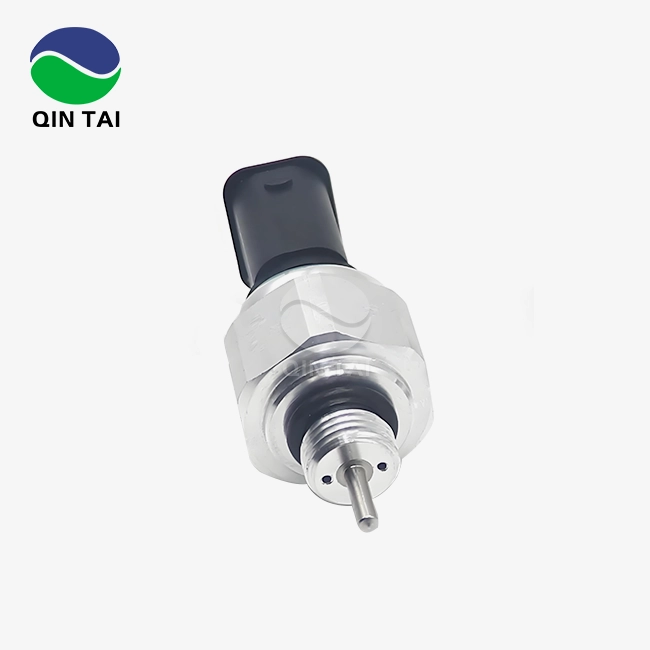
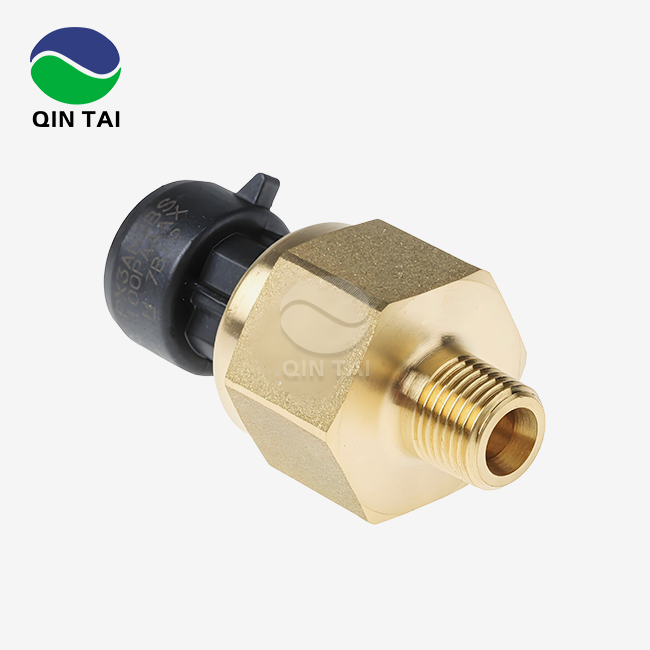
Modern monitoring technologies enable predictive maintenance strategies that optimize replacement timing and prevent unexpected failures. Pressure sensors detect gradual performance degradation in the SCR urea pump, while flow meters identify dosing accuracy changes that indicate component wear. Vibration analysis reveals mechanical issues before they cause complete system failure.
Performance optimization strategies include bottleneck identification via system analysis and implementation of condition-based maintenance procedures. These proactive techniques help procurement and engineering departments work to enhance uptime while minimizing lifetime costs via planned component replacement scheduling.
Qintai: Your Trusted SCR Urea Pump Manufacturer
Performance optimization strategies include bottleneck identification via system analysis and implementation of condition-based maintenance procedures. These proactive techniques help procurement and engineering departments work to enhance uptime while minimizing lifetime costs via planned component replacement scheduling.
Company Expertise and Capabilities
Our independent scientific and technological team consistently innovates to increase product performance and dependability. With 58 innovation patents and certifications like ISO9001, IATF16949, and more. CMC, Ex, UL, CE, REACH, as well as and RoHS, we show our dedication to quality and regulatory compliance. As the number one Epc supplier in Asia, we serve as the key supplier for the companies Weichai Power, Yuchai Electricity, and Quanchai Power.
Our extensive OEM and Cmo services suit different client needs from preliminary product design to mass manufacturing. We provide flexible product customisation according to individual applications and client demands, providing optimum connection with existing subsequent treatment systems. This strategic strategy helps our clients to confidently boost fleet efficiency and satisfy ambitious environmental targets.
Global Reach and Future Vision
Our goods reach more than 60 nations and areas spanning Europe, the Persian Gulf, and South America. We continue to boost intellectual property investment while extending international collaboration, positioning ourselves to exploit possibilities in developing markets. Our dedication to strong after-sales service and continual innovation guarantees customers get dependable goods built to respond to increasing environmental laws.

Conclusion
High pressure urea pumps, such as the SCR urea pump, serve as critical components in modern SCR systems, enabling long-haul trucks to meet increasingly stringent emission regulations while maintaining operational efficiency. Understanding pump technologies, maintenance requirements, and procurement strategies empowers fleet operators and OEMs to make informed decisions that optimize both environmental compliance and operational costs. The evolution toward more sophisticated aftertreatment systems demands careful supplier selection based on technical capabilities, service support, and long-term partnership potential.
FAQ
How often should SCR urea pumps be serviced for optimal performance?
SCR urea pumps normally need inspection every 100,000 hours or yearly, whichever comes first. Comprehensive servicing ought to include fluid system cleansing, electrical connection check, and calibration verification. Operating circumstances substantially impact service intervals, with extremely demanding applications needing more regular attention.
What risks are associated with using non-compliant AdBlue fluid?
Non-compliant AdBlue may cause crystallization, motor damage, and trigger poisoning. Soiled fluid leads to choked injectors, lower system efficiency, and possibly warranty voidance. Using qualified fluid following ISO 22241 requirements eliminates these concerns while providing optimum system performance.
How do I determine the correct pump specifications for different truck models?
Pump selection depends on engine displacement, emission certification level, and operational duty cycle. Flow rate requirements typically range from 2-12 L/h based on engine size and NOx reduction needs. Consulting with technical specialists ensures proper specification matching and system integration.
What temperature range should SCR urea pumps operate within?
Quality Ncr urea pumps function dependably from forty degrees Celsius to 85 degrees Celsius at room temperature. Extreme circumstances may need thermal control or insulation to keep fluid flow and avoid crystallization. Temperature monitoring helps improve performance throughout seasonal fluctuations.
How can I minimize SCR urea pump downtime in fleet operations?
Implementing predictive maintenance programs, maintaining spare part inventory, and establishing service partnerships with qualified technicians reduces downtime risks. Regular system monitoring and proactive component replacement prevent unexpected failures during critical operations.
Partner with Qintai for Premium SCR Urea Pump Solutions
Qintai invites global procurement specialists and fleet managers to discover our advanced high pressure SCR urea pump solutions designed specifically for long-haul trucking applications. Our expert engineering team provides personalized guidance for selecting optimal pump configurations that match your specific operational requirements. Contact info@qt-sensor.com to receive customized quotations, explore volume pricing opportunities, and schedule technical demonstrations. We offer comprehensive after-sales support and maintenance programs designed to maximize pump performance and minimize operational disruptions, ensuring your fleet maintains peak emission control efficiency while meeting evolving environmental standards.
References
1. International Council on Clean Transportation. "Heavy-duty Vehicle Emissions Control Technology Assessment." Transportation Research Institute, 2023.
2. Society of Automotive Engineers. "SCR System Design and Performance Standards for Commercial Vehicles." SAE Technical Paper Series, 2022.
3. Environmental Protection Agency. "Diesel Engine Aftertreatment Technologies and Regulatory Compliance." EPA Office of Transportation and Air Quality, 2023.
4. European Commission. "Euro VI/VII Emission Standards Implementation and Technology Requirements." EU Transport and Environment Directorate, 2022.
5. Automotive Industry Research Institute. "Advanced Urea Dosing Systems for Heavy-Duty Applications." Commercial Vehicle Technology Journal, 2023.
6. International Standards Organization. "Diesel Exhaust Fluid Quality Requirements and Testing Protocols." ISO 22241 Technical Committee, 2022.

Our customers’ satisfaction speaks for our quality — contact us to experience the same reliable service.