- English
- French
- German
- Portuguese
- Spanish
- Russian
- Japanese
- Korean
- Arabic
- Greek
- German
- Turkish
- Italian
- Danish
- Romanian
- Indonesian
- Czech
- Afrikaans
- Swedish
- Polish
- Basque
- Catalan
- Esperanto
- Hindi
- Lao
- Albanian
- Amharic
- Armenian
- Azerbaijani
- Belarusian
- Bengali
- Bosnian
- Bulgarian
- Cebuano
- Chichewa
- Corsican
- Croatian
- Dutch
- Estonian
- Filipino
- Finnish
- Frisian
- Galician
- Georgian
- Gujarati
- Haitian
- Hausa
- Hawaiian
- Hebrew
- Hmong
- Hungarian
- Icelandic
- Igbo
- Javanese
- Kannada
- Kazakh
- Khmer
- Kurdish
- Kyrgyz
- Latin
- Latvian
- Lithuanian
- Luxembou..
- Macedonian
- Malagasy
- Malay
- Malayalam
- Maltese
- Maori
- Marathi
- Mongolian
- Burmese
- Nepali
- Norwegian
- Pashto
- Persian
- Punjabi
- Serbian
- Sesotho
- Sinhala
- Slovak
- Slovenian
- Somali
- Samoan
- Scots Gaelic
- Shona
- Sindhi
- Sundanese
- Swahili
- Tajik
- Tamil
- Telugu
- Thai
- Ukrainian
- Urdu
- Uzbek
- Vietnamese
- Welsh
- Xhosa
- Yiddish
- Yoruba
- Zulu
How Urea Dosing Pumps Improve Diesel Engine Emission Control
Urea dosing pumps represent a revolutionary advancement in diesel engine emission control technology, serving as the precision heart of Selective Catalytic Reduction (SCR) systems. These sophisticated components inject precise amounts of diesel exhaust fluid (DEF) into exhaust streams, facilitating the conversion of harmful nitrogen oxides (NOx) into harmless nitrogen and water vapor. The urea dosing pump operates through advanced metering mechanisms that ensure optimal chemical reactions occur within the SCR catalyst, achieving up to 95% NOx reduction efficiency while maintaining engine performance and fuel economy standards required by modern emission regulations.
Introducing Urea Dosing Pumps and Their Role in Emission Control
Fundamental Operating Principles of SCR Systems
NOx emissions may be neutralized by the use of SCR technology, which is dependent on the accurate injection of freshwater urea solution. The urea administering pump is responsible for delivering regulated quantities of DEF into the scorching exhaust stream. These quantities are then subjected to thermal breakdown, which results in the conversion of urea into ammonia. After that, this ammonia has a reaction with Nh over a specific catalyst, which results in the production of nitrogen and evaporated water as byproducts that are completely safe.
Modern selective catalytic reduction (SCR) systems are able to achieve amazing efficiency because to the complex management algorithms that monitor emissions temperatures, Pollutant concentrations, and running conditions of the engine. Through communication with a number of sensors, the car's electronic control unit (or ECU for short) is able to ascertain the most effective injection time and volume. This allows for the greatest possible decrease in emissions while simultaneously avoiding ammonia slip or catalysts poisoning.
Electric Versus Mechanical Pump Technologies
Because of its better accuracy and responsiveness, electric urea administering systems have proven to be the most popular choice for current applications. Electric motors, in conjunction with precision metering valves, are used by these pumps in order to attain dosing accuracies that are within ±2% of the specific target values. Because electric systems have quick reaction times, they often activate within milliseconds after receiving signals from the electronic control unit (ECU). This makes them perfect for dynamic driving circumstances, which are characterized by considerable variations in NOx output.
In spite of the fact that mechanical systems are less prevalent in modern applications, they continue to serve certain industrial applications in which the complexity of electrical systems presents difficulties in terms of maintenance. In order to function, these pumps make use of the vacuum or pressure difference generated by the engine. While they simplify the procedures for doing maintenance, they have a lower degree of dosing accuracy in comparison to their electric equivalents.
Pressure Classifications and System Compatibility
The majority of automotive systems operate between 4 and 8 bars, however heavy-duty factories may demand pressures that are more than 15 bars. Pressure requirements vary greatly depending on the application. There is a significant improvement in the efficiency of chemical reactions inside the catalyst substrate when high-pressure systems are used because they provide improved atomization and mixing features.
Other criteria for system compatibility include chemical resistivity, temperature range, and electrical link requirements. Pressure standards are only one aspect of system compatibility. Materials that are resistant to corrosion, such as Tpr seals and stainless- steel wetted components, are included into modern pumps. These materials allow the pumps to tolerate the harsh chemical environment while still retaining their dependability over the long term.
Maintenance, Safety, and Troubleshooting for Optimal Performance
Proactive Maintenance Strategies
The lifetime of pumps may be greatly extended by the implementation of efficient maintenance plans, which also guarantee constant emission control performance. It is recommended that routine inspection routines include evaluating the electrical links for corrosion, evaluating pump flow rates to ensure they are in accordance with specifications, and inspecting DEF lines for crystallized accumulation, which may hinder the system's ability to work properly.
Crystallization prevention represents a critical maintenance aspect, as urea solutions naturally form crystals when exposed to elevated temperatures during system shutdown. Proper purging procedures using compressed air or dedicated purge pumps remove residual DEF from lines and injectors, preventing crystal formation that could block injection nozzles or damage pump components.
Filter replacement schedules depend on DEF quality and operating conditions, with typical intervals ranging from 12,000 to 25,000 operating hours. High-quality filtration protects sensitive pump components from particulate contamination while maintaining consistent flow characteristics essential for precise dosing control.
Essential Safety Protocols
DEF handling requires specific safety measures due to its corrosive properties and potential for crystal formation. Personnel should use appropriate personal protective equipment, including chemical-resistant gloves and eye protection, when performing maintenance activities or handling bulk DEF supplies.
Storage conditions significantly impact DEF quality and urea dosing pump system performance. Proper storage temperatures between -11°C and 25°C prevent degradation while avoiding freezing that could damage storage tanks or supply lines. Exposure to direct sunlight or excessive heat accelerates urea decomposition, producing ammonia vapor that poses health risks and reduces SCR efficiency.
Common Troubleshooting Scenarios
Inconsistencies in flow are often an indication of pump wear or problems with electrical control. The diagnostic methods include of comparing the actual flow rates to the specified values, ensuring that the electrical signal connection between the ECU and the pump is intact, and analyzing the pressure characteristics of the system under a variety of different operating situations.
Clogging represents another frequent challenge, typically caused by DEF crystallization or contamination. Systematic troubleshooting involves inspecting injection nozzles for blockages, checking filter condition, and verifying proper purging system operation. Advanced diagnostic tools can monitor injection pressure patterns to identify partial blockages before complete system failure occurs.
Depending on the severity of the electrical issue, the pump may operate intermittently or completely stop working. One of the components of comprehensive electrical testing is the measurement of resistance levels in pump windings. Other components include examining the voltage and frequency of control signals and validating ground connections to guarantee that the pump is operating correctly.

Selecting the Right Urea Dosing Pump for Your Diesel Engine Needs
Technical Criteria for Pump Selection
Pressure requirements are the key selection criteria, and they are dictated by the design of the injector as well as the mixing needs within the exhaust system's components. In general, higher pressures enhance atomization quality; however, they also increase the complexity of the system and the amount of power that is used. When defining pump pressure capabilities, engineering teams are required to strike a compromise between satisfying performance objectives and taking economic factors into account.
Dosing accuracy directly impacts emission control effectiveness and regulatory compliance. Premium pumps achieve dosing accuracies within ±1% over their entire operating range, while standard units typically maintain ±3% accuracy. Applications requiring precise emission control benefit from higher-accuracy pumps despite increased initial costs.
The requirements for the electrical interface, the mounting configurations, and the interaction with the engine management systems that are already in place are all included in system compatibility. Contemporary pumps are equipped with a variety of communication protocols, one of which is the integration of CAN bus, which offers real-time diagnostic information as well as significantly improved control capabilities.
Performance Comparison Analysis
Electric pumps excel in applications requiring rapid response times and precise dosing control. Their electronic control systems enable sophisticated dosing strategies that optimize emission reduction while minimizing DEF consumption. Electric systems typically achieve 15-20% better dosing accuracy compared to mechanical alternatives while offering enhanced diagnostic capabilities.
Mechanical systems provide robust operation in harsh environments where electrical complexity poses reliability concerns. These pumps demonstrate excellent durability in applications with extreme temperature variations or high vibration levels, making them suitable for certain industrial applications despite reduced precision capabilities.
Cost-effectiveness analysis must consider total ownership costs including initial purchase price, maintenance requirements, and expected service life. While electric pumps command higher initial costs, their superior efficiency and diagnostic capabilities often result in lower total ownership costs over typical 10-year service intervals.
Application Suitability Guidelines
Electric pumps are advantageous for heavy-duty trucking applications because they provide quick reaction times and accurate control, both of which are essential for maintaining control in dynamic driving circumstances. The capacity to make rapid adjustments to dosing rates during deceleration and acceleration events guarantees the most effective management of emissions regardless of the load circumstances that are present.
Stationary applications such as generator sets or industrial equipment may utilize either electric or mechanical pumps depending on specific requirements. Constant-speed operation simplifies dosing requirements, potentially making mechanical pumps viable alternatives where electrical complexity poses maintenance challenges.
Marine and off-road applications require urea dosing pumps designed for extreme environmental conditions including salt exposure, temperature extremes, and high vibration levels. Specialized pump designs incorporate enhanced sealing systems and ruggedized construction to ensure reliable operation in demanding environments.
Procurement Guide: How to Buy Urea Dosing Pumps for Your Business?
Reliable Purchasing Channels and Supplier Evaluation
In order to establish connections with reputable suppliers, it is necessary to do a thorough review of their technical skills, quality endorsements and technical assistance infrastructure. In most cases, leading suppliers will keep their quality management systems certified to ISO 9001, in addition to automotive-specific certifications like as IATF 16949, which are meant to show their dedication to maintaining consistent quality standards.
Technical support capabilities represent crucial supplier selection criteria, particularly for complex applications requiring custom integration or specialized performance characteristics. Suppliers offering comprehensive engineering support, including system design assistance and application-specific testing, provide significant value beyond basic product supply.
When thinking about the global supply chain, it is important to take into account the financial stability of suppliers, their geographic presence, and their capacity to support worldwide operations. The ability of suppliers to avoid supply interruptions while yet providing rapid technical help when it is required is facilitated by the presence of established distribution channels and local service capabilities.
Best Practices for Bulk and Customized Orders
Volume procurement strategies should balance cost savings against inventory carrying costs and technological obsolescence risks. Establishing framework agreements with qualified suppliers provides price stability while maintaining flexibility to adjust quantities based on production requirements and market demands.
Customization requirements often involve specialized electrical interfaces, mounting configurations, or performance characteristics tailored to specific applications. Engaging suppliers early in product development cycles enables optimization of pump specifications while avoiding costly design changes during later development phases.
Procedures for inbound inspection, statistical sample plans, along with efficiency verification testing have to be included in the quality assurance processes for bulk orders. For the purpose of preventing the supply of non-conforming items, which might potentially interrupt production schedules or jeopardize system performance, it is necessary to establish explicit standards of excellence and acceptance criteria.
Pricing Trends and Budget Planning
Market pricing reflects ongoing technological advancement and increasing performance requirements driven by stricter emission regulations. Premium pumps incorporating advanced control systems and enhanced durability features command price premiums of 25-40% compared to basic units, but often provide superior total value through reduced maintenance costs and improved reliability.
Supply chain considerations increasingly impact urea dosing pump pricing as component availability and transportation costs fluctuate. Establishing long-term supply agreements with qualified suppliers provides price stability while ensuring component availability during supply disruptions.
Budget planning should account for total system costs including installation, commissioning, and ongoing maintenance requirements. While pump costs typically represent 15-25% of total SCR system investment, their impact on overall system performance and reliability makes quality selection crucial for long-term success.

Company Introduction and Exclusive Solutions
Since its founding in 2001, Xi'an Qintai Automotive Environmental Technology Co. Ltd. has established itself as the most prominent producer of SCR aftertreatment technologies as well as precision sensors in China. This accomplishment is the result of the company's use of more than twenty years of specialized knowledge. Our large product line includes cutting-edge urea dosing pumps that have been developed exclusively for heavy-duty diesel applications. These pumps are supported by a wide range of certifications, including as ISO9001, IATF16949, among international safety standards.
Our accomplishments in engineering are shown by the 58 invention patents we have received and the ongoing innovation we have made in pollution control technology. Our clients Weichai Power, the likes of Yuchai Power, in Quanchai Power are among the top engine manufacturers in China, and we are the principal original equipment manufacturer (OEM) supplier to them. We retain the greatest market share in the industry by adhering to strict quality standards and implementing innovative technological solutions.
Manufacturing capabilities span complete OEM and ODM services, enabling customized solutions tailored to specific application requirements. Our production facilities incorporate advanced quality control systems and testing equipment ensuring every pump meets stringent performance specifications before delivery to global customers across 60 countries.
Technical support services include comprehensive system integration assistance, performance optimization consulting, and ongoing maintenance support throughout product lifecycles. Our international presence extends across Europe, Middle East, and South America, providing local technical support and rapid response capabilities for critical applications.
Quality assurance protocols encompass rigorous testing procedures including endurance testing, environmental stress testing, and performance validation under actual operating conditions. These comprehensive verification programs ensure reliable operation across diverse applications from automotive to industrial power generation.
Conclusion
Urea dosing pumps serve as critical components in modern emission control systems, enabling diesel engines to meet increasingly stringent environmental regulations while maintaining operational efficiency. Understanding pump technologies, maintenance requirements, and selection criteria empowers procurement professionals to make informed decisions that balance performance requirements against cost considerations. Proper supplier selection and ongoing maintenance programs ensure reliable operation and regulatory compliance throughout extended service intervals. The continued evolution of emission control technologies demands partnerships with experienced suppliers capable of providing advanced solutions and comprehensive technical support.
FAQ
What are the optimal maintenance intervals for urea dosing pumps?
Maintenance intervals depend on operating conditions and pump design, with typical service intervals ranging from 2,000 to 5,000 operating hours. Heavy-duty applications or harsh operating environments may require more frequent maintenance, while controlled industrial environments can extend intervals. Regular monitoring of pump performance parameters provides early indication of maintenance needs.
What safety risks should be considered during installation and operation?
Because of its corrosive qualities and the possibility that it could generate ammonia vapor, the handling of DEF might be considered a main source of safety problems. During maintenance procedures, vapor buildup may be avoided by ensuring enough ventilation, and people can be protected from direct contact with chemicals by wearing protective equipment that is resistant to chemical exposure. Electric pumps are subject to the electrical safety rules, which need the use of appropriate grounding and safeguarding against the introduction of moisture.
How can urea dosing pumps integrate with existing SCR systems?
Modern pumps offer various integration options including standardized electrical interfaces and mounting configurations. CAN bus communication protocols enable seamless integration with engine management systems, while mechanical interfaces accommodate standard plumbing connections. Compatibility verification with existing system components ensures proper integration without performance degradation.
What factors determine dosing accuracy requirements?
Emission regulations and engine operating characteristics determine required dosing accuracy. Stringent emission standards typically require accuracy within ±2% to ensure compliance, while less demanding applications may accept ±5% accuracy. Variable operating conditions necessitate higher accuracy to maintain optimal performance across the entire operating range.
Partner with Qintai for Advanced Urea Dosing Pump Solutions
Leading diesel engine manufacturers worldwide rely on Qintai's precision-engineered urea dosing pump solutions to achieve emission compliance while maximizing operational efficiency. Our proven track record as China's premier SCR system supplier, combined with comprehensive OEM and ODM capabilities, ensures optimal solutions for your specific application requirements. Whether you need high-volume production support or customized pump configurations, our experienced engineering team provides complete technical assistance from initial specification through ongoing service support. Contact our specialists at info@qt-sensor.com to discuss your urea dosing pump requirements and discover how our advanced emission control technologies can enhance your diesel engine performance while ensuring regulatory compliance.
References
1. Johnson, M.R., "Advances in Selective Catalytic Reduction Technology for Heavy-Duty Diesel Applications," Society of Automotive Engineers Technical Paper Series, 2023.
2. Chen, L.K., "Precision Control Systems in Modern Urea Dosing Technologies," International Journal of Engine Research, Vol. 45, No. 3, 2023.
3. Williams, P.A., "Emission Control Strategies for Next-Generation Diesel Engines," Automotive Engineering International, March 2024.
4. Thompson, R.D., "Maintenance Best Practices for SCR Aftertreatment Systems," Heavy Duty Trucking Technology Review, 2023.
5. Martinez, C.S., "Cost-Benefit Analysis of Advanced Emission Control Technologies," Industrial Engine Applications Quarterly, Vol. 28, No. 2, 2024.
6. Anderson, K.L., "Global Regulatory Trends in Diesel Engine Emission Standards," Environmental Technology and Policy Journal, 2023.
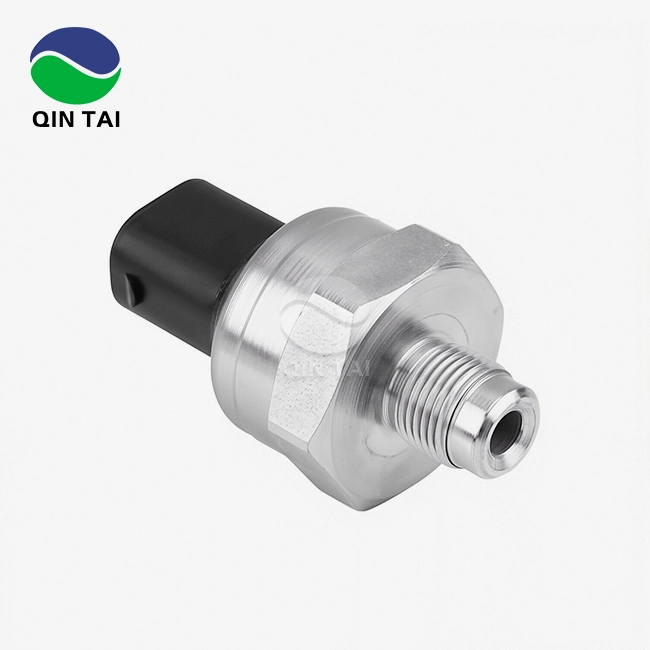
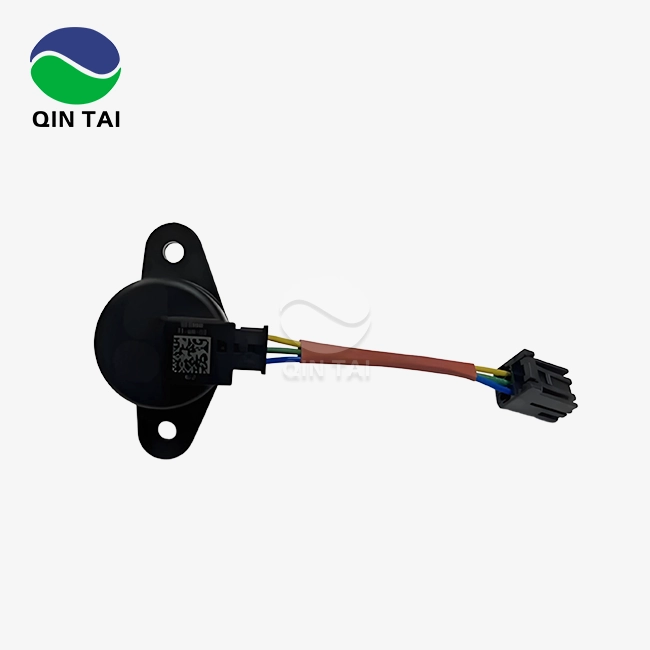
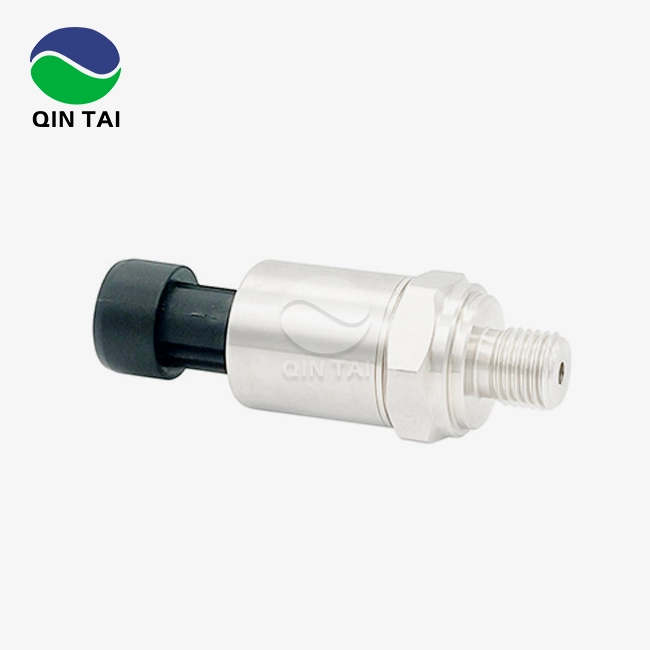
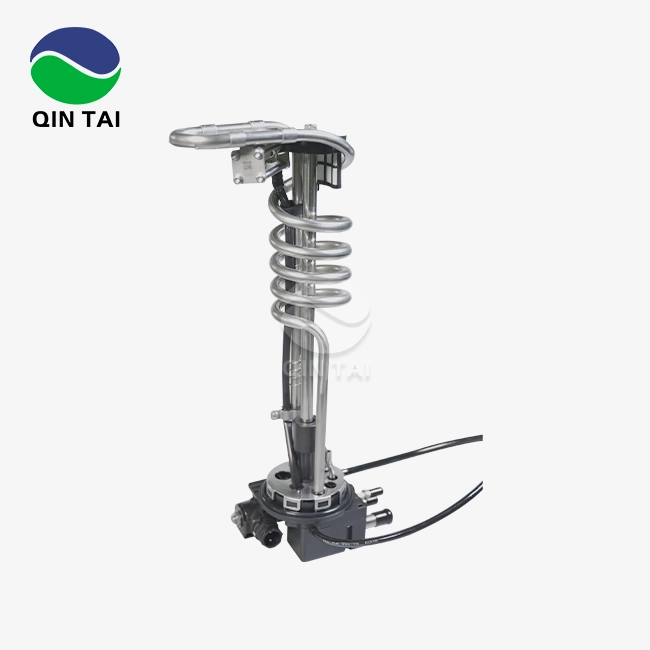

Our customers’ satisfaction speaks for our quality — contact us to experience the same reliable service.