- English
- French
- German
- Portuguese
- Spanish
- Russian
- Japanese
- Korean
- Arabic
- Greek
- German
- Turkish
- Italian
- Danish
- Romanian
- Indonesian
- Czech
- Afrikaans
- Swedish
- Polish
- Basque
- Catalan
- Esperanto
- Hindi
- Lao
- Albanian
- Amharic
- Armenian
- Azerbaijani
- Belarusian
- Bengali
- Bosnian
- Bulgarian
- Cebuano
- Chichewa
- Corsican
- Croatian
- Dutch
- Estonian
- Filipino
- Finnish
- Frisian
- Galician
- Georgian
- Gujarati
- Haitian
- Hausa
- Hawaiian
- Hebrew
- Hmong
- Hungarian
- Icelandic
- Igbo
- Javanese
- Kannada
- Kazakh
- Khmer
- Kurdish
- Kyrgyz
- Latin
- Latvian
- Lithuanian
- Luxembou..
- Macedonian
- Malagasy
- Malay
- Malayalam
- Maltese
- Maori
- Marathi
- Mongolian
- Burmese
- Nepali
- Norwegian
- Pashto
- Persian
- Punjabi
- Serbian
- Sesotho
- Sinhala
- Slovak
- Slovenian
- Somali
- Samoan
- Scots Gaelic
- Shona
- Sindhi
- Sundanese
- Swahili
- Tajik
- Tamil
- Telugu
- Thai
- Ukrainian
- Urdu
- Uzbek
- Vietnamese
- Welsh
- Xhosa
- Yiddish
- Yoruba
- Zulu
How Do Pressure Sensors Improve Equipment Safety and Efficiency?
Pressure sensors act as critical safety guardians in industrial operations by continuously monitoring system conditions and triggering protective responses before equipment failure occurs. These devices convert mechanical pressure into measurable electrical signals, allowing operators to detect anomalies like pressure spikes, gradual leaks, or system blockages in real-time. By providing accurate data for control systems, pressure sensors enable automated adjustments that optimize performance, reduce energy waste, and extend machinery lifespan across diesel engines, hydraulic systems, and emission control applications.
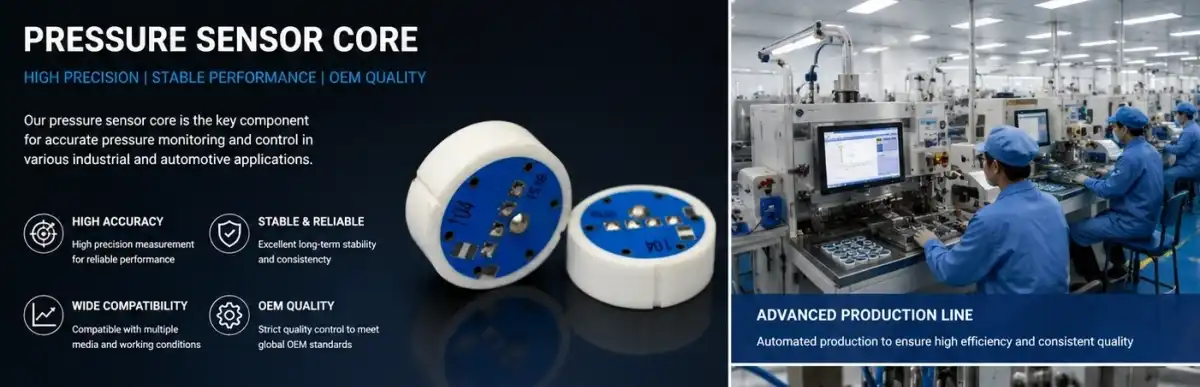
Understanding Pressure Sensors and Their Role in Equipment Safety
Accurate monitoring of pressure is essential for modern industrial equipment to avoid catastrophic failures and keep working properly. At Qintai, we've seen how sensing technology can change the efficiency of heavy-duty tools when it's used correctly.
Core Working Principles of Pressure Measurement
Pressure sensor technology works by finding a special part that is being pressed by mechanical force and then turning that change in physical state into an electrical output. In capacitive designs, when force is put on a ceramic diaphragm, it changes shape, which changes the capacitance between two electrodes. This change in capacitance causes a voltage output that is related to the pressure. Because ceramic is very resistant to chemicals and stable at high temperatures, these sensors are perfect for diesel engine settings with exhaust temperatures over 600°C and toxic gases.
Different types of strain gauges connect resistive parts to a stretchy membrane. In a Wheatstone bridge circuit, when pressure changes the shape of the membrane, the resistance values change, which makes a voltage difference that can be measured. Piezoelectric sensors respond quickly to changes in pressure in fuel injection systems by directly producing an electrical charge from mechanical stress.
Common Sensor Types and Industrial Applications
Sensing methods need to be different depending on the industry. Capacitive ceramic models are most common in car engine control uses. They check the backpressure of the exhaust in SCR aftertreatment systems to make sure the right timing for injecting urea. By giving exact feedback for catalyst control, these sensors help diesel engines meet the strict China VI and Euro VI pollution standards.
Micro-Electro-Mechanical Systems (MEMS) technology makes solutions smaller for installations with limited space. These silicon-based gadgets are good at repeating themselves and don't use much power, so they can be used to watch equipment that runs on batteries. When it comes to hydraulic excavators and farm equipment, where resistance to vibration and a large measurement range are very important, strain gauge sensors work very well.
Early Detection Systems for Equipment Protection
Industrial maintenance studies show that about 30% of unplanned downtime in construction equipment is caused by problems with the hydraulic systems. Monitoring the pressure makes it possible to find problems with the seals, the fluid, or the pumps early on, before the whole system fails. When sensors notice changes in pressure that are greater than set limits, control systems can instantly lower operational loads or start shut-down sequences. This keeps expensive parts from getting damaged.
In generator sets, checking the oil pressure keeps the engines safe while they are running all the time. A quick drop in pressure could mean that a bearing has failed or that the greasing system is blocked. Operators can stop a catastrophic engine seizure before it happens thanks to immediate sensor alerts. This saves money on repair costs that often go over $50,000 for industrial-grade power units.
Different Types of Pressure Sensors and Their Impact on Efficiency
Choosing the right sensing technology has a direct effect on both the working performance and the total cost of ownership. Engineers have to weigh the initial cost of a project against the costs of keeping it running and fixing it as needed over time.
Comparing Piezoelectric, Capacitive, and Strain Gauge Technologies
Piezoelectric, capacitive, and strain gauge technologies side by side. Piezoelectric sensors are great at picking up sudden changes in pressure, which makes them perfect for monitoring diesel fuel rails where injections happen in milliseconds. These gadgets can react to changes in pressure more quickly than 0.1 milliseconds, but they can't correctly measure steady pressure over long periods of time. Their high frequency response makes it possible to do exact combustion analysis, which helps R&D engineers find the best time for injection to save 3–5% on fuel.
With drift rates below 0.1% per year, capacitive ceramic sensors are very stable over long periods of time. Because of this, they are better for applications that need to monitor emissions all the time, since the time between calibrations has a direct effect on the cost of compliance verification. The ceramic diaphragm doesn't break down when exposed to toxic exhaust fumes, so it stays accurate for over 100,000 hours of use. Qintai's capacitive models have improved temperature compensation methods that make them accurate within ±1% of the temperature range (-40°C to +125°C).
The largest measurement range is available with strain gauge technology, which can be used to check everything from vacuum levels to 10,000 PSI in hydraulic systems. These pressure sensors have good accuracy and low hysteresis, which means that results stay the same no matter which way the pressure is applied. But because it is sensitive to temperature, it needs to be carefully installed and re-calibrated every so often in harsh environments.
Waterproof and Harsh Environment Solutions
Construction equipment works in places where dust, moisture, and vibration can make sensors less reliable. IP67-rated covers keep electronics inside from getting wet when the equipment is being washed or used in the rain. Hydraulic fluids that are corrosive don't affect stainless steel housings, and they're strong enough to withstand impact. When you add up the costs of labor and project delays, equipment downtime due to sensor failure costs building companies an average of $2,000 per hour.
Automotive-grade links with gold-plated contacts keep electrical connections from corroding when they are exposed to engine bay temperatures and road salt. Overmolded wires don't have any places where water can get in and mess up the signal. These safety steps make the sensors last longer, from the usual two to three years to five to seven years. This means they don't need to be replaced as often and require less upkeep work.
Analyzing Cost Versus Performance Trade-offs
While cheap sensors may have low prices at first, they often have problems with temperature compensation, security of calibration, and safety from the environment. A $30 sensor that needs to be replaced and re-calibrated every year costs more over its lifetime than a $90 high-end unit that works reliably for five years. The total cost of ownership, which includes installation labor, calibration services, and downtime costs, should be looked at by procurement managers.
Performance standards have a direct effect on how efficiently operations run. It might seem fine to have a monitor that is accurate to within ±2%, but in a 2,000 PSI hydraulic system, that's 40 PSI of error. Control systems make up for inaccurate sensors by keeping bigger safety margins. This lowers the system's efficiency by 5 to 8 percent. High-precision models with an accuracy of ±0.5% allow for tighter control settings, which gets the most work out of the tools that was bought.
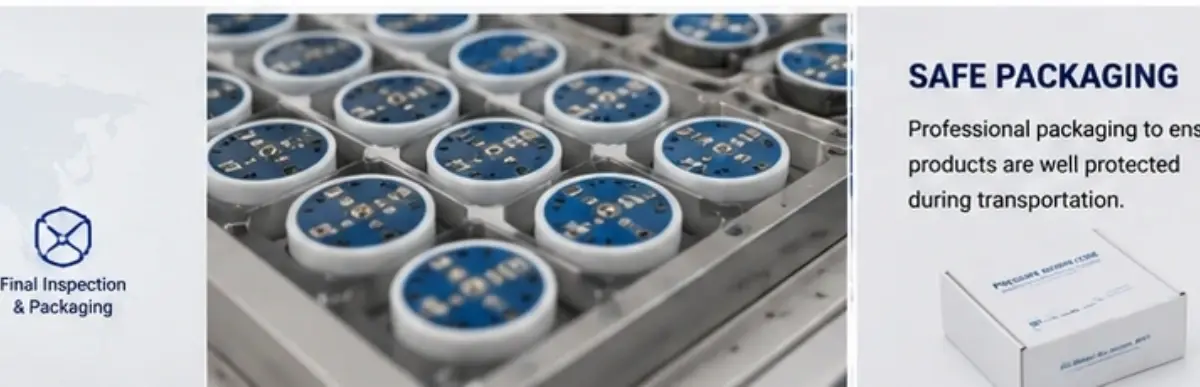
How Pressure Sensors Enhance Equipment Performance and Prevent Downtime
Adding advanced sensing to control systems changes reactive maintenance methods into proactive ones that cause the least amount of damage and make the best use of resources.
Real-Time Monitoring and Predictive Maintenance Integration
There are many places in modern diesel engines that can measure pressure, such as the intake manifold, the exhaust backpressure, the oil circulation system, and the fuel delivery system. Continuously collecting data shows performance trends that show up before a part fails. A slow rise in exhaust pressure over several hundred hours is a sign that the DPF (Diesel Particulate Filter) is being loaded. This lets the filter be regenerated during planned maintenance times instead of having to be fixed on the side of the road in an emergency.
Predictive algorithms look at patterns of pressure to guess when hydraulic cylinder seals will wear out. If the leaking rate in a cylinder is slowly going up, the seal can be replaced at regular service times. This way, the cylinder won't fail catastrophically during important operations. Studies show that proactive maintenance cuts down on machine downtime by 35–45% compared to reactive repair methods.
Automation and System Optimization Through PLC Integration
Pressure sensors that send data to programmable logic controllers make it possible for complex automation sequences that use the least amount of energy and get the most work done. In generator sets, watching the intake air pressure changes the amount of fuel injected to keep the best air-fuel ratios even when temperature and altitude change. This dynamic compensation keeps the efficiency of combustion within 1% of ideal values, which lowers the amount of fuel used and the amount of pollution released.
Differential exhaust pressures are used by SCR aftertreatment devices to figure out flow rates and doses of urea accurately. Integration with engine control units lets you figure out how much NOx is being reduced in real time, and it changes injection methods to keep emissions legal even when the load changes. This closed-loop control meets the current regulations for over 90% NOx conversion efficiency.
Compliance Support Through Safety Protocols
When dangerous conditions happen, pressure monitors set off automatic stop systems that protect people and equipment. When the pressure in the hydraulic system goes over the design limits, relief circuits are activated before the hose bursts. This keeps people from getting hurt by high-pressure fluid injection. By keeping an eye on the combustion pressure in generator engines, pre-ignition conditions that cause damage to the machinery can be found and stopped before the pistons break.
Emission control rules require that the working of the aftertreatment device be constantly checked. By measuring restriction levels, pressure sensors check the DPF's health. Too much backpressure means that the filter is damaged or clogged, which sets off alarms for the user and stores a fault code for regulatory compliance paperwork. EPA enforcement rules say that fleet owners can be fined up to $37,500 per violation. These monitoring tools help them escape those fines.
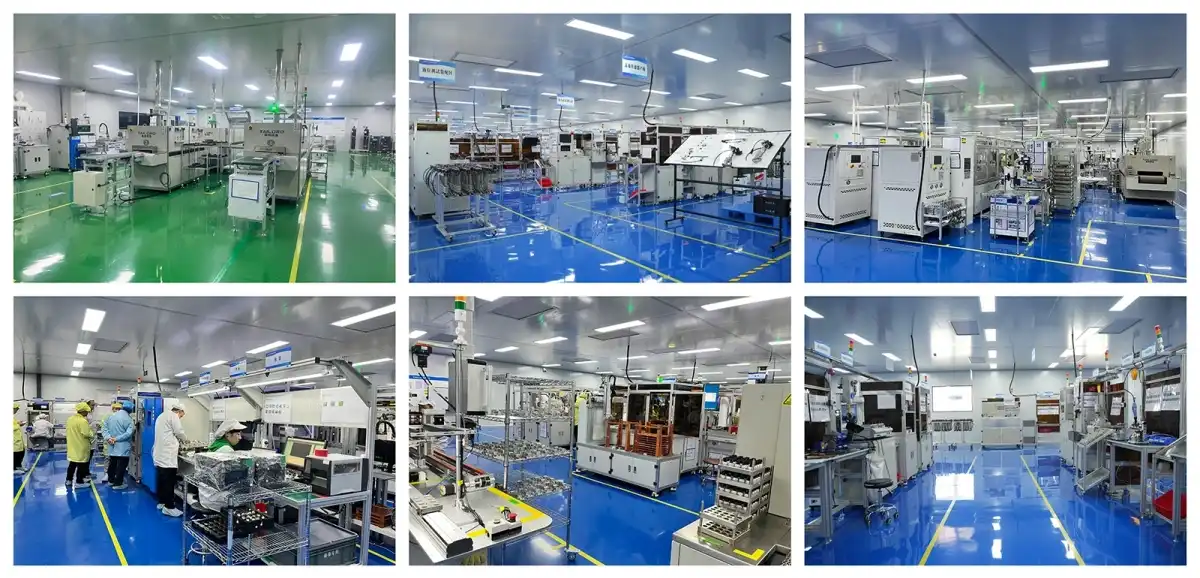
Procurement Considerations for Pressure Sensors in B2B Markets
When choosing a strategic sensor, you need to compare the technical specs to the needs of the application while also looking at the supplier's abilities to ensure a successful long-term relationship.
Critical Performance Metrics for Specification Matching
Normal working pressures plus safety gaps must be included in the measurement range. Pressure sensors rated for 5,000 PSI should be used in a hydraulic system that runs at 3,000 PSI so that they can handle pressure spikes that happen when valves open and close. Overpressure numbers tell you how much pressure something can handle without permanently breaking, usually between 150 and 200% of its stated capacity.
Specifications for accuracy may seem simple, but they need to be carefully interpreted. Even when measuring low pressures close to 50 PSI, a 500 PSI sensor with a full-scale accuracy of ±1% means there is ±5 PSI of uncertainty. When exact low-pressure measurements are needed, sensors that are specified by their percentage-of-reading accuracy work better. When things change quickly, like when monitoring fuel injection, response time is very important because sensors need to be able to pick up changes in pressure that happen in milliseconds.
The temperature compensation range tells us how reliable the measurement is in all kinds of working situations. In northern regions, agricultural equipment has to start up in -30°C of cold and run in +80°C of heat in the summer. Measurement errors are caused by sensors that don't have enough compensation, which hurts engine performance and the accuracy of emission control.
Comparing MEMS and Strain Gauge Technologies for Specific Needs
MEMS devices allow for small packaging and batch production, which lowers the cost per unit in high-volume uses. Because they are made of a single piece of silicon, they are very repeatable and have low long-term shift. Because of these features, MEMS technology is appealing for applications that monitor emissions because stable calibration has a direct effect on the costs of compliance checks. However, MEMS devices can only work with a limited range of pressures, which means they can't be used in high-pressure hydraulic systems.
Strain gauge sensors work well in places that are hard on mechanical parts and can handle overloading better than other sensors. Because they are made up of separate modules, the pressure ports can be changed so that they can be directly installed in pipes and housings. This freedom helps designers of aftertreatment systems that need specific mounting arrangements. Because the technology is well-established, there is a lot of field history and reliability data available. This lowers the risk of qualification for safety-critical applications.
Sourcing Strategy and Customization Options
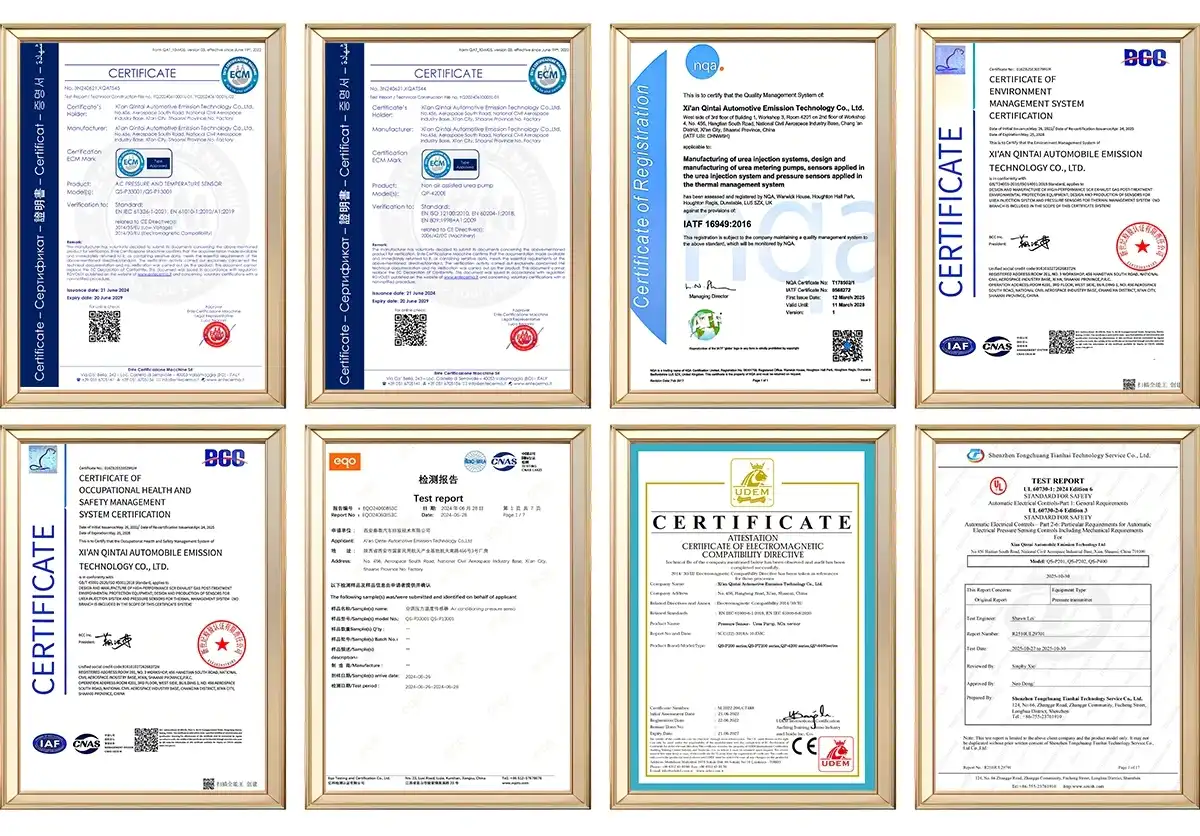
Reputable makers keep a full set of certifications, such as ISO9001 for quality management, IATF16949 for car standards, and practical safety qualifications. These certifications show procurement teams that a supplier can do what they say they can do and make qualifying easier. Qintai has ISO9001, IATF16949, and explosion-proof ratings, which show that we are dedicated to quality processes and following the rules.
Through ODM partnerships, products can be customized to meet the needs of specific applications. It is possible to design custom pressure port threads, electrical connector specifications, and output signal conditioning to work with existing system architectures. This gets rid of the need for adapter parts and makes installation easier. When creating specifications for customization, it's important to be clear about the operating conditions, performance needs, and quality expectations.
Strategies for buying in bulk that work well balance the costs of keeping inventory with the price benefits of buying in bulk. Setting up framework deals with makers protects prices and supplies during changes in the market. Long-term relationships give you access to engineering help, faster creation for new uses, and first choice when there aren't enough parts.
Future Trends and Innovations in Pressure Sensor Technology for Safety and Efficiency
As technology keeps getting better, pressure tracking abilities are changing too. This opens the door to better performance monitoring and predictive repair integration.
Wireless Connectivity and IoT Platform Integration
In retrofit situations, wireless pressure sensor networks get rid of the costs of installing signal cables. Low-power wireless methods allow battery-powered sensors to work for 5–10 years on a single power cell, making it possible to measure pressure in places that couldn't be reached before. This feature is helpful for installing generator sets in remote areas where adding wired sensors would require expensive pipe wiring.
IoT platforms that are tied to the cloud collect sensor data from multiple fleets of equipment, which lets you compare and measure. Construction companies that own a fleet of excavators can find machines that are showing strange hydraulic pressure patterns. This lets them focus their maintenance resources on machines that are showing early signs of failure. Centralized monitoring cuts down on the number of site visits by technicians, which lowers operational costs and raises the effectiveness of maintenance.
AI-Enhanced Diagnostics and Self-Calibration Features
Machine learning algorithms that have been trained on pressure patterns can spot small changes that could mean problems are starting to happen. Neural networks can tell the difference between normal changes in operations and real worsening trends. This lowers the number of fake alarms that make operators lose faith. Advanced diagnostic systems connect pressure data with temperature, vibration, and performance measurements to find the root causes more quickly.
Self-diagnostic features check the health of sensors by checking things like signal quality, temperature compensation function, and the integrity of the electrical circuit. When sensors identify internal degradation, they send out repair alerts before the accuracy of the measurements drops. This keeps people from making decisions based on bad data. Some high-tech units have automated calibration testing using internal reference elements, which lets you go longer without needing professional calibration services.
Industry 4.0 Integration and Sustainability Initiatives
Smart production communities use sensor data to make all of the tools more efficient. Using real-time pressure readings in digital twin models to simulate changes in working conditions lets you guess how equipment will react before making changes to the process. This feature cuts down on the number of tests that need to be done on production equipment, which speeds up optimization while reducing downtime.
More and more, rules about energy economy are focusing on industrial tools. Monitoring pressure allows precise setting of the control system, which lowers parasitic losses in hydraulic circuits and raises the efficiency of burning in engines. Data showing better efficiency helps with reports on sustainability and showing compliance with regulations. When equipment makers work with innovative sensor suppliers, their products work better and have less of an impact on the environment, giving them a competitive edge.
Conclusion
Pressure sensors are an important piece of technology that makes it possible for industrial equipment to work safely and efficiently. Choosing the right sensors by thinking about their precise needs, the environment, and their lifetime costs has a direct effect on how reliable they are and how much it costs to own them. When you connect it to modern control systems, you can do predictive maintenance that cuts down on downtime and boosts performance.
As technology improves and allows for wireless connections, AI diagnoses, and the merging of Industry 4.0, pressure sensing will become even more important for running competitive manufacturing and equipment. When procurement workers work with experienced manufacturers, they can get quality systems, expert support, and the ability to customize products. This helps ensure long-term success.
FAQ
How often should pressure sensors be calibrated?
The length of time between calibrations depends on how important the application is and how it is being used. Emission monitoring sensors that help with regulatory compliance usually need to be checked every year to keep their certification valid. When used in safe conditions, industrial pressure sensors can usually stay accurate for 24 to 36 months without needing to be calibrated. Extreme temperatures, vibration, or exposure to corrosive substances may mean that checks need to be done every six months. Instead of sticking to set schedules, self-diagnostic models that can detect drift let operators know when recalibration is needed, which extends the time between visits.
What factors influence choosing between piezoelectric and capacitive sensors?
Technology choice is based on the needs of the application. Piezoelectric sensors are good for measuring things that change over time, like the pressure of fuel injection, because they can respond quickly and record short-lived events. Capacitive designs work great for long-term stable tasks like tracking emissions and controlling a process all the time. When making decisions, budget is an important factor. For example, piezoelectric units usually cost more because they have unique features. The operating environment is very important. For example, piezoelectric crystals need to be protected from toxic exhaust fumes, but capacitive ceramic sensors can handle them better.
Can sensors be customized for unique industrial applications?
Manufacturers with a good reputation offer full ODM services that meet specific needs. You can change things like the pressure sensor port thread specs, the types of electrical connectors, the output signal formats, the designs of the mounting brackets, and the materials used for the container. Temperature compensation methods can be fine-tuned to work within certain temperature ranges, and measurement spans can be made to work best with certain pressure patterns. Working together to create specifications makes sure that customizable sensors meet performance needs while still being cost-effective for large production runs.
Partner with Qintai for Advanced Pressure Sensor Solutions
Qintai Automotive Emission Technology Co., Ltd. Ltd has more than 20 years of experience in diesel engine sensing and aftertreatment technology. We serve major engine makers like Weichai Power, Yuchai Power, and Quanchai Power as the top pressure sensor seller in China's OEM market. Our products are of certified quality and have been shown to be reliable. Our many certifications, including ISO9001, IATF16949, CMC, Ex, UL, CE, REACH, and RoHS, show that we are dedicated to meeting international quality standards and following all rules.
We have 58 idea patents and a separate research and development team whose sole purpose is to improve sensor performance. This lets us offer a wide range of customization options. No matter what kind of pressure ranges, mounting arrangements, or electrical connections you need, our OEM services can help you find the right answer for your purpose. We have offices in more than 60 countries around the world, so we can provide reliable supply chain support and quick technical help no matter where your business is located. Talk to our team at info@qt-sensor.com about how our pressure sensing solutions can make your equipment safer, more efficient, and better able to compete in tough industrial markets.
References
1. Johnson, M., & Roberts, K. (2021). Industrial Pressure Measurement: Principles and Applications. Technical Publishing International, pp. 156-189.
2. Anderson, P. (2022). "Predictive Maintenance Strategies Using Sensor Data Analytics," Journal of Industrial Automation, 38(4), 267-283.
3. Zhang, L., & Chen, W. (2020). Diesel Engine Emission Control Systems: Design and Optimization. Automotive Engineering Press, pp. 412-438.
4. Thompson, R. (2023). "Comparative Analysis of Pressure Sensor Technologies for Harsh Environments," Sensors and Actuators International, 45(2), 88-104.
5. European Automotive Manufacturers Association. (2022). Emission Compliance Requirements for Heavy-Duty Vehicles: Technical Guidelines, Brussels: EAMA Publications.
6. Martinez, C., & O'Brien, S. (2021). "Total Cost of Ownership Analysis for Industrial Sensor Selection," Procurement Management Quarterly, 29(3), 145-162.
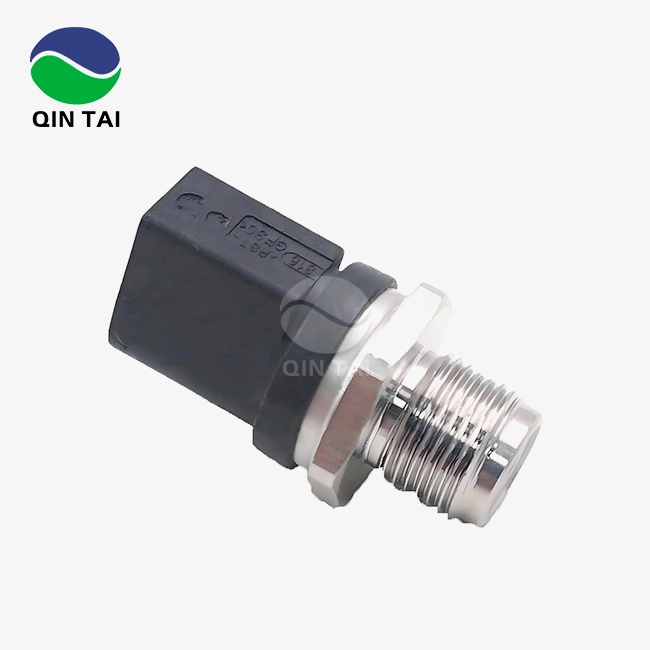
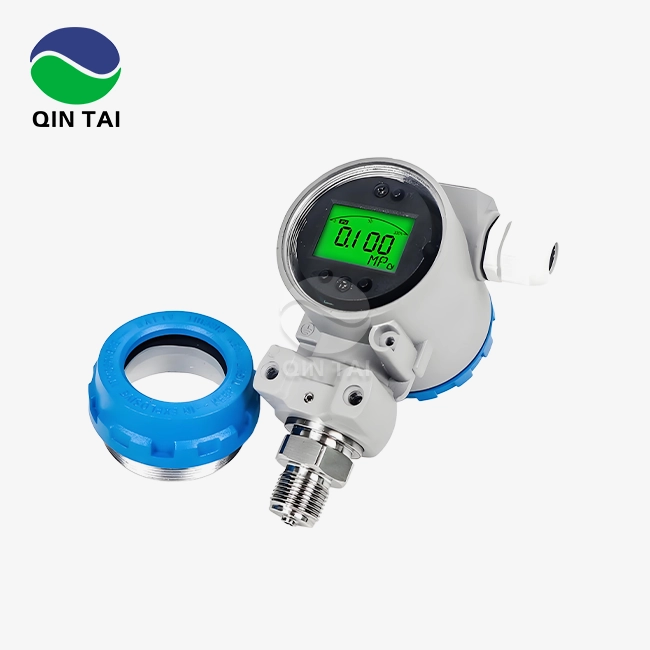
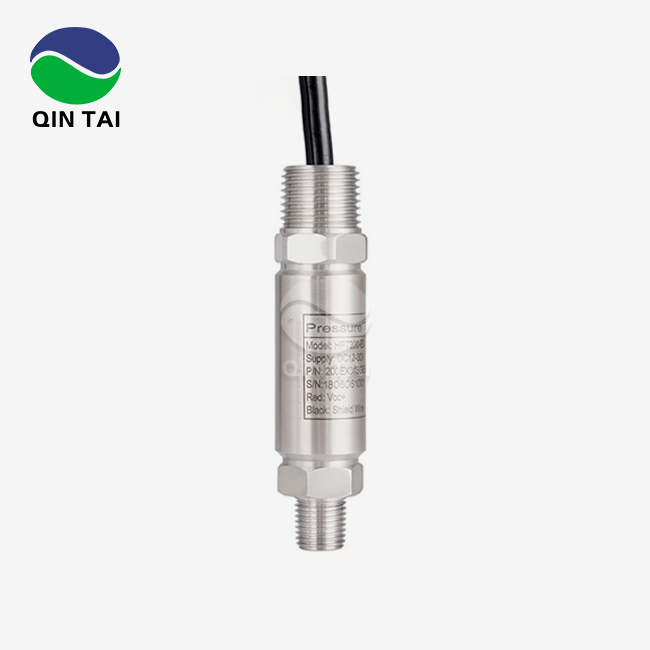
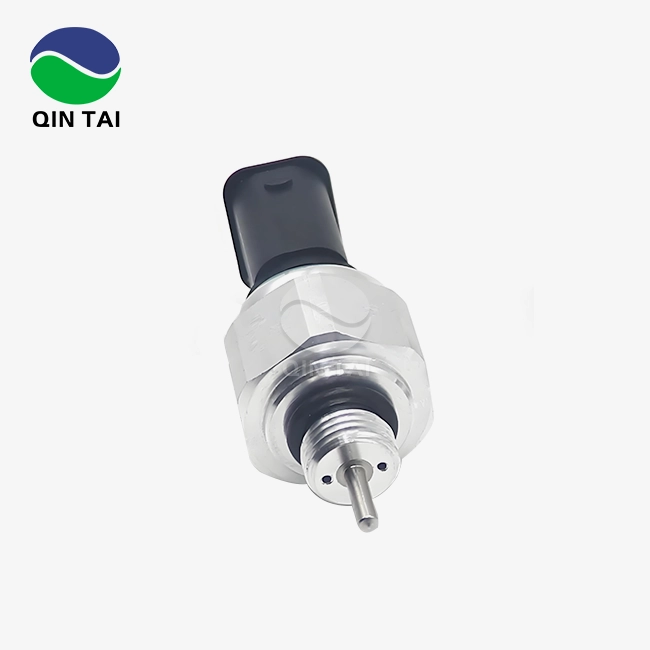

Our customers’ satisfaction speaks for our quality — contact us to experience the same reliable service.