- English
- French
- German
- Portuguese
- Spanish
- Russian
- Japanese
- Korean
- Arabic
- Greek
- German
- Turkish
- Italian
- Danish
- Romanian
- Indonesian
- Czech
- Afrikaans
- Swedish
- Polish
- Basque
- Catalan
- Esperanto
- Hindi
- Lao
- Albanian
- Amharic
- Armenian
- Azerbaijani
- Belarusian
- Bengali
- Bosnian
- Bulgarian
- Cebuano
- Chichewa
- Corsican
- Croatian
- Dutch
- Estonian
- Filipino
- Finnish
- Frisian
- Galician
- Georgian
- Gujarati
- Haitian
- Hausa
- Hawaiian
- Hebrew
- Hmong
- Hungarian
- Icelandic
- Igbo
- Javanese
- Kannada
- Kazakh
- Khmer
- Kurdish
- Kyrgyz
- Latin
- Latvian
- Lithuanian
- Luxembou..
- Macedonian
- Malagasy
- Malay
- Malayalam
- Maltese
- Maori
- Marathi
- Mongolian
- Burmese
- Nepali
- Norwegian
- Pashto
- Persian
- Punjabi
- Serbian
- Sesotho
- Sinhala
- Slovak
- Slovenian
- Somali
- Samoan
- Scots Gaelic
- Shona
- Sindhi
- Sundanese
- Swahili
- Tajik
- Tamil
- Telugu
- Thai
- Ukrainian
- Urdu
- Uzbek
- Vietnamese
- Welsh
- Xhosa
- Yiddish
- Yoruba
- Zulu
How to Select a urea SCR system for Diesel Applications
Selecting the right urea SCR system directly impacts your diesel fleet's regulatory compliance, operational costs, and long-term reliability. The decision hinges on understanding emission standards your engines must meet—whether EPA Tier 4, Euro VI, or China VI—alongside compatibility with your specific engine architecture and duty cycle.
A well-matched SCR system not only reduces nitrogen oxide emissions effectively but also minimizes maintenance burdens and total cost of ownership. Evaluating system components, supplier certifications, and technical support capabilities ensures you invest in a solution that delivers both environmental performance and economic value for heavy trucks, construction machinery, agricultural equipment, or generator sets.


Understanding the Urea SCR System: Basics and Benefits
When diesel engines burn, they release nitrogen oxides, which are pollutants that make smog and pose health risks to the lungs. Diesel Exhaust Fluid (AdBlue) is injected into the waste stream by SCR technology to solve this problem. The fluid, which is a precise 32.5% urea solution, reacts with NOx on a catalyst surface, turning it into nitrogen gas and water vapor that are safe to breathe. This chemical change usually takes place between 250°C and 500°C, which is why SCR works so well for highway driving and continuous-duty uses.
Key Advantages for Diesel Operations
These days, SCR systems work better in many ways that can be measured. When calibrated correctly, NOx reduction rates always hit 90% or higher. This lets fleets meet strict pollution limits without reducing engine power or fuel economy. Many owners say that SCR saves them 3–5% on fuel compared to older methods that relied on EGR. This is because SCR lets engines run at the best temperatures for combustion. Less recirculation of exhaust gas also means less production of soot, which means longer periods between oil changes and less wear on important engine parts. The diesel urea tank works perfectly with existing diesel systems, so the architecture of the vehicle doesn't need to be changed much. It also controls emissions all the time.
How Core Components Work Together
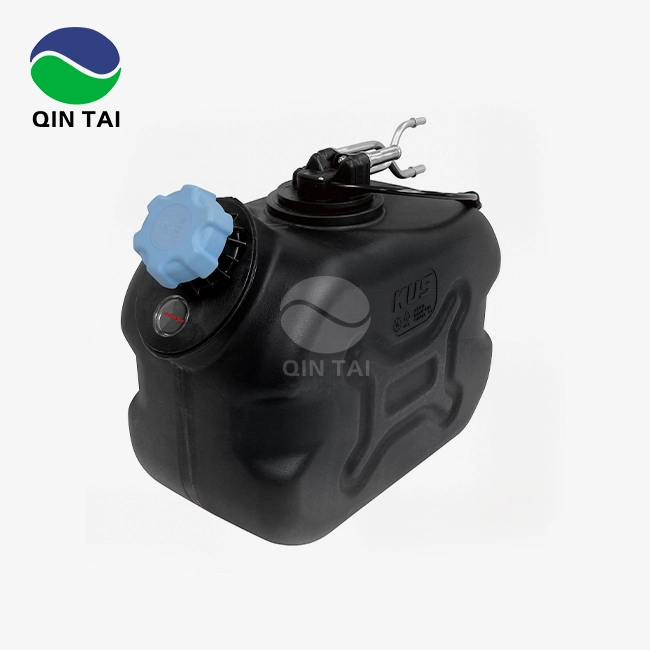
The urea SCR system is made up of several parts that work together to control emissions precisely. The diesel urea tank holds AdBlue and uses built-in sensors to let the engine control unit know about the fluid's amount, temperature, and quality. The fluid is pumped to the injector nozzle ahead of the catalyst by a specialized dose module.
This is important in cold places where AdBlue freezes at temperatures below -11°C. The urea pressure sensor checks the system's performance in real time to find problems like blockages, leaks, or air getting in that could affect how accurately the doses are given. Downstream NOx sensors give closed-loop feedback, which lets the ECU change the injection rates based on the load on the engine and the condition of the exhaust.
Critical Factors to Consider When Selecting a Urea SCR System
To find the right SCR technology for your application, you need to carefully look at the integration limits, regulatory requirements, and operational environment. Different fields have their own problems to solve. For example, heavy-duty cars need small packages that can be quickly warmed up, while stationary generator sets need to last a long time while always being loaded.
Emission Standards and Certification Requirements
The pollution standards your urea SCR system must meet depend on the places you want to reach. In the United States, the EPA sets strict NOx limits for both on-highway and off-road equipment. For most engine types, Non-Road Tier 4 Final limits emissions to 0.4 g/kWh. In Europe, Euro VI standards are enforced with the same strict limits, and China's National VI rules are very similar to Euro VI norms.
Check that any SCR solution has the right certifications, such as ISO 9001 for quality management, IATF 16949 for making cars, and any necessary environmental approvals, such as CARB Executive Orders or EU Type Approval. These credentials show that the system is regularly tested and meets the standards for reproducibility that are needed for mass production.
System Reliability and Component Quality
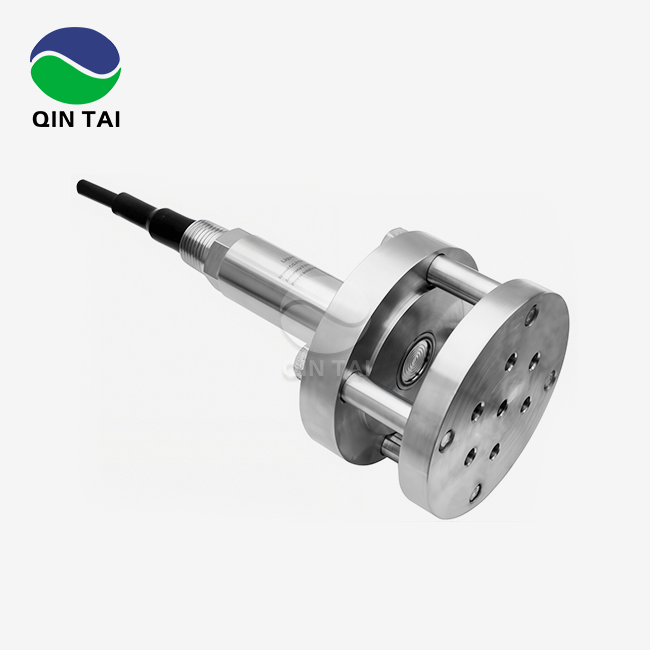
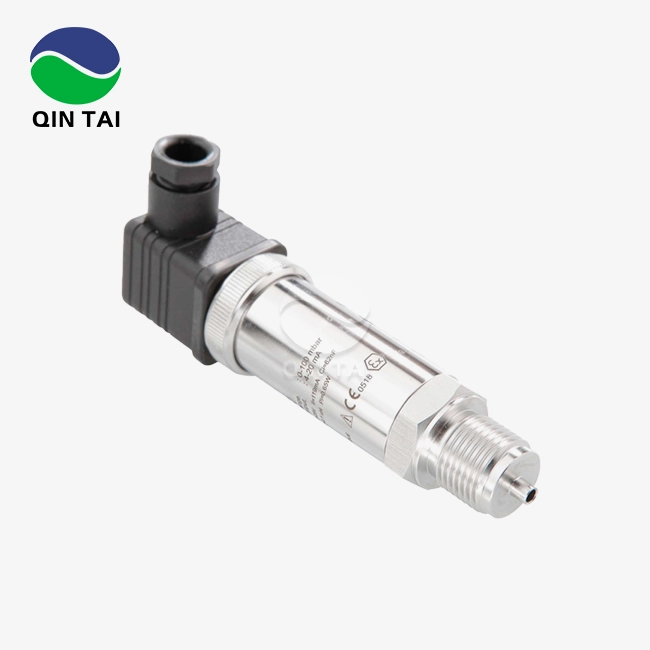
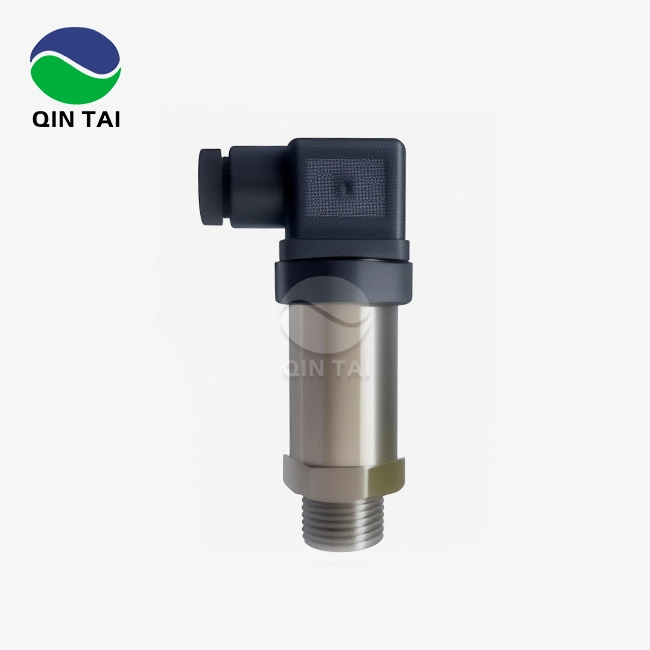
Long-term success depends a lot on how durable the parts are and how well they were made. The urea dosing pressure sensor is a very important part of the system's reliability because it lets the control system find pressure drops that mean there are leaks, blocks, or air in the fluid lines. It can also find overpressure situations that happen when AdBlue freezes or valves stop working. Good monitors help find problems with pump performance and injectors before they get worse and cause system crashes.
Consider suppliers based on the testing methods they use, such as thermal cycling, vibration resistance, and contamination tolerance. This is because SCR components have to work in harsh conditions, such as being exposed to high and low temperatures, road salt, and long periods of vibration. Failure rates and repair plans are easier to predict when the manufacturer has a lot of field data from millions of hours of use.
Compatibility with Engine Management Systems
For SCR integration to work, aftertreatment parts must be able to talk to the engine's current control system without any problems. In modern systems, CAN bus protocols are used to send and receive real-time information about the temperature, flow rate, NOx concentration, and dosing commands of the exhaust. Make sure the SCR controller works with OEM diagnostic tools and supports the communication standard for your engine (J1939 for commercial vehicles and ISO 11898 for construction equipment).
Customizable calibration parameters let you fine-tune for different job cycles, like stop-and-go delivery in cities or continuous running on the highway. Urea SCR system integrators of aftertreatment systems really like it when providers offer flexible interface configurations and quick technical help during the creation phase.
Total Cost Analysis
The initial purchase price is only one part of the economics of an SCR system. To find the total cost of ownership, you need to include the amount of AdBlue that is used. Depending on the engine's tuning and load factor, this amount is usually between 3 and 6 percent of the diesel fuel used. To keep the dose valves and injector tubes from getting dirty, the urea filter AdBlue needs to be replaced every 80,000 to 100,000 kilometers.
If you don't change a damaged or clogged filter, it could contaminate other parts of the SCR, leading to incorrect AdBlue injection that lowers NOx reduction and could lead to costly fixes as well as fines from the government. When comparing options, you should think about how long the warranty covers, how easy it is to get replacement parts, and how responsive the supplier is. A lot of the time, volume purchasing agreements cut costs by 15 to 25 percent and make sure that supplies are prioritized when supplies are low.

Comparing Urea SCR Systems with Other Emission Control Technologies
In the diesel market, there are a number of different methods for lowering emissions, and each one has its own performance traits and operational trade-offs. Knowing these differences helps buyers make decisions that are based on facts and meet their needs.
SCR Versus Exhaust Gas Recirculation
EGR systems lower NOx by sending some of the exhaust gases back into the combustion chamber. This lowers the peak flame temperature, which is where NOx is formed. Even though EGR doesn't use any fluids that need to be replaced, it makes more particulate matter and uses 2–4% more fuel than urea SCR systems optimized engines. The cooling exhaust also brings water and acids into the intake system, which makes the valves and turbochargers wear out faster. With SCR technology, engines can run at their most efficient, burning fuel more completely and making less soot. Many new diesel engines use both light EGR and strong SCR, which makes the best of both approaches while minimizing the problems with each one separately.
Leading Global SCR Suppliers
There are a number of well-known companies in the SCR market that have a track record of success in a wide range of uses. Bosch sells integrated systems to OEMs in Europe, with a focus on small designs for installations with limited space. Denso focuses on precise dosing technology that responds quickly and works well with short driving cycles. Cummins Emission Solutions gives full aftertreatment kits that are designed for their engine families.
This way, efficiency and warranty issues can be handled by a single source. Faurecia specializes in modular SCR designs that can be used for both light-duty and heavy-duty tasks by using the same part architectures. This makes manufacturing simpler. When comparing these brands, think about where they are made, how reliable their supply chain is, and how much technical support they offer in the markets you want to reach.
Evaluating Value Beyond Initial Price
Structured cost comparisons that take lifecycle costs into account help with purchasing choices. Over a ten-year service time, a system that costs 20% more but has a 30% longer catalyst life and more reliable sensors is a better deal. There are a lot of different types of warranties. Some only cover basic parts for two years or 100,000 kilometers, while top providers cover all parts for up to five years or 500,000 kilometers. The quality of after-sales help has a direct effect on uptime, especially when resolving complicated diagnostic codes or putting system changes in. Suppliers with regional service centers and technical hotlines that are open 24 hours a day, seven days a week experience less costly downtime than those who only give email help.

Best Practices for Installation, Maintenance, and Troubleshooting of Urea SCR Systems
With the right setup and ongoing care, an urea SCR system can last for a long time and still meet emission standards. A lot of performance problems are caused by mistakes in the installation or maintenance that wasn't done when it should have been.
Installation Protocols That Prevent Future Problems
When installing an SCR system, it's important to pay attention to the little things that will pay off for a long time. Place the urea tank system somewhere that won't get damaged but is still easy to get to for service and refilling. Make sure that all hot lines have enough power and shielding. AdBlue freezes at -11°C and thaws on its own when the engine starts, but repeated freeze-thaw cycles put stress on the tank and the sensors.
Use OEM-specified connectors that don't break easily and keep moisture out when routing electrical connections away from heat sources and moving parts. Use diagnostic tools to make sure that the system is calibrated correctly and that the dosing rates are correct across the engine's working range. Also, make sure that the NOx monitors read within the expected ranges and that the dosing valve reacts correctly to control orders.
Preventative Maintenance Schedules
Most SCR failures can be avoided with regular upkeep, and the guarantee coverage stays the same. Regularly check the quality of the AdBlue because tainted fluid breaks down dosing components and lowers the efficiency of the catalyst. Always use DEF that is compliant with ISO 22241 and stay away from goods that don't have the right certification. Check the level sensor, temperature sensor, and quality sensor in the tank on a regular basis.
They provide important information that the control system needs to change the dose and keep parts from breaking. If you don't replace the urea filter AdBlue when the maker says to, usually every 75,000 to 100,000 kilometers, the dosing valves and injector tubes will get dirty, which will cause the system to fail and require expensive repairs. To get rid of the urea crystallization that happens naturally during normal operation, clean the injector nozzle once a year or whenever diagnostic codes show dosing problems.
Diagnostic Strategies for Common Faults
Systematic troubleshooting quickly finds the root causes when the SCR system sets off fault codes or warning lights. The urea dosing pressure sensor is an important part of troubleshooting because it gives closed-loop input that finds pressure drops caused by leaks, blockages, or air in the system. It also signals overpressure that might be caused by AdBlue that has frozen or valves that aren't working right. This sensor data helps figure out what's wrong with the pump or injectors before they shut down the whole system.
When quality problems show up, use a refractometer to check the AdBlue percentage. Signs of a reduced or contaminated fluid are the same as those of a dosing system failure. When the diesel urea tank is empty, the SCR system stops working properly, which could make the engine go into low-power mode to cut down on emissions. Warning lights on the dashboard let drivers know that AdBlue needs to be refilled. Check that all the electrical connections are still tight and free of corrosion. Often, intermittent sensor signals are caused by pins that have rusted instead of broken parts.
Procurement Strategies for B2B Buyers: How to Source and Purchase the Right Urea SCR System
Effective buying strikes a balance between making sure quality and lowering costs while building relationships with suppliers that will support stable production in the long run.
Supplier Evaluation Criteria
To qualify possible suppliers, you have to look at their skills beyond the product specifications. Look at industrial certifications like ISO 9001 for quality systems, IATF 16949 for making cars, and approvals specific to your business like CARB, EPA, or EU Type Approval that prove emission performance—especially critical for a urea SCR system, where regulatory compliance directly impacts vehicle operation. Ask for proof of production capacity and scalability, especially if you expect demand to rise or fall with the seasons. Check out the supplier's research and development spending and patent portfolio.
Constantly coming up with new ideas shows that they want to be a leader in technology and prepare for the future. Companies with more than one idea patent show that they are technically strong and protect their intellectual property in a way that makes it less likely that someone will copy their work. Check the manufacturing footprint and redundancy in the supply chain in terms of geography, as localized production cuts down on lead times and shipping problems that are becoming more common in global logistics.
Structuring Long-Term Supply Agreements
Most of the time, volume agreements lead to 15–30% cost cuts and ensure priority placement during material shortages. Instead of random price hikes, try to negotiate multi-year contracts with price rises that are tied to clear indicators like the cost of steel or the price of valuable metals. Include technical support terms that say how long it will take to answer engineering questions, offer on-site help during product launches, and do regular design reviews to make sure your systems are still in line with new rules.
Clearly state the terms of the insurance, including which types of failure are covered, what kind of upkeep records are needed, and how to file a claim. Set performance standards for things like on-time delivery rates, defect rates per million, and the accuracy of documentation. If people don't follow the rules, there should be consequences, but people who go above and beyond should also be rewarded.
Online Platforms Versus Direct Relationships
Business-to-business (B2B) buying uses digital channels along with direct interactions more and more. Online platforms make it easy to compare prices and see a lot of suppliers, which can be useful for initial market study or getting common parts. When you deal with manufacturers directly, you can work together more closely on technical issues, get solutions that fit your needs, and get help faster than when you do business online.
The best way to find the right urea SCR system provider is to use digital tools to find candidates and compare prices, then form direct partnerships with a few suppliers whose skills match your strategy needs. Hybrid models work well because they let you keep buying things from catalogs through platforms while sending complicated or valuable projects to account teams that know your specific needs and limitations.

Conclusion
To choose the best urea SCR system for your diesel equipment, you need to weigh the costs of following the rules, keeping the system reliable, and keeping the total cost low over its lifetime. Instead of just looking at the price, smart buyers carefully consider pollution standards, component quality, system integration needs, and the supplier's skills. Knowing how important parts work together, like the diesel urea tank, urea pressure sensor, and urea filter AdBlue, lets you compare different options in a fair way.
When you work with well-known suppliers who offer tested technology, full certifications, and quick technical support, you can make sure that your fleet will keep running well even as emission rules get stricter around the world. Investing in good SCR systems now lowers your risk of not meeting compliance standards, lowers your maintenance costs, and protects your operational flexibility for years to come.
FAQ
How does the urea fuel tank communicate with the SCR system?
The sensors and pump unit built into the tank connect it to the SCR dosing system. A level indicator constantly checks the amount of AdBlue in the tank and sounds an alarm before it runs out. When the temperature drops below -11°C, the temperature sensor turns on the heating elements to keep the damage from freezing. A quality sensor checks that the urea solution stays within the limits set by ISO 22241 and finds any contamination or diluting that would affect the emission performance. The CAN bus sends data from these sensors to the engine control unit, which changes the dosing rates and sounds an alarm when action is needed.
What is the function of the urea pressure sensor in the SCR system?
By sending closed-loop input to the control module, this sensor makes sure that the right amount of urea is given. It finds pressure drops that mean fluid lines are leaking, clogged, or letting air in. It also finds overpressure situations that are caused by frozen AdBlue or broken valves. The pressure data helps find problems with injectors and pumps that aren't working as well before they become full system failures. This allows for proactive maintenance that cuts down on unplanned downtime and keeps emissions standards in place.
Can AdBlue freeze in the urea fuel tank?
AdBlue hardens at temperatures below -11°C, but the urea SCR system tank has heating parts that keep it working properly. When the temperature drops, built-in heaters keep the fluid warm so that it can still be pumped. If AdBlue does freeze during long periods of cold soak, it will thaw on its own once the engine starts and the SCR system starts heating the tank to the right temperature for operation. Over time, repeated freeze-thaw cycles can put stress on tank parts. In very cold places, warm storage is better.
Is there a risk of damaging the SCR system if the urea filter is not replaced?
If you don't change the urea filter AdBlue, there are many ways for it to fail. When contaminated fluid gets to parts further down the line, like the dosing valve and injector nozzles, it leaves behind deposits that make spray patterns less accurate and dosing less accurate. When AdBlue is injected incorrectly, it lowers the effectiveness of NOx reduction, which could lead to engine power limits and pollution compliance violations. Failures caused by contamination often cancel warranties, leaving users to pay for expensive part replacements. Following the manufacturer's recommended repair times, which are usually between 80,000 and 100,000 kilometers, will keep the system reliable and stop these problems.
Partner with Qintai for Reliable SCR System Components
Xi'an Qintai Automotive Emission Technology Co. Ltd. has more than 20 years of specialty experience making precise sensors and systems that clean diesel engines. As the main urea SCR system seller in China to major engine makers like Weichai Power, Yuchai Power, and Quanchai Power, we know the high standards that OEMs and aftertreatment installers need. Our ISO 9001, IATF 16949, and CMC certifications show that we consistently provide high quality products, and our collection of 58 invention patents shows that we are always coming up with new ways to improve SCR technology.
We offer full expert help during product creation and mass production to make sure that the urea tanks, pressure sensors, filters, and dosing components we sell are exactly what you need for your application. Our team can help you with solutions that balance performance and cost-effectiveness, whether you need certified parts for emission compliance, rapid prototyping for the release of new equipment, or volume supply agreements with guaranteed availability. Get in touch with us at info@qt-sensor.com to talk about your SCR component needs and find out how our production skills, technical know-how, and global supply network can help you improve your diesel emission control strategy.
References
1. Johnson, Timothy V. "Diesel Emission Control in Review." SAE International Journal of Fuels and Lubricants 2.1 (2009): 1-12.
2. Majewski, W. Addy, and Magdi K. Khair. "Diesel Emissions and Their Control." SAE International, Warrendale, PA (2006).
3. Koebel, Manfred, Martin Elsener, and Markus Kleemann. "Urea-SCR: a promising technique to reduce NOx emissions from automotive diesel engines." Catalysis Today 59.3-4 (2000): 335-345.
4. Nova, Isabella, and Enrico Tronconi, eds. "Urea-SCR Technology for deNOx After Treatment of Diesel Exhausts." Springer Science & Business Media, New York (2014).
5. Xu, Li, et al. "Laboratory and bench aging of a heavy-duty diesel oxidation catalyst: Effect of deposited ash and its mechanism." Industrial & Engineering Chemistry Research 48.24 (2009): 11140-11147.
6. Walker, Andrew P. "Controlling particulate emissions from diesel vehicles." Topics in Catalysis 28.1 (2004): 165-170.

Our customers’ satisfaction speaks for our quality — contact us to experience the same reliable service.