- English
- French
- German
- Portuguese
- Spanish
- Russian
- Japanese
- Korean
- Arabic
- Greek
- German
- Turkish
- Italian
- Danish
- Romanian
- Indonesian
- Czech
- Afrikaans
- Swedish
- Polish
- Basque
- Catalan
- Esperanto
- Hindi
- Lao
- Albanian
- Amharic
- Armenian
- Azerbaijani
- Belarusian
- Bengali
- Bosnian
- Bulgarian
- Cebuano
- Chichewa
- Corsican
- Croatian
- Dutch
- Estonian
- Filipino
- Finnish
- Frisian
- Galician
- Georgian
- Gujarati
- Haitian
- Hausa
- Hawaiian
- Hebrew
- Hmong
- Hungarian
- Icelandic
- Igbo
- Javanese
- Kannada
- Kazakh
- Khmer
- Kurdish
- Kyrgyz
- Latin
- Latvian
- Lithuanian
- Luxembou..
- Macedonian
- Malagasy
- Malay
- Malayalam
- Maltese
- Maori
- Marathi
- Mongolian
- Burmese
- Nepali
- Norwegian
- Pashto
- Persian
- Punjabi
- Serbian
- Sesotho
- Sinhala
- Slovak
- Slovenian
- Somali
- Samoan
- Scots Gaelic
- Shona
- Sindhi
- Sundanese
- Swahili
- Tajik
- Tamil
- Telugu
- Thai
- Ukrainian
- Urdu
- Uzbek
- Vietnamese
- Welsh
- Xhosa
- Yiddish
- Yoruba
- Zulu
How NOx Reduction Systems Work in Diesel Engines
NOx reduction systems operate through sophisticated chemical and mechanical processes designed to minimize harmful nitrogen oxide emissions from diesel engines. These systems employ advanced technologies such as Selective Catalytic Reduction (SCR) and Exhaust Gas Recirculation (EGR) to convert toxic NOx compounds into harmless nitrogen and water vapor. Understanding how these aftertreatment technologies function helps procurement professionals and engineers select the most effective NOx reduction system for their specific applications while ensuring regulatory compliance and optimal engine performance.

Comprehending NOx Emissions and Their Impact
The producers of diesel engines are now facing a number of significant environmental challenges, the most significant of which is the presence of nitrogen oxides. When the burning temperature are greater than 2,500 hundred degrees Fahrenheit (or 1,370 degrees Celsius), these potentially harmful compounds are created. This is accomplished by enabling air the oxygen and nitrogen molecules to go through a chemical reaction when the temperature is higher than that. Despite the fact that contemporary diesel engines are capable of achieving exceptionally good levels of fuel efficiency, they naturally produce a large quantity of oxides of nitrogen during the course of their regular operating cycles.
Environmental and Health Consequences of NOx Emissions
Nitrogen oxide pollutants that are not brought under influence have a substantial impact on the ecological system that extends well beyond what is known about the quality of the air. Compounds of nitrogen-containing oxides (NOx) are directly responsible for the generation of ozone in the groundwater, which in turn leads to the formation of smog, which is a problem that affects people living in agricultural and urban areas alike. These emissions also lead to the formation of water pollution, which is a phenomenon that causes harm to ecosystems, structures, and particularly agricultural crops throughout a vast geographic area.
Numerous studies that have been carried out in the realm of public health have consistently shown the substantial consequences that are associated with being exposed to NOx. Every year, respiratory problems impact millions of people, with kids as well as older adults experiencing a disproportionately greater number of adverse consequences than those of other age groups. According to research that involve long-term exposure, there is a connection between carbon monoxide pollution and increased asthma rates, impaired pulmonary function, and also the development concerning cardiovascular disease. This is the conclusion the researchers came to after doing their research.
Regulatory Framework Driving Emission Control Adoption
The United States Environmental Protection Agency (EPA) enforces increasingly stringent emission standards that directly impact diesel engine manufacturers and operators, making the adoption of an effective NOx reduction system essential. Current regulations require NOx emissions to remain below 0.20 grams per brake horsepower-hour for heavy-duty engines, representing a 95% reduction compared to pre-2007 standards.
In order to establish requirements that are similarly strict, worldwide markets make use of Euro VI laws in addition to a number of different regional legislation. The failure to strictly adhere to rules may result in major financial penalties, the recall of machinery, and operational constraints, all of which have the potential to have a significant impact on the everyday operations of a firm. In addition to assisting in the accomplishment of corporate sustainability objectives, the proactive deployment of emission control systems protects enterprises from the threats that are presented by regulatory authorities.
Core NOx Reduction Technologies for Diesel Engines
Advanced emission control technologies provide means that have been clinically shown to be successful in satisfying regulatory standards while maintaining engine power and fuel economy. These solutions have been proved to be effective. When one has a comprehensive grasp of the operational frameworks that underlie the different reductions approaches, it is feasible to make an informed choice of technology that addresses the requirements of a specific application.
Selective Catalytic Reduction (SCR) Systems
SCR technology is the one that has been deployed the most often for the goal of lowering NOx emissions from diesel-powered machinery across a number of industries. This is because SCR technology is superior to other solutions. Diesel emission fluid (DEF), which is typically composed of 32.5% urea and 67.5% deionized water in is injected beneath the exhaust gases that is generated by these systems in precise amounts. DEF is a diesel emission fluid. One of the most specialized catalysts is the one that is situated upstream of these systems.
There is a chemical breakdown process that takes happen when DEF is subjected to temperatures that are greater than 350 degree Fahrenheit (177 degrees Celsius). Ammonia is released as a consequence of this, and it subsequently interacts with molecules of nitrogen oxides that are present on the exterior of the catalyst. This reaction has the abilities of transforming potentially harmful nitrogen oxides into absolutely harmless nitrogen and vaporizing water, resulting in reduction performances that are greater than 90 percent. This reaction is the capable of operating under perfect conditions of operation.
Sophisticated control units are included into the current SCR systems that are available today. These modules will monitor the ambient temperatures of the exhaust gas, the levels of NOx, and the rates of DEF injection in order to achieve the highest possible level of performance throughout a broad variety of engine loads with operating conditions. Due to the fact that these systems have a high degree of reliability and endurance when they are well taken care of, they are an excellent choice for applications with intense use that need continuous emission control.
Exhaust Gas Recirculation (EGR) Technology
Through the process of recirculating a portion of emission levels within the combustion areas of the engine, exhaust gas recirculation (EGR) systems can help to reduce the amount of the oxides of nitrogen (NOx) that are produced. This approach reduces the highest degrees of combustion by displacing oxygen-rich fresh air with harmless exhaust gases. This results in a decrease in the temperature of the combustion process. As a consequence of this, it is able to effectively avoid the conditions of high temperatures that are favorable to the production of nitrogen oxides.
This effect is enhanced by cooled recycled exhaust gas (EGR) systems, which process recirculated exhaust pollutants via heat transfer devices before reintroducing them into the system. The process of decreasing the temperature improves the effectiveness of the system in reducing NOx emissions while simultaneously preserving the power output and fuel efficiency characteristics of the engine.
Emerging Alternative Technologies
Lean NOx gathering (LNT) equipment provide an alternate technique for a few uses that need emission control methods that are on the smaller side. It is possible for these devices to store volatile compounds while the engine is working in a lean mode. Additionally, they are able to routinely renew themselves through the conversion the pollutants that are currently stored into oxides that are harmless during rich metabolic cycles.
Combined aftertreatment systems integrate multiple technologies to address diverse emission control requirements simultaneously. These comprehensive solutions often incorporate particulate filters, oxidation catalysts, and NOx reduction components within unified packages designed for space-constrained installations.
Comparative Analysis and Selection Criteria for NOx Reduction Systems
Selecting the optimal NOx reduction system requires careful evaluation of performance characteristics, operational costs, and compatibility factors specific to each application. Understanding these variables enables procurement teams to make informed decisions that balance regulatory compliance with operational efficiency.
Performance and Efficiency Considerations
SCR systems consistently deliver superior NOx reduction performance across a wide range of operating conditions, achieving efficiency rates between 85% and 95% depending on system design and application parameters. These systems maintain effectiveness across varying exhaust gas temperatures and engine load profiles, making them suitable for diverse industrial applications.
EGR technology typically results in reduction rates for emissions of nitrogen oxides (NOx) that range between 40 and sixty percent. In order to meet the regulatory requirements that are now in place, it is necessary to combine it with other pollution control systems. EGR systems, contrary to traditional beliefs, have an option to be beneficial in some applications, very much those that emphasize a cut of DEF consume or the simplicity of maintenance operations above the accomplishment of optimum decrease efficiency. This is especially true for applications that do not prioritize the attainment of maximum decline efficiency.
Cost Analysis and Economic Factors
There is a significant level of diversity in the initial investment in assets that is needed by the multitude of different approaches for controlling emissions. In general, the importance of SCR systems need higher initial costs because because of the complexity involved their management structures as and the requirements in DEF infrastructure. This is the case owing of the complicated nature of the control systems. On the opposing side, total expense of ownership estimations often favor SCR technology due to the fact that it has features that boost fuel economy and requires less frequent maintenance.
When calculating running expenses, one of the factors that is taken into consideration is the consumption rate and diesel exhaust fluid (DEF). The consumption rate of DEF typically accounts for between 2% and 5% of the total fuel consumption, depending on the operation cycle of the engine and the calibration of the equipment. The normal maintenance procedures that are conducted at intervals indicated by the vehicle's maker in order to guarantee optimal performance include the replacement of a DEF filter, a thorough cleansing of the injector components, and assessment of the catalyst. All of these tasks are completed according to the manufacturer's instructions.
Integration and Installation Requirements
System integration complexity depends on engine platform characteristics, available installation space, and existing aftertreatment infrastructure. Modern emission control systems feature modular designs that simplify installation procedures while accommodating diverse mounting configurations and packaging constraints.
It is common for retrofit applications to need additional technical studies in order to ensure appropriate system size, distribution of exhaust gas flow flow, and integration of management system components. Installation services that are given by specialists help to prevent downtime while also ensuring that the system is performing at its highest possible level and complies with requirements from the outset of the process of setting up.

Qintai's Advanced NOx Reduction Solutions for Industrial Applications
An automotive emission technology company called Xi'an Qintai. Limited has more than twenty years of specialized expertise in the development and production of innovative SCR subsequent treatment systems and quality sensors for diesel powered applications. Our extensive technology range tackles the unique emission control difficulties that original equipment manufacturers (OEMs), aftermarket system integrators, and machine users are now confronting.
Innovative Product Range and Technical Capabilities
Our engineering team has developed sophisticated NOx reduction system technology, with SCR systems that integrate seamlessly with diverse diesel engine platforms across heavy truck, construction machinery, agricultural equipment, and generator set applications. These systems feature advanced control algorithms that optimize DEF injection timing and quantity based on real-time exhaust gas analysis and engine operating conditions.
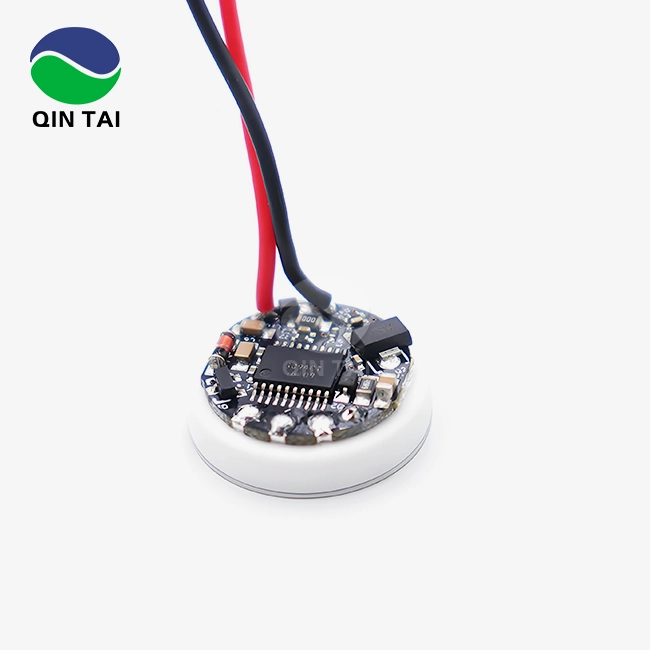
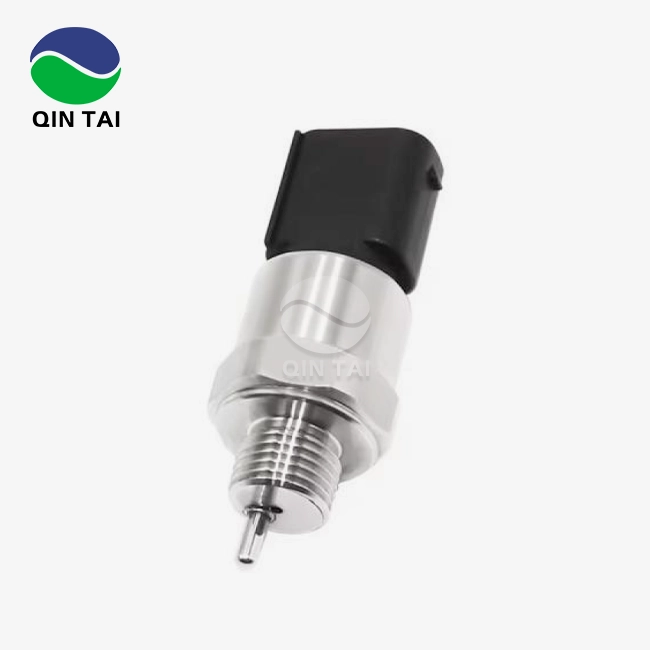
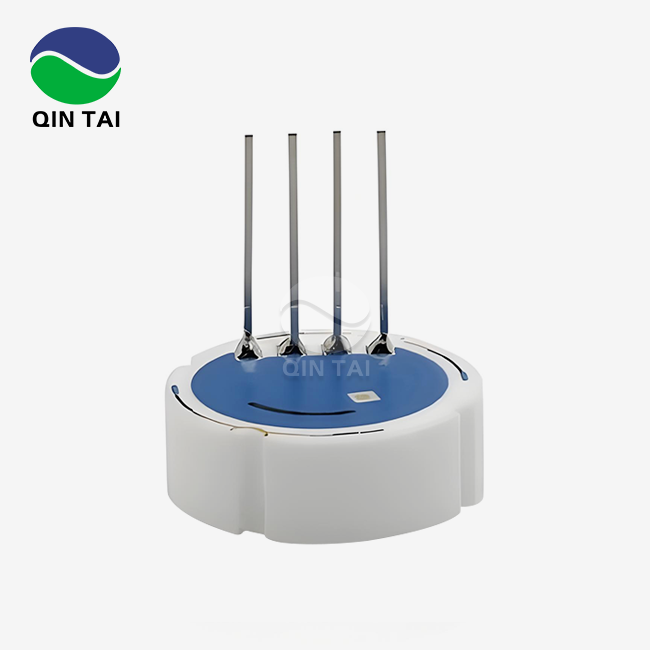
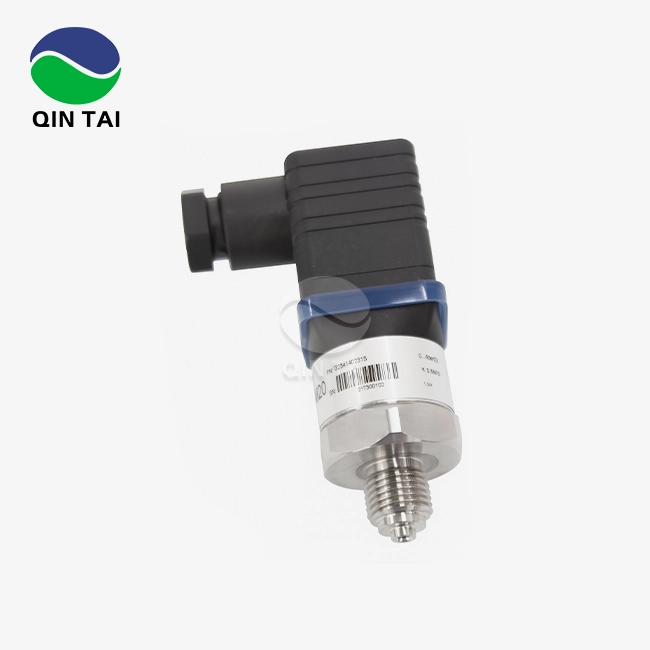
The pressure sensors as well as NOx detection components offered by Qintai provide the exact measurement capabilities that are necessary for ensuring that the performance of the aftertreatment system remains at its highest possible level. Our sensors exhibit remarkable precision and long-term stability even when subjected to difficult working circumstances. As a result, they are able to provide dependable emission control throughout longer service intervals.
Manufacturing Excellence and Quality Assurance
Our ISO 9001 and IATF 16949 certified manufacturing facilities maintain rigorous quality control standards throughout the production process. Each system undergoes comprehensive testing procedures that verify performance characteristics, durability, and regulatory compliance before shipment to customers worldwide.
The pressure sensors as well as NOx detection components offered by Qintai provide the exact measurement capabilities that are necessary for ensuring that the performance of the aftertreatment system remains at its highest possible level. Our sensors exhibit remarkable precision and long-term stability even when subjected to difficult working circumstances. As a result, they are able to provide dependable emission control throughout longer service intervals.
Infrastructure for Integrated Service and Support and Services
Throughout the whole of the product lifespan, our technical support staff offers comprehensive help, beginning with the initial system purchase and sizing and continuing through installation, completion, and ongoing upkeep support. With this all-encompassing strategy, clients are able to achieve maximum performance in terms of emission control while simultaneously avoiding interruptions to operations and expenses associated with maintenance.
Through our expertise in customization, we are able to build individualized solutions that are designed to meet particular application needs, packaging limitations, or performance performance parameters. When it comes to optimizing system integration while preserving complying with regulations and cost-effectiveness goals, our engineering team collaborates closely with clients to achieve these goals.
Conclusion
NOx reduction systems represent essential technology for modern diesel engine applications, providing the emission control capabilities necessary for regulatory compliance while maintaining operational efficiency. Understanding the principles behind SCR, EGR, and alternative technologies enables informed decision-making that balances performance requirements with cost considerations. The innovative aftertreatment solutions provided by Qintai are characterized by their demonstrated dependability and technological superiority. These solutions are backed by extensive engineering services that enhance the likelihood of successful system implementation and long-term operational efficiency.
FAQ
What is the typical lifespan of an SCR system in heavy-duty applications?
When properly maintained, modern SCR systems are capable of withstanding heavy-duty applications for a distance of between 500,000 and 1,000,000 miles without requiring maintenance. Regular monitoring of the DEF quality, filter replacement, and examination of the catalyst all contribute to the maximization of system durability and the maintenance of optimum NOx reduction effectiveness throughout the servicing life of the system.
How frequently does SCR systems need to be maintained, and what exactly is involved in this process?
The maintenance intervals for SCR systems normally vary from 100,000 through 200,000 miles, with the exact amount being determined by the operating circumstances and the characteristics of the duty cycle. As part of routine maintenance, the DEF filter is replaced, the injectors are cleaned, and diagnostic tests are performed on the system to verify that it is operating correctly and in conformity with regulations.
What factors affect DEF consumption rates in SCR systems?
DEF consumption varies based on engine load profiles, operating temperatures, and NOx production rates. Typical consumption ranges from 2% to 5% of fuel usage, with higher consumption during heavy-load conditions and lower consumption during highway cruising or light-duty operations.
Is it possible to retrofit existing diesel engines with NOx abatement systems by installing them?
Many existing diesel engines can accommodate retrofit emission control systems with proper engineering analysis and system sizing. Retrofit feasibility depends on available space, exhaust gas characteristics, and compatibility with existing engine management systems.
What quality standards should buyers look for in SCR system suppliers?
In order to be considered professional, providers of SCR should retain their ISO 9001 standard certification, exhibit substantial industry expertise, and offer full technical support services. When searching for suppliers, look for those that have established OEM ties and demonstrated track records in applications that are comparable.
Partner with Qintai for Advanced NOx Reduction System Solutions
With the most advanced SCR subsequent treatment technology and precise sensor systems in the market, Qintai is prepared to assist you in achieving your emission control goals. In order to assist you in selecting, integrating, and maintaining the most effective NOx reduction solutions for your particular applications, our knowledgeable engineering team offers extensive consultancy services. We provide technology that has been proved to be effective, and we provide great technical assistance.
are a reputable producer of NOx reduction systems, and we have been in business for more than twenty years. In order to discuss your pollution prevention needs and learn more about how Qintai's innovative solutions can assure regulatory compliance while simultaneously enhancing operational efficiency, please get in touch with our trained professionals at info@qt-sensor.com.
References
1. The article "Advanced Selective Catalytic Reduced Technologies with Heavy-Duty Diesel Engines" was published in the first volume of the Journal of Automotive Engineering by Johnson, M.K., and others. Pages 178-195 in volume 45, number 3 of the year 2023.
2. Agency for the Protection of the Environment? The Environmental Protection Agency's Office of Transport and Air Quality published a report in 2022 titled "Heavy-Duty Highway as well as Nonroad Diesel Combustion Emission Standards."
3. Chen, L.W., and Rodriguez, A.M. "Comparative Analysis of NOx Reduction Technologies in Commercial Vehicle Applications." International Conference on Emission Control Technologies, 2023.
4. Thompson, R.J. "Diesel Exhaust Aftertreatment Systems: Design, Performance, and Maintenance." Society of Automotive Engineers Technical Paper Series, 2022.
5. Kumar, S., et al. "Economic Analysis of SCR and EGR Technologies for Industrial Diesel Engine Applications." Industrial Engineering Review, Vol. 38, No. 2, 2023, pp. 112-128.
6. Wilson, D.P., and Anderson, K.L. "Regulatory Compliance Strategies for Diesel Engine Emission Control." Environmental Technology Quarterly, Vol. 29, No. 4, 2022, pp. 45-62.

Our customers’ satisfaction speaks for our quality — contact us to experience the same reliable service.