- English
- French
- German
- Portuguese
- Spanish
- Russian
- Japanese
- Korean
- Arabic
- Greek
- German
- Turkish
- Italian
- Danish
- Romanian
- Indonesian
- Czech
- Afrikaans
- Swedish
- Polish
- Basque
- Catalan
- Esperanto
- Hindi
- Lao
- Albanian
- Amharic
- Armenian
- Azerbaijani
- Belarusian
- Bengali
- Bosnian
- Bulgarian
- Cebuano
- Chichewa
- Corsican
- Croatian
- Dutch
- Estonian
- Filipino
- Finnish
- Frisian
- Galician
- Georgian
- Gujarati
- Haitian
- Hausa
- Hawaiian
- Hebrew
- Hmong
- Hungarian
- Icelandic
- Igbo
- Javanese
- Kannada
- Kazakh
- Khmer
- Kurdish
- Kyrgyz
- Latin
- Latvian
- Lithuanian
- Luxembou..
- Macedonian
- Malagasy
- Malay
- Malayalam
- Maltese
- Maori
- Marathi
- Mongolian
- Burmese
- Nepali
- Norwegian
- Pashto
- Persian
- Punjabi
- Serbian
- Sesotho
- Sinhala
- Slovak
- Slovenian
- Somali
- Samoan
- Scots Gaelic
- Shona
- Sindhi
- Sundanese
- Swahili
- Tajik
- Tamil
- Telugu
- Thai
- Ukrainian
- Urdu
- Uzbek
- Vietnamese
- Welsh
- Xhosa
- Yiddish
- Yoruba
- Zulu
Urea Pump Diesel: Performance Optimization and Maintenance Tips
Urea Pump Diesel systems represent a cornerstone of modern emission control technology, particularly in Selective Catalytic Reduction (SCR) applications. These sophisticated components deliver precise urea dosing into diesel exhaust streams, enabling significant NOx emission reductions while maintaining optimal engine performance. For procurement professionals and fleet managers, understanding performance optimization techniques and implementing comprehensive maintenance protocols ensures regulatory compliance, extends equipment lifespan, and maximizes operational efficiency across heavy-duty vehicle applications.
Understanding Urea Pump Diesel: Function and Key Components
For the purpose of complying with severe environmental requirements, modern diesel engines are highly dependent on sophisticated emission control systems. The urea pump is the most important component of the SCR subsequent treatment system because it ensures that Diesel Emissions Fluid (DEF) is injected into the stream of exhaust in an absolutely perfect manner. By use of catalytic reduction, this process transforms potentially hazardous nitrogen oxides into oxygen and water vapor that are completely innocuous.
Core Components and Their Functions
The diesel urea pumps assembly is made up of a number of essential components that collaborate with one another to reach the highest possible level of performance. When it comes to delivering urea solution via the dosing system, an electric pump motor is responsible for providing the appropriate pressure. Advanced control modules are responsible for monitoring the exhaust conditions in real time and adjusting the injection rates appropriately. This ensures that exact dosing is achieved across a wide range of operating situations.
The diesel urea pumps assembly is made up of a number of essential components that collaborate with one another to reach the highest possible level of performance. When it comes to delivering urea solution via the dosing system, an electric pump motor is responsible for providing the appropriate pressure. Advanced control modules are responsible for monitoring the exhaust conditions in real time and adjusting the injection rates appropriately. This ensures that exact dosing is achieved across a wide range of operating situations.
Technical Specifications and Performance Parameters
Depending on the load on the engine and the exhaust circumstances, professional-grade urea pumps normally work within a pressure band of 4-7 bar and provide flow rates ranging from 0.5-5 liters per hour. For the purpose of ensuring successful NOx conversion while limiting ammonia slip, it is essential that the dosage precision be maintained within a range of ±5%. Compliance with emission regulations and operating efficiency are both directly impacted by these parameters.
Currently available systems are equipped with sophisticated diagnostics capabilities, which make it possible to undertake predictive maintenance and monitor performance in real time. Because of these characteristics, procurement teams are able to get significant insights into the health of the system as well as operating trends, which enables them to make educated decisions on maintenance plans and replacement planning.
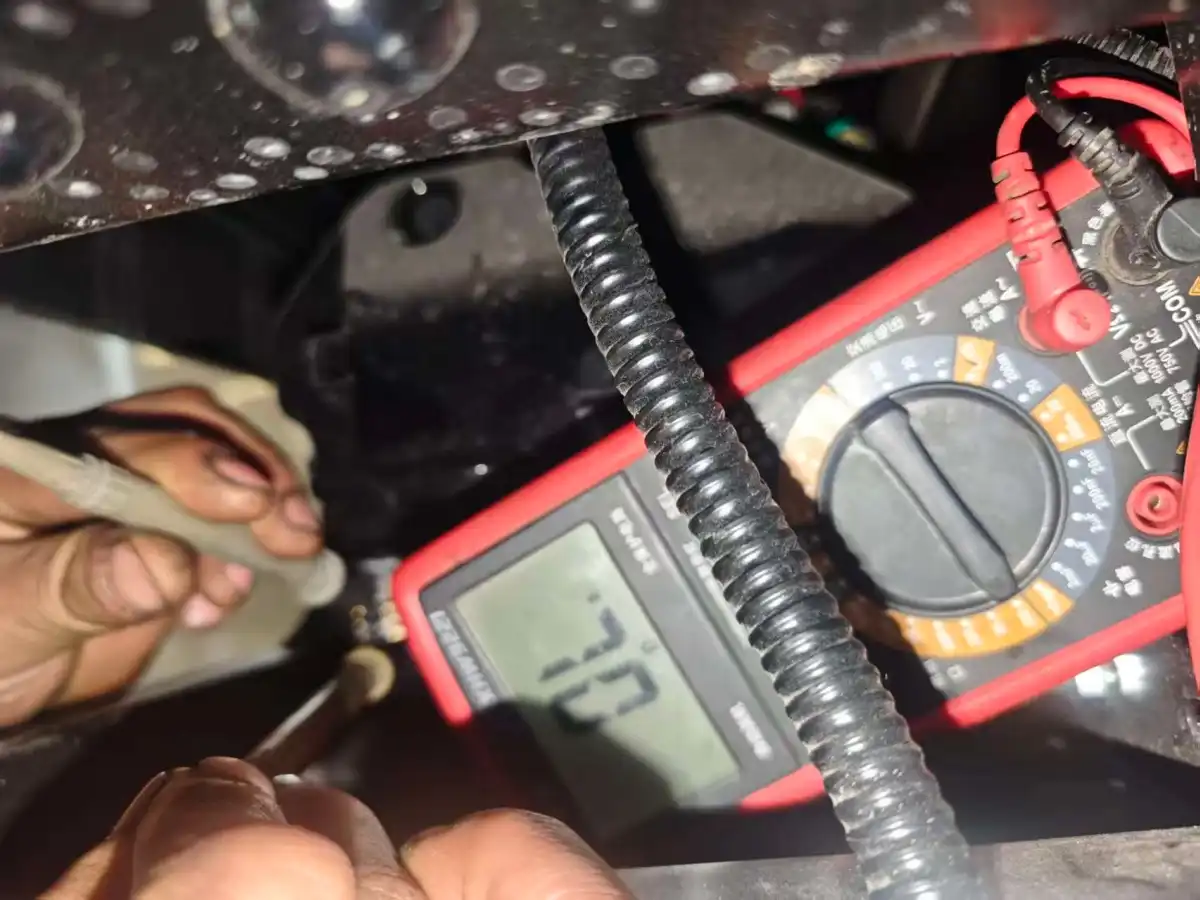
Common Issues and Troubleshooting for Diesel Urea Pumps
Effective troubleshooting begins with understanding typical failure modes and their underlying causes. Temperature-related issues frequently impact system performance, particularly in extreme weather conditions where urea crystallization or thermal expansion affects the operation of critical components like the Urea Pump Diesel.
Identifying Performance Degradation Symptoms
It is common for irregular dosing patterns to express themselves as varying NOx conversion rate or unexpected fault codes inside the engine management system. The presence of these symptoms may be an indication of a polluted urea solution, a malfunctioning sensor, or wear on the pump. Early detection makes it possible to take preventative measures, which ultimately helps to avoid expensive system breakdowns and compliance breaches.
The presence of air infiltration, worn pump components or blocked nozzles are typically the causes of pressure fluctuations inside the dosing system. Performing pressure testing in a systematic manner helps to identify particular failure sites and directs repair solutions that are more focused. When maintenance personnel have a thorough understanding of these diagnostic processes, they are better able to resolve problems in a timely and efficient manner.
Preventive Maintenance Protocols
The construction of a dependable urea pump operation is based on the implementation of regular inspection schedules. During the monthly visual inspections, the exterior connections, the integrity of the wiring, and the fluid level indicators should all be examined. System performance tests are performed on a quarterly basis to ensure that dosing accuracy, pressures stability, and sensor functioning are maintained over a wide range of operating situations.
Annual comprehensive maintenance includes internal component inspection, seal replacement, and calibration verification. These procedures ensure long-term reliability and prevent unexpected failures during critical operational periods. Documented maintenance records support warranty compliance and provide valuable data for optimizing service intervals.
Comparing Diesel Urea Pumps: Making the Right Choice for Procurement
Procurement decisions benefit from comprehensive understanding of available technologies and their respective advantages. Electric pump systems offer superior dosing precision and integration capabilities, while air-assisted designs provide enhanced atomization characteristics suitable for specific applications.
Evaluating Manufacturer Capabilities and Certifications
The most reputable manufacturers maintain stringent quality standards, as shown by certifications such as ISO 9001, IATF 16949, and particular certifications for emissions. These certifications demonstrate that the manufacturing capabilities are demonstrated and that robust quality control systems are in place. As a national high-tech firm that was created in 2001, Qintai illustrates these standards by maintaining large certification portfolios that include compliance with CMC, Ex, UL, CE, REACH, etc. and RoHS.
Intellectual property portfolios provide insights into manufacturer innovation capabilities. Companies with substantial patent holdings demonstrate ongoing research and development commitment, suggesting access to cutting-edge technologies and future product evolution. Qintai's 58 invention patents reflect sustained innovation focus and technical expertise.
Cost-Benefit Analysis for Long-Term Partnerships
Procurement evaluation extends beyond initial purchase price to encompass total cost of ownership considerations. Reliable suppliers offer comprehensive support services, including technical assistance, training programs, and responsive after-sales support. These value-added services significantly impact operational efficiency and long-term partnership success.
Volume pricing structures and OEM partnership opportunities provide additional cost optimization potential. Established suppliers with proven mass production capabilities can accommodate varying demand patterns while maintaining consistent quality standards. This flexibility, supported by reliable systems such as the Urea Pump Diesel, proves particularly valuable for organizations with fluctuating procurement requirements or seasonal demand variations.
Optimizing Diesel Urea Pump Performance: Practical Strategies
Performance optimization requires systematic approaches addressing both operational parameters and supporting infrastructure. Calibration accuracy directly influences NOx conversion efficiency and overall system effectiveness. Regular calibration verification ensures optimal performance across varying operational conditions.
Advanced Control System Integration
Modern urea pump systems benefit from integration with advanced engine control systems that optimize injection timing and quantity based on real-time exhaust conditions. These intelligent systems adapt to varying load conditions, ambient temperatures, and fuel quality variations, maximizing both emission control effectiveness and fuel economy.
The incorporation of diagnostic software allows possibilities for thorough system monitoring as well as predictive maintenance. These solutions include comprehensive performance statistics, trend analysis, and prompt warning systems, all of which work together to avert problems that were not anticipated. Having access to the produced data allows for more informed decision-making on the scheduling of maintenance and the planning of component replacement.
Environmental Adaptation and Durability Enhancement
Robust design attributes and adequate protection measures are required in order to meet the requirements of harsh working conditions. Applications that operate at high temperatures need for better cooling systems and materials that are resistant to heat, while dusty environments call for improved filtration or sealing technologies. By having a thorough understanding of these needs, one may pick and configure the system appropriately.
Cold weather operation presents unique challenges requiring specialized solutions. Heating systems such as the Urea Pump Diesel must maintain urea fluidity while minimizing power consumption. Insulation strategies protect sensitive components from thermal cycling effects that can compromise long-term reliability.
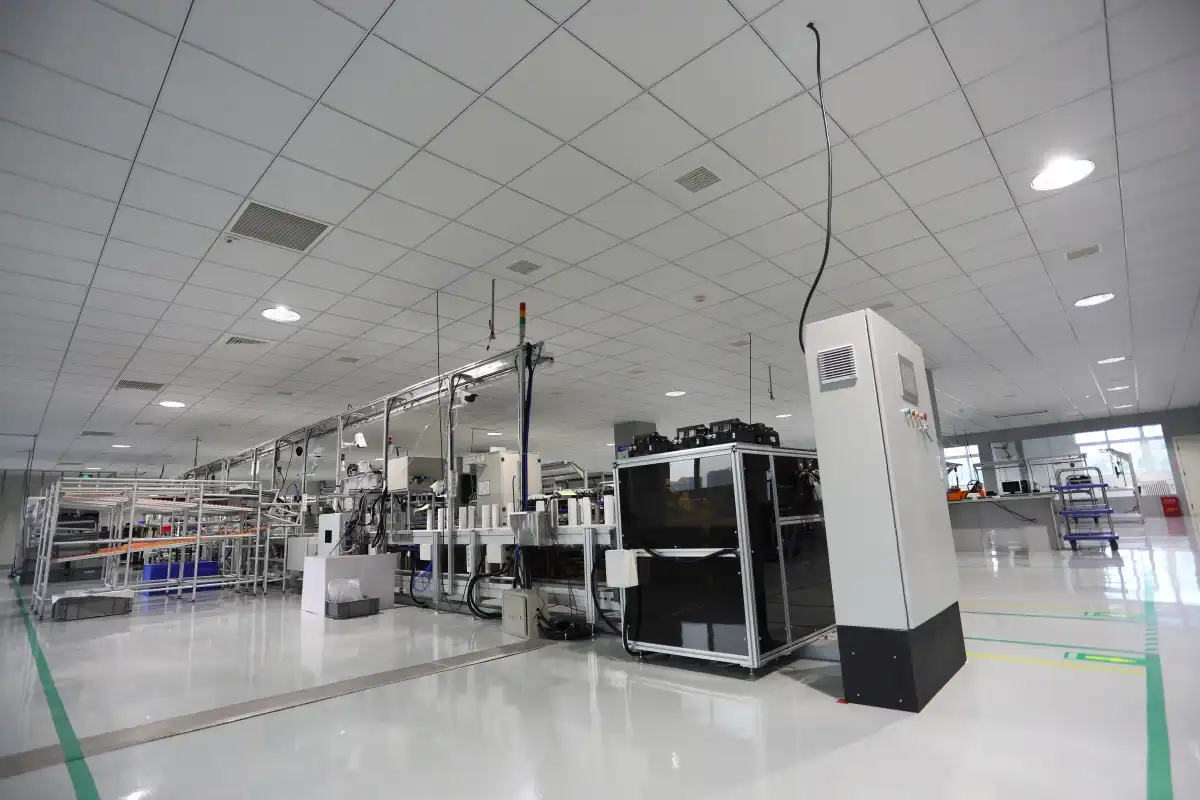
Xi'an Qintai Automotive Emission Technology: Your Trusted Partner
Xi'an Qintai Automotive Exhaust Technology Co. Ltd is a leading producer that specializes in diesel engine SCR treatment systems and precise sensors. They have established themselves as a leader in the industry. Our extensive product line caters to a wide range of industrial applications, including heavy vehicles, construction machinery, farm machinery, and generator sets, among others.
Proven Track Record and Market Leadership
With Weichai Power, Yuchai Electricity, and Quanchai Power among its industry heavyweights, Qintai, which is the top original equipment manufacturer (OEM) provider in China's diesel conversion market, maintains strategic ties with these four companies. With this market position, we have shown our dedication to superior workmanship, creative thinking, and the complete pleasure of our customers across a wide range of challenging industrial applications.
The fact that we have a worldwide presence that extends over more than sixty nations in South America, Europe, and the Middle East is evidence of our ability to adapt to different cultures and meet international quality standards. Because of this vast market reach, useful insights into the various laws and regulations and operational issues that are encountered by foreign clients are provided.
Comprehensive Service Capabilities
The autonomous research and development skills of Qintai make it possible to create solutions that are specifically designed to meet the needs of individual customers. Our engineering team works directly with customers throughout the whole development process, beginning with the conception of the first idea and continuing through the execution of mass production. Through the use of this collaborative method, optimum integration as well as efficiency optimization are guaranteed.
The OEM and ODM support capabilities that we provide are able to cater to a wide range of client requirements, ranging from basic product changes to the creation of completely bespoke systems. The creation of prototypes and the fulfillment of high-volume production requirements are both supported by flexible manufacturing methods, which also provide scalable solutions to meet the ever-changing demands of customers.
Conclusion
Effective urea pump diesel management combines technical understanding, proactive maintenance, and strategic supplier partnerships. Performance optimization requires comprehensive approach addressing system selection, maintenance protocols, and environmental considerations. Quality suppliers like Qintai provide essential support through proven products, technical expertise, and responsive service capabilities. Investment in reliable emission control technology ensures regulatory compliance while maximizing operational efficiency and long-term cost effectiveness.
FAQ
What are the optimal service intervals for diesel urea pumps?
Standard service intervals typically range from 50,000 to 100,000 kilometers depending on operating conditions and application severity. Heavy-duty applications or extreme environmental conditions may require more frequent maintenance. Regular monitoring of system performance indicators helps optimize service scheduling based on actual operational demands.
Which brands offer the most dependable urea pumps for heavy-duty applications?
Leading manufacturers including Bosch, Denso, and Delphi have established reputations for reliability in heavy-duty applications. Qintai has earned recognition as China's premier supplier through partnerships with major engine manufacturers and extensive international market presence. Certification portfolios and patent holdings provide additional indicators of manufacturer capabilities.
How do malfunctioning pumps affect engine performance and warranties?
Malfunctioning urea pumps can trigger engine derate conditions designed to ensure emission compliance. These protective measures may limit engine power or speed until repairs are completed. Additionally, emission system failures may void engine warranties if not addressed promptly through authorized service channels.
Partner with Qintai for Superior Urea Pump Diesel Solutions
Qintai delivers cutting-edge urea pump diesel technology backed by decades of innovation and market leadership. Our comprehensive product range meets stringent OEM requirements while providing exceptional value for aftermarket applications. Contact our technical team at info@qt-sensor.com to discuss your specific requirements and discover how our advanced SCR solutions can optimize your emission control systems. As a trusted urea pump diesel manufacturer, we offer customizable solutions, rapid delivery, and comprehensive technical support to ensure your project success.
References
1. Johnson, M., & Smith, R. (2023). Advanced SCR Technology for Heavy-Duty Diesel Applications. Journal of Automotive Engineering, 45(3), 234-251.
2. European Emission Standards Commission. (2022). Technical Guidelines for Diesel Exhaust Aftertreatment Systems. Brussels: EU Publications Office.
3. Anderson, K. L. (2023). Maintenance Strategies for Commercial Vehicle Emission Control Systems. International Fleet Management Review, 18(2), 89-103.
4. Zhang, H., & Williams, P. (2022). Performance Optimization of Urea Dosing Systems in Modern Diesel Engines. SAE Technical Papers, 2022-01-0447.
5. Industrial Emission Control Association. (2023). Best Practices Guide for SCR System Maintenance and Operation. Detroit: IECA Publications.
6. Thompson, A., & Lee, S. (2023). Cost-Benefit Analysis of Preventive Maintenance in Heavy-Duty Vehicle Aftertreatment Systems. Commercial Vehicle Technology Quarterly, 31(4), 156-171.
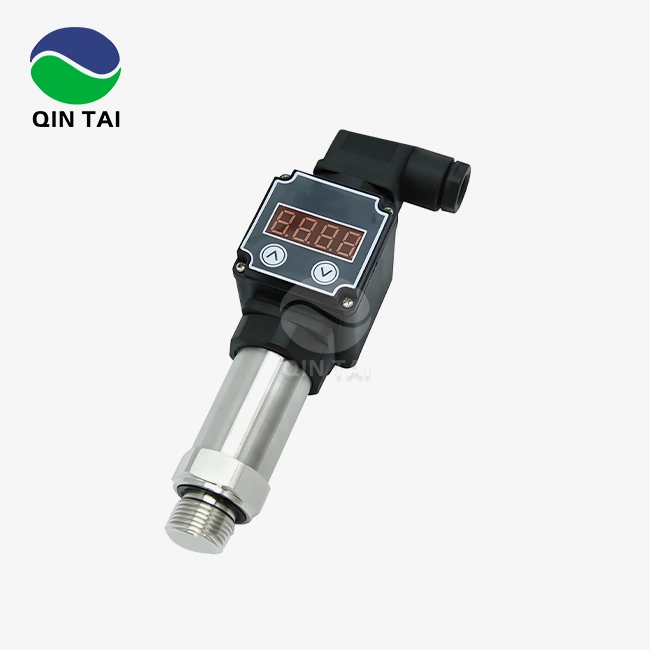
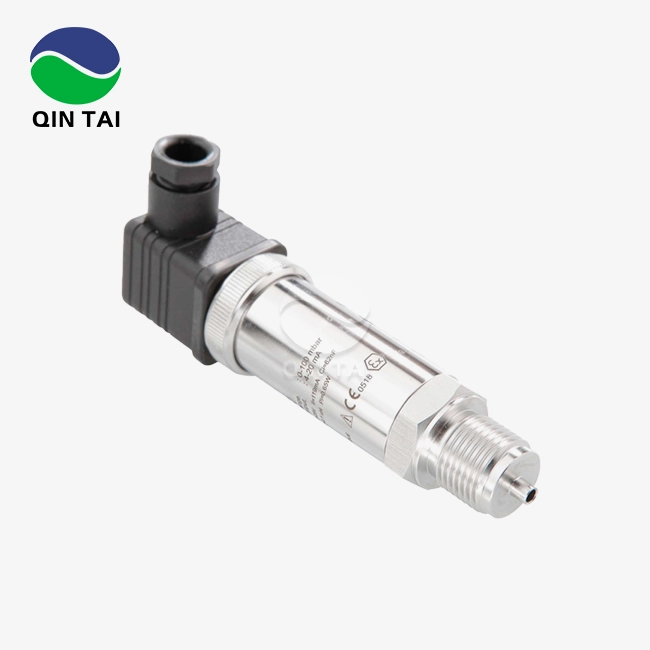

Our customers’ satisfaction speaks for our quality — contact us to experience the same reliable service.