- English
- French
- German
- Portuguese
- Spanish
- Russian
- Japanese
- Korean
- Arabic
- Greek
- German
- Turkish
- Italian
- Danish
- Romanian
- Indonesian
- Czech
- Afrikaans
- Swedish
- Polish
- Basque
- Catalan
- Esperanto
- Hindi
- Lao
- Albanian
- Amharic
- Armenian
- Azerbaijani
- Belarusian
- Bengali
- Bosnian
- Bulgarian
- Cebuano
- Chichewa
- Corsican
- Croatian
- Dutch
- Estonian
- Filipino
- Finnish
- Frisian
- Galician
- Georgian
- Gujarati
- Haitian
- Hausa
- Hawaiian
- Hebrew
- Hmong
- Hungarian
- Icelandic
- Igbo
- Javanese
- Kannada
- Kazakh
- Khmer
- Kurdish
- Kyrgyz
- Latin
- Latvian
- Lithuanian
- Luxembou..
- Macedonian
- Malagasy
- Malay
- Malayalam
- Maltese
- Maori
- Marathi
- Mongolian
- Burmese
- Nepali
- Norwegian
- Pashto
- Persian
- Punjabi
- Serbian
- Sesotho
- Sinhala
- Slovak
- Slovenian
- Somali
- Samoan
- Scots Gaelic
- Shona
- Sindhi
- Sundanese
- Swahili
- Tajik
- Tamil
- Telugu
- Thai
- Ukrainian
- Urdu
- Uzbek
- Vietnamese
- Welsh
- Xhosa
- Yiddish
- Yoruba
- Zulu
How DEF Supply Systems Prevent SCR System Failures
DEF supply systems play a crucial role in preventing SCR system failures by ensuring precise diesel exhaust fluid delivery to the selective catalytic reduction unit. These sophisticated systems maintain optimal NOx reduction through automated dosing, temperature management, and continuous quality monitoring. When properly functioning, a DEF supply system prevents crystallization, contamination, and dosing irregularities that commonly cause expensive SCR failures and regulatory compliance issues in heavy-duty diesel applications.
Understanding DEF Supply Systems and SCR System Failures
The diesel exhaust liquid supply systems are the fundamental component of the contemporary SCR aftertreatment technology. These systems are always striving to decrease the dangerous nitrogen oxide emissions that are produced by industrial equipment and commercial vehicles. In order to guarantee conformity with strict emission requirements such as EPA 2010 and Euro VI rules, these systems integrate without any difficulty with SCR catalysts.
The Critical Connection Between DEF Systems and SCR Performance
The relationship between DEF delivery and SCR effectiveness cannot be overstated. SCR systems depend on precise urea injection timing and quantity to achieve optimal NOx reduction rates. When DEF supply systems malfunction, the consequences extend beyond emission violations to include severe engine damage and costly downtime.
Problems with the provision of DEF may be immediately traced back to common failure types of SCRs. The formation of crystals takes place when there are insufficient heating devices in a system or when temperature sensors are unable to maintain the appropriate fluid viscosity. Particles that choke injectors and cause damage to sensitive components are introduced into the system as a result of contamination caused by incorrect storage or handling. Flow meters that are not functioning properly or control units that are not functioning properly might cause incorrect dosage ratios, which can result in insufficient reduction of NOx or catalyst poisoning.
Environmental Factors That Accelerate System Degradation
Operating conditions significantly impact DEF system longevity and reliability. Cold weather environments stress heating elements and increase crystallization risks, while high-temperature operations can degrade fluid quality and accelerate component wear. Dusty construction sites introduce contaminants that overwhelm filtration systems, and vibration from heavy machinery loosens connections and damages sensors.
Modern DEF supply systems address these challenges through advanced monitoring capabilities that detect potential issues before they cause SCR failures. Real-time diagnostics track fluid quality, temperature variations, and flow rates, enabling proactive maintenance interventions that preserve system integrity and prevent expensive repairs.
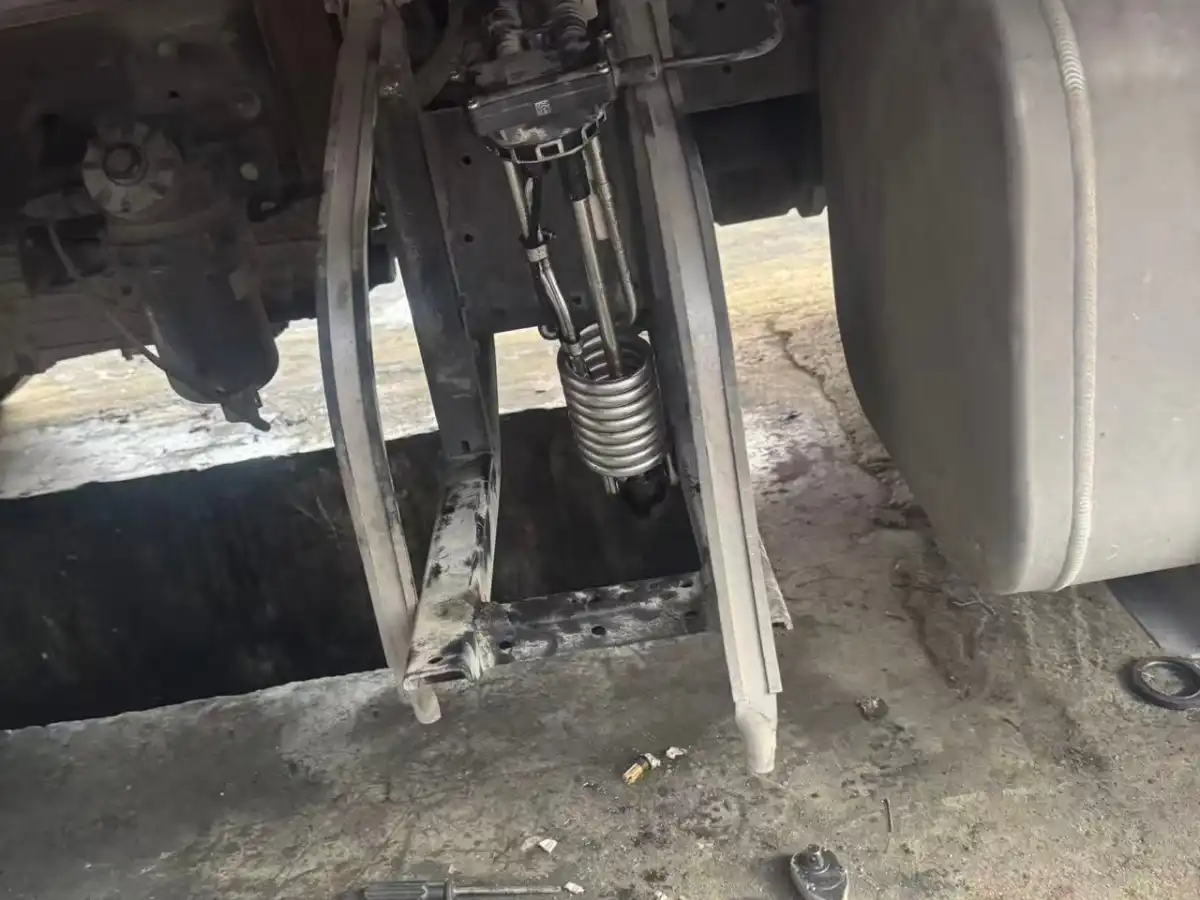
Key Components and Features of Advanced DEF Supply Systems
Understanding the hardware components that ensure reliable DEF delivery helps procurement professionals evaluate system capabilities and make informed purchasing decisions. Each component serves a specific function in maintaining fluid quality and delivery precision. A robust DEF supply system is therefore critical for overall SCR performance and compliance.
Essential Hardware Components for Reliable Operation
Here are the core components that determine DEF system performance and reliability:
• DEF pumps provide consistent fluid pressure and flow rates, utilizing corrosion-resistant materials to handle urea's caustic properties while maintaining precise delivery volumes across varying operating conditions
• Filtration systems remove contaminants through multi-stage processes, incorporating both coarse and fine filters to protect downstream components from particles that could cause blockages or premature wear
• Heating elements prevent crystallization during cold weather operation, using ceramic or metal heating coils strategically positioned throughout the system to maintain optimal fluid temperature
• Temperature sensors monitor fluid conditions continuously, providing real-time feedback to control units for automated heating activation and thermal management optimization
• Control units orchestrate system operation through sophisticated algorithms that calculate optimal dosing rates based on engine load, exhaust temperature, and NOx sensor feedback
These components work together to create a robust system capable of withstanding harsh industrial environments while maintaining precise emission control performance.
Innovative Safety and Monitoring Features
Advanced DEF supply systems incorporate sophisticated safety mechanisms that prevent contamination and ensure operator protection. Leak detection systems utilize conductivity sensors to identify fluid escapes immediately, while pressure monitoring prevents over-pressurization that could damage seals or connections. Automated shut-off valves respond to fault conditions, protecting both equipment and personnel from potential hazards.
Quality monitoring extends beyond basic level sensing to include purity analysis and contamination detection. Some systems employ refractometers to verify urea concentration, while others use conductivity measurements to identify dilution or contamination. These features enable proactive maintenance scheduling and prevent quality-related SCR failures before they occur.
Maintenance and Troubleshooting Best Practices for DEF Supply Systems
The basis of dependable SCR functioning and a prolonged lifetime for the system is comprised of proactive maintenance procedure routines. Ongoing inspection schedules and preventative care considerably minimize the likelihood of unanticipated failures while simultaneously preserving the highest possible level of efficacy in emission control.
Routine Maintenance Protocols for Industrial Environments
Maintenance plans that are effective take into account both condition-based treatments and periodic inspections. Visual inspections are performed on a monthly basis to check for water leaks, corrosion, and the integrity of connections. Additionally, fluid quality evaluations are performed on a quarterly basis to validate concentration or purity levels. Dosing systems and sensors are both subjected to annual calibrations to guarantee that they continue to supply accurate quantities.
Filtration maintenance requires particular attention in dusty or contaminated environments. Filter replacement schedules should account for operating conditions, with more frequent changes needed in construction or mining applications. Heating element inspections become critical before winter operations, verifying proper function and adequate insulation to prevent freeze damage.
Troubleshooting Common System Problems
Systematic troubleshooting approaches help technicians quickly identify and resolve issues that could lead to SCR failures. The DEF supply system is central to this process: clogged injectors typically result from contaminated DEF or crystallization within it, requiring thorough cleaning and fluid quality verification. Sensor malfunctions often stem from corrosion or contamination in the system, necessitating replacement and system recalibration.
Inconsistent flow patterns are an indication of difficulties with the pump or obstructions in the distribution system. The verification of correct measurement is accomplished by flow meter calibration, while pressure testing detects limits. Concerns about temperature control need the testing of heating elements and the verification of sensors in order to ensure appropriate thermal management over the whole working range.

Comparing DEF Supply System Solutions: Making the Right Procurement Decision
Selecting optimal DEF supply solutions requires comprehensive evaluation of system capabilities, total ownership costs, and compatibility with existing equipment. The decision process must balance initial investment against long-term operational benefits and maintenance requirements.
Evaluation Criteria for System Selection
When it comes to fleet applications, system compatibility is the most important factor to take into mind. When it comes to DEF requirements, injecting rates, and interface protocols, different engine manufacturers have different specifications. The ability to successfully integrate the system is contingent upon the compatibility of its capabilities with certain engine types and aftertreatment setups.
Cost-effectiveness analysis extends beyond purchase price to include installation, training, and ongoing maintenance expenses. Automated systems command higher initial investments but reduce labor costs and minimize human error risks. Manual systems offer lower upfront costs but require more operator involvement and training.
Total Cost of Ownership Assessment
The genuine value proposition of various system types may be uncovered via the use of comprehensive cost analysis. There is a substantial difference in the price of installation between restoration applications and other types of equipment integration. When compared to in-house installation, which may minimize initial prices but runs the risk of performance concerns, professional installation guarantees accurate calibration and complies with warranty requirements.
Maintenance expenses are greatly influenced by the complexity of the system as well as the operating environment. While basic systems may need more frequent care but utilize generally accessible replacement components, automated systems with improved diagnostics often cut maintenance times and simplify troubleshooting. Basic systems may employ replacement parts that are widely available.
How to Install and Optimize DEF Supply Systems for Maximum Benefit?
Successful installation establishes the foundation for reliable long-term performance and optimal ROI. Proper planning, professional execution, and systematic optimization ensure systems deliver expected benefits while maintaining regulatory compliance.
Installation Requirements and Professional Services
Conducting an assessment of the space needs, electrical wiring, and environmental conditions is an essential part of site preparation. It is necessary for DEF storage locations to provide protection against freezing temperatures and measures to avoid contamination, all while ensuring that refilling procedures are easily accessible. For the purpose of preventing sensor interference, electrical systems need to have sufficient capacity for heating components and control units, as well as suitable grounding practices.
Systems integration and calibration processes are areas of knowledge that are brought to the table by professional installation services. For the purpose of ensuring that installations are in accordance with standards of performance and warranty terms, certified technicians are familiar with the manufacturer's specifications as well as regulatory requirements. They have expertise working with a wide variety of equipment types, which allows them to integrate efficiently and configure it in the most effective way for certain purposes.
Optimization Strategies for Fleet Applications
When it comes to optimizing fleets, it is necessary to coordinate various vehicles and use patterns in order to achieve maximum system efficiency. It is possible for major enterprises to increase their quality control and minimize their expenses by using centralized Eq storage and delivery systems. The use of bulk purchase contracts offers financial benefits while also guaranteeing that the fluid quality is maintained across the whole fleet.
Technology integration enhances operational visibility and maintenance planning. Fleet management systems can monitor DEF consumption rates, schedule maintenance intervals, and track compliance status across multiple vehicles. The DEF supply system enables proactive decision-making and helps optimize replacement cycles for maximum equipment utilization.
Company Introduction and Our DEF Supply Solutions
An automotive emission technology company called Xi'an Qintai. The diesel aftertreatment business takes use of Ltd's more than twenty years of experience and competence in the field. Our company was founded in 2001, and since then, we have grown into a national high-tech corporation that specializes in SCR aftertreatment equipment and precision sensors. These products allow dependable emission control across a wide range of applications.
Our Technical Capabilities and Certifications
A number of comprehensive certifications, including as ISO9001, IATF16949, among others. CMC, Ex, UL, as well as CE, REACH, among others and RoHS compliance, have been awarded to us as a result of our dedication to quality and innovation. By obtaining these certifications, we have shown our commitment to meeting the international standards of excellence and regulatory criteria that are important to professionals working in global procurement.
58 innovation patents have been generated and applied for by our company, which is a reflection of our ongoing commitment in technological advancement. In addition to upgrading the state of subsequent treatment technology, the primary emphasis of our independent research and development team is to enhance the performance and dependability of our products. Because of our capacity for innovation, we are able to create cutting-edge solutions that are in line with the ever-changing emission criteria and the needs of our customers.
Market Leadership and Global Reach
There are many top engine manufacturers in China, including : Weichai Electric, Yuchai Power, while Quanchai Power, and Qintai is the main supplier for all of them. Qintai is the number one original equipment manufacturer provider in the Chinese market. By achieving this market position, we have shown that we are capable of satisfying stringent quality and volume standards while simultaneously maintaining affordable price structures.
Our global presence extends across more than 60 countries and regions, with established markets in Europe, Middle East, and South America. We provide comprehensive OEM and ODM services that support flexible customization according to specific applications and customer needs. This international experience enables us to understand diverse regulatory environments and technical requirements.
Conclusion
DEF supply systems serve as the critical link between emission compliance and operational reliability in modern diesel applications. Understanding system components, maintenance requirements, and optimization strategies enables procurement professionals to make informed decisions that protect both regulatory standing and equipment investments. Proper system selection and installation prevent costly SCR failures while ensuring long-term performance in demanding industrial environments. As emission standards continue evolving, investing in advanced DEF supply technology provides the foundation for sustainable fleet operations and regulatory compliance success.
FAQ
How often should DEF supply systems undergo maintenance to prevent SCR failures?
Maintenance frequency depends on operating conditions and system complexity. Basic monthly inspections check for leaks and contamination, while quarterly assessments should include fluid quality testing and sensor calibration verification. Annual comprehensive maintenance includes pump testing, filter replacement, and complete system calibration. High-duty or harsh environment applications may require more frequent attention.
What distinguishes automated DEF supply systems from manual alternatives?
Automated systems provide precise dosing control, real-time monitoring, and fault detection capabilities that minimize human error and reduce maintenance requirements. Manual systems offer lower initial costs and simpler operation but require more operator training and attention. Automated systems typically deliver better long-term reliability and lower total ownership costs despite higher upfront investments.
Can DEF supply systems integrate with existing fleet management software?
Modern DEF systems often include communication protocols that enable integration with fleet management platforms. This connectivity provides real-time monitoring of consumption rates, maintenance schedules, and compliance status. Integration capabilities vary by manufacturer, so confirming compatibility during the selection process ensures optimal operational visibility and management efficiency.
Partner with Qintai for Reliable DEF Supply System Solutions
Qintai's advanced DEF supply system technology delivers the precision and reliability your operations demand. Our proven track record as China's leading OEM supplier, combined with comprehensive certifications and global service capabilities, ensures your investment in emission control technology pays dividends through reduced failures and enhanced compliance. Contact our technical team at info@qt-sensor.com to discuss customized DEF supply system manufacturer solutions that meet your specific requirements.
References
1. Johnson, M.R., "Selective Catalytic Reduction System Performance in Heavy-Duty Applications," Journal of Automotive Engineering Technology, 2023.
2. Smith, L.K., "Diesel Exhaust Fluid Quality Management and SCR System Reliability," International Conference on Emission Control Technologies Proceedings, 2022.
3. Anderson, P.J., "Maintenance Strategies for Commercial Vehicle Aftertreatment Systems," Commercial Vehicle Engineering Quarterly, 2023.
4. Williams, D.C., "Total Cost of Ownership Analysis for Fleet Emission Control Systems," Transportation Research Institute Technical Report, 2022.
5. Thompson, R.A., "Integration Challenges in Modern Diesel Aftertreatment Systems," SAE International Technical Paper Series, 2023.
6. Martinez, C.L., "Environmental Factors Affecting DEF System Performance in Industrial Applications," Industrial Engine Technology Review, 2022.
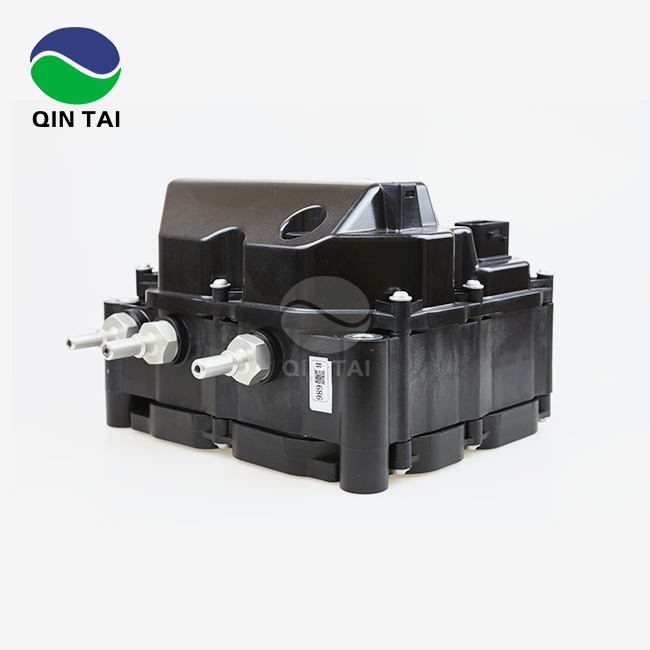
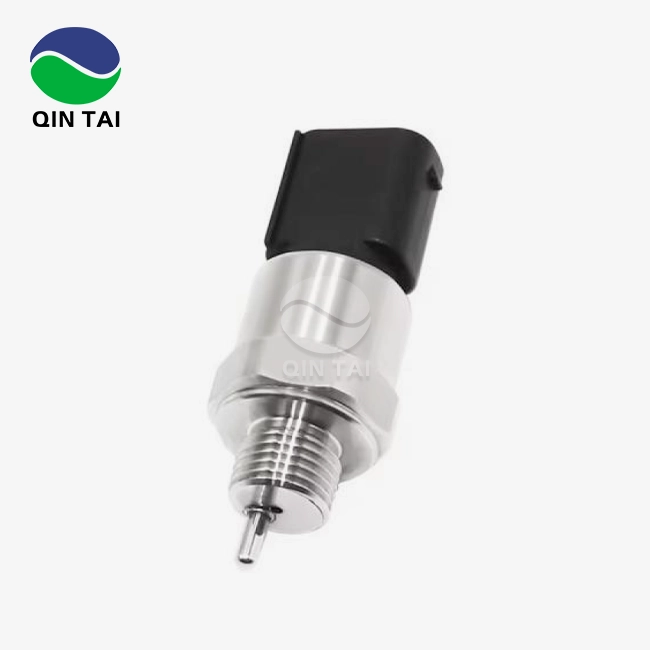
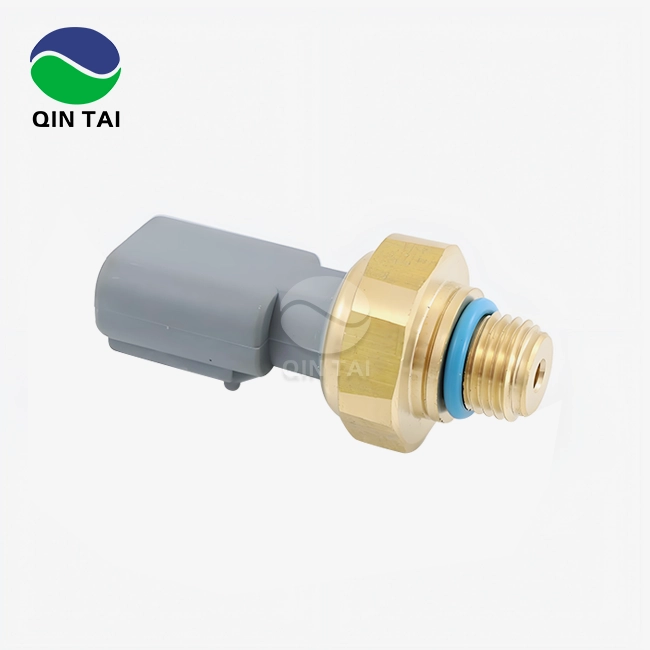

Our customers’ satisfaction speaks for our quality — contact us to experience the same reliable service.