- English
- French
- German
- Portuguese
- Spanish
- Russian
- Japanese
- Korean
- Arabic
- Greek
- German
- Turkish
- Italian
- Danish
- Romanian
- Indonesian
- Czech
- Afrikaans
- Swedish
- Polish
- Basque
- Catalan
- Esperanto
- Hindi
- Lao
- Albanian
- Amharic
- Armenian
- Azerbaijani
- Belarusian
- Bengali
- Bosnian
- Bulgarian
- Cebuano
- Chichewa
- Corsican
- Croatian
- Dutch
- Estonian
- Filipino
- Finnish
- Frisian
- Galician
- Georgian
- Gujarati
- Haitian
- Hausa
- Hawaiian
- Hebrew
- Hmong
- Hungarian
- Icelandic
- Igbo
- Javanese
- Kannada
- Kazakh
- Khmer
- Kurdish
- Kyrgyz
- Latin
- Latvian
- Lithuanian
- Luxembou..
- Macedonian
- Malagasy
- Malay
- Malayalam
- Maltese
- Maori
- Marathi
- Mongolian
- Burmese
- Nepali
- Norwegian
- Pashto
- Persian
- Punjabi
- Serbian
- Sesotho
- Sinhala
- Slovak
- Slovenian
- Somali
- Samoan
- Scots Gaelic
- Shona
- Sindhi
- Sundanese
- Swahili
- Tajik
- Tamil
- Telugu
- Thai
- Ukrainian
- Urdu
- Uzbek
- Vietnamese
- Welsh
- Xhosa
- Yiddish
- Yoruba
- Zulu
Urea Pump Applications in Heavy-Duty Diesel Vehicles
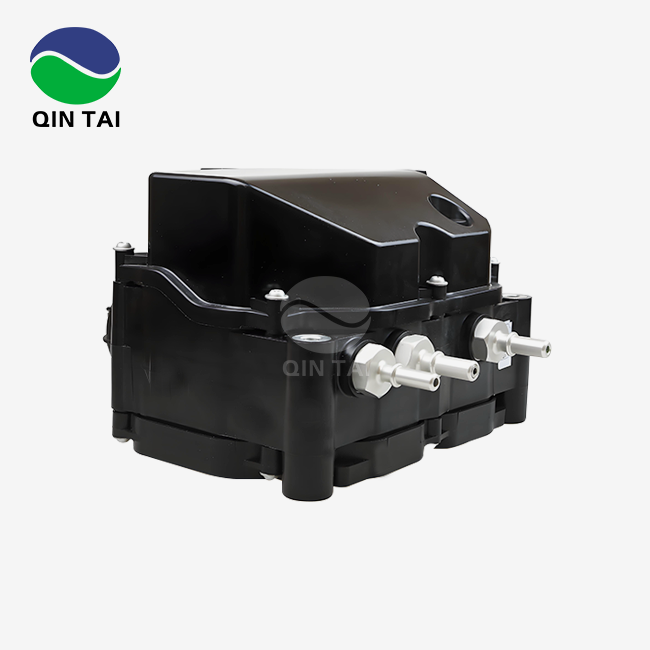
Heavy-duty diesel vehicles rely on sophisticated emission control systems to meet stringent environmental regulations, with the urea pump serving as a critical component in Selective Catalytic Reduction (SCR) systems. This essential device precisely delivers diesel exhaust fluid (DEF) into the exhaust stream, enabling the conversion of harmful nitrogen oxides (NOx) into harmless nitrogen and water vapor. Modern commercial trucks, construction equipment, and agricultural machinery depend on reliable urea injection systems to achieve compliance with EPA Tier 4 Final and Euro VI emission standards while maintaining optimal engine performance and fuel efficiency.
Understanding Urea Pumps in SCR Systems
The Fundamental Role of DEF Injection Systems
In heavy-duty diesel engines, the technique known as selective catalytic reduction is the most efficient approach for lowering the amount of nitrogen oxides to be released into the atmosphere. As the central component of this system, the urea pump is responsible for accurately measuring diesel exhaust fluid and delivering it to the exhaust stream that is located upstream in the SCR catalyst. Due to the fact that inadequate delivery of DEF results in partial reduction of NOx, and excessive injection results in ammonia slip and probable damage to the catalyst, this process demands an extreme level of precision.
The pump must maintain consistent performance across varying operating conditions, including temperature fluctuations ranging from -40°F to 185°F and pressure requirements up to 87 PSI. Advanced pump designs incorporate sophisticated control algorithms that adjust injection rates based on engine load, exhaust gas temperature, and NOx sensor feedback to optimize emission reduction efficiency.
Component Integration and System Synergy
Modern SCR systems include a number of different components that collaborate with the urea infusion pump to achieve optimal performance. A complete emission control network is accomplished by the use of the DEF tank, heating lines, dosage control unit, and a variety of sensors. Through the use of CAN bus protocols, the pump is able to interact with the motor control module. This allows the pump to receive real-time orders that allow for exact modifications to the injection timing and amount.
The regulation of temperature is an essential component of pump performance, especially in cold-start circumstances, when the freezing of DEF causes problems to the functioning of the pump. Heating systems that are more advanced guarantee that the fluid has the appropriate viscosity and avoid crystallization, which might cause harm to the pump's internals or block injector nozzles.
Identifying Pump Failure Indicators
The ability to identify early warning indications of pump deterioration is beneficial in preventing expensive system breakdowns and maintaining compliance with emission regulations. Some of the most common symptoms are inconsistent injection patterns, decreased NOx conversion effectiveness, and diagnostic issue codes that are associated with DEF height or flow anomalies. Pump seizure may be caused by crystalline deposits, which can be produced by low-grade DEF or lengthy storage periods. This emergency situation requires rapid intervention.
Proactive monitoring through onboard diagnostics enables fleet managers to schedule maintenance before complete pump failure occurs. This approach minimizes vehicle downtime and ensures continuous compliance with emission regulations across diverse operating environments.
Comparing Urea Pump Types and Technologies
Electric vs. Mechanical Pump Systems
Electric DEF pumps are the most popular choice for heavy-duty applications in the present era because of their excellent control capabilities and flexible integration strategies. In order to provide precise flow control across a broad variety of operating conditions, these systems make use of brushless DC motors in conjunction with gear or membrane pump mechanisms. When control orders are sent to electric pumps, they react quickly, which enables real-time injection modifications that maximize the effectiveness of NOx reduction while limiting the amount of DEF that is used.
Mechanical urea pump systems, driven directly by engine operation, offer simplicity and reliability advantages in specific applications. However, their fixed displacement characteristics limit injection precision compared to electronically controlled alternatives. The choice between electric and mechanical systems depends on application requirements, cost considerations, and integration complexity.
Material Selection and Durability Factors
A structure made of stainless steel offers improved corrosion resistance and lifespan when subjected to the slightly corrosive qualities of DEF. Pump housings and inside elements made of high-grade stainless steel has the capacity to withstand urea-induced deterioration while also preserving their dimensional stability throughout a wide range of temperatures. When it comes to demanding applications, where pump maintenance costs and downtime have a considerable influence on operational profitability, this material choice shows to be especially advantageous.
Engineered plastic components offer cost advantages while providing adequate performance in less demanding applications. Advanced polymer formulations resist DEF corrosion while reducing overall system weight. However, plastic pumps may exhibit reduced service life compared to stainless steel alternatives, particularly in high-duty-cycle applications.
Pressure Classification and Performance Characteristics
When operating at pressures more than sixty pounds per square inch (PSI), high-pressure DEF injecting systems make it possible to atomize and combine urea in an effective manner inside the exhaust stream. However, in order to achieve their higher NOx reduction performance, these systems need a pump structure that is both durable and accurate in its pressure management. Pressure alleviation valves and improved sealing systems are frequently included into high-pressure pumps in order to ensure that the pumps continue to function reliably even when subjected to demanding circumstances.
Low-pressure systems provide a streamlined installation process and decreased component costs, all while retaining appropriate emission control capabilities in a variety of applications. The choice between high-pressure and low-pressure designs is determined by characteristics such as the size of the engine, the flow rates of the exhaust gas, and the precise emission reduction objectives that have been imposed by regulatory standards.
Procurement Considerations for Heavy-Duty Diesel Vehicle Urea Pumps
Technical Specifications and Compliance Requirements
In the process of purchasing DEF inject pumps for heavy-duty applications, procurement specialists are required to assess crucial performance factors. Specifications for flow rates normally fall somewhere between 0.5 and 15 liters per hour, with the exact range being determined by the engine displacement and the pollution control needs. The pressure ratings have to be in accordance with the criteria of the system design, and the temperature tolerance guarantees dependable performance regardless of the climatic conditions that are predicted.
There is no room for negotiation when it comes to the requirement that pumps must be compatible with emission standards. Specific performance requirements are imposed by EPA Tier 4 ultimate, Euro VI, and upcoming China VI regulations, and pumps are required to meet these criteria consistently over their entire operating lives. Manufacturing original equipment manufacturers (OEMs) may lessen their liability issues and verify that they are in conformity with regulations by obtaining certification paperwork from authorized testing facilities.
Supplier Evaluation and Selection Strategies
Bosch, Continental Corporation, and Denso are examples of well-established original equipment manufacturer (OEM) suppliers who have created broad pump portfolios that are supported by substantial expenditures in research and development. Long-term procurement plans might profit from the fact that these manufacturers have established dependability records, worldwide support networks, and continual product improvement initiatives. Emerging suppliers, on the other hand, could provide low pricing and the ability to customize their products to meet the needs of certain applications.
The use of quality management systems, such as ISO 9001 and IATF 16949 approvals, is a clear indication that suppliers are dedicated to maintaining consistent production processes and improving their methodology continuously. The stability of the supply chain, especially with respect to the procurement of raw materials and manufacturing capacity, is becoming more crucial as emission rules begin to develop on a worldwide scale and the demand for components that comply with these standards increases proportionately.
Lifecycle Cost Analysis and Value Optimization
When making judgments on procurement, it is necessary to take into account total cost associated with ownership elements, which include maintenance needs, replacement time frames, and warranty coverage, in addition to additional original purchase expenses. Pumps of superior quality that have longer service lifetimes may be able to justify premium price by lowering the expenses associated with downtime and increasing the availability of the fleet. The provision of extra value preservation for large-scale installations is made possible by comprehensive warranty schemes that cover either parts and labor.
Volume purchasing agreements for critical components like the urea pump can significantly reduce unit costs while ensuring supply continuity for ongoing production requirements. Supplier partnerships that include technical support, training programs, and collaborative development initiatives create additional value beyond basic component supply relationships.
Installation, Maintenance, and Troubleshooting Best Practices
Proper Installation Procedures and Safety Protocols
Correct pump installation necessitates paying close attention to the orientation of the mounting, the electrical connections, and the routing of the fluid line in order to guarantee the highest possible performance and lifespan. When positioning the pump, it is necessary to ensure that sufficient priming is maintained while preventing air entrapment, which might impact the precision of the injection. In order to avoid interference from electromagnetic waves with sensitive vehicle control systems, it is necessary to properly shield and route electrical connections at the appropriate locations.
The installation of DEF lines requires careful attention to cleanliness as well as the application of the appropriate torque standards in order to avoid contamination and leakage. It is necessary to take into account extra factors regarding thermal expansion and safety electrical precautions when dealing with heated line systems. In order to preserve pump internal components from premature wear, pre-installation system cleaning is performed. This flushing process eliminates manufacturing debris and assures a clean start operation.
Preventive Maintenance Strategies
Regular monitoring of the quality of DEF helps to avoid damage to pumps that might be caused by polluted or deteriorated fluid. During quality testing, it is important to check the concentration of urea, the specific gravity, and the absence of any particle contamination that might potentially impact the components of the precision pump. Both the lifetime of pumps and the dependability of systems are strongly impacted by the techniques for storing and managing DEF in a variety of different operating situations.
Scheduled pump inspections enable early detection of wear patterns, seal degradation, and electrical connection integrity. Diagnostic system monitoring provides continuous feedback on pump performance parameters, allowing maintenance teams to identify developing issues before complete system failure occurs. Proactive maintenance scheduling reduces unexpected downtime and maintains emission compliance throughout vehicle operational life.
Diagnostic Procedures and Troubleshooting Methods
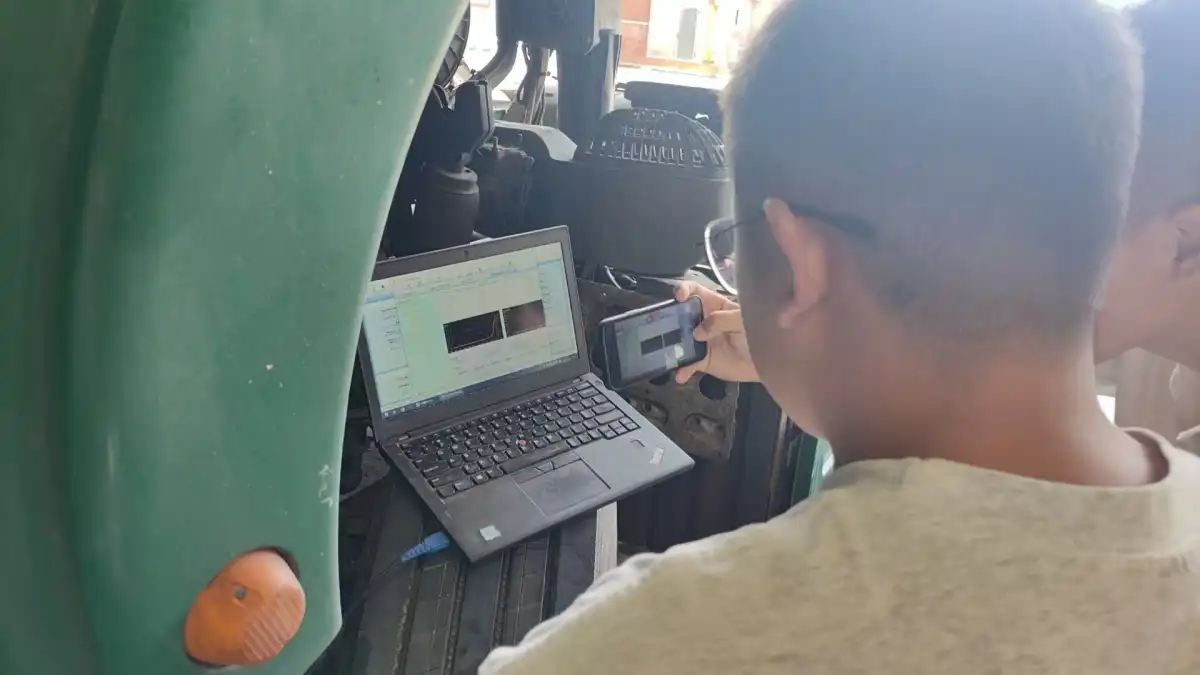
Procedures for systematic troubleshooting assist in determining the underlying causes of pump problems and provide direction for the most effective repair solutions. using pressure testing, the output capacity of the pump is validated, and using flow rate measurements, the injection accuracy is validated. Motor operation, signal for control integrity, and interacting with engine management software are all evaluated via the use of electrical diagnostics technologies.
Advanced diagnostic tools can monitor pump performance in real-time, identifying intermittent failures that might not appear during static testing procedures. Understanding normal operating parameters enables technicians to distinguish between pump-related issues and problems originating from other SCR system components, ensuring accurate diagnosis and efficient repair processes.
Benefits and Future Outlook of Urea Pump Technology in Heavy-Duty Vehicles
Environmental and Operational Advantages
These high-performance diesel exhaust fluid (DEF) injection systems make it possible for heavy-duty diesel-powered vehicles to achieve NOx reductions levels that are more than 95% while still preserving the highest possible fuel economy and engine longevity. Diesel technology is able to maintain its competitiveness with alternative engines in commercial applications, where its power density and versatility in operation give major benefits. This competence to regulate emissions enables diesel technology to continue to compete.
Innovative pump innovations contribute to a reduction in the total cost of ownership by increasing the dependability of pumps, extending the service intervals, and optimizing the amount of diesel engine fuel that is used. Fleet operators get the benefits of continuous emission compliance throughout a wide range of duty cycles, all while preserving the operational range that makes diesel-powered vehicles appealing for use in commercial applications.
Emerging Technology Trends and Innovations
Traditional mechanically pump systems are being transformed into sophisticated emissions control platforms as a result of the combination of digital connection and artificial intelligence sensors. The capabilities of the Internet and Things (IoT) make it possible to do remote monitoring, maintenance prediction scheduling, and efficiency optimization utilizing real-world operational data acquired from whole fleet populations.
Next-generation urea pump designs incorporate advanced materials, improved manufacturing processes, and enhanced control algorithms that provide superior performance while reducing environmental impact throughout the component lifecycle. Sustainable manufacturing practices and recycling programs address growing environmental consciousness within the commercial vehicle industry.
Industry Case Studies and Performance Validation
When compared to technology of previous generations, commercial trucking fleets that have implemented modern DEF injection systems have reported considerable improvements in emission rate compliance as well as lower maintenance costs. Agricultural producers of equipment have successfully incorporated advanced pump systems that are able to maintain emission compliance despite working in demanding situations that are characterized by high dust levels and harsh temperatures.
Application of current pump technologies in construction equipment demonstrates the adaptability of these technologies over a wide range of duty cycles as well as operating circumstances respectively. The validation of the business case for making investments in high-quality emission reduction components is provided by these real-world implementations, which give significant input for the ongoing development of technology.
Company Introduction and Our Product & Service Offering
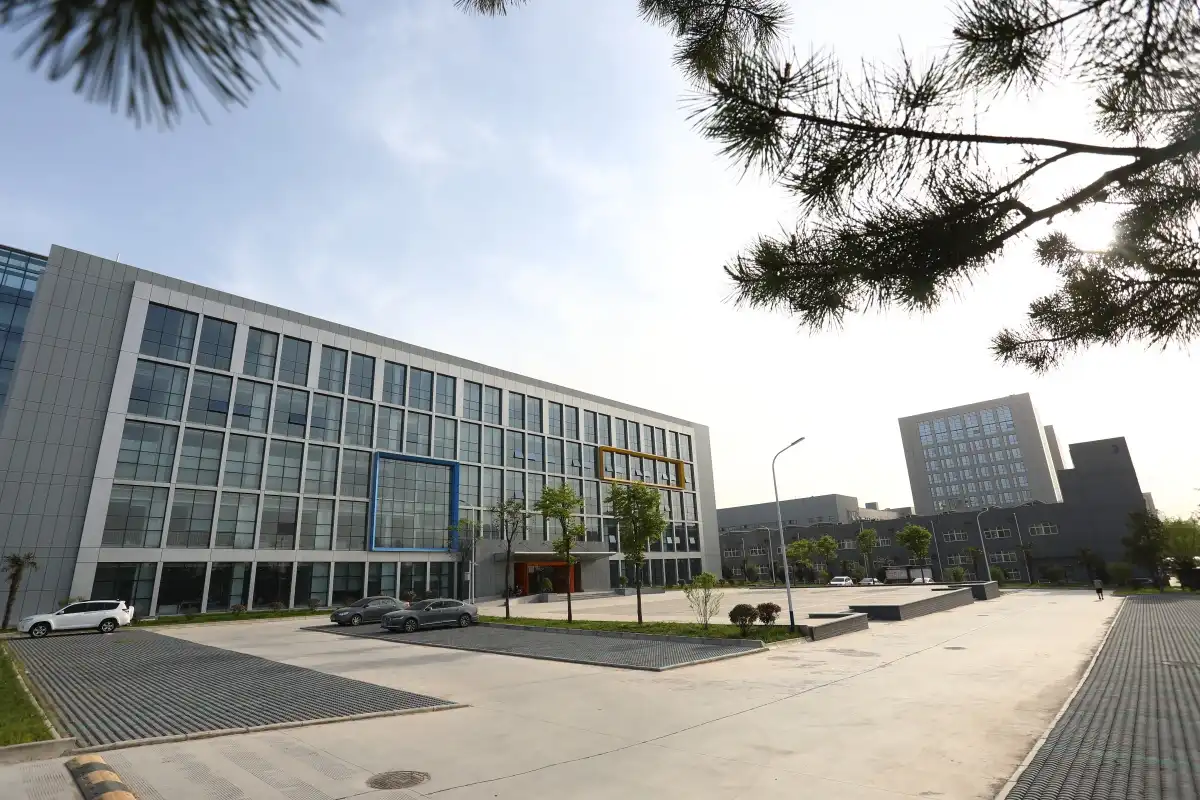
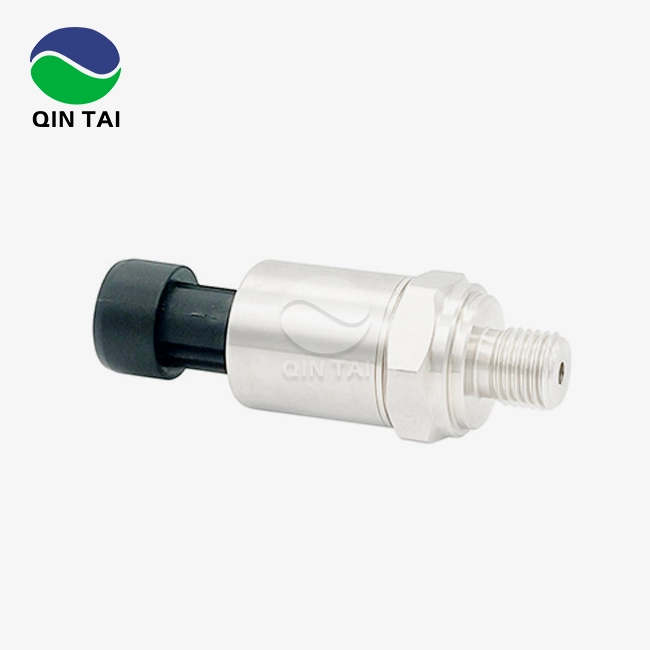
An automotive emission technology company called Xi'an Qintai. Ltd is a national high-tech corporation that has been in the business for more than twenty years and specializes in diesel engine SCR rehabilitation systems plus sensor technologies. Our company was founded in 2001, and since then, we have acquired extensive skills in the areas of research and development, manufacture, sales, and service assistance of emission control components. Our specific area of expertise is in pressure sensors for DEF injection systems.
Multiple certifications, such as ISO9001, IATF16949, and CMC, Ex, UL, FDA, CE, REACH, and Roh compliance, are evidence of our dedication to providing products of the highest possible quality. Our products are guaranteed to satisfy international standards thanks to this extensive certification portfolio, which also guarantees that they will continue to retain the dependability and performance qualities that are required by OEM customers all over the world. As a demonstration of our commitment to the ongoing development of new technologies and innovations, we have been successful in submitting 58 patent applications for inventions.
A number of industry heavyweights, such as Weichai Electricity, Yuchai Electric, and Quanchai Power, rely on Qintai as their primary supplier since it is the most prominent original equipment manufacturer (OEM) provider in China's petroleum aftertreatment sector. The faith and confidence that significant manufacturers have in our technical skills and product dependability is shown by the fact that we are now in the leading position in the market position.
The independent scientific and technological team that we have is always coming up with new ideas to enhance the performance and dependability of our products while also catering to the needs of expanding markets. We are able to fulfill a wide range of client needs, beginning with the original product design and continuing through the execution of mass production, thanks to our comprehensive OEM as well as ODM services. In order to guarantee excellent integration as well as efficiency across a wide range of operating contexts, we provide flexible product customisation that may be tailored to particular applications and the requirements of individual customers.
Conclusion
Modern heavy-duty diesel vehicles depend on sophisticated urea injection systems, particularly the urea pump, to achieve stringent emission regulations while maintaining operational efficiency and reliability. Understanding the critical role of DEF pumps in SCR systems enables informed procurement decisions that balance performance requirements, cost considerations, and long-term operational objectives. Proper selection, installation, and maintenance of these essential components ensures consistent emission compliance while minimizing total cost of ownership across diverse commercial applications.
FAQ
How do I verify urea pump compatibility with specific SCR systems?
Pump compatibility verification requires careful evaluation of multiple technical parameters including flow rate specifications, pressure requirements, electrical interface protocols, and mounting configurations. Our technical team provides comprehensive compatibility analysis based on engine specifications, emission control requirements, and system integration parameters to ensure optimal performance and regulatory compliance.
What are the recommended maintenance intervals for DEF injection pumps?
Maintenance intervals depend on operating conditions, duty cycles, and DEF quality consistency, typically ranging from 500 to 2,000 operating hours. Regular system diagnostics, DEF quality monitoring, and visual inspections help determine appropriate maintenance schedules for specific applications while preventing unexpected failures that could compromise emission compliance.
Can you provide customized pump solutions for specialized heavy-duty vehicles?
Our comprehensive customization capabilities enable development of tailored solutions for unique applications including specialized mounting requirements, custom flow rates, modified electrical interfaces, and enhanced environmental protection features. Our engineering team collaborates closely with customers to develop optimized solutions that meet specific performance criteria while maintaining cost-effectiveness and regulatory compliance.
Partner With Qintai for Advanced Urea Pump Solutions
Qintai's position as China's leading urea pump manufacturer stems from our unwavering commitment to innovation, quality, and customer success. Our comprehensive product portfolio addresses the complete spectrum of heavy-duty diesel applications while providing the technical support and customization capabilities that discerning customers demand. With our proven track record serving major OEM partners and expanding international presence across more than 60 countries, we understand the challenges facing modern fleet operators and equipment manufacturers. Contact our technical team at info@qt-sensor.com to discuss your specific requirements and discover how our advanced emission control solutions can enhance your operational performance while ensuring regulatory compliance.
References
1. Johnson, M.R., et al. "Advanced Selective Catalytic Reduction Technologies for Heavy-Duty Diesel Engines." Society of Automotive Engineers International Journal of Engines, Vol. 15, No. 3, 2022.
2. Thompson, K.L., and Rodriguez, A.C. "Diesel Exhaust Fluid Injection System Performance Optimization in Commercial Vehicle Applications." International Journal of Automotive Technology, Vol. 23, No. 4, 2023.
3. Chen, L., et al. "Emission Control System Integration Strategies for Next-Generation Heavy-Duty Diesel Powertrains." Proceedings of the International Conference on Internal Combustion Engines, Berlin, 2023.
4. Williams, S.P., and Kumar, R. "Lifecycle Cost Analysis of SCR System Components in Commercial Transportation." Journal of Commercial Vehicle Engineering, Vol. 8, No. 2, 2022.
5. Anderson, D.F., et al. "Material Selection and Durability Assessment for Automotive Urea Injection Systems." Materials Science and Engineering Review, Vol. 45, No. 7, 2023.
6. Garcia, M.A., and Brown, J.E. "Regulatory Compliance Strategies for Global Heavy-Duty Vehicle Emission Standards." Environmental Engineering and Policy Journal, Vol. 12, No. 1, 2023.

Our customers’ satisfaction speaks for our quality — contact us to experience the same reliable service.