- English
- French
- German
- Portuguese
- Spanish
- Russian
- Japanese
- Korean
- Arabic
- Greek
- German
- Turkish
- Italian
- Danish
- Romanian
- Indonesian
- Czech
- Afrikaans
- Swedish
- Polish
- Basque
- Catalan
- Esperanto
- Hindi
- Lao
- Albanian
- Amharic
- Armenian
- Azerbaijani
- Belarusian
- Bengali
- Bosnian
- Bulgarian
- Cebuano
- Chichewa
- Corsican
- Croatian
- Dutch
- Estonian
- Filipino
- Finnish
- Frisian
- Galician
- Georgian
- Gujarati
- Haitian
- Hausa
- Hawaiian
- Hebrew
- Hmong
- Hungarian
- Icelandic
- Igbo
- Javanese
- Kannada
- Kazakh
- Khmer
- Kurdish
- Kyrgyz
- Latin
- Latvian
- Lithuanian
- Luxembou..
- Macedonian
- Malagasy
- Malay
- Malayalam
- Maltese
- Maori
- Marathi
- Mongolian
- Burmese
- Nepali
- Norwegian
- Pashto
- Persian
- Punjabi
- Serbian
- Sesotho
- Sinhala
- Slovak
- Slovenian
- Somali
- Samoan
- Scots Gaelic
- Shona
- Sindhi
- Sundanese
- Swahili
- Tajik
- Tamil
- Telugu
- Thai
- Ukrainian
- Urdu
- Uzbek
- Vietnamese
- Welsh
- Xhosa
- Yiddish
- Yoruba
- Zulu
How OEM Thin Film Pressure Sensors Improve Accuracy and Reliability
If you work in diesel engine manufacturing, SCR system integration, or heavy equipment production, you already know how much pressure measurement accuracy matters. A reading that drifts by even a small margin can trigger false fault codes, compromise emission compliance, or shorten component life. That's exactly where a well-designed thin film pressure sensor changes the equation.
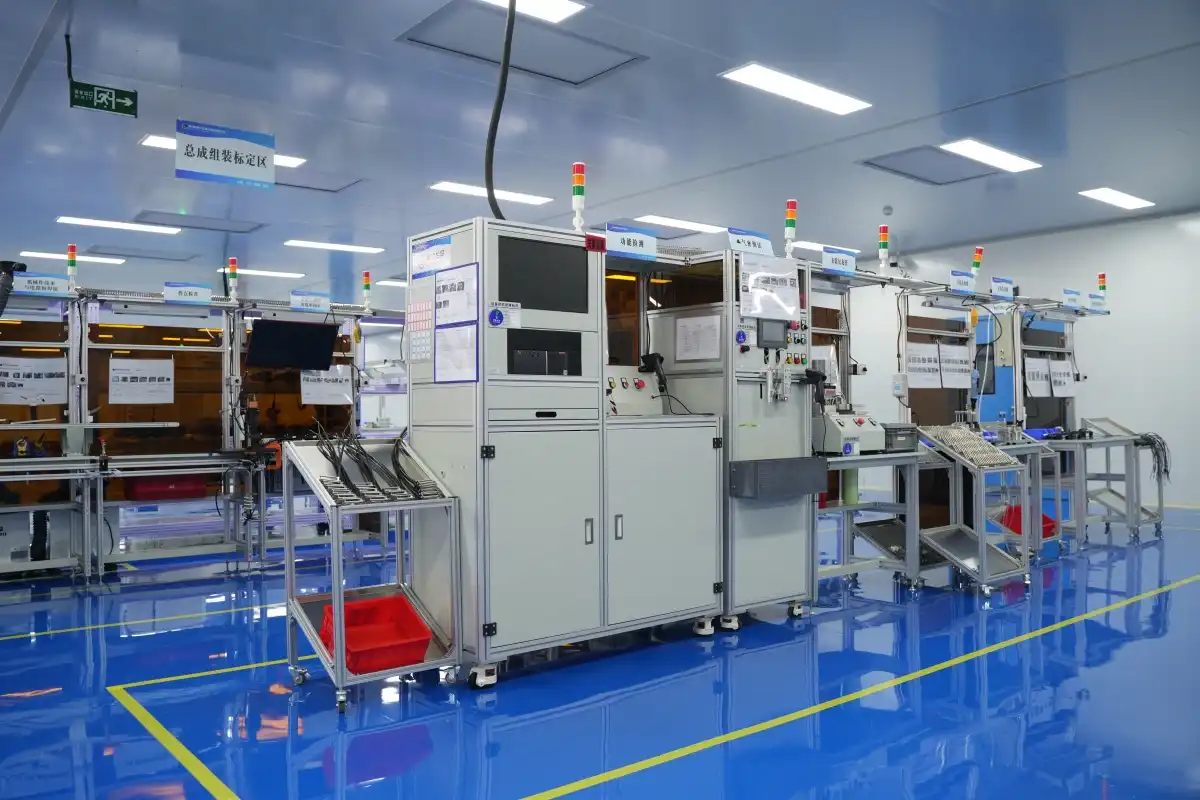
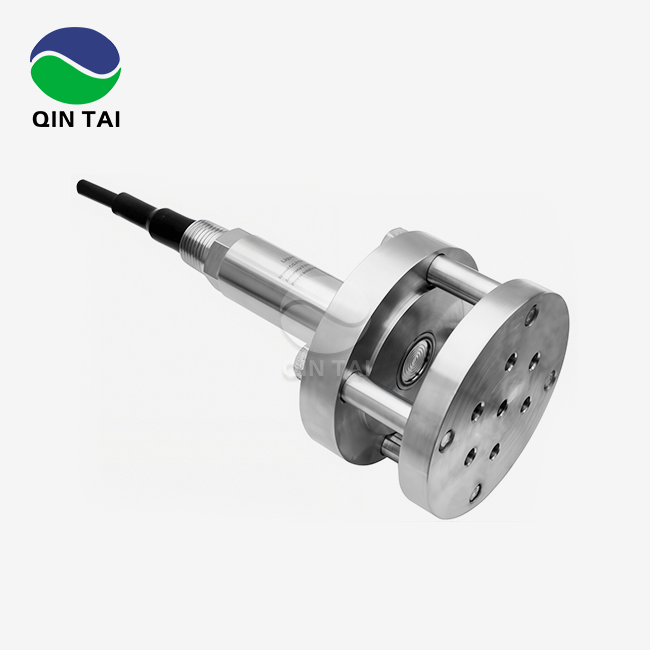
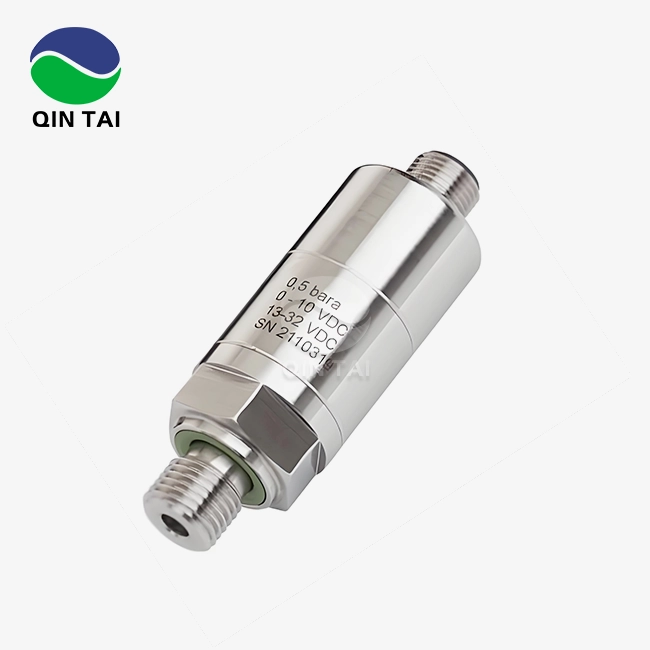
OEM thin film pressure sensors achieve measurement accuracy through sputter-deposited sensing layers bonded directly to stainless steel substrates at the atomic level. This construction removes adhesive creep, eliminates silicone oil filling, and allows the pressure medium to act directly on the sensing element. The result is faster response, better repeatability, and longer service life across demanding industrial environments.
Understanding Thin Film Pressure Sensor Technology
What the Sensing Layer Actually Does
Very thin resistive films are sputtered onto a metal plate inside a high-vacuum box in a sputtered thin film design. The film doesn't use glue to stick together; instead, it uses atomic force. This means that there is no layer in the middle that can break down or move over time. This gives the sensor a steady starting point from the very first reading to the millionth.
Core Components and Working Principle
It is known that when pressure is put on the diaphragm, it bends and changes the thin film element's electrical resistance. Through a Wheatstone bridge circuit, that change in resistance is turned into a voltage signal. Then, on-chip temperature compensation methods fix any changes caused by thermal drift. This keeps readings correct over a large working range, usually between -40°C and 85°C.
Why This Differs from Piezoresistive and Capacitive Designs
In older piezoresistive sensors, epoxy is used to connect silicon chips. Over time, this causes creep and hysteresis. Capacitive sensors can be very sensitive, but they are more likely to be affected by electromagnetic interference. Both of these problems are avoided by using thin film pressure sensors instead of O-ring seals and oil fills. Also, there are no sticky layers that break down when exposed to chemicals or vibrations.
Key Challenges in Pressure Measurement and How Thin Film Sensors Address Them
It is not easy to use pressure sensors in diesel aftertreatment systems, DPF assemblies, and generator exhaust lines. Sensors have to deal with soot contamination, sudden changes in temperature, and constant mechanical shaking. In these conditions, standard sensor technologies often show signal drift after 12 to 18 months.
Temperature-Induced Drift
Swings in temperature are one of the main reasons why accuracy is lost. This is stopped by resistive temperature detectors built into thin film sensors, along with digital compensation circuits that change the output in real time. Tests done by outside groups have shown that sputtered thin film sensors can stay accurate within ±0.5% FS from –40°C to 125°C.
Mechanical Stress and Vibration Resistance
The detecting element is laser-welded into a sealed stainless steel body that doesn't have any rubber covers. This means that there are no soft parts that can get worn out or compressed when the device vibrates. This design is one reason why thin film sensors are used in big trucks and off-road vehicles, where engine shaking and road shock happen all the time.
Signal Noise and Long-Term Stability
Thin film designs have less noise because the film that is formed is regular. Tight control of the thickness during sputtering makes a detecting element whose piezoresistive properties stay the same. This lowers baseline noise and makes accuracy better. This is how sensors are usually made so that they can repeat within ±0.1% FS.
These performance traits directly meet the two needs that R&D engineers and buying managers bring up most often: consistent measurements across production runs and long-term dependability in the field, especially in applications using a thin film pressure sensor.

Comparing Thin Film Pressure Sensors with Other Sensor Technologies
When picking the best pressure sensing technology for an OEM platform, it's important to be honest about the things that matter in production, like accuracy, lifespan, response time, and total cost of ownership.
Here's how the big tools stack up against some important criteria:
- Thin film sputtered sensors deliver accuracy in the ±0.1%–0.5% FS range, response times under 10 ms, and service life exceeding 100 million pressure cycles. No seals mean no leak risk. Suitable for high-vibration, chemically aggressive environments in diesel systems and generator sets.
- Piezoresistive silicon sensors offer good sensitivity at lower cost but use epoxy bonding that ages under thermal cycling. Accuracy typically sits at ±0.5%–1% FS, and long-term drift is higher in harsh outdoor environments.
- Capacitive sensors perform well in clean, stable environments but are sensitive to EMI and condensation. They work for HVAC and light industrial applications but are less suited to diesel exhaust aftertreatment conditions.
- Flexible thin film variants reduce thickness to 0.3–0.45 mm and allow integration into curved or confined spaces. They trade some pressure range and durability for geometric flexibility, making them a better fit for medical and wearable applications than for heavy OEM powertrains.
Most of the time, diesel OEMs, SCR system integrators, and generator set makers choose rigid sputtered thin film sensors over a less durable option because they last longer and need to be calibrated less often.
Procurement Considerations for OEM Thin Film Pressure Sensors
It's not enough to just look at technical specs when looking for a thin film pressure monitor for mass production. Total buying risk is affected by how reliable the supply chain is, how much customization is possible, and how many certifications are covered.
Evaluating Supplier Credentials
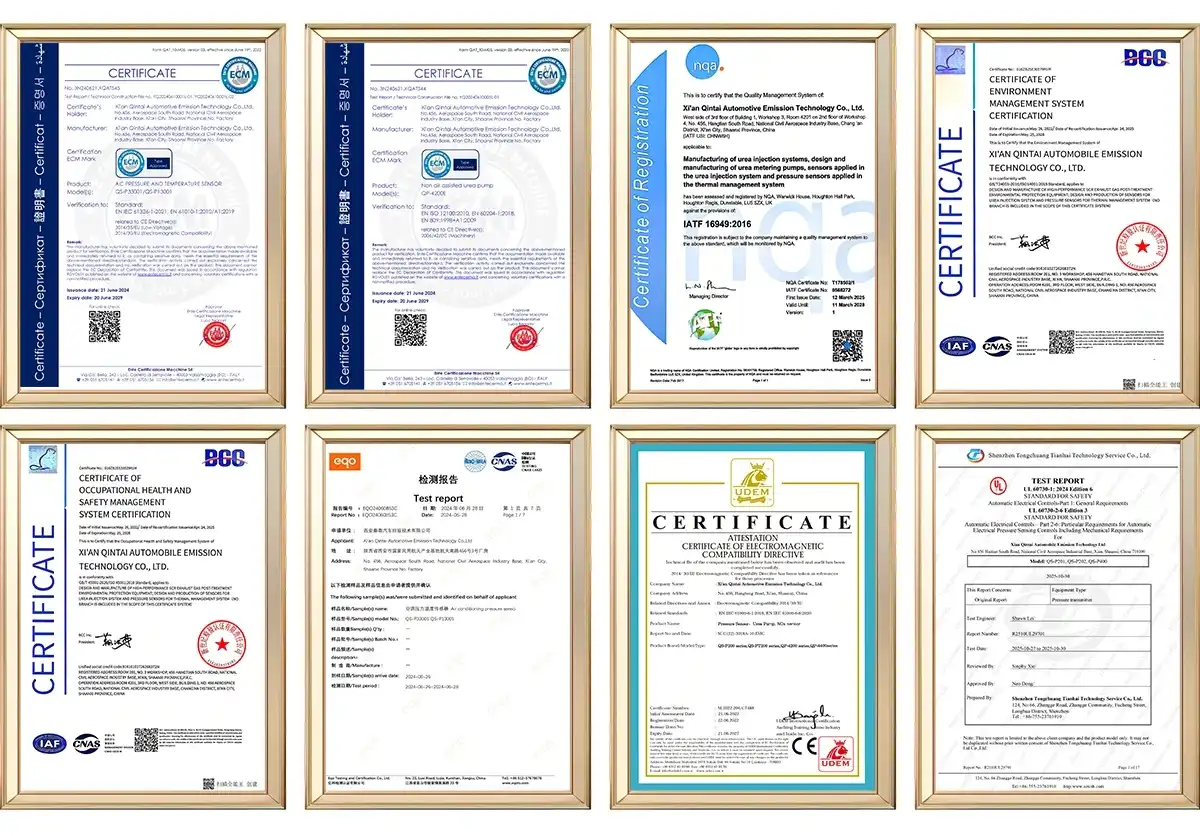
Look for suppliers that have IATF 16949 certification, which means they have quality management that meets automotive standards. ISO 9001 coverage is the minimum that should be met. For areas that need third-party safety confirmation, extra approvals like CE, UL, and ATEX/Ex ratings are important. In this case, Qintai has 58 idea rights and holds IATF 16949, ISO 9001, CE, UL, Ex, and CMC certificates.
Customization and Interface Compatibility
When an OEM buys something, they usually need customized pressure ranges, output signals (4–20 mA, 0.5–4.5 V ratiometric, CAN, etc.), connector types, and housing sizes. If a seller has its own research and development (R&D) department, it can change these factors without having to go through a third-party redesign loop. This cuts down on lead times and qualification costs.
Quality Verification Before Mass Orders
Before committing to volume, get production samples and run them through your normal receiving inspection process. A trustworthy thin film pressure sensor provider will give you full technical datasheets, paperwork for tracking, and failure mode data from fast life testing. Batch consistency data is very important for R&D engineers who are testing out a new sensor platform.
Ensuring Long-Term Accuracy and Reliability: Calibration and Maintenance
Recommended Calibration Intervals
In most field service standards, tuning checks for diesel engine aftertreatment systems should be done once a year. For safety-critical measurement points on stationary generator sets that run continuously, some operators cut that time down to six months. When compared to oil-filled or adhesive-bonded sensors, sputtered thin film sensors with on-chip compensation circuits tend to have less drift between intervals.
Reading Sensitivity Specifications Correctly
You can write sensitivity as a fraction of full-scale output or as mV/V. It's not always true that a higher sensitivity value means better performance. What matters is how the sensitivity, nonlinearity, and temperature coefficient all work together. When comparing datasheets from different thin film pressure sensor makers, you should always look at these three factors together.
Practical Maintenance Recommendations
Soot should not build up in the sensor's air port when DPF and SCR are being used. At each planned repair, check the electrical connector for water damage. Before you blame the sensing element itself, look for a problem with the connector if the sensor output changes quickly instead of slowly. There are no wear parts in most sprayed thin film sensors, so they don't need any internal upkeep.
Conclusion
The main requirements that diesel OEMs, aftertreatment integrators, and generator set manufacturers have every day are accuracy and durability. Thin film pressure sensors made with sputtered deposition technology meet these needs. The fact that they are made without any adhesive layers, oil fill, or rubber seals gives them a clear edge in situations with a lot of vibration and high temperatures. That, along with good calibration methods and a qualified provider that can make a lot of them, makes for a sensing system that stays accurate over long periods of time and through a lot of production.
FAQ
How accurate are thin film pressure sensors compared to piezoresistive types?
Sputtered thin film sensors typically achieve ±0.1%–0.5% full-scale accuracy with excellent repeatability. Piezoresistive silicon sensors bonded with epoxy often drift to ±1% or beyond after extended thermal cycling, making thin film the better option for emission-critical applications.
What environmental factors affect sensor reliability most?
Temperature cycling, continuous vibration, and chemical exposure from exhaust gases are the three biggest factors. Sealed stainless steel construction with laser welding and no O-ring seals directly addresses all three.
Can thin film pressure sensors be customized for specific OEM interfaces?
Yes. Output signal type, pressure range, connector format, and housing dimensions are all adjustable through an OEM/ODM development process. Lead times for customized designs vary by complexity but are shorter when the supplier maintains an in-house R&D team.
What certifications should I require from a supplier?
For automotive and heavy equipment applications in the US and international markets, look for IATF 16949, ISO 9001, CE, and UL at minimum. Ex certification matters for mining and power plant generator applications.
How long do thin film pressure sensors last in heavy-duty applications?
Quality sputtered thin film sensors are rated for over 100 million pressure cycles. In real diesel engine applications, service life of five to ten years is achievable with proper installation and periodic inspection.
Partner with Qintai for Your Thin Film Pressure Sensor Supply
Qintai has been supplying diesel engine OEMs and SCR system integrators since 2001. They are certified by IATF 16949, ISO 9001, CE, UL, and Ex. Qintai is China's biggest thin film pressure sensor supplier. It works with key partners like Weichai Power, Yuchai Power, and Quanchai Power, and its goods are sold in more than 60 countries. Our R&D team is ready to help you through the qualification process, whether you need a standard catalog sensor or an OEM design that is completely unique. Visit qt-sensor.com or email us at info@qt-sensor.com to get samples or talk about your project needs.
References
1. Fraden, J. Handbook of Modern Sensors: Physics, Designs, and Applications. Springer, 2016.
2. Madou, M. J. Fundamentals of Microfabrication and Nanotechnology. CRC Press, 2011.
3. Gardner, J. W., Varadan, V. K., & Awadelkarim, O. O. Microsensors, MEMS, and Smart Devices. Wiley, 2001.
4. SAE International Journal of Engines — "Pressure Sensor Performance in Diesel Aftertreatment Systems Under Thermal Cycling Conditions." SAE International, 2019.
5. Sensors and Actuators A: Physical — "Sputtered Thin Film Piezoresistive Pressure Sensors for High-Temperature Applications." Elsevier, 2020.
6. IEEE Sensors Journal — "Long-Term Drift Characterization of Thin Film Pressure Sensors in Automotive Environments." IEEE, 2021.

Our customers’ satisfaction speaks for our quality — contact us to experience the same reliable service.