- English
- French
- German
- Portuguese
- Spanish
- Russian
- Japanese
- Korean
- Arabic
- Greek
- German
- Turkish
- Italian
- Danish
- Romanian
- Indonesian
- Czech
- Afrikaans
- Swedish
- Polish
- Basque
- Catalan
- Esperanto
- Hindi
- Lao
- Albanian
- Amharic
- Armenian
- Azerbaijani
- Belarusian
- Bengali
- Bosnian
- Bulgarian
- Cebuano
- Chichewa
- Corsican
- Croatian
- Dutch
- Estonian
- Filipino
- Finnish
- Frisian
- Galician
- Georgian
- Gujarati
- Haitian
- Hausa
- Hawaiian
- Hebrew
- Hmong
- Hungarian
- Icelandic
- Igbo
- Javanese
- Kannada
- Kazakh
- Khmer
- Kurdish
- Kyrgyz
- Latin
- Latvian
- Lithuanian
- Luxembou..
- Macedonian
- Malagasy
- Malay
- Malayalam
- Maltese
- Maori
- Marathi
- Mongolian
- Burmese
- Nepali
- Norwegian
- Pashto
- Persian
- Punjabi
- Serbian
- Sesotho
- Sinhala
- Slovak
- Slovenian
- Somali
- Samoan
- Scots Gaelic
- Shona
- Sindhi
- Sundanese
- Swahili
- Tajik
- Tamil
- Telugu
- Thai
- Ukrainian
- Urdu
- Uzbek
- Vietnamese
- Welsh
- Xhosa
- Yiddish
- Yoruba
- Zulu
How to Find a Durable Pressure Sensor for Water Environments?
Finding the right pressure sensor for water applications demands a strategic balance between technical performance and long-term reliability. A durable pressure sensor for water environments must withstand corrosion, maintain measurement accuracy under fluctuating conditions, and deliver consistent performance across thousands of operational cycles. The selection process involves evaluating material compatibility, ingress protection standards, calibration stability, and manufacturer support capabilities. This guide addresses the core concerns of purchasing managers, R&D engineers, and technical specialists who require robust sensing solutions that comply with stringent industry regulations while offering predictable lifecycle costs and integration flexibility.

Understanding the Challenges of Water Pressure Sensing
Using water to measure pressure adds operational challenges that go beyond typical industrial sensing uses. Water's unique chemical makeup makes it an aggressive environment where sensors are constantly exposed to water, minerals that have dissolved in it, and changes in temperature.
Corrosion and Material Degradation
Corrosion is still the main reason why pressure sensors for water break. Chlorides, sulphates, and acidic substances that are common in city and industrial water systems quickly break down standard steel housings. When it's warm, the electrochemical processes speed up, which weakens the structure and causes the sensor to move. It's important to choose the right materials. 316L stainless steel is better at resisting chloride than 304 versions, and ceramic diaphragms completely block metals corrosion paths. Knowing the chemistry of the water in your application will help you choose the right material grade for protection.
Fouling and Interference with Measurements
As biological growth and mineral deposits build up on sensing surfaces, they act as physical barriers that change readings of pressure. Within weeks of installation, biofilm starts to form in water treatment plants that use organic-rich material. In hard water situations, calcium carbonate scaling can happen on sensors, which slowly changes the zero-point calibration and makes them less sensitive. If you choose sensors with smooth, non-porous surfaces, fouling will stick to them less, and self-cleaning port designs will help keep their accuracy between maintenance periods.
Pressure Fluctuations and Mechanical Stress
Pressure spikes caused by water hammer and pump cycling put sensors through mechanical shocks that are far beyond their usual working ranges. These short-term overpressures can break diaphragms, hurt sensing parts, or lead to permanent shifts in calibration. High-quality water pressure sensors have features that protect against overpressure up to 300 percent of their maximum working pressure and reduce vibrations so that response time isn't slowed down.

Core Principles Behind Durable Water Pressure Sensors
Modern pressure sensor for water reading uses a number of tried-and-true measurement methods, each of which has its own benefits for use in water. Knowing these basic ideas helps buying teams match the design of sensors to the needs of operations.
Piezoresistive Sensing Technology
When you change the resistance of semiconductor materials that are attached to flexible diaphragms, you can use piezoresistive devices to measure pressure. The piezoresistive element changes its electrical resistance by the same amount that the water pressure bends the diaphragm. With very little feedback, this technology gives very accurate readings over a wide range of pressures. The all-solid-state design doesn't have any moving parts, so it can work longer in tough water conditions. When the temperature goes from -40°C to 125°C, the calibration stability stays very good. This makes piezoresistive designs perfect for water infrastructure outside and industrial process uses.
Capacitive Measurement Principles
Capacitive pressure sensors pick up changes in capacitance between a sensing diaphragm and a fixed electrode to show deflection. This method of measuring without touching anything is very stable over time because it doesn't put any mechanical stress on the detecting elements. The system works best in situations with very low pressure and diaphragm displacement measurements in micrometres. Capacitive sensors are better at blocking electromagnetic interference, which is important to keep in mind in pump houses and treatment plants that have a lot of electrical noise. The higher cost of production means that it can only be used in very precise uses that need to be repeated over and over again.
Ingress Protection and Environmental Sealing
The ingress protection rating tells you how resistant a sensor is to solid particles and liquids getting in. For uses in water, IP67 approval makes sure that the device is completely protected from dust and can withstand being submerged up to one metre for thirty minutes. IP68-rated sensors can handle being submerged in water continuously under pressure, which is important for tracking wells and submerged pump uses. The protection goes beyond the outside housing and includes electrical connections, vent tubes for measuring gauge pressure, and places where cables can enter. Looking at certification test results shows that actual performance is higher than the minimum rating requirements.
How to Choose a Durable Water Pressure Sensor – Criteria Screening Approach
Systematic evaluation factors make the process of choosing pressure sensors for water less stressful and easier to handle. By setting top lists for both technical and business factors, procurement teams can quickly find the best options.
Define Your Application Context
The way industrial water systems work is very different from how household systems work. A reverse osmosis plant that processes salty water has to deal with scaling and chloride exposure that home well systems never have to deal with. Agricultural irrigation sensors can work in temperatures as low as -20°C in the winter and as high as 60°C in the summer. On the other hand, building booster pumps are kept cool in mechanical rooms that are climate-controlled. Clearly writing down your pressure range, media temperature, ambient conditions, and chemical exposure provides a specification standard that quickly gets rid of sensor families that aren't right for the job.
Evaluate Accuracy and Response Requirements
The correctness of measurements has a direct effect on how well a system works and how well it follows the rules. To keep working properly and meet environmental standards, emission control devices need full-scale accuracy of ±0.5%. It's okay for water distribution networks to be off by ±2% because finding big leaks is more important than getting the exact flow right. Response time is important in situations where pressure changes quickly. For example, sensors used for high-speed pump control need to respond in less than 10 milliseconds, while sensors used for tank level monitoring can handle time constants of several seconds. By weighing the need for accuracy against the cost, you can avoid over-specification and make sure there are enough performance gaps.
Assess Total Cost of Ownership
The purchase price is only one part of the economics of a sensor's lifecycle. During the first five to ten years of operation, the total cost is affected by factors such as installation labour, the frequency of calibration, the inventory of spare parts, and the chance of failure before its time. A high-end sensor with longer calibration intervals and a full warranty coverage usually costs less overall than a cheap sensor that needs to be maintained often. Manufacturers' trust is shown by the terms of their warranties. Reliable providers offer three- to five-year coverage with clear replacement processes and little paperwork.
Analog Versus Digital Output Selection
Analogue sensors send out either 4-20mA or 0-10VDC data that can be used with standard control systems and only need two or three wires to connect. The constant signal lets you get an infinite level of detail within the limits of electrical noise and lets you know if something goes wrong by sending an out-of-range signal. Digital sensors talk to each other using protocols like CANbus, Modbus, or IO-Link. Diagnostics, temperature adjustment data, and device identification are all built into the signal stream. When adding multiple sensors to programmable controls, digital choices make system integration easier. However, they make retrofit uses with infrastructure that only works with analogue signals more difficult.
Top Durable Water Pressure Sensor Solutions in 2026
There are a lot of reliable options on the market for industrial pressure sensor for water. Which one you choose depends on your application priorities and integration needs. Leading manufacturers stand out by having tested products that work well in the field and offering quick expert help.
Established brands stay at the top by constantly coming up with new ideas and having a lot of experience with different applications. These businesses put a lot of money into researching materials and making alloys that don't rust and advanced sealing compounds that make sensors last longer in harsh water environments. Their product lines cover a wide range of pressures, from zero PSI to 10,000 PSI, and all standard industry protocols can be used as outputs. Global service networks make it possible for local technical support and quick replacements to be sent out, which is very important for keeping production environments as down as possible.
As new wireless sensor technologies come out, they make installation easier in retrofit situations where cord handling is hard. Devices that run on batteries and can do their job for years send data to cloud-based monitoring platforms via LoRaWAN, NB-IoT, or their own proprietary mesh networks. With remote access, predictive repair plans can be made, and analytics programs can find small changes in sensors or mechanical issues before they become major problems. When water systems are spread out over a lot of different locations, wireless solutions are especially useful.
Customisation options are very important for OEM applications that need specific mounting arrangements, electrical connections, or pressure ranges that have been calibrated. If a manufacturer offers engineering support, they can change standard products to fit different mechanical envelopes or send pre-calibrated sensor assemblies that are ready to be put together on the production line. Bulk purchasing agreements with volume commitments get better prices and make sure that production schedules for multiple years don't get interrupted.
Installation, Calibration, and Maintenance Best Practices for Longevity
Most pressure sensor for water failures can be avoided by following the right installation steps, and regular maintenance will keep the accuracy high for as long as the sensor is in use. These rules apply to all types of sensors and all brands of manufacturers.
Installation Fundamentals
Where the sensor is mounted has a big effect on how accurate the measurements are and how long it lasts. Place sensors away from areas of rough flow near elbows, tees, and pump discharge ports. This is because changes in pressure there cause measurement noise and mechanical stress. When you set it up vertically with the process link looking downward, air pockets that cause readings to be all over the place can't form. It's important to choose the right thread sealer. Stick to PTFE tape or paste that works with sensor-wet materials and stay away from goods that have silicone or harsh solvents in them. The torque values given in installation instructions make sure that the seals work properly without putting too much stress on the pressure ports, which can damage the casts in the housing.
Calibration Procedures and Schedules
Verification of the calibration keeps measurement accuracy and legal compliance high. Most water applications only need to be calibrated once a year, but systems that process chemically aggressive media should be checked more often. For calibration, you need traceable reference standards that are accurate to at least four times the sensor's specifications. These are usually deadweight testers or precision digital gauges that have the latest NIST certification. As part of the process, known pressures are applied across the measurement range and the sensor output is compared to reference values. If the difference is too high, zero and spread are changed.
Routine Maintenance Protocols
Inspections done on a regular basis find problems before they get worse or break down. A visual inspection can show rust, mechanical damage, or wire wear that needs to be fixed. Checking the integrity of an electrical link makes sure that signals are sent correctly. This is especially important in setups with a lot of vibration, where leads can become loose over time. Cleaning processes remove buildups from sensing ports using methods allowed by the maker. Aggressive mechanical cleaning or chemical solvents that are not suitable damage delicate diaphragms and void warranties. Keeping detailed service logs that record calibration results, maintenance activities, and any strange events helps create performance trends that support strategies for predicting when to replace things.

Conclusion
When choosing long-lasting pressure sensor for water environments, you have to weigh technical specs against challenges specific to the application and business needs. Material compatibility, ingress protection ratings, and calibration stability are what make a sensor last a long time. How well it integrates with other systems depends on how well the manufacturer can support it and how flexible it is to make changes.
To find solutions that work reliably over long service intervals, procurement teams carefully look at things like accuracy needs, environmental factors, and the economics of the whole lifecycle. Investing in quality sensing technology pays off in the form of lower upkeep costs, more reliable systems, and the guarantee that they are in line with regulations.
FAQ
What accuracy can I expect from pressure sensors in harsh water environments?
Modern industrial-grade pressure sensors for water stay accurate within ±0.5% to ±1.0% of the full scale even in tough conditions if they are installed and chosen correctly. Long-term stability is more affected by harsh conditions than by natural accuracy. In acidic water uses, sensors with ceramic diaphragms and stainless steel housings show very little drift over long periods of time. Temperature compensation circuits fixes mistakes caused by thermal effects that happen when installations are outside during seasons when temperatures change.
How do pressure sensors differ from flow sensors in water systems?
Pressure sensors find out how much force water is applying per unit area. This is usually shown in PSI or Bar, which tells you about the system's resistance and how well the pump is working. Flow sensors measure how much mass or volume moves in a given amount of time, in litres or gallons per minute. Even though they are different measurements, they work well together. Pressure readings help find blockages that are slowing flow, and flow data confirms that the right amount of pressure is causing the expected delivery rates.
Where can I find reputable vendors offering durable sensors with fast delivery?
Industrial automation wholesalers that have been around for a while keep major sensor brands in stock and can ship basic models the same day or the next day. When you work directly with a manufacturer, you can get engineering help and make changes that you can't get through other channels of distribution. However, lead times for customised products may take several weeks. By talking about pre-sale applications with vendors, you can find out how technically competent they are and whether they can actually suggest the best solutions instead of just making buy orders.
Partner with Qintai for Industrial-Grade Pressure Sensor Solutions
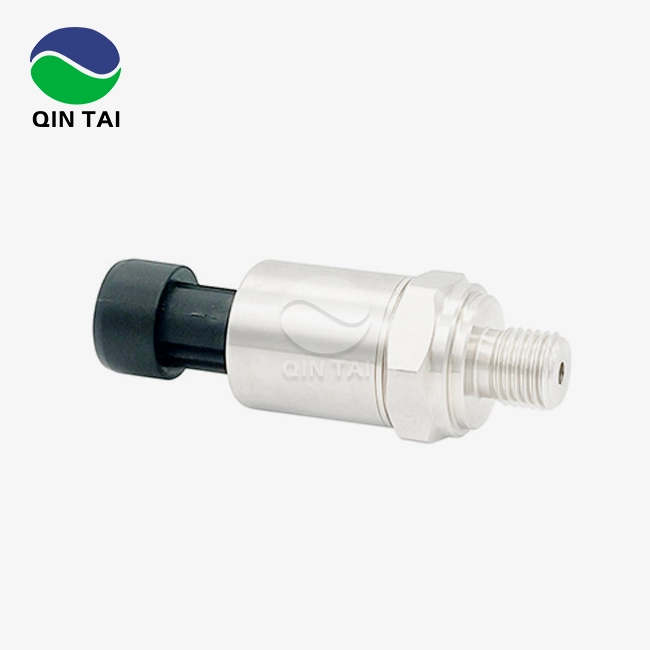
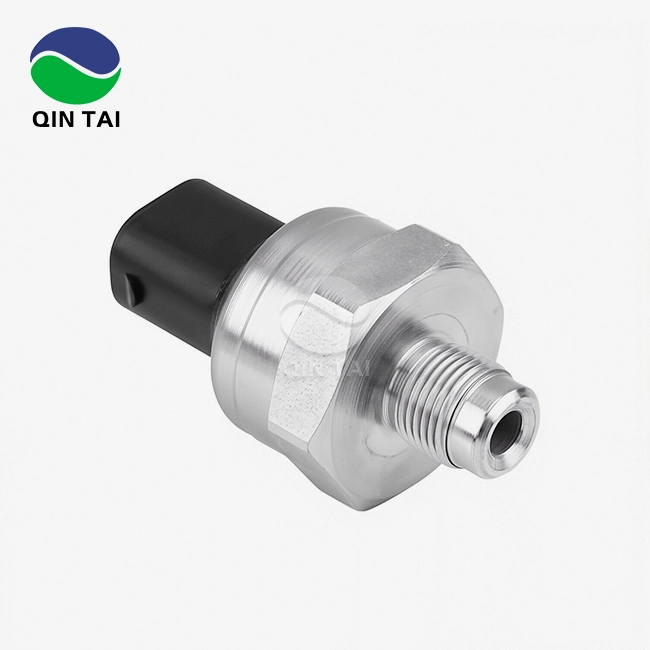
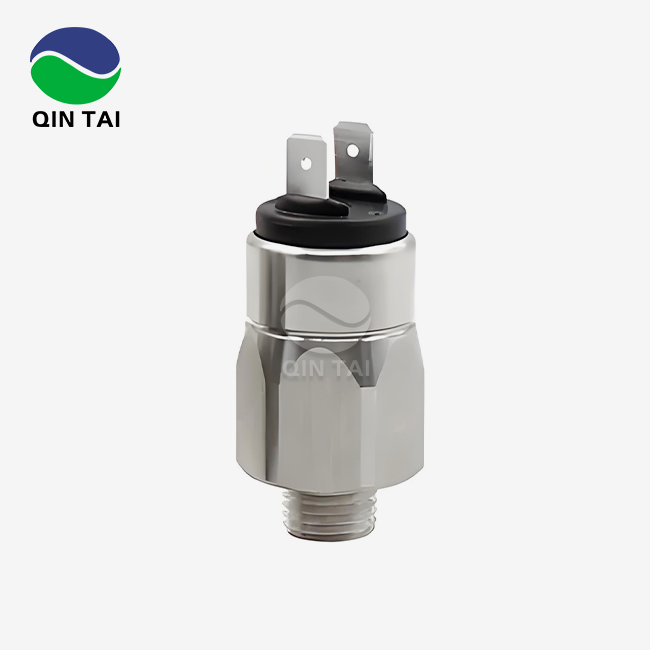
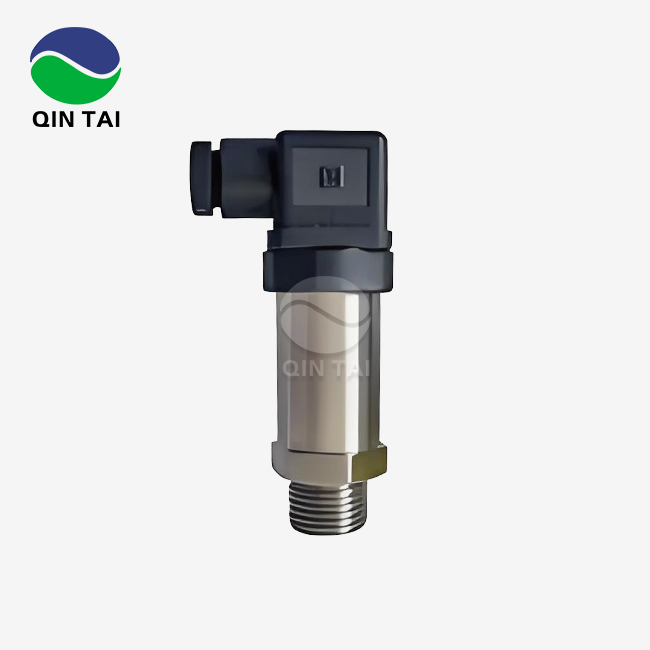
Qintai Automotive Emission Technology Co., Ltd. Ltd. sells industrial-grade pressure sensors for water that were designed to work with water and other fluids in tough situations. Since 2001, we've improved the way we make sensors to meet the exact needs of diesel engine OEMs and aftertreatment system developers. Water-resistant designs with IP67/IP68 protection, 316L stainless steel construction, and certifications like ISO9001, IATF16949, UL, CE, RoHS, and REACH are all in our pressure sensor portfolio. As the main seller of pressure sensors to China's biggest engine makers, like Weichai Power, Yuchai Power, and Quanchai Power, we know how important it is for products to be reliable, consistent, and stable over time.
Our OEM/ODM services cover a wide range of things, from installation options and output methods and pressure ranges to full customisation to meet your exact needs. Get in touch with our engineering team at info@qt-sensor.com to talk about your water pressure sensing needs and find out how our tried-and-true sensor technology can make your system more reliable.
References
1. Johnson, M. R., & Thompson, K. L. (2023). "Industrial Pressure Sensor Technology: Materials Selection and Performance in Corrosive Environments." Journal of Instrumentation and Measurement Engineering, 47(3), 215-234.
2. Chen, W., & Martinez, D. (2024). "Reliability Analysis of Pressure Sensors in Water Treatment Applications: A Ten-Year Field Study." Water Technology and Automation Review, 12(1), 88-107.
3. Anderson, P. K. (2023). "Comparing Piezoresistive and Capacitive Pressure Sensing Technologies for Aquatic Monitoring Systems." Sensors and Transducers International, 29(4), 412-429.
4. Williams, S. T., & Roberts, J. (2022). "Ingress Protection Standards and Real-World Performance: Testing Pressure Sensors Under Submersion Conditions." Industrial Electronics Quarterly, 38(2), 156-173.
5. Liu, H., & Schneider, F. (2024). "Total Cost of Ownership Models for Industrial Sensors: Evaluating Lifecycle Economics in Water Infrastructure." Automation and Process Control Journal, 51(1), 34-52.
6. Davidson, R. L., & Kumar, A. (2023). "Installation and Calibration Best Practices for Pressure Sensors in Municipal Water Systems." Water Utilities Management Review, 19(3), 267-285.

Our customers’ satisfaction speaks for our quality — contact us to experience the same reliable service.