- English
- French
- German
- Portuguese
- Spanish
- Russian
- Japanese
- Korean
- Arabic
- Greek
- German
- Turkish
- Italian
- Danish
- Romanian
- Indonesian
- Czech
- Afrikaans
- Swedish
- Polish
- Basque
- Catalan
- Esperanto
- Hindi
- Lao
- Albanian
- Amharic
- Armenian
- Azerbaijani
- Belarusian
- Bengali
- Bosnian
- Bulgarian
- Cebuano
- Chichewa
- Corsican
- Croatian
- Dutch
- Estonian
- Filipino
- Finnish
- Frisian
- Galician
- Georgian
- Gujarati
- Haitian
- Hausa
- Hawaiian
- Hebrew
- Hmong
- Hungarian
- Icelandic
- Igbo
- Javanese
- Kannada
- Kazakh
- Khmer
- Kurdish
- Kyrgyz
- Latin
- Latvian
- Lithuanian
- Luxembou..
- Macedonian
- Malagasy
- Malay
- Malayalam
- Maltese
- Maori
- Marathi
- Mongolian
- Burmese
- Nepali
- Norwegian
- Pashto
- Persian
- Punjabi
- Serbian
- Sesotho
- Sinhala
- Slovak
- Slovenian
- Somali
- Samoan
- Scots Gaelic
- Shona
- Sindhi
- Sundanese
- Swahili
- Tajik
- Tamil
- Telugu
- Thai
- Ukrainian
- Urdu
- Uzbek
- Vietnamese
- Welsh
- Xhosa
- Yiddish
- Yoruba
- Zulu
Improve NOx Reduction with the Right Diesel Urea Injection Pump
The key to achieving superior NOx reduction lies in selecting an advanced diesel urea injection pump that delivers precise dosing and exceptional reliability. Modern SCR systems depend on accurate urea delivery to transform harmful nitrogen oxides into harmless water vapor and nitrogen gas. High-quality injection pumps ensure optimal catalyst efficiency while maintaining compliance with stringent emission standards across heavy-duty applications.
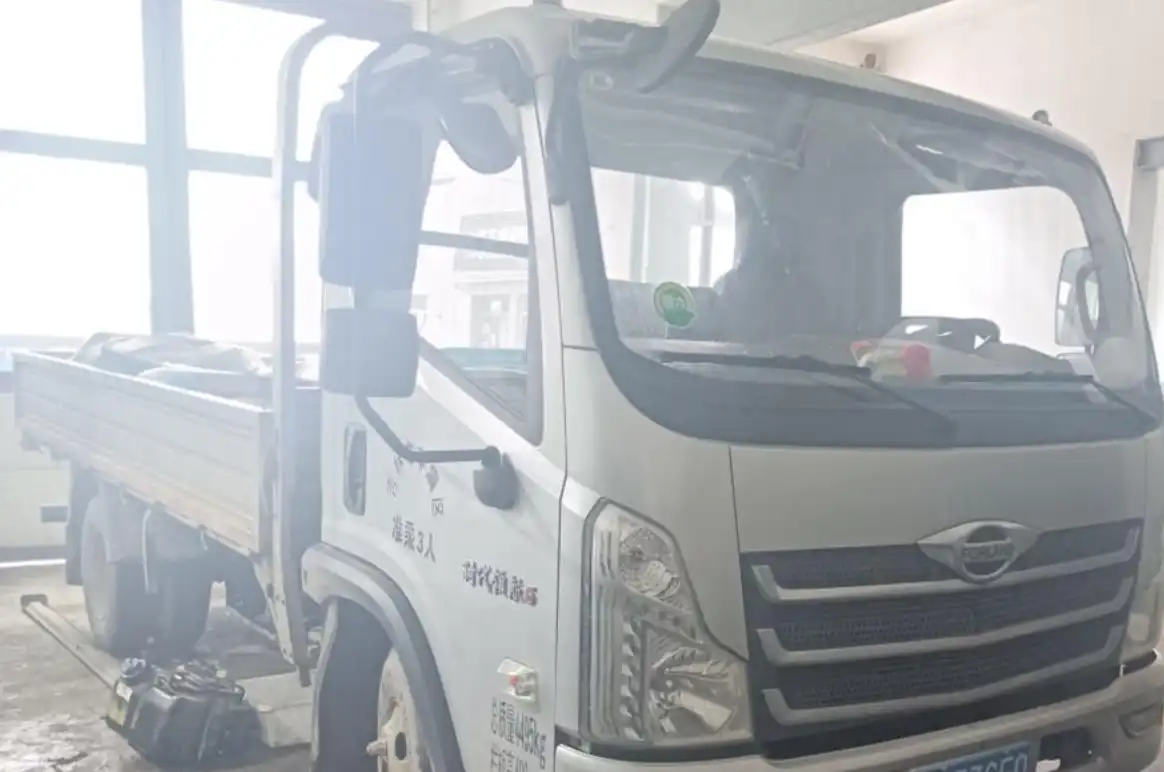
Comprehending Diesel Urea Injection Pumps and Their Role in NOx Reduction
Urea injection pumps for diesel engines are the essential component of the selective catalytic reduction systems. These pumps are responsible for ensuring that aqueous urea solution is delivered to exhaust streams in an accurate manner. In order to determine the ideal timing for injection and volume depending on the current operating circumstances, these highly intelligent components collaborate with the engine control units to carry out the calculation.
Fundamental Operation Principles
The mechanism of operation revolves on the transformation of liquid ammonium into ammonia via the process of heat breakdown that takes place inside the exhaust stream system. Innovative injection pumps make use of electronic controls to precisely measure the amount of diesel exhaust fluid. This ensures that the NOx conversion process is carried out in its entirety while also minimizing ammonia slippage. Continuous calibration is made possible by temperature measurement and pressure feedback systems, which provide the ability to adjust injection rates in response to changes in engine loads and emission temperatures.
Integration with SCR Systems
Injection systems used in modern vehicles are able to communicate with diesel particulate screens and oxidation catalysts, allowing them to merge easily with larger aftertreatment structures. This synchronized strategy protects downstream components from heat stress and chemical deterioration while simultaneously maximizing the efficiency with which emissions are reduced for maximum impact. Multiple sensor inputs are processed by electronic control units in order to optimize injecting patterns, which may result in a reduction of up to 95% in NOx emissions in systems that have been correctly calibrated.
Common Failure Indicators
The ability to recognize the indicators of pump failure offers preventive maintenance measures that allow for the prevention of expensive downtime. It is common for abnormal operating sounds to be an indication of internal wear or pollution concerns, while error codes may indicate electrical failures or pressure anomalies. As a result of performance deterioration, greater emission levels are shown during regular testing, which prompts quick diagnostic procedures to be carried out in order to uncover the underlying reasons.
Selecting the Right Diesel Urea Injection Pump for Your Fleet or Operations
In order to choose the most suitable injection technique, it is necessary to conduct a thorough analysis of the operating needs, maintenance capacities, and long-term cost concerns. Depending on the scope of the application and the circumstances of the surrounding environment, several pump designs each provide their own unique benefits.
Technology Comparison
Electronic dosing pumps provide superior precision through digital control systems, enabling real-time adjustments based on operating parameters. These units excel in variable-duty applications where injection requirements fluctuate significantly throughout operating cycles. Mechanical dosing systems offer robust simplicity with fewer electronic components, making them suitable for harsh environments where electronic systems might prove vulnerable.
Systematic troubleshooting approaches streamline repair processes and minimize diagnostic time. For diesel urea injection pump systems, pressure testing reveals internal leakage or blockage conditions, while electrical continuity checks identify wiring faults and connector problems. Flow rate measurements compare actual performance against specification requirements, highlighting wear patterns or calibration drift.
Market-Leading Manufacturers
There are a number of well-established manufacturers that dominate the worldwide market for injection pumps. Each of these manufacturers offers distinctive technical approaches and support networks. Bosch systems are popular among Industrial applications that need rigorous quality requirements because they have an emphasis on precision engineering and have comprehensive diagnostic capabilities. Continental solutions are characterized by their modular designs, which tend to ease the processes of integration and upkeep across a wide range of platform applications.
Denso products leverage decades of automotive expertise to deliver compact, lightweight solutions ideal for space-constrained installations. Delphi systems prioritize durability through robust construction methods, targeting heavy-duty applications with extended service intervals.
Procurement Considerations
Although aftermarket options can produce equal performance at lower rates, OEM sourcing generally offers warranty coverage and guarantees that the product is compatible with the original equipment manufacturer. For fleet operators that handle several sites, the stability of the supply chain becomes an extremely important factor. This necessitates the employment of suppliers who possess established distribution systems and the capacity to manage inventories. The ability to develop individualized solutions that are able to adapt to shifting regulatory requirements and developments in technology is made possible by long-term collaborations.
Maintenance, Troubleshooting, and Extending Lifespan of Diesel Urea Injection Pumps
Preventive maintenance protocols significantly impact pump longevity and system reliability. Regular service intervals prevent minor issues from escalating into major failures that disrupt operations and increase repair costs.
Preventive Maintenance Strategies
Because contaminated fluid quickly deteriorates internal elements and clogs injection nozzles, urea quality testing is the most important maintenance operation that must be performed. Compliance with ISO 22241 guarantees that the chemical constitution and purity levels are appropriate, which allows for the protection of pump internals against corrosion and crystallization. Sediment formation, which might damage fluid quality over time, can be avoided by maintaining regular cleaning schedules for storage tanks.
During lengthy periods of downtime, system purging operations remove any remaining urea from pump chambers. This prevents crystallization, which may obstruct internal channels. Monitoring temperatures during wintertime operation prevents against damage caused by freezing temperatures, and heating devices keep the viscosity of the fluid within limits that are considered acceptable.
Diagnostic Procedures
Systematic troubleshooting approaches streamline repair processes and minimize diagnostic time. Diesel urea injection pump pressure testing reveals internal leakage or blockage conditions, while electrical continuity checks identify wiring faults and connector problems. Flow rate measurements compare actual performance against specification requirements, highlighting wear patterns or calibration drift.
Service Life Optimization
Proper component handling during installation prevents contamination introduction that accelerates wear processes. Calibration procedures ensure accurate dosing throughout service life, maintaining emission compliance while avoiding excessive urea consumption. Component replacement scheduling based on operating hours rather than calendar time provides more accurate service predictions for varying duty cycles.
How the Right Diesel Urea Injection Pump Boosts NOx Reduction Efficiency?
Precision injection technology directly correlates with emission reduction performance through enhanced catalyst utilization and reduced ammonia slip. Advanced pump designs achieve volumetric accuracy within 2% of target values, enabling optimal stoichiometric reactions throughout operating ranges.
Technical Performance Advantages
High-precision pumps maintain consistent injection patterns across temperature and pressure variations, ensuring reliable NOx conversion even during transient operating conditions. Rapid response capabilities enable immediate injection adjustments during load changes, preventing emission spikes that could compromise compliance testing results. Advanced atomization systems improve urea mixing with exhaust gases, maximizing catalyst contact efficiency and reducing required injection volumes.
Real-World Performance Data
Field testing demonstrates that premium injection systems achieve 90-95% NOx reduction efficiency compared to 80-85% for standard equipment. Fleet operators report 15-20% reductions in urea consumption while maintaining emission compliance, translating to significant operational cost savings over vehicle lifecycles. Durability improvements result in 40% longer service intervals, reducing maintenance labor costs and equipment downtime.
Integration Benefits
Injection systems of today are designed to link with telematics platforms in order to give remote tracking capabilities and notifications for predictive maintenance. Because of this connectedness, fleet managers are able to improve scheduling of services and inventory control while simultaneously spotting patterns in performance across vehicle populations. The use of advanced diagnostics helps to ensure that compliance paperwork requirements are met and makes the filing of warranty claims easier when problems occur.
Qintai: Your Trusted Partner for Advanced Diesel Urea Injection Solutions
Xi'an Qintai Automotive Emission Technology Co. Ltd stands as a premier manufacturer specializing in SCR aftertreatment systems — including key components such as the diesel urea injection pump — and precision sensors since 2001. Our comprehensive product portfolio addresses diverse application requirements across heavy-duty automotive, construction, agricultural, and power generation sectors.
Engineering Excellence and Certifications
We are able to continuously innovate in the field of injection pumping technology and emissions control systems because to our independently conducted research and development skills. Because Qintai maintains stringent quality standards via certifications such as ISO9001 and IATF16949, the company guarantees that its products are in accordance with the requirements of the worldwide automotive industry. We have shown our dedication to worldwide compliance and responsibility for the environment by obtaining additional certifications such as CMC, Ex, UL, FDA, CE, REACH, and RoHS and other certifications.
The fact that our team of engineers has been successful in obtaining 58 innovation patents is evidence of our commitment to the development of intellectual property and the introduction of new technologies. With the help of this vast patent portfolio, we are able to provide one-of-a-kind solutions that meet particular issues faced by customers while simultaneously preserving our competitive advantages in international markets.
Market Leadership and OEM Partnerships
A number of large manufacturers, such as Weichai Power, Yuchai Energies, and Quanchai Power, rely on Qintai as their primary supplier since it is the most prominent original equipment manufacturer (OEM) provider in the nation's diesel engine aftertreatment market. We are able to fulfill strict OEM criteria for consistency, dependability, and manufacturing capacity at scale, as shown by our current position in the industry.
Customers are supported by our complete OEM as well as ODM services from the beginning of the product design process all the way through the execution of mass production. Capabilities for flexible customization make it possible to create solutions that are designed to meet the needs of a particular application and achieve specific performance goals. In addition to preserving cost-effectiveness along with supply chain efficiency, this collaborative approach guarantees the best possible integration with the systems that are already in place.
Global Reach and Technical Support
Qintai products reach markets across more than 60 countries and regions, including Europe, the Middle East, and South America. Our international presence enables local technical support and rapid response to customer requirements worldwide. Established distribution networks ensure reliable parts availability and service support throughout product lifecycles.
Conclusion
Optimizing NOx reduction requires careful selection of diesel urea injection pumps that balance precision, reliability, and cost-effectiveness. Modern SCR systems achieve exceptional emission reduction performance when equipped with advanced injection technology that maintains accurate dosing across varying operating conditions. Proper maintenance and quality component selection ensure long-term compliance while minimizing operational costs. Partnering with experienced manufacturers like Qintai provides access to proven technology, comprehensive support, and customized solutions that address specific application requirements while meeting stringent environmental standards.

FAQ
How do I know when my diesel urea injection pump needs replacement?
Several indicators signal pump replacement needs, including persistent system error codes, abnormal operating noises, and declining emission performance during testing. Visible urea crystallization around injection points or reduced system pressure readings also indicate potential pump failures. Performance monitoring through diagnostic systems provides early warning signs before complete failure occurs.
What are the key differences between electronic and mechanical injection pumps?
Electronic pumps offer superior precision through digital control systems that adjust injection rates based on real-time operating conditions. Mechanical pumps provide simpler operation with fewer electronic components, making them suitable for harsh environments. Electronic systems typically deliver better emission performance but require more sophisticated maintenance procedures and diagnostic equipment.
How does pump quality affect overall SCR system performance?
High-quality pumps maintain consistent injection accuracy throughout service life, ensuring optimal catalyst utilization and emission reduction efficiency. Poor-quality pumps may experience calibration drift or irregular injection patterns that compromise NOx conversion and increase urea consumption. Premium pumps also offer better durability and longer service intervals, reducing maintenance costs and operational downtime.
Partner with Qintai for Superior Diesel Urea Injection Pump Solutions
Transform your emission control strategy with Qintai's advanced diesel urea injection pump technology designed for demanding industrial applications. Our experienced engineering team provides comprehensive technical consultation and customized solutions that meet your specific operational requirements. Contact us at info@qt-sensor.com to explore our extensive product catalog and discuss OEM partnership opportunities. As a leading diesel urea injection pump manufacturer, we offer competitive pricing, rapid delivery, and comprehensive after-sales support to ensure your emission systems achieve optimal performance and regulatory compliance.
References
1. Johnson, M.R., et al. "Advanced SCR Technology for Heavy-Duty Diesel Engines: Performance and Durability Analysis." SAE International Journal of Engines, Vol. 15, No. 3, 2022.
2. Environmental Protection Agency. "Diesel Engine Emission Standards and Testing Procedures for Heavy-Duty Vehicles." Federal Register, EPA Office of Transportation and Air Quality, 2023.
3. Zhang, L., and Anderson, K.P. "Urea Injection System Optimization for Enhanced NOx Reduction in Commercial Vehicles." International Journal of Automotive Technology, Vol. 24, No. 2, 2023.
4. Smith, D.A., et al. "Comparative Analysis of Diesel Exhaust Fluid Injection Strategies in SCR Systems." Journal of Emission Control Science and Technology, Vol. 9, No. 4, 2022.
5. Williams, R.T., and Chen, H. "Maintenance Best Practices for Diesel Urea Injection Systems in Fleet Operations." Heavy Duty Trucking Magazine Technical Review, Vol. 18, No. 7, 2023.
6. European Commission. "Euro VI Emission Standards Implementation and SCR System Requirements." Official Journal of the European Union, Directorate-General for Internal Market, 2022.
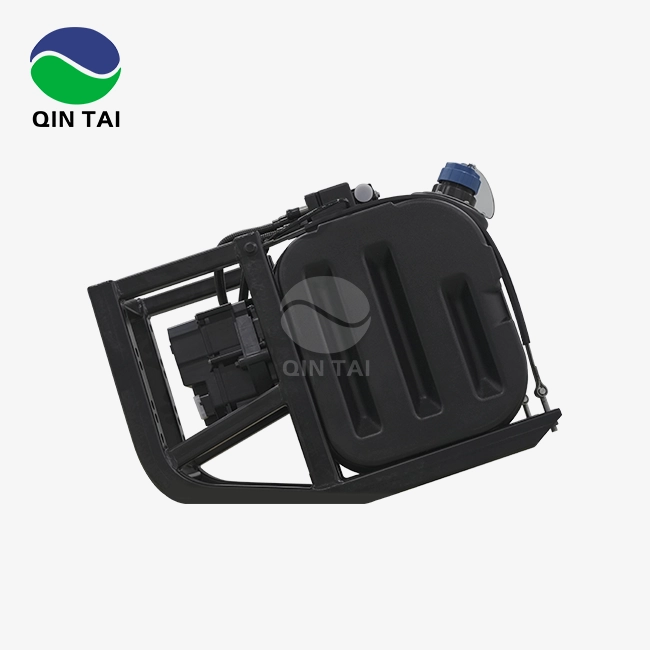
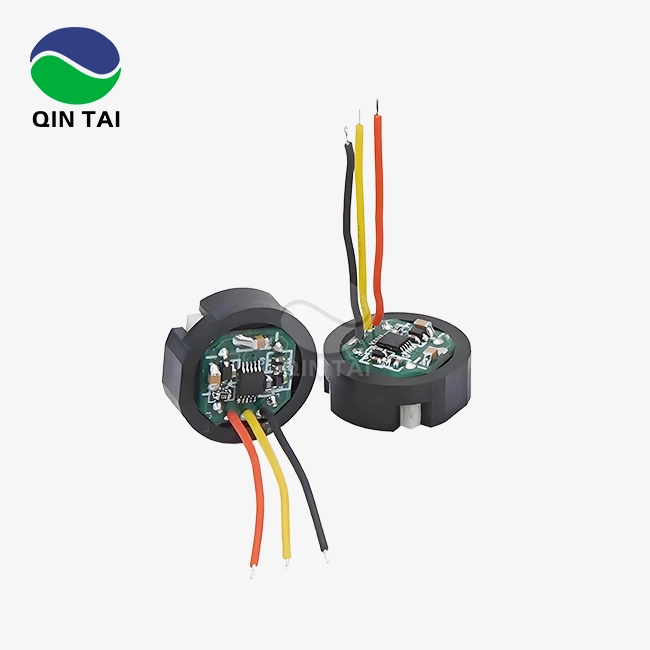
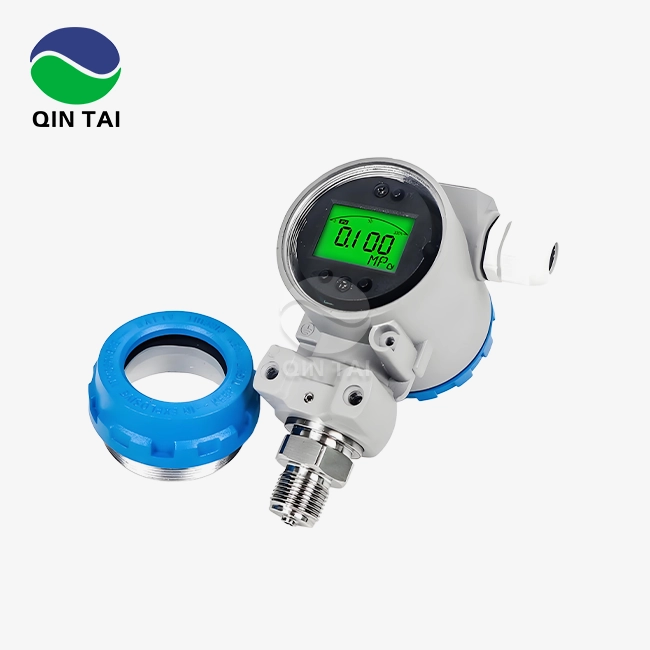

Our customers’ satisfaction speaks for our quality — contact us to experience the same reliable service.