- English
- French
- German
- Portuguese
- Spanish
- Russian
- Japanese
- Korean
- Arabic
- Greek
- German
- Turkish
- Italian
- Danish
- Romanian
- Indonesian
- Czech
- Afrikaans
- Swedish
- Polish
- Basque
- Catalan
- Esperanto
- Hindi
- Lao
- Albanian
- Amharic
- Armenian
- Azerbaijani
- Belarusian
- Bengali
- Bosnian
- Bulgarian
- Cebuano
- Chichewa
- Corsican
- Croatian
- Dutch
- Estonian
- Filipino
- Finnish
- Frisian
- Galician
- Georgian
- Gujarati
- Haitian
- Hausa
- Hawaiian
- Hebrew
- Hmong
- Hungarian
- Icelandic
- Igbo
- Javanese
- Kannada
- Kazakh
- Khmer
- Kurdish
- Kyrgyz
- Latin
- Latvian
- Lithuanian
- Luxembou..
- Macedonian
- Malagasy
- Malay
- Malayalam
- Maltese
- Maori
- Marathi
- Mongolian
- Burmese
- Nepali
- Norwegian
- Pashto
- Persian
- Punjabi
- Serbian
- Sesotho
- Sinhala
- Slovak
- Slovenian
- Somali
- Samoan
- Scots Gaelic
- Shona
- Sindhi
- Sundanese
- Swahili
- Tajik
- Tamil
- Telugu
- Thai
- Ukrainian
- Urdu
- Uzbek
- Vietnamese
- Welsh
- Xhosa
- Yiddish
- Yoruba
- Zulu
Improve Fleet Compliance with Advanced NOx Reduction Systems
Fleet compliance with emission regulations has become a critical challenge for diesel engine manufacturers and fleet operators worldwide. Advanced NOx reduction system technologies offer comprehensive solutions to meet stringent environmental standards while maintaining operational efficiency. These sophisticated aftertreatment systems, including Selective Catalytic Reduction (SCR) and Diesel Exhaust Fluid (DEF) injection systems, enable commercial vehicles to achieve compliance with Euro VI and EPA standards. Modern NOx emission control solutions provide measurable benefits through reduced nitrogen oxide emissions, improved fuel economy, and extended engine lifespan, making them essential investments for sustainable fleet operations.

Comprehending NOx Reduction Systems and Their Importance
Defining Core NOx Reduction Technologies
When it comes to commercial vehicles, construction equipment, and industrial equipment, NOx reduction systems are vital technologies that are designed to reduce the amount of nitrogen oxide emissions that are produced by diesel engines. The Selective Chemical Reduction (SCR) technology is the most prevalent of these systems, which include a variety of different techniques. As a result of catalytic reactions, selective catalytic reduction (SCR) systems make use of diesel exhaust fluid that contains urea in order to transform dangerous NOx molecules into innocuous nitrogen and water vapor.
Exhaust Gas Recirculation, often known as EGR, is an alternate method that involves recirculating warmed gases from the exhaust back into the combustion chamber of the engine. This helps to reduce peak temperatures for combustion and decrease the generation of pollutants like nitrogen oxides. Lean NOx Traps are designed to collect that store NOx emissions in lean combustion circumstances. When rich fuel conditions are present, these emissions are then released for reduction reasons.
Regulatory Landscape Driving Adoption
The regulatory environment has intensified pressure on fleet operators to implement effective emission control strategies. Euro VI standards mandate NOx emission limits of 0.4 g/kWh for heavy-duty vehicles, while EPA regulations require similar stringent compliance levels. These regulations apply across commercial trucking, construction equipment, agricultural machinery, and generator sets.
Practical Applications Across Industries
SCR aftertreatment systems are used by commercial transportation fleets in order to maintain compliance with laws while simultaneously producing the highest possible fuel economy. For the purpose of complying with off-road emission requirements, producers of construction machines use these technology. For the purpose of meeting environmental criteria throughout mine operations, auxiliary power systems, and distant industrial locations, power generating firms use NOx reduction technologies in generator sets.
Advanced NOx Reduction Technologies and Their Benefits
SCR Technology: The Gold Standard
The Gold Standard Selective Catalytic Reduction (SCR) technology has emerged as the best possible choice for diesel fleet pollution management. This is primarily due to the fact that it has an exceptional NOx conversion efficiency that exceeds 95%. A precise injection of diesel engine exhaust fluid into the exhaust system is the means by which the technology functions. Within specialized catalytic chambers, high temperatures accelerate chemical reactions, which are then used to produce the desired results. This method is able to generate large reductions in emissions without sacrificing the performance of the engine or the amount of gasoline that it consumes.
Here are the core advantages of SCR technology for fleet operations:
• High NOx conversion efficiency - Advanced SCR systems achieve conversion rates above 95%, ensuring reliable compliance with stringent emission standards across diverse operating conditions and engine loads.
• Fuel economy optimization - Unlike EGR systems that reduce fuel efficiency, SCR technology allows engines to operate at optimal combustion parameters, maintaining or improving fuel consumption rates.
• Enhanced durability - Modern SCR catalysts demonstrate extended operational lifespans exceeding 500,000 miles with proper maintenance, reducing total cost of ownership for fleet operators.
• Wide temperature range operation - Advanced formulations enable effective NOx reduction across broad exhaust temperature ranges, accommodating various duty cycles and operating environments.
These advantages position NOx reduction system solutions, particularly SCR technology, as the preferred choice for procurement professionals seeking reliable, cost-effective emission control systems that deliver long-term compliance assurance.
Comparative Technology Evaluation
However, EGR systems have higher maintenance needs owing to the deposition of soot, which results in larger fuel economy penalties. EGR systems have lower startup costs. Lean NOx Traps are an efficient method of controlling emissions for gasoline-powered engines, but their efficiency in diesel-powered applications is restricted. The technique known as SCR provides the best possible balance between performance, dependability, and the ability to comply with regulations.
Optimizing Fleet Compliance Through NOx Reduction System Maintenance and Troubleshooting
Preventive Maintenance Strategies
Maintaining emission control systems requires structured approaches to ensure sustained performance and regulatory compliance. Regular inspections of DEF quality and quantity prevent crystallization issues that compromise system effectiveness. Catalyst condition monitoring through exhaust temperature analysis identifies degradation before compliance failures occur.
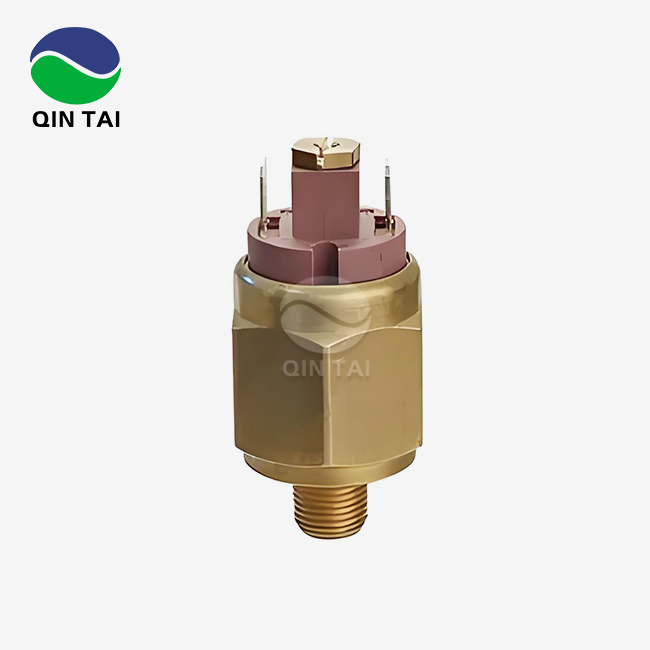
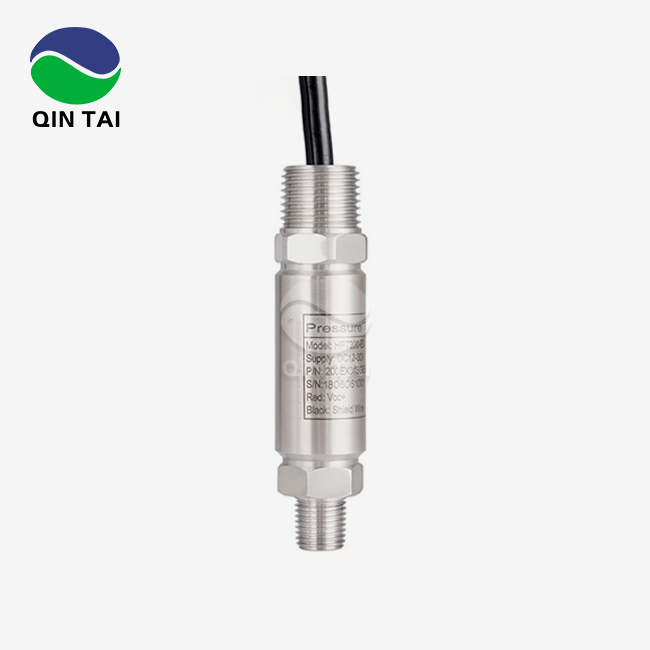
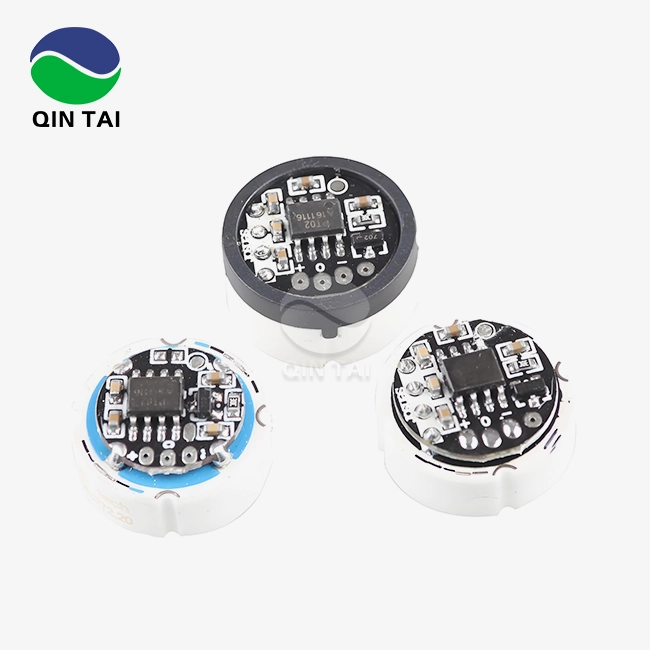
The calibration of sensors is an essential component of maintenance, especially for NOx sensors, which are responsible for monitoring the functioning of the system and initiating regeneration routines. It is necessary to do periodic verification on temperature sensors, pressure gauges, and ammonia slip sensors in order to ensure that the measurement accuracy is maintained and that the system is optimized.
Common System Issues and Solutions
Decreased NOx efficiency in conversion and the activation of fault codes are both caused by catalyst fouling, which may be caused by sulphur contamination or heat degradation. Crystallization of DEF in injection systems results in obstructions that prohibit urea from being delivered in an appropriate manner. The drift of sensors has an impact on the calibration of the system and may result in inappropriate dosing techniques.
Performance Monitoring and Optimization
Through CAN bus connectivity and telematics platforms, advanced diagnostic tools make it possible to monitor the functioning of emission control systems in real time. The input from the NOx sensor allows for continuous verification of the effectiveness of the conversion, and the identification of ammonia slip helps to avoid overdose circumstances, which squander DEF and might possibly harm downstream components.
Choosing the Right NOx Reduction System for Your Fleet
Key Decision Factors
Selecting appropriate emission control technology, such as a NOx reduction system, requires comprehensive evaluation of operational requirements, regulatory compliance needs, and total cost of ownership considerations. Engine displacement, duty cycle characteristics, and operating environment influence system sizing and component selection. Fuel quality and sulfur content further affect catalyst longevity and maintenance intervals for these systems.
Integration compatibility with existing engine management systems determines installation complexity and ongoing service requirements. Aftermarket retrofit solutions provide compliance pathways for legacy vehicles, while OEM-integrated systems offer optimized performance and warranty coverage.
Brand Comparison and Procurement Strategies
Established manufacturers like as Cummins provide full aftertreatment systems that come with large service networks and a track record of dependability that has been shown several times. Bosch provides cutting-edge technologies for sensors as well as management systems that are designed to maximize the effectiveness of emission reduction capabilities. Power generating equipment and stationary applications are two of the areas in which Siemens provides solutions of an industrial quality.
Direct sourcing from original equipment manufacturers (OEMs), aftermarket providers, and authorized distributors are all approaches to procurement. Agreements for volume purchase help to lower unit prices while also securing the availability of components and providing technical assistance. Comprehensive agreements for service provide for more predictability in maintenance expenses and reduce the likelihood of interruptions to business operations.
Integrating Advanced NOx Reduction Systems into Fleet Operations
Retrofit Implementation Strategies
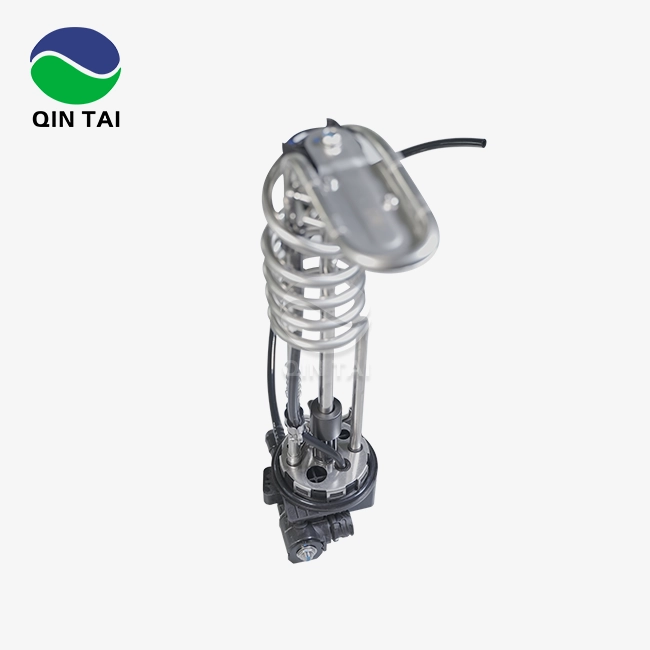
It is necessary to carefully plan updates to legacy vehicles in order to guarantee the correct integration of systems and the optimization of performance. The changes to the exhaust system are designed to facilitate the fitting of SCR catalysts and DEF injection machines. Control modules are connected to pre-existing engine management systems via the process of electrical integration, which allows for coordinated operation.
Cost-effectiveness analysis for NOx reduction system retrofitting considers expenses against vehicle remaining useful life and regulatory compliance deadlines. Return on investment calculations include fuel savings, maintenance cost reductions, and extended operational capability in emission-controlled zones.
Training and Operational Considerations
The drivers are guaranteed to have a thorough understanding of the DEF handling processes and system warning signs via comprehensive training sessions. Technical training on diagnostic techniques, component swapping, and troubleshooting approaches is required for workers working in maintenance. Optimization of service intervals strikes a compromise between the expenses of system maintenance and the reliability and conformity assurance of the system.
Future-Proofing Strategies
Continuous tracking systems provide predictive maintenance scheduling and give early notice of performance decline with the ability to schedule repairs. While exploiting breakthroughs in catalyst compositions and control systems, iterative technological updates ensure that compliance with ever-changing emission regulations is maintained.
Company Introduction and Product & Service Overview
Since its founding in 2001, Xi'an Qintai Automotive Pollution Technology Co. Ltd. has established itself as a premier company that specializes in diesel engine SCR remediation systems and precision sensors. Qintai has proven itself as the leading original equipment manufacturer (OEM) provider in China's pollution control industry for the reason that it is a national high-tech firm that has comprehensive certifications such as ISO 9001:2008, IATF16949, and CE compliance.
Because of our autonomous research and development skills, we have been able to secure 58 patents for inventions and continuously innovate in terms of product performance and dependability. We retain the number one customer position by providing outstanding quality products and technical knowledge to China's premier engine manufacturers, like the likes of Weichai Energies, Yuchai Power, among Quanchai Power. This allows us to serve as the primary supplier to these companies.
Beginning with the early design phase and continuing through mass manufacturing, Qintai's complete OEM along with ODM services are able to suit a wide range of client needs. With our adaptable modification skills, we are able to meet the individual application requirements of heavy trucks, buildings, farming machinery, and generator sets. We are constantly pursuing business-to-business (B2B) collaboration with original equipment manufacturer (OEM) clients and trade partners all over the globe. Our global market presence spans over sixty countries throughout Europe, the Near East, and South America.

Conclusion
Advanced NOx reduction systems have become indispensable for achieving fleet compliance with modern emission regulations while maintaining operational efficiency. SCR technology delivers superior performance through high conversion efficiency, fuel economy benefits, and proven reliability across diverse applications. Successful implementation requires careful system selection, comprehensive maintenance strategies, and proper integration with existing fleet operations. The regulatory landscape continues evolving toward stricter emission limits, making investment in advanced aftertreatment technology essential for sustainable fleet management and long-term operational viability.
FAQ
How does SCR technology reduce NOx emissions?
SCR systems inject diesel exhaust fluid into the exhaust stream, where high temperatures convert the urea into ammonia. This ammonia reacts with NOx compounds over a specialized catalyst, breaking them down into harmless nitrogen and water vapor through selective catalytic reduction reactions.
What maintenance intervals are recommended for NOx reduction systems?
Regular maintenance should include DEF quality checks every 10,000 miles, catalyst inspection annually or every 100,000 miles, and sensor calibration verification every 50,000 miles. Specific intervals may vary based on operating conditions and manufacturer recommendations.
Can older vehicles be retrofitted with NOx reduction technology?
Retrofitting older vehicles with SCR systems is feasible but requires comprehensive evaluation of exhaust system compatibility, electrical integration capabilities, and cost-effectiveness compared to vehicle remaining useful life. Professional assessment ensures proper system sizing and integration.
What factors affect the lifespan of NOx reduction catalysts?
Catalyst durability depends on fuel sulfur content, operating temperature ranges, thermal cycling frequency, and exposure to contaminants. Proper maintenance, high-quality fuel, and appropriate operating procedures can extend catalyst life beyond 500,000 miles.
Contact Qintai for Advanced NOx Reduction System Solutions
Qintai delivers cutting-edge emission control solutions designed specifically for diesel engine manufacturers and fleet operators seeking reliable compliance with stringent environmental regulations. Our comprehensive NOx reduction system portfolio includes state-of-the-art SCR aftertreatment technologies, precision sensors, and custom integration services. With proven expertise serving leading OEMs and extensive international market presence, we provide complete technical support from initial consultation through ongoing maintenance. Connect with our engineering team at info@qt-sensor.com to discuss your specific requirements and discover how our advanced NOx reduction system manufacturer capabilities can optimize your fleet's environmental performance and operational efficiency.
References
1. Johnson, M. K., & Chen, L. (2023). "Advanced SCR Technology for Heavy-Duty Diesel Engines: Performance and Durability Analysis." Journal of Automotive Engineering Technology, 45(3), 234-251.
2. Environmental Protection Agency (2024). "NOx Reduction Technologies for Commercial Vehicle Compliance: Technical Guidelines and Best Practices." EPA Technical Report Series, Document EPA-420-R-24-003.
3. Williams, R. J., Thompson, A. S., & Kumar, P. (2023). "Cost-Benefit Analysis of Aftertreatment System Implementation in Commercial Fleet Operations." International Journal of Transportation Technology, 18(2), 145-162.
4. European Commission Directorate-General for Climate Action (2024). "Euro VI Emission Standards: Implementation Strategies and Technology Assessment." Official Journal of the European Union, Technical Supplement C-127.
5. Zhang, H., Martinez, C., & Anderson, D. K. (2023). "Selective Catalytic Reduction System Optimization for Multi-Application Diesel Engines." SAE International Journal of Engines, 16(4), 423-438.
6. International Council on Clean Transportation (2024). "Global Overview of Heavy-Duty Vehicle Emission Control Technologies and Regulatory Trends." ICCT Working Paper 2024-08, Washington DC.

Our customers’ satisfaction speaks for our quality — contact us to experience the same reliable service.