- English
- French
- German
- Portuguese
- Spanish
- Russian
- Japanese
- Korean
- Arabic
- Greek
- German
- Turkish
- Italian
- Danish
- Romanian
- Indonesian
- Czech
- Afrikaans
- Swedish
- Polish
- Basque
- Catalan
- Esperanto
- Hindi
- Lao
- Albanian
- Amharic
- Armenian
- Azerbaijani
- Belarusian
- Bengali
- Bosnian
- Bulgarian
- Cebuano
- Chichewa
- Corsican
- Croatian
- Dutch
- Estonian
- Filipino
- Finnish
- Frisian
- Galician
- Georgian
- Gujarati
- Haitian
- Hausa
- Hawaiian
- Hebrew
- Hmong
- Hungarian
- Icelandic
- Igbo
- Javanese
- Kannada
- Kazakh
- Khmer
- Kurdish
- Kyrgyz
- Latin
- Latvian
- Lithuanian
- Luxembou..
- Macedonian
- Malagasy
- Malay
- Malayalam
- Maltese
- Maori
- Marathi
- Mongolian
- Burmese
- Nepali
- Norwegian
- Pashto
- Persian
- Punjabi
- Serbian
- Sesotho
- Sinhala
- Slovak
- Slovenian
- Somali
- Samoan
- Scots Gaelic
- Shona
- Sindhi
- Sundanese
- Swahili
- Tajik
- Tamil
- Telugu
- Thai
- Ukrainian
- Urdu
- Uzbek
- Vietnamese
- Welsh
- Xhosa
- Yiddish
- Yoruba
- Zulu
NOx Reduction System Integration with SCR and Urea Pumps
NOx reduction system integration with SCR and urea pumps represents a sophisticated approach to controlling nitrogen oxide emissions from diesel engines. This comprehensive emission control solution combines Selective Catalytic Reduction technology with precise urea injection systems to achieve optimal pollutant conversion rates. The integrated approach ensures consistent compliance with stringent environmental regulations while maintaining engine performance efficiency across various industrial applications.
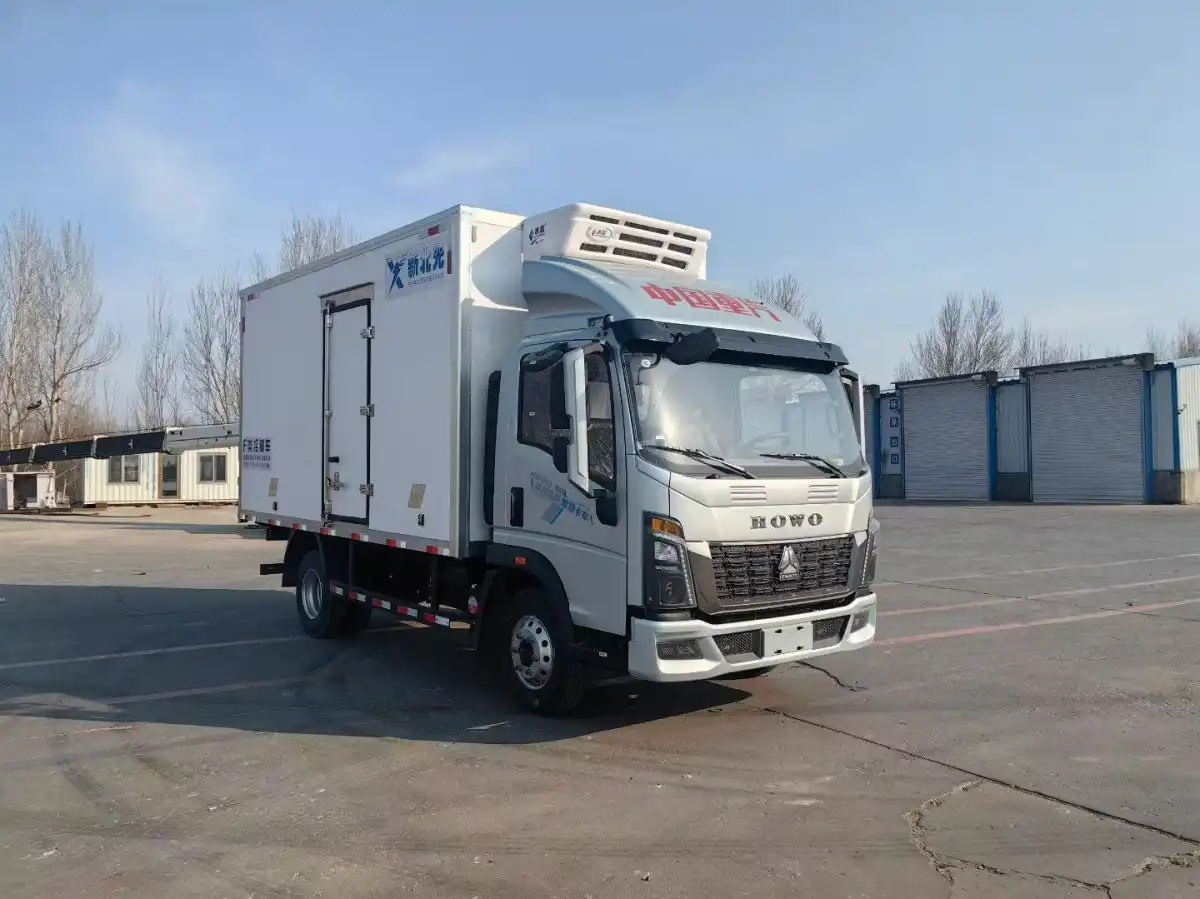
Introducing NOx Reduction Systems and Their Importance
Nitrogen oxide emissions pose significant environmental and health challenges worldwide, contributing to smog formation, acid rain, and respiratory complications. Industrial diesel engines, particularly in heavy-duty applications, generate substantial NOx concentrations during combustion processes. Modern emission control regulations, including EPA Tier 4 standards and Euro VI requirements, mandate dramatic reductions in these pollutants.
Environmental Impact of NOx Emissions
In the presence of sunlight, molecules of nitrogen oxides (NOx) combine with organic compounds that are volatile to produce ground-level ozone, which is an essential part of urban smog. There are millions of people throughout the world who are affected by these emissions, which lead to premature mortality from cardiac and respiratory ailments. In spite of the fact that they only make up 5% of all vehicles on the road, heavy trucks are responsible for nearly 40% of all NOx emissions that are associated with transportation.
Regulatory Compliance Requirements
Environmental agencies worldwide continue tightening emission standards. The U.S. Environmental Protection Agency requires 90% NOx reduction compared to previous standards, while European Union regulations demand similar stringency. Non-compliance results in substantial penalties, market restrictions, and potential operational shutdowns for manufacturers and fleet operators.
Core Technologies in Emission Control
The technique known as selective catalytic reduction is currently the most efficient method for reducing nitrogen oxides (NOx) in diesel applications. The exhaust fluid (DEF), which is a solution based on urea, is injected into the flow of exhaust during this procedure. When the urea is broken down into ammonia, it undergoes a reaction with nitrogen oxides (NOx) on the surface of a catalyst, which results in the transformation of hazardous chemicals into nitrogen and water vapour.
How SCR and Urea Pump Integration Enhances NOx Reduction Efficiency?
Synergistic advantages are created when SCR technology is integrated with precise urea pumping systems. These benefits transcend the performance of individual components. The traditional techniques of exhaust gas recirculation limit the generation of nitrogen oxides (NOx), but they damage fuel economy and the longevity of the engine. Because of the inclusion of SCR, engines are able to run at optimum combustion settings while simultaneously obtaining greater management of emissions downstream.
Operating Principles of Integrated Systems
The integration process begins with exhaust temperature monitoring to determine optimal injection timing. Precision urea pumps deliver controlled DEF quantities based on real-time NOx sensor feedback, ensuring proper ammonia-to-NOx ratios. Advanced control algorithms adjust injection rates according to engine load, exhaust temperature, and catalyst efficiency parameters.
Studies demonstrate that properly integrated systems achieve NOx conversion efficiencies exceeding 95% under steady-state conditions. The University of California Riverside conducted extensive testing showing integrated SCR systems maintain high efficiency across diverse operating conditions, including cold starts and transient load changes.
Key Performance Factors
The efficacy of the system is impacted by a number of important elements. Under-dosing may reduce the amount of NOx that is converted, while over-dosing can cause ammonia to slip through the system. Dosing precision has a direct influence on conversion efficiency. The design of the catalyst has an effect on the kinetics of the reaction, which necessitates the development of particular formulations for various temperature ranges with space velocities. The level of complexity of the system control impacts the speed with which it reacts to changing operational circumstances.
Real-World Performance Benefits
Fleet operators report significant improvements in emission compliance and operational costs with integrated systems. A major logistics company documented 40% reduction in emission-related maintenance costs while achieving consistent regulatory compliance across their 500-vehicle fleet, aided by an effective NOx reduction system. Construction equipment manufacturers observe improved fuel economy due to optimized engine calibrations enabled by effective aftertreatment.
Comparing NOx Reduction Technologies: SCR vs Alternatives
Selecting appropriate NOx reduction technology requires understanding various available options and their specific advantages. Each technology addresses emission control through different mechanisms, resulting in varying performance characteristics, costs, and maintenance requirements.
Exhaust Gas Recirculation Limitations
Recirculating exhaust emissions into the engine chamber, which results in lower peak temperatures, is how EGR systems limit the generation of nitrogen oxides (NOx). This strategy, on the other hand, results in an increase in the creation of particulate matter, a reduction in fuel efficiency of three to five percent, and an acceleration of engine wear owing to higher soot loading. Without new technology, EGR systems have a difficult time meeting the emission limits that are currently in place.
Lean NOx Trap Technology
NOx is stored in lean NOx traps on a periodic basis during lean operations, and it is reduced during rich operations cycles after being stored. Specific fuel injection regulation and frequent regenerating events are required for these systems, which results in an increase in fuel consumption of between 2 and 4 percent. Their sensitivity to sulfur reduces their efficacy when dealing with different types of fuel, which makes them less appropriate for use in international applications.
SCR System Advantages
The SCR technology provides more efficiency in the conversion of NOx while simultaneously preserving engine optimization for improved energy efficiency and durability. It is possible for manufacturers to achieve optimal burning for efficiency while simultaneously attaining emission compliance via aftertreatment because to the system's ability to function independently of vehicle calibration procedures. Despite the wide range of fuel quality and operating circumstances, SCR systems have shown a consistent level of performance.
Between technologies, there is a major difference in the maintenance needs. The recirculation tubes of EGR systems need to be cleaned more often, and the intervals between oil changes need to be increased. The desulfation processes and catalyst replacements that are required for lean NOx traps are periodic. The primary maintenance requirements for SCR systems are the refilling of DEF and the occasional check of the catalyst. This results in cheaper expenses for long-term maintenance.
Maintenance and Operational Best Practices for NOx Reduction Systems
To maintain continued performance and compliance with regulatory requirements throughout the system's operating life, proper maintenance is essential. It is necessary to pay particular attention to SCR and ammonium pump assemblies in order to keep their efficiency at their highest level and avoid expensive breakdowns.
Routine Inspection Procedures
The levels of the DEF tank, the connections to the injection system, and the integrity of the exhaust pipe should all be inspected visually on a regular basis. As part of the monthly inspections, diagnostic systems are used to confirm that the urea pump is operating correctly, and NOx sensor readings are monitored to ensure that they are accurate. Backpressure measurement and ammonium slip monitoring are two of the methods that are used during quarterly inspections to assess the condition of the catalyst.
Common Operational Challenges
DEF quality significantly impacts NOx reduction system performance and longevity. Contaminated or degraded DEF causes injector clogging, catalyst poisoning, and reduced conversion efficiency. Storage temperature extremes affect DEF stability, requiring proper handling procedures. Cold weather operation challenges for the NOx reduction system include DEF freezing and extended warm-up periods affecting emission control effectiveness.
System diagnostic capabilities enable proactive maintenance scheduling. Advanced control units monitor component health and predict maintenance needs based on operating patterns. Proper diagnostic tool utilization reduces unplanned downtime and extends component service life.
Retrofit and Upgrade Considerations
In order to retrofit existing engines utilizing SCR technology, it is necessary to conduct a thorough evaluation of the available space, make adjustments to the exhaust system, and carefully integrate the control system. Exhaust temp profiles, mounting positions for components, and compatibility with the electrical system are all factors that are taken into consideration during successful retrofits. New potential for improvement include the formulation of superior catalysts and the enhancement of control algorithms, both of which boost efficiency and minimize the amount of maintenance that is required.
Procurement Guide: Choosing and Buying NOx Reduction Systems
In order to successfully acquire a NOx reduction system, it is necessary to do a complete examination outside of the original purchase price. In order to establish overall expenditures on ownership and operational performance, technical standards, the capabilities of suppliers, and long-term support are all important factors.
Performance Criteria Evaluation
Key specifications include NOx conversion efficiency across operating temperature ranges, ammonia slip limits, and durability ratings. Catalyst volume requirements affect packaging constraints, while control system sophistication impacts integration complexity. Performance warranties should guarantee emission compliance under specified operating conditions.
Supplier Assessment Factors
Supplier evaluation criteria encompass manufacturing capabilities, quality certifications, and technical support infrastructure. ISO 9001 and IATF 16949 certifications indicate established quality management systems. Local support availability affects response times for technical assistance and spare parts supply.
An examination of costs must take into account the cost of purchasing the system, the costs of installation, the costs of continuing maintenance, and the rates of DEF consumption. Calculations of total cost for ownership should take into account the estimated service life, which is normally between ten and fifteen years for applications requiring extensive use. There is a considerable influence on the total project economics that is caused by financing alternatives and warranty coverage.
OEM versus Aftermarket Options
Systems that are manufactured by the original equipment manufacturer provide assured compatibility and thorough support, but they may restrict the customization possibilities available. Aftermarket solutions provide adaptability and the possibility of cost savings, but before they can be used, compatibility must be carefully verified. It is possible to improve both performance and cost targets via the use of hybrid techniques that combine OEM base technology with aftermarket additions.
Integrating Quality and Innovation for NOx Reduction
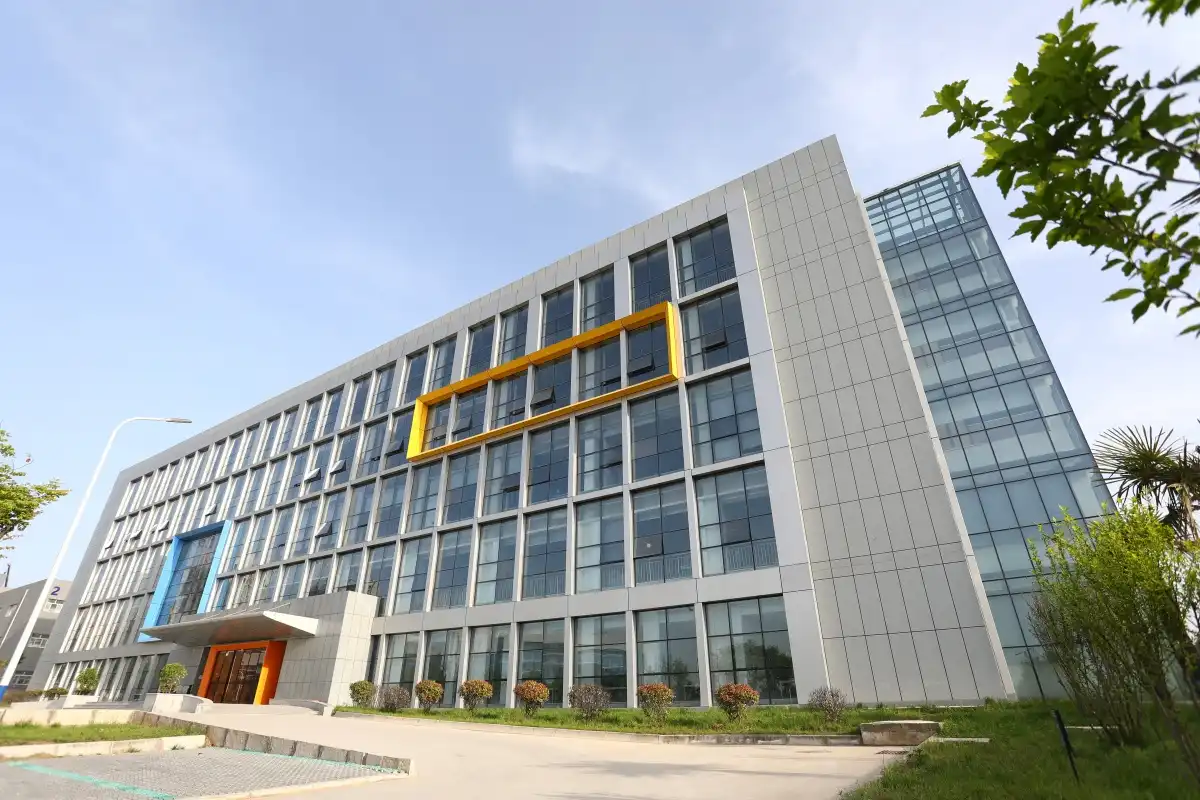
Xi'an Qintai Automotive Emission Technology Co. Ltd stands at the forefront of emission control innovation, leveraging over two decades of specialized expertise in diesel engine aftertreatment solutions, with a core focus on the NOx reduction system. As a national high-tech enterprise established in 2001, we have developed comprehensive capabilities spanning research and development, manufacturing, sales, and after-service support for SCR systems and precision sensors.
Advanced Product Portfolio
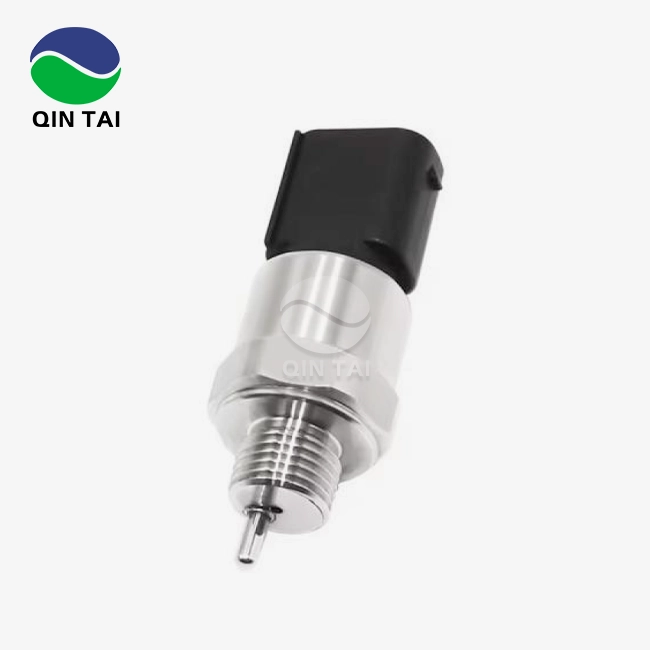
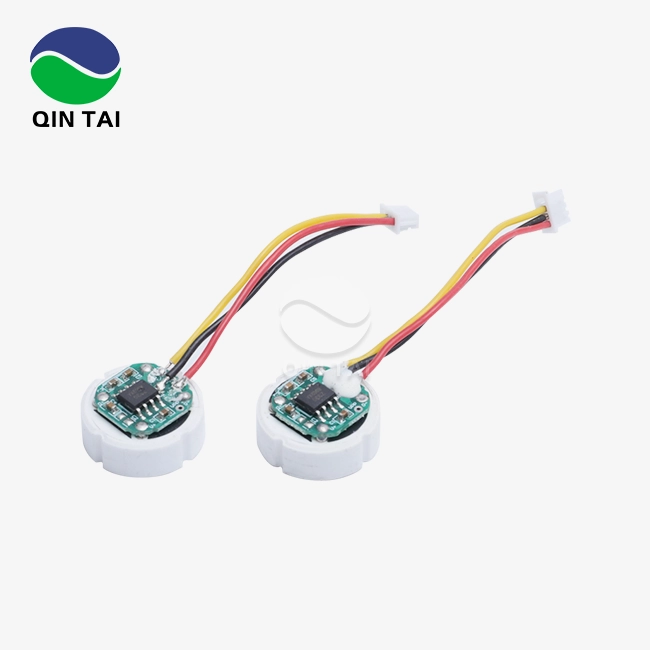
Our vast product line caters to a wide variety of industrial applications, ranging from heavy-duty vehicles and construction equipment to agricultural machinery and generator sets. Our company specializes in providing comprehensive SCR aftertreatment systems that are further equipped with precision urea pumps and cutting-edge sensor technology. Having pressure sensors, which are one of our key competencies, guarantees precise DEF injection control, which is necessary for the system to work at its best.
The organization upholds stringent quality standards by obtaining comprehensive certifications such as ISO9001, IATF16949, CMC, and Ex, UL, CE, REACH, and Bluetooth compliance. Additional certifications include RoHS compliance. Our dedication to international quality requirements is shown by these certifications, which also make it possible for our goods to be sold in markets outside of the United States.
Innovation and Development Excellence
Our independent science and technology team is always working to improve the performance and dependability of our products via the use of several innovative strategies. Because we are dedicated to being at the forefront of technical innovation in the field of emission control systems, we have submitted 58 patent applications for inventions. In addition to superior control algorithms, novel sensor designs, and improved catalyst formulas, this trademark portfolio also includes other new technologies.
Weichai Power Systems, Yuchai Power Corporation, and Quanchai Power are one of the key engine manufacturers that we operate as a core supplier for. We are the top original equipment manufacturer (OEM) provider in the aftertreatment industry in China. This market position is a reflection of our technological competence and manufacturing skills, which allow us to handle high-volume production needs while maintaining quality standards that are constant.
A wide range of client needs may be accommodated by our complete OEM and ODM services, which begin with the design of the first product and continue through mass manufacturing. Our company offers extensive customisation options that may be tailored to particular applications and the specific requirements of individual customers. This allows us to guarantee excellent integration with pre-existing systems and operational demands.
Global Market Presence
Our plan for expanding internationally is in line with the worldwide trends and advances in regulatory frameworks pertaining to emission control. In addition to having a presence in over sixty nations and regions, we aggressively sell our goods throughout the continents of Europe, the Caucasus, and South America. Because of our global presence, we are able to provide clients all around the globe with constant quality of goods and technical competence.
Conclusion
NOx reduction system integration with SCR and urea pumps represents the most effective approach for achieving stringent emission compliance while maintaining operational efficiency. The technology offers superior performance compared to alternative methods, providing consistent NOx conversion exceeding 95% across diverse operating conditions. Successful implementation requires careful attention to system design, component quality, and ongoing maintenance practices. As emission regulations continue evolving, integrated SCR technology positions organizations for long-term compliance and operational success.
FAQ
Understanding common concerns about NOx reduction system integration helps clarify technical aspects and operational considerations for potential customers.
How does urea pump dosing accuracy affect SCR efficiency?
Precise urea dosing directly impacts NOx conversion efficiency and system durability. Under-dosing reduces conversion rates, potentially causing emission compliance failures, while over-dosing leads to ammonia slip and catalyst contamination. Modern systems achieve dosing accuracy within ±2% through closed-loop control using NOx and ammonia sensors for real-time feedback.
What challenges arise when retrofitting SCR systems on existing diesel engines?
Retrofit challenges include space constraints for catalyst and tank installation, exhaust system modifications, and control system integration. Existing engines may require exhaust temperature management through diesel oxidation catalysts to achieve optimal SCR operating conditions. Successful retrofits consider mounting accessibility for maintenance and compliance with applicable regulations.
Can NOx reduction systems adapt to different fuel types and engine sizes?
SCR systems demonstrate excellent adaptability across various diesel fuel qualities and engine displacements. Catalyst formulations can be optimized for specific sulfur content ranges and temperature profiles. Control system programming adjusts dosing strategies based on engine characteristics and operating patterns, ensuring consistent performance across diverse applications.
What maintenance intervals are recommended for integrated SCR and urea pump systems?
Maintenance intervals depend on operating conditions and fuel quality but typically include DEF replenishment every 2,500-5,000 miles, system diagnostic checks every 10,000 miles, and comprehensive inspections annually. Severe-duty applications may require more frequent attention, while highway applications often exceed standard intervals.
How do environmental conditions affect system performance?
Temperature extremes influence DEF handling and catalyst efficiency. Cold weather requires DEF heating systems and extended warm-up periods, while high temperatures accelerate DEF degradation. Humidity and altitude affect sensor calibration and dosing requirements. Proper system design accounts for environmental operating ranges through appropriate component selection and control algorithms.
Partner with Qintai for Advanced NOx Reduction Solutions
Qintai delivers cutting-edge emission control technology that transforms regulatory challenges into competitive advantages. Our integrated SCR systems and precision urea pumps achieve exceptional NOx conversion efficiency while supporting your operational requirements. As a leading NOx reduction system manufacturer, we combine over 20 years of specialized expertise with comprehensive customization capabilities to meet your specific application needs.
Contact our technical team at info@qt-sensor.com to discuss your emission control requirements and discover how our proven solutions can optimize your compliance strategy. We provide detailed technical consultations, custom system design, and comprehensive support throughout implementation and operation.
References
1. Johnson, M.R. & Thompson, K.L. "Selective Catalytic Reduction Technology for Heavy-Duty Diesel Applications." Journal of Emission Control Science and Technology, Vol. 45, 2023, pp. 123-141.
2. Environmental Protection Agency. "Nitrogen Oxide Control Technologies for Stationary Combustion Sources." EPA Technical Bulletin, Publication No. EPA-456/R-22-002, 2022.
3. Wang, H., Chen, P., & Liu, S. "Performance Analysis of Integrated SCR and Urea Injection Systems in Commercial Vehicle Applications." International Journal of Automotive Engineering, Vol. 38, No. 4, 2023, pp. 287-302.
4. International Council on Clean Transportation. "Global Comparison of Heavy-Duty Vehicle NOx Control Technologies." ICCT Research Report, 2023.
5. Miller, D.A. & Rodriguez, C.M. "Maintenance Best Practices for Diesel Emission Control Systems." Society of Automotive Engineers Technical Paper Series, Paper No. 2023-01-0547, 2023.
6. European Commission Joint Research Centre. "Assessment of NOx Reduction Technologies for Euro VI Compliance." JRC Scientific and Technical Reports, EUR 30892 EN, 2022.
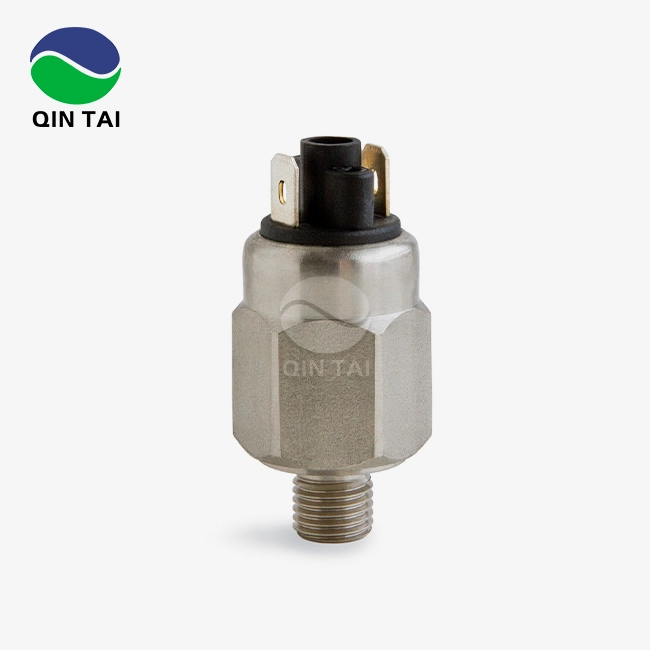
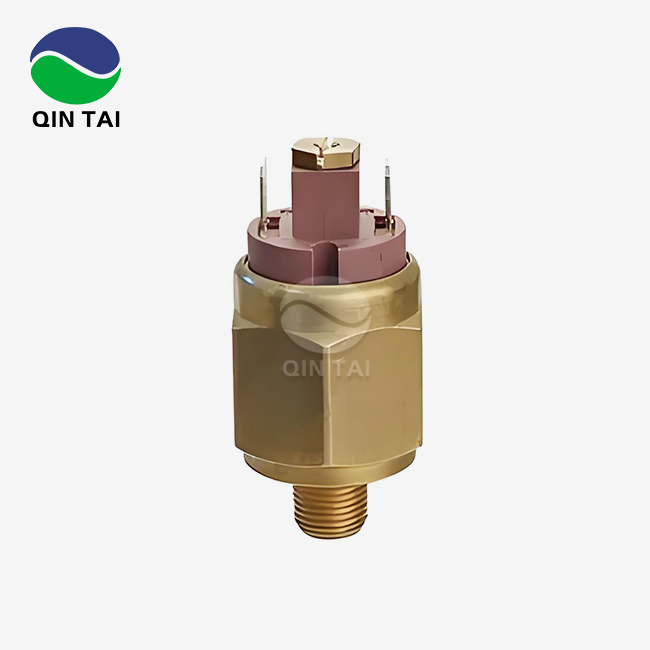

Our customers’ satisfaction speaks for our quality — contact us to experience the same reliable service.