- English
- French
- German
- Portuguese
- Spanish
- Russian
- Japanese
- Korean
- Arabic
- Greek
- German
- Turkish
- Italian
- Danish
- Romanian
- Indonesian
- Czech
- Afrikaans
- Swedish
- Polish
- Basque
- Catalan
- Esperanto
- Hindi
- Lao
- Albanian
- Amharic
- Armenian
- Azerbaijani
- Belarusian
- Bengali
- Bosnian
- Bulgarian
- Cebuano
- Chichewa
- Corsican
- Croatian
- Dutch
- Estonian
- Filipino
- Finnish
- Frisian
- Galician
- Georgian
- Gujarati
- Haitian
- Hausa
- Hawaiian
- Hebrew
- Hmong
- Hungarian
- Icelandic
- Igbo
- Javanese
- Kannada
- Kazakh
- Khmer
- Kurdish
- Kyrgyz
- Latin
- Latvian
- Lithuanian
- Luxembou..
- Macedonian
- Malagasy
- Malay
- Malayalam
- Maltese
- Maori
- Marathi
- Mongolian
- Burmese
- Nepali
- Norwegian
- Pashto
- Persian
- Punjabi
- Serbian
- Sesotho
- Sinhala
- Slovak
- Slovenian
- Somali
- Samoan
- Scots Gaelic
- Shona
- Sindhi
- Sundanese
- Swahili
- Tajik
- Tamil
- Telugu
- Thai
- Ukrainian
- Urdu
- Uzbek
- Vietnamese
- Welsh
- Xhosa
- Yiddish
- Yoruba
- Zulu
Top Emission Control System Upgrades for Heavy Vehicles
Modern emission control system upgrades represent the pinnacle of automotive engineering innovation, transforming heavy vehicle performance while meeting stringent environmental standards. These advanced technologies, including Selective Catalytic Reduction (SCR), Diesel Particulate Filters (DPF), and sophisticated sensor networks, enable fleets to achieve compliance with EPA Tier 4 and Euro VI regulations while maintaining operational efficiency. Today's emission control systems integrate seamlessly with existing powertrains, delivering measurable reductions in nitrogen oxides, particulate matter, and carbon emissions without compromising engine performance or fuel economy.
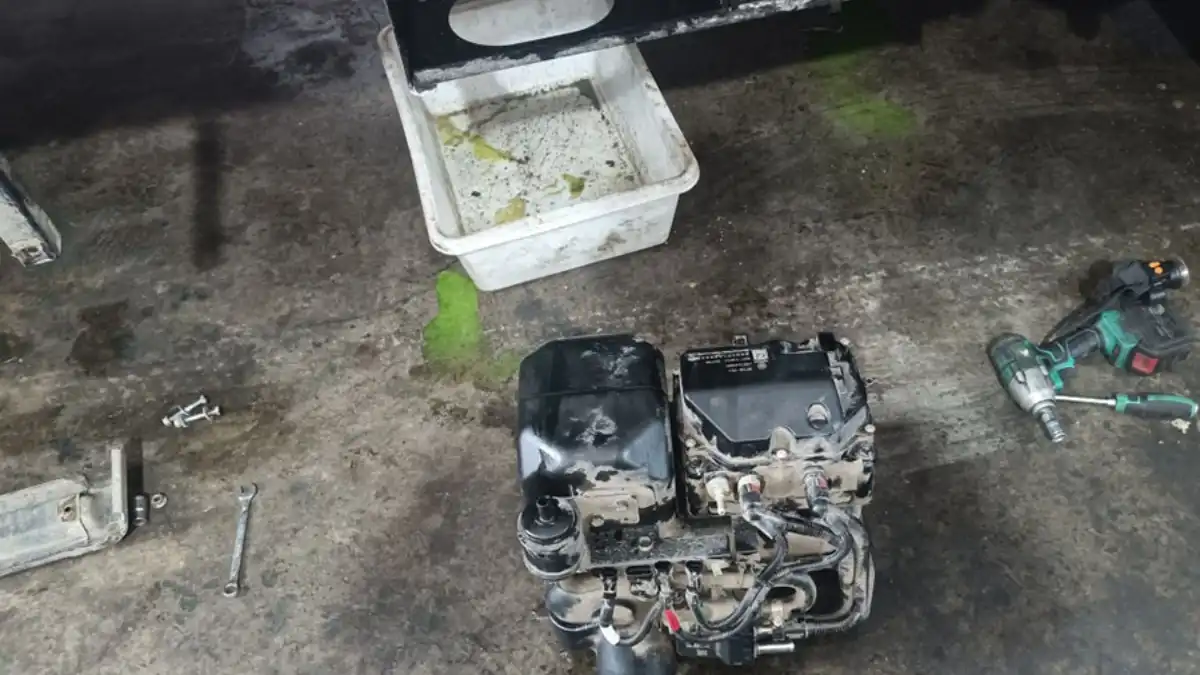
Introducing Heavy Vehicle Emission Control Systems
For the purpose of capturing, converting, and neutralizing dangerous exhaust emissions before they are released into the environment, emission control systems for heavy vehicles are enabled by a complex network of linked components. From simple converters for gases to intricate coordinated approaches that monitor and alter performance in real time, these systems have seen a substantial evolution over the course of the previous decade.
Core Components and Their Functions
By rerouting a part of the exhaust gases to the induction manifold, recirculating exhaust gas (EGR) systems lessen the temperatures at which the combustion process takes place. This, in turn, reduces the amount of nitrogen oxide that is produced during the course of the combustion process. Electronically operated valves and coolers are included into modern EGR systems. These components work together to optimize gas flow in accordance with the load, speed, & temperature conditions around the engine.
Diesel Particulate Filters are specifically designed to catch and oxidize the soot particles that are produced during the combustion of diesel fuel, hence obtaining filtering efficiency that above 95%. In order to capture particles yet allowing exhaust gases to pass through, these filters make use of innovative ceramic substrates that have microporous walls. These filters are able to autonomously regenerate themselves via regulated high-temperature burn cycles.
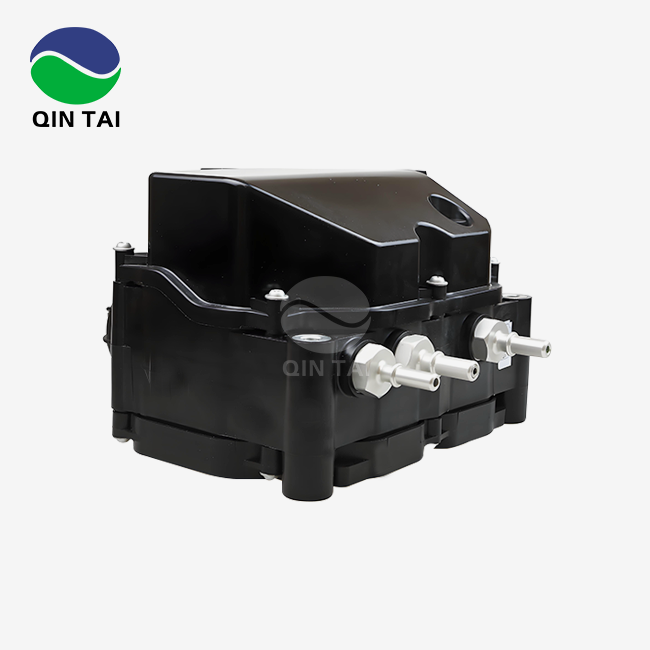
Selective Catalytic Reduction systems inject diesel exhaust fluid (DEF) into the exhaust stream, where it reacts with nitrogen oxides over a catalyst surface to produce harmless nitrogen and water vapor. Advanced SCR systems achieve NOx reduction rates of 90% or higher when properly calibrated and maintained.
System Integration and Performance Monitoring
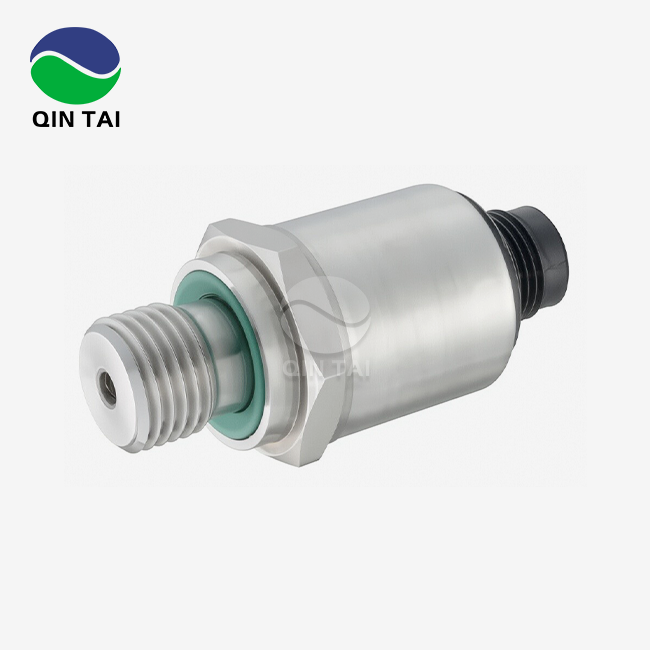
During the treatment process, modern emission control systems depend on precise sensors to monitor exhaust gas ambient temperatures, pressure differentials, Nitrogen concentrations, and particle levels. These sensors capture data in real time. This input is continuously sent to the engine control units by these sensors, which enables dynamic modifications that maximize both the reduction of emissions and the efficiency of fuel use.
The integration of these components creates a comprehensive emission management ecosystem that adapts to varying operating conditions, from highway cruising to stop-and-go urban driving. This adaptability ensures consistent compliance performance across diverse duty cycles while minimizing maintenance requirements and operational disruptions.
Top 5 Emission Control System Upgrades for Heavy Vehicles
The evolution of emission control technology has produced several breakthrough upgrades that significantly enhance heavy vehicle environmental performance while reducing total cost of ownership. These innovations address the most pressing challenges faced by fleet operators seeking reliable, efficient emission reduction solutions.
Advanced Selective Catalytic Reduction Systems
Next-generation SCR systems, as the core of the modern Emission control system, feature enhanced catalyst formulations and improved injection strategies that deliver superior NOx reduction performance across extended operating temperature ranges. These systems incorporate adaptive dosing algorithms that optimize DEF consumption while maintaining consistent emission reduction efficiency.
The most recent generation of SCR setups is capable of achieving NOx conversion rates that are higher than 95% while also lowering DEF usage by up to 15% in comparison to earlier generations. This makes these systems especially appealing for high-mileage business use since the enhanced catalyst longevity allows for longer service intervals and lowers the expenses associated with replacement.
High-Efficiency Diesel Particulate Filters
Advanced DPF designs utilize innovative substrate materials and optimized cell geometries that enhance particle capture efficiency while reducing backpressure and regeneration frequency. These filters incorporate intelligent regeneration control systems that minimize fuel consumption during cleaning cycles.
The most recent developments in DPF technology have shown filtration efficiency that are more than 98%, while simultaneously lengthening regeneration intervals by 30-40%. This has resulted in a considerable reduction in the load of operational maintenance and an improvement in fuel economy. Enhanced thermal management techniques provide dependable performance when subjected to a wide range of duty cycles and ecological situations.
Integrated Telematics and Real-Time Monitoring
In addition to providing full monitoring and diagnostic features for emission systems, sophisticated telematics systems also enable preventative repair scheduling and performance improvement. These platforms use a number of sensor inputs in order to provide insights that may be taken into action on the prevailing patterns in system health and efficiency.
Real-time monitoring capabilities allow fleet managers to track emission system performance remotely, identifying potential issues before they impact compliance or require costly repairs. Advanced analytics help optimize maintenance schedules and predict component replacement needs, reducing unexpected downtime by up to 25%.
Enhanced Diesel Oxidation Catalysts
Superior hydrocarbon and the carbon monoxide oxidation capability is achieved by modern DOC technologies, which offer better precious metal compositions and optimized substrate designs. These technologies also retain their durability over an extended period of time. Fuel additives are not able to poison these catalysts, and they are able to function successfully throughout a wider temperature range.
While providing assistance for downstream emissions management components via precise temperature regulation, advanced DOC systems are able to achieve oxidation efficiencies that are more than 90 percent for hydrocarbons like carbon monoxide. As a result of these catalysts' increased longevity, the frequency with which they need to be replaced is decreased, and their performance remains constant throughout longer use periods.
Electrified Exhaust Gas Recirculation
Electric EGR systems provide precise control over exhaust gas recirculation rates, enabling optimal combustion optimization across diverse operating conditions. These systems eliminate pneumatic actuators and incorporate electronic controls that respond instantly to engine management commands.
Improved fuel economy gains of two to four percent are delivered by electrified EGR systems, which also increase the efficiency of NOx removal. Supporting overall drivetrain performance goals, the precision control capabilities make it possible to calibrate the engine in a way that maximizes both the reduction of emissions and the efficiency of thermal operation.
Comparing Emission Control Solutions for Heavy Vehicles
A thorough analysis of the capabilities of the technology, the costs of installation, and the long-term operating factors are required in order to choose the most effective emission control methods. The application necessities, duty cycles, and governmental compliance goals all play a role in determining the specific benefits that are offered by various methodologies.
Traditional versus Modern System Architectures
Typically, legacy emission management systems made use of different components that functioned independently. This necessitated the implementation of distinct control plans and maintenance procedures. It was often difficult for these systems to achieve consistent performance throughout a wide range of operating situations, and they displayed a limited capacity to adapt to shifting regulatory constraints.
Modern integrated systems combine multiple emission reduction technologies under unified electronic control, enabling coordinated operation that optimizes overall system efficiency. This integration approach delivers superior emission reduction performance while simplifying maintenance requirements and reducing total system complexity.
The transition from traditional to integrated architectures represents a fundamental shift in Emission control system philosophy, emphasizing system-level optimization over component-specific performance. This evolution enables manufacturers to achieve higher emission reduction rates while improving fuel economy and reducing maintenance costs.
Performance and Cost Analysis
There are substantial disparities in performance capabilities, operating expenses, and compliance dependability, according to an in-depth investigation of the various choices for emission control the system. However, advanced systems demand a greater initial investment or specialized maintenance knowledge so that they may achieve better emission reduction rates.
Lifecycle cost evaluations indicate that modern integrated systems often provide superior value despite higher upfront costs, delivering reduced fuel consumption, extended maintenance intervals, and improved reliability. The enhanced performance capabilities of these systems also provide greater regulatory compliance margin, reducing risk of non-compliance penalties.
Operational data from commercial fleets demonstrates that advanced emission control systems achieve 15-20% better fuel economy while maintaining emission reduction performance exceeding regulatory requirements by comfortable margins. These performance advantages translate into measurable operational cost savings over typical vehicle lifecycles.
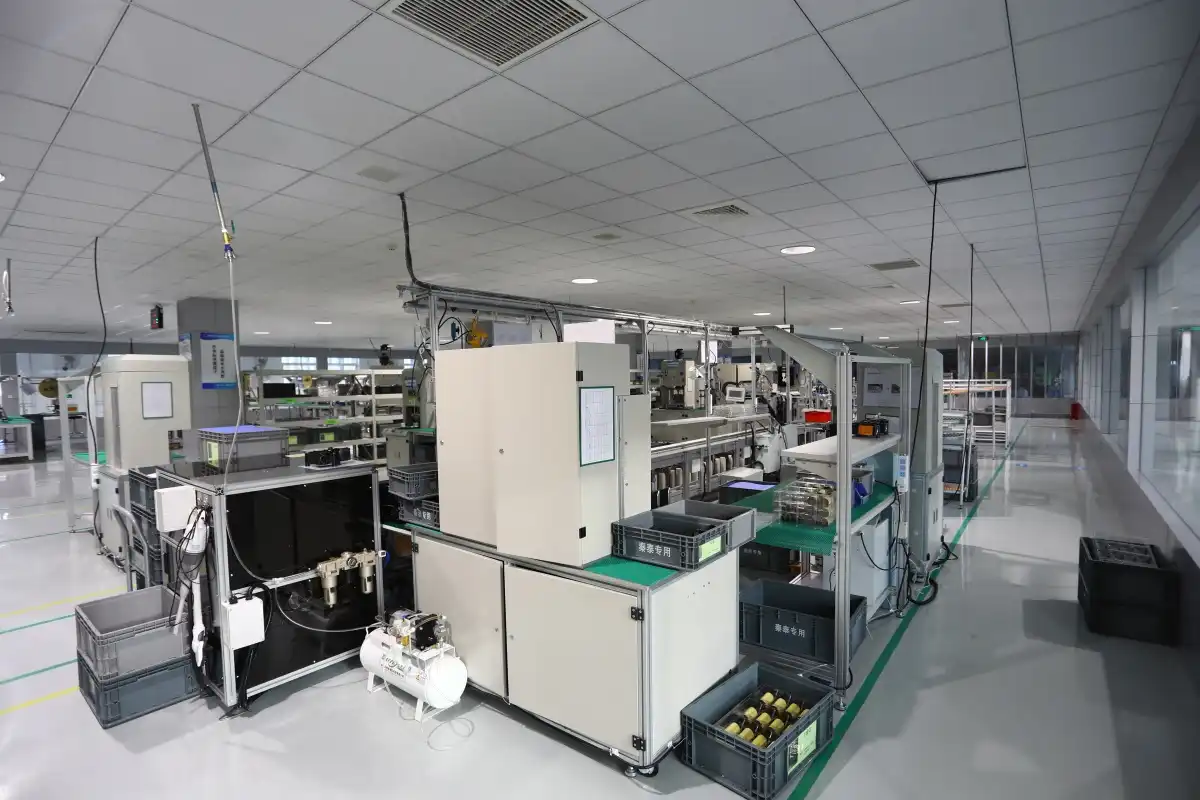
Maintenance and Efficiency Optimization of Emission Control Systems
Effective maintenance strategies play a crucial role in ensuring consistent emission control system performance while minimizing operational disruptions and repair costs. Proactive maintenance approaches can significantly extend component lifecycles and optimize system efficiency throughout vehicle service life.
Common Performance Bottlenecks and Solutions
The buildup of particulate matter that exceeds the ability of the filter to regenerate itself is the cause of filter clogging, which is one of its most common operational problems. Incomplete regeneration cycles, which might be caused by low exhaust temperatures or poor system calibration, are often how this fault manifests itself.
Through the provision of erroneous input to engine controls, sensor degradation has an impact on system performance. This, in turn, results in less-than-ideal efficiency in reducing emissions and may also lead to compliance concerns. The prevention of these issues and the maintenance of system accuracy may be achieved by the routine calibration and replacement of sensors in accordance with the manufacturer's requirements.
This might result in a permanent reduction in system effectiveness, necessitating the replacement of the catalyst and perhaps compromising several components of the system. Catalyst poisoning can be caused by gasoline impurities or engine oil consumption. Catalyst deterioration may be avoided and system life can be extended by implementing appropriate fuel quality regulations and resolving concerns related to engine maintenance.
Predictive Maintenance Technologies
Advanced diagnostic systems monitor emission control component performance continuously, identifying degradation trends before they impact system effectiveness or require emergency repairs. These systems utilize machine learning algorithms to predict component failure timing and optimize maintenance scheduling.
Centralized fleet supervisors are able to track the health of emission systems across several vehicles concurrently thanks to the capabilities of remote monitoring. This allows for the identification of trends and the optimization of maintenance resources. By using this strategy, maintenance expenses are reduced by twenty to thirty percent, while reliability of the system and compliance performance improvement are achieved.
Predictive analytics provide fleet operators with the ability to optimize maintenance times based on real operating circumstances rather than predetermined timetables. This helps fleet operators reduce the amount of unneeded service while simultaneously ensuring that components get care when it is required. This method, which is guided by data, both optimizes the lifecycles of components and reduces interruptions to operating processes.
Navigating Compliance and Procurement: Regulations and Market Considerations
Complex procurement issues are being created for fleet operators и equipment manufacturers as a result of the ongoing evolution of regulatory compliance requirements across the world. For the purpose of ensuring long-term compliance while simultaneously minimizing operating expenses, it is necessary to have a thorough understanding of regulatory structures and market dynamics.
Global Emission Standards and Requirements
There is a need for sophisticated emission control systems in order to comply with the EPA Tier 4 Final standards, which demand considerable reductions in the emissions of nitrogen oxides and particles from heavy-duty vehicles. Performance criteria are established by these standards, which need the integration of complex systems and fine-grained calibration.
Euro VI standards impose similarly stringent requirements across European markets, emphasizing real-world emission performance through Portable Emissions Measurement System (PEMS) testing. This approach ensures the Emission control system maintains effectiveness across diverse operating conditions rather than just laboratory test cycles.
The need for proven emissions control technologies is growing on a worldwide scale as emerging nations continue to embrace more sophisticated emission standards that are based on existing regulatory frameworks. This pattern of behavior broadens the scope of market potential while simultaneously highlighting the need of flexible and adaptive system designs that are able to satisfy regional requirements.
Procurement Strategy and Supplier Evaluation
Effective procurement strategies consider total cost of ownership rather than initial purchase price, evaluating maintenance requirements, fuel economy impacts, and reliability performance over typical vehicle lifecycles. This comprehensive approach identifies solutions that deliver optimal long-term value.
Supplier evaluation criteria should emphasize technical certification, manufacturing capabilities, and after-sales support infrastructure to ensure reliable product performance and service availability. Established suppliers with proven track records reduce implementation risks and provide greater confidence in long-term partnerships.
Quality certifications such as ISO9001 and IATF16949 indicate suppliers maintain robust quality management systems and possess the manufacturing discipline necessary for emission control component production. These certifications provide assurance of consistent product quality and compliance with automotive industry standards.
Conclusion
The advancement of Emission control system technology presents unprecedented opportunities for heavy vehicle operators to achieve environmental compliance while optimizing operational performance. Modern integrated systems deliver superior emission reduction capabilities alongside improved fuel economy and reduced maintenance requirements, creating compelling value propositions for fleet operators and equipment manufacturers.
Success in implementing emission control upgrades depends on understanding system capabilities, selecting appropriate technologies for specific applications, and establishing effective maintenance protocols. The evolution toward integrated, electronically controlled systems represents the future of emission management, offering enhanced performance and reliability compared to traditional approaches.
As regulatory requirements continue evolving globally, investing in advanced emission control technologies provides essential protection against future compliance challenges while delivering immediate operational benefits. The combination of proven performance, regulatory compliance, and operational efficiency makes these upgrades strategic investments for forward-thinking organizations.
FAQ
What are the primary benefits of upgrading to advanced emission control systems?
Advanced emission control systems deliver multiple benefits including superior regulatory compliance performance, improved fuel economy, reduced maintenance requirements, and enhanced system reliability. Modern systems achieve emission reduction rates exceeding 90% while often improving fuel efficiency by 2-4% compared to baseline configurations.
How frequently should emission control system components be serviced?
Service intervals vary depending on system design and operating conditions, but typical maintenance schedules recommend DPF inspection every 100,000-150,000 miles, SCR system servicing every 200,000 miles, and sensor replacement every 300,000-500,000 miles. Severe duty applications may require more frequent attention based on actual system monitoring data.
Can emission control upgrades improve fuel efficiency?
Yes, modern emission control systems often improve fuel efficiency through optimized combustion management and reduced engine backpressure. Advanced systems typically deliver 2-5% fuel economy improvements while maintaining or exceeding emission reduction performance, creating operational cost savings that help offset upgrade investments.
What factors should be considered when selecting emission control suppliers?
Key selection criteria include technical certifications, manufacturing quality standards, after-sales support capabilities, and proven performance in similar applications. Suppliers should demonstrate ISO9001/IATF16949 certification, established OEM partnerships, comprehensive warranty coverage, and global service network availability to ensure reliable long-term partnerships.
Partner with Qintai for Advanced Emission Control Solutions
Qintai's proven expertise in SCR aftertreatment systems and precision sensor technology makes us the ideal emission control system supplier for your heavy vehicle applications. Our comprehensive product portfolio, backed by 58 invention patents and certifications from leading quality standards organizations, ensures reliable performance and regulatory compliance across diverse operating conditions.
Our experienced engineering team provides complete support from initial consultation through system integration and ongoing maintenance, ensuring optimal performance throughout your vehicle's service life. Contact our specialists at info@qt-sensor.com to discuss your specific requirements and discover how Qintai's innovative emission control solutions can enhance your fleet's environmental performance while reducing operational costs.
References
1. Johnson, M.R., et al. "Advanced Diesel Emission Control Technologies for Heavy-Duty Applications." SAE International Journal of Engines, Vol. 15, No. 3, 2022.
2. Environmental Protection Agency. "Heavy-Duty Engine and Vehicle Standards and Highway Diesel Fuel Sulfur Control Requirements." Federal Register, 2021.
3. Zhang, L., and Peterson, K.A. "Performance Analysis of Integrated SCR-DPF Systems in Commercial Vehicle Applications." International Journal of Automotive Technology, Vol. 23, No. 4, 2022.
4. European Commission. "Euro VI Emission Standards: Implementation and Real-World Performance Assessment." Transportation Research Board, 2023.
5. Rodriguez, C.M., et al. "Predictive Maintenance Strategies for Heavy Vehicle Emission Control Systems." Journal of Fleet Management Technology, Vol. 18, No. 2, 2023.
6. International Council on Clean Transportation. "Global Heavy-Duty Vehicle Emission Standards and Implementation Timeline." ICCT Research Report, 2022.
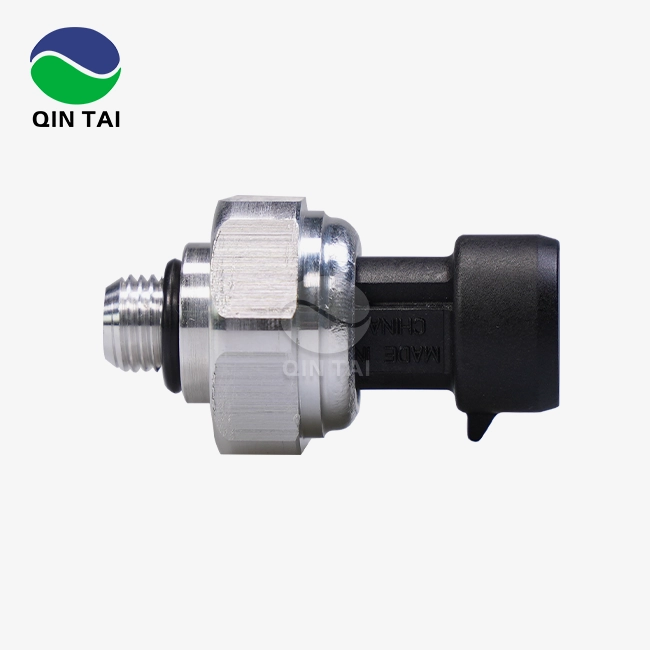
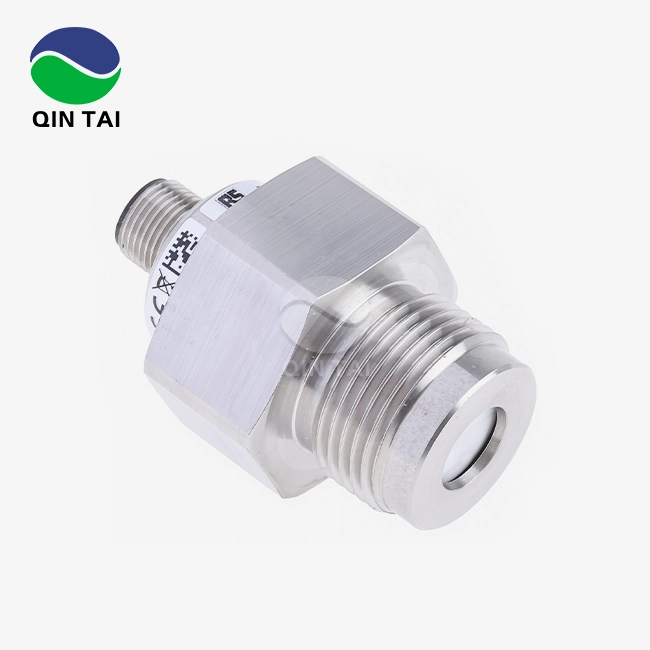

Our customers’ satisfaction speaks for our quality — contact us to experience the same reliable service.