- English
- French
- German
- Portuguese
- Spanish
- Russian
- Japanese
- Korean
- Arabic
- Greek
- German
- Turkish
- Italian
- Danish
- Romanian
- Indonesian
- Czech
- Afrikaans
- Swedish
- Polish
- Basque
- Catalan
- Esperanto
- Hindi
- Lao
- Albanian
- Amharic
- Armenian
- Azerbaijani
- Belarusian
- Bengali
- Bosnian
- Bulgarian
- Cebuano
- Chichewa
- Corsican
- Croatian
- Dutch
- Estonian
- Filipino
- Finnish
- Frisian
- Galician
- Georgian
- Gujarati
- Haitian
- Hausa
- Hawaiian
- Hebrew
- Hmong
- Hungarian
- Icelandic
- Igbo
- Javanese
- Kannada
- Kazakh
- Khmer
- Kurdish
- Kyrgyz
- Latin
- Latvian
- Lithuanian
- Luxembou..
- Macedonian
- Malagasy
- Malay
- Malayalam
- Maltese
- Maori
- Marathi
- Mongolian
- Burmese
- Nepali
- Norwegian
- Pashto
- Persian
- Punjabi
- Serbian
- Sesotho
- Sinhala
- Slovak
- Slovenian
- Somali
- Samoan
- Scots Gaelic
- Shona
- Sindhi
- Sundanese
- Swahili
- Tajik
- Tamil
- Telugu
- Thai
- Ukrainian
- Urdu
- Uzbek
- Vietnamese
- Welsh
- Xhosa
- Yiddish
- Yoruba
- Zulu
SCR Dosing Pump Buying Guide: Benefits, Specs, and Supplier Tips
If you're sourcing components for a diesel aftertreatment setup, understanding how an SCR dosing system works — and what makes a quality dosing pump — can save you serious time, money, and compliance headaches. This guide walks through everything a purchasing manager or R&D engineer needs to know: how these pumps function, which specs matter most, how to evaluate suppliers, and where the technology is heading. Whether you're an OEM building heavy trucks or a repair shop sourcing replacement parts, this guide gives you a clear, practical framework.

Understanding SCR Dosing Pumps and Their Benefits
What Is an SCR Dosing Pump?
In a selective catalytic reduction device, the SCR dosing machine does all the work. Its job is to take AdBlue (DEF) from the urea tank and carefully send it into the exhaust stream, where it mixes with NOx over a catalyst to make nitrogen and water that are safe to breathe. The urea pressure sensor, temperature sensor, and dosing control unit (DCU) all work with the pump to make sure that the injections are always precise. The whole chain that controls emissions breaks down without a reliable pump.
Key Benefits Beyond Emission Compliance
Meeting standards like China VI, Euro VI, or EPA Tier 4 Final is a clear benefit, but there's more to it than that. A properly calibrated dosing pump stops over-injection, which drops AdBlue use and, in turn, running costs. It also keeps the SCR catalyst from getting urea crystals from uneven pressure, which makes the catalyst last longer. When pumps are reliable, there are fewer warranty claims and less downtime per unit made for both fleet operators and OEMs.
SCR vs. EGR: Why Dosing Pumps Win in Heavy Duty
Exhaust Gas Recirculation (EGR) lowers NOx by mixing exhaust gasses with intake air. However, at high loads, it raises thermal stress and fuel use. On the other hand, SCR technology cleans up pollution further down the line without changing the combustion process. This makes it more fuel-efficient at highway loads.
The International Council on Clean Transportation (ICCT) says that heavy trucks with SCR can cut NOx emissions by up to 90% compared to engines that aren't controlled. Because SCR is more efficient, most China VI and Euro VI platforms use it as their main NOx reduction strategy.

Specifications and Performance Criteria for SCR Dosing Pumps
Core Technical Parameters You Must Verify
Make sure these settings work with your engine program before you place an order. The SCR dosing system flow rate of the pump needs to match the highest amount of urea that your engine can use, which is usually between 0.1 and 10 L/h for commercial vehicles. The accuracy of dosing should be within ±5% of the full operating range.
The working pressure is usually between 5 and 9 bar, and the pump has to be able to handle AdBlue freezing and expanding by 9% without breaking inside. The parts must be made of materials that are compatible with the corrosive urea solution. These materials must be stainless steel or PTFE-lined.
Performance Benchmarks and Certifications
If a supplier is worth your time, they will point to ISO 9001 and IATF 16949 certifications as basic signs of quality. Look for IECEx or ATEX grades in industry and mining settings where flammable gasses are present. The urea dose pressure monitor built into the pump loop should keep the signal stable for at least 15,000 to 20,000 hours of use. It is very important to be able to detect pressure drops because they let you know about blockages, air pockets, or leaks in the dosing line before they cause fault codes like P204B.
Maintenance and Troubleshooting Essentials
Dosing pumps usually break down because of urea crystallization in the pump chamber, rust of the connecting pins, or membrane wear and tear. Crystal building is greatly slowed down by reducing the amount of dead space in the internal flow path.
Gold-plated terminal links on sensors that are connected to each other prevent corrosion a lot better than regular tin contacts. Every 500 hours of use or as recommended by the OEM, the dosing line should be flushed, the strainer filter should be checked, and the output voltage of the pressure sensor should be checked to make sure it stays within the measured range of 0.5V to 4.5V.
How to Choose the Best SCR Dosing Pump for Your Business Needs
Define Your Application Before Comparing Suppliers
Before you start comparing prices, you need to know what your working setting needs. A long-haul truck's SCR dosing system dosing pump has to work accurately over more than 1,000,000 km of steady temperature cycles. When put to use in a building backhoe, the unit has to deal with a lot of dust and mechanical shock.
A generator set in a mine needs to be serviced more often and be able to handle changes in the temperature of the air around it. Locking down these needs in a clear technical specification sheet before getting in touch with sellers keeps mistakes that cost a lot from happening after the purchase.
OEM vs. Aftermarket: What the Trade-Offs Look Like
OEM providers offer tested compatibility and usually have IATF 16949 approval, which is important when your buying department has to pass audits. Aftermarket parts can save you 20–40%, but you need to make sure that the flow rate calibration and sensor signal compatibility with your DCU or ECU are done correctly.
When looking at aftermarket choices, make sure you get test reports from a third party and make sure the connector interface (M10×1 or M12×1.5 threads are popular) works with your current system without having to make any adapter changes.
Cost-Benefit Evaluation for Volume Buyers
The price of the first item is only one part of the issue. I think you should figure out the total cost of ownership over three years, taking into account the failure rate, the guarantee, and the time it takes to get replacement parts. If a pump costs 15% less but breaks twice as often while still under warranty, it's a net loss. Get information from the supplier about the mean time between failures (MTBF) and compare it with field reports if you have access to databases for fleet maintenance.

Procurement and Installation Best Practices
Sourcing Channels and Lead Time Management
For OEM buyers who buy a lot, direct manufacturer partnerships give them the best technical support and price control, especially for complex components like the SCR dosing system. Authorized distributors are good for middle-level buyers who need faster delivery but don't want to commit to a full volume.
buying aftermarket parts, online business-to-business (B2B) sites can work, but you should always check a supplier's licenses on your own. Lead times for stocked SKUs are usually between 3 and 10 business days, while lead times for custom configurations are usually between 4 and 8 weeks. To keep production from stopping, make extras of important parts.
Here are the most important things you can do to make your procurement process stronger:
- Verify certifications at contract stage: Confirm ISO 9001, IATF 16949, and any application-specific ratings before signing; do not rely on catalog claims alone.
- Request pre-shipment functional testing: Ask for pressure cycle test reports for each batch, covering full operating range from cold start to maximum flow demand.
- Negotiate long-term pricing tiers: Structured annual volume commitments typically secure 8–15% price reductions while locking in supply priority during shortages.
By constantly following these steps, you lower the risk in the supply chain and give your expert team peace of mind that every unit that comes off the line will meet the specs.
Installation and Commissioning Guidance
Most early failures can be avoided by installing something correctly. If you can, put the pump below the AdBlue tank to keep the positive head pressure. Before the first start, bleed the dosing line well to get rid of any air pockets that could cause fake pressure trouble codes.
Run a self-test that is started by the DCU after installation to make sure the sensor signal range is correct and the system reaches the target operating pressure within the ramp time. Professional setup costs more, but on the first production runs, it cuts guarantee returns by a large amount.
Future Trends and Innovation in SCR Dosing Pump Technology
Smart Pumps and IoT Integration
The next generation of dosing modules has CAN bus connectivity and real-time pressure telemetry, which lets fleet management systems check on the performance of dosing from afar. Early anomaly detection, which is when a pressure trend moves outside of normal limits before a fault code is sent, lets maintenance be planned instead of problems happening on the side of the road. In Europe, smart dosing units are already required by many OEM systems for Euro VI trucks made after 2023.
Material Advances and Regulatory Pressure
Better diaphragm materials that are more resistant to chemicals make pump service intervals longer and lower the risk of crystallization at low temperatures. At the same time, rules about emissions are getting stricter in North America and Europe. The U.S. EPA's Heavy-Duty Omnibus Rule, which was finalized in 2022, says that starting in 2027, NOx emission limits must be 80% lower than the previous standards. This will make more people in the supply chain want higher-precision dosing hardware.

Conclusion
Choosing the right SCR dosing system pump affects compliance, working costs, and long-term ties with suppliers all at the same time. Before you compare prices, you should make sure that the important factors—dosing accuracy, pressure tolerance, material stability, and approval status—are relevant to your needs.
Thinking about more than just the unit cost when you buy something means taking into account the MTBF, warranty terms, and availability of expert help. As emission standards get stricter around the world, the quality of your dosing gear becomes a direct indicator of how well your product meets legal standards.
FAQ
What flow rate does a standard SCR dosing pump support?
The dosing pumps in most commercial vehicles can handle 0.1 to 10 L/h. Heavy-duty and industrial uses may need larger units; check the manufacturer's documentation for your engine to find out how much urea it can handle.
How does the urea pressure sensor connect to the pump?
The urea dosing pressure monitor is in the dosing line and sends the DCU or ECU on-going pressure input. It tells you when the pressure drops because of blockages or leaks and when the pressure rises because AdBlue has stopped. Depending on how the ECU is calibrated, the output is usually either an analog signal between 0.5V and 4.5V or a SENT digital protocol.
Can I use an aftermarket dosing pump with my OEM SCR system?
If the working pressure range, thread standard, and signal type of the connector interface, as well as the flow rate, are the same as the original design, then yes. Always ask the aftermarket supplier for test reports from a third party.
What causes urea crystallization inside the pump?
AdBlue can dry out and harden because of slow purge cycles and fluid that doesn't move in dead-volume zones. Pumps with very little internal dead volume and automatic purge sequences after shutting down have much lower rates of crystallization.
What certifications should I require from a dosing pump supplier?
A lot of OEM supply chains have to meet the requirements of ISO 9001 and IATF 16949. Depending on your use, you may also need to follow CE, RoHS, and REACH rules to get into the European and North American markets.
Partner With Qintai for Your SCR Dosing System Needs
Since 2001, Qintai has been the main SCR dosing system supplier for China's top diesel engine makers, such as Weichai Power, Yuchai Power, and Quanchai Power. Qintai has 58 idea patents and is certified by ISO 9001, IATF 16949, CE, UL, and REACH. They offer OEM/ODM services, flexible modification, and the ability to mass produce in more than 60 countries. Email us at info@qt-sensor.com or visit qt-sensor.com to talk about your application needs and get a quote right away.
References
1. International Council on Clean Transportation (ICCT). Assessment of NOx Emissions Reduction Technologies for Heavy-Duty Diesel Vehicles. ICCT, 2021.
2. U.S. Environmental Protection Agency (EPA). Control of Air Pollution from New Motor Vehicles: Heavy-Duty Engine and Vehicle Standards (Omnibus Rule). EPA, 2022.
3. European Commission. Euro VI Emission Standards for Heavy Duty Vehicles: Regulation (EC) No 595/2009. Official Journal of the European Union, 2009.
4. SAE International. Urea-SCR Technology for deNOx After Treatment of Diesel Exhausts. SAE Technical Paper Series, 2020.
5. Dieselnet Technology Guide. Selective Catalytic Reduction (SCR) Systems for Diesel Engines. Dieselnet, 2023.
6. ISO/IATF. IATF 16949:2016 — Quality Management System Requirements for Automotive Production and Relevant Service Parts Organizations. International Automotive Task Force, 2016.
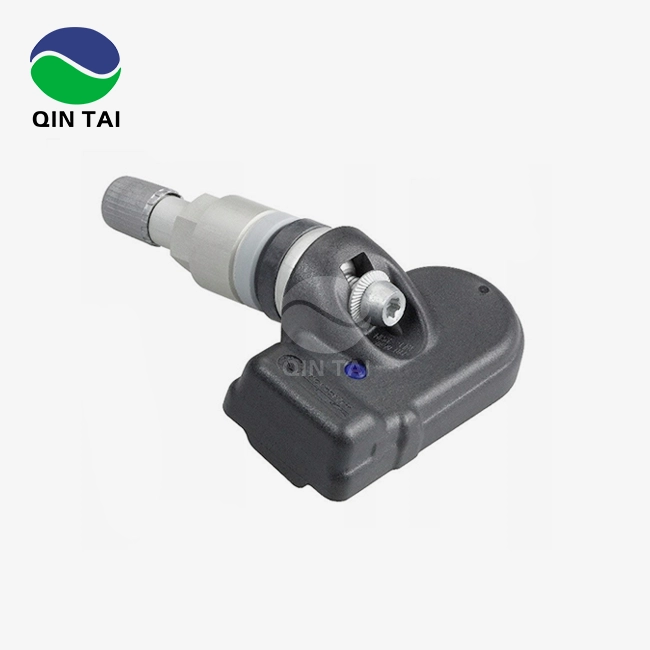
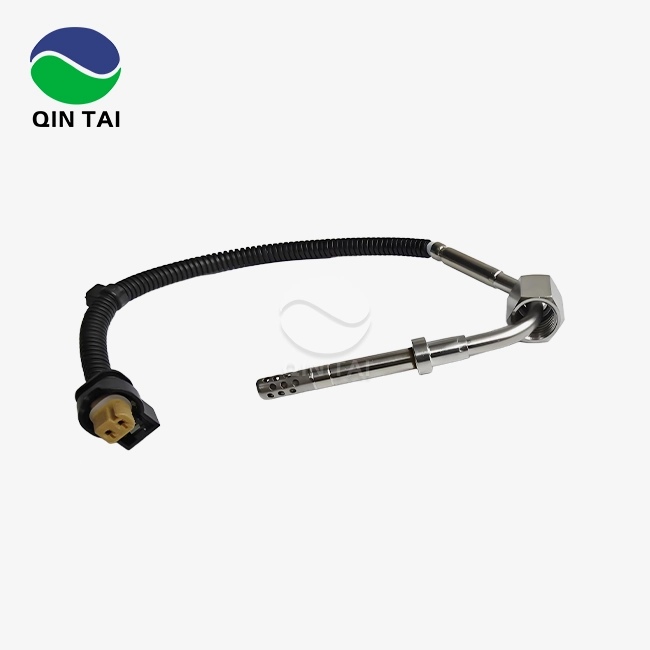
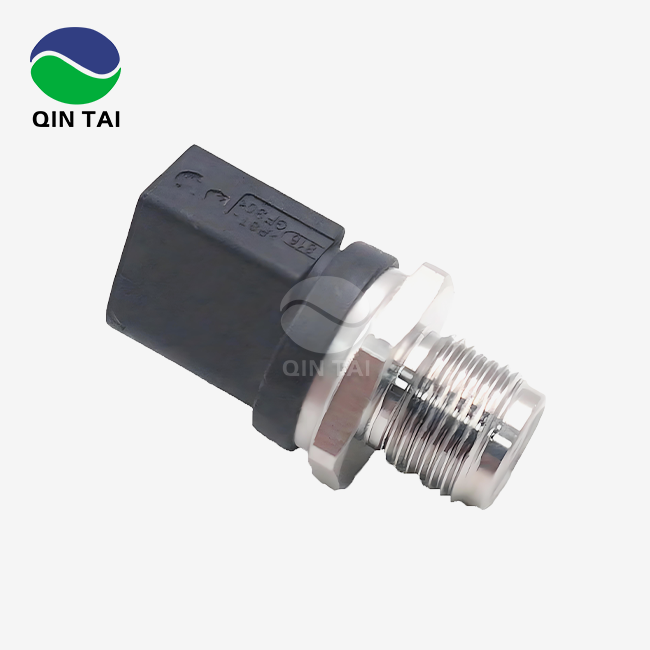
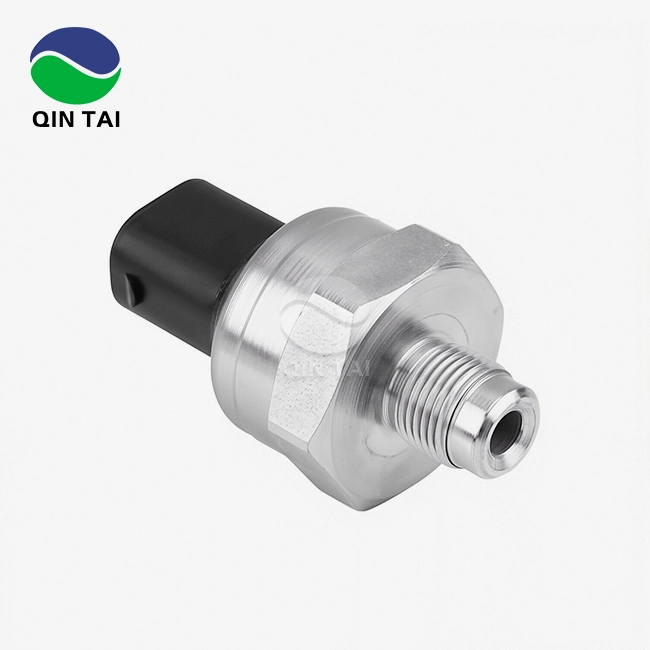

Our customers’ satisfaction speaks for our quality — contact us to experience the same reliable service.