- English
- French
- German
- Portuguese
- Spanish
- Russian
- Japanese
- Korean
- Arabic
- Greek
- German
- Turkish
- Italian
- Danish
- Romanian
- Indonesian
- Czech
- Afrikaans
- Swedish
- Polish
- Basque
- Catalan
- Esperanto
- Hindi
- Lao
- Albanian
- Amharic
- Armenian
- Azerbaijani
- Belarusian
- Bengali
- Bosnian
- Bulgarian
- Cebuano
- Chichewa
- Corsican
- Croatian
- Dutch
- Estonian
- Filipino
- Finnish
- Frisian
- Galician
- Georgian
- Gujarati
- Haitian
- Hausa
- Hawaiian
- Hebrew
- Hmong
- Hungarian
- Icelandic
- Igbo
- Javanese
- Kannada
- Kazakh
- Khmer
- Kurdish
- Kyrgyz
- Latin
- Latvian
- Lithuanian
- Luxembou..
- Macedonian
- Malagasy
- Malay
- Malayalam
- Maltese
- Maori
- Marathi
- Mongolian
- Burmese
- Nepali
- Norwegian
- Pashto
- Persian
- Punjabi
- Serbian
- Sesotho
- Sinhala
- Slovak
- Slovenian
- Somali
- Samoan
- Scots Gaelic
- Shona
- Sindhi
- Sundanese
- Swahili
- Tajik
- Tamil
- Telugu
- Thai
- Ukrainian
- Urdu
- Uzbek
- Vietnamese
- Welsh
- Xhosa
- Yiddish
- Yoruba
- Zulu
SCR Dosing Pump vs Airless Systems: Which Is Best for OEMs?
When OEMs ask me which technology fits their emission control needs, my answer starts with the same question: what does your application actually demand? An SCR dosing system built around a precision dosing pump behaves very differently from an airless fluid delivery setup. For most heavy-duty diesel engine applications — heavy trucks, construction machinery, agricultural equipment, and generator sets — the SCR dosing pump is the stronger match.
It delivers measurable urea injection accuracy, satisfies Euro VI and EPA Tier 4 Final standards, and integrates cleanly with modern aftertreatment architectures. That said, airless systems hold real value in specific scenarios. This guide breaks down both options so your team can make a well-informed procurement decision.

Understanding SCR Dosing Pumps and Airless Systems
What Is an SCR Dosing Pump?
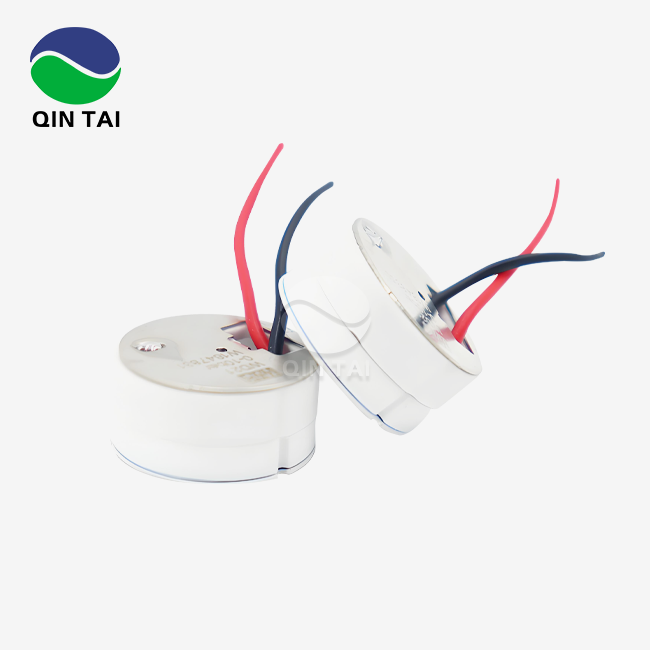
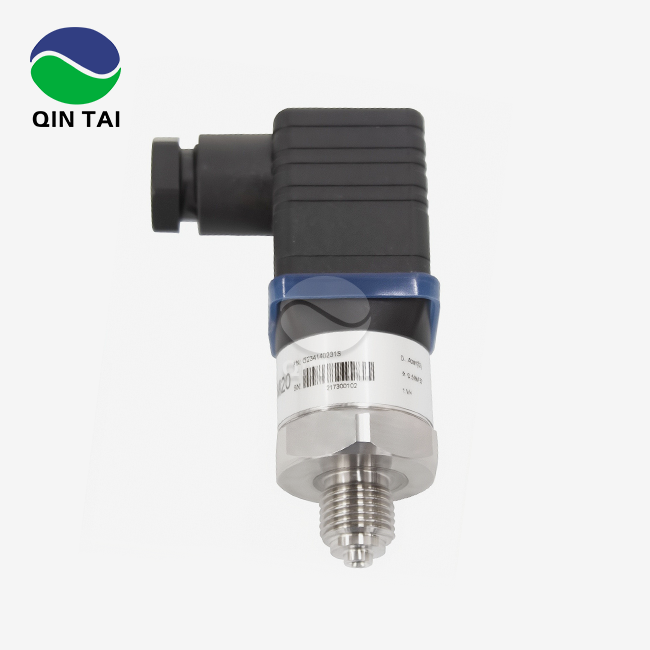
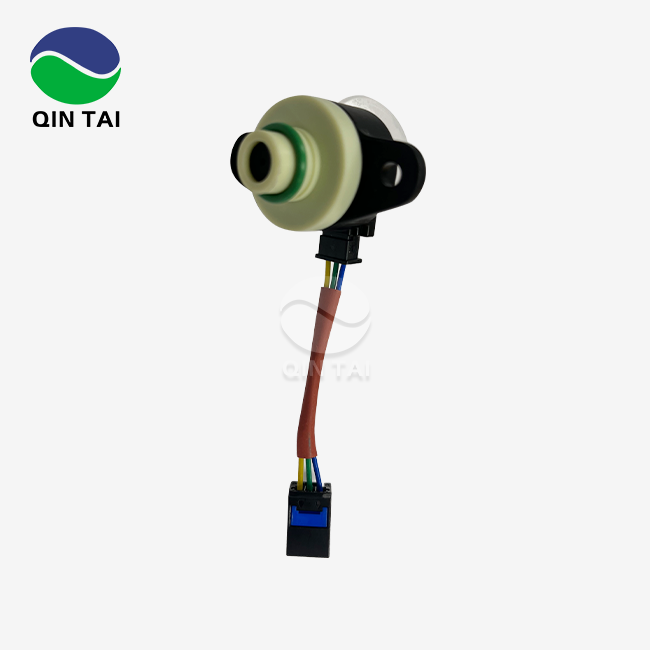
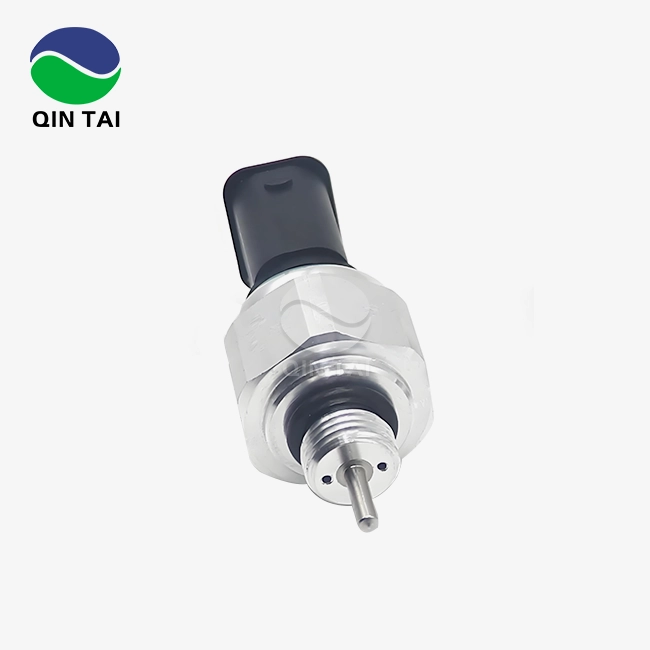
An SCR dosing pump takes AdBlue (DEF) from the urea tank and adds a precise amount to the exhaust stream before the SCR catalyst. A dosing control unit (DCU) reads data from a temperature sensor, a NOx sensor, and a urea dose pressure sensor to change the injection in real time. Because of this closed-loop feedback system, SCR dosing pumps are the best choice when NOx reduction goals can't be changed.
What Is an Airless Dosing System?
Without the help of compressed air, airless systems pressurize fluid mechanically. They are often easier to make and have been used in light industrial fluid situations. Some smaller generator sets or fixed engine setups use airless designs, which don't need to be as precise with their dosing. However, airless systems don't usually have the level of sensor integration needed for modern Euro VI or China VI compliance.
Why the Distinction Matters for OEMs
If OEM procurement teams choose the wrong architecture, they could fail emission certification, have to pay a lot of money to redesign the system, and have problems with the supply chain. If you know the technical difference between these two methods from the start, you can save time and money while making the product.
Key Factors to Consider When Choosing Between the Two
Dosing Accuracy and Emissions Compliance
The accuracy of injections with SCR dosing pumps is within ±3% of the goal volume. This is the level of accuracy needed for Euro VI and EPA Tier 4 Final certification steps. There is a safety risk with airless systems because they can move when the pressure or temperature changes. If your engine platform has to meet NOx limits set by the government, then dosing accuracy is a must.
Chemical Compatibility and Operating Environment
AdBlue is a 32.5% urea fluid that breaks down metals and forms crystals when left alone. A well-designed SCR dosing system uses wet materials that don't rust and keeps the dead volume in the sensing chamber as low as possible to stop crystallization. If the airless system wasn't designed to work with urea, the materials inside can break down and get clogged over time in harsh environments like mines or construction sites.
Maintenance Load and Total Cost of Ownership
Pressure sensors, check valves, and heater elements are some of the more parts that make up an SCR dose pump assembly. However, each of these parts can be serviced on its own. Even though airless systems are cheaper up front, techs often repair whole modules instead of individual parts because they can't be diagnosed as easily. That difference in serviceability adds up to a big cost factor for both fleet owners and repair shops over the course of a vehicle's lifecycle, which is measured in 15,000 to 20,000 hours of use.
Benefits and Limitations of SCR Dosing Pumps vs Airless Systems
Advantages of SCR Dosing Pumps for OEM Use
SCR dosing pumps have a number of real benefits for diesel engine programs that are used on a large scale. They are the best choice in regulated markets because of these main strengths:
- Closed-loop pressure feedback: The urea dosing pressure sensor continuously monitors hydraulic pressure, detects leaks or blockages, and flags overpressure caused by frozen AdBlue, keeping the DCU informed at all times.
- Regulatory alignment: Direct compatibility with Euro VI and China VI certification protocols reduces the documentation burden during homologation.
- Freeze protection: Quality pumps incorporate flexible internal buffering to handle the 9% volume expansion that occurs when AdBlue freezes at −11°C, preventing sensor or pump damage.
All of these strengths work together to lower the risk of NOx non-compliance events and the chance that a vehicle will go into limp mode because of a dosing fault.
Limitations of SCR Dosing Pumps
It takes more time and money to make the prototype because it needs to be calibrated, and each unit costs more at first than simple airless alternatives. Volume production arrangements, on the other hand, lower the cost per unit by a large amount.
Where Airless Systems Hold Their Ground
Airless systems work best in low-duty cycle or fixed situations where emission standards are not as strict and filling is not done very often. Aftermarket repair shops that work on engines that aren't regulated may like how easy they are to install. Still, a SCR dosing system doesn't work well with any platform that needs to pass EPA or Euro VI approval checks.

Market Overview and Brand Comparison for OEM Procurement
Global Brands and What They Offer
Bosch, Denso, Delphi Technologies, and Continental are all players in the SCR dosing module market. They all sell full pump assemblies with sensors built in to big truck and off-highway OEMs. There are a lot of certificates and service networks around the world for these names. When OEM buying managers compare suppliers, they should look at the range of flow rates, the operating pressure, the type of sensor signal output (0.5V–4.5V analog or SENT protocol), and whether the seller can make special calibration tables.
Qintai's Position in the SCR Sensor Market
The company Xi'an Qintai Automotive Emission Technology Co., Ltd., which was founded in 2001, has the largest part of the SCR aftertreatment sensors market in China. There are three big diesel engine companies in China: Weichai Power, Yuchai Power, and Quanchai Power. They all get most of their sensors from Qintai.
With 58 idea rights, the company has filed for IATF16949, ISO9001, CMC, CE, UL, and Ex marks. The internal sensing chamber design of Qintai's urea dosing pressure sensors keeps urea crystallization to a minimum, and the gold-plated terminals stop P204B fault codes that are caused by contaminated connector pins.
Evaluating Suppliers Beyond Price
When purchasing managers look at the total value, including warranty terms, after-sales response time, spare parts availability, and OEM/ODM customization capacity, they consistently report lower lifecycle costs. It saves a lot of time to validate if the supplier can help you come up with the sensor parameters that work best with your DCU.

Making the Best Choice for OEMs — Decision Support Guide
Match Technology to Application Requirements
Before you ask for quotes, your technical team should figure out the range of engine displacements, the highest exhaust flow rate, the range of operating temperatures, and the emission standard that your platform needs to meet. These factors directly show if a full SCR dosing system or a reduced airless module can even work.
Total Cost of Ownership Framework
When making a purchase decision, it helps to compare costs in a structured way that takes into account things like unit price, annual maintenance cost, estimated replacement interval, and downtime cost per hour. When compared to airless options, SCR dosing pump systems usually have a higher cost in the first year but a cheaper cumulative cost over three to five years. This is especially true in high-duty-cycle uses like long-haul trucking or continuous-duty generator sets.
When to Choose Each System
SCR dosing pumps are the best choice for any platform that needs to be certified by Euro VI, China VI, or EPA Tier 4 Final. This includes almost all new heavy-duty diesel engines sold in regulated markets today. Airless systems are still a good choice for retrofitting old engines, making small pieces of specialized equipment that aren't sold in regulated markets, or using as backup power in places where there isn't a lot of oversight over emissions. Working with a supplier that can help with both OEM and ODM gives your program the freedom to change as rules get stricter.
Conclusion
It's not just a matter of technicality when deciding between an SCR dosing system and an airless system. It also depends on your long-term service plan, working conditions, and compliance requirements. This is the best pump for OEMs that are building to Euro VI or China VI standards.
Airless systems can work in some situations with less control, but they are very dangerous when accuracy and approval are important. To make sure your product is safe and lasts a long time, it is best to buy sensor and dosage components from a seller with a track record, certifications that can be checked, and the ability to make a lot of them.
FAQ
How often does an SCR dosing pump need calibration?
Most SCR dosing pumps in heavy-duty applications require calibration verification at scheduled service intervals, typically every 150,000 to 200,000 kilometers or during any DCU software update. Sensor signal drift or a P204B fault code is often the first indicator that recalibration is needed.
Can an airless system meet Euro VI NOx requirements?
Generally, no. Euro VI NOx limits require injection accuracy and closed-loop control that airless systems do not reliably provide. For certified platforms, an engineered SCR dosing pump assembly with a calibrated pressure sensor is the accepted solution.
What output signal types do urea dosing pressure sensors use?
The two common output formats are 0.5V–4.5V ratiometric analog and SENT (Single Edge Nibble Transmission) digital protocol. The correct type must match your DCU calibration. Qintai sensors support both formats and can be customized for specific ECU configurations.
What is the typical service life of a urea dosing pressure sensor?
In standard commercial vehicle applications, quality urea dosing pressure sensors are designed for a minimum of 15,000 to 20,000 operating hours.
Does AdBlue freezing damage the dosing pump?
A properly engineered pump incorporates flexible internal buffering to accommodate the 9% volume expansion of freezing AdBlue, preventing structural damage to the sensor diaphragm and pump body.

Partner With Qintai for Your SCR Dosing System Needs
Qintai is a trusted company that makes SCR dosing systems and sensors for OEM customers in over 60 countries. Our goods are certified by IATF16949, ISO9001, CE, and CMC, and our engineering team can help with OEM/ODM customization from the planning stages to mass production. Our company can help you whether you need a urea dosing pressure sensor that works with your DCU or a full dosage module option. You can visit qt-sensor.com or contact us at info@qt-sensor.com to get a technical advice or a quote on a product.
References
1. Johnson, T. V. (2014). Review of Diesel Emissions and Control. SAE International Journal of Fuels and Lubricants, 7(1).
2. European Commission. (2016). Euro VI Emission Standards for Heavy-Duty Vehicles. Official Journal of the European Union.
3. U.S. Environmental Protection Agency. (2022). Diesel Exhaust and NOx Emission Regulations: Tier 4 Final Standards. EPA Office of Transportation and Air Quality.
4. Koebel, M., Elsener, M., & Kleemann, M. (2000). Urea-SCR: A Promising Technique to Reduce NOx Emissions from Automotive Diesel Engines. Catalysis Today, 59(3-4), 335–345.
5. SAE International. (2019). Selective Catalytic Reduction System Design and Integration for Heavy-Duty Diesel Engines. SAE Technical Paper Series.
6. International Council on Clean Transportation (ICCT). (2021). Real-World Performance of Heavy-Duty SCR Systems Under Euro VI Standards. ICCT Working Paper 2021-12.

Our customers’ satisfaction speaks for our quality — contact us to experience the same reliable service.