- English
- French
- German
- Portuguese
- Spanish
- Russian
- Japanese
- Korean
- Arabic
- Greek
- German
- Turkish
- Italian
- Danish
- Romanian
- Indonesian
- Czech
- Afrikaans
- Swedish
- Polish
- Basque
- Catalan
- Esperanto
- Hindi
- Lao
- Albanian
- Amharic
- Armenian
- Azerbaijani
- Belarusian
- Bengali
- Bosnian
- Bulgarian
- Cebuano
- Chichewa
- Corsican
- Croatian
- Dutch
- Estonian
- Filipino
- Finnish
- Frisian
- Galician
- Georgian
- Gujarati
- Haitian
- Hausa
- Hawaiian
- Hebrew
- Hmong
- Hungarian
- Icelandic
- Igbo
- Javanese
- Kannada
- Kazakh
- Khmer
- Kurdish
- Kyrgyz
- Latin
- Latvian
- Lithuanian
- Luxembou..
- Macedonian
- Malagasy
- Malay
- Malayalam
- Maltese
- Maori
- Marathi
- Mongolian
- Burmese
- Nepali
- Norwegian
- Pashto
- Persian
- Punjabi
- Serbian
- Sesotho
- Sinhala
- Slovak
- Slovenian
- Somali
- Samoan
- Scots Gaelic
- Shona
- Sindhi
- Sundanese
- Swahili
- Tajik
- Tamil
- Telugu
- Thai
- Ukrainian
- Urdu
- Uzbek
- Vietnamese
- Welsh
- Xhosa
- Yiddish
- Yoruba
- Zulu
Why Does a Urea Dosing Pump Fail? Causes and Fixes
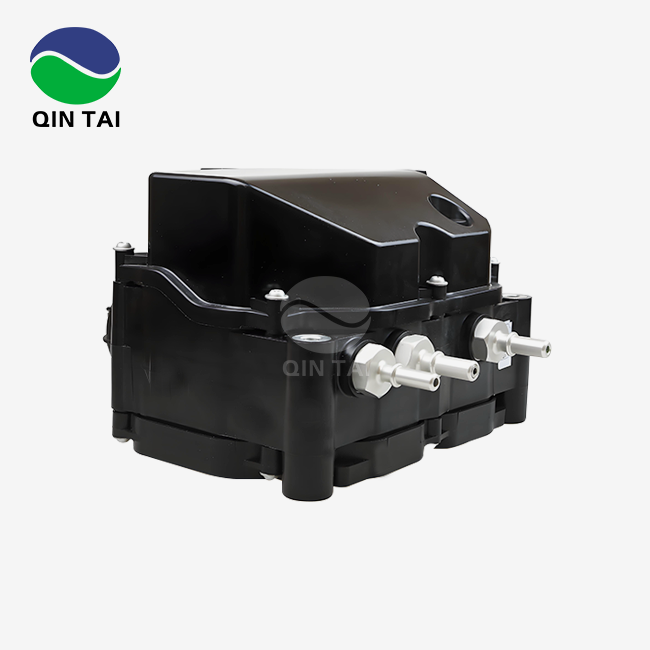
A urea dosing pump is the heart of any SCR aftertreatment system. It draws DEF (Diesel Exhaust Fluid) from the tank and injects it at precise pressure into the exhaust stream, where it reacts with NOx emissions over a catalyst. When this pump fails, NOx output spikes, emission compliance breaks down, and engine performance suffers. Understanding why a urea dosing pump fails—and how to fix it—saves downtime, protects regulatory standing, and reduces total maintenance cost across heavy truck, construction, and generator set fleets.

Understanding Urea Dosing Pump Failures
How the Pump Works
When AdBlue/DEF is pumped from the holding tank to the dosing injector, the urea doser pump presses it down and sends it at a controlled rate. An onboard control module talks to the Engine Control Unit (ECU) so that the amount of dosing can be changed in real time based on exhaust flow, engine load, and feedback from the NOx sensor. A diaphragm or plunger assembly, inlet/outlet check valves, a filter screen, and an integrated heater for cold weather operation are some of the most important parts inside.
Common Failure Symptoms
Small problems can be fixed before they cause the whole system to shut down if you can spot them early. Symptoms most often reported are DEF flow that doesn't stay steady, strange motor noise, fluid leaks that can be seen at hose connections, and fault codes recorded by the ECU. Another strong sign is a drop in the efficiency of NOx conversion. If your SCR system stops meeting pollution limits, the dosing circuit is usually the first thing you should check.
Why Early Detection Matters for OEMs
Finding early symptoms is a direct way for R&D engineers and buying managers at diesel engine OEMs to make sure they are following China VI and Euro VI pollution rules. One broken pump on a production line can stop testing for engine certification and cause products to come out later than planned. Adding a routine inspection protocol to the process of production and service greatly lowers that risk.
Main Causes of Urea Dosing Pump Failures
Mechanical Wear and Component Degradation
The most common mechanical failure is a ruptured diaphragm. Over time, changing the pressure causes micro-fatigue in the diaphragm membrane, which leads to cracks that make the flow inconsistent. In a urea dosing pump, check valve wear, in which the small rubber or ceramic seats lose their seal, lets backflow happen, which lowers pressure and makes doses less accurate. When the pump runs dry or handles dirty DEF, the seal around the pump body also breaks down.
Chemical Blockages from Urea Crystallization
DEF is made up of 32.5% urea and water. If there is still fluid in the lines after the system is turned off, water evaporates and urea crystals form inside the pump body, filter screen, and injector nozzle. The Society of Automotive Engineers (SAE) has done studies that confirm urea crystallization is a major cause of SCR component failures in cold environments. Systems that don't have a proper purge cycle after the engine shuts down are especially at risk.
Electrical and Control System Faults
An unstable power supply voltage, corroded connector pins, or a failing pump motor can all mess up the precise dosing signal sent by the ECU. A voltage drop of just 0.5V can make the pump not treat enough, which can lead to a NOx spike.
Installation and Calibration Errors
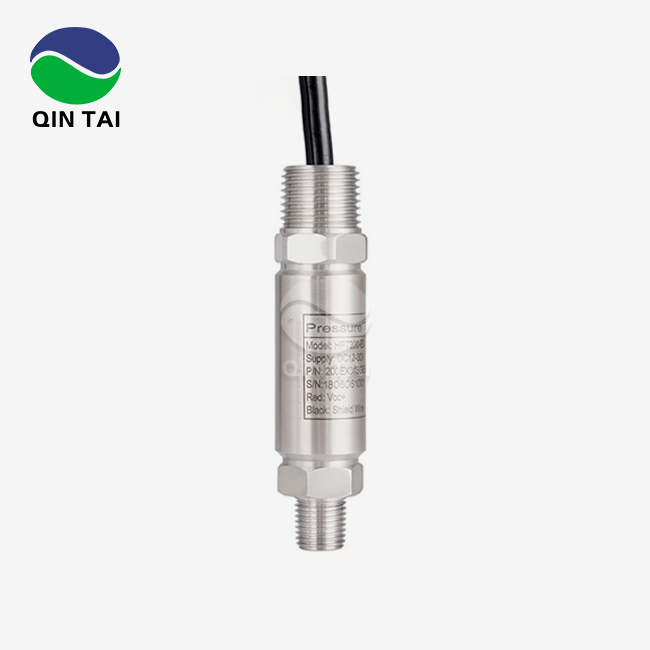
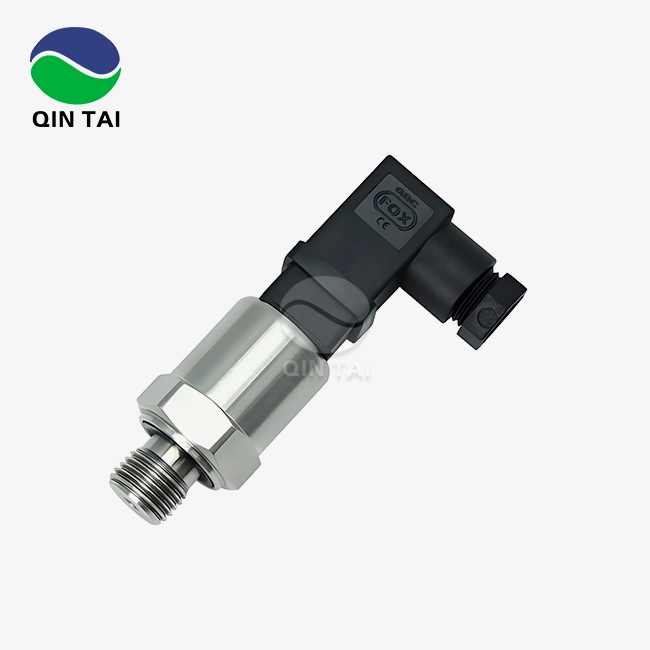
A lot of early-life pump failures are caused by suction lines being routed wrong, fittings not being torqued correctly, and not priming the system before the first use. Faulty wiring harnesses and damaged pressure sensors make the problem worse by sending wrong feedback data to the control unit, which makes the ECU think dosing is correct when it is not. Dosing drift that is hard to track without accurate flow measurement tools is caused by incorrect pump calibration, especially when aftermarket parts are put in without re-flashing the ECU settings.

Proven Maintenance Tips to Prevent Failures
Regular Inspection Schedule
The most cost-effective way to keep pumps from breaking down is to follow a strict repair schedule. Every 500 hours of use, service teams should check the inlet filter screens, look for tiny leaks in the hose connections, and make sure the built-in heater works properly when it's below zero. At every major repair interval, the state of the diaphragm should be checked, since damage to a worn diaphragm isn't always obvious until it bursts.
Calibration and Flow Verification
To keep dosing accurate, the flow rate needs to be checked against the manufacturer's specifications on a regular basis. To compare real output to desired output, use an approved graduated cylinder or flow meter. If drift is more than ±5%, the machine needs to be recalibrated or parts need to be replaced. For SCR system integrators who are in charge of multiple vehicle platforms, keeping calibration records organized by chassis serial number helps them quickly find the cause of problems that happen in the field.
Chemical and Environmental Protection
Using only approved ISO 22241-compliant DEF stops crystallization and corrosion that can be caused by pollution. Anti-crystallization purge cycles, which are set up in the ECU to remove fluid from the urea dosing pump and lines when the system is turned off, make parts last a lot longer. In harsh places like mines or outdoor generator setups, keeping the pump housing away from water and high temperatures is important for keeping the internal parts in good shape over time.
Practical Troubleshooting Techniques
Diagnosing Diaphragm vs. Plunger Failures
When the diaphragm tears, the DEF output is usually irregular or zero, and there is no pressure buildup. On the other hand, a worn plunger usually shows less flow but still exists at a pressure lower than what was specified. A quick differential diagnosis can be made by connecting a calibrated pressure gage to the pump outlet port within 30 seconds of starting up the pump. Not enough pressure means the problem is with the pump unit, not with any clogs further down the line.
Identifying Leaks and Blockages
Urea crystallization deposits can be seen around the fittings as white dust. When the filter screen is stopped, the pressure drops at the exit, but the motor sound and current draw are normal. You should take out the filter and look it over before putting the pump back in. This one step fixes about 30% of dosing problems that happen aftermarket, according to data from several SCR integrators.
When to Seek Professional Support
Fixes that only last a short time, like cleaning frozen lines with warm distilled water, can get things working again, but they don't fix the underlying mechanical wear. If the fault codes don't go away after cleaning and recalibrating, or if the motor for the pump draws too much current, it's time to replace it. Failures won't happen again if you buy from a qualified urea dosing pump maker with full ECU compatibility documents.

Selecting Reliable Urea Dosing Pumps to Minimize Failures
Diaphragm vs. Plunger Pump Designs
Diaphragm pumps are the best choice for heavy trucks and construction equipment because they can handle changing back pressures well and can run dry for short periods of time without damaging badly. Plunger pumps are more accurate when the pressure is stable, but they need a steady flow of fluid and are more likely to get clogged. For generator sets that have to work all the time, like those in mines and power plants, diaphragm types with built-in filter and heater systems are the most durable.
Electric vs. Pneumatic Pump Selection
Electric pumps are most common in mobile diesel uses because they work directly with the ECU and don't need a system for compressed air. When plant air lines are already in place and electricity interference is a problem, pneumatic pumps work well in stationary industrial exhaust treatment setups. Which one to use relies on the end user site's power environment, control architecture, and ability to do upkeep, as well as the specific demands placed on the urea dosing pump.
Key Selection Criteria for B2B Procurement
Before choosing a urea dosing pump supplier, procurement teams should look at the following:
- ECU compatibility: Confirm the pump communicates correctly with your specific ECU brand and SCR control strategy, including Bosch ECU platforms.
- Certifications: Look for ISO 9001, IATF 16949, and relevant regional emission compliance documentation.
- Integrated design: A compact pump with built-in filter, heater, and pressure sensor reduces installation complexity and failure points.
- Purge function: Built-in freeze protection and post-shutdown purge capability are non-negotiable for cold-climate markets.
- After-sales support: Verify parts availability, warranty terms, and technical response time before committing to a long-term supply agreement.
Buying managers who have to balance keeping costs down with making sure there are no mistakes in the products they make will find these factors very useful. If a provider meets all five, even if their unit price isn't the cheapest on the market, the total cost of ownership will go down.

Conclusion
Mechanical wear, urea crystallization, electrical problems, and installation mistakes are the most common causes of urea dosing pump failures. Using a structured inspection and calibration program to take care of each one protects emission compliance and cuts down on unplanned downtime.
If you choose a urea dosing pump that has heating, purging, and full ECU compatibility built in, most failure paths are closed before they even start. For OEMs, aftertreatment integrators, and aftermarket repair shops alike, the easiest way to make sure that an SCR system will work for a long time is to choose the right pump from a reputable supplier.
FAQ
What causes a urea dosing pump to stop pumping?
Due to urea crystallization, the most common reason is an input filter screen that is blocked. A diaphragm that has burst, check valves that have stopped working, or a motor fault caused by unstable voltage are some of the other reasons. First, flush the filter. Then, check the voltage at the pump's exit to find the problem.
How often should a DEF pump be serviced?
Every 500 hours of use, check the filter screen.
Can I use any DEF in my urea pump?
Use only DEF that is in line with ISO 22241 and has the right 32.5% urea content. Fluid that isn't certified adds impurities that speed up crystallization and eat away at metal parts inside the machine.
Does a urea pump work with any ECU?
Not all the time. The pump has to work with the same SCR control technique and connection protocol as the ECU. Qintai urea pumps have been tested to work with Bosch ECU platforms and can also have their parameters set to fit the needs of other systems.
How do I know if my urea pump needs replacement vs. repair?
If fault codes stay on after cleaning and recalibrating the filter and if the outlet pressure stays below what is expected, it is time to replace the filter. If you keep using a worn-out pump, you could end up with too much NOx and be fined by the government.
Partner with Qintai for Dependable Urea Dosing Pump Solutions
Since 2001, Xi'an Qintai Automotive Emission Technology Co., Ltd. has been a supplier of SCR aftertreatment parts. The company is certified by ISO 9001, IATF 16949, CE, UL, and Ex, and it has filed 58 idea patents. Qintai is a supplier of urea dosing pumps that works with Weichai Power, Yuchai Power, and Quanchai Power and sends goods to more than 60 countries. They can make OEM/ODM modifications, make a lot of pumps, and offer direct technical support. To get pricing and specifications, email our engineering team at info@qt-sensor.com or go to qt-sensor.com.
References
1. Society of Automotive Engineers (SAE). SAE Technical Paper 2011-01-1135: Urea Crystallization and Its Impact on SCR System Performance. SAE International, 2011.
2. Johnson, T., & Joshi, A. Review of Vehicle Emission Control Technologies and Their Impacts. Emission Control Science and Technology, Springer, 2018.
3. ISO 22241-1. Diesel Engines — NOx Reduction Agent AUS 32 — Part 1: Quality Requirements. International Organization for Standardization, 2019.
4. Majewski, W. A., & Khair, M. K. Diesel Emissions and Their Control. SAE International, 2006.
5. European Commission. Euro VI Emission Standards for Heavy-Duty Vehicles: Regulation (EC) No 595/2009. Official Journal of the European Union, 2009.
6. Fang, H. L., & DaCosta, H. F. M. Urea Thermolysis and NOx Reduction with and without SCR Catalysts. Applied Catalysis B: Environmental, Elsevier, 2003.

Our customers’ satisfaction speaks for our quality — contact us to experience the same reliable service.