- English
- French
- German
- Portuguese
- Spanish
- Russian
- Japanese
- Korean
- Arabic
- Greek
- German
- Turkish
- Italian
- Danish
- Romanian
- Indonesian
- Czech
- Afrikaans
- Swedish
- Polish
- Basque
- Catalan
- Esperanto
- Hindi
- Lao
- Albanian
- Amharic
- Armenian
- Azerbaijani
- Belarusian
- Bengali
- Bosnian
- Bulgarian
- Cebuano
- Chichewa
- Corsican
- Croatian
- Dutch
- Estonian
- Filipino
- Finnish
- Frisian
- Galician
- Georgian
- Gujarati
- Haitian
- Hausa
- Hawaiian
- Hebrew
- Hmong
- Hungarian
- Icelandic
- Igbo
- Javanese
- Kannada
- Kazakh
- Khmer
- Kurdish
- Kyrgyz
- Latin
- Latvian
- Lithuanian
- Luxembou..
- Macedonian
- Malagasy
- Malay
- Malayalam
- Maltese
- Maori
- Marathi
- Mongolian
- Burmese
- Nepali
- Norwegian
- Pashto
- Persian
- Punjabi
- Serbian
- Sesotho
- Sinhala
- Slovak
- Slovenian
- Somali
- Samoan
- Scots Gaelic
- Shona
- Sindhi
- Sundanese
- Swahili
- Tajik
- Tamil
- Telugu
- Thai
- Ukrainian
- Urdu
- Uzbek
- Vietnamese
- Welsh
- Xhosa
- Yiddish
- Yoruba
- Zulu
SCR Dosing System vs. EGR: Which Emissions Solution Fits Best?
When comparing an SCR dosing system to an EGR system, the right choice depends heavily on your application, duty cycle, and compliance requirements. SCR technology injects DEF (Diesel Exhaust Fluid) into the exhaust stream to chemically convert NOx into harmless nitrogen and water, achieving reduction rates above 90% under Euro VI and EPA Tier 4 Final standards. EGR recirculates exhaust gases back into the combustion chamber to suppress NOx formation at the source. Both approaches work — but they serve different operational realities. This article breaks down what each system does, where each excels, and how to choose with confidence.


Understanding SCR Dosing Systems and EGR Systems
Getting to know SCR dosing systems and EGR systems.
How SCR Systems Work
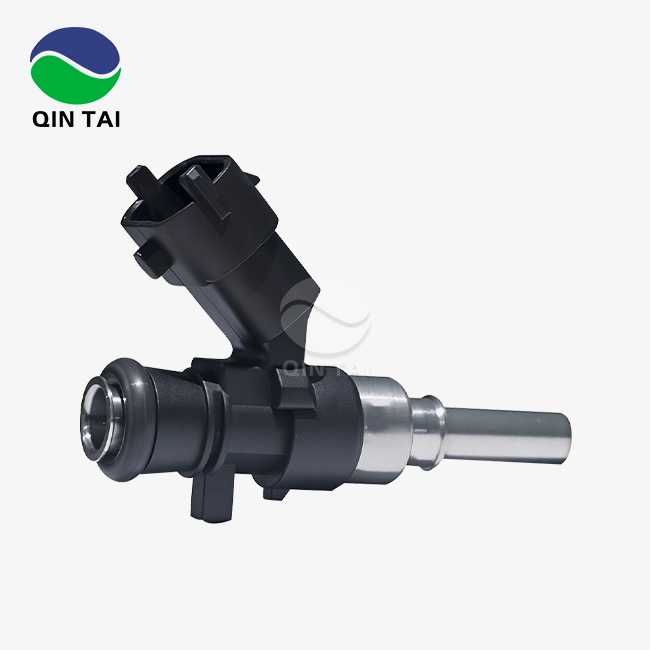
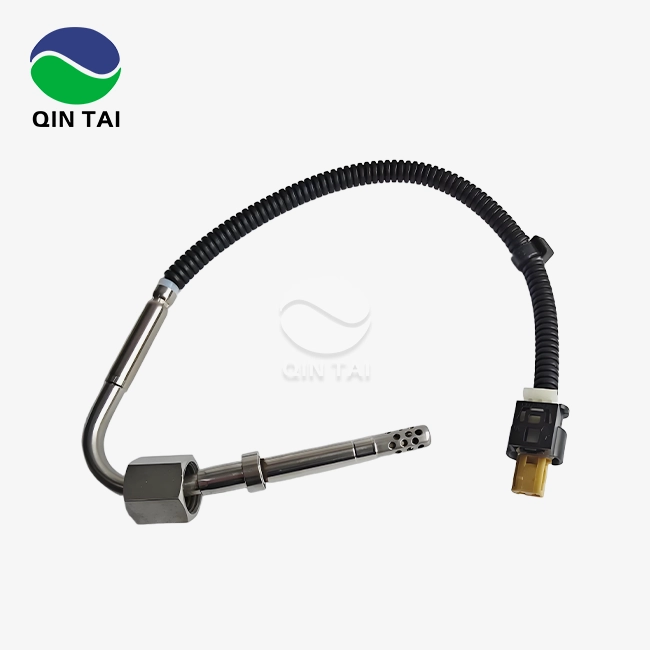
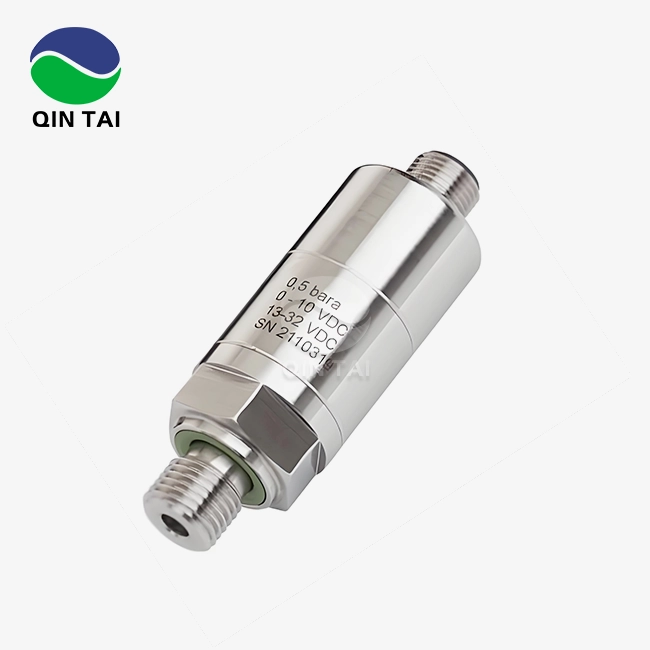
A exact amount of urea solution (AdBlue/DEF) is injected ahead of a catalytic converter to make an SCR dosing system work. Based on real-time exhaust data, a dosing control unit (DCU) controls the amount of fuel injected. The urea dosing pressure sensor is a key part of this accuracy. It checks the hydraulic pressure inside the dosing module and sends closed-loop feedback to the DCU. This makes sure that the volumetric input is correct, stops blocks caused by urea crystallization, and stops limp mode triggers that are caused by pressure problems. A group of sensors, such as NOx sensors, temperature sensors, and pressure sensors, work together to keep the system in compliance.
How EGR Systems Work
EGR systems go in a very different direction. By sending some of the exhaust gas back into the intake pipe, the system lowers the peak combustion temperature and the amount of fuel that is being burned, which directly lowers the production of NOx. The main pieces of hardware are the EGR valves, coolers, and pressure differential sensors. Even though the idea behind EGR is easier, it adds soot and acidic substances to the intake path, which can make the pistons, rings, and engine oil wear out faster. To keep working over time, the system needs to be carefully controlled when it comes to temperature.
Detailed Comparison: SCR Dosing System vs. EGR System
In every important way, these two systems are not the same. Researchers and procurement engineers can choose the best architecture that meets both regulatory goals and total cost of ownership goals when they understand each dimension. Here is a list of the main factors used for comparison:
- NOx Reduction Efficiency: SCR dosing systems usually get rid of 90–95% of NOx in real-world driving situations, which is better than EGR systems, which only get rid of 40–60% of NOx depending on load and calibration. According to the European Environment Agency (2022), SCR is still the best way to treat heavy-duty diesel exhaust to meet Euro VI NOx limits.
- Fuel Consumption Trade-off: Fuel Consumption Trade-off: EGR lowers NOx in the cylinder, but at higher loads, it can hurt fuel economy by making burning less efficient. According to studies from SAE International, SCR lets the engine run a more aggressive combustion plan, which often results in 3–5% better fuel economy than EGR-only calibrations.
- Maintenance Complexity: Maintenance Complexity: Maintenance is hard because SCR dosing systems need DEF to be refilled, injectors to be serviced, and sensors to be calibrated on a regular basis. A very important serviceable part is the urea dosing pressure sensor. If the pressure changes because of wear and tear or a dirty connector, it can cause fault codes like P204B, which can lead to compliance failures. The only things that need to be done to DEF systems are cleaning the valves and inspecting the coolers.
- System Reliability and Lifespan: System Reliability and Lifespan: High-quality SCR pressure sensors made for business use have service lives of 15,000 to 20,000 hours. Because they are exposed to changes in temperature and buildups of soot, EGR valves usually need to be inspected every 100,000 to 150,000 km.
At both the OEM and aftermarket levels, where dependability data and lifetime costs are very important, these differences affect how things are bought. Even though EGR systems are easier to understand mechanically, SCR dosing systems are clearly better in situations where following the rules is important and working cycles are long.
Choosing the Right Emissions Solution for Your Fleet
SCR Is the Clear Choice for Heavy-Duty Applications
Long-haul trucks, mining equipment, and stationary generator sets that have to work within EPA or Euro VI rules need NOx reduction levels that EGR alone can't meet. Also, SCR dosing systems can handle higher exhaust temperatures better, which makes them perfect for long-term use with a lot of work. The industrial-grade durability of a well-designed SCR dosing system, including its pressure sensing and control parts, is a real benefit for generator sets used in mines or power plants, where they can run nonstop for thousands of hours.
When EGR Remains Relevant
EGR systems are still useful in situations where installation space is limited, duty cycles are low, or regional standards are not very strict. Agricultural equipment that works in places that need Tier 3 or Stage IIIB emissions can still use EGR without extra SCR. In these situations, EGR is a practical choice because it has a lower initial cost and doesn't need any DEF infrastructure.
The choice isn't always black or white. Many new diesel engines use both technologies at the same time, with EGR lowering the amount of raw NOx they put out and SCR dosing systems taking care of any leftover NOx further downstream. This way, they can meet compliance standards that neither system could reach on its own.
Procurement and Integration Considerations
There are more than technical details to consider when choosing a pollution option. Reliability of the supply chain, compatibility of sensors, and help after the sale all have a direct effect on fleet downtime and the total cost of buying.
SCR dosing systems need sensor communities that work together very well. The ECU's signal protocol must match the urea dosing pressure sensor's, whether it's 0.5V–4.5V analog or SENT digital output. The dosing module must also be able to connect to the ECU through threads like M10×1 or M12×1.5.
When parts don't match, they can cause calibration errors and a risk of not meeting regulations. When buying SCR dosing system parts for mass production or the aftermarket, purchasing managers should give preference to providers that are IATF 16949 certified, have a history of working with OEMs, and have documented production capacity. These qualifications show that quality control systems are built into the manufacturing process and aren't added on top of that.

Enhancing Emissions Solutions: Future Trends and Optimization
Emissions rules are getting stricter all over the world. The Clean Trucks Plan of the U.S. EPA wants heavy-duty engines to have almost no NOx emissions by 2027. This is pushing system makers to use more exact dosing architectures and SCR catalysts that work better. More and more commercial vehicle platforms come with hybrid EGR-SCR configurations.
At the same time, sensor technology is getting better. Next-generation urea dosing pressure sensors have flexible internal buffering structures that can handle AdBlue's 9% volume growth when it freezes. This makes it less likely that the sensors will fail in cold climate settings. Designs for anti-crystallization chambers with little dead space increase service intervals and lower unexpected downtime.
Fleet managers can check on sensor health from afar using predictive diagnostics that work with telematics platforms. This lets them see if there is any pressure drift or connection degradation before it sets off a trouble code. This change from reactive to proactive maintenance is a big operational win for fleets that are used a lot. An SCR dosing system optimized with these technologies ensures long-term regulatory compliance.

Conclusion
SCR dosing systems and EGR both deal with NOx pollution, but they do so in different ways. Heavy-duty commercial cars, generator sets, and industrial diesel uses that meet Euro VI or EPA Tier 4 Final standards benefit from SCR dosing systems because they reduce emissions more efficiently and use less fuel. It is still possible to use EGR in places with less regulation or on platforms with limited space. In real life, combined architectures are becoming more common.
No matter what you're using it for, the accuracy of the supporting parts, especially the urea dosing pressure sensor, directly affects how well the system works and whether it meets regulatory requirements. It's not a buying detail to choose qualified parts from recognized sellers; it's a compliance choice.
FAQ
How often does an SCR dosing system require maintenance?
When used in everyday business situations, SCR injectors and pressure monitors usually need to be checked every 150,000 km, which is about 3,000 to 5,000 hours of use. DEF quality monitors should be checked on a regular basis because low urea levels can lead to NOx violations that don't show up as clear trouble codes.
Can an EGR system be retrofitted with SCR to improve performance?
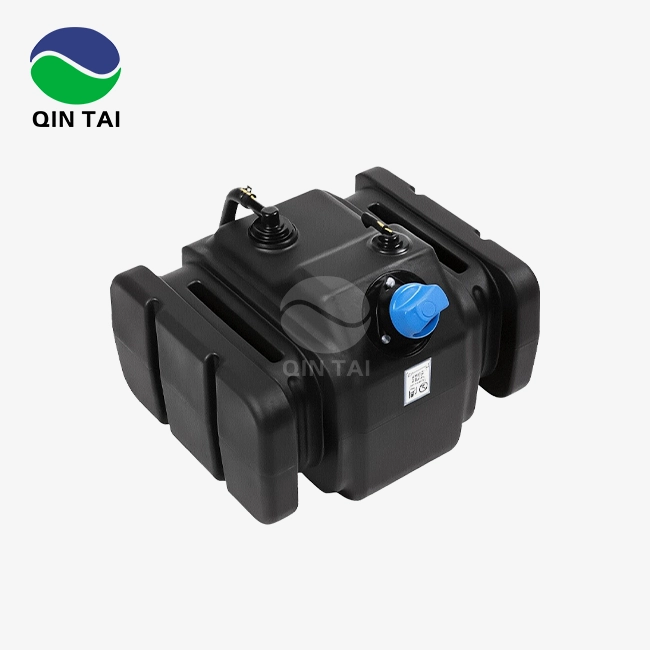
Yes. A lot of OEMs offer setups that mix EGR and SCR as ways to improve platforms that are already in use. Adding an SCR dosing system to an engine that already has EGR usually means adding a dose module, a catalyst, a DEF tank with level and temperature monitors, and a DCU that works with the engine. Before installation, it is important to make sure that the sensors will work with the existing ECU calibration.
What safety precautions apply when handling SCR dosing components?
DEF (AdBlue) is not poisonous, but it does break down some metals and rubber products slightly. Only store and move things that are compatible with DEF. To keep the diaphragm from getting damaged, the torque specs for installing urea pressure monitors should be followed to the letter. Before disconnecting fittings when replacing sensors, make sure the ignition is off and the system pressure is completely off.
What causes the P204B fault code in SCR systems?
P204B usually means that there is a problem with the urea pressure sensor circuit range or performance. This is usually because the signal is drifting because the sensor is old or the connecting pins are dirty. This type of failure happens much less often in sensors with gold-plated terminals.

Partner with Qintai for Reliable SCR Dosing System Solutions
Qintai has been making SCR dosing systems for a long time and has over twenty years of field-tested tech behind every part. It is the top OEM supplier in China for SCR sensors, and Weichai Power, Yuchai Power, and Quanchai Power all trust it. Qintai has IATF 16949, ISO 9001, CE, UL, and Ex certifications, and it has filed 58 invention patents. Our urea dose pressure sensors are built to last between 15,000 and 20,000 hours of use, and they can be fully customized for OEM and ODM orders. To get specs or a project quote, contact our expert team at info@qt-sensor.com or go to qt-sensor.com.
References
1. European Environment Agency — Heavy-Duty Vehicle Emissions and NOx Abatement Technologies, 2022
2. SAE International — Fuel Economy and Emission Trade-offs in EGR vs. SCR Calibration Strategies for Heavy-Duty Diesel Engines, 2021
3. U.S. Environmental Protection Agency — Clean Trucks Plan: Heavy-Duty Engine and Vehicle Standards, 2022
4. Johnson Matthey — SCR Catalyst Technology Review for Euro VI and Beyond, 2020
5. MTZ Worldwide (Motortechnische Zeitschrift) — Combined EGR and SCR Systems in Commercial Vehicle Diesel Engines, 2021
6. Transport & Environment — Real-World NOx Emissions from Euro VI Heavy-Duty Vehicles, 2023

Our customers’ satisfaction speaks for our quality — contact us to experience the same reliable service.