- English
- French
- German
- Portuguese
- Spanish
- Russian
- Japanese
- Korean
- Arabic
- Greek
- German
- Turkish
- Italian
- Danish
- Romanian
- Indonesian
- Czech
- Afrikaans
- Swedish
- Polish
- Basque
- Catalan
- Esperanto
- Hindi
- Lao
- Albanian
- Amharic
- Armenian
- Azerbaijani
- Belarusian
- Bengali
- Bosnian
- Bulgarian
- Cebuano
- Chichewa
- Corsican
- Croatian
- Dutch
- Estonian
- Filipino
- Finnish
- Frisian
- Galician
- Georgian
- Gujarati
- Haitian
- Hausa
- Hawaiian
- Hebrew
- Hmong
- Hungarian
- Icelandic
- Igbo
- Javanese
- Kannada
- Kazakh
- Khmer
- Kurdish
- Kyrgyz
- Latin
- Latvian
- Lithuanian
- Luxembou..
- Macedonian
- Malagasy
- Malay
- Malayalam
- Maltese
- Maori
- Marathi
- Mongolian
- Burmese
- Nepali
- Norwegian
- Pashto
- Persian
- Punjabi
- Serbian
- Sesotho
- Sinhala
- Slovak
- Slovenian
- Somali
- Samoan
- Scots Gaelic
- Shona
- Sindhi
- Sundanese
- Swahili
- Tajik
- Tamil
- Telugu
- Thai
- Ukrainian
- Urdu
- Uzbek
- Vietnamese
- Welsh
- Xhosa
- Yiddish
- Yoruba
- Zulu
Top AdBlue Dosing System Benefits for Diesel Equipment OEMs Now
If you're a diesel equipment OEM navigating tightening emission mandates, the adblue dosing system is no longer optional — it's mission-critical. These precision fluid delivery systems inject DEF (Diesel Exhaust Fluid) into the exhaust stream, enabling SCR catalysts to convert harmful NOx into harmless nitrogen and water vapor. According to the European Environment Agency, SCR-equipped vehicles reduce NOx emissions by up to 90%. Whether you manufacture heavy trucks, agricultural machinery, or generator sets, understanding what this technology delivers — and how to procure it smartly — directly impacts compliance, cost, and competitiveness.

Understanding How AdBlue Dosing Systems Work
The correct delivery of urea solution into the exhaust flow is a key part of modern diesel aftertreatment. There are five tightly connected parts that make up a well-designed AdBlue dosing system. These are the supply pump, the dose injector, the fluid tank with heating elements, the pressure monitor, and the electronic control unit (ECU). Each element has to work efficiently in temperatures range from -40°C to +85°C.
The Role of the Urea Filter in System Integrity
The urea filter is one part that is often overlooked. As the first line of defense, it grabs tiny crystals, particles, and other contaminants before they get to the dosing injector. Filters with a rating of 5 to 10 microns and made from synthetic media that meets ISO 22241 standards keep the catalyst from getting poisoned and the injector from getting clogged. Even the best dosing pump can break down early if it doesn't have a good filter. This is a must-have feature for OEMs building to Euro VI or EPA Tier 4 guidelines.
Pressure from regulators in the EU and the US has made SCR integration a must. EU's Euro 6d and the EPA's Heavy-Duty Engine Standards both require NOx reductions that EGR alone can't do. Adding a dependable DEF dosing assembly is now the most tested way to meet legal requirements on a large scale.
Top 5 Benefits of AdBlue Dosing Systems for Diesel OEMs
OEMs say that switching to or settling on a high-quality urea dosing platform leads to measurable improvements in a number of performance areas, particularly when integrating a reliable adblue dosing system into the vehicle architecture. These are the main benefits that purchasing managers and R&D engineers value the most:
- Regulatory compliance on a large scale: precise DEF injection reduces NOx by more than 85–90%, meeting China VI, Euro VI, and EPA Tier 4 standards without having to rebuild the engine. This keeps OEMs from having to pay a lot of money for recalls or certification problems during production checks.
- Improved fuel economy: engines run leaner combustion cycles when dose accuracy is improved. Southwest Research Institute studies show that well-tuned SCR systems can make vehicles 3–5% more fuel efficient than EGR-only systems. This directly lowers the costs of running a fleet.
- Reduced maintenance burden: because systems with strong filtration and heating cycles that protect against freezing have fewer injector failures and pump replacements. This means longer periods between service visits and fewer warranty claims, which is a key measure for OEM cost models.
- Platform scalability: A modular DEF delivery architecture lets the same core system be used across product lines, from 4-liter farm engines to 15-liter power generators. This lowers the engineering cost per unit and speeds up the launch of new platforms.
- Telematics and diagnostics integration: advanced dosing controls support CAN bus connection, which lets NOx sensors send feedback in real time, problem codes be sent out, and preventative maintenance alerts be sent out. This makes OEM products the leaders in fleet management technology ecosystems.
All of these benefits lower the total cost of ownership and make it easier for the OEM to follow the rules. This is a strong reason for buying teams that are under pressure to keep costs low to buy an approved AdBlue dosing system.

Comparing SCR Dosing System Options on the Market
Well-known global names like Bosch, Continental, and Denso offer DEF injection systems that are widely used by OEMs. Each has its own unique engineering strengths that make it good for a different type of application.
Because it works so well when it freezes, Bosch's DENOX 2.2 technology is widely used in big truck platforms in Europe. Adblue dosing system integration is a core function across these solutions, and dosing modules made by Continental are known for being small enough to fit into off-road vehicles. Denso's SCR systems are widely used by Japanese OEMs, especially on platforms for construction and farming equipment.
What to Look for When Evaluating Suppliers
Aside from name recognition, technical managers should also look closely at the skills of suppliers. With IATF 16949 certification, you can be sure that the production methods meet the exacting standards needed for dosing pump parts. Compliance with ISO 22241 makes sure that testing for fluid compatibility is part of validating a product. Suppliers that have CE, RoHS, and regional explosion-proof certifications (Ex) show that they are ready for a wide range of international deployments, such as in mining and power generation settings where high reliability is essential.
Maintenance, Troubleshooting, and Lifespan Optimization
A organized maintenance procedure is needed to keep an AdBlue dosing system working correctly for as long as it is in use. Some common ways that things break are injector crystals from leftover urea, pump cavitation from dirty fluid, and pressure sensor drift from vibration fatigue.
Practical Maintenance Checklist for OEM Service Teams
Adding the following tasks to regular service times greatly increases the system's lifespan:
- Replace the urea filter every 120,000 to 200,000 km, or more often in places with a lot of dust, like mines or construction sites.
- Use only ISO 22241-grade DEF fluid; substandard fluid introduces metallic ions that damage the SCR catalyst permanently.
- Inspect injector tip condition and purge lines after every major service to keep crystals from building up.
- Verify pressure sensor calibration against ECU reference values; a drifting sensor causes dosing inaccuracies that trigger NOx threshold violations.
When dashboard warning lights appear — particularly NOx sensor errors or engine derating events — technicians should run a full system diagnostic before replacing components. Adblue dosing system performance is often the first area to check in such cases. If you catch it early enough, a clogged urea filter or bad fluid quality can cause a lot of pump failures that don't seem to be happening.

Procurement Insights: Sourcing a Quality DEF Dosing Assembly
Smart buying starts with making sure the supplier is qualified, not with comparing prices. A cheap dosing module that doesn't go through multipass filtration testing (ISO 19438), burst pressure validation, or chemical compatibility verification will cost more in warranty fees over the life of the product than a certified alternative.
When purchasing managers look at possible SCR dosing system providers, they should ask to see proof of bubble point testing, IATF 16949 batch tracking records, and proof of OEM reference customers. Suppliers that can mass produce, have in-house R&D teams, and offer OEM/ODM services lower the risk in the supply chain. This is especially true for high-volume platforms that need to maintain quality across 10,000 or more units per year.
Long-term supply deals with qualified makers can also save you money through bulk discounts, consignment inventory arrangements, and shared engineering support. These are benefits that you don't usually get with transactional buying.
Conclusion
One of the best purchases a diesel equipment OEM can make right now is adding an approved, high-accuracy DEF dosing platform. Adblue dosing system integration is a critical part of that decision, as it meets regulatory needs, lowers lifecycle costs, lowers the risk of warranty claims, and encourages platform innovation.
The quality of your urea dosing design directly affects how well your product meets regulations and how competitive it is in the market, whether you're selecting systems for heavy trucks, farm equipment, or industrial generator sets. Not only look at the price, but also the number of certifications they have, their ability to produce in large quantities, and their track record with expert help.

FAQ
How often should the urea filter in a DEF dosing system be replaced?
Usually every 120,000 to 200,000 km when everything is running normally. For uses with a lot of dust, like building or mining equipment, replacement rounds need to be shorter to keep the pump from getting overworked and the dosing accurate.
Can an AdBlue dosing system be retrofitted to older diesel engines?
Retrofitting is technically possible, but the ECU needs to be re-calibrated, the exhaust pipe needs to be changed, and NOx sensors need to be installed. It works best on engines that were built with SCR features already built in. Talk to your system expert about doing platform-specific viability checks.
What happens if a low-quality urea filter is used?
Some low-quality filters may have glue that break down in urea solution, letting contaminants go straight into the dose pump and SCR catalyst. This could damage the catalyst permanently and cause the whole system to fail, which is a risk that is greater than any cost saves in the short term.
How does an SCR dosing system compare to EGR for NOx reduction?
With precise DEF injection, SCR reduces NOx by more than 85–90%, which is a lot better than EGR alone. It also doesn't hurt the fuel economy like recirculating exhaust gasses do, so it's the best way to meet Euro VI and EPA Tier 4 standards.
Partner With Qintai — Your Certified AdBlue Dosing System Manufacturer
Qintai has been supplying OEMs in more than 60 countries with SCR aftertreatment parts since 2001. They have certifications from IATF 16949, ISO 9001, CE, RoHS, and Ex. As the biggest AdBlue dosing system provider in China's OEM market — serving core partners like Weichai Power and Yuchai Power — Qintai offers OEM/ODM customization, mass production capacity, and dedicated technical support. Connect with our engineering team for a tailored product consultation. Reach us at info@qt-sensor.com or visit qt-sensor.com to explore our full SCR product portfolio.
References
1. European Environment Agency — Annual European Union Greenhouse Gas Inventory, 2023.
2. Southwest Research Institute — Fuel Economy Benefits of SCR-Based Aftertreatment Systems in Heavy-Duty Diesel Engines, 2021.
3. ISO — ISO 22241: Diesel Engines — NOx Reduction Agent AUS 32, 2019.
4. U.S. Environmental Protection Agency — Heavy-Duty Engine and Vehicle Standards, 2022.
5. SAE International — Technical Paper: SCR System Dosing Accuracy and NOx Conversion Efficiency, 2020.
6. Diesel Technology Forum — The Role of Selective Catalytic Reduction in Meeting Modern Emission Standards, 2022.
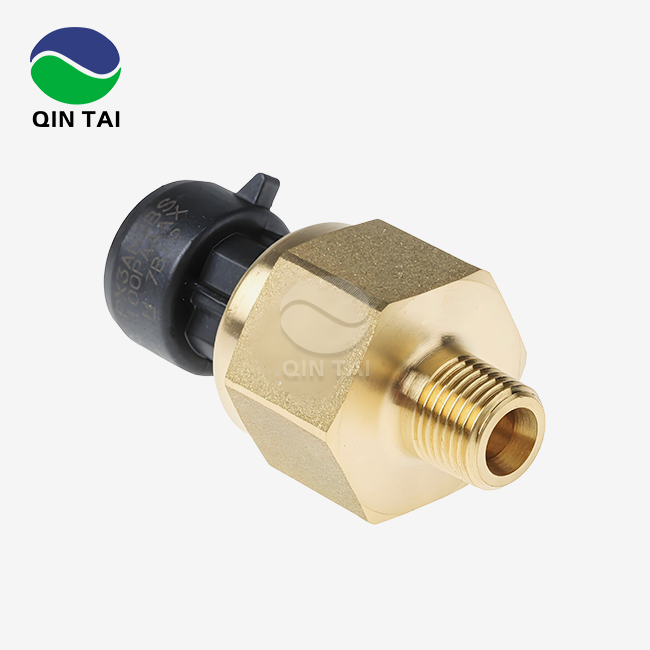
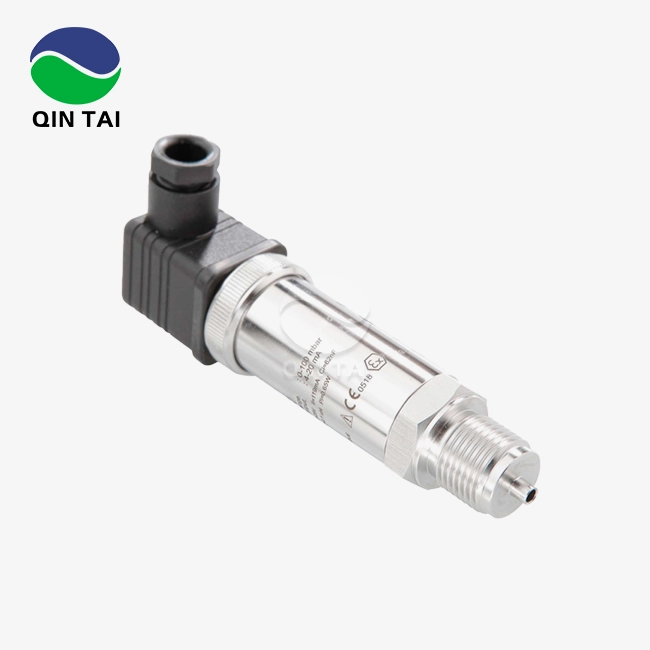

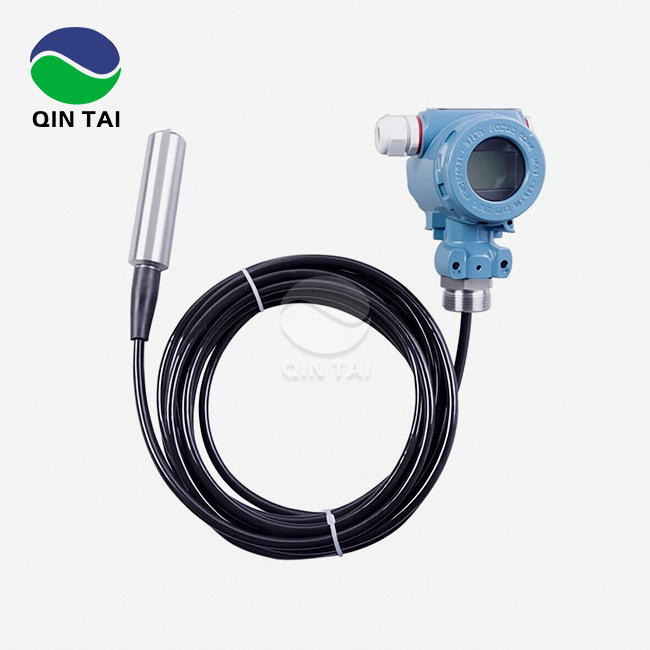

Our customers’ satisfaction speaks for our quality — contact us to experience the same reliable service.