- English
- French
- German
- Portuguese
- Spanish
- Russian
- Japanese
- Korean
- Arabic
- Greek
- German
- Turkish
- Italian
- Danish
- Romanian
- Indonesian
- Czech
- Afrikaans
- Swedish
- Polish
- Basque
- Catalan
- Esperanto
- Hindi
- Lao
- Albanian
- Amharic
- Armenian
- Azerbaijani
- Belarusian
- Bengali
- Bosnian
- Bulgarian
- Cebuano
- Chichewa
- Corsican
- Croatian
- Dutch
- Estonian
- Filipino
- Finnish
- Frisian
- Galician
- Georgian
- Gujarati
- Haitian
- Hausa
- Hawaiian
- Hebrew
- Hmong
- Hungarian
- Icelandic
- Igbo
- Javanese
- Kannada
- Kazakh
- Khmer
- Kurdish
- Kyrgyz
- Latin
- Latvian
- Lithuanian
- Luxembou..
- Macedonian
- Malagasy
- Malay
- Malayalam
- Maltese
- Maori
- Marathi
- Mongolian
- Burmese
- Nepali
- Norwegian
- Pashto
- Persian
- Punjabi
- Serbian
- Sesotho
- Sinhala
- Slovak
- Slovenian
- Somali
- Samoan
- Scots Gaelic
- Shona
- Sindhi
- Sundanese
- Swahili
- Tajik
- Tamil
- Telugu
- Thai
- Ukrainian
- Urdu
- Uzbek
- Vietnamese
- Welsh
- Xhosa
- Yiddish
- Yoruba
- Zulu
Urea Pressure Sensor vs. Pressure Switch: Key OEM Differences
When selecting components for SCR aftertreatment systems, understanding the distinction between a urea pressure sensor and a pressure switch is vital for OEMs. A urea pressure sensor continuously monitors and reports pressure levels within the AdBlue dosing system, providing real-time analog or digital output to the engine control unit (ECU). This enables precise regulation of urea injection, optimizing NOx reduction and ensuring compliance with stringent emissions standards such as EPA Tier 4 Final and Euro VI [1]. Conversely, a pressure switch functions as a binary device, triggering an on/off response when pressure crosses a predefined threshold. While switches serve as protective alarms or system interlocks, they lack the granular data necessary for dynamic dosing control. Choosing the appropriate device directly impacts system reliability, emissions performance, and long-term operational costs.

Understanding Urea Pressure Sensors and Pressure Switches
SCR technology is needed for modern diesel engines to meet ever stricter pollution rules. Diesel waste Fluid (DEF), also known as AdBlue, needs to be put into the waste stream correctly for SCR to work. Keeping an eye on the pressure in the dosing system makes sure that the right amount and flow rate of fluid get to the injector tip, which has a direct effect on how well NOx is converted.
What is a Urea Pressure Sensor?
A urea pressure sensor is a precise tool that is built into the SCR dose module. It sends information to the dosing control unit, or ECU, about the hydraulic pressure of the urea solution. This loop of constant feedback lets the system change the injection parameters on the fly, in response to changes in engine loads, temperatures, and working conditions. The sensor sends out an analogue voltage signal that is usually between 0.5V and 4.5V. This voltage signal corresponds to pressure readings within a certain range [2]. Digital communication protocols like LIN or CAN may be used in more advanced models to improve diagnostics and make them work with onboard monitoring systems.
What is a Pressure Switch?
The basic idea behind a pressure switch is very different. Instead of measuring all the time, it turns an electrical circuit on or off when the pressure hits a certain setpoint. Because they have a binary output, pressure switches can be used in situations that need simple alarm features or system interlocks. In urea dose systems, a switch might show low pressure, which could mean the pump is broken or the fluid is running low. This could cause a warning light to come on or the system to shut down to protect the parts. However, the fact that it doesn't have real-time data makes it less useful in situations where exact dosing control is needed.
Core Differences Between Sensors and Switches
The main difference is in the output properties and the range of applications that can be used. Pressure monitors send out constant, proportional signals that let complex control systems work and allow for diagnostic tracking. This ability is necessary to meet pollution standards and keep the SCR working at its best. Pressure switches are easier to use and often cheaper, but they only send alerts when certain levels are reached and can't handle the complex control that modern diesel engines need. OEMs need to look at their system architecture, performance needs, and regulatory requirements to figure out which device or combination of devices will work best for their application [3].
Critical Decision Criteria for OEMs – How to Choose Between a Urea Pressure Sensor and a Pressure Switch?
A structured analysis of scientific, regulatory, and economic factors is needed to choose the right pressure tracking option. Procurement managers and R&D engineers need to make sure that the requirements for each part are in line with the needs of operations and the company's long-term goals.
Regulatory Compliance and Operational Requirements
Emissions standards must be followed at all times. EPA rules and Euro VI directives require precise NOx reduction, which depends on using the right amount of urea. A urea pressure sensor gives the constant input needed to keep dosing accurate even when the engine conditions change. This keeps emissions below the legal limit. Because they don't have proportional output, pressure switches can't provide the precise control needed for compliance in most modern applications. OEMs that want to sell their products in places with strict environmental rules should focus on sensors that can meet these needs.
Accuracy, Sensitivity, and Durability
Dosing precision and emissions performance are directly affected by accuracy. Most high-quality pressure monitors have an accuracy rate of ±0.5% across their measurement range. This means they work reliably and there is less chance of breaking the law. Being sensitive to small changes in pressure lets you find problems with the system early, like leaks, blocks, or worn-out pumps. Durability is also very important.
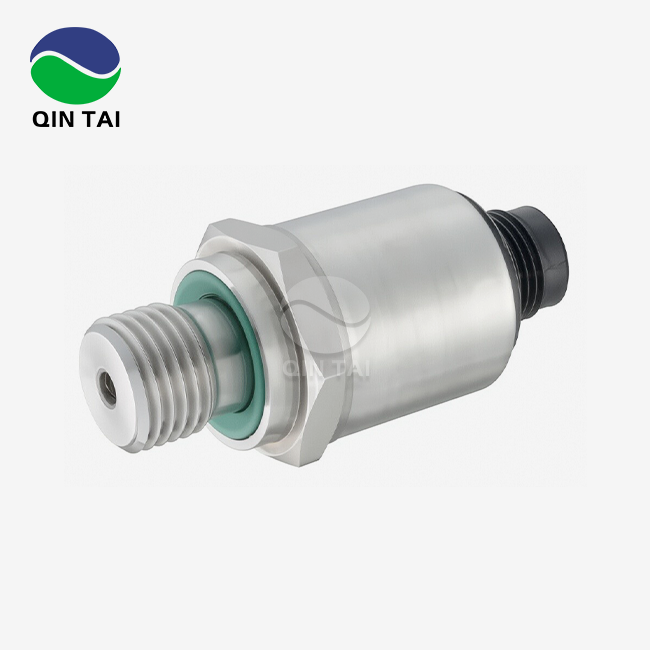
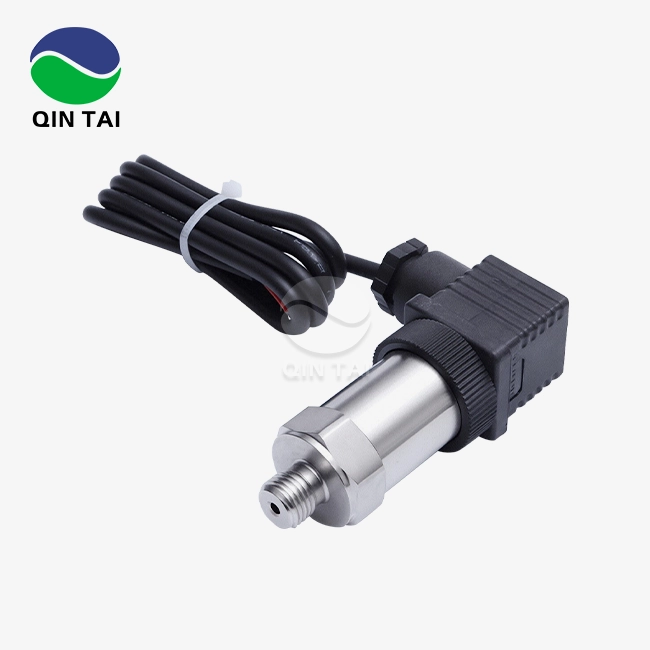
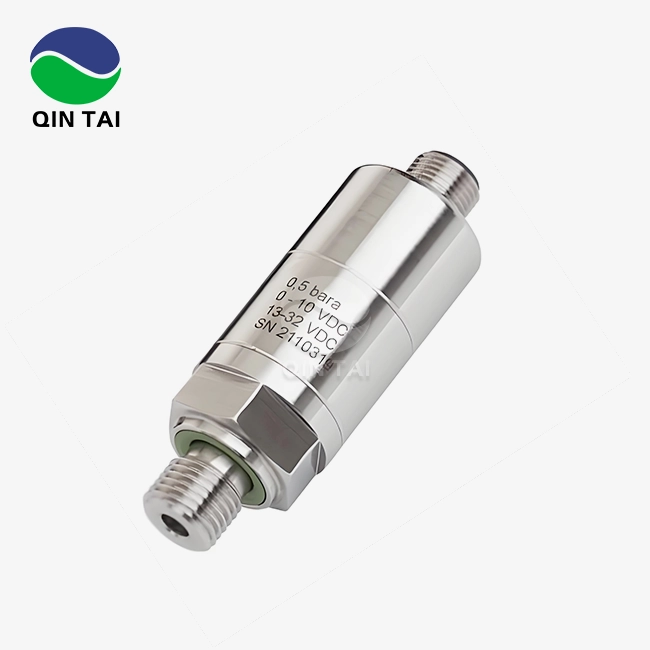
Sensors must be able to handle chemicals like urea, changes in temperature, vibrations, and pollution from the environment without losing their signals or drifting. The Xi'an Qintai QS-P226 model is a great example of these traits. It can measure pressures from -14 psi to +130.5 psi and stay accurate within ±0.5% even in tough situations. Its self-designed sensor core ensures constant performance, and its strong design stops urea crystallisation and heat stress.
Compatibility with SCR and ECU Systems
It is very important that the new control architectures work with the old ones. The sensor has to send signals that are compatible with the ECU's input requirements. These requirements could be based on analogue voltage, frequency, or digital communication methods. Signal types that don't match up can make installation harder, cost more to do, and cause product launches to be delayed. OEMs gain when providers offer interfaces and settings that can be changed. This makes integration easier and speeds up time-to-market. Qintai's OEM and ODM services allow for flexible customisation, which makes sure that sensor outputs match the needs of each ECU and system design.
Total Cost of Ownership and Maintenance Needs
The initial buy price is only one part of the total cost. Long-term costs are affected by things like how often something needs to be fixed, how long the warranty lasts, and how easy it is to get a new one. Pressure sensors that have been shown to last a long time and have low failure rates cut down on unexpected downtime and warranty claims, which increases total profits. The QS-P226 comes with a 12-month guarantee and has been tested 100% of the time, which gives you even more confidence in its quality and dependability. When figuring out the total cost of ownership, procurement teams should look at how reliable a supplier is, how quickly they can help with problems after the sale, and how well they can handle logistics.

Installation, Troubleshooting, and Performance Optimization
When sensors are installed and maintained correctly, they last longer and work better. OEM engineers and service teams can keep things running smoothly if they know about common problems and how to fix them.
Installation Best Practices
The right positioning and placement of the urea pressure sensor are very important. It is recommended to put the sensor somewhere in the dosing system where the pressure readings accurately show how the system is working. This is usually close to the dosing pump or injector feed line. Make sure that threaded connections are properly sealed to keep leaks and dirt out. Electrical connections need to be safe, and the ends need to be kept away from water and rust. Gold-plated connectors are better at resisting damage from the environment. To keep electromagnetic interference to a minimum, don't run sensor wires near high-voltage starting parts. During installation, make sure that the angle of the sensor fits what the maker says it should be so that you don't get wrong results or put too much stress on the internal parts.
Troubleshooting Common Issues
Inconsistent signals are often a sign of a problem with the sensor or a mistake in the installation. If the ECU gives you a P204B trouble code, which means there is a problem with the range or performance of the pressure sensor circuit, check the electrical connections for rust or looseness. Signal drift can happen when sensors get old, dirty, or exposed to too much vibration.
If the pressure number stays the same no matter how the system is working, it means that either the sensor is broken or there is a blockage in the measuring port. To get rid of crystallised urea deposits, flush the system and make sure that the design of the sensors leaves as few empty spaces as possible so that urea doesn't get stuck. By comparing the calibration to known pressure standards on a regular basis, drift can be found before it affects the emissions performance.
Performance Optimization and Preventive Maintenance
Regular care keeps sensors accurate and extends their life. Plan regular checks to look for urea leaks, corroded connectors, and damaged cables. Be careful not to damage the sensor elements as you clean the sensing holes to get rid of the crystallised deposits. Keep an eye on the ECU diagnostic data for early warning signs like signal noise or faults that happen from time to time. Using digital monitoring technologies lets you do predictive maintenance, which finds problems before they cause the system to shut down. By calibrating the sensor at regular intervals, you can be sure that it will always meet the accuracy standards. This helps with controlling emissions and following the rules.
Market Insights and Trends for Urea Pressure Sensors
The market for pressure tracking parts is changing quickly because of changes in regulations, new technologies, and the way the supply chain works. OEMs need to stay up-to-date in order to make smart decisions about procurement.
Shift from Analog to Smart Digital Sensors
Digital pressure sensors with built-in diagnostic tools and transmission methods are becoming more popular in the business. These smart monitors not only give information about pressure, but they can also diagnose themselves. This lets maintenance be planned ahead of time and cuts down on unexpected downtime. Digital interfaces make it easier to connect to complex ECU systems and allow for remote tracking, which fits with the larger trend toward connected car technologies and fleet management that uses the Internet of Things.
Demand for Customization and Precision
As rules about emissions get stricter around the world, original equipment manufacturers (OEMs) need urea pressure sensor that are more accurate and can be customised to work with particular engine systems and situations. Most off-the-shelf parts don't have the flexibility that is needed for the best performance. Companies like Qintai that offer OEM and ODM services let makers choose their own pressure ranges, output signals, connector types, and environmental grades. This customisation helps you stand out in competitive markets and makes sure you meet different regional standards [4].
Supply Chain Dynamics and Sourcing Strategies
Problems in the global supply chain have shown how important it is for suppliers to be reliable and flexible. OEMs are looking for partners that can help them with both large-scale production and custom orders that need to be delivered quickly. Suppliers that do their own research and development (R&D) and production can adapt to changes in designs more quickly and maintain quality. With partnerships like Weichai Power and Yuchai Power, Qintai is the biggest OEM supplier in China. This shows that it can handle large-scale production while still meeting ISO9001 and IATF16949 quality standards [5].
Brand and Supplier Benchmarking for

To properly evaluate possible suppliers, you need to know a lot about their skills, products, and name in the market. While well-known global names like Honeywell, Bosch, Denso, and Sensata are good options, new providers with specialised knowledge and reasonable prices are also good options.
Global Brand Comparison
Established brands use their decades of experience with automotive sensors and large distribution networks to their advantage. A lot of people trust their goods, which are backed up by detailed technical documents and global networks for customer service after the sale. But custom orders can be hard for OEMs that want to save money because they cost more and take longer to ship. New suppliers like Qintai offer good prices and strong technical skills. They have 58 invention patents and certifications from ISO9001, IATF16949, UL, CE, REACH, and RoHS, among others. Their independent research and development teams are always coming up with new ways to make things work better and be more reliable. They also offer more customisation options than well-known competitors.
Performance, Pricing, and After-Sales Support
Performance standards include things like accuracy, measurement range, temperature range, and resistance to the environment. When setting prices, it's important to think about the total cost of ownership, which includes things like guarantee coverage, failure rates, and how to get a replacement. How quickly after-sales help is provided has a big effect on how well production keeps going. Suppliers with dedicated expert teams and regional service centers cut down on downtime during troubleshooting. Qintai is dedicated to quality control, as shown by their 12-month warranty and 100% product testing. They ship to more than 60 countries, which shows that they can handle logistics and are ready to help foreign OEMs.
Industry Case Studies and Testimonials
When a seller has successful relationships with major diesel engine makers, it shows that they can be trusted. Qintai is the main source for China's top engine makers, which shows that they can meet strict OEM standards on a large scale. Their goods are sold in South America, Europe, and the Middle East, showing that they can react to different regulatory settings and application needs. Using sellers with a history of success in similar projects lowers risk and speeds up time-to-market, which is good for procurement managers.

Conclusion
Whether to use a urea pressure sensor or a pressure switch depends on the needs of the system, the rules that need to be followed, and the expected level of performance. Sensors give modern SCR systems the accurate, real-time data they need to meet emissions standards and work at their best. Switches are useful for simple warning or interlock functions, but they can't handle the complex control methods that modern diesel engines need. OEMs have to choose pressure tracking parts by looking at how accurate they are, how well they work with other parts, how long they last, and the total cost of ownership. Long-term success in the competitive global markets depends on working with dependable suppliers who offer customisation, technical support, and quality assurance that has been proven.
FAQ
Q1: What is the primary functional difference between a urea pressure sensor and a pressure switch?
A: A urea pressure sensor checks and sends pressure levels all the time, giving the ECU real-time analogue or digital output for accurate dose control. When pressure goes over a certain level, a pressure switch turns on or off an electrical circuit. It works as a binary warning or interlock device without proportional input [6].
Q2: How does sensor accuracy impact emissions control effectiveness?
A: The accuracy of the sensor has a direct effect on how precisely the urea is dosed. More accuracy makes sure that the right amount of AdBlue is injected to get the best NOx reduction. If the sensors aren't working right, the wrong amount of fluid could be added, which could cause pollution violations or waste and damage to SCR parts. As with the QS-P226, keeping an accuracy of ±0.5% helps with pollution compliance and running costs.
Q3: Can OEMs purchase customized sensors tailored to specific requirements?
A: A lot of suppliers offer OEM and ODM services, which let you change the pressure ranges, output signals, connectors, and environmental ratings to fit your needs. Qintai allows for fluid product customisation from the planning stage to mass production. This makes sure that sensors meet the specific needs of each application and work well with current control systems. This adaptability is very helpful for OEMs that are trying to reach narrow markets or do specific tasks.
Partner with a Trusted Urea Pressure Sensor Manufacturer
Qintai Automotive Emission Technology Co., Ltd. is ready to help you with your SCR system needs by providing custom-engineered options for measuring pressure. We are China's top OEM supplier and have been in business for more than twenty years. We have advanced research and development skills and know how to make a lot of things. Our QS-P226 urea pressure sensor is very accurate, lasts a long time, and works with a lot of different devices. It comes with full certifications and a 12-month guarantee. Contact our team at info@qt-sensor.com to talk about custom solutions, get detailed datasheets, or get prices on a lot of items for your next project.
References
1. U.S. Environmental Protection Agency. (2020). Diesel Exhaust Fluid and SCR Technology.
2. SAE International. (2019). Pressure Sensors for Heavy-Duty Applications - J1939 Standards.
3. European Automobile Manufacturers Association. (2021). Euro VI Emissions Standards Compliance Guide.
4. Diesel Technology Forum. (2022). Advanced Sensor Technologies in SCR Systems.
5. International Organization for Standardization. (2018). ISO 9001 and IATF 16949 Quality Management in Automotive.
6. Automotive Engineering International. (2021). Pressure Monitoring in Diesel Aftertreatment Systems.

Our customers’ satisfaction speaks for our quality — contact us to experience the same reliable service.