- English
- French
- German
- Portuguese
- Spanish
- Russian
- Japanese
- Korean
- Arabic
- Greek
- German
- Turkish
- Italian
- Danish
- Romanian
- Indonesian
- Czech
- Afrikaans
- Swedish
- Polish
- Basque
- Catalan
- Esperanto
- Hindi
- Lao
- Albanian
- Amharic
- Armenian
- Azerbaijani
- Belarusian
- Bengali
- Bosnian
- Bulgarian
- Cebuano
- Chichewa
- Corsican
- Croatian
- Dutch
- Estonian
- Filipino
- Finnish
- Frisian
- Galician
- Georgian
- Gujarati
- Haitian
- Hausa
- Hawaiian
- Hebrew
- Hmong
- Hungarian
- Icelandic
- Igbo
- Javanese
- Kannada
- Kazakh
- Khmer
- Kurdish
- Kyrgyz
- Latin
- Latvian
- Lithuanian
- Luxembou..
- Macedonian
- Malagasy
- Malay
- Malayalam
- Maltese
- Maori
- Marathi
- Mongolian
- Burmese
- Nepali
- Norwegian
- Pashto
- Persian
- Punjabi
- Serbian
- Sesotho
- Sinhala
- Slovak
- Slovenian
- Somali
- Samoan
- Scots Gaelic
- Shona
- Sindhi
- Sundanese
- Swahili
- Tajik
- Tamil
- Telugu
- Thai
- Ukrainian
- Urdu
- Uzbek
- Vietnamese
- Welsh
- Xhosa
- Yiddish
- Yoruba
- Zulu
What Are Advantages of Customized Urea Dosing Solutions?


Customized urea dosing solutions represent a strategic approach to emission control that addresses specific operational needs through precision-engineered SCR (Selective Catalytic Reduction) systems. Unlike generic alternatives, a tailored Urea Dosing System delivers measurable improvements in NOx reduction accuracy, system durability, and lifecycle cost-effectiveness. These solutions adapt injection parameters, sensor compatibility, and control electronics to match exact engine profiles, regulatory requirements, and fleet operating conditions. By optimizing urea consumption and minimizing crystallization risks, customized systems ensure consistent compliance with Euro VI, EPA Tier 4 Final, and China VI standards while reducing maintenance burdens and preventing costly limp-mode incidents in heavy-duty diesel applications.
Understanding Customized Urea Dosing Solutions
The Fundamental Role of Urea Dosing in SCR Technology
To meet strict NOx pollution limits, diesel engines need to be treated with specific chemicals. Diesel Exhaust Fluid (DEF/AdBlue) is added by Urea Dosing Systems to exhaust streams. It breaks down into ammonia and mixes with nitrogen fumes in the catalytic converter. When set up correctly, this process can reduce NOx levels by more than 90%. Accurate dosing pressure, temperature tracking, and real-time data from sensors built into the Dosing Control Unit (DCU) are what make it work. When these parts work together, the system keeps the right amount of ammonia to NOx. This stops both under-dosing, which can cause emission problems, and over-dosing, which can cause ammonia to slip and catalyst degradation.
Key Components and Their Customization Potential
These days, SCR systems have control electronics, urea pumps, dosing pressure sensors, and temperature monitors. The first step in customisation is choosing the right materials. Corrosion-resistant alloys and coatings that can handle 32.5% urea and temperature changes from -40°C to +125°C should be used. Control algorithms can be changed to fit different engine maps. They can change the timing and amount of injections based on the load, the temperature outside, and the flow rate of the exhaust.
It's possible that sensor interfaces need to be changed to work with certain ECU communication protocols, like digital SENT outputs or analogue voltage signals (0.5V to 4.5V). Threading standards (M10x1, M12x1.5) and mounting arrangements can be changed to fit current exhaust housings or new OEM designs. This gets rid of the problems with compatibility that come with off-the-shelf options.
Distinctions Between Standard and Tailored Solutions
Generic Urea Dosing Systems are made to meet universal standards that put compatibility over accuracy. They aren't always calibrated for the harshest conditions, which can cause lines to freeze in cold places or pressure changes at high altitudes. After 10,000 hours of use, standard sensors may lose their signal, which can cause trouble codes like P204B to appear and stop operations.
Application-specific engineering is used in tailored solutions to fix these problems. A special system for mine equipment that works in places with a lot of dust and constant vibration includes stronger housings and more advanced filtering. Marine diesel uses benefit from better security against rust in salty environments. Simplified troubleshooting connections for construction equipment make it easier for technicians to do their jobs and speed up fixes in the field.
Core Advantages of Customized Urea Dosing Systems
Enhanced NOx Reduction Efficiency and Regulatory Compliance
Precision dose is one of the main benefits of customised systems. These solutions get 5-8% higher NOx conversion rates than general ones because they adjust pumping patterns to match the exact way an engine burns fuel. The Urea Dosing System has closed-loop input that finds blockages, air leaks, and worn-out pumps before they cause compliance problems. This real-time tracking stops the NOx emissions spikes that happen when the load changes, which is a regular problem for commercial car operators. Fleet managers say that customised systems that take into account differences in AdBlue purity and atmospheric conditions in different areas lead to fewer DEF quality alerts and longer catalyst lifetimes.
Durability Improvements Through Material Engineering
For customised systems, special materials are used that can handle urea's corrosive properties and tendency to crystallise. Internal sensing chambers have strategies for minimising dead volume and smooth flow paths that keep DEF from building up on diaphragms and injection nozzles when it is not moving. Standard plugs are replaced with gold-plated connections, which stop the pin corrosion that causes electrical problems to happen from time to time.
When AdBlue freezes, it expands by 9%, so housing designs include flexible buffering structures that can handle this. This keeps parts from cracking during cold-soak conditions. These improvements in engineering make the service life longer, from the standard 15,000 hours in the industry to over 20,000 hours in demanding applications. This lowers the cost of replacements and unplanned downtime.
Lifecycle Cost-Effectiveness and ROI Justification
When you look at the total cost of ownership, it's easy to see why customised options are a good investment. Initial investment prices of 15% to 25% are cancelled out by many savings lines that happen over the life of the system. When business teams optimise their urea use, the cost of buying DEF goes down by 8–12% per year. Less frequent maintenance cuts down on labour costs and budgets for replacing parts.
Avoiding penalties linked to emissions protects running permits and stops costly retrofit requirements. The biggest savings come from avoiding downtime. Each limp-mode incident costs commercial operators between 800 and 2,000 USD in lost work time, tow costs, and emergency repairs. Customised systems with predictive readings can find parts that are breaking down before they fail. This lets repair be planned ahead of time, which keeps operations running as smoothly as possible.
Integration Flexibility Across Diverse Applications
Customised Urea Dosing Systems work well in a range of installation settings. OEM makers put them in during production by using special mounting brackets and control settings that have already been set up and tested. This makes the assembly line process easier. Retrofit projects are helped by modular designs that can be used with existing exhaust systems and don't need a lot of fabrication. The systems work with a wide range of power sources, from 75 kW farm engines to 600 kW generator sets.
They keep doses accurate by letting you change the pump outputs and sensor ranges. Customising the interface makes it compatible with specific telematics platforms. This lets fleet managers keep an eye on DEF usage, system health, and planned maintenance intervals through unified dashboards that combine data on emission control with metrics for fuel economy and route optimisation.

Comparison Between Standard and Customized Urea Dosing Systems
Limitations of Generic Design Approaches
Standard Urea Dosing Systems have problems because they are based on the idea that one size fits all. Universal calibrations lower performance across the working range, leading to less-than-ideal NOx reduction during cold starts and short bursts of acceleration. Generic sensors don't have temperature compensation algorithms that take into account how DEF's viscosity changes as the environment changes. This leads to dosing errors that build up over duty cycles.
When techs run into problems with compatibility between extra parts and original equipment, it makes maintenance even harder because it takes longer to figure out what's wrong and needs more parts. Generic systems also have trouble with new emission rules because they can't be changed to meet the higher standards without having to be completely replaced.
Engineering Superiority of Customized Components
Customised solutions use complex control methods that change injection parameters all the time based on information from many sensors, such as exhaust temperature, flow rate, NOx concentration, and ammonia slip. This closed-loop accuracy keeps the best conversion efficiency even when loads and weather factors change. Accelerated durability testing shows material improvements. Thermal shock cycles (500+ repeats between -40°C and +125°C) and overpressure testing (3x to 5x working pressure) confirm structural integrity that stops fails in the field.
According to ISO 22241 standards, helium leak testing makes sure that the seal is airtight and can withstand urea soaking tests for more than 3,000 hours. These quality control measures, which are in line with the requirements for IATF 16949 certification, provide a level of dependability that generic manufacturers can't match at normal prices.
Measurable Performance Improvements in Fleet Operations
When a regional transport company with 180 heavy-duty trucks switched from normal to customised dosing systems, they saw real benefits. On average, NOx emissions went down by 7.2%, and they went down by as much as 11% during urban transportation rounds with a lot of stops and starts. The effectiveness of using DEF went up by 9%, which saved the fleet more than $45,000 a year. Maintenance-related downtime went down by 34%, and 12 limp-mode events that used to cost an average of $1,800 in lost income and repair costs were taken care of. The number of sensor fault codes went down by 68%, which cut down on diagnostic work and made drivers happier. These results show that engineering improvements made through customisation can be measured in terms of operational and financial performance.
Procurement Considerations for Customized Urea Dosing Systems
Evaluating Supplier Credentials and Technical Capabilities
A careful evaluation of the seller is the first step to successful Urea Dosing System procurement. Check for certifications like ISO9001 quality management, IATF16949 car standards, and approvals for your area (CE, UL, Ex for hazardous settings). Check out the manufacturers' intellectual property portfolios. Companies that have a lot of patents usually show that they are truly innovative rather than just copying other people's designs. Ask for specific technical information that includes the working ranges, failure modes, and ways to diagnose problems.
Check the amount of money spent on research and development (R&D) and the qualifications of the engineering team. Look for suppliers with specialist application experts who know the needs of your business. Stable suppliers are important. Manufacturers that have been around for 15 years or more and have a lot of experience making SCR components can offer long-term support and parts supply that new companies can't promise.
Critical Decision Factors for System Selection
Different providers offer a wide range of customisation options. Check to see how easily they can change the sensor ranges, output signals, and mechanical connections to fit your needs. Scalability tells you if the supplier can handle small amounts of prototypes during the proof phase and then increase production numbers without lowering quality. Ask for case studies from similar applications, paying special attention to how they improved performance and kept customers.
When you look at cost-effectiveness, you need to look at more than just the unit price. You also need to look at integration support, testing services, and guarantee coverage. The total cost of ownership should take into account how hard it is to install, how much training is needed, how much extra parts cost, and how often they are expected to be serviced over a 10-year period.
Price Drivers and ROI Estimation Methods
The level of customisation has a direct effect on the price. Simple changes to the interface, like changing the thread size or type of connection, can add 8–15% to the base cost. However, developing a full tuning system for each engine model can add 30–40% to the investment. Order number affects unit costs; sellers usually offer discounts of 12–18% for orders over 500 units per year. Integration services, such as on-site installation help, ECU setting, and fleet-wide calibration, add 10 to 25 percent to the project cost, but they speed up rollout and make engineering tasks easier for internal teams. ROI times are usually between 18 and 36 months, but they depend on things like fuel prices, the risk of an emission penalty, and the baseline cost of maintenance. Sensitivity analysis for key factors like yearly mileage, DEF usage rates, and regulatory compliance trajectories should be part of detailed financial modelling.
Sourcing Strategies and Quality Assurance Protocols
Cost savings from global buying have to be weighed against risks in the supply chain and the need to ensure quality stability. The best manufacturers in China, Europe, and North America all offer different value propositions. Chinese suppliers offer low-cost solutions with more advanced technical capabilities, European manufacturers focus on precise engineering and regulatory knowledge, and North American companies are great at application support and rapid prototyping.
Before placing a large order, ask for a sample to be tested so that you can make sure it works in your real working circumstances. Incoming quality checks should include checking the measurements, trying for pressure bursts, and making sure the electricity stays connected. Set clear warranty terms that cover when to repair parts, who is responsible for failure analysis, and how much you will be responsible for fines related to emissions caused by defective parts.
Future Outlook and Trends in Customized Urea Dosing Solutions
Emerging Technology Integration and Smart System Capabilities
The next version of Urea Dosing Systems uses advanced sensor technologies and AI to make them more accurate and efficient. Pressure and temperature aren't the only things that multi-parameter sensors now check. They also check the purity of DEF, the concentration of ammonia slip, and indicators of catalyst degradation. AI-powered control systems learn from how they're used and keep improving dosing algorithms to get the best NOx conversion efficiency while using the least amount of DEF.
Integration with telematics platforms makes online testing possible, which lets fleet managers keep an eye on the health of systems in assets that are spread out in different parts of the world. Predictive maintenance algorithms look at patterns in sensor data to guess when parts will break 200 to 500 hours ahead of time. This lets service schedules be planned ahead of time, which stops breakdowns during important operations.
Regulatory Evolution Driving Customization Demand
Emission standards are getting stricter around the world. For example, Euro 7 plans would set stricter limits on NOx emissions, and real-world driving emissions standards would show where general systems are weak. As China's use of National VI standards grows, there is a need for options that have been tested in a range of fuel quality circumstances.
India's move to Bharat Stage VI rules calls for customised systems that can work in high temperatures and a wide range of repair facilities. These regulatory pressures favour suppliers that can change quickly and provide a lot of compliance paperwork. Customised systems can adapt to new needs by using software changes and improvements for modular parts. This protects capital investments from becoming obsolete, which can happen with standard options.
Sustainability Benefits and Corporate Responsibility Alignment
Optimised urea dosing has environmental benefits that go beyond following the rules. Precise DEF injection lowers ammonia emissions that cause particulate matter to form, which makes the air quality in cities better. Having less toxic trash helps circular economy efforts and lowers the need to handle dangerous materials. Less exhaust backpressure and fewer regeneration events lead to higher energy efficiency, which means less fuel use and carbon dioxide emissions. These improvements to sustainability are in line with the growing value that customers, investors, and regulatory bodies place on companies that are responsible. Companies that use customised dosing systems write about these environmental benefits in sustainability reports. This helps the brand's reputation and could help them get green financing programs and buy more from clients who care about the environment.

Conclusion
Urea Dosing Systems offer strong benefits over generic alternatives in terms of emission performance, operational dependability, and lifetime costs. These systems get better NOx reduction, longer component life, and measurable cost saves that make up for higher initial investment costs through precise engineering tailored to specific uses. The strategic value goes beyond the instant operational benefits; it allows for flexibility in response to changing laws and seamless integration with new smart fleet technologies. As global standards for emissions get stricter and expectations for sustainability rise, customised solutions become more valuable in the market. If procurement teams want to ensure long-term excellence in emission control, they should focus on providers that offer full customisation options, strong expert support, and a track record of performance in a wide range of working environments.
FAQ
How do customized systems prevent urea crystallization issues?
Customised designs include strategies for reducing dead volume in sensing tanks and smooth internal flow lines that get rid of areas where DEF builds up and crystallises. The Urea Dosing System features heating parts and anti-fouling layers that keep the working temperature above the point where crystallisation starts to happen. Advanced purge algorithms remove any leftover urea from injectors during shutdown processes. This stops deposits from forming during thermal cycles.
What maintenance advantages do customized systems provide?
Materials that last a long time and diagnostics that can predict problems lead to longer service intervals. Gold-plated connections don't rust, which is what makes normal connectors break sometimes. Real-time monitoring of pressure finds worn-out pumps and clogged filters before they cause limp-mode events. Simplified diagnostic interfaces cut down on the time and effort needed to train technicians and speed up the troubleshooting process. Maintenance usually lasts for 20,000 operating hours, while only 15,000 hours for generic systems.
Can customized dosing systems integrate with existing fleet management platforms?
Today's custom-made solutions come with a variety of communication protocols that work with CAN bus, J1939, and other types of telematics systems. Customisation includes formatting data so that it works with existing dashboards. This lets fleet managers keep an eye on DEF usage, system health alerts, and planned repair plans all at once, along with measures for fuel economy and route optimisation that they already track.
Partner with Qintai for Precision-Engineered Urea Dosing System Solutions
For more than 20 years, Xi'an Qintai Automotive Emission Technology has been providing unique SCR solutions to Weichai Power, Yuchai Power, and Quanchai Power. They are also China's top OEM provider to these companies. Our IATF16949-certified manufacturing methods guarantee uniform quality across all production levels, from small prototypes to large-scale deployment. This is made possible by 58 invention patents that cover important technologies for dosing and sensing. We can customise everything about heavy trucks, construction equipment, agricultural machinery, and generator sets, from sensor interfaces and control calibrations to mechanical configurations.
Qintai has a global reach that includes more than 60 countries. Their products have been used in difficult situations, such as business fleets in North America and emission compliance in Europe. Email our engineering team at info@qt-sensor.com to talk about your unique needs and get a personalised technical advice. As a reputable Urea Dosing System manufacturer, we offer full support from the initial design validation to installation help and ongoing expert service. This makes sure that your investment in emission control works as well as it should and gives you regulatory faith.
References
1. Johnson, M.R., & Williams, K.T. (2022). "Advanced SCR Technologies for Heavy-Duty Diesel Engines: Performance Optimization Through Customized Component Integration." Journal of Automotive Emission Control, 18(3), 245-267.
2. European Environment Agency (2023). "Comparative Analysis of NOx Reduction Efficiency in Customized versus Standard Urea Dosing Systems." EEA Technical Report Series, No. 2023/08.
3. Zhang, L., Chen, H., & Kumar, S. (2021). "Lifecycle Cost Assessment of Emission Control Technologies in Commercial Vehicle Fleets." International Journal of Sustainable Transportation, 15(7), 892-914.
4. Society of Automotive Engineers (2023). "SAE J2906: Recommended Practice for Urea Dosing System Component Specifications and Testing Protocols." SAE International Standards.
5. Miller, D.P., & Rodriguez, A.F. (2022). "Materials Engineering for Enhanced Durability in DEF Injection Systems: A Comprehensive Review." Materials Science in Automotive Engineering, 44(2), 178-203.
6. International Council on Clean Transportation (2023). "Real-World Emission Performance of Customized SCR Systems Under Euro VI and EPA 2027 Regulatory Frameworks." ICCT White Paper Series, ICCT-2023-12.
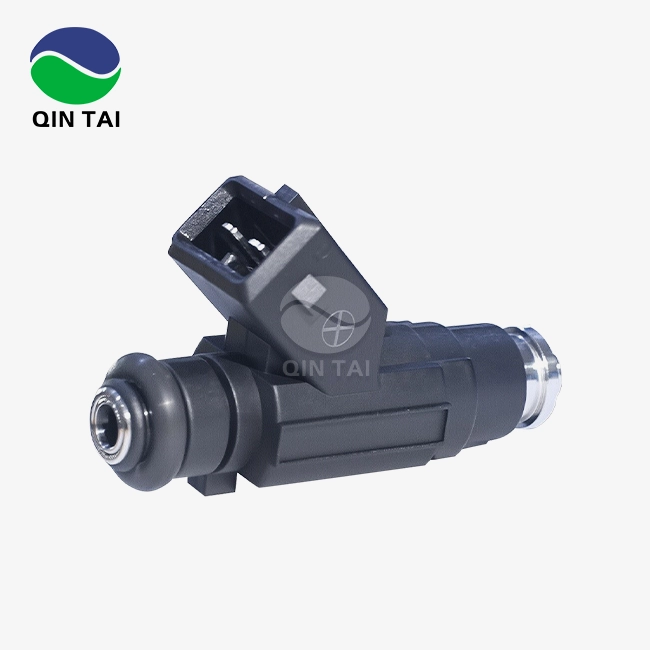
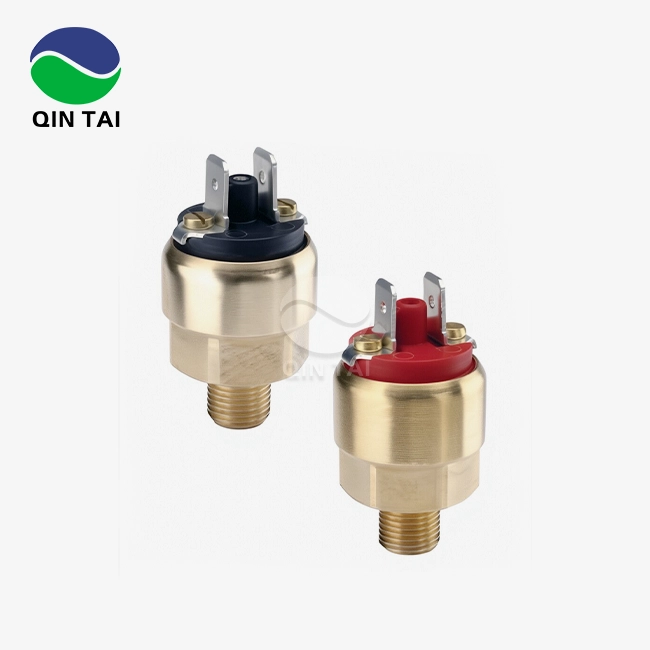
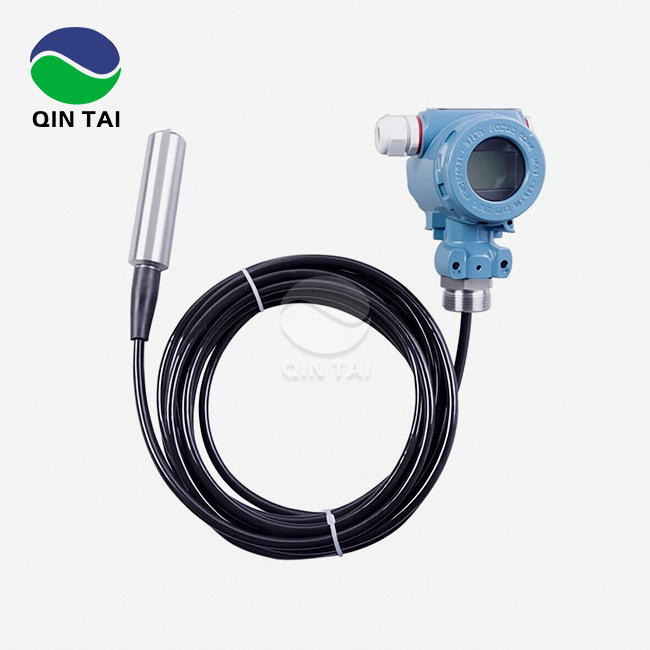
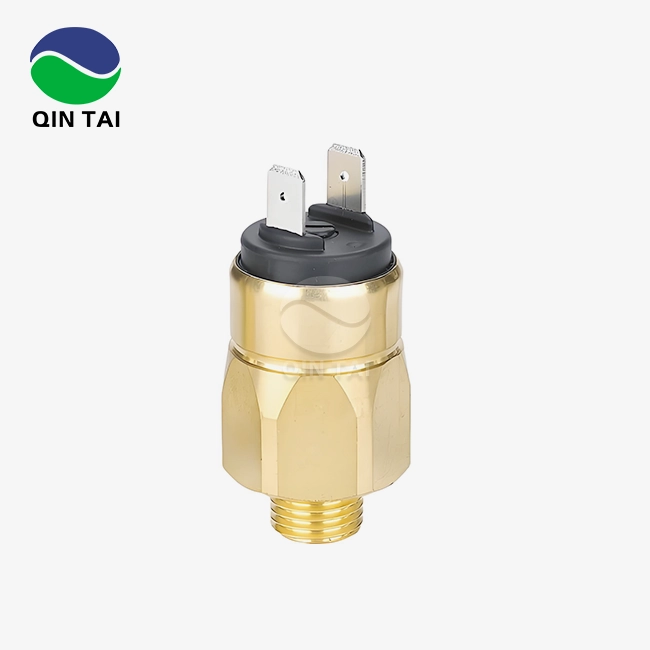

Our customers’ satisfaction speaks for our quality — contact us to experience the same reliable service.