- English
- French
- German
- Portuguese
- Spanish
- Russian
- Japanese
- Korean
- Arabic
- Greek
- German
- Turkish
- Italian
- Danish
- Romanian
- Indonesian
- Czech
- Afrikaans
- Swedish
- Polish
- Basque
- Catalan
- Esperanto
- Hindi
- Lao
- Albanian
- Amharic
- Armenian
- Azerbaijani
- Belarusian
- Bengali
- Bosnian
- Bulgarian
- Cebuano
- Chichewa
- Corsican
- Croatian
- Dutch
- Estonian
- Filipino
- Finnish
- Frisian
- Galician
- Georgian
- Gujarati
- Haitian
- Hausa
- Hawaiian
- Hebrew
- Hmong
- Hungarian
- Icelandic
- Igbo
- Javanese
- Kannada
- Kazakh
- Khmer
- Kurdish
- Kyrgyz
- Latin
- Latvian
- Lithuanian
- Luxembou..
- Macedonian
- Malagasy
- Malay
- Malayalam
- Maltese
- Maori
- Marathi
- Mongolian
- Burmese
- Nepali
- Norwegian
- Pashto
- Persian
- Punjabi
- Serbian
- Sesotho
- Sinhala
- Slovak
- Slovenian
- Somali
- Samoan
- Scots Gaelic
- Shona
- Sindhi
- Sundanese
- Swahili
- Tajik
- Tamil
- Telugu
- Thai
- Ukrainian
- Urdu
- Uzbek
- Vietnamese
- Welsh
- Xhosa
- Yiddish
- Yoruba
- Zulu
What Industries Commonly Use NOx Sensors for Emission Monitoring?
Nitrogen oxides (NOx) represent some of the most harmful pollutants released into our atmosphere, contributing significantly to air quality degradation, smog formation, and respiratory health concerns. These compounds form during high-temperature combustion processes, making them prevalent across numerous industrial and transportation applications. As environmental regulations tighten globally—with standards like EPA Tier 4 in the United States and Euro VI in Europe—the need for precise emission monitoring has never been more critical.
NOx sensors serve as the frontline technology in this battle, providing real-time detection and measurement that enables compliance with stringent regulatory requirements. Designed for procurement specialists, R&D engineers, and OEM manufacturers, this guide explores how different industries leverage nitrogen oxide detection technology to maintain operational efficiency while meeting environmental obligations. Understanding which sectors rely on these sensors helps decision-makers identify the right solutions for their specific emission control challenges.
Understanding NOx Sensors and Their Role in Emission Monitoring
Core Operating Principles
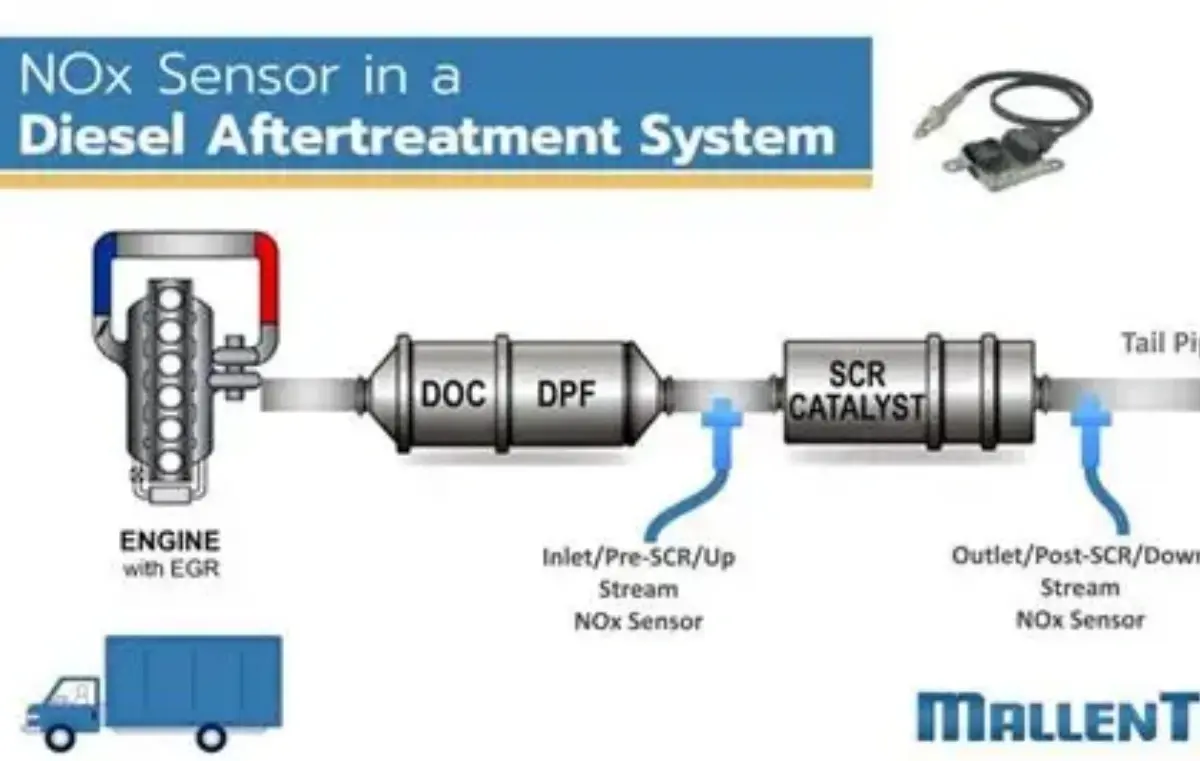
Oxygen ions move through solid electrolyte materials, usually yttria-stabilized zirconia ceramic, to power NOx Sensors. The detection system has several chambers where the exhaust gas first goes into a regulation zone. An oxygen pump cell keeps the amount of oxygen at a set level, which makes the measuring setting stable. The gas is then sent to a detecting room, where NOx molecules are broken down by a catalyst into nitrogen and oxygen ions. The current made during this process is directly related to the amount of NOx, giving the engine control unit accurate measurement data.
Distinguishing NOx Sensors from Similar Technologies
A lot of professionals get NOx Sensors mixed up with oxygen or lambda sensors because they look the same and are placed in exhaust systems in the same way. The main difference is that NOx Sensors only check pollution levels to ensure the aftertreatment system is working properly, whereas oxygen sensors adjust air-fuel ratios for burning efficiency. Both types of sensors are used in different places in most modern diesel engines. The upstream NOx Sensor, which is near the turbocharger output, measures the raw fumes from the engine to figure out how much Diesel Exhaust Fluid (DEF) needs to be injected. The sensor further downstream, which is after the SCR catalyst, checks that the treatment is working and sends fault codes when performance doesn't meet expectations.
Real-Time Monitoring Benefits
Real-time monitoring of emissions using advanced sensor technology has many benefits for operations that go beyond following the rules. Sensor input is used by engine control systems to find the best conditions for combustion. In heavy-duty uses, this can cut fuel use by up to eight percent. The data allows for predictive maintenance routines that let workers know when an SCR system might fail before it leads to costly downtime or fines from the government. Manufacturers gain from accurate sensor input during development testing, which speeds up approval processes and lowers the engineering costs of proving compliance with emission standards.
Key Industries Leveraging NOx Sensors for Emission Monitoring
Heavy-Duty Transportation and Commercial Fleets
Most of the NOx Sensors used in North America is in the trucking business. Class 8 trucks, buses, and delivery vehicles that have to follow EPA rules must show that they are always following the rules by using onboard diagnostics. To cut down on upkeep costs, fleet managers who are in charge of hundreds of cars choose sensors with long service lives and few false trouble codes. Because they were made for heavy-duty uses, Qintai sensors last longer than 6000 hours, which is much longer than what the industry usually expects. This longer lifespan directly leads to a lower total cost of ownership for fleet managers who are making big purchases. The sealed, waterproof design can handle the wide range of temperatures and vibrations that are common in long-haul operations. This makes sure that the signal output stays stable in all kinds of working situations.
Construction and Off-Highway Equipment
Excavators, bulldozers, and wheel loaders are all examples of construction equipment that works in places that make sensor trustworthiness difficult. Conditions with dust, wetness, chemical contact, and mechanical vibration are tough and need industrial-grade parts. Tier 4 Final rules say that off-road diesel engines must meet the same strict pollution standards as highway cars. This means that choosing the right sensors is very important for companies that make tools.
When used in building, sensors must be able to handle a wide range of exhaust gas temperatures, from below zero degrees Celsius for a cold start to over 800°C at their highest point during heavy load cycles. The response time is especially important for equipment whose engine speeds change a lot. Qintai technology provides reaction times below 1400ms, which makes sure that SCR systems accurately respond to the rapidly changing exhaust conditions that are common in construction settings.
Agricultural Machinery and Farm Equipment
Modern agricultural equipment—tractors, combines, and irrigation pumps—increasingly incorporates sophisticated emission control systems to meet environmental regulations. Farm operations are hard on sensors because they are used at different times of the year, aren't used for long periods of time, and are exposed to chemicals used in farming that can speed up sensor degradation. Manufacturers that work with this industry need sensors that are very resistant to contamination and keep their accuracy even after being stored for a long time. In farming settings, where equipment designs vary a lot between brands and types, being able to change connectors and cord lengths is very important. When it comes to installation, Qintai gives you a lot of different customisation options that don't affect the sensor's performance specifications.
Power Generation and Stationary Engines
Because they are such important parts of infrastructure, generator sets are used in mining activities, backup power systems, and remote manufacturing sites. In these situations, the sensors have to work nonstop for thousands of hours a year, which puts a lot of stress on their durability. More and more, industrial power production systems use sensors that are built into full CEMS platforms that check many emission factors at once. System integration needs to be able to work with a lot of different software methods. Qintai sensors work with more than 300 different communication protocols, so they can be easily added to existing plant monitoring systems from any manufacturer. This adaptability makes installations easier and speeds up the project timelines for workers who work on power production.
Marine and Locomotive Applications
Under IMO rules, international emission standards for marine diesel engines that power cargo ships, ferries, and workboats are getting stricter. When you mix the corrosive saltwater climate with the sulphur in marine fuels, you get some very tough working circumstances. Sensors used in marine uses need to be very resistant to sulphide poisoning, which is a common way for sensors to fail and makes them less accurate over time. Similar problems can happen with locomotive engines, but they are made more complicated by the fact that the load changes as the engine speeds up or climbs a hill. The quick startup technology in new sensor designs greatly lowers cold-start pollution, which is especially helpful in situations where the engine cycles a lot.
Industrial Manufacturing and Process Industries
NOx Sensors are part of environmental monitoring systems that are used throughout factories that use industrial boilers, kilns, and process heaters. To follow the rules in these places, emission levels must be recorded during quarterly audits and environmental agencies must be kept informed all the time. Plant engineers look for monitors that can measure things accurately over a wide range of values so that they can be used in a variety of ways. Qintai sensors are accurate to within ±10ppm at low concentrations, fitting the strict standards for reporting industrial emissions. Being able to keep up with accuracy standards even when exposed to lead and sulphide contaminants that are common in industrial exhaust streams makes testing times longer and routine maintenance easier.
Selecting the Right NOx Sensor Solution for Your Industry
Evaluating OEM Versus Aftermarket Options
When choosing between OEM NOx Sensors and aftermarket alternatives, buyers have to weigh the initial costs against the long-term dependability of the product. OEM sensors usually cost more, but they come with a warranty and are confirmed to work with certain engine models. Aftermarket options can save you money, especially if you run a fleet of different types of tools. The most important things that are looked at during the evaluation are the accuracy of the measurements across the operating range, the response time requirements, the expected service life under application-specific conditions, and the technical support skills of the provider. Purchasing managers should ask for detailed specification sheets that compare the measurement ranges for NOx and oxygen, as well as limits on the highest and lowest temperatures that the machine can work at and proof that it meets all regulatory requirements.
Installation and Maintenance Best Practices
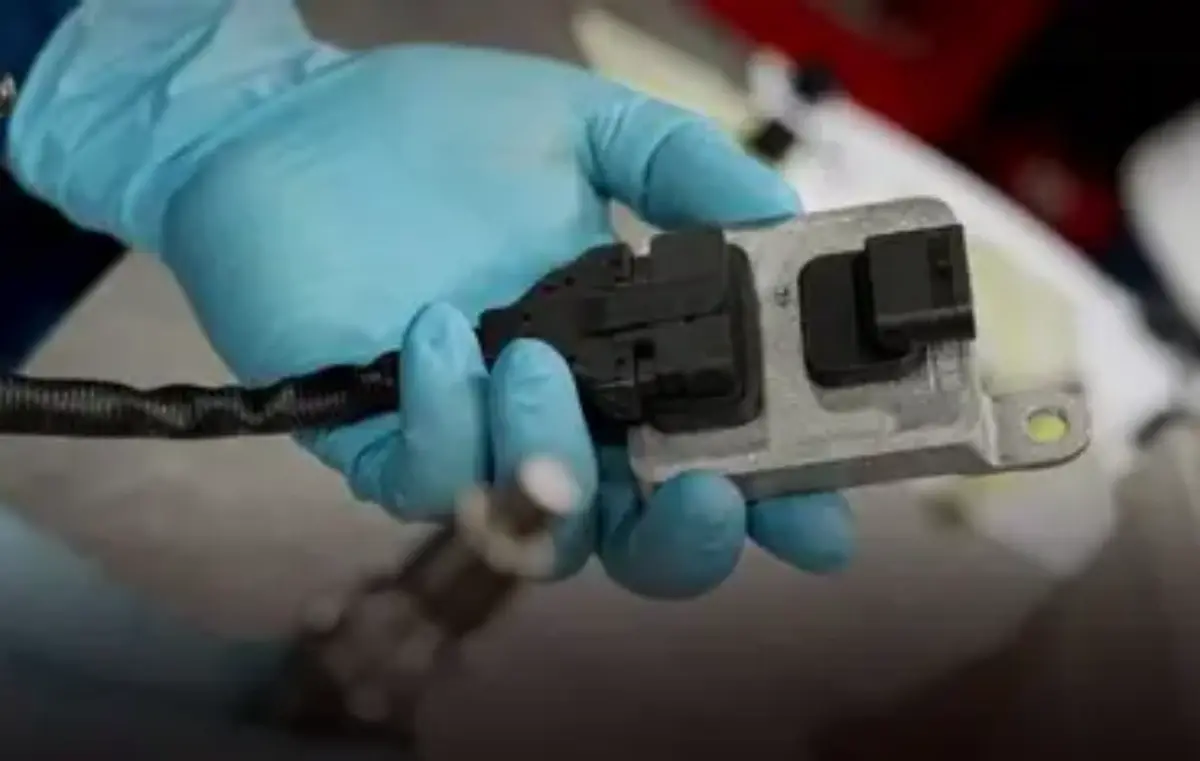
Installing sensors correctly has a big effect on how accurate measurements are and how long they last. The position of the mounting must allow for enough exhaust gas flow speed while avoiding areas that get very hot or cold or where humidity builds up. The M20x1.5 thread standard that is used in most diesel applications makes replacement easier, but exhaust leaks can still affect sensor readings if the torque specs aren't followed correctly.
When moving cables, it's important to watch out for heat and make sure the wiring stays within the standard range of -40°C to 200°C. Maintenance plans should include checking connectors for corrosion on a regular basis, making sure the voltage supply stays stable between 9V and 32V, and keeping an eye on diagnostic trouble codes that show sensor drift or circuit faults. When sensors keep working correctly after the manufacturer's warranty time is over, it's a good reason to back paperwork that says they can be replaced more often.
Certification and Quality Assurance
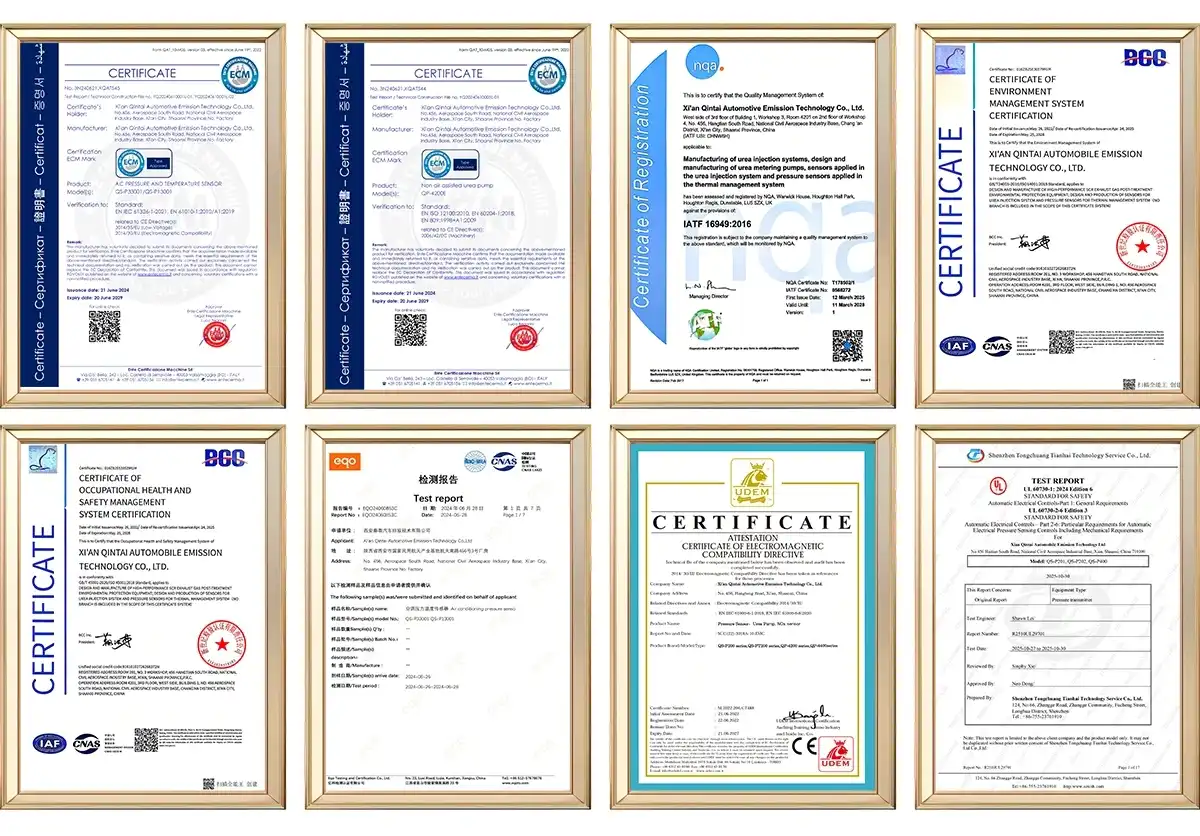
Buyers in the industrial sector need to make sure that sensors have the right certifications for their needs and the markets they want to reach. Certifications like ISO9001 and IATF16949 show that a company's quality systems meet the standards of the car business. International approvals like UL, CE, REACH, and RoHS compliance show that a product is safe and good for the environment in all markets around the world. Qintai Automotive Emission Technology Co., Ltd. keeps a full set of approvals that support the use of its products in regulated businesses around the world. The company's 58 invention patents show that it is always coming up with new sensor technologies. This gives procurement workers faith in the company's ability to keep up with technology and provide long-term product support.
How NOx Sensor Data Drives Compliance and Efficiency Improvements?
Regulatory Adherence and Audit Readiness
Environmental laws need written proof of constant emission compliance, which puts a lot of weight on the accuracy of the NOx Sensors. Engine control units keep track of sensor data while the engine is running. This creates audit trails that government agencies can look at during building inspections or on the side of the road during police checks. When sensors show measurement drift or high failure rates, operators can face penalties for not following the rules, which can range from limited operations to large fines.
The downstream sensor validation function is very helpful during regulatory audits because it lets someone else check that SCR catalyst systems keep up the required conversion efficiency. Sensor technologies help fleet owners by reducing the number of false problem codes that cause service events that aren't needed and could lead to compliance questions.
Operational Efficiency Through Data Analytics
In addition to basic compliance duties, data from NOx Sensors can be used for more complex operational changes by using predictive analytics. Fleet management systems look at sensor readings from several cars to find engines with higher-than-normal emission levels. This lets repair teams know about possible problems before they become major. Power plants use trends in emissions to find the best ways to buy fuel and tune the combustion process. The fast response times of modern sensors, especially the light-off time of less than 165 seconds, cut down on cold-start emission periods that used to make up a big part of total emission inventories. This ability to start up quickly is especially useful in situations where the engine needs to be turned on and off often or only sometimes.
Real-World Implementation Results
When construction equipment makers use high-reliability sensor technology, warranty claims about emission system breakdowns go down by a measured amount. The longer 6000-hour service life means that parts don't need to be replaced as often, which directly lowers the cost of parts inventory and field service. Operators of industrial facilities report that their fuel use goes down by five to seven percent after the emission system is optimised with the help of accurate monitor feedback.
When applied to large fleets of equipment, these efficiency gains add up to a lot, which is why documented return-on-investment calculations support the purchase of high-end sensors. When exact sensor readings get rid of the conservative over-dosing strategies that are sometimes used with lower-accuracy sensors, owners of agricultural equipment can use less DEF.

Procurement Guide—Buying NOx Sensors for Industrial Applications
Critical Evaluation Factors
Technical specs are what people use to decide what NOx Sensors to buy, but there are also a number of useful factors that have a big effect on long-term happiness. Supply voltage flexibility across the 9-32V range lets different electrical system designs work without the need for extra voltage regulators. The cable temperature values must be higher than the worst possible installation conditions. This is especially important when routing links near exhaust components. Mounting thread standards should match current setups so that replacement steps don't have to be changed too much. Instead of depending only on specification sheets, procurement managers who are looking at more than one seller should ask for sample units to be tested in real-world situations before committing to large purchases. This way, performance claims can be checked against real-world conditions.
Supplier Reliability and Support Infrastructure
Sensor suppliers and industrial buyers have a connection that goes far beyond the original purchase. When installing something or figuring out what diagnostic data means during testing, having access to technical help is very important. Application engineering help from suppliers helps customers find the best places to put sensors and make sure they work with current emission control systems. Delivery reliability affects both the production schedules of companies that make equipment and the maintenance planning of companies that run fleets.
With a distribution network that covers more than 60 countries, Qintai can always get parts and provide quick customer service around the world. As the main original equipment manufacturer (OEM) provider to major Chinese engine makers like Weichai Power, Yuchai Power, and Quanchai Power, the company has shown that it can handle high production volumes while keeping quality standards high.
Pricing Strategy and Long-Term Value
Fleet managers and equipment makers who need a lot of pieces every year can save a lot of money by using volume procurement strategies. Setting up relationships with favourite suppliers lets you discuss pricing structures that reward consistent purchase volumes and make sure that you get the best suppliers when supplies are low. The total cost study should include the price of the sensor, how long it is expected to last, the terms of the guarantee, and how much it is expected to cost to maintain over the time it is in use. When you look at the total number of replacement cycles, sensors that cost a little more but last twice as long as cheaper options are a better value overall. To properly model lifetime costs that help with budgeting and financial planning, procurement professionals should ask for specific warranty terms that spell out coverage conditions and replacement processes.
Conclusion
NOx Sensors are used in many different types of industries, which shows how important they are for finding a balance between being environmentally friendly and running efficiently. Vehicles that carry heavy loads, building equipment, farm machinery, power plants, ships, and factories all need accurate tracking of emissions to stay in line with regulations and improve system performance. To choose the right sensor technology, you need to carefully look at the technical specs, the supplier's skills, and the needs of the application.
Qintai's advanced sensor solutions meet the tough needs of industrial uses with their long service lives, quick response times, and high resistance to contamination. These solutions also save money through less maintenance and better operating efficiency. As emission rules change around the world, investing in reliable monitoring technology sets businesses up for long-term success in operating environments with more rules.
FAQ
How often should NOx sensors be replaced in heavy-duty diesel engines?
In heavy-duty diesel engines, how often should NOx Sensors be replaced? How often sensors need to be replaced depends on how they are used and the quality standards. Standard industrial sensors usually need to be replaced every 3000 to 4000 hours of use. High-performance sensors that are made to last a long time, like those with a 6000-hour service life rating, cut down on the number of replacements needed and the costs of maintenance that come with them. Fleet managers should keep an eye on diagnostic trouble codes that show sensor degradation and change sensors based on real-time performance data instead of set schedules.
Can the same sensor work for both diesel and gasoline engines?
Is it possible for the monitor to work with both diesel and petrol engines? NOx Sensors made for diesel engines can usually work with petrol engines too, though the calibration factors may be different. The basic rules for detection are the same for all types of fuel, though petrol engines usually produce lower NOx levels, which means that monitors need to be very accurate at lower measurement ranges. The sensor's measurement range and precision tolerances should match the estimated emission levels for the engine application, as stated in the procurement specs.
What causes NOx sensor failures and how can they be prevented?
What goes wrong with NOx Sensors, and how can they be kept from going wrong? The main reasons why things break down are contamination from fuel additives, thermal stress from cycling through very high and very low temperatures, electrical faults from damaged wiring, and mechanical damage from bad installation. To keep failures from happening, you need to use low-sulfur fuels that meet the equipment's requirements, make sure the exhaust system is designed correctly, keep petrol temperatures within sensor rates, protect wire harnesses from heat and wear, and install the engine according to the manufacturer's torque guidelines.
Partner with a Trusted NOx Sensor Manufacturer for Emission Control Excellence
To get reliable emission compliance, you need to work with NOx Sensor manufacturers who have a lot of experience and offer tried-and-true industrial solutions. Qintai has more than 20 years of experience in diesel engine aftertreatment technology and can help OEM users and system developers around the world with all of their technical needs. Our sensor products come with connectors and cable lengths that can be changed to fit different installation needs.
They are also sealed and waterproof to last in harsh environments and work with most OEM interfaces, which makes integration projects easier. When you combine fast response times, longer service life, and better resistance to contamination, you get measured benefits that lower your total cost of ownership and make sure you always follow the rules. Our engineering team can help you choose the best sensor configurations for your equipment platforms by giving you application-specific technical advice. Get in touch with our sales team at info@qt-sensor.com to talk about your emission monitoring needs and look into purchasing NOx Sensors in bulk.
References
1. Society of Automotive Engineers. (2022). Diesel Exhaust Emission Control: NOx Sensing and SCR Technology. SAE Technical Paper Series, Warrendale, PA.
2. Environmental Protection Agency. (2023). Heavy-Duty Engine and Vehicle Standards: Regulatory Overview and Compliance Requirements. EPA Office of Transportation and Air Quality, Washington, DC.
3. Johnson, T.V. (2021). "Review of Selective Catalytic Reduction and NOx Sensor Technology for Diesel Engines." International Journal of Engine Research, 22(7), 2458-2491.
4. European Automobile Manufacturers Association. (2022). Euro VI Emission Standards: Technical Implementation Guide for Commercial Vehicles. ACEA Publications, Brussels, Belgium.
5. Zhang, H., Wang, J., and Shuai, S. (2023). "Advanced NOx Sensor Technologies for Real-Time Emission Monitoring in Heavy-Duty Applications." Applied Energy, 334, 120654-120671.
6. International Organization for Standardization. (2021). ISO 11564: On-Board Diagnostic Systems for Road Vehicles - Exchange of Information Between Vehicle and External Test Equipment. ISO Standards Collection, Geneva, Switzerland.

Our customers’ satisfaction speaks for our quality — contact us to experience the same reliable service.