- English
- French
- German
- Portuguese
- Spanish
- Russian
- Japanese
- Korean
- Arabic
- Greek
- German
- Turkish
- Italian
- Danish
- Romanian
- Indonesian
- Czech
- Afrikaans
- Swedish
- Polish
- Basque
- Catalan
- Esperanto
- Hindi
- Lao
- Albanian
- Amharic
- Armenian
- Azerbaijani
- Belarusian
- Bengali
- Bosnian
- Bulgarian
- Cebuano
- Chichewa
- Corsican
- Croatian
- Dutch
- Estonian
- Filipino
- Finnish
- Frisian
- Galician
- Georgian
- Gujarati
- Haitian
- Hausa
- Hawaiian
- Hebrew
- Hmong
- Hungarian
- Icelandic
- Igbo
- Javanese
- Kannada
- Kazakh
- Khmer
- Kurdish
- Kyrgyz
- Latin
- Latvian
- Lithuanian
- Luxembou..
- Macedonian
- Malagasy
- Malay
- Malayalam
- Maltese
- Maori
- Marathi
- Mongolian
- Burmese
- Nepali
- Norwegian
- Pashto
- Persian
- Punjabi
- Serbian
- Sesotho
- Sinhala
- Slovak
- Slovenian
- Somali
- Samoan
- Scots Gaelic
- Shona
- Sindhi
- Sundanese
- Swahili
- Tajik
- Tamil
- Telugu
- Thai
- Ukrainian
- Urdu
- Uzbek
- Vietnamese
- Welsh
- Xhosa
- Yiddish
- Yoruba
- Zulu
What Are the Main Functions of Automotive NOx Sensors?
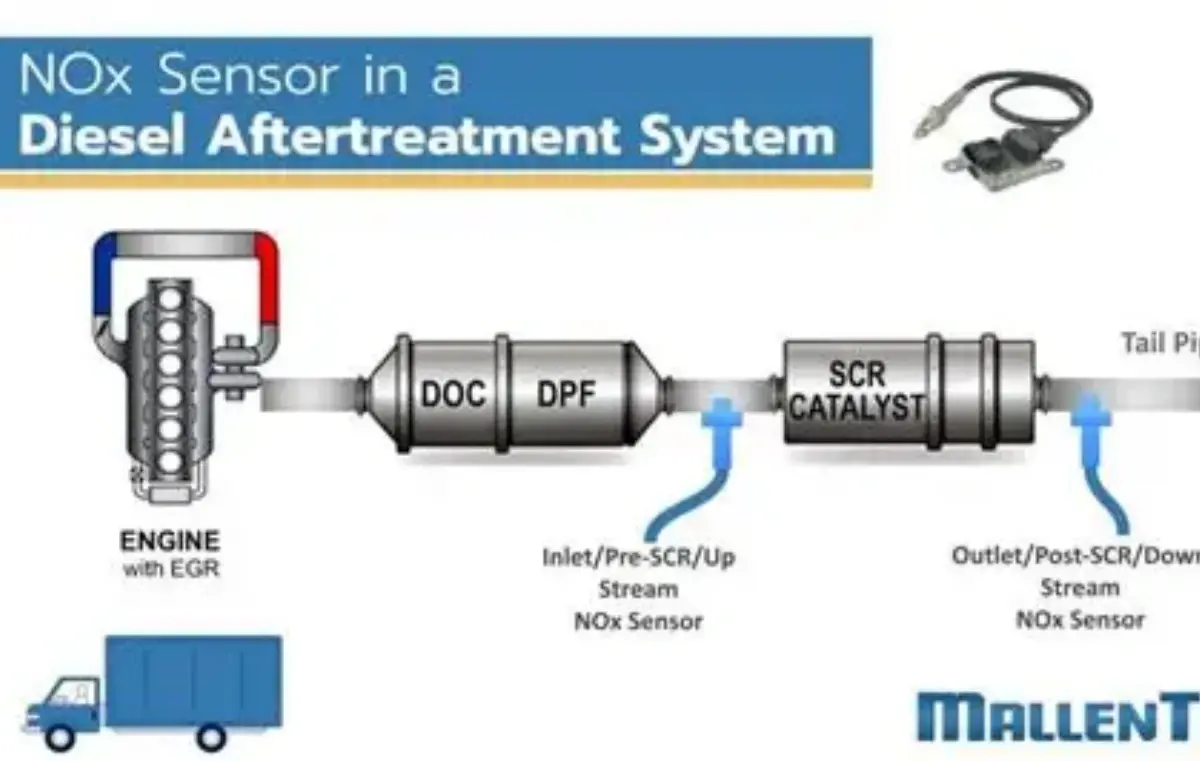
Automotive NOx sensors serve as precision measurement devices that monitor nitrogen oxide levels in diesel engine exhaust systems, enabling compliance with stringent emission standards like EPA 2010 and Euro VI. These sensors provide real-time data to the engine control unit (ECU), allowing Selective Catalytic Reduction (SCR) systems to inject the correct amount of Diesel Exhaust Fluid (DEF) for optimal emission reduction. By continuously measuring NOx concentrations both upstream and downstream of the SCR catalyst, these sensors ensure that diesel engines meet regulatory requirements while maintaining fuel efficiency and performance across heavy trucks, construction equipment, agricultural machinery, and generator sets.
Understanding NOx Sensors: Definition and Core Functions
What Makes NOx Sensors Different from Oxygen Sensors?
Oxygen sensors and nitrogen oxide monitors may look alike, but they are used for different things when controlling emissions. In contrast to NOx Sensors, which are designed to measure nitrogen oxide in aftertreatment systems, oxygen sensors optimise air-fuel ratios for combustion efficiency. The main difference is how they sense things. NOx Sensors use yttria-stabilized zirconia (YSZ) ceramic cells that can tell the difference between oxygen and nitrogen oxides by changing electrically. Modern NOx Sensors can measure both oxygen levels (0% to 21%) and NOx levels (0 to 2500ppm) at the same time because they have two functions. This gives a full picture of the waste gas that affects how well an SCR system works.
Primary Functions in Diesel Engine Management
In modern diesel engines, NOx Sensors carry out three very important jobs. The upstream sensor, which is near the turbo exit, measures the raw fumes from the engine. This lets the ECU figure out exactly how much DEF to use. This measurement takes things like engine load, temperature, and working factors into account. The monitor that comes after the SCR catalyst checks the efficiency of the conversion, making a closed-loop feedback system.
Readings further down the line show that NOx reduction isn't full, so the system changes the rate of DEF input to fix the problem. This two-sensor setup also stops ammonia slip, which happens when too much urea goes through the catalyst without being burnt, by picking up on high readings that mean too much injection. When purchasing managers look at emission control options, knowing these tasks helps them figure out how accurate the sensors need to be and how hard it is to integrate the whole system.
Regulatory Compliance and Real-Time Monitoring
Meeting the rules of the US Environmental Protection Agency (EPA) and the California Air Resources Board (CARB) needs accurate tracking of emissions all the time. NOx Sensors make it possible for on-board diagnostics (OBD-II) to monitor the effectiveness of the emission system while the vehicle is in motion. When sensors find NOx levels that are higher than what is allowed by law, the ECU sends out diagnostic trouble codes (DTCs) and turns on warning lights.
If someone doesn't follow the rules for a long time, the engine will derate, which will reduce its power and require repair. Because of these rules, fleet operators who manage commercial vehicles in different areas need to make sure that sensors work properly. Modern sensor designs now have self-diagnostic features that check the function of the heater element, the integrity of the signal, and the age of the sensor. This lets you know about possible failures early, before they affect compliance status.

Diagnosing and Maintaining NOx Sensors: Common Symptoms and Troubleshooting
Recognizing Early Warning Signs of Sensor Failure
The decline of a sensor usually shows up in a number of ways before it fails completely. Changes in engine performance, like rough running, less power, or more fuel use, are often signs of measurement errors that affect how the SCR works. Problems have been found and are shown by dashboard warning lights, especially the failure indicator lamp (MIL) and DEF system alarms. If you can see or smell more smoke or ammonia, that means your SCR system is out of balance because of bad sensor readings.
When fleet repair teams know about these early warning signs, they can plan replacements ahead of time, which keeps expensive engine stops happening during important operations. Environmental factors speed up the ageing process of NOx Sensors: exposure to high sulphur fuel levels, high working temperatures, and contaminated exhaust streams with oil or coolant leftovers all shorten the sensors' useful life below the usual 6000-hour repair interval.
Common Diagnostic Trouble Codes and Their Meanings
Understanding OBD-II fault codes makes it easier to figure out what's wrong:
P2201 indicates upstream sensor circuit range or performance issues, suggesting signal quality degradation or wiring problems. P2203 shows faults in sensor circuits further down the line that have the same cause. P229F signals NOx sensor performance below threshold, typically indicating sensor poisoning or calibration drift. P20EE relates to SCR NOx catalyst efficiency below threshold, which may result from sensor measurement errors rather than catalyst failure.
Accurate diagnosis requires distinguishing between genuine sensor faults and issues elsewhere in the emission system. Technicians can tell the difference between problems that come and go because of bad electrical connections or communication problems between the engine and the sensors by looking at graphs of live sensor data that show erratic readings, slow response times, or flat-line signals characteristic of failed sensing elements.
Practical Maintenance and Troubleshooting Steps
Systematic testing is the first step in maintaining sensors well. Technicians should use a professional-level scan tool to keep an eye on live sensor data while the engine is running in different ways. They should compare upstream and downstream numbers to see if there is a reasonable connection. The physical exam checks the integrity of the connectors, the state of the wire harness, and the safety of the sensor mounting. To keep the exhaust seal intact without breaking the ceramic elements, the M20X1.5 threaded fitting needs to be torqued to the right level.
Cleaning methods are still limited—internal sense elements can't be fixed, but carbon buildup can be carefully removed from the outside. When a replacement is needed, the right way to install it is important: where the sensor is placed affects how accurately it measures, how the cables are routed keeps them from getting damaged by heat, and the ECU reset procedures make sure the sensor is properly initialised. When it comes to measuring range, accuracy tolerances, and reaction time, good replacement sensors should meet or beat OEM standards.
Comparing NOx Sensors: Making the Right Choice for Your Fleet or Production
OEM Versus Aftermarket Sensor Evaluation
When making purchases, people often have to weigh the costs of what they want with the guarantee of performance and insurance coverage. OEM sensors are sure to work with other products, go through a lot of validation testing, and usually come with full expert support. Their high prices are a reflection of these qualities as well as the name of the brand. There is a wide range of quality in aftermarket alternatives, from high-end brands that offer performance close to OEM at lower prices to cheap options that may not be reliable. Certification compliance (ISO 9001, IATF 16949), measurement accuracy requirements, and proven reliability under conditions that match your application should be at the top of your list of evaluation factors.
For big fleets, figuring out the total cost of ownership shouldn't just look at the unit price. It should also look at how often the vehicles need to be replaced, how much the warranties cover, and how much downtime could cost if they break down too soon. For example, Qintai NOx Sensors perform better than industry standards with a service life of 6,000 hours and reaction times of less than 1400ms. They are also cheaper than other brands because they work with big Chinese OEMs like Weichai Power and Yuchai Power to make their products more efficiently.
Leading Manufacturer Technology Comparison
There are a number of well-known companies in the global sensor market, each with their own unique technological method. Bosch invented the first sensor technology based on zirconia and still has a strong presence in the European diesel market. Denso focuses on small sensor designs that can work in installations with limited room, which is popular in Asian car platforms. Continental works on sensor systems that are fully integrated and use advanced communication protocols.
Dual-chamber sensing, ceramic heating elements, and digital signal processing are some of the design ideas that these companies use. However, their unique calibration methods and actual packaging are different. The reliability of the supply chain is affected by the skills of the manufacturers in each region. Asian suppliers have reasonable prices and shorter delivery times, but the quality needs to be carefully checked. New providers like Qintai offer flexible solutions that meet the different interaction needs of different ECU platforms.
Ensuring Compatibility Across Vehicle Platforms
To choose a sensor, you have to match a lot of technical factors to specific uses. Electrical compatibility includes the source voltage range (9–32V for heavy-duty uses), the pinout setups of connectors, and the ability to handle different communication protocols. Qintai sensors can work with more than 300 different communication protocols, which lets them be integrated with a wide range of ECU architectures. Thread specs (M20X1.5 standard), wire length requirements, and mounting direction restrictions are all part of physical compatibility.
Specifications for temperature must match the situations in which they are used, such as exhaust gas temperatures between -40°C and 800°C, environmental conditions that affect the sensor housing, and cable temperature values. Customisation choices let you meet specific installation needs, such as making wire lengths fit certain chassis layouts, matching connector types to existing harnesses, and mounting brackets that can be used for aftermarket retrofits.
Technical Installation and Integration of NOx Sensors for OEMs and Workshops
Best Practices for Sensor Mounting and Wiring
The first step in a proper installation is putting the sensors in the right place in the exhaust system. Upstream sensors are placed 150–300 mm below the turbo exit. This lets the exhaust gases mix and stays away from areas with extreme temperatures that wear out NOx Sensors faster. Downstream monitors are put 200–400 mm after the SCR catalyst to get a good reading on the emissions after treatment. The angle at which sensors are mounted is important. They should be installed 10 to 30 degrees from horizontal to keep condensation from building up around the sensing elements.
For thread engagement, you need to use a low amount of an anti-seize compound that is rated for high temperatures so that it doesn't get on the sensor tip. Typical torque ranges from 40 to 50 Nm, which ensures a solid fit without putting too much stress on ceramic parts. When directing cables, they should stay away from heat sources that are hotter than -40°C to 200°C, keep enough space between them and moving parts, and use the right strain relief at connections. Waterproof sealing becomes critical for applications exposed to wash-down environments or severe weather conditions.
Calibration and ECU Integration Procedures
After the physical construction is done, transmission methods must be carefully followed for electricity integration. These days, sensors talk to each other through the CAN bus or their own proprietary digital interfaces. They send not only measurement data, but also diagnostic data and parameters for identifying the sensor. The programming in the ECU needs to be able to read the part numbers of the sensors and load the right calibration tables that match the sensor's properties.
Software reset methods get rid of old sensor learning data, which lets the ECU set new standard readings by driving the car in a number of different situations. For calibration testing, results from sensors are checked during controlled test situations like idle, part-load, and full-load operation to make sure they are within the expected ranges. Diagnostic tools that can show raw sensor readings, heater current draw, and internal resistance values can help you tell the difference between mistakes made during fitting and problems with the parts.
Diagnostic Tools and Testing Protocols
For professional sensor testing, you need more than just a code reader. Advanced scan tools that can make graphs let you watch the sensor reaction in real time during changing conditions, showing when performance is slow or results aren't stable. Oscilloscopes check the correct current draw and heating element resistance in sensor heater circuits, which helps find electrical problems that affect the time the light turns off. Infrared temperature measurement proves that the exhaust temperature inputs match the ECU readings.
This shows where the sensors are placed incorrectly or if the thermocouples are broken. For production settings, automatic test equipment checks sensor performance while the engine dynamometer runs, comparing data to acceptance criteria before the car is released. These thorough testing methods guard against warranty claims that are due to mistakes in installation rather than real problems with the parts, and they provide proof to help with root cause analysis when failures happen in the field.
Procurement Considerations: How to Buy NOx Sensors Efficiently and Cost-Effectively?
Sourcing Strategies for Quality Assurance
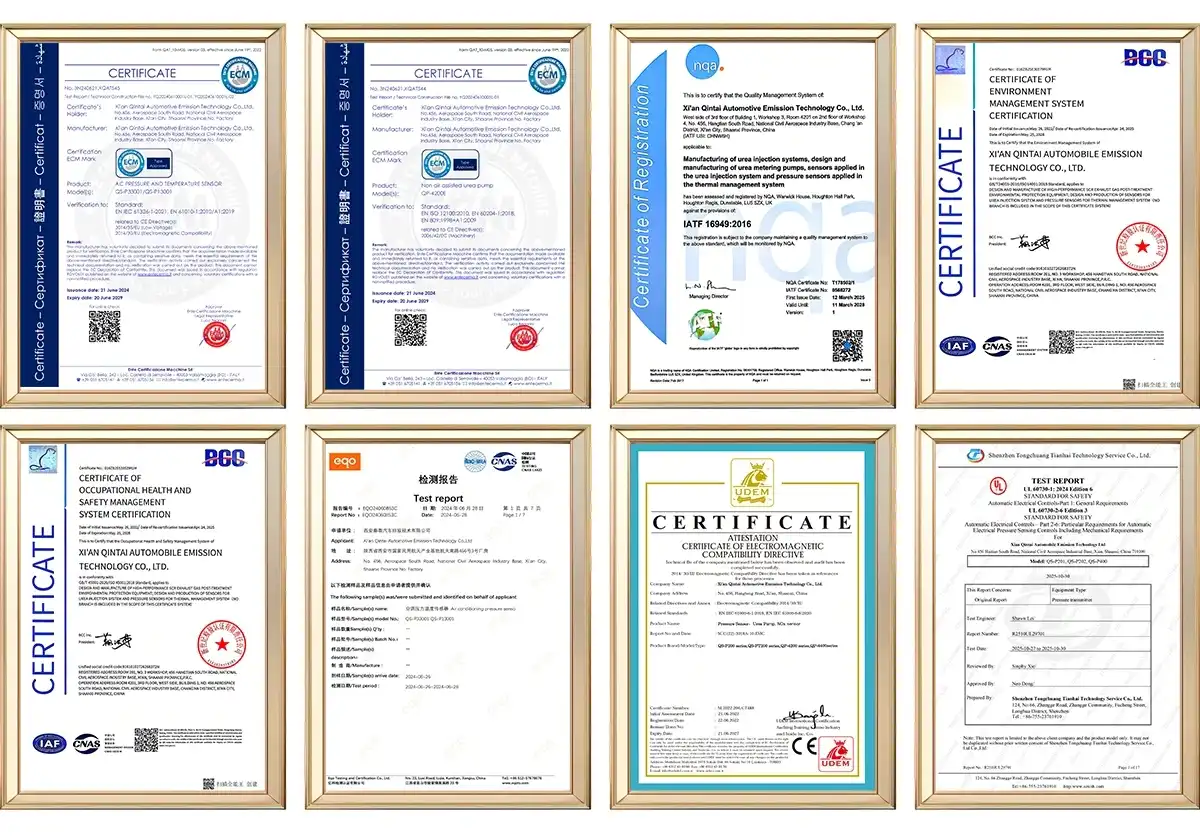
Verifying credentials is the first step in finding reliable NOx Sensor sources. Manufacturers with ISO 9001 and IATF 16949 certifications have quality management systems that are well-established and meet the needs of the automotive industry. More certifications, like CMC, UL, CE, REACH, and RoHS, show that the product meets the rules for specific markets. It doesn't matter what kind of professional skills a supplier has; having in-house research and development teams, application engineering support, and testing facilities all show that they can customise and solve problems.
When it's possible, factory checks show how production methods, quality control measures, and warehouse management affect how consistently goods are delivered. Checking with current customers for references can give you information about how quick a seller is, how they handle warranty claims, and how reliable a partnership will be in the long run.
Cost Optimization Through Strategic Purchasing
Fleet operators and OEM integrators can save a lot of money with volume pricing structures. By making yearly buy deals, you can lock in good prices and make sure that you have enough inventory during times of high demand. Getting longer payment terms is a good way to better manage cash flow, especially when buying sensors at the same time as major repairs or buying new equipment. The length of the warranty has a big effect on the total cost of ownership. Full covering beyond the normal warranty period lowers the cost of replacements when things break down too soon.
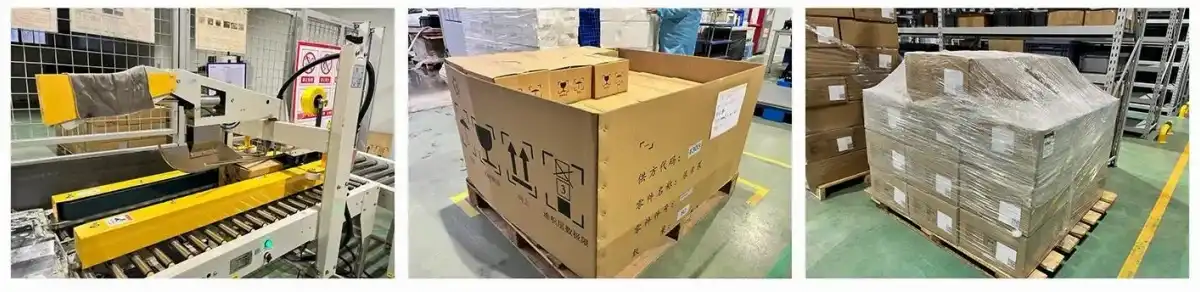
Different types of packaging affect logistics costs. These include bulk packaging vs. individual retail boxes, returnable container programs for large orders, and consolidated shipments that include sensors and related parts like mounting hardware or wiring harnesses. Together, these methods lower the cost per unit without lowering quality standards that are necessary for meeting emission standards and making sure the system works reliably.
International Shipping and After-Sales Support
When you buy things from around the world, logistics get more complicated, so you need to plan carefully. Knowing the Incoterms (FOB, CIF, DDP) makes it clear who is responsible for the shipping costs, insurance, and customs duties. With export markets in over 60 countries, experienced providers like Qintai can help you figure out how to deal with import rules, harmonised tax codes, and paperwork needs. Air freight speeds up urgent orders, but it costs a lot more than ocean shipping, which is better for planned product restocking.
To follow customs rules, products must be correctly classified and their country of origin must be correctly declared. This keeps processing times from getting in the way of maintenance plans. When installing something or filing a warranty claim, it's important to have a system for after-sales support. Downtime is kept to a minimum by suppliers who offer technical help in multiple languages via email (info@qt-sensor.com), phone support, and detailed installation instructions.
Conclusion
Automotive NOx Sensors are important parts of current diesel pollution control systems that have a direct effect on following the rules, being environmentally friendly, and running efficiently. Knowing what they do at their core—precisely measuring nitrogen oxide, optimising SCR systems, and keeping an eye on emissions all the time—helps people make smart purchasing choices that meet scientific needs and stick to budgets. Maintenance plans that look for early signs of failure and organised ways to fix problems make sensors last longer and keep engines from derating, which can be expensive.
When comparing OEM and aftermarket options, you need to think about how to balance performance specs, compatibility, and the total cost of ownership. Using the right installation methods and ECU integration steps will ensure accurate readings that support pollution compliance. Cost-effective solutions for heavy-duty diesel use in business vehicles, building equipment, farming machinery, and power generation are found through strategic buying methods that focus on seller qualifications, volume price possibilities, and full after-sales support.
FAQ
How Long Do NOx Sensors Typically Last?
Quality sensors made for heavy-duty diesel applications usually have a service life of 6,000 hours under normal operating conditions. That's about 5 to 7 years for commercial vehicles that drive an average of 150,000 miles a year. Operating climate has a big effect on life; high sulphur fuel exposure, extreme temperatures, and dirty exhaust all speed up the breakdown process. Qintai NOx Sensors are more durable than industry standards, having been tested to last up to 6000 hours and still measuring accurately after that long. This means they don't need to be replaced as often and fleet upkeep costs are lower.
Can I Replace Only One Sensor in a Dual-Sensor System?
It is potentially possible to replace sensors individually, but changing them in pairs makes sure that they work the same way every time and makes diagnostic interpretation easier. Age-matched sensors keep their reaction times and calibration traits the same, which keeps things from getting confusing when trying to figure out what's wrong with an emission system. Single-sensor replacement may be necessary, though, if the budget is tight or if one sensor fails and the other ones work normally during diagnostic tests and within acceptable performance limits.
What Causes Rapid NOx Sensor Failure?
Some common things that speed up failure are fuel that has too much sulphur in it, engine oil that is used up and contaminating the exhaust, coolant leaks that contaminate the exhaust, and physical damage from bad installation or hitting something on the road. Electrical problems like voltage spikes, corroded joints, or broken wire lines can also cause things to break down early. The advanced poisoning resistance and sealed waterproof construction of Qintai sensors reduce these common failure modes while keeping the signal output stable in harsh operating environments.
Partner with Qintai for Reliable NOx Sensor Solutions
Qintai Automotive Emission Technology Co., Ltd. has more than 20 years of experience working with diesel engine aftertreatment systems and pollution sensors, and they can help buying teams all over the world. Our NOx Sensors have the best technical specs in the business, with a response time of less than 1400ms, a service life of over 6000 hours, and a quick light-off time of less than 165 seconds. They can also be customised to fit a wide range of application needs. We are the top OEM provider for diesel engines in China, working with Weichai Power, Yuchai Power, and Quanchai Power. Our credentials include ISO 9001, IATF 16949, and a wide range of foreign compliance credentials.
Our research and development team has 58 idea patents that keep sensor technology fresh. Our flexible production supports both standard products and custom solutions that are made to fit your ECU interfaces, cable configurations, and communication protocols. Its sealed waterproof design, high resistance to lead and sulphide poisoning, and ability to work with most OEM specs make it a safe choice for big trucks, construction equipment, farm equipment, and generator sets. Qintai offers technical support, low pricing, and quick service throughout the project development and production phases, whether you need affordable aftermarket replacement sensors or a partnership with an experienced NOx Sensor manufacturer for OEM integration. For product inquiries, technical consultation, or customized sensor solutions, please contact our team at info@qt-sensor.com.
References
1. Majewski, W. A., & Khair, M. K. (2006). Diesel Emissions and Their Control. SAE International, Warrendale, PA.
2. Johnson, T. V. (2015). "Review of Diesel Emissions and Control." SAE International Journal of Engines, 8(3), 1251-1275.
3. Giechaskiel, B., Dilara, P., & Andersson, J. (2008). "Particle Measurement Programme (PMP) Light-duty Inter-laboratory Exercise: Comparison of Different Particle Number Measurement Systems." Measurement Science and Technology, 19(9), 095401.
4. Colombo, M., Koltsakis, G., & Koutoufaris, I. (2012). "A Modeling Study of Soot and De-NOx Reaction Phenomena in SCRF Systems." SAE Technical Paper 2012-01-0843.
5. Shost, M., Noetzel, M., Wu, M. C., Sugiarto, T., Bordewyk, T., Fulks, G., & Fisher, G. B. (2008). "Monitoring, Feedback and Control of Urea SCR Dosing Systems for NOx Reduction: Utilizing an Embedded Model and Ammonia Sensing." SAE Technical Paper 2008-01-1325.
6. Zheng, G., Palmer, G., Salanta, G., & Beeckmann, J. (2009). "Optimization of SCR Dosing Strategy Using OBD NH3 Sensor Feedback Control." SAE International Journal of Fuels and Lubricants, 2(1), 338-346.

Our customers’ satisfaction speaks for our quality — contact us to experience the same reliable service.