- English
- French
- German
- Portuguese
- Spanish
- Russian
- Japanese
- Korean
- Arabic
- Greek
- German
- Turkish
- Italian
- Danish
- Romanian
- Indonesian
- Czech
- Afrikaans
- Swedish
- Polish
- Basque
- Catalan
- Esperanto
- Hindi
- Lao
- Albanian
- Amharic
- Armenian
- Azerbaijani
- Belarusian
- Bengali
- Bosnian
- Bulgarian
- Cebuano
- Chichewa
- Corsican
- Croatian
- Dutch
- Estonian
- Filipino
- Finnish
- Frisian
- Galician
- Georgian
- Gujarati
- Haitian
- Hausa
- Hawaiian
- Hebrew
- Hmong
- Hungarian
- Icelandic
- Igbo
- Javanese
- Kannada
- Kazakh
- Khmer
- Kurdish
- Kyrgyz
- Latin
- Latvian
- Lithuanian
- Luxembou..
- Macedonian
- Malagasy
- Malay
- Malayalam
- Maltese
- Maori
- Marathi
- Mongolian
- Burmese
- Nepali
- Norwegian
- Pashto
- Persian
- Punjabi
- Serbian
- Sesotho
- Sinhala
- Slovak
- Slovenian
- Somali
- Samoan
- Scots Gaelic
- Shona
- Sindhi
- Sundanese
- Swahili
- Tajik
- Tamil
- Telugu
- Thai
- Ukrainian
- Urdu
- Uzbek
- Vietnamese
- Welsh
- Xhosa
- Yiddish
- Yoruba
- Zulu
What are the best nox sensor options for light-duty diesel vehicles?
When selecting NOx sensor options for light-duty diesel vehicles, the top choices include Bosch, Continental, and Denso sensors, which offer superior accuracy, durability, and compatibility with modern SCR systems. These NOx sensor solutions excel in meeting EPA and Euro VI emission standards while providing reliable nitrogen oxide detection for optimal catalytic converter performance. Advanced zirconia ceramic technology and integrated control modules make these sensors ideal for applications requiring precise emission monitoring and long-term operational stability.
Introduction
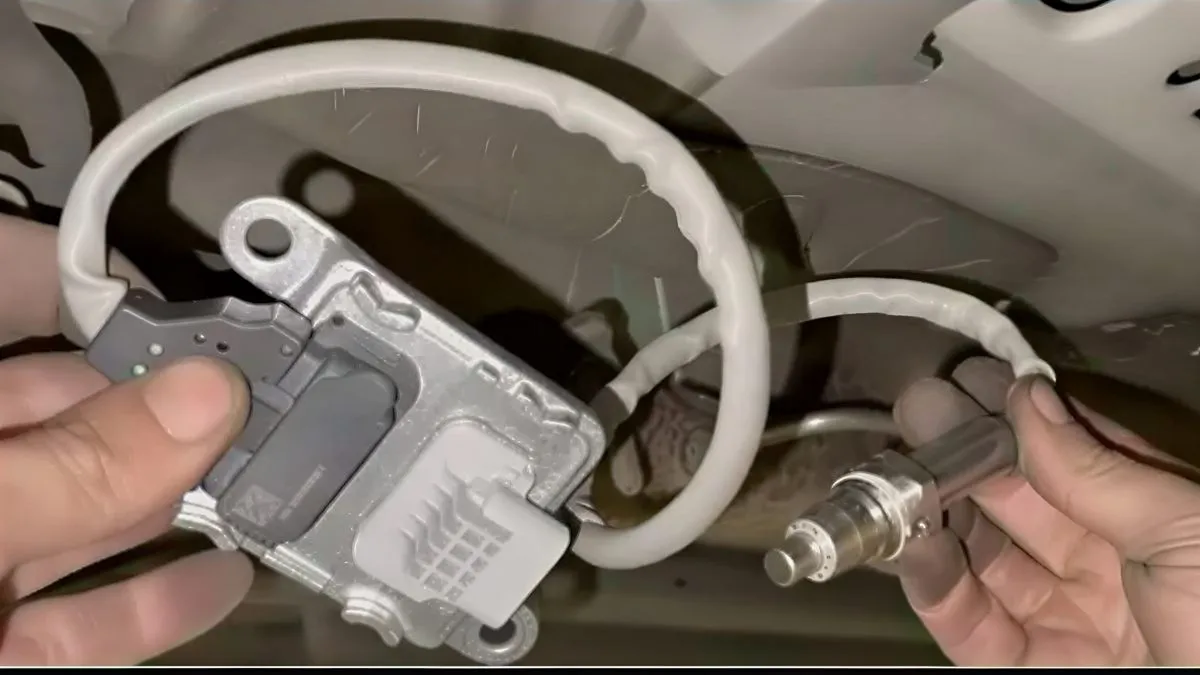
It's more important than ever to get the right NOx sensors for light-duty diesel cars if you want to follow the rules and get the best performance. This in-depth guide tells purchasing managers, R&D engineers, and procurement experts everything they need to know about making diesel engines and putting aftertreatment systems together.
Modern pollution control systems need to be able to reliably identify nitrogen oxides in order to follow EPA Tier 4, Euro VI, and China VI rules. If you pick the wrong sensors, you might get fined a lot for emissions, your engines might not work as well, and your maintenance costs will go up. It's important to know the technical needs, the skills of the seller, and the needs for merging before making a purchase.
Some sensor systems have been used for a long time and have been shown to work well in many scenarios. What makes a sensor reliable, cost-effective, and successful in the long term for light-duty diesel uses is what this piece looks at. It talks about both OEM and alternative choices.
Understanding NOx Sensors and Their Role in Light-Duty Diesel Vehicles
Modern diesel pollution control systems use nitrogen oxide sensors to constantly check the waste gas to make sure the catalytic reduction works at its best. They use high-tech tools to measure NO and NO2 levels very closely. This lets the SCR system respond to changes that happen in real time.
Core Functions of NOx Detection Systems
The main job of these sensors is to measure the amount of nitrogen gas present before and after the SCR catalyst to check how well the reduction works. It is possible for the engine control unit to figure out the exact amount of urea (AdBlue) that is needed to cut down on smog in the best way. When NOx sensor levels get too high, the system changes the dose rates on its own to keep things in line. In contrast to normal oxygen sensors, which report on the whole burning process, nitrogen oxide sensors only report on the harmful parts of fumes. To meet modern safety standards and keep fuel economy and engine performance good, you need to be able to keep an eye on certain areas.
Integration with SCR and DPF Systems
These days, most light-duty diesel cars have more than one NOx sensor unit carefully put in the exhaust system. Sensors further downstream make sure the catalytic converter works and sensors further upstream look for waste from the engine to the air. With this set up, you can fully check the machine for problems and fix them. These days, sensors have features like being able to change temperatures and fix themselves that make them more effective in difficult environments. There are built-in digital connection methods that make it easy for data to be sent and received between engine control units. This backs up more advanced methods for controlling emissions.
Key Criteria to Consider When Choosing NOx Sensors for Light-Duty Diesel Vehicles
When looking for nitrogen oxide sensors, there are a lot of technical and business factors that you need to think about carefully. These affect how well the system works and how well the purchase goes. These things can help you pick the best sensor for your needs and how you plan to use it.
Sensor Technology and Accuracy Specifications
Modern NOx sensors are made of zirconia ceramics and have heaters built in to keep them at the right temperature. Since amperometry is used, the detecting part makes electrical signals that show how much nitrogen gas is present. Across the whole working range, accurate specs are usually within ±10% to ±15% of the real numbers. The stability of the calibration is another important performance factor, since changes over time can make pollution control less effective. For a long time, high-quality sensors stay calibrated correctly. This means they don't need as much maintenance and always meet legal standards.
Durability and Environmental Resistance
It is important for light-duty diesel sensors to be able to work in difficult conditions like high and low temperatures, vibration, and chemical pollution. Some high-end sensor designs have strong housings and coatings that keep them from breaking down when chemicals or heat are added. How hot or cold the sensors can work in becomes very important when they are close to the engine or catalytic converter. High-quality sensors are reliable in ranges from -40°C to 850°C, which means they always work the same way, no matter what. The standards for shaking protection should be the same as those used in the car business for dependability and durability.
Compatibility and Integration Requirements
If you want to use sensors, the exhaust systems and control units must have designs that work well together physically and electrically. So that expensive changes don't have to be made during installation, the thread specs, mounting setups, and connecting types must match what is already in place. Communication protocol compatibility makes it possible for sensors and engine control units to share data without any problems. Most new sensors use CAN bus standards for digital transmission. But in some cases, you may need analog voltage or current output data to work with control systems that are already in place.
Comparative Review of Top NOx Sensor Brands and Models for 2026
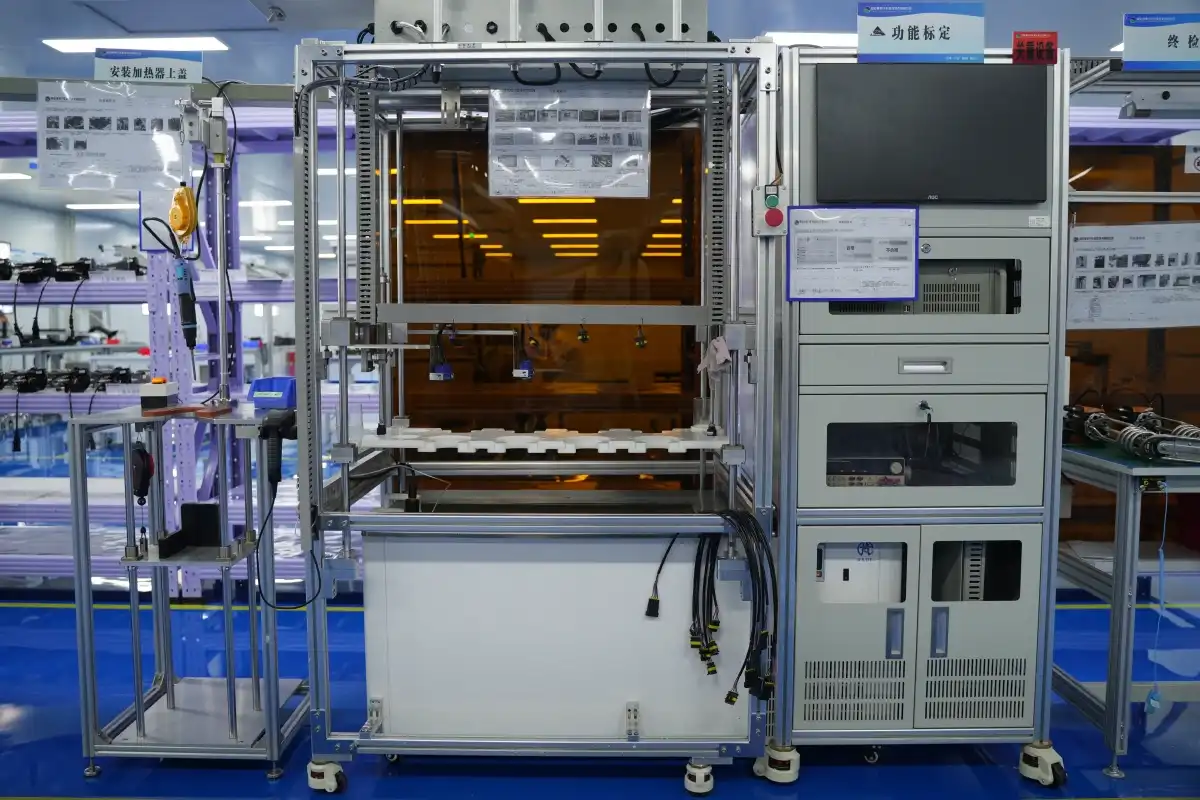
In the market for nitrogen gas sensors, there are a number of well-known companies that make goods that are designed to work with light-duty diesel engines. Each seller is good at different things when it comes to technology, production, and placement in the market. These all play a role in how people decide what to buy.
Bosch NOx Sensor Solutions
Bosch stays ahead of the competition in the market by using a lot of different kinds of sensors and new technology. Their LSU 4.9 and LSU 5.X line sensors are very reliable and last a long time for light-duty diesel use. Because of how much the company processes, it can offer cheap prices for big orders while still maintaining high quality standards.
These sensors come with built-in control technology that makes them easier to place and the system easier to use. When you use advanced monitoring tools, you can plan maintenance ahead of time. This keeps your costs down and prevents breakdowns that happen out of the blue. Bosch gives a lot of thorough information and help with apps for OEM integration projects.
Continental and Denso Market Offerings
Continental creates full pollution control systems that include NOx sensor technology and full systems for cleaning up after pollution. Clients who want to buy all of their emission control needs from a single seller like their method. Because the company has been in the car business for a long time, it knows exactly what needs to be done to integrate vehicles.
Denso is a big OEM provider, so they can offer cheap sensor options that have been tested and shown to work well in high-volume settings. Diesel engine companies that make engines for many countries have plants in many places. This makes their global supply chains work better. The car business has very strict rules about how quality control works.
Emerging Suppliers and Technology Innovations
There are some companies that only make emission control sensors, which gives bigger companies a lead in the market. Customers who need special applications like that these companies usually give them more ways to customize their products and offer quick expert help. New trends in the market include advanced sensor technologies, such as designs based on MEMS, and the ability to talk to each other directly. For now, these new ideas might not be as fully developed as well-known technologies. But they could be useful in some cases and for designing systems in the future.

How to Source and Procure NOx Sensors Efficiently?
If you want to buy nitrogen gas sensors, you need to know what the sellers can do, how the market works, and how to deal with risks. When you buy something, you need to find a balance between saving money and making sure the supply line works well and is reliable.
Supplier Evaluation and Selection Criteria
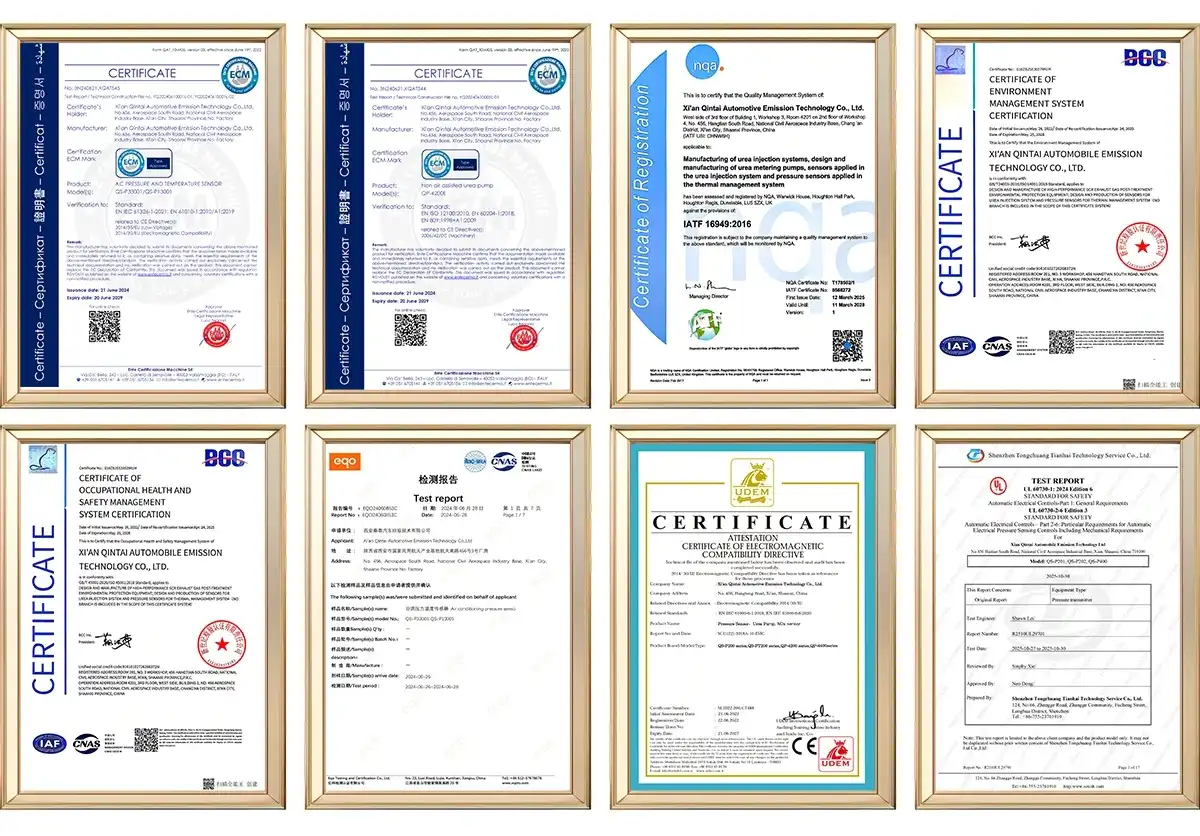
The first part of a full study of a provider is a test of their technical skills. This should include how they test, check quality, and make things. The ISO/TS 16949 mark means that a business meets quality standards for the car industry. Other marks, like ISO 14001, show that the business cares about the environment.
Customers need to know about production capacity and growth if they want to make more sales or reach a bigger market. They should be able to show that they can handle both small samples and large-scale output without lowering the standards of quality or service.
How close things are to each other and how strong the supply chain is affect the total cost of ownership and how well things ship. For faster technical help and lower shipping costs, regional suppliers may be better. However, global suppliers can give a bigger range of technologies at reasonable prices because they make more of them.
Negotiation Strategies and Contract Terms
You can make a contract that protects both parties' interests and covers things like price, delivery, quality, and service needs if you negotiate well. Customers can plan their budgets for costs when they get deals based on sales, and suppliers can make sure their factory goes smoothly.
When things don't meet the standards, quality agreements should spell out what needs to be done to fix them. They should also include the tests that need to be done. There are clear guarantee terms and return policies to protect customers against products that break down too soon, and sellers are limited in how responsible they can be.
When integrating sensors that need to be changed for each application, it's especially important to have expert help. Contracts should spell out the levels of support, response times, and ways to get more help if needed. This way, the product will have enough expert support for its whole lifespan.
Installation, Troubleshooting, and Maintenance Tips for Optimal NOx Sensor Performance
How well sensors work, how effective they are, and how long they last depend a lot on how they are installed and maintained. Following the manufacturer's directions will make sure the system works perfectly and lowers the chance that it will break down or stop working well.
Installation Best Practices and Procedures
NOx sensor installation requires careful attention to mounting orientation, sealing, and electrical connections to ensure accurate readings and long-term reliability. The sensor should be positioned according to manufacturer specifications regarding distance from turbocharger ports and catalytic converter inlets so that readings don't get messed up.
Thread contact must meet mentioned torque values to avoid exhaust leaks and damage to sensor housings from being too tight. When you put anti-seize powder on threaded joints, it's easier to take them apart to fix them. Electrical connections need to be routed and fixed properly so that they don't break because of vibrations or heat.
Calibration steps make sure that standard values are right and that the device works with engine control systems after it has been installed. A lot of modern sensors can calibrate themselves, but sometimes they need to be calibrated by hand using troubleshooting tools and certain test methods.
Diagnostic Procedures and Fault Identification
Systematic fixing helps find sensor issues before they hurt the engine's performance or make it fail to meet emission standards. These are called diagnostic trouble codes (DTCs). They can help, but it may take tests and a lot of information to find the real cause of the problem.
Data that isn't stable, connection issues, and heater elements that don't work are all typical signs of a problem. Finding electrical problems can be helped by measuring voltage and resistance in certain test spots. Also, waste gases can be used to compare how accurate sensors are to known standards.
Sensors can lose their usefulness over time due to things in their surroundings like dirt, heat shock, and vibrations. Visual checks that are done regularly help find any damage or pollution that might affect the sensor's performance before it fails completely.
Preventive Maintenance and Replacement Strategies
To get the most life out of sensors while still meeting emission standards, normal maintenance should take into account how they are used, how often they are used, and what the maker recommends. If it is used for heavy work or in harsh circumstances, it may need to be inspected and changed more often and earlier.
When you replace a sensor, you should also check the other parts of the system that are connected to it, like the wire leads, connections, and mounting tools. It is important to handle new sensors correctly so that they don't get dirty or broken while being installed. This is especially important when clay parts are wet, since water can damage them.
Keeping track of trends in how sensors work helps make repair plans more accurate and find system issues that could make sensors wear out more quickly. Keeping track of when to replace things and how they break down can help you make better plans for repairs and choose better sources.
Conclusion
To pick the best NOx sensor for light-duty diesel cars, you need to look at how well it works technically, how much it costs, and how well the seller can meet your needs. Leading sensor makers such as Bosch, Continental, and Denso all make technologies that have been used for a long time and work well to track emissions and make sure that rules are followed.
A good plan for buying includes learning a lot about the seller, bargaining in an organized way, and making sure the contract has clear terms that cover quality, delivery, and support needs. It is better for sensors to work better, last longer, and cause fewer problems at work if they are put, kept, and diagnosed properly.
FAQ
Q1: How often should NOx sensors be replaced in light-duty diesel vehicles?
A: The sensors should be changed every 100,000 to 150,000 miles, but this depends on how the car is driven and how good the sensors are. Diesel fuel may need to be changed more often if it is used for heavy-duty tasks like starting up cold a lot of times, sitting still for long amounts of time, or being dirty. Keeping an eye on sensors that aren't working right helps find them before they break completely.
Q2: Can aftermarket NOx sensors provide equivalent performance to OEM units?
A: Good aftermarket sensors can work just as well as OEM units if they are put in the right place and chosen properly. However, checking the interface is needed to make sure that the new system works well with the old ones. It might be cheaper to buy bootleg sensors, but OEM sensors usually come with full technical support and are approved to work with other devices.
Q3: What factors most significantly impact NOx sensor longevity?
A: The main things that shorten the life of sensors are high working temperatures, thermal cycling, and pollution from fumes. As little vibration damage as possible can happen by putting things together properly and making sure they are mounted firmly. When you use good diesel fuel and keep your air filters clean, you reduce the amount of dirt and dust that can slow down sensors over time.
Partner with Qintai for Superior NOx Sensor Solutions
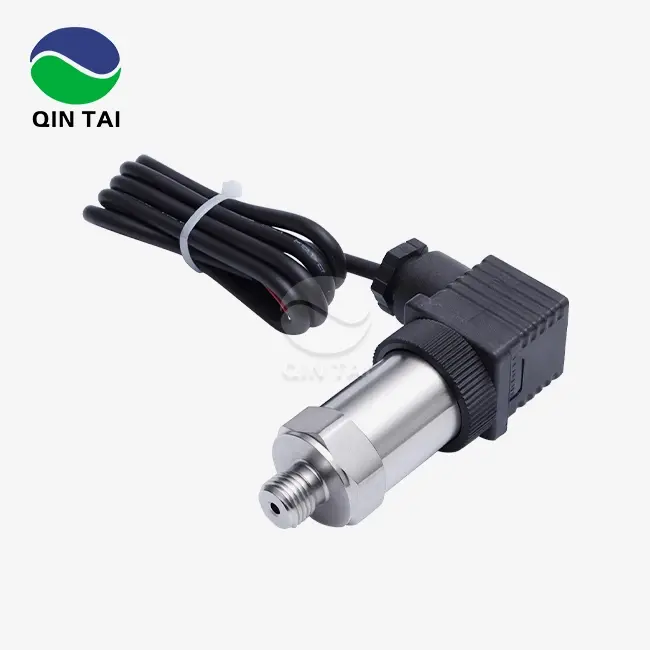
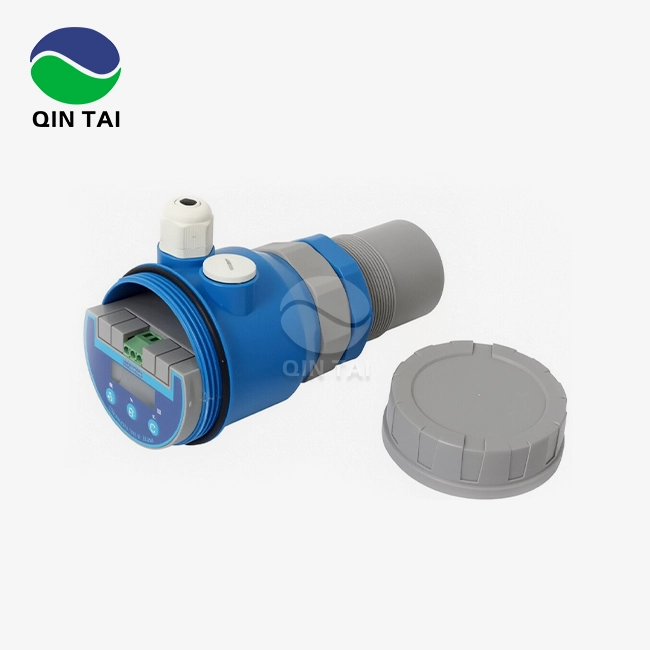
You can get high-performance NOx sensor solutions made for tough car uses from Qintai to help you control the emissions from your light-duty diesel engine. We are one of the best NOx sensor manufacturers and have been in business for more than 20 years. Our technology is tried and true, meets strict EPA and Euro VI standards, and is also very reliable and affordable.
There are both normal and unique sensor setups in our large selection of goods that work best with SCR systems. Because it is made with advanced zirconia ceramic technology and strong industrial design, the item always works the same way. These steps, along with ISO/TS 16949 approval, make sure that the product will work well in high-volume settings. Send an email to info@qt-sensor.com to talk about your needs and find out how you can save money by buying in bulk. For the life of the product, we offer full technical support, which includes help with application, installation, and ongoing service.
References
1. Society of Automotive Engineers. "NOx Sensor Technology for Diesel Emission Control Systems." SAE International Journal of Engines, Vol. 15, No. 3, 2024.
2. Environmental Protection Agency. "Heavy-Duty Engine and Vehicle Standards and Highway Diesel Fuel Sulfur Control Requirements." Federal Register, 2024.
3. International Council on Clean Transportation. "Nitrogen Oxide Sensor Performance in Real-World Diesel Applications." ICCT Technical Report, 2024.
4. Automotive Engineering International. "Advanced Sensor Technologies for Diesel Aftertreatment Systems." SAE Media Group, 2024.
5. European Commission. "Euro VI Emission Standards Implementation and NOx Monitoring Requirements." Official Journal of the European Union, 2024.
6. Diesel Progress. "NOx Sensor Market Analysis and Technology Trends for Light-Duty Applications." Diesel & Gas Turbine Publications, 2024.


Our customers’ satisfaction speaks for our quality — contact us to experience the same reliable service.