- English
- French
- German
- Portuguese
- Spanish
- Russian
- Japanese
- Korean
- Arabic
- Greek
- German
- Turkish
- Italian
- Danish
- Romanian
- Indonesian
- Czech
- Afrikaans
- Swedish
- Polish
- Basque
- Catalan
- Esperanto
- Hindi
- Lao
- Albanian
- Amharic
- Armenian
- Azerbaijani
- Belarusian
- Bengali
- Bosnian
- Bulgarian
- Cebuano
- Chichewa
- Corsican
- Croatian
- Dutch
- Estonian
- Filipino
- Finnish
- Frisian
- Galician
- Georgian
- Gujarati
- Haitian
- Hausa
- Hawaiian
- Hebrew
- Hmong
- Hungarian
- Icelandic
- Igbo
- Javanese
- Kannada
- Kazakh
- Khmer
- Kurdish
- Kyrgyz
- Latin
- Latvian
- Lithuanian
- Luxembou..
- Macedonian
- Malagasy
- Malay
- Malayalam
- Maltese
- Maori
- Marathi
- Mongolian
- Burmese
- Nepali
- Norwegian
- Pashto
- Persian
- Punjabi
- Serbian
- Sesotho
- Sinhala
- Slovak
- Slovenian
- Somali
- Samoan
- Scots Gaelic
- Shona
- Sindhi
- Sundanese
- Swahili
- Tajik
- Tamil
- Telugu
- Thai
- Ukrainian
- Urdu
- Uzbek
- Vietnamese
- Welsh
- Xhosa
- Yiddish
- Yoruba
- Zulu
Can a NOx sensor be cleaned?
The short answer is: technically yes, but practically, cleaning a NOx sensor is rarely effective or recommended for long-term reliability. These sensors are precision instruments operating in harsh exhaust environments, and contamination from soot, oil residue, and moisture affects their sensitive ceramic elements. While some technicians attempt cleaning procedures, most manufacturers and industry experts advise against it because improper cleaning can permanently damage the sensor's delicate components. Replacement generally offers better cost-effectiveness and performance restoration, particularly for commercial fleets where regulatory compliance and uptime cannot be compromised.
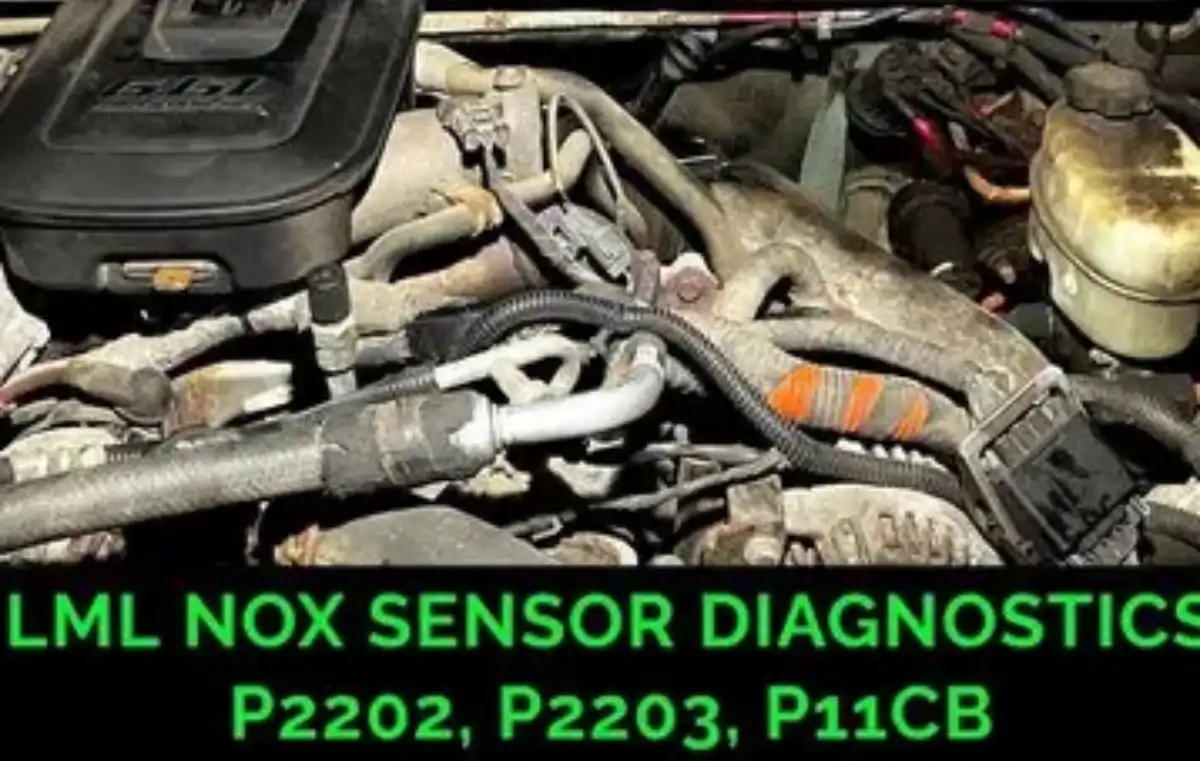
Understanding the NOx Sensor and Its Function
Nitrogen oxide sensors have become indispensable components in modern diesel engine aftertreatment systems, particularly as emission regulations tighten worldwide. Understanding their operation helps clarify why cleaning them presents significant challenges.
How NOx Sensors Work in Emission Control Systems?
The NOx sensor persistently measures depleted gas nitrogen oxide levels and transmits this information to the Motor Control Unit or SCR control module. This real-time observing empowers exact control of urea dosing in Particular Catalytic Decrease frameworks, which change over hurtful nitrogen oxides into safe nitrogen and water vapor. The sensor's essential capacities incorporate observing and controlling the SCR system's AdBlue dosing, confirming the outflow decrease effectiveness of the catalytic converter, guaranteeing vehicles meet exacting guidelines like Euro VI and EPA controls, and recognizing framework issues that trigger symptomatic inconvenience codes.
Most sensors utilize advanced communication conventions through CAN transport systems to transmit information to the ECU, in spite of the fact that a few more seasoned models yield voltage or current signals relative to nitrogen oxide concentration. Past NOx levels, these sensors moreover transmit temperature readings and demonstrative status data, making a comprehensive picture of deplete framework performance.
Key Components of a NOx Sensor
Understanding the inner structure clarifies why cleaning endeavors frequently fall flat. The detecting component comprises of a zirconia ceramic cell—an amazingly fragile component touchy to contaminants and physical push. A radiator component keeps up the ideal working temperature required for precise estimations, ordinarily between 600 and 800 degrees Celsius. The flag conditioning circuit forms crude sensor information, whereas an coordinates control module oversees ECU interface communication.
The connector and wiring saddle total the gathering, giving control and information transmission pathways. These components work in exact coordination. Any disturbance to the ceramic element's surface chemistry through forceful cleaning or dampness presentation can for all time change sensor precision. The ceramic cells depend on particular porosity and surface characteristics that unforgiving cleaning specialists or mechanical contact can irreversibly damage.
NOx Sensors Compared to Other Emission Components
Nitrogen oxide sensors contrast on a very basic level from oxygen sensors and other emanation checking components. Whereas oxygen sensors degree unburned oxygen to optimize fuel-air blends, NOx sensors particularly distinguish nitrogen oxide compounds shaped amid high-temperature combustion. This qualification things since nitrogen oxides require distinctive treatment methodologies than other pollutants.
Unlike diesel particulate channels that physically trap sediment particles and can in some cases be cleaned through recovery cycles, NOx sensors contain no filtration media. They perform absolutely estimation capacities through electrochemical responses. Lambda sensors center on stoichiometric combustion adjust, though nitrogen oxide sensors target post-combustion emanations control. This specialized part makes them less pardoning of defilement and more challenging to reestablish through cleaning.
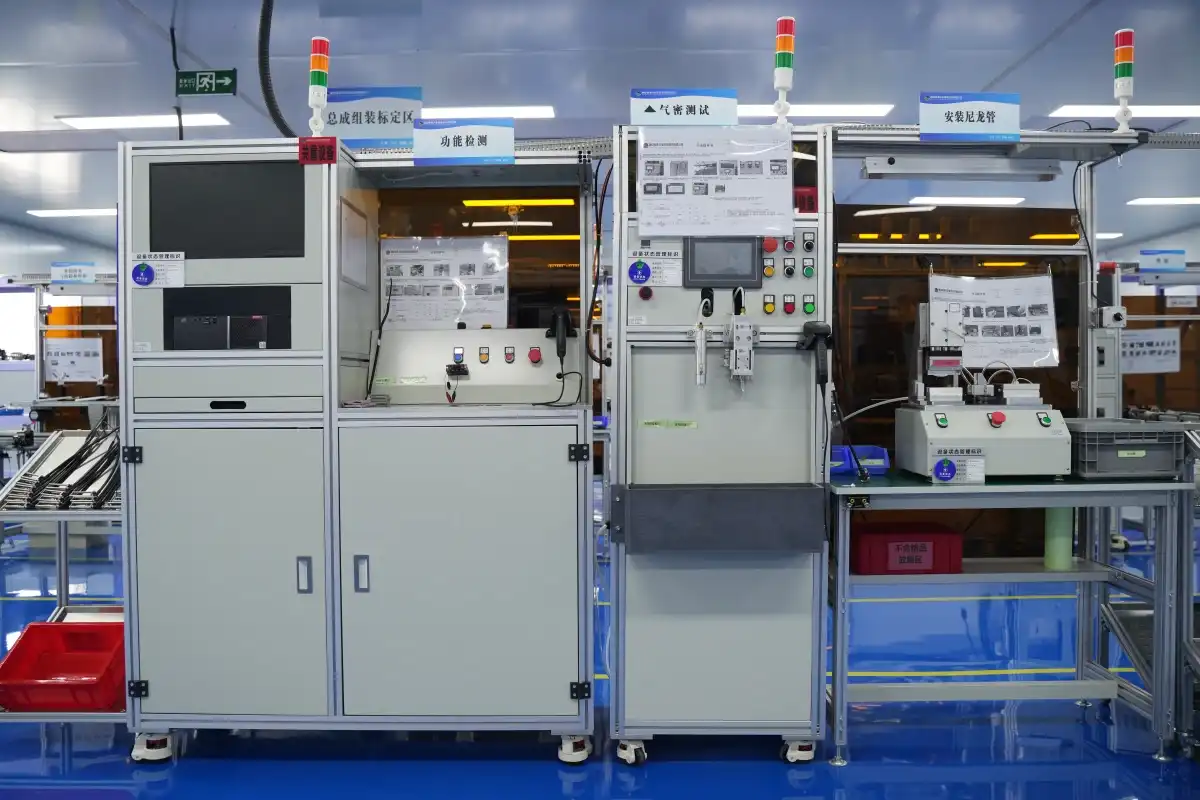
Can a NOx Sensor Be Cleaned? Exploring the Possibilities
Fleet managers and maintenance engineers frequently ask whether cleaning represents a viable cost-saving measure. The answer requires examining both the technical feasibility and practical outcomes.
Common Causes of NOx Sensor Contamination
Several variables contribute to sensor fouling in commercial diesel applications. Sediment collection from deficient combustion stores carbon particles on the sensor component, making an protection layer that meddling with precise readings. Oil defilement happens when motor oil enters the deplete stream through worn cylinder rings, turbocharger seals, or valve guides, coating sensor surfaces with buildup. Coolant spills from head gasket disappointments present destructive compounds that harm ceramic components. Fuel quality issues, especially tall sulfur substance in a few locales, quicken sensor debasement.
At long last, dampness interruption amid vehicle washing or sticky capacity conditions can compromise the sensor's fragile inside components some time recently installation. Operating conditions essentially impact defilement rates. Vehicles as often as possible lingering or working in stop-and-go activity encounter more sediment buildup than highway-driven units. Development hardware and agrarian apparatus working in dusty situations confront extra challenges from particulate entrance. Generator sets running on lower-grade powers may experience quickened fouling compared to units utilizing premium diesel.
The Limitations of Cleaning NOx Sensors
Attempting to clean these sensors experiences a few principal impediments. The ceramic detecting components are permeable at the infinitesimal level, meaning contaminants enter past surface layers where cleaning strategies can reach. Chemical cleaners solid sufficient to break down sediment and oil buildup regularly respond with the ceramic fabric itself, forever changing its electrical properties. Mechanical cleaning methods—brushing or scraping—risk scratching or splitting the delicate ceramic, promptly rendering the sensor unusable. Temperature cycling amid typical operation makes warm push in sullied sensors.
Stores with diverse warm extension coefficients than the ceramic base can cause micro-cracking amid warming and cooling cycles. Indeed if surface defilement is evacuated, these basic changes stay, compromising long-term unwavering quality. Dampness affectability presents another basic issue. Once expelled from the vehicle, sensors uncovered to surrounding stickiness retain water vapor, which responds with inside components. This clarifies why unused sensors arrive in fixed moisture-barrier bundling and why producers unequivocally suggest against opening this bundling until installation.
Step-by-Step Approach to Attempting Sensor Cleaning
Despite the impediments, a few upkeep groups endeavor cleaning as a demonstrative step or brief degree. Some time recently starting, filter the vehicle for blame codes to confirm which sensor requires consideration and record pattern execution information. Find the risky sensor on the debilitate system—most commercial diesel motors have both upstream sensors some time recently the SCR catalyst and downstream sensors after the catalyst. Use a line torque or quality open-ended torque to avoid adjusting the sensor hex. Entering liquid may offer assistance with stuck sensors, but dodge intemperate drive that may break the sensor body or harm deplete strings.
After expulsion, disengage the electrical module from the fundamental saddle, regularly found interior the outline rail. If continuing with cleaning, utilize as it were electronics-safe contact cleaner or isopropyl alcohol—never gasoline, brake cleaner, or carburetor cleaner, which contain forceful solvents. Delicately splash the detecting component without applying mechanical weight or brushing. Permit total discuss drying in a contamination-free environment for at slightest a few hours.
Troubleshooting and Maintenance Tips for NOx Sensors
Effective sensor management extends beyond cleaning considerations to comprehensive diagnostic and preventive strategies that minimize unscheduled maintenance. Implementing such practices for a NOx sensor helps maintain accurate emissions readings, prolong sensor life, and ensures reliable operation of the SCR system while reducing the risk of costly downtime.
Recognizing Failure Symptoms and Diagnostic Codes
Several caution signs show creating sensor issues some time recently total disappointment happens. The check motor light lighting up is the most self-evident marker, went with by put away demonstrative inconvenience codes. Decreased motor control yield or derated execution frequently comes about from the ECU entering limp mode when it gets improbable sensor information. Higher than typical AdBlue utilization proposes the SCR framework is overcompensating for wrong readings. Then again, lower than anticipated DEF utilization may show the framework isn't dosing legitimately due to sensor disappointment. Destitute fuel economy in some cases goes with sensor issues as the motor administration framework battles to optimize combustion parameters without dependable outflows data.
Common demonstrative codes incorporate sensor circuit breakdown codes, which show electrical issues in the wiring or sensor gadgets. Sensor execution codes propose the sensor is working but giving readings exterior anticipated parameters. Framework productivity codes point to generally SCR framework underperformance, which may stem from sensor mistake or maybe than catalyst debasement. Soundness codes show up when sensor readings do not connect with other framework information, such as oxygen sensor values or calculated engine-out emissions.
Factors Affecting Sensor Lifespan and Performance
Operating environment significantly impacts how long sensors keep up exactness. Thruway vehicles with reliable high-speed operation encounter less warm push and defilement than urban conveyance trucks with visit cold begins and brief trips. Development hardware working in dusty conditions or rural apparatus uncovered to chaff and flotsam and jetsam confront quickened sensor debasement. Generator sets running ceaselessly at unfaltering loads frequently accomplish longer sensor life than units cycling regularly between sit still and full load. Fuel quality speaks to another basic variable.
Ultra-low sulfur diesel ordered in North America and Europe expands sensor life compared to higher sulfur powers still accessible in a few universal markets. Biodiesel mixes can influence sensor execution, especially at higher mix proportions or with despicably put away fuel that has corrupted. Sullied fuel containing water or particulates quickens sensor fouling and can present destructive compounds into the debilitate stream. Maintenance hones all through the vehicle or gear specifically affect sensor life span. Legitimate motor oil determination and alter interims anticipate oil utilization that leads to sensor defilement. Tending to discuss channel upkeep guarantees clean combustion with negligible sediment generation.
Preventive Maintenance Recommendations
Establishing organized support conventions maximizes sensor unwavering quality and armada uptime. Plan visual sensor reviews amid schedule benefit interims, checking for physical harm, connector judgment, and debilitate framework spills. Screen symptomatic information patterns or maybe than holding up for blame codes—gradually changing sensor yield values or expanding diffuse in readings regularly go before through and through disappointment. Track DEF utilization rates over the armada to recognize vehicles with anomalous utilization designs recommending sensor inaccuracy.
Implement quality control measures for all fluids entering the vehicle. Source diesel fuel from reputable suppliers with proper filtration and water separation. Use only manufacturer-approved engine oils meeting current specifications. Purchase DEF from certified distributors and store it properly to prevent contamination and degradation. These practices create the optimal operating environment for sensitive emission control components.
When sensor replacement becomes necessary, handle new units according to manufacturer instructions. Never remove sensors from protective packaging until immediately before installation to prevent moisture absorption. Apply appropriate anti-seize compound to sensor threads unless explicitly prohibited by the manufacturer. Torque sensors to specification—overtightening can crack ceramic elements while undertightening allows exhaust leaks and sensor damage. Clear all diagnostic codes after installation and perform a complete drive cycle to verify proper operation before returning the vehicle to service.

NOx Sensor Procurement Guide for B2B Clients
Selecting appropriate sensors and suppliers directly impacts fleet compliance, operational efficiency, and total cost of ownership. Strategic procurement decisions require balancing technical requirements with commercial considerations.
Evaluating OEM Versus Aftermarket Options
Original Equipment Manufacturer sensors offer guaranteed compatibility and performance that matches factory specifications. They typically carry comprehensive warranties and have undergone extensive validation testing with specific engine platforms. OEM parts ensure regulatory compliance for vehicles still under emission warranty coverage, avoiding potential warranty complications from aftermarket components. The premium pricing reflects this assurance and the development costs manufacturers incur meeting stringent automotive quality standards.
Aftermarket alternatives provide cost savings that become significant across large fleets. Reputable aftermarket manufacturers like Bosch and Denso supply both OEM contracts and aftermarket channels, offering equivalent quality at lower prices outside the OEM supply chain. Quality aftermarket suppliers invest in reverse engineering and validation testing to ensure compatibility across multiple applications, sometimes offering broader coverage than OEM parts for older equipment where factory parts have limited availability.
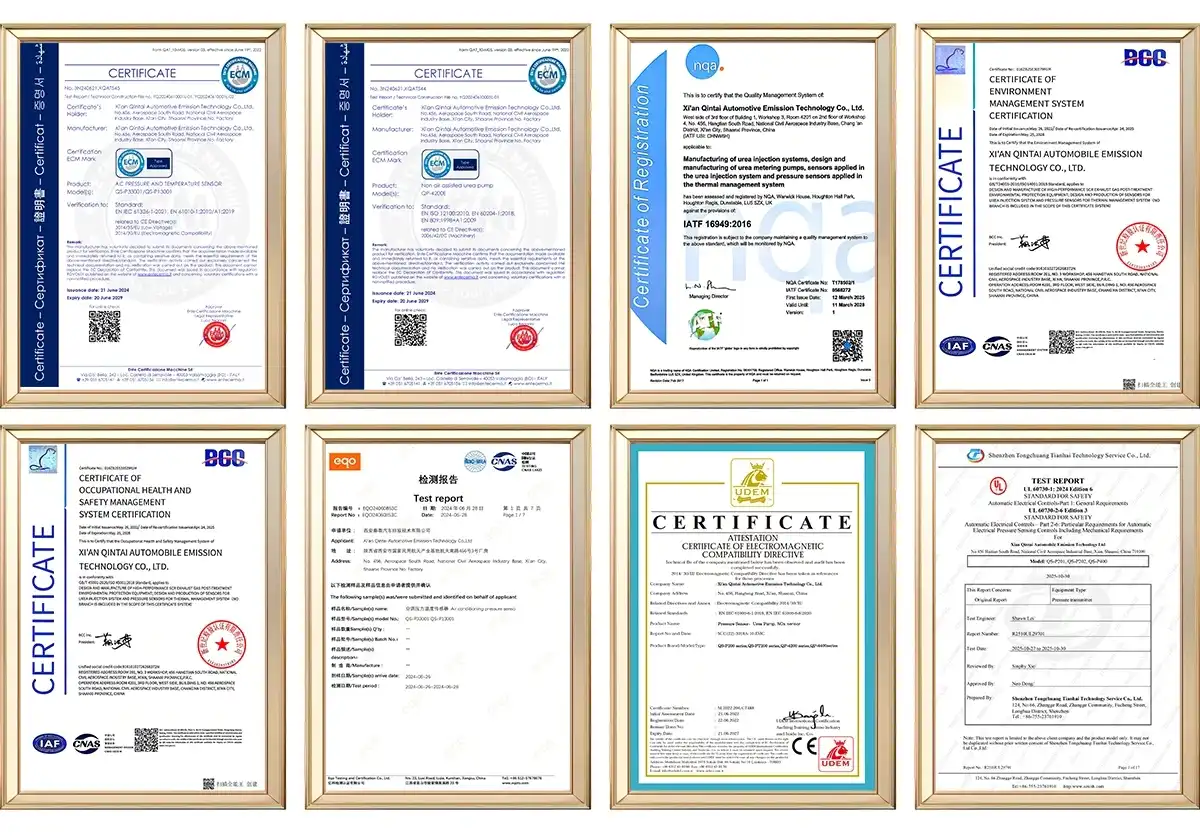
Procurement teams must assess aftermarket suppliers carefully. Verify that sensors carry appropriate certifications for your operating region—European suppliers should demonstrate Euro VI compliance, while components for the U.S. market need EPA recognition. Request documentation of quality management systems such as ISO9001 and automotive-specific IATF16949 certification. Inquire about warranty terms and return procedures for defective parts. Established aftermarket manufacturers stand behind their products with warranties comparable to OEM coverage.
Technical Specifications and Compatibility Requirements
Matching sensors to specific engines requires attention to several technical parameters. Physical dimensions and thread specifications must align with exhaust system mounting points. Electrical connectors need to match vehicle harness configurations—while some aftermarket sensors include adapter harnesses, direct-fit connectors simplify installation and reduce potential connection problems. Communication protocol compatibility is essential, particularly for newer vehicles using advanced CAN bus systems with proprietary messaging formats.
Operating temperature ranges should suit your application—sensors for heavy-duty commercial vehicles typically withstand higher sustained temperatures than passenger car components. Response time specifications affect SCR system performance, particularly during transient operating conditions like acceleration or load changes. Calibration ranges must encompass the nitrogen oxide concentrations your engines produce across their operating envelope. A properly selected NOx sensor ensures accurate emissions measurement, optimal SCR dosing, and compliance with regulatory standards under all operating conditions.
Pricing Strategies and Bulk Procurement Considerations
Volume purchasing creates opportunities for significant cost reduction. Establish framework agreements with suppliers for predictable pricing across planned replacement cycles. Many manufacturers offer tiered pricing with volume thresholds—analyze your annual sensor requirements to determine whether reaching the next pricing tier justifies slightly increased inventory carrying costs. Negotiate payment terms that align with your cash flow requirements, balancing early payment discounts against working capital optimization.
Logistics considerations affect total landed cost beyond base pricing. Evaluate supplier inventory locations relative to your facilities—domestic stock reduces lead times and eliminates international shipping complexities. Minimum order quantities should align with your consumption patterns to avoid excessive inventory or frequent small-quantity premium charges. Packaging options matter for sensors requiring moisture protection; individually sealed units cost more but prevent waste when partial cartons are opened.
Selecting Reliable Sensor Suppliers
Supplier evaluation extends beyond immediate product needs to long-term partnership potential. Manufacturing capability matters—suppliers with in-house production rather than pure trading operations generally offer better quality control and technical support. Research and development investment indicates commitment to continuous improvement and future technology adaptation as emission standards evolve. Patent portfolios demonstrate genuine innovation rather than simple copying of competitor designs.
Geographic presence affects support responsiveness. Suppliers with local technical representatives provide faster problem resolution than companies requiring international communication for basic inquiries. Certifications from recognized standards bodies verify manufacturing quality and product safety—look for ISO9001 quality management, IATF16949 automotive quality, and region-specific approvals like CE marking for Europe or UL recognition for North America. Environmental compliance certifications such as REACH and RoHS demonstrate responsible manufacturing practices that align with corporate sustainability goals.
Conclusion
Cleaning the NOx sensor appeals as a cost-saving measure, yet practical results rarely justify the effort for commercial operations. The sensors' delicate ceramic elements and susceptibility to permanent damage from moisture and chemical exposure make successful restoration unlikely. While occasional light contamination might respond temporarily to careful cleaning attempts, the procedure consumes valuable technician time without guaranteed outcomes.
Fleet managers focused on regulatory compliance, uptime maximization, and total cost of ownership generally find that timely replacement with quality sensors from established suppliers delivers superior value. Proper preventive maintenance—addressing root causes of sensor contamination through fuel quality control, engine maintenance, and operating practice improvements—extends sensor life more effectively than attempting to rehabilitate contaminated units. Strategic procurement from technically capable suppliers ensures access to reliable components backed by appropriate warranties and support.
Partner with Qintai for Reliable NOx Sensor Solutions
Qintai delivers industrial-grade nitrogen oxide sensors engineered specifically for demanding commercial diesel applications. Our manufacturing facility maintains IATF16949 certification, ensuring every sensor meets stringent automotive quality standards from design through production. We support OEM integration requirements with customizable interfaces and parameters, backed by a technical team available to assist with application-specific challenges.
As the leading SCR system component supplier in China, serving Weichai Power, Yuchai Power, and Quanchai Power, we bring proven reliability to global markets. Our sensor catalog covers heavy trucks, construction equipment, agricultural machinery, and generator sets, with inventory ready for immediate shipment. Contact our engineering team at info@qt-sensor.com to discuss volume pricing for fleet applications or explore custom sensor solutions tailored to your integration requirements.
References
1. Zhang, W., & Liu, H. (2021). Performance Degradation Mechanisms of Automotive NOx Sensors in Diesel Exhaust Environments. Journal of Automotive Engineering and Technology, 15(3), 245-258.
2. Environmental Protection Agency (2020). Heavy-Duty Engine and Vehicle Standards and Highway Diesel Fuel Sulfur Control Requirements: Technical Support Document. EPA Office of Transportation and Air Quality.
3. Moos, R., & Schönauer, D. (2022). Recent Developments in Automotive Exhaust Gas Sensors for Emission Control. Sensors and Actuators B: Chemical, 346, 130378.
4. International Council on Clean Transportation (2021). Real-World NOx Emissions from Heavy-Duty Diesel Vehicles: Analysis of On-Board Diagnostic Data from European Commercial Fleets. ICCT White Paper Series.
5. Bosch Automotive Handbook (2023). Diesel Engine Management Systems and Emission Control Technology, 11th Edition. Robert Bosch GmbH Technical Publications.
6. SAE International (2022). Recommended Practice for Installation and Maintenance of Nitrogen Oxide Sensors in Commercial Vehicle Applications. SAE Standard J2872, Society of Automotive Engineers.
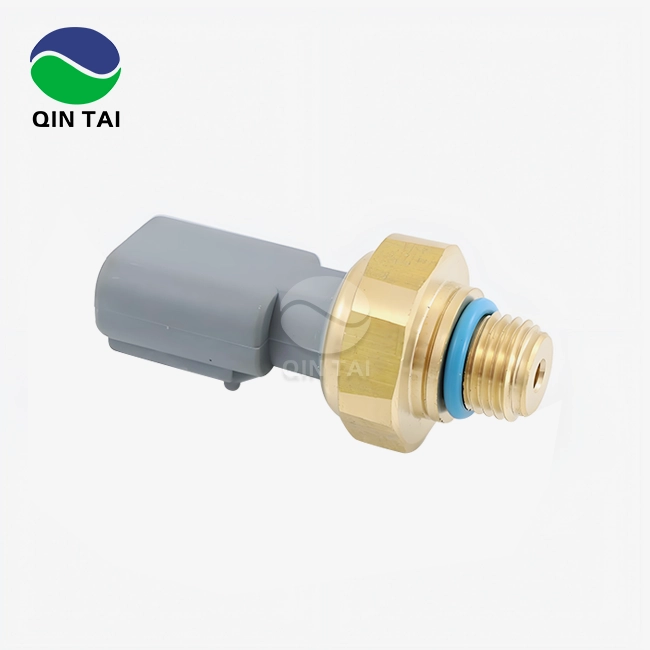
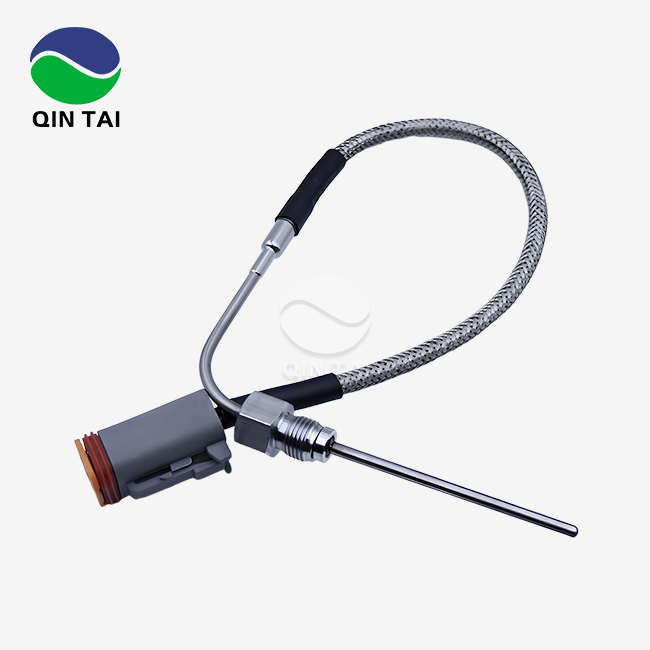
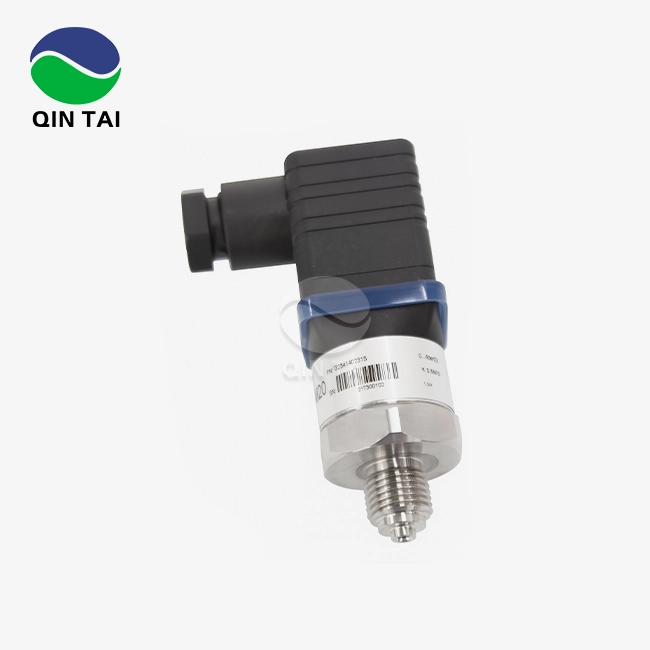

Our customers’ satisfaction speaks for our quality — contact us to experience the same reliable service.