- English
- French
- German
- Portuguese
- Spanish
- Russian
- Japanese
- Korean
- Arabic
- Greek
- German
- Turkish
- Italian
- Danish
- Romanian
- Indonesian
- Czech
- Afrikaans
- Swedish
- Polish
- Basque
- Catalan
- Esperanto
- Hindi
- Lao
- Albanian
- Amharic
- Armenian
- Azerbaijani
- Belarusian
- Bengali
- Bosnian
- Bulgarian
- Cebuano
- Chichewa
- Corsican
- Croatian
- Dutch
- Estonian
- Filipino
- Finnish
- Frisian
- Galician
- Georgian
- Gujarati
- Haitian
- Hausa
- Hawaiian
- Hebrew
- Hmong
- Hungarian
- Icelandic
- Igbo
- Javanese
- Kannada
- Kazakh
- Khmer
- Kurdish
- Kyrgyz
- Latin
- Latvian
- Lithuanian
- Luxembou..
- Macedonian
- Malagasy
- Malay
- Malayalam
- Maltese
- Maori
- Marathi
- Mongolian
- Burmese
- Nepali
- Norwegian
- Pashto
- Persian
- Punjabi
- Serbian
- Sesotho
- Sinhala
- Slovak
- Slovenian
- Somali
- Samoan
- Scots Gaelic
- Shona
- Sindhi
- Sundanese
- Swahili
- Tajik
- Tamil
- Telugu
- Thai
- Ukrainian
- Urdu
- Uzbek
- Vietnamese
- Welsh
- Xhosa
- Yiddish
- Yoruba
- Zulu
What causes NOx sensor failure?
NOx sensor failure typically stems from several key factors: thermal stress from extreme exhaust temperatures, contamination by soot and oil deposits, electrical issues such as corroded connectors or damaged wiring harnesses, and mechanical damage from improper installation or physical impact. Additionally, upstream engine problems—including faulty EGR systems, fuel injection irregularities, and coolant leaks—can compromise sensor performance. Understanding these root causes helps diesel engine manufacturers, aftertreatment system integrators, and fleet managers implement preventive strategies that maximize sensor lifespan and maintain emission compliance.
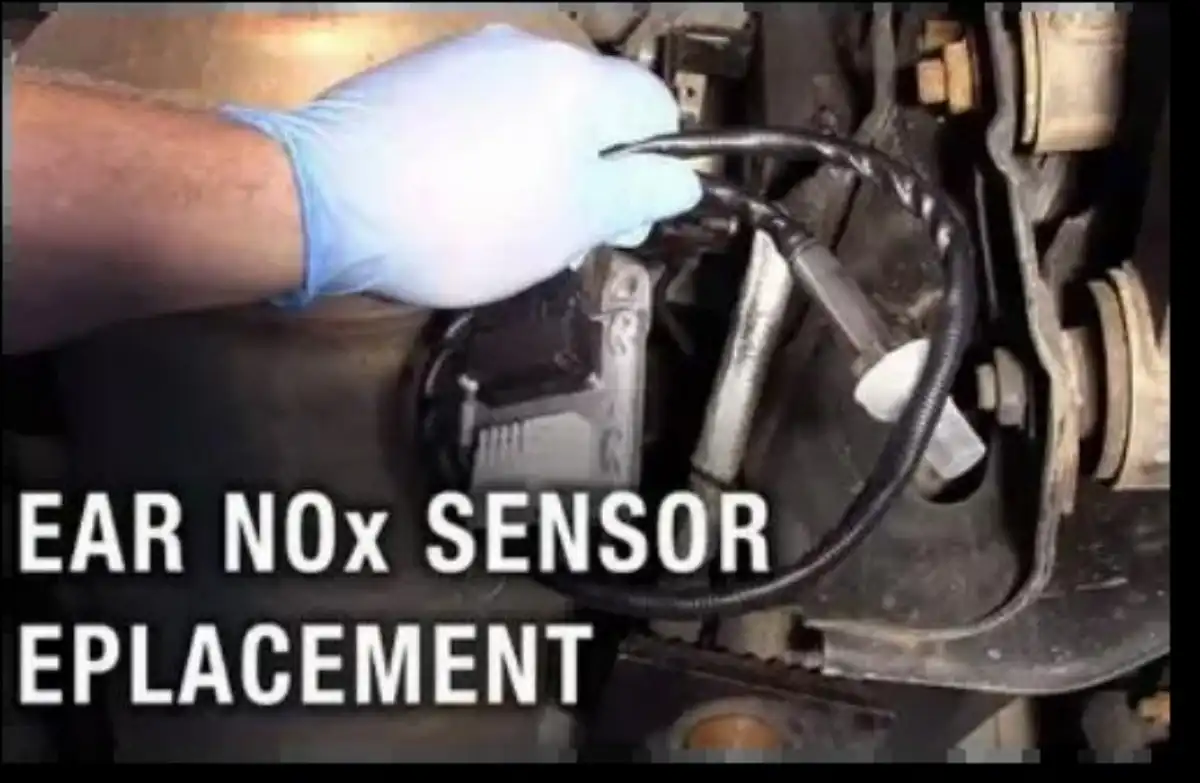
Understanding NOx Sensors and Their Functions
The diesel Nox sensor serves as the critical monitoring device in modern emission control systems, measuring harmful nitrogen oxide concentrations in exhaust gases and transmitting real-time data to the Engine Control Unit (ECU) or SCR control module. Unlike standard oxygen sensors that focus solely on oxygen levels, these specialized sensors target NOx compounds specifically, enabling precise adjustments to urea dosing in Selective Catalytic Reduction (SCR) systems.
Core Functions in Emission Management
The Nox sensor ceaselessly performs a few basic errands all through motor operation. It screens and controls AdBlue (diesel deplete liquid) dosing to optimize emanation lessening, confirms catalytic converter effectiveness, guarantees compliance with Euro VI and EPA outflow measures, and recognizes framework deficiencies that trigger symptomatic inconvenience codes (DTCs). This multifunctional approach makes the sensor irreplaceable for overwhelming trucks, development apparatus, rural gear, and generator sets working beneath rigid natural regulations.
Signal Processing and Communication
Most present day sensors utilize computerized communication conventions, especially CAN transport frameworks, to transmit information to the ECU with negligible flag corruption. The sensor bundle incorporates a zirconia ceramic detecting component, coordinates radiator component that keeps up ideal working temperature, flag conditioning circuitry, control module interface, and ruggedized connector with defensive wiring tackle. A few earlier-generation models yield voltage or current signals relative to NOx concentration, in spite of the fact that advanced communication has gotten to be the industry standard for its precision and symptomatic capabilities. The preferences of keeping up appropriate sensor work expand past administrative compliance.
Common Causes of NOx Sensor Failure
Understanding what compromises sensor integrity helps procurement managers and R&D engineers develop robust emission control strategies. The harsh operating environment within exhaust systems subjects sensors to multiple stress factors that accumulate over time.
Thermal Degradation and Temperature Extremes
Exhaust gas temperatures in diesel applications routinely surpass 600°C amid recovery cycles and high-load operations. Delayed presentation to these extraordinary conditions steadily debases the zirconia ceramic detecting component, lessening estimation precision and reaction time. Warm cycling—the rehashed warming and cooling amid motor start-stop sequences—creates mechanical stretch inside sensor components, in the long run driving to microcracks in the ceramic substrate. Heavy-duty applications in development and mining gear confront especially forceful warm situations that quicken debasement compared to standard interstate driving conditions.
Contaminant Accumulation and Fouling
Soot particles, unburned hydrocarbons, sulfur compounds, and metal cinder stores dynamically coat sensor surfaces, making an protection boundary that impedes gas trade with the detecting component. Oil spills from worn turbocharger seals or valve direct seals present hydrocarbon defilement into the debilitate stream, which carbonizes on hot sensor surfaces. Coolant invasion from barrel head gasket disappointments presents another defilement pathway, keeping calcium and silicate buildups that for all time harm sensor components. Agrarian apparatus working in dusty situations and development gear in high-particulate conditions confront hoisted defilement risks.
Electrical and Connector Issues
The electrical saddle interfacing sensors to the ECU navigates unforgiving underbody situations where street salt, dampness, and mechanical scraped spot compromise wiring judgment. Connector stick erosion disturbs flag transmission, creating discontinuous issues that complicate determination. Vibration from harsh landscape operation and motor sounds can weakness patch joints inside sensor gadgets, causing "circuit open" or "circuit tall" blame codes. Generator set applications with nonstop operation cycles put supported electrical stretch on sensor radiator circuits, driving to component burnout.
Mechanical Damage and Installation Errors
Physical affect from street flotsam and jetsam, disgraceful dealing with amid support, or collision harm breaks ceramic components or splits sensor lodgings. Cross-threading amid establishment strips deplete bung strings and avoids appropriate fixing, permitting deplete spills that sully sensor surfaces. Over-torquing sensor bodies smashes inner components, whereas under-torquing makes free associations that allow dampness entrance. The affectability of Nox sensors to dampness introduction requests cautious handling—removing defensive bundling rashly amid establishment welcomes quick defilement and untimely failure.
Upstream Engine Malfunctions
Faulty Deplete Gas Distribution (EGR) frameworks modify debilitate composition by presenting anomalous particulate loads and temperature profiles that overpower sensor capacity. Fuel infusion problems—including worn injectors, off base timing, or sullied fuel—produce inadequate combustion byproducts that foul sensor components. Turbocharger disappointments dump oil specifically into deplete streams, coating sensors with carbonized buildup. Tending to these upstream issues demonstrates basic for sensor life span, as indeed premium sensors cannot withstand the ambush of chronically compromised debilitate conditions.
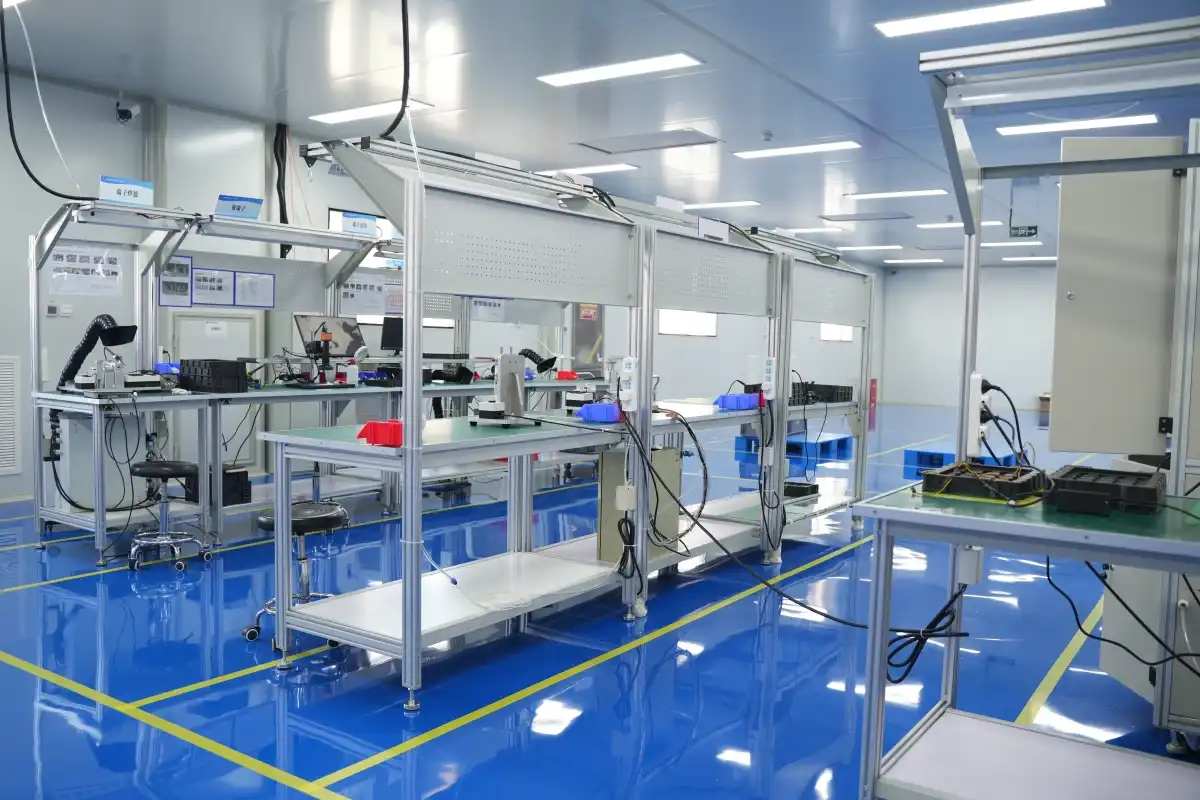
Diagnosing NOx Sensor Failures: Troubleshooting Guide
Early detection of sensor degradation prevents cascade failures within emission control systems and maintains operational compliance. Recognizing warning signs and employing systematic diagnostic procedures reduces vehicle downtime and repair costs.
Common Failure Symptoms
The check engine light represents the most obvious indicator, typically accompanied by specific fault codes designating "inlet NOx sensor" or "outlet NOx sensor" to identify which of the two sensors in dual-sensor SCR systems requires attention. Operators may notice increased diesel exhaust fluid (DEF) consumption as the ECU compensates for unreliable sensor feedback by over-dosing urea. Reduced fuel efficiency occurs when emission control strategies drift from optimized parameters. Abnormal emission readings during compliance testing or roadside inspections provide definitive evidence of sensor malfunction.
Preliminary Testing Procedures
Technicians ought to filter for demonstrative inconvenience codes utilizing proficient symptomatic gear some time recently performing physical reviews. Codes perusing "circuit tall" or "circuit open" ordinarily demonstrate electrical disappointments or maybe than detecting component corruption. Visual assessment of sensor mounting area checks for physical harm, debilitate spills around strung interfacing, and self-evident defilement. Connector examination uncovers erosion, dampness interruption, or harmed pins. Multimeter testing of resistance values over sensor terminals confirms radiator component astuteness and legitimate wiring continuity.
Professional Diagnostic Approaches
Advanced demonstrative stages give live information streams appearing real-time NOx estimations, permitting comparison between gulf and outlet sensor readings to confirm SCR framework execution. Deviation between anticipated and genuine values—considering motor stack, temperature, and urea dosing rate—reveals sensor float or disappointment. Freeze-frame information captured when blame codes set makes a difference distinguish working conditions that activated disappointments. Comparing flawed sensor readings against known-good reference values from modern or as of late calibrated sensors affirms corruption past worthy tolerance.
Sensor Location Variations
Light-duty diesel trucks regularly mount sensors specifically in the downpipe after the turbocharger and in the tailpipe after the SCR catalyst. Overwhelming commercial vehicles and development gear may position sensors in different areas all through expanded debilitate frameworks to screen emanation control productivity over partitioned catalyst stages. Generator set arrangements regularly coordinated sensors into compact deplete manifolds with constrained get to, complicating substitution methods. Understanding these varieties helps obtainment groups in indicating sensors with suitable mounting equipment and cable lengths for particular applications.
Preventing NOx Sensor Failures: Best Practices and Maintenance Tips
Proactive strategies extend sensor lifespan and reduce lifecycle costs associated with emission system maintenance. These practices benefit aftertreatment system integrators and OEM manufacturers developing reliable products, as well as fleet operators managing maintenance programs.
Regular Inspection and Cleaning Protocols
Scheduled visual reviews amid schedule benefit interims capture early signs of defilement, connector erosion, and mechanical harm some time recently total disappointment happens. Cleaning sensor surfaces utilizing affirmed strategies expels light sediment stores that collect amid typical operation. Dodge forceful cleaning operators that harm ceramic components or defensive coatings. Deplete framework maintenance—including DPF recovery, catalyst cleaning, and DEF framework servicing—reduces defilement sources influencing sensor performance.
High-Quality Sensor Selection Strategies
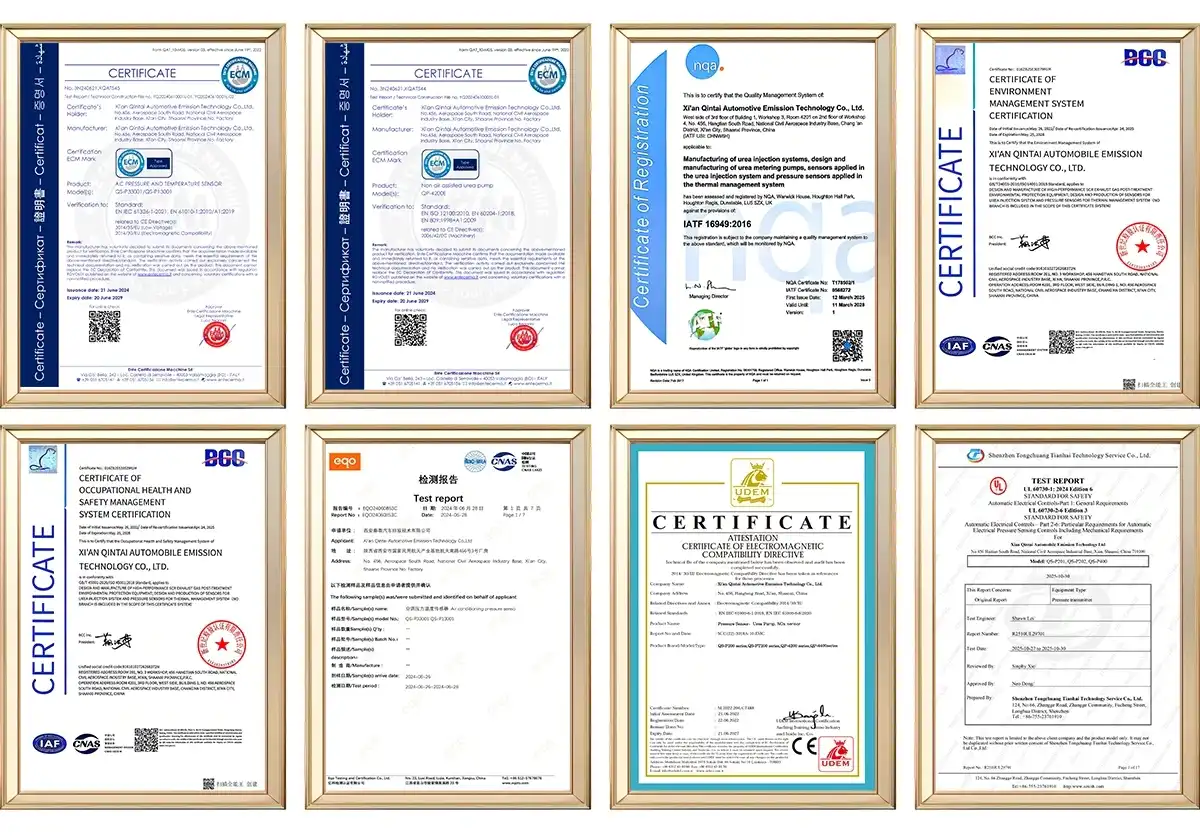
OEM-certified sensors planned particularly for vehicle stages guarantee legitimate calibration, guarantee scope, and compatibility with motor control computer program. Obtainment directors ought to confirm certification capabilities counting IATF16949 quality administration benchmarks and natural compliance with REACH and RoHS directions. Mass generation capacity things when sourcing sensors for vehicle fabricating lines or huge armada substitution programs, making provider generation capability a key choice model. The cost-effectiveness calculation ought to account for add up to lifecycle expenses—including guarantee claims, untimely substitution recurrence, and outflow compliance penalties—rather than centering exclusively on starting buy price.
Professional Installation Requirements
Using legitimate establishment devices avoids common mechanical disappointments. Line torques or specialized sensor attachments dodge adjusting hex pads and permit controlled torque application. Applying anti-seize compound to sensor strings avoids irritating in high-temperature debilitate situations whereas keeping up legitimate warm conductivity. Never expel defensive bundling until instantly some time recently establishment, as Nox sensors show extraordinary dampness affectability. Entering oils offer assistance extricate seized sensors without string harm, in spite of the fact that persistence demonstrates fundamental when managing with sensors heated into debilitate bungs after a long time of service.
Calibration and System Integration
After installing new sensors, performing ECU relearning procedures ensures proper baseline calibration. Some systems require technical-level diagnostic equipment to execute sensor initialization routines and clear adaptive memory. Verifying proper operation through live data monitoring during initial operation confirms successful installation and system integration. This calibration attention particularly matters for aftertreatment system integrators developing SCR solutions, where sensor compatibility and customizable interfaces affect overall system performance.
Procurement Insights: Buying NOx Sensors with Confidence
Navigating the sensor supply market requires balancing technical specifications, supplier capabilities, and total cost of ownership considerations that extend beyond unit pricing.
Leading Manufacturers and Quality Standards
Established brands counting Bosch, Denso, Delphi, and Siemens rule the automotive-grade sensor showcase through decades of building refinement and broad OEM associations. Chinese producers, especially national high-tech undertakings with demonstrated R&D capabilities, progressively give competitive options advertising identical execution at invaluable estimating for mass generation applications. Confirmation of certification qualifications—including utilitarian security measures, electromagnetic compatibility testing, and natural strength validation—provides objective quality evaluation free of brand recognition.
Pricing Dynamics and Volume Purchasing
Bulk arrange rebates altogether affect per-unit costs when getting for fabricating lines or keeping up huge armada inventories. Building up long-term participation assentions with providers stabilizes estimating and ensures supply coherence amid advertise variances. Conveyance coordinations influence landed costs and stock carrying expenses—domestic providers regularly give quicker conveyance and decreased shipping costs compared to worldwide sources, progressing supply chain responsiveness. The money related investigation ought to join guarantee scope esteem, as comprehensive guarantee terms diminish chance presentation for sensor disappointments inside scope periods.
Technical Support and After-Sales Services
Supplier technical capabilities determine successful product integration and ongoing performance optimization. Experienced suppliers provide application engineering support during product selection, ensuring sensor specifications match operating conditions and emission control strategies. Customization services accommodate specialized interface requirements, mounting configurations, and cable length specifications that deviate from standard catalog offerings. Responsive after-sales support resolves installation questions, troubleshoots unexpected failure modes, and facilitates warranty claims processing without protracted delays that sideline equipment.
Conclusion
Nox sensor failures result from interconnected thermal, chemical, electrical, and mechanical stressors inherent in diesel exhaust environments. Thermal extremes degrade ceramic elements, contaminants foul sensing surfaces, electrical issues disrupt signal transmission, and upstream engine problems overwhelm sensor capacity. Recognizing failure symptoms early—through check engine lights, elevated DEF consumption, and emission reading abnormalities—enables timely intervention.
Diagnostic procedures combining fault code analysis, visual inspection, and multimeter testing identify specific failure modes. Preventing premature failures requires high-quality sensor selection, proper installation techniques, regular maintenance, and addressing root-cause engine issues. Procurement strategies emphasizing OEM-certified products from qualified manufacturers, supported by technical expertise and responsive after-sales service, optimize emission system reliability and regulatory compliance across heavy-duty diesel applications.
Partner with Qintai for Reliable NOx Sensor Solutions
Qintai offers comprehensive Nox sensor solutions backed by two decades of diesel emission control expertise and proven partnerships with leading engine manufacturers. As China's number one OEM supplier, we deliver IATF16949-certified sensors designed for heavy trucks, construction machinery, agricultural equipment, and generator sets demanding Euro VI and EPA compliance. Our independent R&D team continuously innovates to improve sensor durability and measurement accuracy across harsh operating environments. Our sensors provide the high stability, consistency, and industrial-grade reliability that procurement managers and technical engineers require for long-term cooperation. Contact our team at info@qt-sensor.com to discuss your specific application requirements, receive technical specifications for our nox sensor product line, and explore bulk pricing for qualified nox sensor manufacturers and distributors.
References
1. Society of Automotive Engineers International. "Nox sensor Technology for Diesel Engine Emission Control Systems." SAE Technical Paper Series, 2019.
2. Environmental Protection Agency. "Heavy-Duty Vehicle and Engine Compliance Program: Onboard Diagnostic Systems." EPA Emission Standards Reference Guide, 2021.
3. Johnson, Timothy V. "Diesel Emission Control Technology - 2020 in Review." SAE International Journal of Engines, vol. 14, no. 2, 2021, pp. 175-203.
4. International Organization for Standardization. "Road Vehicles - Exhaust Emission Measurement - Quality Management Systems for Automotive Sensor Production." ISO/TS 16949:2020 Standards Documentation.
5. Majewski, W. Addy, and Khair, Magdi K. "Diesel Emissions and Their Control." SAE International, Warrendale, Pennsylvania, 2019.
6. European Commission Joint Research Centre. "Real Driving Emissions Regulation: NOx Sensor Performance Requirements and Validation Procedures." EUR Technical Reports, 2020.

Our customers’ satisfaction speaks for our quality — contact us to experience the same reliable service.