- English
- French
- German
- Portuguese
- Spanish
- Russian
- Japanese
- Korean
- Arabic
- Greek
- German
- Turkish
- Italian
- Danish
- Romanian
- Indonesian
- Czech
- Afrikaans
- Swedish
- Polish
- Basque
- Catalan
- Esperanto
- Hindi
- Lao
- Albanian
- Amharic
- Armenian
- Azerbaijani
- Belarusian
- Bengali
- Bosnian
- Bulgarian
- Cebuano
- Chichewa
- Corsican
- Croatian
- Dutch
- Estonian
- Filipino
- Finnish
- Frisian
- Galician
- Georgian
- Gujarati
- Haitian
- Hausa
- Hawaiian
- Hebrew
- Hmong
- Hungarian
- Icelandic
- Igbo
- Javanese
- Kannada
- Kazakh
- Khmer
- Kurdish
- Kyrgyz
- Latin
- Latvian
- Lithuanian
- Luxembou..
- Macedonian
- Malagasy
- Malay
- Malayalam
- Maltese
- Maori
- Marathi
- Mongolian
- Burmese
- Nepali
- Norwegian
- Pashto
- Persian
- Punjabi
- Serbian
- Sesotho
- Sinhala
- Slovak
- Slovenian
- Somali
- Samoan
- Scots Gaelic
- Shona
- Sindhi
- Sundanese
- Swahili
- Tajik
- Tamil
- Telugu
- Thai
- Ukrainian
- Urdu
- Uzbek
- Vietnamese
- Welsh
- Xhosa
- Yiddish
- Yoruba
- Zulu
What happens if you don't replace the NOx sensor?
When your nitrogen oxide sensor begins failing, the consequences extend far beyond a simple dashboard warning light. Neglecting to replace a faulty NOx sensor creates a cascade of operational disruptions that can significantly impact fleet performance, regulatory compliance, and profitability. The sensor's deterioration leads to inaccurate emissions readings, triggering incorrect diesel exhaust fluid (DEF) dosing and compromising selective catalytic reduction (SCR) system efficiency. This malfunction often results in escalating fuel consumption, diminished engine performance, and potential violations of emission standards like EPA 2010 or Euro VI regulations—problems that procurement managers and R&D engineers must address proactively to maintain operational continuity.
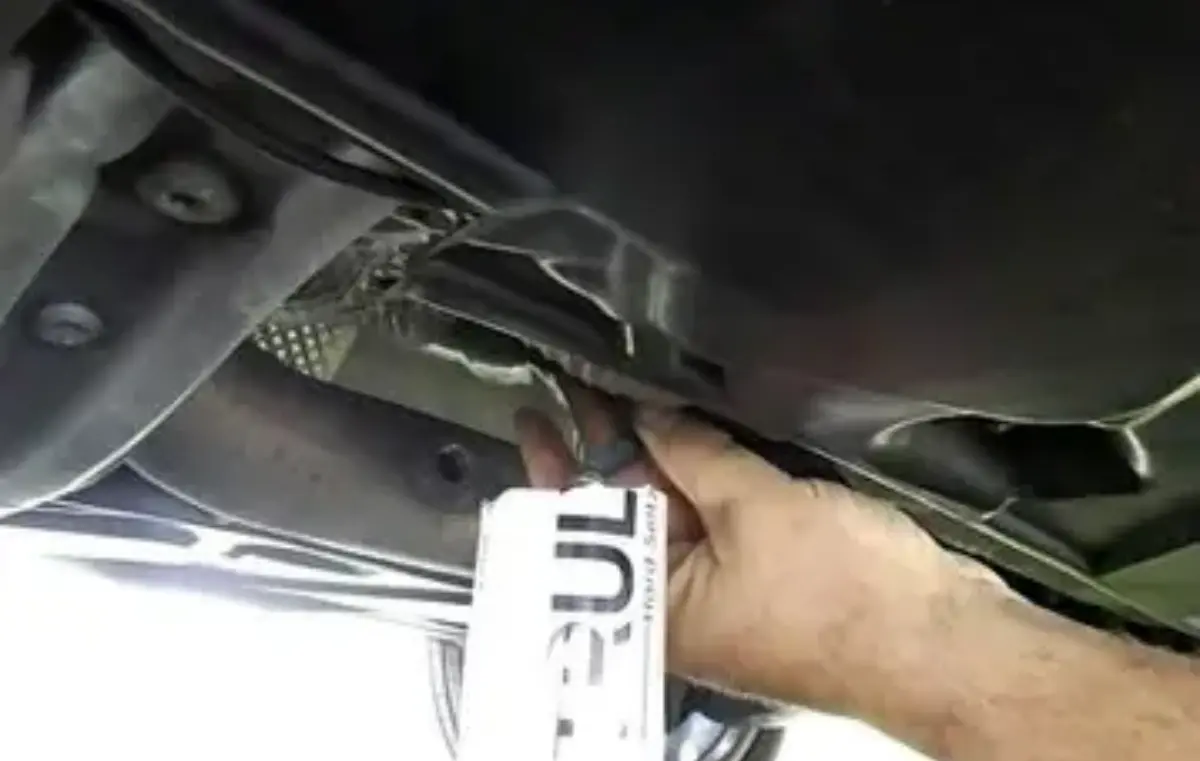
Understanding the NOx Sensor and Its Function
Modern diesel engines rely on NOx sensors as integral components within selective catalytic reduction systems, where they serve dual monitoring functions that ensure emission control effectiveness. These precision instruments continuously analyze exhaust gas composition both upstream and downstream of the SCR catalyst, providing the data streams necessary for optimized aftertreatment performance.
How NOx sensors Operate?
The operational instrument centers on a zirconia ceramic detecting component that produces electrical signals comparing to nitrogen oxide concentrations in deplete gasses. This detecting component works at raised temperatures—typically between 600°C and 800°C—maintained by an coordinates radiator component that guarantees estimation precision over changing motor stack conditions. The sensor's inside control module forms crude signals and transmits advanced information through CAN transport communication conventions specifically to the motor control unit or SCR control module.
What recognizes these gadgets from conventional oxygen sensors is their specificity in recognizing nitrogen oxides or maybe than measuring oxygen substance alone. Whereas oxygen sensors survey air-fuel proportions to optimize combustion proficiency, NOx sensors assess the viability of emanation lessening techniques after combustion has happened. This qualification things essentially when diagnosing emanation framework issues, as misidentifying sensor sorts can lead to inaccurate substitution parts and squandered obtainment resources.
Primary Functions in Emission Control Systems
The sensor fulfills a few basic capacities that specifically affect armada compliance and execution measurements. It screens and controls SCR framework urea dosing by giving criticism on nitrogen oxide concentrations entering the catalytic converter. This empowers exact DEF infusion that maximizes poison lessening without inefficient overconsumption of diesel debilitate fluid—a thought that influences both operational costs and refueling logistics.
Beyond dosing control, these sensors confirm emanation decrease effectiveness by comparing upstream and downstream nitrogen oxide levels. This confirmation prepare guarantees the catalytic converter keeps up appropriate usefulness, cautioning support groups when catalyst debasement requires consideration. The sensor moreover identifies framework flaws and triggers symptomatic inconvenience codes (DTCs) that direct professionals toward particular issues, decreasing demonstrative time and progressing repair accuracy.
Main Components and System Integration
Understanding sensor design makes a difference acquirement experts assess quality contrasts between providers and evaluate compatibility necessities. The gadget coordinating five essential components: the zirconia ceramic detecting component, radiator component, flag conditioning circuit, coordinates control module that interfacing with the ECU, and connector get together with wiring tackle. Each component must meet demanding determinations to guarantee dependable operation all through the sensor's benefit life.
Some more seasoned sensor plans yield analog voltage or current signals corresponding to nitrogen oxide concentration, whereas modern models utilize computerized communication conventions that give wealthier demonstrative information and improved precision. The sensor at the same time transmits temperature readings and symptomatic status data, empowering prescient upkeep approaches that can avoid startling disappointments. This engineering information underpins more educated dialogs with potential providers almost specialized details and compatibility with your particular armada applications.
Consequences of Not Replacing a Faulty NOx Sensor
Delaying NOx sensors replacement triggers a sequence of operational problems that compound over time, affecting multiple aspects of fleet performance and creating financial liabilities that far exceed the component's replacement cost. Understanding these consequences from both technical and business perspectives helps justify proactive maintenance investments to financial decision-makers within your organization.
Immediate System Warnings and Performance Degradation
The most clear result shows up as dashboard caution lights—typically the check motor light or glitch marker lamp—that flag emanation framework issues requiring consideration. These notices reflect symptomatic inconvenience codes put away in the motor control module, commonly showing as "circuit tall," "circuit open," or "improbable flag" blunders that indicate either channel or outlet sensor breakdowns. Whereas these alarms may appear minor at first, they demonstrate basic issues that continuously decline without intervention. Beyond caution pointers, administrators take note unmistakable execution corruption that influences every day operations.
Powerless increasing speed gets to be apparent as the motor administration framework enters decreased control mode—sometimes called "limp mode"—to avoid potential harm from working with erroneous emanation criticism. This control impediment can diminish vehicle speed capabilities by 30-40%, essentially affecting conveyance plans and operational efficiency. Fuel economy at the same time falls apart as the ECU defaults to preservationist fuel mapping techniques that prioritize outflow compliance over proficiency, possibly expanding diesel utilization by 5-15% depending on driving conditions.
Regulatory Compliance Risks and Penalties
Operating commercial vehicles with failing outflow control frameworks uncovered armada administrators to significant administrative punishments that shift by ward but all around carry noteworthy money related results. In the Joined together States, EPA controls force fines up to $4,527 per noncompliant vehicle per day beneath Clean Discuss Act arrangements, making obligation that collects quickly over multi-vehicle armadas. Roadside reviews progressively incorporate emanation framework checks that can result in vehicle impoundment until repairs are completed, causing quick operational disruptions.
Beyond quick punishments, compliance disappointments harm connections with naturally cognizant clients and can preclude armadas from contract openings with organizations keeping up strict supportability prerequisites. The reputational chance expands to your brand recognition inside businesses where natural stewardship has ended up a competitive differentiator. These variables make convenient sensor substitution not only a support issue but a vital commerce basic that ensures showcase position and client relationships.
Long-Term Engine and Aftertreatment System Damage
Perhaps the most expensive result includes dynamic harm to costly aftertreatment components coming about from delayed operation with flawed sensors. When nitrogen oxide readings gotten to be wrong, the SCR framework cannot appropriately calibrate DEF infusion rates. Inadequately urea dosing permits intemperate nitrogen oxides to reach the environment, causing compliance infringement. On the other hand, over the top DEF injection—a common disappointment mode—leads to crystallization stores that clog injector spouts, coat catalyst surfaces, and collect all through deplete passages.
These stores require expensive cleaning methods or untimely substitution of SCR catalysts, diesel particulate channels, and infusion systems—components whose substitution costs regularly run from $3,000 to $15,000 depending on vehicle course and aftertreatment setup. The aggregate costs from conceded sensor substitution regularly surpass the unique component taken a toll by components of 20 to 50 times, making an irrefutable money related contention for proactive support procedures. Acquirement experts ought to outline sensor substitution as preventive venture or maybe than optional cost when displaying support budget necessities to money related decision-makers.
Increased DEF Consumption and Operational Costs
Malfunctioning sensors as often as possible cause unbalanced diesel debilitate liquid utilization that makes cascading operational costs. When sensors give incorrect low-nitrogen-oxide readings, control frameworks infuse over the top DEF in endeavoring to accomplish target emanation levels. This overconsumption can increment liquid utilization by 40-60% over ordinary rates, significantly raising operational costs over huge armadas. The issue expands past liquid costs to incorporate more visit refilling necessities that expend professional time and increment vehicle downtime.
Higher DEF utilization moreover quickens the arrangement of urea stores said already, making a self-reinforcing issue cycle where sensor disappointments lead to framework defilement that assist corrupts execution. This interconnection between sensor exactness and generally aftertreatment framework wellbeing underscores why sensor substitution ought to be prioritized or maybe than conceded. We've watched armadas that deferred substitution confronting combined costs from abundance DEF utilization, extra upkeep labor, and untimely component substitution that totaled $2,000-$5,000 per vehicle annually—expenses that may have been generally maintained a strategic distance from through opportune sensor replacement.

Replacement Considerations: Cost, Compatibility, and Installation
Strategic sensor replacement requires balancing multiple factors that extend beyond simple component pricing to encompass total cost of ownership, compatibility assurance, and supply chain reliability. Procurement professionals must evaluate these dimensions comprehensively to optimize both immediate purchase economics and long-term fleet performance.
Cost Analysis and Return on Investment
Nitrogen oxide sensor pricing varies significantly based on vehicle application, with costs typically ranging from $150 to $600 for the component itself when sourcing from quality manufacturers. Labor expenses add another $100 to $300 depending on sensor location accessibility and technician labor rates in your region. While these costs may initially seem substantial, comparing them against the consequences of delayed replacement reveals compelling return on investment.
Consider a scenario where a single malfunctioning sensor causes 10% fuel efficiency loss and 50% excess DEF consumption across just 20,000 miles of operation. At current fuel and DEF pricing, this translates to approximately $1,200-$1,800 in additional operating costs—expenses that exceed sensor replacement costs by factors of three to five times. Adding potential regulatory penalties, which can reach thousands of dollars for single violations, and the risk of downstream component damage costing $5,000-$15,000, the economic argument for proactive replacement becomes overwhelming.
We recommend framing sensor replacement within total cost of ownership models that account for these extended financial impacts. This perspective helps justify maintenance budget allocations and supports procurement strategies that prioritize sensor quality and reliability over lowest initial purchase price. Purchasing decisions should evaluate sensor lifespan expectations, warranty coverage, and supplier technical support capabilities alongside unit pricing.
OEM versus Aftermarket Options
The choice between original equipment manufacturer sensors and aftermarket alternatives presents both technical and commercial considerations that significantly affect procurement outcomes. OEM sensors provide guaranteed compatibility, meet vehicle manufacturer specifications precisely, and typically include warranty coverage that protects against premature failure. These assurances carry value, particularly in applications where emission compliance documentation requires OEM component traceability or when vehicle warranties remain active.
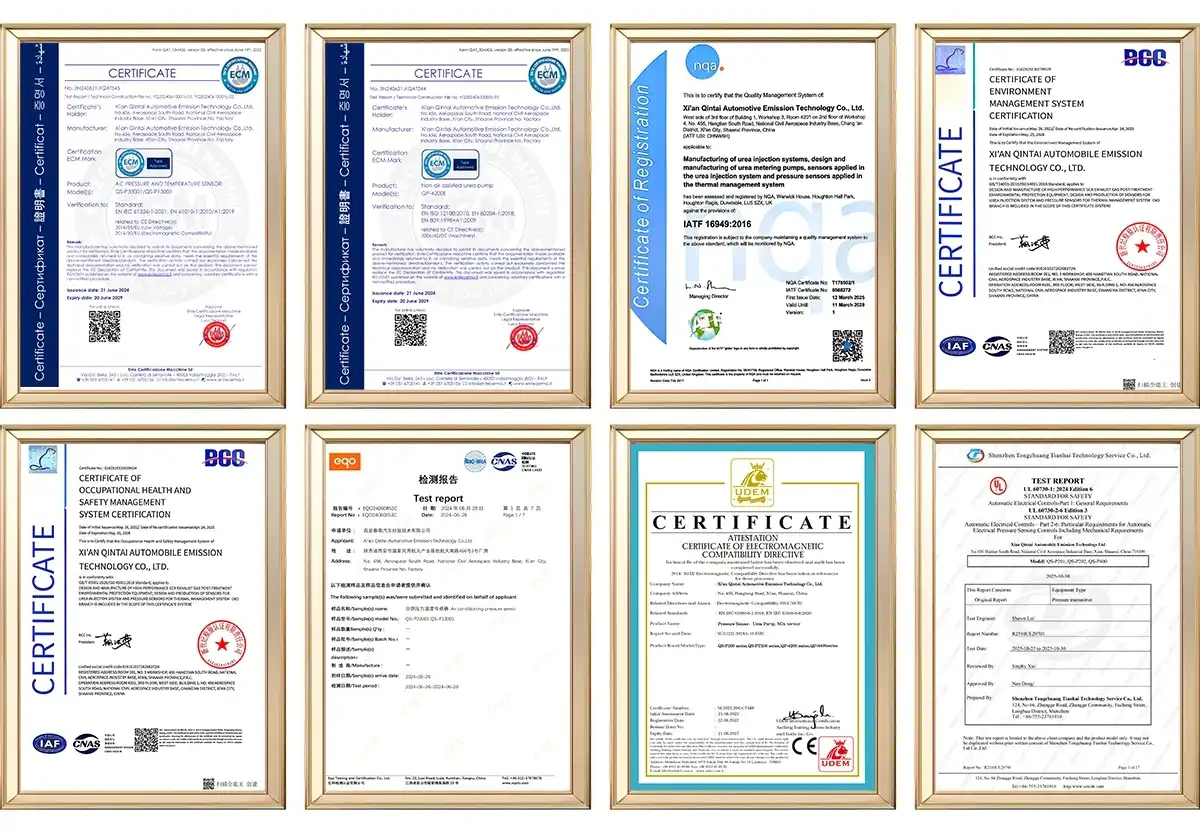
Aftermarket sensors from qualified manufacturers can offer compelling value propositions when sourced from suppliers maintaining rigorous quality standards and appropriate certifications. Reputable aftermarket manufacturers often produce sensors meeting or exceeding OEM specifications at price points 20-40% below OEM alternatives. The key distinction lies in selecting suppliers with demonstrated technical capability, appropriate quality certifications including ISO9001 and IATF16949, and comprehensive testing protocols that verify performance across operating conditions.
We've observed that tier-one aftermarket suppliers—particularly those serving as OEM suppliers to engine manufacturers—deliver reliability comparable to brand-name alternatives while providing superior technical support and customization capabilities. These manufacturers often maintain more responsive communication channels and demonstrate greater flexibility in addressing specific fleet requirements. Procurement professionals should prioritize suppliers offering detailed technical documentation, application-specific guidance, and accessible engineering support over those competing primarily on price.
Installation Best Practices
Proper installation procedures significantly affect sensor longevity and measurement accuracy, making installation guidance an important consideration when selecting suppliers. Before removing the old sensor, technicians should verify they have the correct replacement by comparing part numbers and physical configurations. NOx sensors are extremely moisture-sensitive, so protective packaging should remain intact until immediately before installation to prevent contamination that could trigger premature failure.
Removal sometimes presents challenges when sensors have been installed for extended periods, as exhaust heat and corrosion can cause threads to seize within mounting bungs. Using penetrating lubricant and allowing adequate soak time before removal attempts prevents thread damage that could necessitate costly exhaust system repairs. We recommend using line wrenches or specialized sensor sockets rather than standard open-end wrenches, as these tools provide better engagement and reduce the risk of connector damage during removal.
Installation should proceed with attention to proper torque specifications provided by the sensor manufacturer—typically ranging from 40 to 55 Newton-meters depending on thread size. Over-tightening risks cracking the ceramic sensing element, while insufficient torque allows exhaust leaks that contaminate readings. After installation, clearing fault codes and conducting a test drive while monitoring sensor outputs verifies proper function and ensures the ECU recognizes the new sensor. These installation considerations should inform your procurement specifications, particularly when evaluating suppliers' technical documentation quality and support capabilities.
Supplier Evaluation and Procurement Strategy
Developing relationships with qualified sensor suppliers requires evaluation beyond basic product specifications to assess capabilities that support long-term fleet operations. Procurement professionals should investigate supplier manufacturing capacity, quality management systems, and technical support infrastructure. Manufacturers holding IATF16949 certification demonstrate commitment to automotive quality standards, while those with substantial OEM supply relationships provide evidence of technical capability and production consistency.
Supply chain reliability becomes particularly important for fleet operations where sensor failures require rapid replacement to minimize vehicle downtime. Evaluating supplier inventory practices, geographic distribution networks, and typical lead times helps ensure component availability when needs arise. We recommend establishing relationships with suppliers maintaining substantial finished goods inventory and offering expedited shipping options for urgent requirements. This availability often provides greater value than marginal unit price differences, particularly for large fleet operations where vehicle downtime carries substantial opportunity costs.
Technical support capabilities distinguish superior suppliers in markets where multiple sources offer similar product specifications. Manufacturers providing application engineering assistance, installation troubleshooting support, and failure analysis services add significant value beyond the physical component. These capabilities prove especially valuable when integrating sensors into custom applications or troubleshooting unexpected compatibility issues. Procurement specifications should explicitly address these support requirements, and supplier evaluations should include direct engagement with technical teams to assess responsiveness and capability depth.
Future Trends and Technological Advancements in NOx Sensor Technology
The emission control landscape continues evolving as regulatory requirements tighten and sensor technologies advance, creating both challenges and opportunities for procurement professionals managing long-term fleet strategies. Understanding emerging trends helps anticipate supplier landscape changes and positions organizations to capitalize on technologies that enhance operational efficiency while meeting future regulatory requirements.
Enhanced Accuracy and Durability
Current sensor development focuses significantly on improving measurement precision and extending operational lifespan—advances that directly benefit fleet operational economics. Next-generation sensing elements incorporate refined ceramic formulations and improved electrode designs that enhance accuracy across broader concentration ranges and temperature extremes. These improvements enable more precise DEF dosing that optimizes both emission reduction and fluid consumption, potentially reducing aftertreatment operating costs by 8-12% compared to earlier sensor generations.
Durability enhancements address common failure modes through improved contamination resistance and thermal stress tolerance. Advanced protective coatings shield sensing elements from sulfur compounds and particulate contamination that previously shortened sensor lifespan. Improved heater element designs reduce thermal cycling stress, while enhanced connector sealing provides better protection against moisture ingress—a leading cause of premature electrical failures. These advancements translate to extended service intervals, potentially reaching 200,000-250,000 miles in highway applications compared to 150,000-mile expectations for previous generations.
Integration with Advanced Emission Control Systems
Emerging emission control architectures increasingly incorporate multiple NOx sensors operating cooperatively with other exhaust monitoring devices to enable sophisticated control strategies. These integrated systems utilize advanced algorithms that cross-reference data from NOx sensors, particulate matter sensors, ammonia slip sensors, and temperature monitors to optimize aftertreatment performance dynamically. The resulting coordination enables more aggressive emission reduction strategies while preventing the ammonia slip and particulate filter overloading problems that plagued earlier systems.
This integration trend carries implications for procurement strategies, as sensor replacement decisions increasingly require consideration of system-level compatibility rather than simple component interchange. Sensors designed for integrated architectures often incorporate firmware updates and calibration data specific to vehicle applications, making supplier technical support and application engineering capabilities more critical. Procurement specifications should address these integration requirements explicitly, and supplier evaluations should verify capabilities in supporting complex aftertreatment configurations.
Strategic Implications for Procurement
These technological advances create several strategic considerations for procurement planning. The improving cost-performance ratio of advanced sensors makes quality-focused purchasing strategies increasingly attractive compared to lowest-cost approaches. Sensors delivering 40-60% longer service life justify price premiums of 20-30%, providing superior total cost of ownership while reducing maintenance planning complexity and vehicle downtime frequency.
Evolving emission standards in major markets—including increasingly stringent regulations in the United States, European Union, and China—will drive continued sensor technology evolution. Procurement professionals should cultivate relationships with suppliers demonstrating commitment to ongoing research and development, ensuring access to compliant sensors as regulations tighten. Manufacturers with substantial patent portfolios and dedicated R&D teams are more likely to deliver timely solutions as requirements evolve, reducing the risk of compliance disruptions.
We also anticipate growing emphasis on predictive maintenance capabilities enabled by enhanced sensor diagnostics and connectivity. Sensors transmitting detailed health status information enable proactive replacement scheduling based on actual degradation patterns rather than fixed mileage intervals. This capability optimizes maintenance resource allocation and prevents unexpected failures that cause operational disruptions. Procurement strategies should begin incorporating these predictive capabilities into supplier evaluation criteria, positioning organizations to capitalize on maintenance efficiency improvements as these technologies mature.
Conclusion
The decision to replace faulty NOx sensors represents far more than routine maintenance—it constitutes a strategic choice with cascading implications for regulatory compliance, operational efficiency, and total fleet ownership costs. As we've examined throughout this guide, delayed replacement triggers compounding problems including regulatory penalties, fuel economy degradation, excess DEF consumption, and potential damage to expensive aftertreatment components. These consequences create financial impacts that dwarf sensor replacement costs by factors of 10 to 50 times, making proactive replacement an unambiguous economic imperative.
Reliable NOx Sensor Solutions from Qintai
Maintaining emission compliance and optimizing fleet performance demands partnership with a nitrogen oxide sensor supplier combining technical excellence with responsive customer support. Qintai brings over two decades of specialized expertise in diesel engine aftertreatment systems, serving as the leading OEM sensor supplier in China with proven partnerships with Weichai Power, Yuchai Power, and Quanchai Power. Our comprehensive certification portfolio—including ISO9001, IATF16949, and 58 invention patents—demonstrates unwavering commitment to quality and innovation that directly benefits your procurement objectives.
Procurement professionals and technical managers seeking a dependable NOx sensor manufacturer will find our combination of technical capability, production capacity, and responsive support uniquely valuable. We invite you to contact our engineering team at info@qt-sensor.com to discuss your specific application requirements, receive detailed technical specifications, and explore how our sensor solutions can enhance your fleet's emission compliance while optimizing operational costs.
References
1. Society of Automotive Engineers. "Nitrogen Oxide Sensor Technology for Diesel Emission Control Systems." SAE Technical Paper Series, 2021.
2. Environmental Protection Agency. "Heavy-Duty Highway Compression-Ignition Engines and Urban Buses: Exhaust Emission Standards." Federal Register Documentation, 2020.
3. Johnson, Timothy R. "Diesel Emission Control in Review: Fundamentals of SCR and NOx Sensor Technologies." International Journal of Engine Research, vol. 22, no. 5, 2021, pp. 1567-1598.
4. Chen, Wei and Schmidt, Lars. "Advances in Automotive Exhaust Gas Sensors: NOx Measurement Principles and Practical Applications." Sensors and Actuators B: Chemical, vol. 334, 2021.
5. International Organization for Standardization. "Quality Management Systems: Requirements for Automotive Production and Relevant Service Parts Organizations." ISO/TS 16949:2019 Standards Documentation, 2019.
6. Miller, Jacob A. and Patterson, Sarah K. "Total Cost of Ownership Analysis for Commercial Fleet Emission Control Systems." Journal of Transportation Engineering and Management, vol. 147, no. 3, 2022.
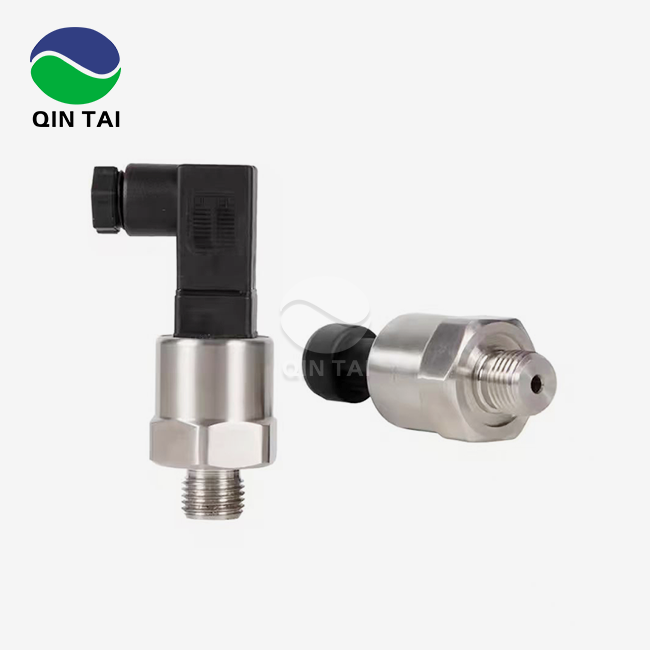
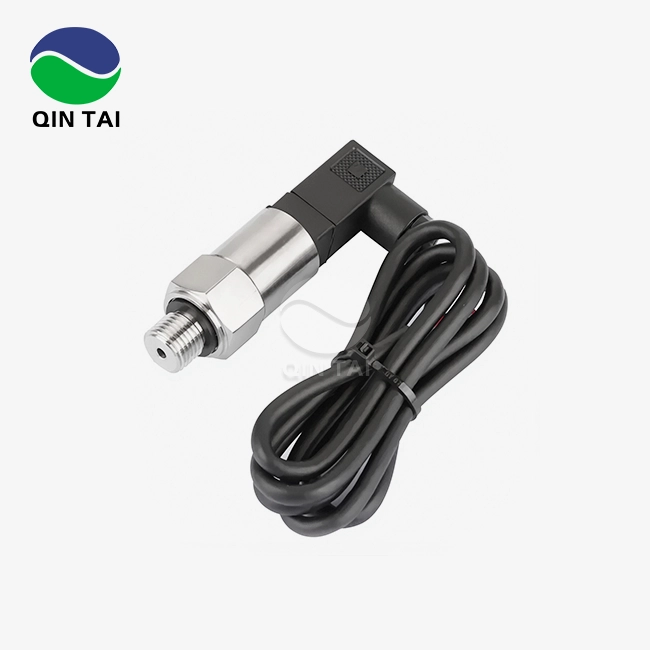


Our customers’ satisfaction speaks for our quality — contact us to experience the same reliable service.