- English
- French
- German
- Portuguese
- Spanish
- Russian
- Japanese
- Korean
- Arabic
- Greek
- German
- Turkish
- Italian
- Danish
- Romanian
- Indonesian
- Czech
- Afrikaans
- Swedish
- Polish
- Basque
- Catalan
- Esperanto
- Hindi
- Lao
- Albanian
- Amharic
- Armenian
- Azerbaijani
- Belarusian
- Bengali
- Bosnian
- Bulgarian
- Cebuano
- Chichewa
- Corsican
- Croatian
- Dutch
- Estonian
- Filipino
- Finnish
- Frisian
- Galician
- Georgian
- Gujarati
- Haitian
- Hausa
- Hawaiian
- Hebrew
- Hmong
- Hungarian
- Icelandic
- Igbo
- Javanese
- Kannada
- Kazakh
- Khmer
- Kurdish
- Kyrgyz
- Latin
- Latvian
- Lithuanian
- Luxembou..
- Macedonian
- Malagasy
- Malay
- Malayalam
- Maltese
- Maori
- Marathi
- Mongolian
- Burmese
- Nepali
- Norwegian
- Pashto
- Persian
- Punjabi
- Serbian
- Sesotho
- Sinhala
- Slovak
- Slovenian
- Somali
- Samoan
- Scots Gaelic
- Shona
- Sindhi
- Sundanese
- Swahili
- Tajik
- Tamil
- Telugu
- Thai
- Ukrainian
- Urdu
- Uzbek
- Vietnamese
- Welsh
- Xhosa
- Yiddish
- Yoruba
- Zulu
What is an urea sensor?
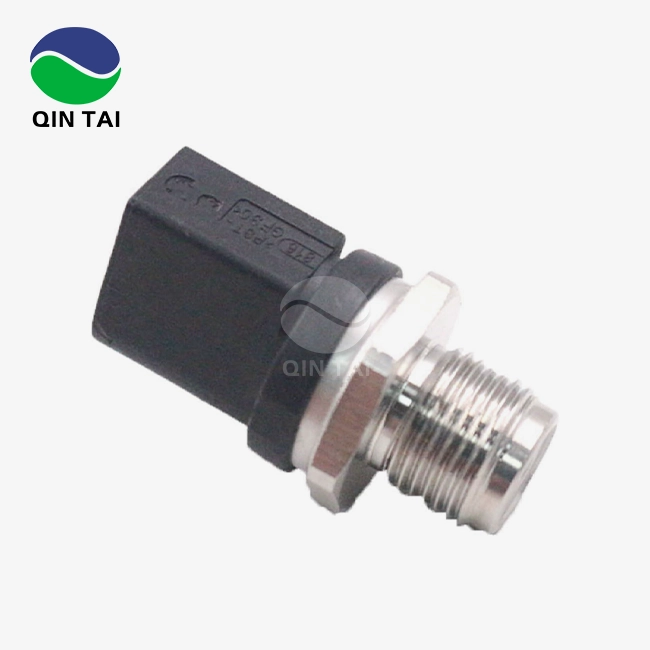
A urea pressure sensor, also known as an AdBlue pressure sensor, serves as a critical component within Selective Catalytic Reduction (SCR) systems used in modern diesel engines. This specialized device measures the pressure of the urea solution (AdBlue or Diesel Exhaust Fluid) within the dosing system to ensure accurate delivery to the injector nozzle. By monitoring pressure levels in real-time, the sensor enables proper NOx reduction performance, helping heavy-duty trucks, construction machinery, agricultural equipment, and generator sets meet stringent emission regulations like China VI and Euro VI standards.
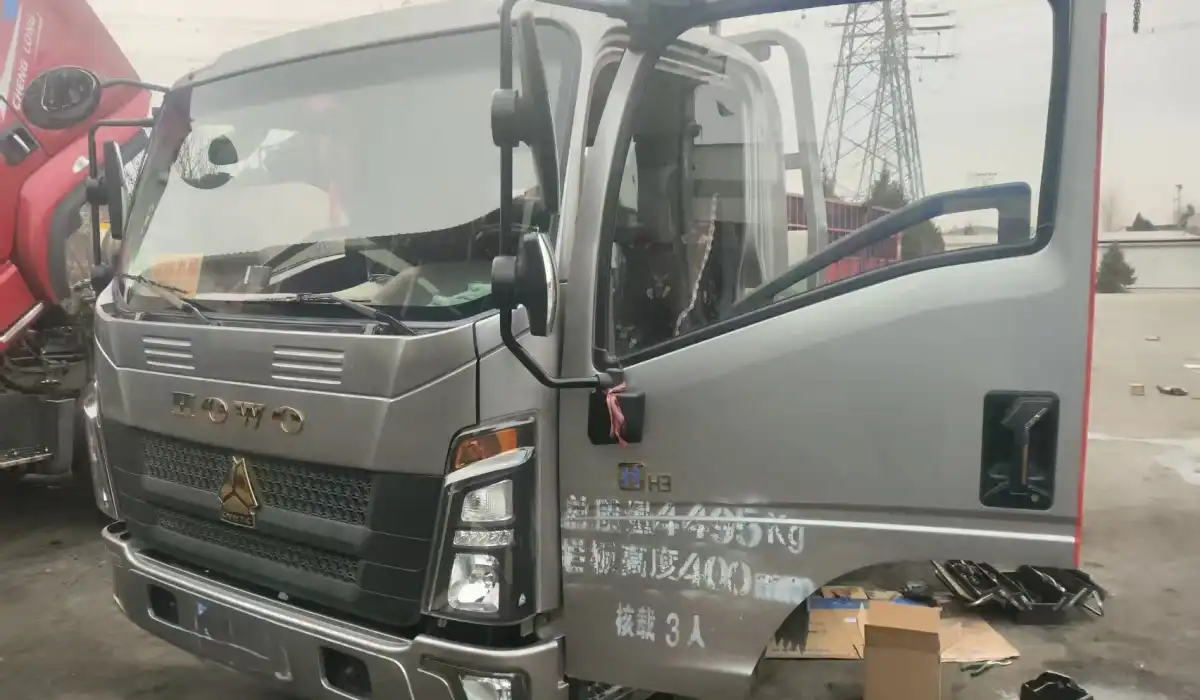
Understanding Urea Pressure Sensors
Urea pressure sensors represent specialized components integral to SCR systems that reduce nitrogen oxide emissions in diesel engines. Unlike general pressure sensors, these devices measure the pressure of the urea solution accurately to ensure optimal dosing rates and injection timing.
How Urea Dosing Pressure Sensors Work?
The operational guideline behind these sensors includes ceaseless observing of the urea supply line between the pump and injector. When the SCR control unit actuates the dosing pump, the sensor recognizes weight changes and changes over them into electrical signals. Most sensors create an analog voltage flag extending from 0.5 V at least weight to 4.5 V at most extreme weight, regularly working inside a 0–10 bar weight run.
The sensor gets controlled 5 V DC control from the motor control unit and gives real-time criticism that empowers closed-loop control of urea dosing. This criticism instrument guarantees that the injector gets accurately the right sum of urea arrangement for viable NOx diminishment beneath shifting motor loads and working conditions.
Core Technologies Behind Pressure Measurement
Different sensor innovations serve the outflow control industry, each advertising particular preferences for particular applications. Piezoresistive sensors utilize strain gages on a silicon stomach that changes resistance when weight distorts the film, advertising fabulous exactness and soundness. Capacitive sensors degree weight through changes in capacitance between two plates isolated by a pressure-sensitive stomach, giving tall determination and long-term solidness.
Piezoelectric sensors create electrical charges in reaction to mechanical push, conveying quick reaction times appropriate for energetic weight estimation. The choice between these innovations depends on components like exactness prerequisites, reaction time needs, natural conditions, and fetched contemplations. Present day car SCR frameworks overwhelmingly utilize piezoresistive sensors due to their adjust of execution, unwavering quality, and cost-effectiveness.
Applications Across Industries
The flexibility of these detecting gadgets amplifies over numerous divisions where emanation compliance things. Heavy-duty trucks working beneath EPA and CARB controls depend on these sensors to keep up ceaseless outflow checking and guarantee compliance amid roadside assessments. Development apparatus producers coordinated them into excavators, bulldozers, and loaders to meet Level 4 Last and Arrange V outflow benchmarks. Agrarian gear like tractors and combine collectors utilize these sensors to adjust efficiency with natural obligation.
Generator set producers introducing SCR frameworks in reinforcement control applications depend on dependable weight detecting for unattended operation in inaccessible areas. Marine diesel motors progressively embrace SCR innovation with specialized sensors safe to vibration and cruel sea environments.
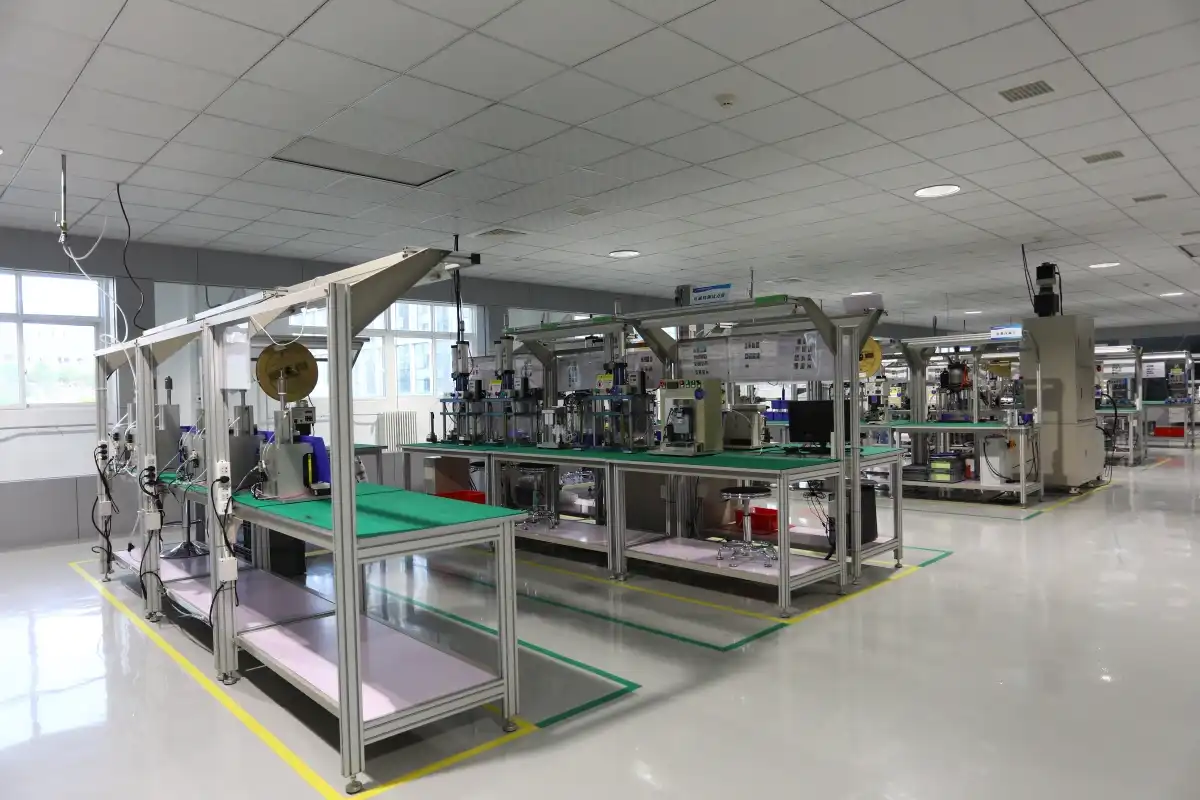
Common Issues and Maintenance of Urea Pressure Sensors
Maintaining urea pressure sensors proves crucial for sustaining vehicle and equipment emission compliance while avoiding costly downtime and repair expenses.
Recognizing Sensor Failure Symptoms
Several caution signs show potential sensor glitch that requires quick consideration. Dashboard caution lights enlightening the breakdown pointer light or particular SCR framework flaws flag that the control unit recognizes anomalous weight readings. Motor control derating or speed restriction happens when the framework enters limp mode to ensure against intemperate outflows amid sensor disappointment. Wrong weight readings causing either intemperate or deficiently urea dosing lead to expanded NOx emanations or urea crystallization in the debilitate framework.
Physical harm to sensor connectors from vibration, erosion, or disgraceful dealing with disturbs flag transmission and makes irregular flaws. Solidifying issues in cold climates can harm the sensor stomach if the warming framework comes up short or if water defilement solidifies inside the sensor cavity.
Troubleshooting Methodology for Engineers
A orderly symptomatic approach makes a difference distinguish root causes productively and minimizes superfluous component substitution. Start by recovering symptomatic inconvenience codes from the motor control unit utilizing suitable filter apparatuses to distinguish which particular blame the framework recognized. Confirm electrical associations by reviewing the sensor connector for erosion, bowed pins, or free contacts that might cause flag intrusions.
Degree sensor yield voltage with a multimeter beneath inactive conditions to affirm the sensor produces voltage inside the indicated run of 0.5–4.5 V. Compare live weight readings with anticipated values amid pump operation to identify float or calibration issues. Check for physical blockages in the urea supply line that might cause irregular weight readings indeed when the sensor capacities accurately. Test the sensor warming component resistance if cold-start issues happen, as numerous sensors incorporate coordinates radiators to avoid freezing.

Preventive Maintenance Best Practices
Implementing normal upkeep conventions amplifies sensor life expectancy and anticipates unforeseen disappointments that disturb operations. Plan schedule reviews each 50,000–100,000 kilometers or every year for gear with lower yearly utilization to capture creating issues some time recently they cause disappointments. Utilize as it were ISO 22241-compliant urea arrangement to avoid defilement that harms sensors and injectors through crystallization or erosion.
Secure electrical associations with dielectric oil and guarantee legitimate fixing to avoid dampness entrance that causes erosion and flag debasement. Amid winter operation in cold climates, confirm that warming frameworks work accurately some time recently solidifying conditions arrive to anticipate ice harm. When supplanting sensors, take after OEM establishment torque details carefully, as over-tightening harms sensor bodies whereas under-tightening causes spills and wrong readings.
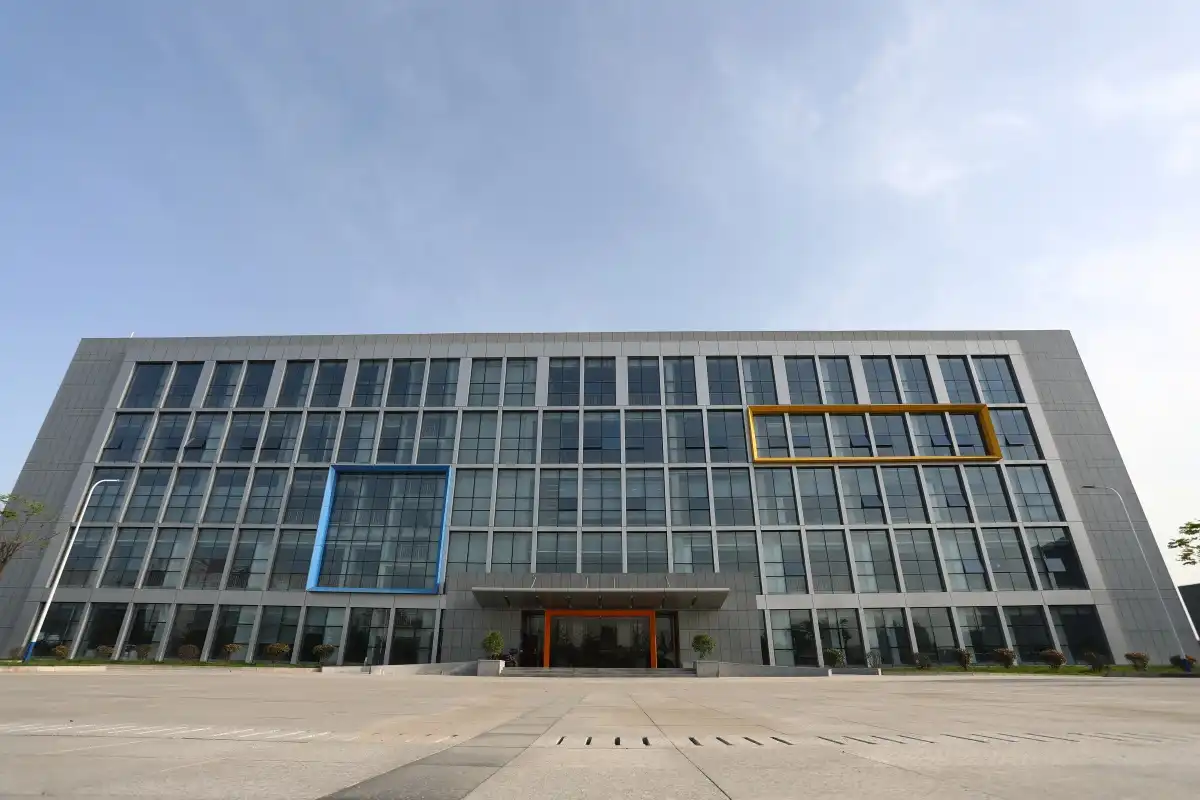
Comparing Urea Pressure Sensors with Similar Technologies
Procurement decisions benefit from understanding how urea pressure sensors compare to related sensor technologies used within SCR systems and broader emission control applications.
Urea Pressure Sensors vs. Temperature Sensors
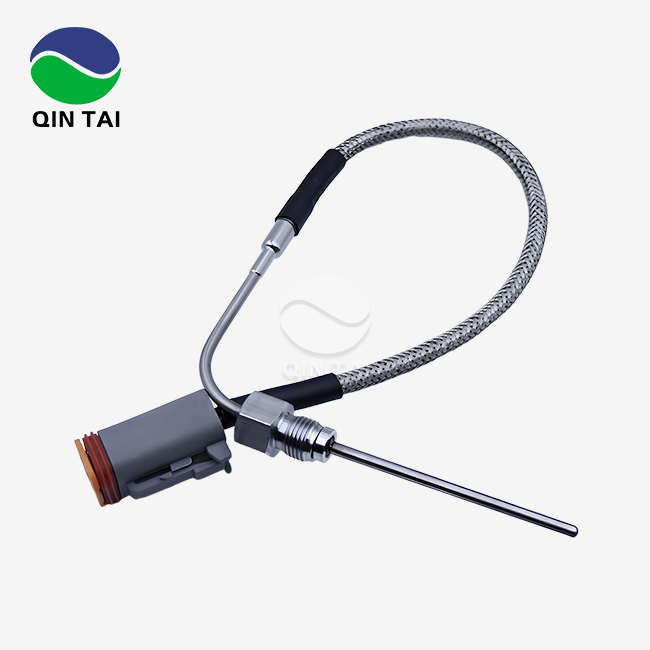
While both sensor sorts play complementary parts inside SCR frameworks, they degree in a general sense distinctive parameters and serve particular capacities. Temperature sensors screen urea arrangement temperature to avoid solidifying, optimize infusion timing, and calculate appropriate dosing sums based on liquid thickness changes. Weight sensors center solely on observing supply line weight to guarantee reliable stream rates and identify framework breakdowns like pump disappointments or line blockages.
SCR frameworks ordinarily utilize both sensor sorts working together, with the control unit utilizing temperature information to alter weight limits and dosing calculations. Temperature sensors by and large fetched less and demonstrate easier in plan, whereas weight sensors require more advanced development to withstand higher mechanical stretch. When investigating dosing issues, weight readings offer assistance analyze quick stream issues, while temperature information uncovers longer-term issues with warming frameworks or liquid quality.
Pressure Sensors vs. Pressure Transducers
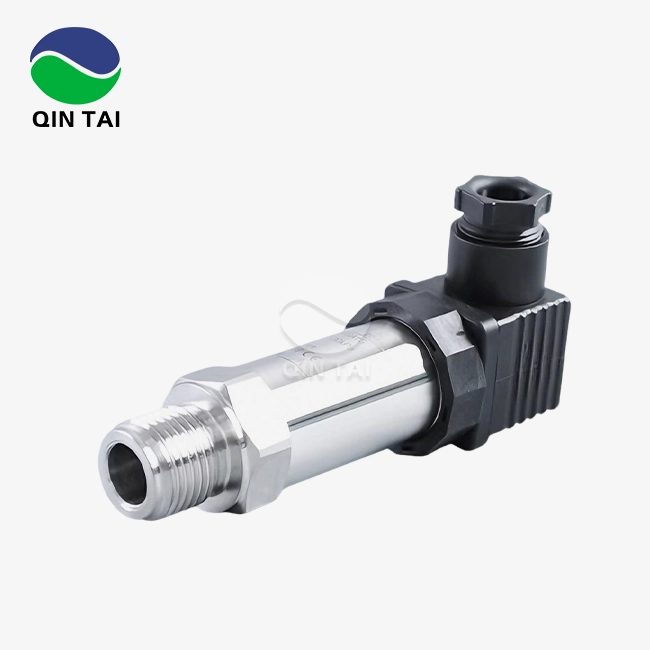
These terms frequently show up traded in specialized documentation, however unobtrusive refinements exist that matter for particular applications. Weight sensors ordinarily change over weight into analog voltage signals reasonable for coordinate association to motor control units, making them perfect for car applications. Weight transducers may yield current signals (4–20 mA) or computerized conventions (CAN, LIN) that offer way better commotion insusceptibility over longer cable runs common in mechanical establishments.
Transducers regularly incorporate extra conditioning circuitry that gives temperature emolument and flag intensification, progressing exactness over more extensive working ranges. Sensor choice between these choices depends on control framework design, cable length prerequisites, electromagnetic impedances environment, and whether the application requests industrial-grade exactness or automotive-level fetched optimization.
Key Performance Benchmarks
Understanding execution measurements makes a difference acquirement groups assess distinctive sensor offerings equitably and select arrangements coordinating their particular necessities. Estimation precision ordinarily ranges from ±1% to ±3% of full scale, with more tightly resistances commanding premium costs but conveying more exact dosing control. Reaction time shifts from 10 milliseconds for fast-acting sensors utilized in energetic applications to 100 milliseconds for general-purpose units, with faster reaction empowering superior temporal emanation control.
Working temperature extend ranges from -40°C to +125°C for standard car sensors, whereas mechanical variations may amplify to -55°C to +150°C for extraordinary situations. Sensor life expectancy desires run from 5 a long time or 500,000 kilometers in car applications to 10+ a long time in stationary generator establishments with appropriate upkeep. These execution components straightforwardly affect add up to fetched of proprietorship when assessing buy decisions.
How to Choose the Best Urea Pressure Sensor for Your Business?
Selecting an appropriate urea pressure sensor requires balancing technical requirements with procurement parameters while considering long-term operational needs and supplier capabilities.
Defining Your Application Requirements
Different utilize cases request diverse sensor determinations, making it basic to clearly characterize operational parameters some time recently assessing alternatives. Overwhelming truck applications require sensors assembly car capability measures with demonstrated solidness through millions of street vibration cycles and temperature cycling occasions. Development gear works in high-dust, high-vibration situations with visit affect loads that request vigorous mechanical development and fixed connectors.
Agrarian apparatus encounters regular utilization designs with amplified capacity periods requiring great long-term steadiness and resistance to dampness interruption amid torpidity. Generator sets require industrial-grade unwavering quality for ceaseless operation with negligible support get to, prioritizing life expectancy over beginning fetched. Aftermarket substitution applications advantage from cross-compatibility with different OEM frameworks, lessening stock complexity for merchants and repair facilities.
Core Selection Criteria
Several specialized and commercial components merit cautious assessment when comparing sensor choices from diverse producers. Estimation exactness straightforwardly influences outflow compliance, with more tightly resiliences guaranteeing reliable execution over the whole vehicle or gear armada. Reaction time impacts dosing accuracy amid temporal operation when motor stack changes quickly, making quicker sensors ideal for applications with visit increasing speed and deceleration cycles.
Physical compatibility incorporates string estimate, connector sort, and mounting introduction, with a few sensors advertising movable introductions that disentangle establishment in space-constrained formats. Natural evaluations covering temperature run, vibration resistance, and entrance security decide unwavering quality in unforgiving working conditions common to heavy-duty applications. Provider certifications like IATF 16949 for car quality administration show fabricating handle development and steady item quality.
Cost-efficiency amplifies past unit cost to envelop add up to possession costs counting disappointment rates, guarantee scope, and provider bolster capabilities. Mass generation capacity things for OEM applications requiring solid supply of thousands of units month to month with reliable quality and lead times. Customization alternatives empower separation through connector variations, weight run alterations, or coordinates radiators custom fitted to particular territorial climate necessities. After-sales bolster counting specialized help, disappointment investigation, and substitution portion accessibility decreases downtime dangers and bolsters long-term client satisfaction.

Evaluating Leading Suppliers
The global market includes established international brands alongside specialized manufacturers offering competitive alternatives with strong value propositions. Bosch and Denso dominate OEM automotive markets with extensive product portfolios, global manufacturing footprints, and comprehensive technical support networks. Siemens and Continental provide industrial-grade solutions with enhanced durability specifications suited for stationary and heavy equipment applications.
Chinese manufacturers like Qintai have emerged as significant players, combining competitive pricing with improving quality standards and expanding certification portfolios. Qintai holds certifications including ISO9001, IATF16949, CMC, Ex, UL, CE, REACH, and RoHS, demonstrating commitment to international quality standards. As the number one OEM supplier in China, serving core customers like Weichai Power, Yuchai Power, and Quanchai Power, the company brings proven mass production capability and OEM-level quality assurance.
Future Trends and Innovations in Urea Pressure Sensors
Anticipating technological and regulatory shifts proves essential for strategic procurement planning and maintaining competitive advantage in emission control markets.
Integration with Digital Technologies
The convergence of sensor technology with Industry 4.0 concepts creates new opportunities for predictive maintenance and system optimization. Smart sensors incorporating integrated microprocessors enable self-diagnostics that detect drift and calibration issues before they cause system failures. IoT connectivity through CAN-FD and automotive Ethernet protocols facilitates real-time data streaming to fleet management systems that monitor emission system health across entire vehicle populations.
Cloud-based analytics platforms process sensor data from thousands of vehicles to identify failure patterns, enabling proactive warranty management and continuous product improvement. Digital twin simulations use real-world sensor data to optimize dosing strategies and predict maintenance needs based on actual operating conditions rather than fixed service intervals.
Regulatory Influences Driving Innovation
Increasingly stringent emission regulations worldwide compel continuous advancement in sensor technology to meet new compliance requirements. The upcoming Euro VII standard will demand even more precise NOx control with tighter conformity factors, requiring sensors with improved accuracy and stability over extended service life. Real-world emission testing protocols like RDE in Europe and PEMS in North America place greater emphasis on transient performance, driving demand for faster sensor response times.
Extended warranty requirements reaching 10 years or 700,000 kilometers for emission components push manufacturers to enhance durability through better materials and protection mechanisms. Onboard diagnostic requirements becoming more sophisticated necessitate sensors with built-in self-test capabilities and failure prediction algorithms.
Strategic Procurement Recommendations
Adapting purchasing strategies to leverage emerging technologies positions businesses for compliance and competitive advantage in evolving markets. Establish relationships with suppliers investing heavily in R&D and demonstrating innovation leadership through patent portfolios and technical publications. Consider sensors with upgrade pathways supporting firmware updates or communication protocol additions that extend product relevance as system architectures evolve.
Prioritize suppliers offering customization capabilities to implement application-specific features that differentiate your products in competitive markets. Evaluate total cost models incorporating predictive maintenance benefits and reduced warranty exposure enabled by smarter sensor technologies. Diversify supplier base strategically by qualifying emerging manufacturers with strong technical capabilities alongside established brands to balance cost optimization with supply security.
Conclusion
Urea pressure sensors constitute essential components enabling diesel engines to meet modern emission standards while maintaining optimal performance and reliability. These specialized devices monitor AdBlue supply pressure, providing critical feedback for precise dosing control within SCR systems. Proper sensor selection requires understanding application-specific requirements, evaluating technical performance criteria, and partnering with suppliers offering both quality products and comprehensive support. As emission regulations tighten and digital technologies advance, forward-thinking procurement strategies that embrace innovation while maintaining supplier diversity position businesses for sustained compliance and competitive advantage in global markets.
Partner with Qintai for Premium Urea Pressure Sensor Solutions
Xi'an Qintai Automotive Emission Technology Co. Ltd stands ready to support your emission control component requirements with industrial-grade urea pressure sensors manufactured to international quality standards. Since our establishment in 2001, we have grown to become China's leading OEM supplier, serving core customers including Weichai Power, Yuchai Power, and Quanchai Power with proven mass production capability and consistent quality. Our comprehensive certification portfolio—including ISO9001, IATF16949, CMC, Ex, UL, CE, REACH, and RoHS—demonstrates our commitment to meeting global market requirements.
We offer flexible OEM and ODM services with customization support tailored to your specific application needs, backed by our independent R&D team holding 58 invention patents. Whether you require bulk orders for production lines or specialized variants for unique applications, our technical team delivers expert consultation throughout the procurement process. Contact us at info@qt-sensor.com to discuss how our urea pressure sensor manufacturer capabilities can enhance your emission system performance, ensure regulatory compliance, and reduce your total cost of ownership.
References
1. Johnson, M. R., & Williams, K. P. (2022). Selective Catalytic Reduction Systems: Design, Operation, and Maintenance. Automotive Engineering Press.
2. European Commission. (2021). Regulation (EU) 2021/1251 on Type-Approval of Motor Vehicles with Respect to Emissions (Euro VII Standard). Official Journal of the European Union.
3. Zhang, L., Chen, H., & Wang, S. (2023). Advances in diesel engine emission control technologies: A comprehensive review. International Journal of Automotive Technology, 24(3), 687-704.
4. Society of Automotive Engineers. (2020). SAE J1939 Digital Communication Protocol Standards for Heavy-Duty Vehicle Applications. SAE International Standards.
5. Miller, D. T., Anderson, R. J., & Thompson, E. L. (2021). Sensor technologies for diesel exhaust aftertreatment systems: Performance requirements and reliability challenges. Sensors and Actuators B: Chemical, 345, 130378.
6. International Organization for Standardization. (2019). ISO 22241: Diesel Engines – NOx Reduction Agent AUS 32 – Quality Requirements. ISO Technical Committee 22.

Our customers’ satisfaction speaks for our quality — contact us to experience the same reliable service.